Best HVAC Technician Training Programs & Trade Schools - Top HVAC Tech Schools in Puerto Rico for 2026

Co-Founder and Chief Data Scientist
Choosing the right HVAC technician trade school in Puerto Rico can shape your future career. This article introduces a carefully crafted ranking of HVAC technician trade school programs, developed by the Research.com team of data scientists. It’s designed to help you find the best options available and make an informed decision.
Whether you’re starting fresh or seeking certification, earning a diploma in HVAC can open doors to rewarding job opportunities. Reading this guide will give you confidence and clarity on which programs are worth your time and effort.
Key benefits of finishing HVAC technician trade school in Puerto Rico
- Graduates can expect a starting salary around $17,260 per year, with experienced HVAC technicians in Puerto Rico earning up to $37,340 annually, offering a solid income in a skilled trade.
- Career paths include roles as HVAC installers, maintenance technicians, or system designers, as seen with graduates from popular trade schools who find steady work in residential and commercial sectors.
- Completing an HVAC program online provides flexibility and faster completion times, allowing students to balance work and study, just like successful online graduates from well-known Puerto Rican trade schools.
- Best HVAC Technician Training Programs & Trade Schools - Top HVAC Tech Schools in Puerto Rico for 2026
- What can I expect from HVAC technician trade schools in Puerto Rico?
- Where can I work after finishing HVAC technician trade schools in Puerto Rico?
What can I expect from HVAC technician trade schools in Puerto Rico?
Students enrolled in HVAC technician trade school programs in Puerto Rico can expect a comprehensive curriculum blending theoretical knowledge with hands-on training essential for mastering heating, ventilation, air conditioning, and refrigeration systems. Coursework typically covers refrigeration theory, piping, brazing, soldering, and ventilation, with practical labs or virtual simulations that replicate real-world scenarios. For example, graduates from Huertas College in Caguas describe gaining confidence through specialized training in domestic and automotive air conditioning systems, preparing them effectively for diverse job roles.
Programs generally require a minimum of 800 educational hours, often completed within a year for certificate tracks, meeting local accreditation standards from the Puerto Rico Department of Education and the Council of Higher Education. Many students appreciate the focus on certifications like EPA 608 and 609, which enable legal handling of refrigerants, along with preparation for the Puerto Rico Board of Examiners licensing exam.
Graduates report strong job placement support, with rates reaching 70%, and value the networking opportunities connecting them to local employers. Institutions such as the Professional Technical Institution further enrich training with emerging topics like programmable logic controllers and renewable energy, reflecting Puerto Rico's unique climate challenges and industry needs.
Where can I work after finishing HVAC technician trade schools in Puerto Rico?
Graduates from HVAC technician trade schools in Puerto Rico often find diverse and rewarding employment opportunities across the island's construction, facility management, and building services sectors. Many secure positions with companies specializing in air conditioning installation, maintenance, and refrigeration repair, particularly in busy urban areas like San Juan, Bayamón, and Canóvanas. These locations boast a steady demand for skilled professionals due to ongoing commercial development and facility upgrades.
Students from well-known trade schools report quickly landing roles in service firms or large industrial sites, where they apply hands-on skills learned during their training. Some graduates move into specialized refrigeration technician roles or combine HVAC expertise with plumbing and electrical work, enhancing their career flexibility.
Others find opportunities as HVAC/piping associate designers, utilizing CAD skills emphasized in their programs. Many appreciate that full-time positions often include benefits such as health insurance and retirement plans, reflecting industry standards across the U.S. Bilingual graduates especially report better job prospects, as employers value communication with diverse clients.
After completing an HVAC technician trade school program in Puerto Rico, graduates commonly start with an annual salary ranging from $17,260 to $23,400. Those who train at well-known local trade schools often share how this income allows them to support their families and gain financial independence early in their careers. Entry-level technicians typically earn around $19 per hour, with overtime adding significant extra income-sometimes up to $6,750 annually.
In San Juan, apprentices fresh out of trade school report starting salaries near $36,080 per year, which can rise to over $45,000 with a few years of experience. Seasoned technicians with a decade of work behind them can make upwards of $66,252 annually, reflecting the value of skills gained through rigorous training and hands-on practice.
Though these wages are somewhat below the U.S. mainland average, many graduates express satisfaction with their earnings compared to other skilled trades on the island. Their success stories often highlight how completing a reputable HVAC program in Puerto Rico opens doors to steady, rewarding employment in a growing industry.
- Applicants must be at least 18 years old, U.S. citizens, residents of Puerto Rico, and have a high school diploma.
- HVAC training requires a minimum of 800 hours at an accredited Puerto Rico institution or alternative routes like a one-year apprenticeship.
- Graduates must pass a licensing exam and obtain EPA Section 608 Certification, usually Type II or Universal.
- Tuition varies widely, with some online programs costing as low as $10 per month or $96 per year for 120-hour courses.
- Job placement rates for graduates are around 70%, with graduation rates near 80% for some programs.
- Entry-level HVAC technicians in the U.S. earn between $30,000 and $40,000 annually, with experienced workers making over $50,000.
Completing a HVAC technician trade school program in Puerto Rico typically takes between 9 to 12 months, depending on the school and the intensity of the curriculum. Many students at well-known trade schools in Puerto Rico report that this time frame allows them to balance hands-on training with theoretical learning effectively. For example, graduates often describe the satisfaction of quickly applying what they learn in real-world settings, such as servicing residential air conditioning units or troubleshooting commercial HVAC systems.
These programs are designed to be immersive yet manageable, enabling students to enter the workforce promptly with practical skills. Some trade schools offer accelerated tracks or evening classes, which appeal to those who are working or managing other commitments. Graduates frequently express pride in how the focused schedule helped them stay motivated and confident throughout their studies.
By the end of the program, students often feel well-prepared to take certification exams and start careers in Puerto Rico's growing HVAC industry, making the 9 to 12-month commitment a rewarding investment in their future.
The primary difference between online and on-campus HVAC technician trade school programs in Puerto Rico lies in how students engage with the material and hands-on training. Online programs, such as the HVAC Trade School Diploma Program in Bayamón, allow students to study flexibly from home, using virtual simulations that replicate real HVAC scenarios like installing and troubleshooting systems. Graduates appreciate the convenience, especially when juggling work or family, and the ability to progress at their own pace, though they note the need for strong self-discipline.
On-campus programs at institutions like National University College and D'Mart Technical Institute offer in-person learning with direct access to equipment and instructors. Students benefit from structured schedules and supervised workshops, building confidence through real-time practice on professional HVAC systems. Many graduates highlight the supportive environment and hands-on mentorship as key to mastering practical skills and preparing for licensure exams.
Choosing between these formats depends on personal learning style and lifestyle, with online programs offering flexibility and affordability, while on-campus paths provide intensive, face-to-face training essential for many students' success.
The average tuition fees for HVAC programs in Puerto Rico typically fall between $5,000 and $15,000, depending on the trade school and the specific program. Graduates from popular institutions such as the Professional Technical Institution in Bayamón often highlight that while tuition and fees may total around $12,850, additional expenses like textbooks and tools-estimated at about $700-should also be factored into the overall cost. This realistic financial outlook allows prospective students to plan effectively and feel confident about their investment in training.
For those concerned about the cost of HVAC technician training in Puerto Rico, schools like the Instituto de Banca y Comercio in Guaynabo offer programs with average net prices near $6,524. Graduates frequently express relief at finding programs that balance quality education with affordability, enabling them to pursue their passion without overwhelming debt. These varied pricing options demonstrate the importance of carefully researching each institution's offerings and associated costs to find the best fit.
Many students find encouragement in the availability of financial aid options, including scholarships, grants, and payment plans. Some programs extend apprenticeship opportunities that not only provide practical experience but also help offset educational costs. For those wondering how do you become an hvac technician, understanding these financial details can be the first step toward building a successful and rewarding career.
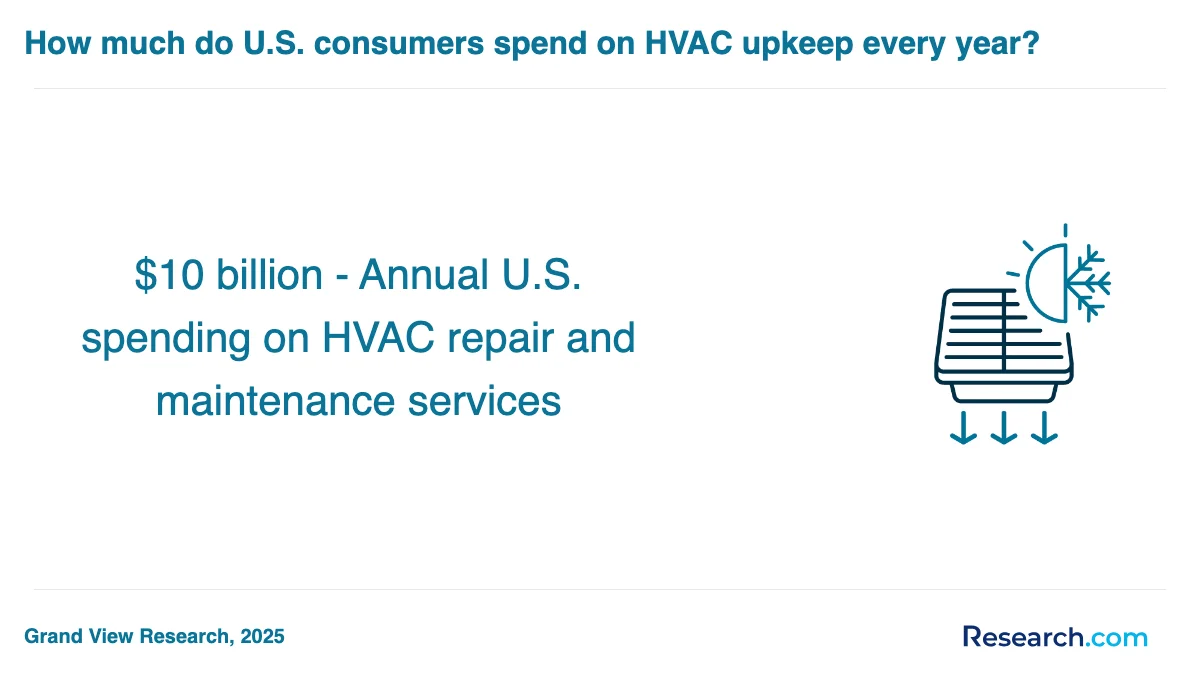
Students enrolled in HVAC technician trade schools in Puerto Rico commonly access federal financial aid by completing the FAFSA, which opens opportunities for Pell Grants, Federal Supplemental Educational Opportunity Grants (FSEOG), and low-interest Direct Loans. For example, graduates from National University College often share how Pell Grants, which can provide up to $7,395 annually, significantly eased their financial burden without the stress of repayment.
Institutional aid is another key resource. Schools like Universidad Ana G. Méndez offer scholarships and grants that reduce tuition costs, sometimes bringing net prices down to between $5,400 and $7,600 per year. Many graduates recount the relief of receiving these internal awards, allowing them to focus more on hands-on training rather than finances.
National HVAC scholarships also support Puerto Rican students, such as the EGIA Foundation HVAC Scholarship and the Women in HVACR Scholarship, which encourage diversity and dedication. Graduates often highlight how winning these competitive scholarships validated their commitment and boosted their confidence in pursuing HVAC careers.
Local grants and apprenticeship funding through Puerto Rico's Department of Education add further financial support, though these options require proactive research to uncover.
Enrolling in an HVAC technician trade school program in Puerto Rico typically requires meeting several clear prerequisites designed to ensure student success and readiness for the technical demands of the field. Most programs expect applicants to have completed a high school diploma or its equivalent, such as a GED. This foundational education guarantees familiarity with basic math and science concepts essential for HVAC studies.
Students often share how having a solid grasp of algebra and physics before starting their training made hands-on learning more intuitive and enjoyable at well-known Puerto Rican trade schools. Additionally, some schools may require applicants to pass an entrance exam or submit proof of basic mechanical aptitude.
Common prerequisites include:
- High school diploma or GED completion
- Basic math and science proficiency
- Entrance exam or aptitude test (varies by institution)
- Proof of residency or legal status in Puerto Rico
Graduates from prominent trade schools express that these requirements build a strong foundation, making the challenging coursework feel achievable and boosting their confidence as they progress through both theory and practical labs.
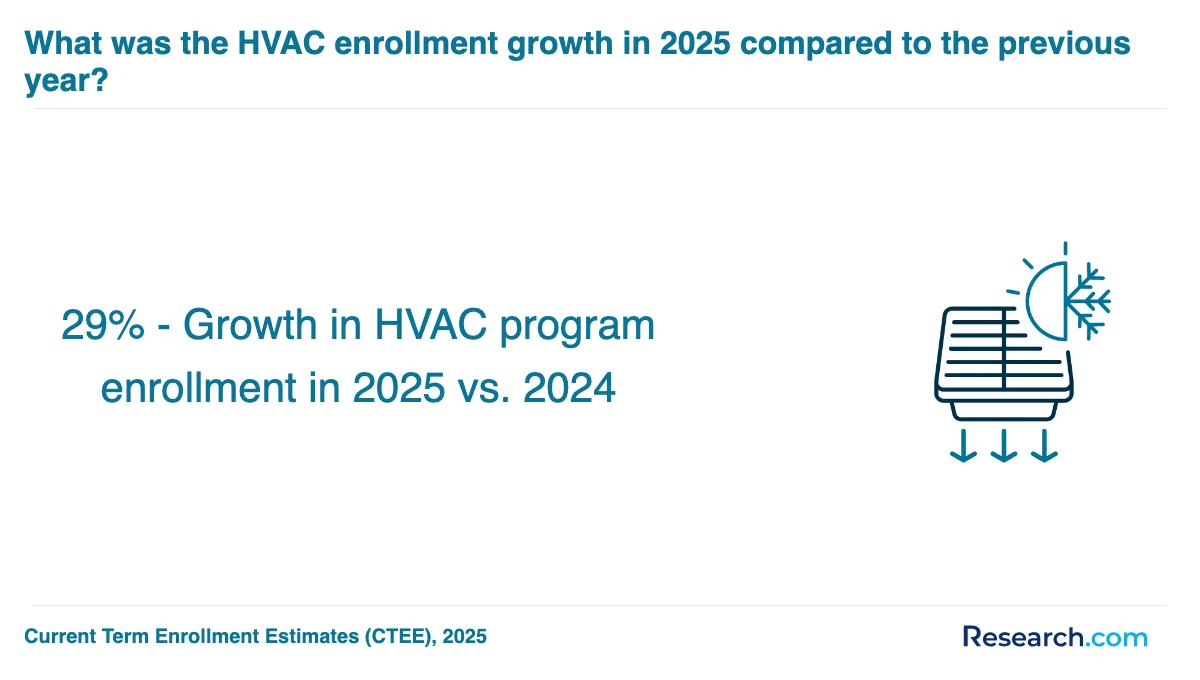
HVAC technician trade school programs in Puerto Rico typically include a mix of theoretical knowledge and practical skills essential for working in the field. Graduates from popular trade schools often mention hands-on courses such as:
- Introduction to HVAC covering heat transfer principles and system components
- Technical training on piping, brazing, soldering, and key hand tools
- Refrigeration theory explaining cooling cycles and air conditioning science
- EPA 608 certification course for legal and safe refrigerant handling
- Safety standards and equipment operation emphasizing workplace safety
- Customer service skills to effectively communicate with clients
Advanced programs, like those at D'Mart Technical Institute, also include in-depth study of Programmable Logic Circuits (PLC) and renewable energy systems, reflecting industry trends towards automation and sustainability. Students often share how mastering these courses builds confidence for real-world troubleshooting and installation in both residential and commercial settings.
Completing between 800 to 1,350 instructional hours, these programs prepare students thoroughly to meet Puerto Rico's licensing requirements while fostering a sense of pride and readiness to enter the HVAC workforce.
HVAC technician specializations in Puerto Rico often focus on refrigeration and programmable logic controls (PLCs), essential for modern climate control systems. Graduates from popular schools like D'Mart Technical Institute highlight how refrigeration and air conditioning programs Puerto Rico equip them with hands-on skills in both residential and commercial settings. This expertise opens doors to roles involving installation, maintenance, and repair of complex HVAC systems.
Many programs include advanced courses on renewable energy integration, reflecting Puerto Rico's commitment to sustainable energy solutions. For example, students training at institutions such as the National University College-IBC Institute gain knowledge in solar-powered HVAC systems and energy efficiency, preparing them for careers in evolving green technologies.
Associate degree options often allow customization through electives in environmental control or commercial refrigeration, as seen at Instituto Tecnologico de Puerto Rico-Recinto de Guayama. These varied paths ensure graduates feel confident stepping into diverse HVAC roles.
For those exploring flexible learning options, engaging with online trade school resources can complement local training and broaden career horizons in HVAC.
Choosing the best HVAC technician programs in Puerto Rico requires careful evaluation of several critical factors. Graduates from top-rated HVAC trade schools in Puerto Rico often emphasize the importance of accreditation by recognized state bodies, which guarantees the quality and credibility of the training they received. Practical, hands-on experience with industry-standard equipment is another key element; students from well-established institutions frequently recount how this approach prepared them for real-world challenges with confidence and skill.
Flexibility in program duration and schedules also matters, especially for those balancing work and study. Many successful students praise schools that provide evening and weekend classes, allowing them to manage their commitments effectively. Additionally, graduates highlight the value of career services, including job placement support, which connects them with local employers and smooths the transition into the workforce.
Evaluating cost alongside financial aid opportunities ensures that your investment in education matches the quality offered. When comparing options, consider how proximity affects your daily routine. Choosing a program nearby not only reduces commute times but also enhances your overall learning experience. For more insight on deciding between pathways, explore the differences between trade vs college to determine what best suits your goals.
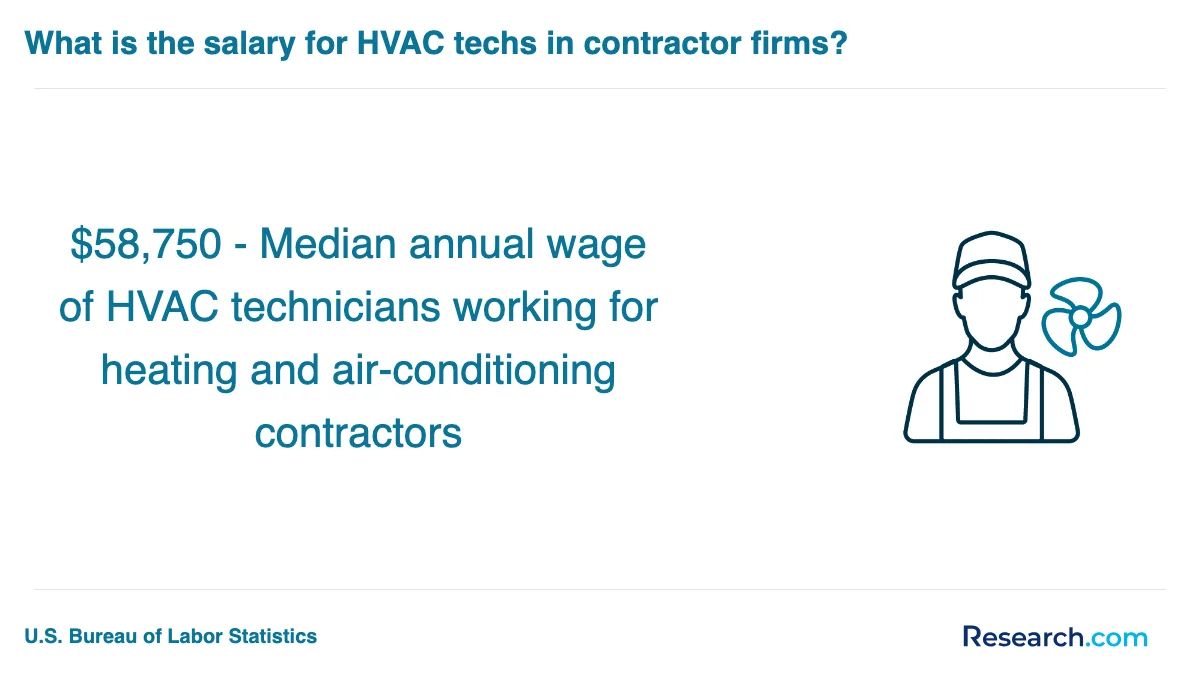
Graduates of HVAC technician trade school programs in Puerto Rico enjoy a variety of career opportunities in the island's dynamic building and maintenance industries. Many find immediate work as HVAC technicians, installing and servicing climate control systems in homes, commercial buildings, and industrial facilities. The emphasis on air conditioning reflects Puerto Rico's tropical climate, but there are also openings related to refrigeration and complex HVAC systems.
Examples from popular trade schools show graduates engaging in diverse roles such as:
- Facilities management for hotels and hospitals
- Construction and service contractor positions
- Specialized refrigeration technician roles
- Associate designer positions focusing on HVAC and piping systems
For those exploring HVAC technician job opportunities in Puerto Rico, career paths after trade school can extend to supervisory roles, service management, technical sales, or equipment support. Graduates frequently appreciate the flexibility to work indoors or outdoors and the chance to develop specialized skills in installation, maintenance, or design. This adaptability makes an HVAC education from top trade schools in Puerto Rico a highly valuable investment.
Students interested in further education may consider the most affordable maintenance technician training online to complement their trade school experience and enhance career prospects.
The HVAC technician job market in Puerto Rico offers solid opportunities for recent trade school graduates ready to enter a workforce with steady demand. Many graduates from popular trade schools across the island speak positively about immediate job placements, often benefiting from employers who require formal HVAC certification and provide competitive benefits. The region's need for installation, maintenance, and repair of HVAC systems in both residential and commercial settings fosters a wide array of available roles, especially in cities like Guaynabo, Manatí, and Hato Rey.
Typical salary trends for HVAC technician salary trends Puerto Rico indicate annual earnings between $17,260 and $37,340, with hourly wages from about $17.50 to $27.47. Many technicians appreciate available overtime pay, helping increase income potential. Graduates cite that possessing certification gained during schooling often unlocks faster career advancement and job security.
Many aspiring technicians consider affordable options to enhance their credentials, such as the cheapest hvac certification online, to bolster their resumes and increase hiring prospects.
Best HVAC Technician Training Programs & Trade Schools - Top HVAC Tech Schools in Puerto Rico for 2026
# 1 position
Humacao Community College - Heating, Air Conditioning, Ventilation and Refrigeration Maintenance Technology/Technician.
associateThe Heating, Air Conditioning, Ventilation and Refrigeration Maintenance Technology/Technician program at Humacao Community College offers a hybrid format with some distance-education options. It trains students to repair, install, service, and maintain heating, air conditioning, and refrigeration systems. Instruction covers diagnostic techniques, testing equipment, and principles of mechanics, electricity, and electronics. Annual in-state tuition is $6,560. The program is accredited by the Accrediting Commission of Career Schools and Colleges.
# 2 position
Universidad Ana G. Mendez-Gurabo Campus - Heating, Air Conditioning, Ventilation and Refrigeration Maintenance Technology/Technician.
associateThe Heating, Air Conditioning, Ventilation and Refrigeration Maintenance Technology/Technician program at Universidad Ana G. Mendez-Gurabo Campus is a hybrid program with some distance-education options. It prepares students to repair, install, service, and maintain heating, air conditioning, and refrigeration systems. Instruction covers diagnostic techniques, testing equipment use, and principles of mechanics, electricity, and electronics. The program’s annual in-state tuition is $6,920 and it is accredited by the Middle States Commission on Higher Education.
# 3 position
NUC University - Heating, Air Conditioning, Ventilation and Refrigeration Maintenance Technology/Technician.
certificate or diplomaNUC University offers a hybrid program in Heating, Air Conditioning, Ventilation and Refrigeration Maintenance Technology/Technician. It prepares students to repair, install, service, and maintain HVAC and refrigeration systems, emphasizing diagnostic techniques, testing equipment, and principles of mechanics, electricity, and electronics. The program’s annual in-state tuition is $8,054. Graduates have median earnings of $32,953 one year after completion. The program is accredited by the Middle States Commission on Higher Education.
# 4 position
Automeca Technical College-Aguadilla - Heating, Air Conditioning, Ventilation and Refrigeration Maintenance Technology/Technician.
certificate or diplomaThe Heating, Air Conditioning, Ventilation and Refrigeration Maintenance Technology/Technician program at Automeca Technical College-Aguadilla prepares students to repair, install, service, and maintain HVAC and refrigeration systems. The hybrid program includes instruction in diagnostic techniques, testing equipment, and principles of mechanics, electricity, and electronics. Annual in-state tuition is $8,895. Graduates have median earnings of $17,204 one year after completion. The program is accredited by the Accrediting Commission of Career Schools and Colleges.
# 5 position
Automeca Technical College-Ponce - Heating, Air Conditioning, Ventilation and Refrigeration Maintenance Technology/Technician.
certificate or diplomaThe Heating, Air Conditioning, Ventilation and Refrigeration Maintenance Technology/Technician program at Automeca Technical College-Ponce offers hybrid learning with some distance-education options. It trains students in diagnosing, repairing, installing, and servicing HVAC and refrigeration systems, covering mechanics, electricity, and electronics principles. The program’s annual in-state tuition is $8,895, and graduates typically earn a median of $17,204 one year after completion. It is accredited by the Accrediting Commission of Career Schools and Colleges.
# 6 position
Automeca Technical College-Bayamon - Heating, Air Conditioning, Ventilation and Refrigeration Maintenance Technology/Technician.
certificate or diplomaAutomeca Technical College-Bayamon offers a Hybrid program in Heating, Air Conditioning, Ventilation and Refrigeration Maintenance Technology/Technician. The program trains students to repair, install, service, and maintain HVAC and refrigeration systems using diagnostic techniques and testing equipment. Tuition for in-state students is $8,895 annually. Graduates earn a median income of $17,204 one year after completion. The program is accredited by the Accrediting Commission of Career Schools and Colleges.
# 7 position
Automeca Technical College-Caguas - Heating, Air Conditioning, Ventilation and Refrigeration Maintenance Technology/Technician.
certificate or diplomaThe Heating, Air Conditioning, Ventilation and Refrigeration Maintenance Technology/Technician program at Automeca Technical College-Caguas prepares students to repair, install, service, and maintain HVAC and refrigeration systems. The hybrid program covers diagnostic techniques, testing equipment, and principles of mechanics, electricity, and electronics related to these systems. Annual in-state tuition is $8,895. Graduates have a median earning of $17,204 one year after completion. The program is accredited by the Accrediting Commission of Career Schools and Colleges.
# 8 position
Humacao Community College - Heating, Air Conditioning, Ventilation and Refrigeration Maintenance Technology/Technician.
certificate or diplomaHumacao Community College offers a hybrid program in Heating, Air Conditioning, Ventilation and Refrigeration Maintenance Technology/Technician. The curriculum prepares students to repair, install, service, and maintain HVAC and refrigeration systems using diagnostic techniques and testing equipment. Instruction covers mechanics, electricity, and electronics relevant to system repair. The annual in-state tuition is $6,560. The program is accredited by the Accrediting Commission of Career Schools and Colleges.
# 9 position
Escuela Tecnica de Electricidad - Heating, Air Conditioning, Ventilation and Refrigeration Maintenance Technology/Technician.
certificate or diplomaThe Heating, Air Conditioning, Ventilation and Refrigeration Maintenance Technology/Technician program at Escuela Tecnica de Electricidad prepares students to repair, install, service, and maintain heating, air conditioning, and refrigeration systems. It includes training in diagnostic techniques, testing equipment, and principles of mechanics, electricity, and electronics related to these systems. The program is offered in a hybrid format and is accredited by the Accrediting Council for Continuing Education & Training.
Frequently Asked Questions about HVAC technician
After completing an HVAC technician trade school in Puerto Rico, preparing for the job market involves several important steps. First, obtaining industry certifications, such as EPA Section 608, enhances a graduate's employability since employers often require these credentials for handling refrigerants legally. According to the U.S. Bureau of Labor Statistics, HVAC jobs in Puerto Rico are expected to grow steadily, reflecting increasing demand for skilled technicians in residential and commercial sectors.
Building hands-on experience through internships or apprenticeships is crucial. Many trade schools facilitate connections with local HVAC companies for practical training. Networking within local trade associations can also help graduates discover job openings and gain professional advice.
Additionally, developing soft skills like communication and customer service is vital, as HVAC technicians often interact directly with clients. Finally, maintaining updated knowledge of energy-efficient technologies and local building codes improves job prospects in Puerto Rico's evolving market.
Employers in Puerto Rico seek HVAC technician graduates who possess strong technical skills, including knowledge of electrical systems, refrigeration, and heating mechanics. According to the U.S. Bureau of Labor Statistics, practical troubleshooting and repair abilities are critical for success in this field. Employers also value proficiency in reading blueprints and HVAC system schematics, which ensures accurate installations and maintenance.
Communication skills are essential, as technicians must explain complex issues clearly to clients. Additionally, familiarity with safety protocols and local building codes is important due to Puerto Rico's climate and regulatory environment. Hands-on experience gained through trade school programs significantly boosts employability in this competitive job market.
Finding internships relevant to HVAC technician trade school programs in Puerto Rico involves leveraging several local and national resources. Start by contacting the career services department of your trade school, as many institutions have partnerships with local HVAC companies. According to the Puerto Rico Department of Labor, technical internships often come through employer collaborations, especially in metropolitan areas like San Juan.
Additionally, the U.S. Department of Labor's Apprenticeship.gov website lists registered HVAC apprenticeship opportunities in Puerto Rico. These programs combine on-the-job training with classroom instruction, ideal for gaining practical experience.
Networking through local trade unions and industry associations, such as the Refrigeration Service Engineers Society (RSES), can also uncover internship openings. Many HVAC employers in Puerto Rico prefer candidates with hands-on experience, so securing an internship is crucial for career advancement.
Obtaining a diploma from a HVAC technician trade school in Puerto Rico significantly enhances career mobility and advancement opportunities. According to the U.S. Bureau of Labor Statistics, HVAC technicians with formal training earn higher wages and have a lower unemployment rate than those without credentials. In Puerto Rico, the demand for skilled HVAC workers is growing due to increasing infrastructure development and climate considerations.
Graduates often qualify for state and federal certifications, which expand job prospects across industries. Moreover, employers prioritize diploma holders for supervisory roles, boosting long-term career growth. Educational attainment in this field is a key factor in achieving financial stability and upward social mobility on the island.
Part-time job opportunities in Puerto Rico that complement HVAC technician trade school education often include entry-level positions in maintenance, refrigeration, and electrical work. These roles help students gain practical experience while studying. For example, working as a maintenance assistant allows hands-on exposure to HVAC systems and basic repairs, which reinforces classroom learning.
The U.S. Bureau of Labor Statistics highlights that Puerto Rico's demand for HVAC technicians is projected to grow by 5% through 2030, indicating steady job availability. Students may also find part-time roles with local contractors or property management companies, providing valuable industry connections.
Additionally, internships or apprenticeships with licensed HVAC professionals can offer paid training that aligns with trade school curricula, improving job readiness upon graduation.
If you are looking for the best HVAC Technician degree programs near Puerto Rico, there are several institutions and technical schools that offer recognized courses. Puerto Rico has various community colleges and vocational schools that provide hands-on training and certification in HVAC technology. To find programs and universities available across the island for HVAC Technician studies near me, Research.com can be a helpful resource to compare and choose the best fit for your needs.
- HVAC technician salary in Puerto Rico ‐ CareerExplorer https://www.careerexplorer.com/careers/hvac-technician/salary/puerto-rico/
- HVAC TECHNICIAN (FULL TIME) Job Details | Compass Group https://jobs.compassgroupcareers.com/United_States/job/CANOVANAS-HVAC-TECHNICIAN-%28FULL-TIME%29-PR-00729/1290175100/
- HVAC Schools in Puerto Rico - Get Local Training https://hvacprograms.net/pr/
- HVAC Trade Schools & Training Programs https://www.best-trade-schools.net/programs/skilled-trades/hvac/
- HVAC Trade School | Training Program | Remington College https://www.remingtoncollege.edu/hvac-technician-training-school/
- How Long is Trade School for HVAC Technicians? | CBT Technology Institute https://www.cbt.edu/blog/how-long-is-trade-school-for-hvac-technicians/
- HVAC Technician | Laurel Institutes https://www.laurel.edu/programs/school-of-trades-technology/hvac-technician
- Air Conditioning, Heating & Refrigeration | Oakton College https://www.oakton.edu/academics/list-of-programs/air-conditioning-heating-and-refrigeration.php
- Top 5 Challenges in HVAC Training and How to Overcome Them https://iconnecttraining.com/top-5-challenges-in-hvac-training-and-how-iconnect-training-overcomes-them/
- Mastering the HVAC Career: Overcoming Common Challenges https://nats.ca/Home/NewsArticle/3-common-challenges-you-may-encounter-during-your-hvac-technician-career/