Most Affordable HVAC Technician Schools & Training - Budget-Friendly HVAC Trade Programs in Oregon for 2026

Co-Founder and Chief Data Scientist
Choosing the right HVAC technician trade school in Oregon can shape your future career and open doors to rewarding opportunities. This article introduces a carefully crafted HVAC technician trade school programs ranking created by the Research.com team of data scientists to help you find the best options for 2026.
Whether you’re starting fresh or upgrading your skills, earning a diploma or certification can boost your confidence and job prospects. Explore the schools worth considering and take a step closer to a fulfilling career in HVAC technology.
Key benefits of finishing HVAC technician trade school in Oregon
- Graduates from HVAC technician trade schools in Oregon can expect starting salaries around $37,000, with experienced technicians earning up to $78,000 per year, offering strong earning potential early in their careers.
- Trade school graduates often find diverse career paths, including residential service, commercial installation, or maintenance roles, as seen with graduates from popular schools like Oregon Trade Tech.
- Completing an HVAC program online provides flexible scheduling and quicker entry into the workforce, helping graduates balance learning with personal commitments, exemplified by successful online students from institutions like the Oregon Online Technical Institute.
- Most Affordable HVAC Technician Schools & Training - Budget-Friendly HVAC Trade Programs in Oregon for 2026
- What can I expect from HVAC technician trade schools in Oregon?
- Where can I work after finishing HVAC technician trade schools in Oregon?
What can I expect from HVAC technician trade schools in Oregon?
Expect a blend of classroom learning and hands-on training when enrolling in an HVAC technician trade school program in Oregon. Many students find themselves balancing detailed lessons on HVAC installation, electrical wiring, and safety procedures with practical experience in labs or real job sites. Graduates from programs like Rogue Community College describe the extensive classroom hours-over 500-paired with thousands of on-the-job training hours as essential to building confidence and skill.
Applicants typically need a high school diploma or GED and some background in algebra, so be prepared for some academic work alongside physical training. Shorter certificate programs, such as those at Portland Community College, allow students to quickly gain entry-level skills in under a year, which many appreciate for starting work sooner.
Apprenticeships overseen by Oregon's Bureau of Labor & Industries add valuable real-world experience, often stretching three to five years with competitive entry. Graduates often mention how certification courses, including EPA Section 608 and state brazing credentials, open doors to better job opportunities and industry trust.
Tuition and materials vary, but students generally find the investment worthwhile, especially with career support and instruction from seasoned professionals. Training centers in locations like Salem and Tualatin make attending manageable for many in the state.
Where can I work after finishing HVAC technician trade schools in Oregon?
After finishing an HVAC technician trade school program in Oregon, graduates find a variety of employment paths open to them. Many start as HVAC installers or service technicians in residential or commercial settings, gaining hands-on experience right away. Graduates from schools like Portland Community College or Clackamas Community College often share how quickly they secured roles with local HVAC companies, appreciating the steady work and camaraderie.
Some technicians join specialized HVAC firms, where they can grow into roles like maintenance technician or service manager. For example, working with a company like Oregon Heating & Air Conditioning in Beaverton offers not only competitive pay but also benefits such as healthcare and retirement plans, making it easier to plan for the future.
Others find jobs with mechanical contractors or as part of in-house teams in hospitals, schools, or manufacturing plants. These positions provide a stable environment and the chance to develop expertise in maintaining complex systems. Apprenticeships are also common, allowing recent graduates to earn while they learn and build confidence on the job.
After finishing an HVAC technician trade school program in Oregon, graduates typically start with salaries ranging from about $37,000 to $57,000 per year. For many who attend popular trade schools in the state, this means stepping into entry-level roles with a solid paycheck that covers living expenses comfortably. One graduate from a Portland-based program shared how their first job paid just over $37,000, but after earning certifications and gaining hands-on experience, their salary rose steadily.
Hourly wages average around $32, which translates to roughly $67,000 annually when working full-time. In cities like Portland, experienced technicians can earn between $30 and $50 per hour, especially in commercial HVAC roles. Another graduate mentioned that after a couple of years on the job, the paychecks noticeably improved, helping them afford better housing and save for the future.
The key takeaway is that while starting salaries might seem modest, the skills gained from Oregon trade schools set graduates up for steady growth and rewarding pay increases as they gain experience and certifications.
- Applicants must be at least 18 years old, have a high school diploma or GED, and complete one year of high school algebra or an equivalent college course with a grade of C or better.
- Typical apprenticeship programs include about 8,000 hours of on-the-job training and 576 hours of classroom instruction over four years.
- Short-term certificate programs can be completed in less than a year and usually cost under $3,000, including tuition, books, and tools.
- Entry-level HVAC technicians in Oregon earn between $47,000 and $52,000 annually, with experienced technicians making $60,000 to $75,000 or more.
- Completing a trade school program or apprenticeship often meets state licensing requirements and can lead to additional certifications or degrees for career advancement.
Completing an HVAC technician trade school program in Oregon typically takes between six months and one year, depending on the school and whether you attend full-time or part-time. Many students at popular Oregon trade schools find that dedicating themselves full-time allows them to finish in about nine months, gaining hands-on experience quickly and moving into the workforce sooner.
Graduates often share how the focused schedule helped them balance life commitments while still feeling confident about mastering core skills. For example, students at well-known Oregon trade schools appreciate the practical labs and real-world simulations that prepare them effectively within this timeframe.
Some part-time students take closer to a year, fitting classes around jobs or family, but they report feeling equally prepared thanks to the schools' structured curriculums. The clarity in pacing and the supportive environment mean that whether you're speeding through or taking your time, the program's length is manageable and rewarding.
The main difference between online and on-campus HVAC technician trade school programs in Oregon comes down to format and hands-on experience. Online programs, like the one at Portland Community College, offer flexibility by letting students study remotely with video lectures and digital simulations. Graduates often appreciate being able to balance work or family while progressing at their own pace, though they sometimes wish for more direct access to equipment and face-to-face mentorship.
On the other hand, on-campus programs at places like Central Oregon Community College and Portland Community College's Swan Island Trades Center focus heavily on in-person training. Students attend scheduled classes, work directly with real HVAC systems, and receive immediate feedback from instructors. Graduates often highlight the confidence gained from hands-on practice and the value of peer interaction during intensive practicums.
Many find that combining classroom learning with practical, supervised experience-as required in Oregon apprenticeships-builds the strongest foundation for an HVAC career.
The average cost HVAC technician trade school Oregon students face can vary widely depending on the type and location of the institution. Community colleges, such as Portland Community College, provide a more affordable route, charging around $4,608 annually for in-state students, while out-of-state students might pay double that. A graduate from one of these programs shared how the manageable tuition allowed them to focus on gaining hands-on skills without overwhelming debt. Meanwhile, Lane Community College charges between $144 and $335 per credit, reflecting the difference in residency fees.
Private trade schools in Oregon typically come with a higher price tag, ranging from $15,000 to $25,000 for the complete HVAC technician program. However, graduates often emphasize the value of accelerated and specialized training, which helped them enter the workforce faster and with confidence. It's important to factor in additional expenses like books, materials, and tools, which can add up to $1,000 or more, and many students budget carefully to cover these costs.
Financial aid is a crucial resource, with programs like the Oregon Opportunity Grant offering support to qualified candidates, making the overall tuition fees HVAC technician programs Oregon more manageable. For those still deciding on the best path, exploring options like an hvac apprenticeship vs certification can clarify the best fit for their career and budget goals.
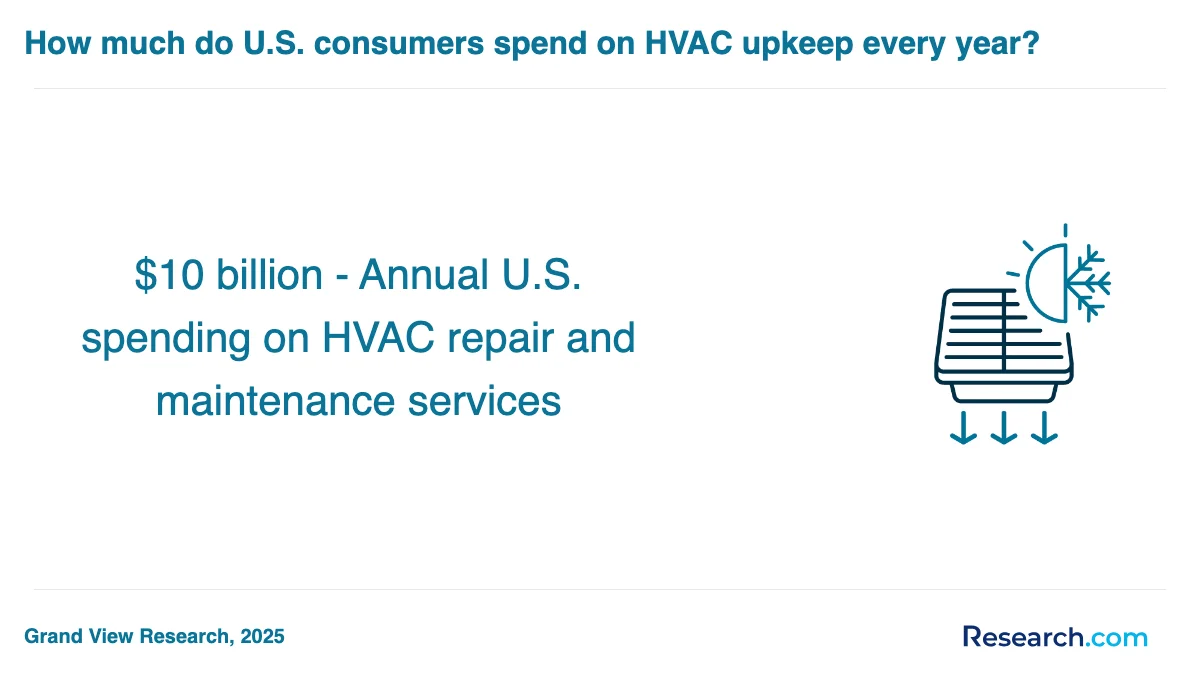
Students pursuing HVAC technician trade programs in Oregon can access several financial aid options that make the investment more manageable. Most begin by completing the FAFSA, which unlocks federal grants and loans. The Federal Pell Grant is especially helpful for those enrolled in eligible programs at community colleges like Portland Community College or Chemeketa Community College, both known for strong HVAC offerings.
Oregon residents may also qualify for the Oregon Promise Grant, which covers tuition at community colleges for recent high school grads or GED holders. Graduates of these programs often share how this state grant eased their financial stress, allowing them to focus on hands-on training rather than worrying about bills.
Beyond grants, scholarships and tuition waivers offered by schools and trade associations provide vital support. Apprenticeship students sometimes benefit from employer tuition reimbursement or direct sponsorships, enabling them to earn wages while learning on the job. For many, this blend of aid and income turns what seems like a steep $4,694 annual tuition into a practical, affordable path toward a rewarding HVAC career.
To enroll in an HVAC technician trade school program in Oregon, you typically need a high school diploma or GED. This basic educational requirement ensures you have the foundational skills in math and reading necessary for the technical coursework ahead.
Most trade schools in Oregon also expect you to be at least 18 years old, meeting legal working age requirements for hands-on training and apprenticeships. Some programs may ask for a background check, especially if the curriculum includes work at residential or commercial sites.
Graduates from popular Oregon trade schools often share how having a clear understanding of basic electrical concepts and mechanical skills before starting helped them feel confident from day one. These prerequisites aren't meant to block entry but to prepare you for a smoother learning experience.
Some key prerequisites include:
- High school diploma or GED
- Minimum age of 18
- Basic math and reading proficiency
- Background check in certain programs
By meeting these, you set yourself up for success in programs offered by well-known Oregon schools, making your transition into the HVAC field more practical and enjoyable.
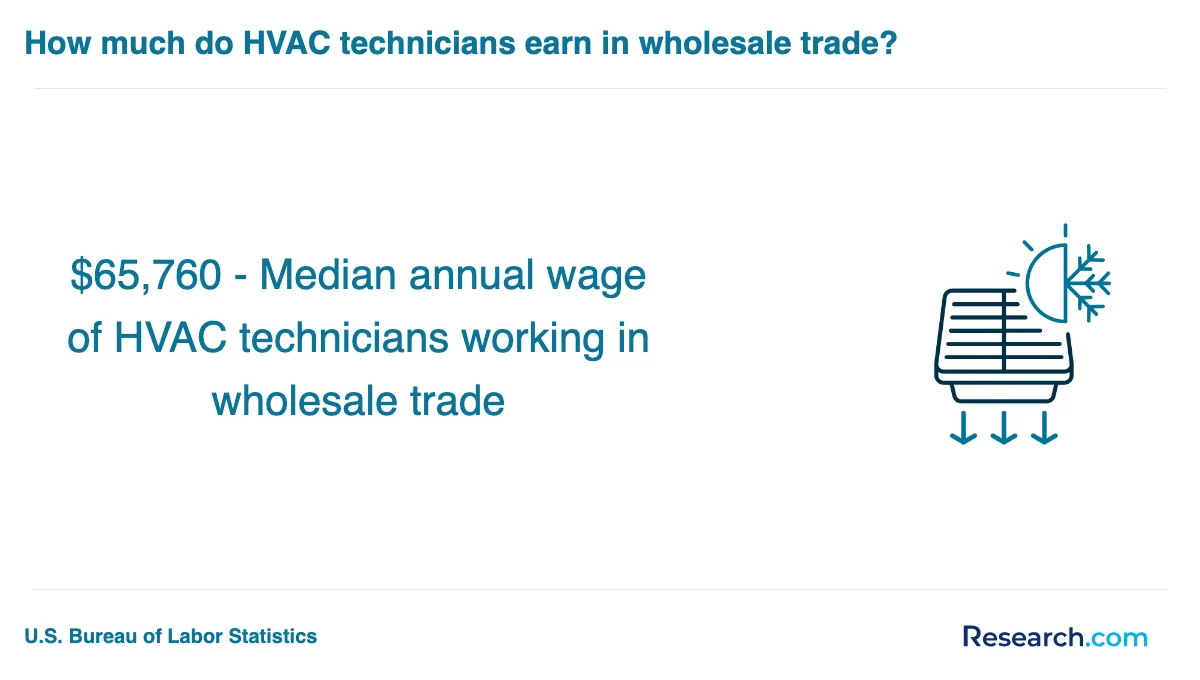
Typical HVAC technician trade school programs in Oregon focus on hands-on skills and essential theory to prepare students for real-world jobs. Graduates from schools like Portland Community College often highlight the practical balance between classroom learning and labs, which build confidence in tackling HVAC systems.
Core courses usually include:
- HVAC system installation and service for both residential and commercial equipment
- Piping, brazing, and soldering techniques crucial for assembling and repairing units
- Electrical fundamentals such as wire pulling and limited energy installations to handle system wiring safely
- Troubleshooting and routine maintenance to ensure systems run efficiently
- Preparation for EPA Section 608 Certification, essential for legally handling refrigerants in Oregon
Students often describe the intensive hands-on practicum, like the two-week session at Portland Community College, as eye-opening-applying classroom knowledge directly to real HVAC units. Apprenticeship programs further complement this by combining thousands of hours of paid on-the-job training with classroom instruction, making graduates highly job-ready.
HVAC specializations in Oregon trade schools often focus on refrigeration, heating systems, ventilation, and air conditioning installation and service. Graduates from programs like those at Portland Community College highlight hands-on learning in mechanical refrigeration, natural gas piping, and controls installation-skills that prepare them for entry-level HVAC/R roles. These specializations match real-world needs, making each graduate feel confident tackling installations or repairs immediately.
Many Oregon HVAC technician training programs and certifications include apprenticeship options, allowing students to deepen their expertise in areas like advanced sheet metal work, electrical controls, or multi-fuel heating system service. Graduates appreciate how tracking into specific specialties helps them master complex environmental control systems and ductwork fabrication, opening doors to more advanced, rewarding roles.
Certification opportunities such as CFC and Brazing Certifications are integral parts of these programs, enabling students to work legally and safely with refrigerants. This certification experience makes graduates feel well-prepared for Oregon's job market demands.
For those considering paths in skilled trades, understanding why is college better than trade school can help weigh educational choices suited to career goals.
When selecting the best HVAC technician trade schools in Oregon, prioritize programs that blend hands-on training with comprehensive knowledge. Graduates from Lane Community College often highlight the value of its apprenticeship-style learning, building confidence by working alongside experienced technicians. Programs like Portland Community College include practical HVAC segments within broader maintenance degrees, which some find helps widen career options. Real-world experience is crucial, so look for schools providing access to on-the-job training and instructors with solid industry backgrounds.
Affordability is also key. Comparing tuition and financial aid options can steer you toward affordable HVAC technician trade schools in Oregon that don't compromise on education quality. Many alumni recommend programs that offer EPA Section 608 certification prep, a must-have for refrigerant handling. Lastly, tapping into career support services can make job searching less overwhelming, with resume workshops and interview coaching enhancing your prospects. Exploring trade school careers that pay well may also help set post-graduation goals.

Graduates of HVAC technician trade school programs in Oregon often start their careers in roles like apprentices, trainees, or helpers to build hands-on skills. Many find themselves quickly advancing to positions such as HVAC Service Technicians, Maintenance Technicians, or Installation Technicians, working with heating, ventilation, air conditioning, and refrigeration systems in homes, businesses, or industrial sites. Those who graduate from well-regarded programs appreciate the steady growth of HVAC career opportunities in Oregon, especially with ongoing construction and industrial expansion.
As experience accumulates, career paths often branch out into:
- Specialized installation or maintenance technician roles
- Journeypersons or lead installers overseeing projects and teams
- Facilities maintenance in schools, hospitals, or corporate buildings
- Project supervisor or energy management positions
Many graduates from Oregon's top trade schools highlight the practical value of earning a Limited Energy Class B license, which opens doors to work with electrical or limited energy contractors. The appeal of HVAC technician jobs and salaries Oregon offers encourages ongoing learning, with some using credits from their trade programs to pursue advanced education or certifications. For an overview of what kind of schools and programs to consider, see what are the best trade school programs.
The job market for HVAC technician trade school graduates in Oregon reflects a balance between attractive earning potential and competitive hiring conditions. Oregon HVAC technician salary and employment outlook data show that average hourly wages range from $29.88 to $34.00, translating to annual salaries between $63,261 and $69,859. Graduates from popular trade schools in Portland or Eugene often celebrate these wages as a strong reward for their training efforts.
However, job openings are relatively scarce compared to other states, requiring graduates to stay persistent and flexible. Many find success by:
- Gaining additional certifications to stand out
- Accumulating hands-on experience through internships or entry-level positions
- Being open to relocating within the state to areas like Tualatin or Salem
Despite the challenge, the demand for skilled HVAC technicians remains. Graduates report that diligence leads to opportunities with pay ranging from $18 to $50 per hour, depending on specialization and experience. For those looking to become a HVAC technician, the path is clear but requires strategic planning and adaptability. Explore more on how to become a hvac technician to understand the steps in this competitive market.
HVAC technician job opportunities in Oregon may seem limited at first glance, but with the right preparation and networking, the field offers rewarding careers for committed graduates.
Most Affordable HVAC Technician Schools & Training - Budget-Friendly HVAC Trade Programs in Oregon for 2026
# 1 position
Portland Community College - Heating, Air Conditioning, Ventilation and Refrigeration Maintenance Technology/Technician.
associatePortland Community College offers a hybrid program in Heating, Air Conditioning, Ventilation and Refrigeration Maintenance Technology/Technician. The curriculum prepares students to repair, install, service, and maintain heating, air conditioning, and refrigeration systems. Instruction covers diagnostic techniques, testing equipment, and fundamentals of mechanics, electricity, and electronics relevant to the trade. The annual in-state tuition is $5,040. The program is accredited by the Northwest Commission on Colleges and Universities.
# 2 position
Portland Community College - Heating, Air Conditioning, Ventilation and Refrigeration Maintenance Technology/Technician.
certificate or diplomaPortland Community College offers a hybrid program in Heating, Air Conditioning, Ventilation, and Refrigeration Maintenance Technology/Technician. The program trains students to repair, install, service, and maintain HVAC and refrigeration systems, covering diagnostic techniques, testing equipment, and principles of mechanics, electricity, and electronics. Annual in-state tuition is $5,040. The program is accredited by the Northwest Commission on Colleges and Universities.
Frequently Asked Questions about HVAC technician
After completing an HVAC technician trade school in Oregon, preparing for the job market involves several key steps. First, obtaining EPA Section 608 certification is essential, as it is federally required to handle refrigerants safely. Many Oregon employers expect this credential alongside state licensing.
Networking is also important; joining local trade associations like the Oregon Mechanical Officials Association can provide job leads and professional support. Additionally, apprenticeships or internships offer practical experience valued by employers.
According to the Oregon Employment Department, the demand for HVAC technicians is projected to grow 5% through 2031, highlighting steady job opportunities. Tailoring resumes to emphasize hands-on training and certifications increases employment chances in this competitive field.
Employers in Oregon seek HVAC technician graduates who possess a mix of technical and soft skills. According to the Oregon Employment Department, proficiency in system diagnostics, repair, and installation is essential. Graduates must demonstrate strong knowledge of heating, ventilation, air conditioning, and refrigeration systems, including familiarity with modern energy-efficient technologies.
Additionally, employers value problem-solving skills and the ability to read blueprints and technical manuals accurately. Effective communication and customer service skills are critical, as technicians often interact directly with clients and coworkers.
Safety awareness and adherence to local codes and regulations are also highly prioritized to ensure compliance and workplace safety, reflecting industry standards statewide.
Finding internships relevant to HVAC technician trade school programs in Oregon involves leveraging multiple local resources. Many trade schools partner with regional HVAC companies to offer internship opportunities as part of their curriculum. Students should inquire directly with their school's career services or internship coordinator for connections.
The Oregon Bureau of Labor and Industries (BOLI) provides information about registered apprenticeship programs, which often include paid internships combining on-the-job training and classroom instruction. These programs are highly valuable for gaining practical experience.
Additionally, websites like Oregon's Workforce Talent Portal list HVAC-related job openings and internships in the state. Networking through local chapters of professional organizations such as the Air Conditioning Contractors of America (ACCA) Oregon chapter can also help students discover internships.
In Oregon, earning a diploma from an HVAC technician trade school significantly enhances career mobility and advancement opportunities. According to the U.S. Bureau of Labor Statistics, HVAC jobs in Oregon are projected to grow by 12% from 2022 to 2032, faster than the national average. A diploma provides essential technical skills and certifications that employers seek, such as EPA Section 608 certification, improving job prospects.
Graduates with a trade school diploma often qualify for higher entry-level wages and are better positioned for promotions to supervisory roles. The Oregon Employment Department reports median wages for HVAC technicians at about $22 per hour, rising with experience and credentials.
Trade schools also offer networking connections and hands-on training, which are crucial for career advancement in Oregon's competitive HVAC market.
Students enrolled in HVAC technician trade schools in Oregon can benefit from several part-time job opportunities that complement their education. Working as an HVAC assistant or helper allows hands-on experience with installation, maintenance, and repair tasks, reinforcing classroom knowledge. Retail positions in home improvement stores like Home Depot or Lowe's offer insight into HVAC equipment and customer service skills. Additionally, roles in general construction or building maintenance provide exposure to related mechanical systems, enhancing practical understanding. According to the U.S. Bureau of Labor Statistics, Oregon's HVAC technician employment is projected to grow 12% from 2022 to 2032, highlighting demand for skilled workers gaining experience early.
There are several options for affordable HVAC Technician degree programs if you're searching "near me" in Oregon. Community colleges and technical institutes offer programs that cover HVAC systems, maintenance, and repair, often at a lower cost compared to four-year universities. For a comprehensive list of programs offering HVAC Technician degrees near Oregon, resources like Research.com can be helpful.
- Most Affordable HVAC Technician Schools & Training - Budget-Friendly HVAC Trade Programs in California for 2026
- Most Affordable HVAC Technician Schools & Training - Budget-Friendly HVAC Trade Programs in New Mexico for 2026
- Most Affordable HVAC Technician Schools & Training - Budget-Friendly HVAC Trade Programs in South Dakota for 2026
- Most Affordable HVAC Technician Schools & Training - Budget-Friendly HVAC Trade Programs in Kansas for 2026
- Most Affordable HVAC Technician Schools & Training - Budget-Friendly HVAC Trade Programs in Oklahoma for 2026
- Most Affordable HVAC Technician Schools & Training - Budget-Friendly HVAC Trade Programs in Minnesota for 2026
- Most Affordable HVAC Technician Schools & Training - Budget-Friendly HVAC Trade Programs in Iowa for 2026
- Most Affordable HVAC Technician Schools & Training - Budget-Friendly HVAC Trade Programs in Missouri for 2026
- Most Affordable HVAC Technician Schools & Training - Budget-Friendly HVAC Trade Programs in Arkansas for 2026
- Most Affordable HVAC Technician Schools & Training - Budget-Friendly HVAC Trade Programs in Louisiana for 2026
- HVAC Schools in Oregon - Training & Certification https://www.hvacclasses.org/schools/oregon
- HVAC Technicians & Installers | Industrial Trades, Technologies, Transportation, and Apprenticeship | Lane Community College https://www.lanecc.edu/programs-academics/areas-study/industrial-trades-technologies-transportation-and-apprenticeship/hvac-technicians-installers
- HVAC School in Oregon | Training for HVAC Jobs in OR https://www.hvacschool.org/oregon/
- HVAC/R Installation, Career Pathway certificate | Facilities Maintenance Technology - HVAC at PCC https://www.pcc.edu/programs/facilities-maintenance/pathway-hvac/
- HVAC/R | Chemeketa Community College https://www.chemeketa.edu/programs-classes/program-finder/apprenticeship/hvac/
- HVAC Schools in Oregon - Get Local Training https://hvacprograms.net/or/
- BOLI : Trade Details : Apprenticeship : State of Oregon https://www.oregon.gov/boli/apprenticeship/pages/trade-details.aspx
- Online HVAC/R Technician (Voucher Included) from Portland Community College https://careertraining.pcc.edu/training-programs/hvacr-technician/
- How to write an HVAC Technician cover letter https://hipcv.com/guides/hvac-technician-cover-letter
- How to Become an HVAC Technician | Skilled Trades College of Canada https://www.skilledtradescollege.ca/resources/how-to-become-an-hvac-technician