
Best HVAC Technician Training Programs & Trade Schools - Top HVAC Tech Schools in Georgia for 2026

Co-Founder and Chief Data Scientist
Choosing the right HVAC technician trade school in Georgia can feel overwhelming. This article offers a clear, data-driven ranking of the top programs, created by the Research.com team of data scientists to help you make an informed decision.
Whether you’re starting fresh or looking to upskill, earning a diploma or certification in HVAC opens doors to a rewarding career with strong job prospects.
Explore the best options available and take confident steps toward a future in this essential and growing field.
Key benefits of finishing HVAC technician trade school in Georgia
- Graduates of HVAC technician trade schools in Georgia can expect an average salary around $23.86 per hour, which equals about $45,138 annually, with higher earnings possible in cities like Newnan where wages reach $38.25 per hour.
- Career paths include residential, commercial, and industrial HVAC roles, with many graduates from popular Georgia trade schools quickly finding rewarding jobs in service, installation, or maintenance sectors.
- Completing an HVAC program online offers flexibility and faster completion times, as experienced by online graduates from well-known Georgia schools who balance work and study while entering the workforce sooner.
What can I expect from HVAC technician trade schools in Georgia?
Enrolling in an HVAC technician trade school program in Georgia means immersing yourself in both hands-on training and classroom learning designed to prepare you for real-world challenges. Graduates from schools like Helms College in Augusta and Macon often describe the experience as intense but rewarding, with programs typically completed in about 12 months. You'll get practical skills working with copper, plastic, and steel piping, and learn essential techniques like soldering and brazing, which are crucial for daily HVAC tasks.
Students can expect thorough preparation for certifications such as the EPA Section 608, which is vital for handling refrigerants. Many programs include exam vouchers and integrated training for certificates that employers highly value, helping graduates confidently step into the workforce. Beyond technical skills, you'll develop soft skills like communication and problem-solving, essential for navigating the dynamic HVAC industry in Georgia.
Graduates frequently share how the curriculum's blend of electrical safety, project management, and customer service training equips them not just to fix systems, but to build a sustainable career. The high job placement rates reported by these schools reflect the practical, career-focused approach that students appreciate deeply as they transition from classroom to job site.
Where can I work after finishing HVAC technician trade schools in Georgia?
After finishing an HVAC technician trade school program in Georgia, many graduates find themselves stepping confidently into diverse and rewarding roles. Graduates from well-known schools in Atlanta or Savannah often begin as HVAC service technicians, installing and repairing systems in homes, schools, and hospitals. One graduate shared how working for a property management company allowed hands-on experience with a variety of equipment, building technical skills quickly.
Others discover opportunities with mechanical service firms or large organizations like universities, where in-house teams rely on skilled technicians to keep campus facilities running smoothly. For instance, some graduates from Savannah trade schools have landed positions maintaining complex HVAC systems at local colleges, feeling proud to contribute daily to a comfortable learning environment.
Beyond traditional roles, some graduates pursue HVAC sales positions or specialize in commercial and industrial systems, working in data centers or manufacturing plants. The steady demand across Georgia-from bustling Atlanta to smaller towns-means graduates can find fulfilling careers close to home, often with benefits like health insurance and paid time off.
How much can I make after finishing HVAC technician trade schools in Georgia?
After finishing an HVAC technician trade school program in Georgia, graduates often find themselves earning between $18 and $28 per hour. Many recall feeling encouraged when they first landed jobs paying around $23.86 hourly, reflecting the state's average as of August 2025. This hourly wage translates to roughly $49,600 annually for full-time work, which feels rewarding for those balancing school expenses and starting fresh in the industry.
Graduates from well-known trade schools in Georgia describe how their pay can vary depending on city and employer. Some reported opportunities offering wages as high as $30 per hour or annual salaries up to $125,000 after gaining experience or specializing. It's common for newcomers to start at the lower end, but overtime-often earning an extra $6,750 a year-can make a significant difference. Many appreciate how their efforts and certifications steadily boost their income, providing a clear path from entry-level roles to more lucrative positions.
Best HVAC Technician Training Programs & Trade Schools - Top HVAC Tech Schools in Georgia for 2026
# 1 position
Athens Technical College - Heating, Air Conditioning, Ventilation and Refrigeration Maintenance Technology/Technician.
certificate or diplomaThe Heating, Air Conditioning, Ventilation and Refrigeration Maintenance Technology/Technician program at Athens Technical College prepares students to repair, install, service, and maintain HVAC and refrigeration systems. This hybrid program includes instruction in diagnostic techniques, testing equipment use, and principles of mechanics, electricity, and electronics. The annual in-state tuition is $3,172. Graduates have a median earning of $45,356 one year after completion. The program is accredited by the Southern Association of Colleges and Schools Commission on Colleges.
# 2 position
Georgia Piedmont Technical College - Heating, Air Conditioning, Ventilation and Refrigeration Maintenance Technology/Technician.
associateThe Heating, Air Conditioning, Ventilation and Refrigeration Maintenance Technology/Technician program at Georgia Piedmont Technical College offers a hybrid format with some distance education. It trains students to repair, install, service, and maintain HVAC and refrigeration systems, emphasizing diagnostic techniques and the use of testing equipment. The program covers mechanics, electricity, and electronics principles. Annual in-state tuition is $3,188, with median earnings one year after completion at $49,346. It is accredited by the Southern Association of Colleges and Schools Commission on Colleges.
# 3 position
Georgia Piedmont Technical College - Heating, Air Conditioning, Ventilation and Refrigeration Maintenance Technology/Technician.
certificate or diplomaGeorgia Piedmont Technical College offers a Hybrid program in Heating, Air Conditioning, Ventilation and Refrigeration Maintenance Technology/Technician. The curriculum trains students to repair, install, service, and maintain HVAC and refrigeration systems using diagnostic techniques and testing equipment. It covers mechanics, electricity, and electronics principles. The annual in-state tuition is $3,188. Graduates earn a median salary of $49,346 one year after completion. The program is accredited by the Southern Association of Colleges and Schools Commission on Colleges.
# 4 position
Oconee Fall Line Technical College - Heating, Air Conditioning, Ventilation and Refrigeration Maintenance Technology/Technician.
certificate or diplomaOconee Fall Line Technical College offers a hybrid program in Heating, Air Conditioning, Ventilation and Refrigeration Maintenance Technology/Technician. The curriculum prepares students to repair, install, service, and maintain HVAC and refrigeration systems, emphasizing diagnostic techniques, testing equipment, and mechanical, electrical, and electronic principles. Annual in-state tuition is $3,201. The program is accredited by the Southern Association of Colleges and Schools Commission on Colleges.
# 5 position
West Georgia Technical College - Heating, Air Conditioning, Ventilation and Refrigeration Maintenance Technology/Technician.
certificate or diplomaWest Georgia Technical College offers a hybrid Heating, Air Conditioning, Ventilation and Refrigeration Maintenance Technology/Technician program. This curriculum prepares students to repair, install, service, and maintain HVAC and refrigeration systems using technical skills and diagnostic techniques. Instruction covers mechanics, electricity, and electronics relevant to these systems. The annual in-state tuition is $3,122. Graduates earn a median income of $35,572 one year after completion. The program is accredited by the Southern Association of Colleges and Schools Commission on Colleges.
# 6 position
Chattahoochee Technical College - Heating, Air Conditioning, Ventilation and Refrigeration Maintenance Technology/Technician.
associateChattahoochee Technical College offers a hybrid Heating, Air Conditioning, Ventilation and Refrigeration Maintenance Technology/Technician program that trains students to repair, install, service, and maintain HVAC and refrigeration systems. Instruction covers diagnostic techniques, testing equipment, and principles of mechanics, electricity, and electronics. The program’s annual in-state tuition is $3,252. Graduates have a median earning of $41,978 one year after completion. It is accredited by the Southern Association of Colleges and Schools Commission on Colleges.
# 7 position
Chattahoochee Technical College - Heating, Air Conditioning, Ventilation and Refrigeration Maintenance Technology/Technician.
certificate or diplomaChattahoochee Technical College offers a hybrid program in Heating, Air Conditioning, Ventilation and Refrigeration Maintenance Technology/Technician. The curriculum covers repair, installation, servicing, and maintenance of heating, air conditioning, and refrigeration systems, including diagnostic techniques and the use of testing equipment. The program costs $3,252 annually for in-state students and is accredited by the Southern Association of Colleges and Schools Commission on Colleges. Median earnings one year after completion are $41,978.
# 8 position
Central Georgia Technical College - Heating, Air Conditioning, Ventilation and Refrigeration Maintenance Technology/Technician.
certificate or diplomaCentral Georgia Technical College offers a hybrid Heating, Air Conditioning, Ventilation and Refrigeration Maintenance Technology/Technician program. The curriculum prepares students to repair, install, service, and maintain HVAC and refrigeration systems, covering diagnostic techniques, testing equipment, and principles of mechanics, electricity, and electronics. Annual in-state tuition is $3,180. Graduates earn a median salary of $34,320 one year after completion. The program is accredited by the Southern Association of Colleges and Schools Commission on Colleges.
# 9 position
South Georgia Technical College - Heating, Air Conditioning, Ventilation and Refrigeration Maintenance Technology/Technician.
associateSouth Georgia Technical College offers a hybrid Heating, Air Conditioning, Ventilation and Refrigeration Maintenance Technology/Technician program. It prepares students to repair, install, service, and maintain heating, air conditioning, and refrigeration systems. Instruction covers diagnostic techniques, testing equipment, and principles of mechanics, electricity, and electronics. The annual in-state tuition is $3,782. The program is accredited by the Southern Association of Colleges and Schools Commission on Colleges.
# 10 position
South Georgia Technical College - Heating, Air Conditioning, Ventilation and Refrigeration Maintenance Technology/Technician.
certificate or diplomaSouth Georgia Technical College offers a hybrid program in Heating, Air Conditioning, Ventilation and Refrigeration Maintenance Technology/Technician. The curriculum trains students to repair, install, service, and maintain HVAC and refrigeration systems, focusing on diagnostic techniques and the use of testing equipment. Instruction covers mechanics, electricity, and electronics principles related to system repair. Annual in-state tuition is $3,782. The program is accredited by the Southern Association of Colleges and Schools Commission on Colleges.
Key Findings
- Most HVAC trade schools in Georgia require a high school diploma or GED, with some programs accepting students aged 16 or older for entry-level certificates.
- HVAC technician programs typically take 12 months or less to complete, combining academic learning with hands-on technical training.
- Graduates can earn industry certifications like EPA Section 608, NATE, and HVAC Excellence, which are often included with tuition.
- Program costs range from $3,000 to $7,000, covering tuition and exam vouchers but may exclude extra fees for proctoring or externships.
- The average entry-level salary for HVAC technicians in Georgia is $40,000 to $45,000 per year, with experienced workers earning $55,000 or more.
- Many programs offer externships with local employers to provide practical experience, though these might require background checks or immunization records.
How long does it take to complete HVAC technician trade schools in Georgia?
Completing an HVAC technician trade school program in Georgia typically takes between six months and one year, depending on the school and the depth of the curriculum. Many students at well-known Georgia trade schools find that an intensive, focused program lasting around nine months is enough to gain the practical skills and knowledge needed to enter the workforce confidently.
Graduates often share how this timeframe feels just right-not too long to delay starting their careers, yet comprehensive enough to cover essential topics like refrigeration, electrical systems, and HVAC installation. For example, students attending popular schools in Atlanta describe the experience as immersive, with hands-on labs that mirror real work environments, helping them build both technical abilities and self-assurance.
Choosing a program in Georgia means benefiting from tailored training that balances classroom learning with practical hours, often allowing students to maintain part-time jobs or apprenticeships. This structure makes the journey manageable and rewarding, leaving graduates excited and prepared for the challenges of HVAC careers.
What's the difference between online and on-campus HVAC technician trade school programs?
The difference between online and on-campus HVAC technician trade school programs in Georgia often comes down to how students experience the learning process. Graduates from online programs at Georgia Southern University or the University of West Georgia frequently share how the flexibility of studying at their own pace helped them balance work and family commitments. They appreciate accessing video lectures and interactive simulations that prepare them well for certification exams like EPA 608. However, many mention the challenge of missing out on hands-on practice during the core coursework, which sometimes leaves them eager to find local internships to build real-world skills.
In contrast, those who attended on-campus programs like Lincoln Tech in Marietta describe a more immersive environment. They recall the confidence gained from working directly with HVAC equipment in labs under expert guidance, often feeling more prepared to handle the day-to-day demands of the trade. The structured schedule and immediate feedback from instructors made learning tangible and engaging, reinforcing skills that online simulations alone couldn't fully replicate.
Choosing between these paths means weighing flexibility against hands-on experience-each shaping the journey toward becoming a skilled HVAC technician in distinct ways.
What is the average cost of HVAC technician trade schools in Georgia?
The average HVAC technician program cost in Georgia varies significantly depending on the type of certification or degree pursued and the institution chosen. Graduates from certificate programs often reflect on their experience as a valuable investment since these programs, typically lasting 6 to 12 months, tend to be more affordable. For example, Coastal Pines Technical College charges about $100 per credit hour for in-state students, making tuition fees for HVAC trade schools in Georgia relatively manageable for those living in the state. Out-of-state students should expect higher rates, sometimes doubling the in-state rate.
On the other hand, those who enroll in associate degree programs receive a broader and more in-depth education but pay a premium, often around $578 per credit hour for in-state students as seen at Gwinnett Technical College. Graduates from such programs often express satisfaction with their comprehensive training, which has opened doors to higher-paying positions. However, tuition is only part of the cost equation; students must also budget for textbooks, tools, and supplies, which can total up to several thousand dollars.
Many aspiring technicians find encouragement by learning about financial aid opportunities, including federal grants, scholarships, and benefits for veterans, which significantly alleviate financial strain. For those weighing options, researching the best trade school in usa can provide insights into cost-effective and reputable programs nationwide, offering a useful benchmark for evaluating local tuition fees for HVAC trade schools in Georgia.
What financial aid is available for HVAC technician trade schools in Georgia?
Many HVAC technician students in Georgia find financial aid to be a crucial support during their training, especially through federal and state grants. For those enrolled in credit-bearing programs at technical colleges like Oconee Fall Line or North Georgia Technical College, the Pell Grant often provides needed assistance without the burden of repayment. Completing the FAFSA is a common first step graduates recall when securing this aid.
State-funded programs such as the HOPE Grant and HOPE Career Grant stand out as lifelines. Graduates frequently share how the HOPE Career Grant sometimes covered their entire tuition, making their HVAC education truly tuition-free at well-known schools. This grant targets high-demand fields like HVAC, ensuring students who maintain good academic standing can focus on learning rather than finances.
Beyond grants, scholarships and workforce development funds add layers of support. Some graduates describe receiving institutional scholarships based on merit or need, which helped ease living expenses. Even those pursuing non-credit HVAC courses often discover local workforce grants or payment plans that keep their goals within reach.
Connecting with financial aid offices remains a key step graduates emphasize for personalized guidance and up-to-date information tailored to Georgia's unique aid landscape.
What are the prerequisites for enrolling in HVAC technician trade schools in Georgia?
Enrolling in an HVAC technician trade school program in Georgia typically requires a few clear prerequisites, designed to ensure students are prepared for the hands-on and technical nature of the training. Most programs expect applicants to have a high school diploma or GED, which serves as the foundation for understanding the electrical and mechanical concepts taught.
Graduates from popular trade schools in Georgia often mention that having basic math skills and a genuine interest in problem-solving made their learning smoother. For example, many found that brushing up on algebra and physics before starting the program helped them grasp HVAC system diagnostics faster.
Other common prerequisites include:
- Proof of legal residency or citizenship in the U.S.
- Being at least 18 years old, which aligns with safety regulations for handling equipment
- Passing a background check or drug screening, depending on the school
- Sometimes a physical exam to confirm the ability to handle the physical demands of the trade
Many students recall that meeting these requirements was straightforward and a positive first step toward a rewarding career. They often highlight how trade schools in Georgia balance accessibility with setting students up for success in this growing field.
What are the typical courses in HVAC technician trade schools in Georgia?
HVAC technician trade school programs in Georgia offer a well-rounded curriculum designed to prepare students for real-world challenges. Graduates from schools like Helms College and Lanier Technical College often recall hands-on experiences that made complex concepts approachable and exciting.
Typical courses include:
- Heating Systems, Air Conditioning Systems, and Refrigeration Principles-building a strong foundation in the science and mechanics behind HVAC technology.
- Troubleshooting and Diagnostics-training students to confidently identify and fix system issues using both traditional tools and advanced diagnostics.
- Electrical Fundamentals for HVAC-covering essential wiring and circuit knowledge specific to heating and cooling equipment.
- Installation Best Practices and Preventive Maintenance-teaching the correct setup and upkeep of systems to ensure long-term efficiency.
- Courses on customer service, project management, and job costing-skills that help technicians thrive independently or in leadership roles.
Many students appreciate the blend of classroom theory with practical lab work or simulations, which makes learning tangible and builds confidence. Preparing for certifications like the EPA 608 Refrigerant Handling and NATE Ready to Work further motivates them, knowing these credentials unlock career opportunities in Georgia's expanding HVAC industry.
What are the available specializations in HVAC technician trade schools in Georgia?
HVAC technician trade school programs in Georgia provide a diverse range of specializations that reflect the state's dynamic industry needs. Graduates often describe their hands-on experience studying residential air conditioning, where they mastered installing and servicing home systems-skills emphasized in programs like those at Central Georgia Technical College. This specialization creates confident technicians ready to tackle everyday household HVAC challenges.
Beyond residential systems, many programs emphasize commercial HVAC systems, training students to manage complex setups found in office buildings and retail centers. Graduates appreciate learning system design and troubleshooting, which opens job opportunities in property management and large-scale commercial services. Refrigeration technology is another vital focus, preparing students for careers repairing refrigeration units in restaurants and grocery stores, as seen in curricula at Georgia Piedmont Technical College.
Students often reflect on specialized certificates, such as the Air Conditioning Electrical Technician Technical Certificate, which builds critical skills around motors and electrical controls, deepening their technical confidence. Additional concentrations like heat pump systems, gas heating, and environmental controls further expand career paths.
These Georgia HVAC technician program concentrations help students align their passion with career goals. Many programs also prepare learners for essential certifications, which boost career readiness. For those seeking accessible options, low cost maintenance technician online courses provide an alternative route to entering the field with valuable skills.
How do you choose the best HVAC technician trade school program in Georgia?
Choosing among the best HVAC technician trade schools in Georgia means focusing on accreditation, hands-on training, and program flexibility. Graduates from West Central Technical College often praise the PAHRA-accredited curriculum for giving them a solid foundation recognized by employers across the state. Meanwhile, students at Interactive College of Technology appreciate the 135-hour externship that turned their classroom knowledge into real confidence on actual job sites. Such immersive experiences make a lasting difference when entering the workforce.
Look for top HVAC programs in Georgia that match your schedule and learning style. For example, Lincoln Tech in Marietta offers both day and evening classes, allowing working students to balance their commitments without missing critical training. Also, consider schools with strong job placement records, as graduates from Interactive College of Technology highlight how this support connected them to rewarding positions immediately after training.
Exploring options thoroughly is vital, and reviewing details on top vocational trade schools can provide additional clarity on which programs align best with your ambitions and lifestyle.
What career paths are available for HVAC technician trade school graduates in Georgia?
Graduates of HVAC technician trade school programs in Georgia often start their careers as entry-level helpers or apprentices, gaining hands-on experience while working alongside seasoned professionals. Many find these initial roles rewarding, as they build essential skills and prepare for certification. Once certified, commonly with EPA Section 608, graduates move into HVAC technician jobs in Georgia, handling installation, repair, and maintenance of heating and cooling systems in homes, schools, and businesses.
Popular programs in Georgia frequently highlight diverse career options, such as:
- Refrigeration specialists in restaurants and supermarkets
- Energy efficiency consultants aiming to lower utility costs and environmental footprints
- Project managers overseeing large-scale HVAC installations
- Entrepreneurs launching their own service businesses for greater independence
Many graduates appreciate the flexibility in HVAC career opportunities in Georgia-as some transition to marine systems within shipbuilding or take roles in equipment sales and technical support. Those considering further education often explore cheap online hvac trade school programs to broaden their expertise and advance faster in this steadily growing field.
What is the job market for HVAC technician trade school graduates in Georgia?
The HVAC technician job outlook in Georgia is very promising, especially for graduates from well-known trade schools in the state. Many graduates share experiences of quickly finding entry-level roles or apprenticeships due to the 18% projected growth between 2023 and 2033, which far exceeds the national average. This demand is fueled by Georgia's unique climate, requiring year-round heating and cooling system maintenance and upgrades. Graduates often note how training programs emphasize practical skills that translate directly to on-the-job success.
Job postings for HVAC technicians are abundant across the state, from Atlanta to smaller cities, reflecting a strong market hungry for skilled workers. Many construction firms report unfilled positions, giving new graduates a competitive edge. Examples of typical roles include installation helpers, service technicians, and supervisory positions, providing a clear career ladder after completing training.
Regarding compensation, HVAC technician salary trends Georgia show average annual salaries around $53,000, rising to over $64,000 with experience. Industry veterans easily earn hourly wages between $25 and $45. Many students learn how long does it take to become an hvac technician during their studies, helping them plan career paths with confidence.
Frequently Asked Questions about HVAC technician
After completing an HVAC technician trade school in Georgia, preparing for the job market involves several key steps. First, obtaining the Environmental Protection Agency (EPA) Section 608 certification is essential, as it is federally required to handle refrigerants. Many employers in Georgia prioritize this credential.
Next, gaining hands-on experience through internships or apprenticeships can significantly improve job prospects. Georgia's construction and maintenance sectors continue to grow, with the Bureau of Labor Statistics projecting a 5% increase in HVAC jobs statewide through 2030.
Networking through local trade organizations like the Georgia Mechanical Contractors Association can connect graduates with employers. Additionally, updating a professional resume and preparing for interviews tailored to HVAC roles helps candidates stand out. Staying current with state licensing requirements and continuing education is also important for long-term career growth.
Employers in Georgia seek HVAC technician graduates who possess strong technical skills, including proficiency in installing, maintaining, and repairing heating, ventilation, and air conditioning systems. Knowledge of electrical systems and refrigeration is particularly important, as noted by the U.S. Bureau of Labor Statistics (BLS). Practical experience with diagnostic tools and safety protocols also ranks highly. Communication skills are valued since technicians often explain system issues to clients clearly. Additionally, understanding energy efficiency and environmental regulations is increasingly important due to Georgia's focus on sustainable building practices. Trade school graduates with hands-on training and updated certifications tend to be preferred in the competitive job market.
Finding internships relevant to HVAC technician trade school programs in Georgia involves leveraging multiple resources. Start by contacting your trade school's career services or internship coordinator, as many schools have established partnerships with local HVAC companies. According to the Georgia Department of Labor, the HVAC sector in Georgia is growing, with a steady demand for skilled technicians, which increases internship opportunities.
Additionally, use online job platforms like Georgia's Employ Georgia portal or industry-specific sites to search for HVAC internships. Networking through local trade associations, such as the Air Conditioning Contractors of America (ACCA) Georgia chapter, can also provide leads on available internships.
Attending local trade shows and HVAC expos in Georgia helps connect with employers offering hands-on experience. Finally, applying early and preparing a solid resume emphasizing technical skills can improve your chances of securing an internship.
Obtaining a HVAC technician trade school diploma in Georgia significantly enhances career mobility and advancement opportunities. According to the Georgia Department of Labor, the state expects a 15% growth in HVAC technician jobs through 2030, reflecting strong demand for skilled professionals.
A diploma provides essential technical skills and certifications that employers value, increasing a graduate's competitiveness in the job market. Many HVAC employers in Georgia prefer candidates with formal training, as it reduces on-the-job training time and ensures familiarity with state codes and safety standards.
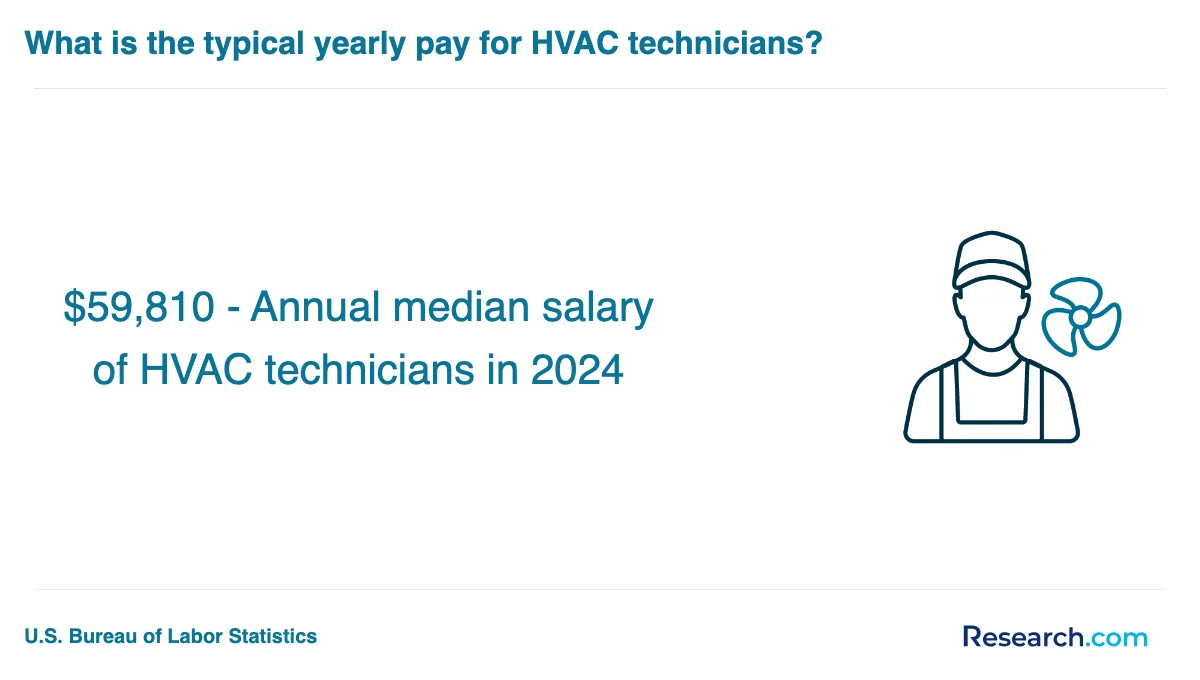
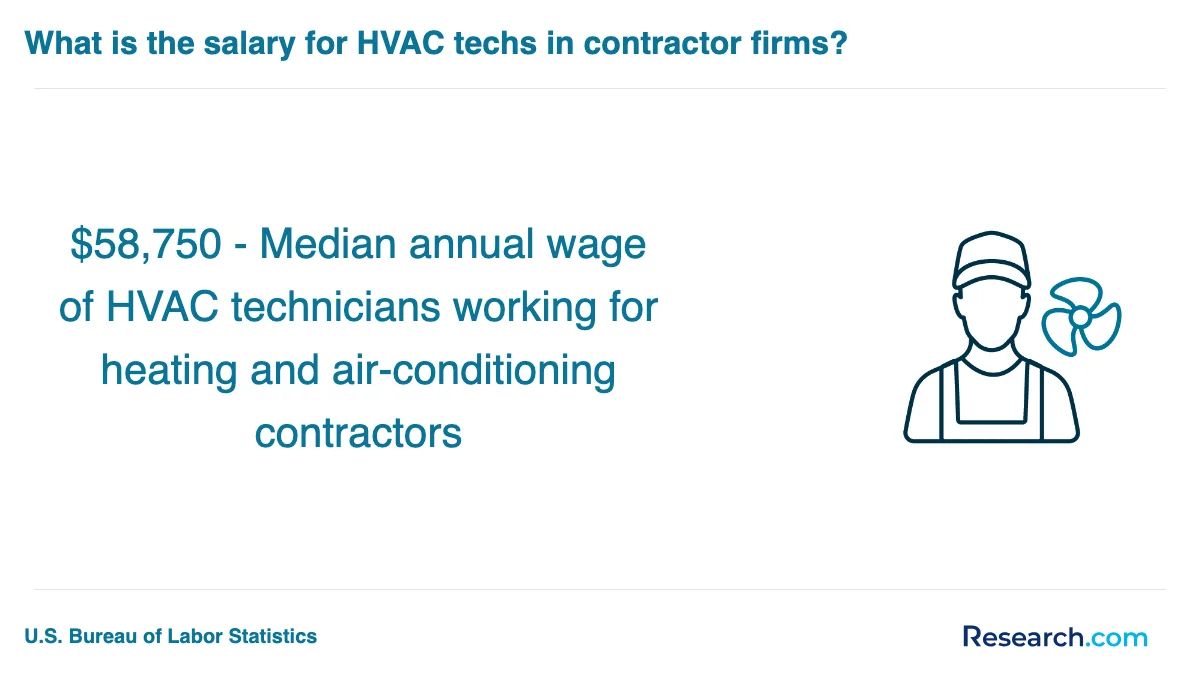
Graduates often qualify for higher entry-level wages; the U.S. Bureau of Labor Statistics reports Georgia's median HVAC technician wage is around $45,000 annually, higher than many non-certified peers. Additionally, diploma holders are better positioned to pursue advanced certifications and supervisory roles, which further boost earning potential and career growth.
Students enrolled in HVAC technician trade schools in Georgia can benefit from various part-time job opportunities that complement their education. Positions such as HVAC helper or apprentice allow hands-on experience with installation, maintenance, and repair, helping to build practical skills.
Other relevant roles include retail positions at home improvement stores, where students learn about HVAC equipment and customer service. Additionally, some students find part-time work with local HVAC companies, gaining exposure to real-world job sites and industry standards.
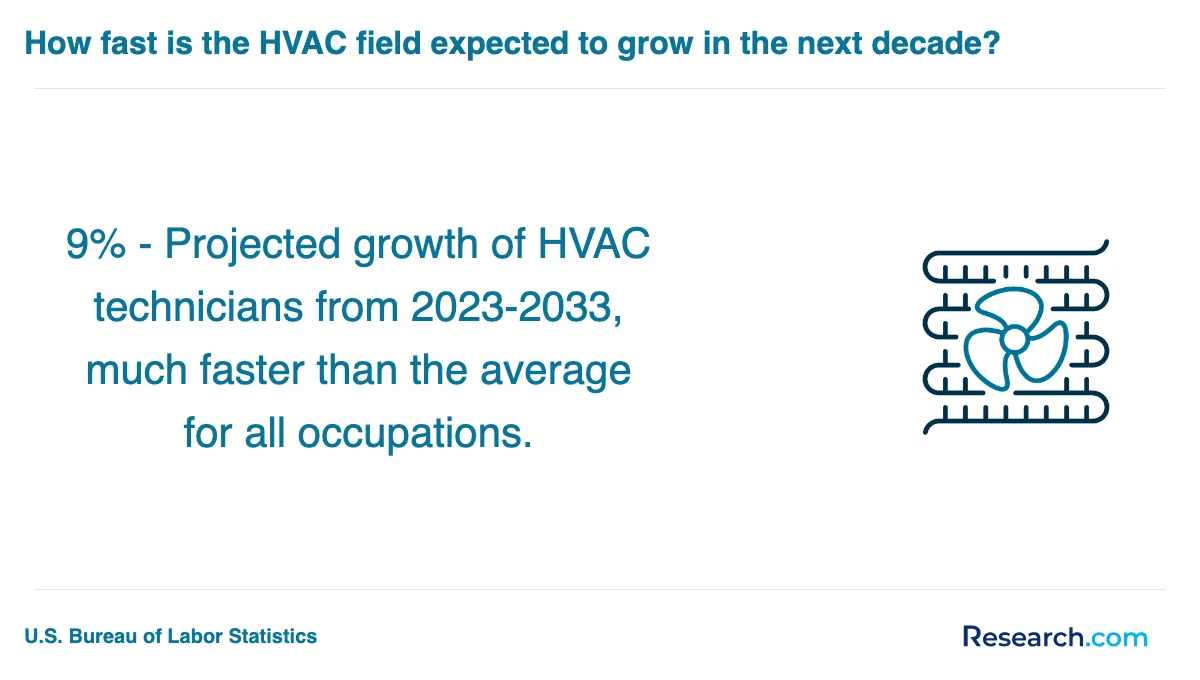
According to the U.S. Bureau of Labor Statistics, Georgia's HVAC employment is projected to grow 9% through 2031, reflecting strong demand for skilled technicians. These part-time jobs can improve a student's resume and expand professional networks, increasing future employment prospects.
Yes, there are HVAC Technician degree programs near Georgia that you might find suitable. Various technical colleges and universities offer specialized programs in Heating, Ventilation, and Air Conditioning technology, equipping students with the necessary skills. To locate a program near me, searching platforms like Research.com can provide helpful information on local institutions and rankings.
Related HVAC Technician Rankings for Nearby States
- Best HVAC Technician Training Programs & Trade Schools - Top HVAC Tech Schools in Alabama for 2026
- Best HVAC Technician Training Programs & Trade Schools - Top HVAC Tech Schools in North Carolina for 2026
- Best HVAC Technician Training Programs & Trade Schools - Top HVAC Tech Schools in Kentucky for 2026
- Best HVAC Technician Training Programs & Trade Schools - Top HVAC Tech Schools in West Virginia for 2026
- Best HVAC Technician Training Programs & Trade Schools - Top HVAC Tech Schools in Missouri for 2026
- Best HVAC Technician Training Programs & Trade Schools - Top HVAC Tech Schools in Maryland for 2026
- Best HVAC Technician Training Programs & Trade Schools - Top HVAC Tech Schools in Illinois for 2026
- Best HVAC Technician Training Programs & Trade Schools - Top HVAC Tech Schools in Pennsylvania for 2026
- Best HVAC Technician Training Programs & Trade Schools - Top HVAC Tech Schools in Texas for 2026
- Best HVAC Technician Training Programs & Trade Schools - Top HVAC Tech Schools in Delaware for 2026
Top Trending Rankings
References
- University of West Georgia HVAC Technician Online Certification Course https://westga.edu2.com/product/5094/hvac-technician
- HVAC Technician – Georgia Mountains Works https://georgiamountainsworks.com/career-pathways/hvac-technician/
- Air Conditioning Technology Program https://gwinnetttech.edu/airconditioning/
- HVAC School in Georgia at Lincoln Tech https://www.lincolntech.edu/careers/skilled-trades/hvac/georgia
- Air Conditioning (HVAC) - Savannah Technical College https://www.savannahtech.edu/academics/air-conditioning-hvac/
- HVAC Training in Georgia: Top Programs & Career Paths https://www.genesiscareer.edu/hvac-training-georgia-programs-certifications-career-paths/
- HVAC School in Atlanta-Morrow, GA | UEI https://www.uei.edu/trade-school/georgia/morrow/heating-ventilation-and-air-conditioning-hvac-in-morrow/
- Air Conditioning – North Georgia Technical College https://northgatech.edu/academic-programs/industrial-technology/air-conditioning/
- How Long is an HVAC Training Program | Helms College https://www.helms.edu/how-long-does-it-take-to-complete-an-hvac-training-program/
- HVAC-R School in Atlanta (Smyrna), Georgia - Fortis https://www.fortis.edu/campuses/georgia/smyrna/hvac.html





