
Best HVAC Technician Training Programs & Trade Schools - Top HVAC Tech Schools in Bangor for 2026

Co-Founder and Chief Data Scientist
Choosing the right HVAC technician trade school in Bangor can shape your future career. This article introduces a carefully crafted ranking of HVAC technician trade school programs, developed by the Research.com team of data scientists. Their work helps you identify quality programs worth considering.
By exploring this guide, you’ll gain valuable insights to make an informed decision about your education. Earning a diploma or certification opens doors to rewarding job opportunities and personal growth. Take the first step toward a fulfilling career in HVAC technology with confidence and clarity.
Key benefits of finishing HVAC technician trade school in Bangor
- Graduates in Bangor can expect an average hourly wage around $33.73, with opportunities to earn extra through overtime, making this a financially rewarding career choice.
- Many HVAC trade school alumni find diverse roles, from installation and repair to specialized mechanical work, offering a flexible and stable career path.
- Completing an HVAC program online provides convenience and flexibility, allowing students to balance learning with personal commitments while gaining skills that employers in Bangor highly value.
- Best HVAC Technician Training Programs & Trade Schools - Top HVAC Tech Schools in Bangor for 2026
- What can I expect from HVAC technician trade schools in Bangor?
- Where can I work after finishing HVAC technician trade schools in Bangor?
What can I expect from HVAC technician trade schools in Bangor?
When you enroll in an HVAC technician trade school program in Bangor, expect a solid mix of hands-on training and classroom learning. Graduates from places like Eastern Maine Community College and Northeast Technical Institute often mention how much they appreciated the balance between theory and practical skills, like electrical wiring and refrigerant handling. You'll spend time working with real equipment in labs, which makes the learning stick and boosts your confidence for on-the-job challenges.
Many students find the flexible schedules a big plus-whether it's self-paced online classes or hybrid models that fit around work or family life. Programs usually cover everything from HVAC basics to specialized topics like heat pump troubleshooting, so you're prepared for the latest industry demands.
Plus, earning certifications through these programs opens doors to good local jobs. Graduates often feel proud of their industry-recognized credentials and ready to step into roles that really make a difference in homes and businesses around Bangor.
Where can I work after finishing HVAC technician trade schools in Bangor?
After finishing an HVAC technician trade school program in Bangor, you'll find plenty of doors open to you. Many graduates land jobs quickly with local HVAC service companies, construction contractors, or facilities management firms. For instance, some start as installers or junior service technicians handling heating and cooling systems in homes or commercial buildings.
One common story from Bangor trade school grads is how they moved right into roles repairing or installing HVAC units in places like schools, hospitals, or manufacturing plants. No prior experience is often needed, so new grads feel confident stepping into entry-level positions and gaining hands-on skills on the job.
Plus, companies such as Mechanical Services, Inc. actively look for trained technicians from Bangor trade schools, which keeps the local job market strong. Whether you want full-time work or contract gigs, there's steady demand here, making it easier to build your career and even advance toward supervisory roles down the line.
After finishing an HVAC technician trade school program in Bangor, graduates often find themselves earning a solid wage right from the start. Many report starting hourly rates between $28 and $35, which is pretty competitive compared to other local jobs. For example, some who trained at popular Bangor trade schools have shared how they quickly landed positions paying around $33.73 per hour, plus overtime that can add up to an extra $6,750 annually.
One graduate mentioned landing a job with ABM Mechanical, where HVAC mechanics earn about $35.15 an hour-significantly higher than the national average. These higher wages typically come with experience and certifications earned after completing school, making the career path feel rewarding and motivating.
It's common to hear from new technicians how the steady pay and overtime opportunities make it easier to cover living costs in Bangor while gaining valuable hands-on experience. Many appreciate that their training opened doors to roles paying close to $64,000 a year, especially when factoring in varying experience levels. If you're considering HVAC school here, the financial outlook looks bright and attainable.
- Applicants need a high school diploma or equivalent and basic skills in math and science; some schools require residency proof and a driver's license.
- Programs in Bangor include those at Eastern Maine Community College and Northeast Technical Institute, offering certifications like NATE and NCCER.
- The Northeast Technical Institute's HVAC/R program lasts about 27 weeks with 810 instructional hours covering installation, maintenance, repair, and green technologies.
- Total program cost at Northeast Technical Institute is around $18,102, including tuition, fees, background check, and a toolkit; financial aid options are available.
- Entry-level HVAC technicians in Maine earn between $40,000 and $48,000 annually, with potential to earn $60,000 or more with experience and certifications.
Most HVAC technician trade school programs in Bangor typically take about 6 to 12 months to complete, depending on whether you choose a full-time or part-time schedule. Many graduates from popular trade schools in the area share how this timeframe felt just right-long enough to gain solid hands-on experience but short enough to jump into the workforce quickly.
For example, students often talk about spending mornings in classrooms learning the theory and afternoons getting their hands dirty in real-world labs. This balance helps keep things engaging and builds confidence fast. One graduate mentioned how finishing the program within a year allowed them to start an apprenticeship almost immediately, making the wait for a paycheck much shorter and less stressful.
Bangor's HVAC programs are known for being well-structured, which means you won't feel overwhelmed. The steady pace lets you absorb important skills like system installation, repair, and maintenance without rushing, so you graduate feeling ready and excited about your new career.
When you're deciding between online and on-campus HVAC programs in Bangor, the biggest difference is how you learn the hands-on stuff. On-campus programs, like the one at Northeast Technical Institute (NTI), give you real lab time with actual HVAC equipment. Graduates often say this in-person experience made them feel confident tackling installations and repairs because they practiced under expert supervision.
Online programs offer more flexibility, letting you study theory and safety from anywhere, which is great if you're juggling work or family. But many students find it tough to get the same hands-on practice unless the program includes in-person labs or local internships-something not always available in Bangor.
Hybrid options at schools like NTI blend the best of both worlds: you learn theory online but still get scheduled lab sessions on campus. Many students appreciate this balance, saying it fits their busy lives while still building solid, real-world skills employers want.
When looking into the average cost HVAC technician trade school Bangor Maine offers, you'll find that programs typically range around $18,000 to $35,000. For example, a popular trade school in Bangor runs a 30-week HVAC/R Technician program with tuition near $18,102. But tuition is just one piece of the puzzle-students also pay for books, supplies, and living expenses, which can add up to nearly another $16,000. Many graduates mention how these additional costs surprised them initially, but they felt the investment was worthwhile for the hands-on experience and job-ready skills they gained.
One common story among HVAC students in Bangor is balancing financial aid options while managing these expenses. Some schools offer financial aid and accept GI Bill® benefits, making the HVAC technician program tuition fees Bangor Maine students face more manageable. Graduates often reflect positively on these supports, which ease the pressure and let them focus on learning.
Considering all costs upfront helps set realistic expectations-whether it's the extra fees for tools or living costs during intense training weeks. If you're comparing options, be sure to look closely at each program's financial aid offerings and factor in total costs, not just tuition. For more insight on navigating this choice, exploring the differences between college vs trade school can be a helpful step in planning your education wisely.

If you're thinking about HVAC technician trade school in Bangor, you'll be glad to know there's a solid mix of financial aid to help ease the cost. Many students at Northeast Technical Institute and Eastern Maine Community College tap into federal aid like the Pell Grant, which can cover a big chunk without needing repayment. For the 2025-2026 year, that grant can be up to $7,395-definitely a game changer for those balancing budgets.
Loans are another option, with both subsidized and unsubsidized federal Direct Loans available. Some graduates share how the Parent PLUS Loan helped their families support their studies, while Maine residents often benefit from the FAME Grant, which is tailored just for locals pursuing technical careers like HVAC.
Veteran students at places like MEMA Technical Education Center often use GI Bill® benefits, making tuition far more manageable. Plus, many schools offer scholarships or institutional aid-at MTEC, for example, nearly half of students receive some form of financial help, which makes a big difference when juggling work and classes.
When it comes to enrolling in an HVAC technician trade school program in Bangor, the prerequisites are pretty straightforward but important to keep in mind. Most schools expect you to have a high school diploma or a GED. This is the basic ticket to get started, as it shows you've got the foundational skills needed for the technical training ahead.
Graduates often share how being comfortable with math and basic science helped them breeze through early courses. If you're someone who enjoys hands-on learning or fixing things around the house, that natural curiosity will serve you well here.
Here are a few common prerequisites you can expect at popular Bangor trade schools:
- A minimum age of 18 years
- Proof of high school completion or GED
- Basic math and reading proficiency tests
- Physical ability to handle manual work, like lifting and crawling
One graduate mentioned how the school's placement test was a bit nerve-wracking but turned out to be a great way to identify strengths and areas to brush up on. Another talked about how the hands-on labs made it easier to connect theory with real-world HVAC systems found in Bangor homes and businesses.
So if you're ready to dive into a career that's both challenging and rewarding, meeting these prerequisites is the first step to joining a welcoming community of future HVAC pros right here in Bangor.
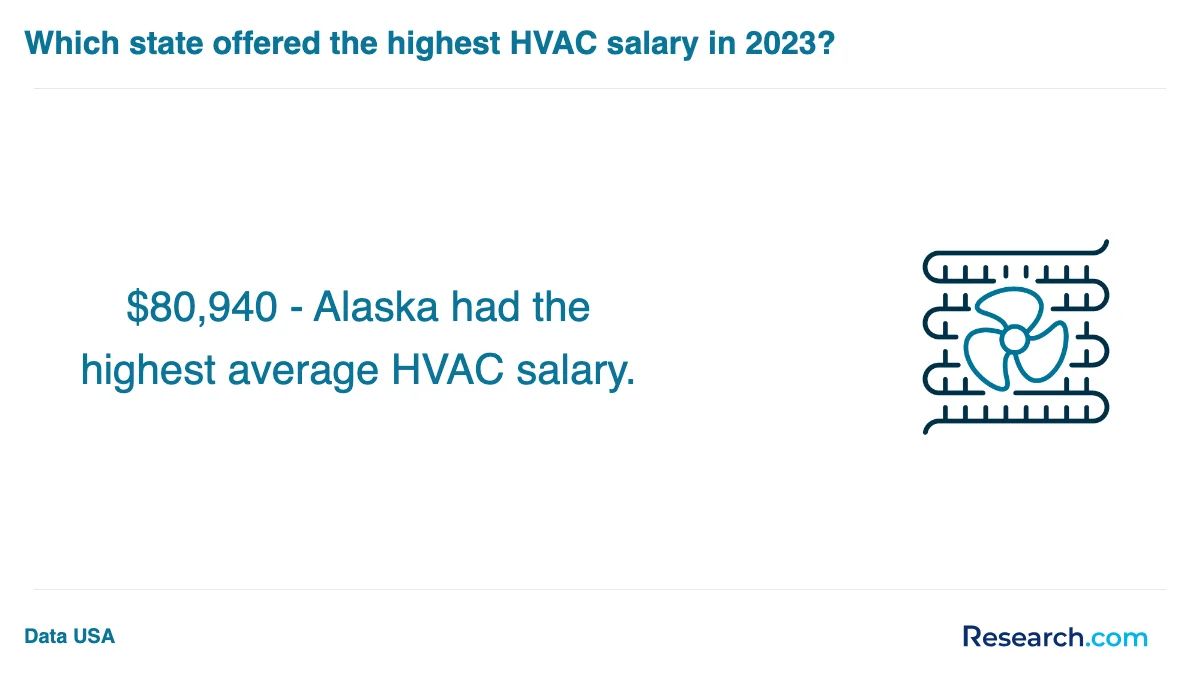
If you're thinking about HVAC technician programs in Bangor, you'll find the courses really focus on hands-on learning combined with solid theory. Graduates often say the training feels super practical, preparing them for real job situations.
Typical courses include:
- HVAC/R fundamentals: Understanding heating, cooling, and refrigeration basics, perfect for troubleshooting everyday issues.
- Installation and maintenance: Learning how to properly install and keep systems running smoothly in homes and businesses.
- Electrical wiring for HVAC: Crucial for safely working with system wiring and controls.
- Troubleshooting and repair: Building skills to quickly diagnose and fix common mechanical and electrical problems.
- Industry safety standards: Hands-on safety training to handle refrigerants and electrical components confidently.
Many Bangor trade schools, like NTI and Eastern Maine Community College, blend classroom lessons with lab work, so you're not just sitting through lectures-you're actually getting your hands dirty. Graduates mention feeling ready to pass certifications like the EPA 608 and NORA, which really boost job prospects. Plus, some classes even cover propane and natural gas systems, opening doors to more specialized roles. Overall, these courses aim to make you a skilled, confident technician right from day one.
When exploring HVAC technician specializations in Bangor Maine, you'll find options that let you really tailor your training to what excites you most. Graduates from places like Northeast Technical Institute often highlight how the ability to focus on refrigeration, heating systems, or installation gave them confidence walking into their first job. Others from Eastern Maine Community College mention hands-on courses preparing them for licenses like EPA Section 608 or the Oil Burner Journeyman, making real-world work less daunting.
Programs in Bangor don't just ditch you in a classroom-they offer practical skills like:
- Installing and maintaining residential or commercial HVAC systems
- Specializing in gas heating or refrigeration
- Learning blueprint reading and electrical applications for heating
- Preparing for state or industry certification exams
Whether at Southern Maine Community College focusing on green tech or Washington County Community College prepping for journeyman licenses, students love how their training connects directly to jobs. For a deeper dive into how to become hvac technician, these Bangor Maine HVAC training programs are a great place to start.
When choosing the best HVAC technician trade school program in Bangor, start by checking if the school offers accredited HVAC technician programs Bangor employers respect. Graduates from places like Eastern Maine Community College often share how accreditation gave them confidence their skills would be recognized on the job. It's not just about a certificate-it's about real-world value.
Look closely at the curriculum too. Bangor students who picked Northeast Technical Institute loved the mix of hands-on labs and classroom learning covering everything from air conditioning to energy management. Imagine learning by doing, not just reading-this approach really preps you for work.
Flexibility matters, especially if you're juggling work or family. Some top programs provide evening classes or online options, which helped many recent grads balance life while studying. If you want to explore more about options, check out this online trade school resource for flexible learning paths.
Finally, compare tuition and financial aid. Bangor students often find that understanding costs upfront and seeking aid makes pursuing HVAC training less stressful and more affordable.
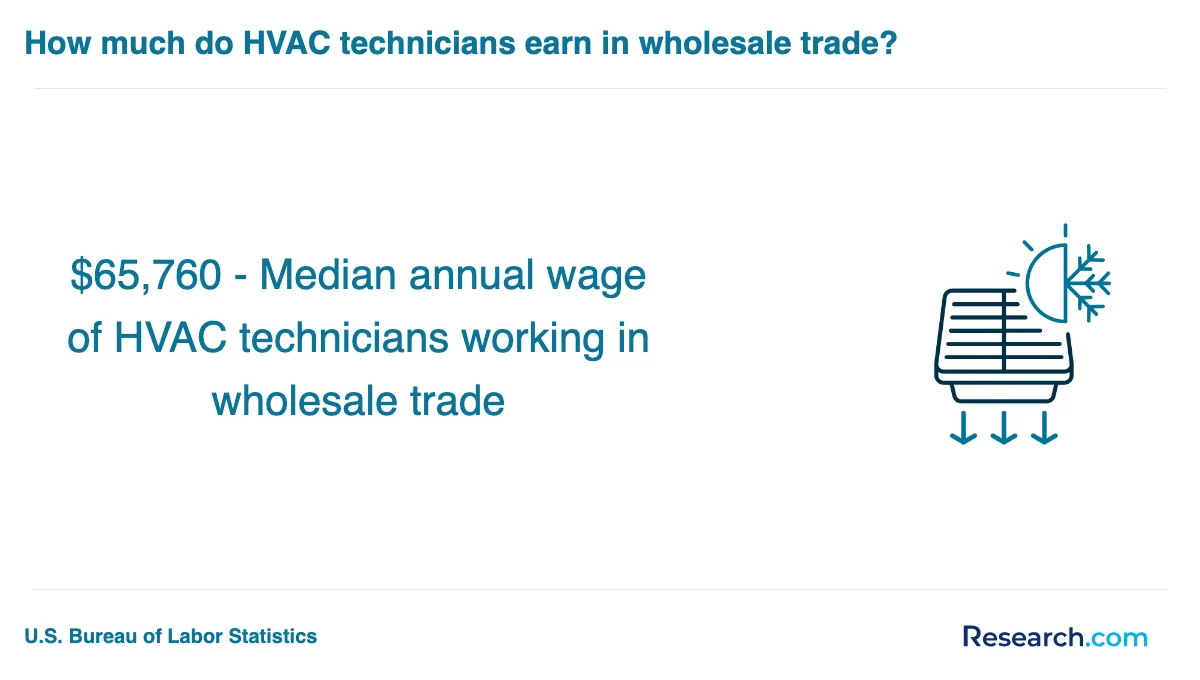
Graduates from HVAC technician trade schools in Bangor often jump right into hands-on roles that set the foundation for a rewarding career. Many find entry-level HVAC technician jobs in Bangor Maine installing, maintaining, and troubleshooting systems in homes and businesses. These roles give real-world experience with heating and cooling units, building confidence fast.
Popular trade schools in Bangor prepare students not just for technician roles but also offer pathways into specialized positions. Graduates have shared how they moved into focused careers like refrigeration technician or controls technician, working on commercial refrigeration units or advanced HVAC controls. Some took extra certifications like a Maine State Gas license, which opened doors to even more specialized work.
For those interested in climbing higher, HVAC apprenticeship programs Bangor ME create solid stepping stones. Graduates describe progressing from service technician to senior HVAC technician or lead installer roles, gaining responsibility and better pay along the way. Some find unique roles in sales engineering or project coordination, blending technical skills with people skills.
If you're exploring options, you might also consider cheap maintenance technician training online as a flexible way to boost your credentials while working locally.
The HVAC technician job openings in Bangor Maine are solid right now, making it an exciting time for recent trade school graduates in this field. Many who recently completed their training at popular local schools share stories about how they quickly found roles like HVAC Technician, Service Technician, and Installer thanks to the steady demand. Employers in Bangor look for hands-on skills in repairing, installing, and maintaining commercial and residential HVAC systems, plus some require specific state licenses, such as a Maine State Gas license, which graduates often pursue to stand out.
Here's what recent grads highlight about working in Bangor's HVAC market:
- Competitive wages ranging from $26 to $51 per hour, especially for certified techs specializing in supermarket refrigeration or commercial HVAC/R.
- On-the-job training opportunities that help new workers build experience and move up fast.
- Benefits like license reimbursement, health insurance, and 401(k) plans from local employers like ABM Mechanical.
If you're wondering about what is the difference between hvac certification and apprenticeship and how it affects your career path, this guide can help you decide which route suits your goals best. Graduates from Bangor trade schools often find that earning certifications boosts their chances in the local job market, tying into strong demand and attractive Bangor Maine HVAC technician salary and demand.
Best HVAC Technician Training Programs & Trade Schools - Top HVAC Tech Schools in Bangor for 2026
# 1 position
Eastern Maine Community College - Heating, Air Conditioning, Ventilation and Refrigeration Maintenance Technology/Technician.
associateEastern Maine Community College offers a hybrid program in Heating, Air Conditioning, Ventilation and Refrigeration Maintenance Technology/Technician. This program prepares students to repair, install, service, and maintain heating, air conditioning, and refrigeration systems. Instruction covers diagnostic techniques, testing equipment, and principles of mechanics, electricity, and electronics. Annual in-state tuition is $3,877. The program is accredited by the New England Commission on Higher Education.
# 2 position
Eastern Maine Community College - Heating, Air Conditioning, Ventilation and Refrigeration Maintenance Technology/Technician.
certificate or diplomaEastern Maine Community College offers a hybrid program in Heating, Air Conditioning, Ventilation and Refrigeration Maintenance Technology/Technician. The curriculum prepares students to repair, install, service, and maintain HVAC and refrigeration systems, emphasizing diagnostic techniques, testing equipment, and principles of mechanics, electricity, and electronics. Annual in-state tuition is $3,877. The program is accredited by the New England Commission on Higher Education.
Frequently Asked Questions about HVAC technician
After completing an HVAC technician trade school in Bangor, preparing for the job market involves several key steps. First, obtaining relevant certifications such as EPA Section 608 is essential, as it is federally required for handling refrigerants. Employers in Maine prioritize candidates with these credentials. Networking locally through job fairs and industry groups like the Maine Mechanical Contractors Association can open doors to apprenticeships and entry-level jobs.
Building a strong resume highlighting hands-on training from your trade school is crucial. According to the U.S. Bureau of Labor Statistics, HVAC jobs in Maine are projected to grow 5% through 2031, underscoring steady demand. Finally, staying updated with evolving HVAC technologies increases employability in this competitive field.
Employers hiring HVAC technician trade school graduates in Bangor prioritize a mix of technical and soft skills. Proficiency in installing, repairing, and maintaining heating, ventilation, and air conditioning systems is essential. According to the U.S. Bureau of Labor Statistics, practical knowledge of electrical systems and refrigeration cycles is highly valued.
Additionally, problem-solving abilities and attention to detail are critical, as technicians often diagnose complex system issues. Communication skills are also important because technicians must explain repairs to customers clearly. The Maine Department of Labor highlights that safety awareness and adherence to industry regulations, such as EPA refrigerant handling, are mandatory for entry-level positions.
Finding internships in Bangor relevant to HVAC technician trade school programs involves several practical steps. Start by contacting local trade schools, as many maintain partnerships with area HVAC companies to facilitate student placements. According to the U.S. Bureau of Labor Statistics, internships and apprenticeships are critical for hands-on experience in this field.
Local unions and trade organizations, such as the United Association or Maine State HVAC contractors' associations, often provide internship listings or apprenticeship opportunities. Additionally, online job boards like Indeed and local chambers of commerce websites can feature HVAC internship postings specific to Bangor.
Networking through career fairs hosted by trade schools or community colleges in Bangor also plays a key role. Engaging directly with employers increases chances of securing relevant internships that comply with program requirements and industry standards.
Obtaining a HVAC technician trade school diploma in Bangor significantly enhances career mobility and advancement opportunities. According to the U.S. Bureau of Labor Statistics, HVAC technicians with formal training typically earn 15% more than those without credentials. In Bangor, where the construction and maintenance sectors are growing, employers prioritize candidates with accredited diplomas, which demonstrate essential skills and knowledge. Trade school graduates often qualify for entry-level positions and are more competitive for promotions, such as supervisory roles. Additionally, many programs include certification preparation, which further improves job prospects and wage potential in the local market.
Furthermore, trade schools in Bangor often have partnerships with local employers, facilitating apprenticeships and job placements. This direct connection helps graduates transition smoothly into the workforce and advance quickly. Data from Maine's Department of Labor highlights that HVAC technicians with diplomas experience lower unemployment rates and faster re-employment times compared to those without formal training. Overall, a diploma from a trusted HVAC trade school in Bangor serves as a strong foundation for long-term career growth within the region's increasing demand for skilled technicians.
Part-time job opportunities in Bangor that complement HVAC technician trade school education often include entry-level positions such as HVAC helper or assistant roles. These jobs allow students to gain hands-on experience with installation, maintenance, and repair tasks while attending classes. Local HVAC companies frequently offer such positions to support growing demand in the region, with the U.S. Bureau of Labor Statistics projecting a 5% growth in HVAC jobs nationwide through 2031.
Additionally, roles in related fields like appliance repair or general maintenance can develop relevant technical skills. Some students find part-time work with property management firms, assisting with HVAC system upkeep in residential or commercial buildings. These positions not only provide practical experience but also help build professional networks within Bangor's HVAC industry.
To find the best HVAC Technician degree program near Bangor, ME, you can start by searching for local community colleges or trade schools that offer HVAC training, as these institutions often have programs designed to prepare students for certification and careers in the field. Additionally, utilizing resources like Research.com can help you identify reputable programs near me and compare them based on factors such as curriculum, faculty expertise, and graduate success rates. It's also beneficial to visit these institutions near Bangor, ME, to get a feel for the campus environment and speak directly with faculty or current students about the program's quality and outcomes.
- 6 Hvac Technician Cover Letter Examples & Templates for 2025 | Himalayas https://himalayas.app/cover-letters/hvac-technician
- How to write an HVAC Technician cover letter https://hipcv.com/guides/hvac-technician-cover-letter
- 13 HVAC Technician Cover Letter Examples: Plus Recruiter Insights (Updated for 2025) https://resumeworded.com/cover-letter-samples/hvac-technician
- HVAC/R Technician https://www.wctc.edu/WCTC/Academics/Program-List/HVAC-R-Technician
- Trade School in California | Brownson Technical School https://brownson.edu/hvac-schools-california/
- HVAC On the Job Training vs. Trade School - HVACR Career Connect NY https://hvacrcareerconnectny.com/hvac-on-the-job-training-vs-trade-school/
- Looking for a Great Job with Only Some College Required? Become an HVAC Technician. http://intellitec.edu/looking-for-a-great-job-with-only-some-college-required-become-an-hvac-technician/
- 37 Careers You Can Pursue Via Trade Schools https://www.best-trade-schools.net/careers/
- Top Alternatives to HVAC School | Goodwin University https://www.goodwin.edu/enews/hvac-school-alternatives/
- HVAC Technician Education & Training Requirements + Costs | Faraday https://faradaycareers.com/careers/hvac-technician-education


