Most Affordable HVAC Technician Schools & Training - Budget-Friendly HVAC Trade Programs in Texas for 2026

Co-Founder and Chief Data Scientist
Choosing the right HVAC technician trade school in Texas can feel overwhelming. That’s why this article offers a helpful ranking of HVAC technician trade school programs, created by the Research.com team of data scientists. It’s designed to guide you toward the best options for your education and career goals.
Whether you’re starting fresh or changing paths, earning a diploma or certification in HVAC opens doors to a rewarding, in-demand field. Reading this article will give you clear insights to make confident decisions about your future.
Key benefits of finishing HVAC technician trade school in Texas
- Expected salary: Graduates can expect an average annual wage of about $51,790, with hourly rates ranging from $20.62 to $40 or more depending on experience and location in Texas.
- Career paths: HVAC technician graduates often find opportunities in residential, commercial, or industrial sectors, with many moving up to specialize or manage projects after gaining experience.
- Online program benefits: Completing an HVAC trade school online offers flexibility and faster completion, as seen in graduates from popular Texas programs, making it easier to balance work and study compared to traditional degrees.
- Most Affordable HVAC Technician Schools & Training - Budget-Friendly HVAC Trade Programs in Texas for 2026
- What can I expect from HVAC technician trade schools in Texas?
- Where can I work after finishing HVAC technician trade schools in Texas?
What can I expect from HVAC technician trade schools in Texas?
Students enrolling in HVAC technician trade schools in Texas can expect a strong focus on hands-on training combined with classroom instruction. Graduates from popular Texas programs often describe working directly with the latest HVAC tools and systems, such as heat pumps and refrigeration units, which builds confidence for real-world jobs from day one.
Typical coursework includes electrical theory, refrigeration principles, ductwork, and mechanical controls. Many students find value in learning EPA Section 608 regulations and OSHA safety protocols, essential for licensing and employment. For example, graduates recall practicing with industry-standard test equipment and engaging in lab sessions that simulate actual job conditions.
Program lengths vary; some certificate options take as little as 10 months, while associate degrees may last around two years. Flexible schedules and multiple campuses help students balance work or family. Several trade schools offer job placement assistance or even money-back guarantees, which students appreciate when entering the competitive Texas HVAC job market.
Overall, students gain practical skills for troubleshooting, installing, and maintaining HVAC systems, leaving them well-prepared to start their careers.
Where can I work after finishing HVAC technician trade schools in Texas?
Graduates of HVAC technician trade school programs in Texas frequently find employment across diverse sectors, leveraging their hands-on training to secure roles in residential, commercial, and industrial settings. Many start as service technicians or installers, diagnosing problems or setting up new HVAC systems in homes and businesses throughout cities like Dallas and Houston.
Trade school alumni often describe the transition to roles such as commercial HVAC installer or refrigeration technician as rewarding, especially when working on large-scale projects that demand precision and teamwork. Some enter specialized positions like quality control or entry-level startup technician roles, which provide a strong foundation and boost confidence early in their careers.
Beyond technical jobs, graduates report opportunities in customer service, sales, or administrative roles within HVAC companies, highlighting the value of communication skills learned during their programs. Employers in Texas consistently require registration with the Texas Department of Licensing and Regulation (TDLR), a step graduates feel well-prepared for thanks to their training.
Many graduates appreciate the ongoing training and clear advancement paths available, which help them move into supervisory or training positions, fostering long-term career growth and job satisfaction.
After completing an HVAC technician trade school program in Texas, graduates typically enter the workforce earning a competitive hourly wage, often starting around $26 to $29 per hour. Many recent graduates from well-known Texas trade schools report starting salaries in the mid-$50,000s annually, aligning with statewide averages. For example, those trained in metropolitan areas like Dallas-Fort Worth can expect even higher wages, with hourly rates reaching $31 or more, reflecting local demand and cost of living.
Graduates often share positive experiences about quickly gaining overtime opportunities, which can add an extra $6,000 to $7,000 annually. This boost is a common reality for many eager technicians willing to expand their skills and take on extra shifts.
Wage progression can be rapid as technicians earn certifications or specialize in commercial HVAC systems. Entry-level technicians moving from popular Texas trade schools find that practical training combined with real-world job placements helps them secure roles paying between $22 and $40 per hour, depending on experience and location.
- HVAC technician certificate or diploma programs in Texas typically last 7 to 12 months and include about 2,000 hours of classroom and hands-on training.
- Applicants must be at least 18 years old, and some programs require a high school diploma or GED for admission.
- Tuition costs range from under $1,000 for short occupational skills awards to about $4,440 for an Associate of Applied Science degree for in-state students.
- Certification requires 24 months of supervised work experience or completion of an approved training program, with a $50 application fee for certification.
- Entry-level HVAC technicians in Texas earn around $40,000 to $45,000 annually, while experienced technicians and contractors can earn $55,000 to $70,000 or more.
Completing an HVAC technician trade school program in Texas typically takes between 6 to 12 months, depending on the intensity and structure of the chosen program. Many popular trade schools in Texas offer accelerated courses that allow students to finish in under a year, which suits those eager to enter the workforce quickly. Graduates often express satisfaction with how efficiently these programs balance hands-on training with essential HVAC theory, enabling them to feel confident on the job sooner.
For example, students at well-regarded Texas trade schools frequently share that the immersive, practical experience gained in workshops and labs helps them grasp complex concepts faster. This approach turns abstract textbook knowledge into real-world skills, such as troubleshooting air conditioning systems or installing heating units, making the learning process both engaging and rewarding.
Many graduates highlight the sense of accomplishment when they complete their certification within a year, ready to start earning while applying their training in local Texas industries. This relatively short timeline is a major factor attracting students who want a swift, hands-on pathway to a stable career in HVAC.
The core difference between online and on-campus HVAC technician trade school programs in Texas lies in the delivery and hands-on experience. Graduates from online programs like those at Penn Foster or Texas State University often praise the flexibility to study from home and balance work or family commitments. These programs focus on theoretical knowledge such as HVAC fundamentals and electrical theory, allowing students to progress at their own pace. However, online learners must independently secure practical experience to meet licensure requirements, which can feel challenging without direct instructor guidance.
Conversely, students attending on-campus programs at Texas State Technical College or College of the Mainland experience immersive, supervised training. These programs combine classroom lessons with real-world lab work, including brazing and soldering on actual HVAC systems. Graduates highlight the confidence gained through immediate feedback and mentorship, with hands-on practice essential for obtaining credentials like the OSHA 10 General Industry Card. Many appreciate the structured environment that prepares them thoroughly for the workforce, especially given Texas's regulatory emphasis on practical skills.
The average cost HVAC technician trade school Texas programs often varies widely depending on the type of institution and training duration. For example, community colleges offer more affordable options, such as the 16 to 20 weeks program at Austin Community College, where tuition is around $1,450. Graduates from these programs frequently express satisfaction with the balance between cost efficiency and the practical skills gained, including basic electronics and hands-on HVAC system maintenance.
In contrast, private vocational schools in Texas typically charge higher tuition fees due to more extensive and longer courses. Austin Career Center's eight-month HVAC technician program, encompassing 720 hours of instruction, costs approximately $20,300 before financial aid. Students completing such comprehensive training, covering design, installation, and service of HVAC systems, often report increased confidence and better job prospects in commercial sectors, which may justify the higher upfront tuition fees.
Besides tuition, costs for textbooks, uniforms, and certification exams contribute to overall expenses, an important consideration when exploring HVAC technician program tuition fees Texas. Many students highlight the positive impact of scholarships and financial aid on their ability to enroll in more advanced programs. Prospective students are encouraged to research all financial aid options and also consider factors beyond price, such as curriculum depth and career outcomes, when choosing their program.
For those debating between educational routes, understanding why is college better than trade school can provide valuable insight into long-term career benefits and costs associated with HVAC training.
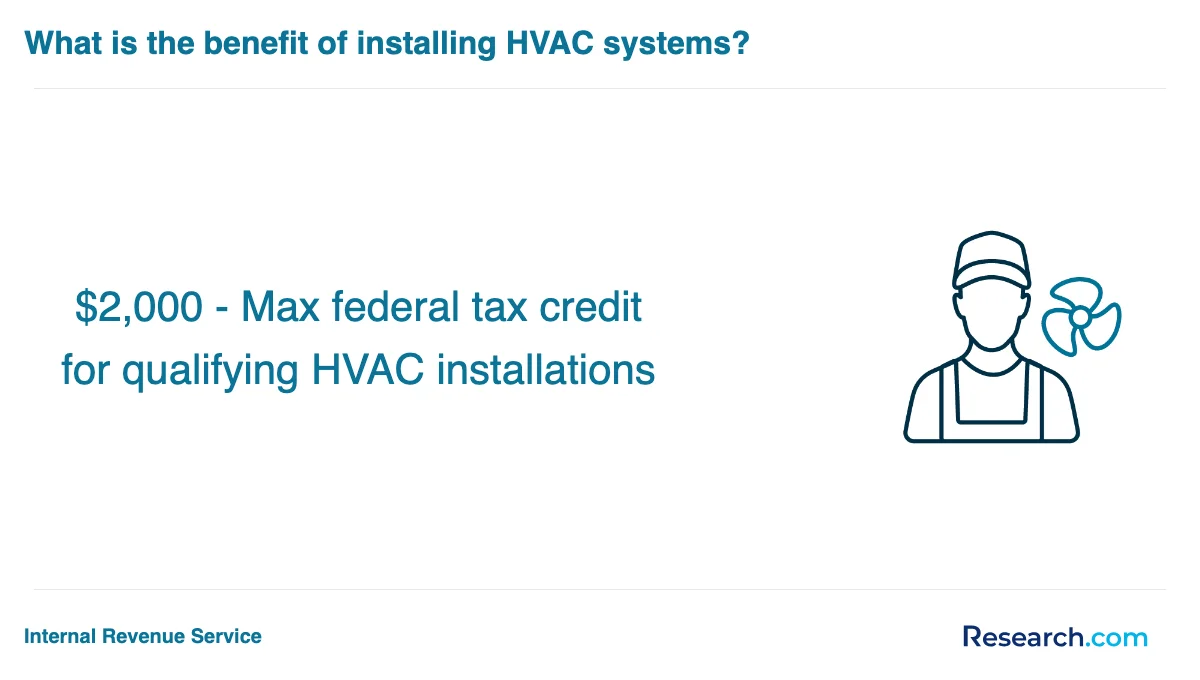
HVAC technician students in Texas often rely on federal student aid as their primary financial support, which can cover tuition, books, and materials. By completing the FAFSA at studentaid.gov, students access grants like the Pell Grant, subsidized and unsubsidized loans, and work-study options. For example, graduates from Texarkana College have reported that federal aid significantly eased the burden of the $6,700 tuition cost for their full-time HVAC program.
Beyond federal aid, Texas State Technical College (TSTC) offers the Money-Back Guarantee, which reassures students by promising a tuition refund if they don't receive a job offer within six months post-graduation. This program has helped many graduates feel confident investing in their HVAC education.
Local employer partnerships also create opportunities for sponsored scholarships or tuition assistance, especially for those willing to work with the sponsoring company after completing their training. Students often find these programs through their school's financial aid office, which provides personalized guidance on available scholarships and deadlines.
Enrolling in an HVAC technician trade school program in Texas typically requires a high school diploma or GED, reflecting the baseline educational standard across most institutions. Graduates from popular Texas trade schools emphasize that having a solid grasp of basic math and science greatly eases the transition into HVAC studies, especially when tackling concepts like thermodynamics and electrical circuits.
Additional prerequisites often include:
- Proof of age (usually 18 years or older)
- Background checks or drug screening in some cases
- Physical ability to handle manual labor and lift equipment
- Basic computer literacy for managing digital diagnostics and software
Many students report feeling relieved when these prerequisites are transparent upfront, allowing them to prepare effectively. For example, graduates from Texas trade schools in Houston found that early familiarity with tools and safety protocols enhanced their confidence during hands-on training sessions.
Some programs also recommend prior experience in construction or electrical work but do not mandate it, making HVAC training accessible for motivated individuals switching careers. This flexibility helps Texas students from diverse backgrounds embark on rewarding HVAC careers with enthusiasm and realistic expectations.
HVAC technician trade school programs in Texas typically include a comprehensive set of courses designed for immediate workforce readiness. Graduates from popular institutions like Texas State Technical College and Lincoln Tech often highlight the strong balance between theory and hands-on training. Core courses cover the fundamentals of heating, ventilation, air conditioning, and refrigeration (HVACR), including thermodynamics, heat transfer, and air flow principles.
Students also engage deeply with:
- Basic refrigeration systems and electrical theory tailored to HVAC applications, which help in understanding cooling mechanics and safe handling of electrical components.
- Worksite safety courses aligned with OSHA standards, ensuring graduates confidently navigate real job environments.
- Troubleshooting, installation, and repair of residential and commercial HVAC systems, where learners practice diagnosing faults and performing maintenance on actual equipment.
- Specialized training on heat pumps, propane and natural gas heating systems, plus commercial refrigeration controls, preparing students for diverse job roles.
- Preparation for certifications such as EPA 608 Universal Certification, NATE exams, and OSHA 10-Hour Construction Training, which boost employability and industry compliance.
These courses reflect the practical, regulatory, and certification-focused education that Texas HVAC students find motivating and essential for career success.
HVAC technician trade school programs in Texas offer several HVAC specialization options in Texas trade schools tailored to meet the demands of diverse local markets. Typical areas include refrigeration technology, where graduates from schools like South Texas Vocational Technical Institute gain hands-on experience with commercial refrigeration systems used in supermarkets and industrial facilities. Students often appreciate the practical focus on troubleshooting and EPA-certified refrigerant handling.
Many programs emphasize commercial and residential HVAC training Texas, with institutions such as Lincoln Tech providing in-depth curriculum on air conditioning system design, ductwork, and energy efficiency for both homes and office buildings. Graduates report feeling confident servicing complex HVAC setups across different environments.
Additional specializations include:
- Heating systems using gas, propane, and electric technologies
- Green technology and energy-efficient HVAC solutions
- Advanced system design and HVAC service management training
These programs often prepare students for vital certifications like EPA 608 and OSHA, increasing job readiness. When choosing between different programs, students find it valuable to explore choosing between hvac apprenticeships and certifications to align education with career goals in Texas' competitive HVAC market.
Choosing an HVAC technician trade school in Texas requires focusing on accredited programs recognized by industry leaders such as HVAC Excellence, which assure curriculum quality and strong job placement rates. Graduates from institutions like Laredo College frequently praise the hands-on training and flexible schedules that helped them balance work and study. For affordable HVAC technician programs in Texas, community colleges often provide competitive tuition rates with solid career support services, including resume and interview preparation, which graduates cite as key to their successful job searches.
Additionally, consider programs that prepare you for essential certifications like EPA Section 608, boosting your employability. Hybrid learning models are favorable, allowing access to online coursework alongside in-person labs to build practical skills. When selecting among the best HVAC trade schools in Texas, look for schools near your area such as Houston or Austin to minimize commuting costs. Many students find programs at schools near their homes enable a smoother lifestyle transition.
Explore details about what are the requirements to be a hvac technician to ensure the program you choose aligns with career expectations and industry standards.
Graduates from HVAC technician trade school programs in Texas find themselves positioned for a variety of HVAC technician jobs in Texas that leverage their hands-on skills and certifications. Many begin by specializing in either residential or commercial HVAC work, tackling climate control systems in homes, apartment complexes, restaurants, and retail stores. For example, graduates from well-known Texas trade schools often share satisfaction in quickly securing roles installing and repairing AC units during the peak summer demand.
Beyond entry-level roles, HVAC career advancement opportunities in Texas include supervisory and management positions such as foreman, field service supervisor, and project manager. Graduates who excel in leadership often transition into technical estimating, inventory management, or sales, applying their expertise in more strategic office environments.
Several graduates appreciate the clear path to business ownership offered by Texas licensing requirements, where after four years of experience they can become master contractors and launch their own HVAC companies. The expanding job market projected to grow by 21% by 2030 only amplifies these prospects.
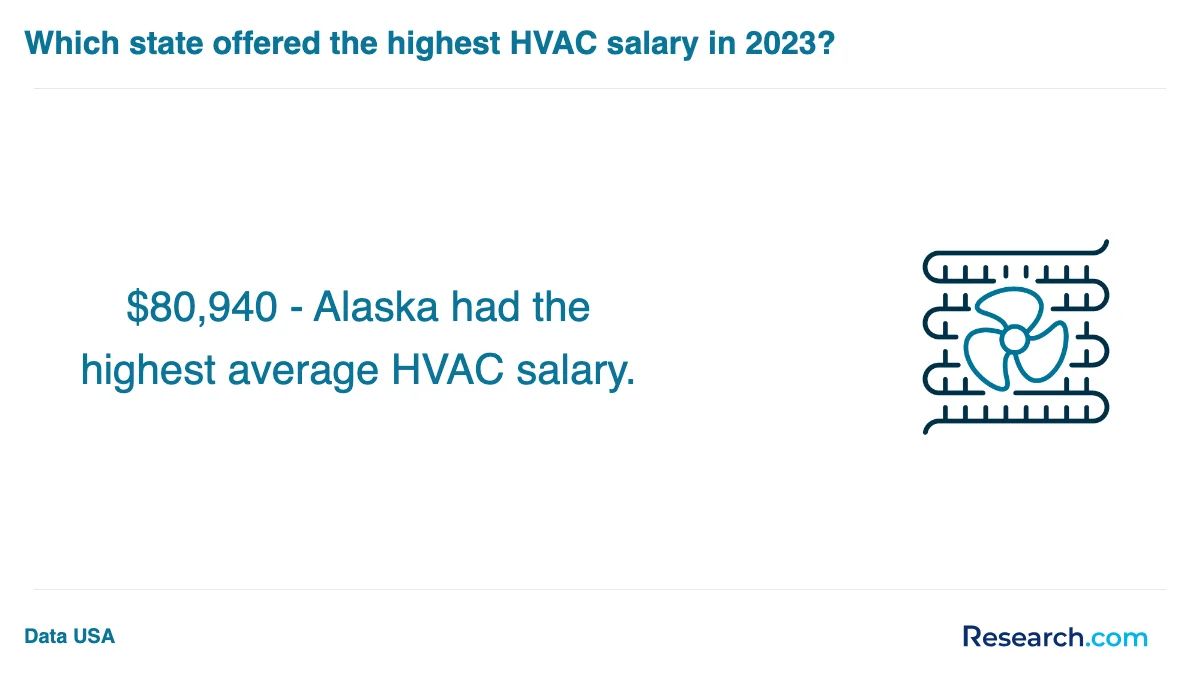
Students from these programs also highlight the variety of industries employing HVAC technicians, from manufacturing to hospitals, emphasizing the versatility of the career. Salaries remain competitive, with many sharing enthusiasm about the potential to progress from entry-level wages near $44,100 to supervisory roles earning $78,500 or more. Those considering HVAC as a stable and rewarding trade often explore the highest paying trade jobs for further motivation.
The HVAC technician job growth in Texas is strong, with projections indicating a 21% increase in available positions between 2020 and 2030. This growth means about 3,720 new job openings per year, outpacing the national average. Graduates from well-known Texas trade schools often share positive feedback about entering a market where demand surpasses supply due to the state's climate and expanding construction industry.
Many graduates find opportunities in residential, commercial, and industrial sectors, with employers valuing technicians trained on cutting-edge, energy-efficient systems. Real-life experiences from HVAC technician students highlight that completing a program at popular schools results in quicker employment and competitive wages.
- Median salary around $50,190 annually in Texas
- Entry-level hourly wages between $24 and $35 depending on experience
- Increased pay with certifications and specialization
Students who explore trade school online options often improve their skills and job prospects by balancing education and real-world practice. For those weighing career options, Texas HVAC technician salary expectations combined with high job demand make this path a viable and attractive choice.
Most Affordable HVAC Technician Schools & Training - Budget-Friendly HVAC Trade Programs in Texas for 2026
# 1 position
Paris Junior College - Heating, Air Conditioning, Ventilation and Refrigeration Maintenance Technology/Technician.
associateParis Junior College offers a hybrid Heating, Air Conditioning, Ventilation and Refrigeration Maintenance Technology/Technician program. It trains students to repair, install, service, and maintain HVAC and refrigeration systems using diagnostic techniques and testing equipment. The curriculum covers mechanics, electricity, and electronics principles relevant to these systems. Annual in-state tuition is $2,580. Graduates have median earnings of $28,207 one year after completion. The program is accredited by the Southern Association of Colleges and Schools Commission on Colleges.
# 2 position
Paris Junior College - Heating, Air Conditioning, Ventilation and Refrigeration Maintenance Technology/Technician.
certificate or diplomaParis Junior College offers a Hybrid program in Heating, Air Conditioning, Ventilation and Refrigeration Maintenance Technology/Technician. The program trains students to repair, install, service, and maintain HVAC and refrigeration systems, emphasizing diagnostic techniques, testing equipment, and relevant principles of mechanics, electricity, and electronics. Annual in-state tuition is $2,580. Graduates earn a median salary of $28,207 one year after completion. The program is accredited by the Southern Association of Colleges and Schools Commission on Colleges.
# 3 position
Wharton County Junior College - Heating, Air Conditioning, Ventilation and Refrigeration Maintenance Technology/Technician.
certificate or diplomaThe Heating, Air Conditioning, Ventilation and Refrigeration Maintenance Technology/Technician program at Wharton County Junior College prepares students to repair, install, service, and maintain heating, air conditioning, and refrigeration systems. The hybrid program includes instruction on diagnostic techniques, testing equipment, and principles of mechanics, electricity, and electronics. Annual in-state tuition is $2,916. Median earnings one year after completion are $32,414. The program is accredited by the Southern Association of Colleges and Schools Commission on Colleges.
# 4 position
El Paso Community College - Heating, Air Conditioning, Ventilation and Refrigeration Maintenance Technology/Technician.
associateEl Paso Community College offers a hybrid program in Heating, Air Conditioning, Ventilation and Refrigeration Maintenance Technology/Technician. The program prepares students to repair, install, service, and maintain HVAC and refrigeration systems, emphasizing diagnostic techniques, testing equipment, mechanics, electricity, and electronics. Annual in-state tuition is $3,274. Graduates have median earnings of $20,992 one year after completion. The program is accredited by the Southern Association of Colleges and Schools Commission on Colleges.
# 5 position
El Paso Community College - Heating, Air Conditioning, Ventilation and Refrigeration Maintenance Technology/Technician.
certificate or diplomaEl Paso Community College offers a hybrid program in Heating, Air Conditioning, Ventilation and Refrigeration Maintenance Technology/Technician. The curriculum covers repair, installation, service, and maintenance of HVAC and refrigeration systems, including diagnostic techniques and the use of testing equipment. The program emphasizes mechanics, electricity, and electronics principles. Annual in-state tuition is $3,274. Graduates have median earnings of $20,992 one year after completion. The program is accredited by the Southern Association of Colleges and Schools Commission on Colleges.
# 6 position
San Jacinto Community College - Heating, Air Conditioning, Ventilation and Refrigeration Maintenance Technology/Technician.
associateSan Jacinto Community College offers a hybrid program in Heating, Air Conditioning, Ventilation and Refrigeration Maintenance Technology/Technician. This program prepares students to repair, install, service, and maintain HVAC and refrigeration systems, focusing on diagnostic techniques and the principles of mechanics, electricity, and electronics. The annual in-state tuition is $1,992. Graduates earn a median salary of $30,189 one year after completion. The program is accredited by the Southern Association of Colleges and Schools Commission on Colleges.
# 7 position
San Jacinto Community College - Heating, Air Conditioning, Ventilation and Refrigeration Maintenance Technology/Technician.
certificate or diplomaThe Heating, Air Conditioning, Ventilation and Refrigeration Maintenance Technology/Technician program at San Jacinto Community College prepares students to repair, install, service, and maintain HVAC and refrigeration systems. This hybrid program covers diagnostic techniques, testing equipment, and principles of mechanics, electricity, and electronics related to these systems. Annual in-state tuition is $1,992. Graduates earn a median income of $30,189 one year after completion. The program is accredited by the Southern Association of Colleges and Schools Commission on Colleges.
# 8 position
Dallas College - Heating, Air Conditioning, Ventilation and Refrigeration Maintenance Technology/Technician.
associateDallas College offers a hybrid program in Heating, Air Conditioning, Ventilation and Refrigeration Maintenance Technology/Technician that prepares students to repair, install, service, and maintain HVAC and refrigeration systems. The curriculum covers diagnostic techniques, testing equipment, and mechanical, electrical, and electronic principles. Annual in-state tuition is $2,370. Graduates earn a median income of $28,849 one year after completion. The program is accredited by the Southern Association of Colleges and Schools Commission on Colleges.
# 9 position
Dallas College - Heating, Air Conditioning, Ventilation and Refrigeration Maintenance Technology/Technician.
certificate or diplomaDallas College offers a hybrid program in Heating, Air Conditioning, Ventilation and Refrigeration Maintenance Technology/Technician that trains students to repair, install, service, and maintain HVAC and refrigeration systems. The curriculum covers diagnostic techniques, testing equipment, and the mechanics, electricity, and electronics principles relevant to the field. The annual in-state tuition is $2,370. Graduates have median earnings of $28,849 one year after completion. The program is accredited by the Southern Association of Colleges and Schools Commission on Colleges.
# 10 position
Lone Star College System - Heating, Air Conditioning, Ventilation and Refrigeration Maintenance Technology/Technician.
associateThe Heating, Air Conditioning, Ventilation and Refrigeration Maintenance Technology/Technician program at Lone Star College System prepares students to repair, install, service, and maintain HVAC and refrigeration systems. The hybrid program includes instruction in diagnostic techniques, testing equipment, and principles of mechanics, electricity, and electronics. Annual in-state tuition is $3,090. Graduates earn a median salary of $32,070 one year after completion. The program is accredited by the Southern Association of Colleges and Schools Commission on Colleges.
Frequently Asked Questions about HVAC technician
After completing an HVAC technician trade school in Texas, preparing for the job market involves several key steps. First, obtaining EPA Section 608 Certification is essential, as federal law requires this certification to handle refrigerants legally. Many Texas employers prioritize candidates with this credential.
Next, gaining hands-on experience through internships or apprenticeships can significantly improve job prospects. Texas offers various apprenticeship programs registered with the Department of Labor, which provide practical training alongside classroom knowledge.
Additionally, building a professional network by joining organizations like the Air Conditioning Contractors of America (ACCA) Texas chapter can open doors to job opportunities. According to the U.S. Bureau of Labor Statistics, the demand for HVAC technicians in Texas is projected to grow 10% from 2022 to 2032, faster than the national average, highlighting a strong job market.
Employers in Texas highly value HVAC technician graduates who possess strong technical skills, including proficiency in installing, maintaining, and repairing heating, ventilation, and air conditioning systems. Knowledge of electrical systems and refrigeration cycles is crucial. According to the U.S. Bureau of Labor Statistics, technicians with hands-on experience in modern HVAC technologies, such as energy-efficient and smart systems, have better job prospects.
Communication skills are also important, as technicians must explain issues and solutions clearly to customers. Safety awareness and adherence to industry regulations, like EPA Section 608 certification, are essential for compliance and career advancement. Problem-solving abilities and teamwork are frequently cited by Texas employers as key qualities.
Finding internships in Texas relevant to HVAC technician trade school programs requires a strategic approach. Start by contacting the career services departments of trade schools, as many maintain partnerships with local HVAC companies. These connections often lead to internship opportunities tailored for students.
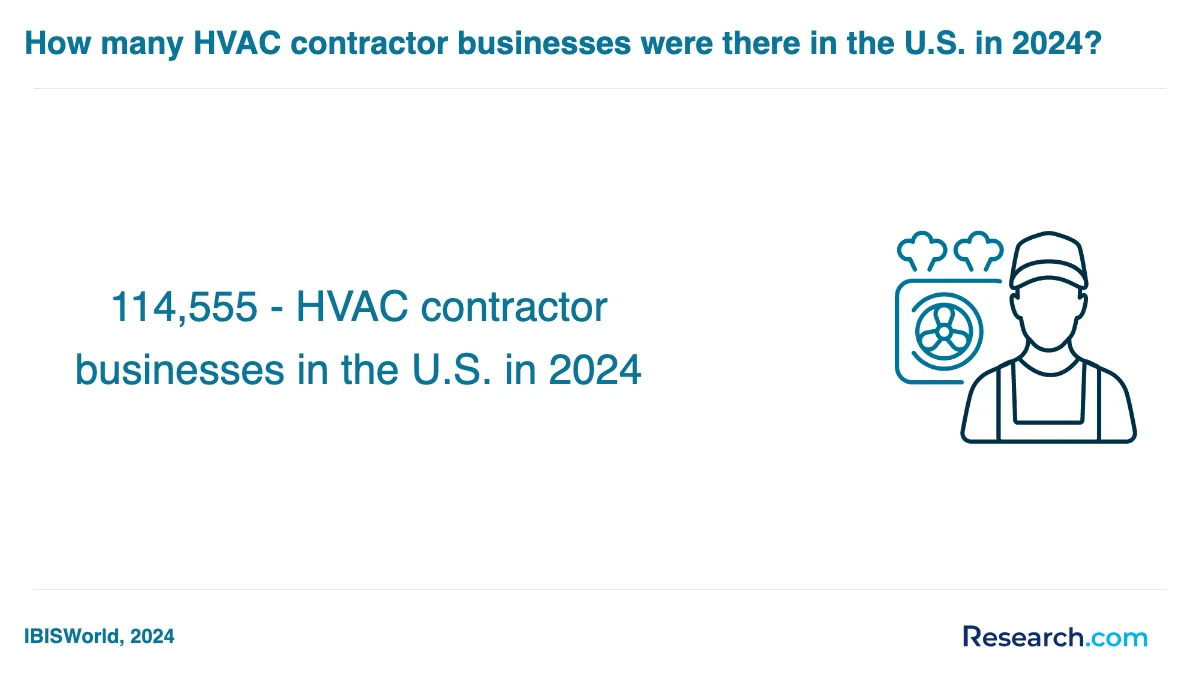
Additionally, explore resources from the Texas Workforce Commission, which offers job placement assistance and apprenticeship listings specific to HVAC trades. According to recent data, Texas has over 1,000 active HVAC contractors registered, increasing chances for internships.
Networking through industry associations like the Air Conditioning Contractors of America (ACCA) Texas chapter can also provide leads. Online platforms like Indeed and local job boards frequently post HVAC internship openings.
Obtaining a HVAC technician trade school diploma in Texas significantly enhances career mobility and advancement opportunities. According to the Texas Workforce Commission, the demand for skilled HVAC technicians is projected to grow by 13% through 2030, faster than the average for all occupations. A diploma equips graduates with essential technical skills and industry-recognized certifications, improving their employability in competitive markets.
Trade schools often collaborate with local employers, facilitating internships and job placements that can lead to higher starting salaries. The average annual wage for HVAC technicians in Texas is around $50,000, with certified diploma holders typically earning more.
Additionally, holding a diploma is often a prerequisite for state licensing, which is necessary for career advancement and specialized roles.
Students enrolled in HVAC technician trade schools in Texas can benefit from part-time jobs that provide practical experience and supplement their education. Entry-level roles such as HVAC assistant, maintenance helper, or appliance repair aide allow students to develop hands-on skills while earning income. According to the U.S. Bureau of Labor Statistics (BLS), Texas has a high demand for HVAC technicians, with projected employment growth of 10% from 2022 to 2032, offering ample job opportunities.
Working with local HVAC service companies or property management firms helps students understand real-world applications of their training. These roles often involve tasks like equipment cleaning, basic repairs, or system inspections, aligning well with coursework. Part-time jobs in related fields, such as electrical or plumbing assistance, can also enhance technical knowledge relevant to HVAC systems.
Balancing part-time work with study enables students to build professional networks and improve their resumes before entering the workforce full-time. Many Texas trade schools encourage internships or apprenticeships, which may be compensated and provide valuable industry exposure. This combination of education and practical experience strengthens employability in a competitive job market.
When looking for the most affordable HVAC Technician degree program near me in Texas, start by researching local community colleges and technical institutes, as they often offer lower tuition rates compared to four-year universities. Additionally, consider exploring financial aid options, scholarships, and work-study programs that may be available to further offset costs. Research.com can be a helpful resource for finding and comparing these programs near Texas to make an informed decision.
- Most Affordable HVAC Technician Schools & Training - Budget-Friendly HVAC Trade Programs in Oklahoma for 2026
- Most Affordable HVAC Technician Schools & Training - Budget-Friendly HVAC Trade Programs in Arkansas for 2026
- Most Affordable HVAC Technician Schools & Training - Budget-Friendly HVAC Trade Programs in New Mexico for 2026
- Most Affordable HVAC Technician Schools & Training - Budget-Friendly HVAC Trade Programs in Kansas for 2026
- Most Affordable HVAC Technician Schools & Training - Budget-Friendly HVAC Trade Programs in Missouri for 2026
- Most Affordable HVAC Technician Schools & Training - Budget-Friendly HVAC Trade Programs in Tennessee for 2026
- Most Affordable HVAC Technician Schools & Training - Budget-Friendly HVAC Trade Programs in Florida for 2026
- Most Affordable HVAC Technician Schools & Training - Budget-Friendly HVAC Trade Programs in Iowa for 2026
- Most Affordable HVAC Technician Schools & Training - Budget-Friendly HVAC Trade Programs in South Carolina for 2026
- Most Affordable HVAC Technician Schools & Training - Budget-Friendly HVAC Trade Programs in Virginia for 2026
- How to write an HVAC Technician cover letter https://hipcv.com/guides/hvac-technician-cover-letter
- How to Become an HVAC Technician | Skilled Trades College of Canada https://www.skilledtradescollege.ca/resources/how-to-become-an-hvac-technician
- Entry Level HVAC Technician - Training Certificate | Midlands Technical College https://www.midlandstech.edu/programs-and-courses/advanced-manufacturing-and-skilled-trades/hvac-training-certificate
- How To Become an HVAC Technician? Step-by-Step Career Guide https://heavyequipmentcollege.edu/how-to-become-an-hvac-technician/
- HVAC/R Technician https://www.wctc.edu/WCTC/Academics/Program-List/HVAC-R-Technician
- Heating, Ventilation, Air-Conditioning and Refrigeration (HVACR) https://www.com.edu/ce/industrial-craft/hvac.html
- How to Become an HVAC Technician: 6 Straightforward Steps https://www.getjobber.com/academy/hvac/how-to-become-an-hvac-technician/
- Heating, Refrigeration and Air Conditioning Technician - Humber Polytechnic https://appliedtechnology.humber.ca/programs/heating-refrigeration-and-air-conditioning-technician.html
- Looking for a Great Job with Only Some College Required? Become an HVAC Technician. http://intellitec.edu/looking-for-a-great-job-with-only-some-college-required-become-an-hvac-technician/
- Top Alternatives to HVAC School | Goodwin University https://www.goodwin.edu/enews/hvac-school-alternatives/