Best HVAC Technician Training Programs & Trade Schools - Top HVAC Tech Schools in North Dakota for 2026

Co-Founder and Chief Data Scientist
Choosing the right HVAC technician trade school in North Dakota can shape your future career and open doors to rewarding job opportunities. This article introduces a carefully crafted ranking of HVAC technician trade school programs, created by the Research.com team of data scientists to help you make an informed decision.
By exploring these programs, you'll discover which schools offer strong training and support, setting you up for success. Earning a diploma or certification in HVAC technology brings valuable skills and confidence, making your career goals more achievable.
Key benefits of finishing HVAC technician trade school in North Dakota
- Graduates of HVAC technician trade schools in North Dakota can expect starting salaries around $38,750 per year, with experienced technicians earning up to $94,000 annually, offering strong earning potential in a skilled trade.
- Career paths for HVAC graduates include residential and commercial technician roles, maintenance positions, and opportunities for specialization, as seen in graduates from popular local trade schools who find diverse job options.
- Completing an HVAC program online provides flexibility and faster completion times, helping graduates balance work and study, similar to successful online students from well-known North Dakota trade schools.
- Best HVAC Technician Training Programs & Trade Schools - Top HVAC Tech Schools in North Dakota for 2026
- What can I expect from HVAC technician trade schools in North Dakota?
- Where can I work after finishing HVAC technician trade schools in North Dakota?
What can I expect from HVAC technician trade schools in North Dakota?
Jumping into an HVAC technician trade school program in North Dakota means diving straight into a mix of hands-on work and classroom learning designed to prepare you for real-world challenges. Graduates from schools like North Dakota State College of Science and Turtle Mountain Community College often share how quickly they're handling tools, reading blueprints, and mastering electrical controls in lab sessions. Imagine troubleshooting a heat pump or fabricating sheet metal one day, then discussing safety protocols that meet OSHA standards the next-this balance keeps things exciting and practical.
Expect to explore everything from refrigeration systems that keep food fresh to residential HVAC repairs, with flexible schedules or even online courses that fit your life. Many students feel confident stepping into apprenticeships or entry-level jobs because the programs include not only technical skills but also career support and business know-how. It's a hands-on adventure that builds your skills and opens doors in North Dakota's HVAC industry.
Where can I work after finishing HVAC technician trade schools in North Dakota?
After completing an HVAC technician trade school program in North Dakota, such as those offered at well-known institutions in Fargo or Bismarck, graduates find a world of opportunity waiting. Many step into roles like HVAC Technician, Service Technician, or Maintenance Technician, working in homes, schools, or hospitals. Imagine starting your day repairing a heating system in a cozy family home, then moving on to service complex HVAC units at a bustling university campus-this variety keeps the work exciting and rewarding.
Graduates often share how apprenticeships with companies like Johnson Controls gave them hands-on experience, access to company vehicles, and tools, making learning on the job both practical and motivating. Others thrive in specialized roles within industrial or commercial facilities, where maintaining climate control is critical to daily operations. The chance to work in government buildings or large healthcare centers adds even more stability and pride to their career paths.
With starting wages from $16 to $40 per hour, depending on skill and certifications, it's no wonder many graduates feel confident launching their careers right here in North Dakota's growing HVAC market.
After finishing an HVAC technician trade school program in North Dakota, graduates often find themselves pleasantly surprised by their earning potential. Many start out making between $38,750 and $43,900 annually, which is a solid income for those fresh out of popular trade schools like those in Fargo or Bismarck. One recent graduate shared how landing a job shortly after graduation allowed them to quickly cover living expenses and even save for a new vehicle.
With just a few years of experience, salaries jump to around $53,000 per year, and the excitement grows as technicians gain more confidence and skill. Imagine working in Grand Forks or Grafton, where wages hover close to $60,000-a real boost that reflects the local demand for HVAC pros.
Seasonal overtime, especially in harsh North Dakota winters, can add an extra $7,000 annually, turning a good paycheck into a great one. Veterans in the field with over a decade's experience often report salaries exceeding $79,000, with top experts and supervisors reaching up to $94,000. This path offers not just a job, but a rewarding career adventure with tangible financial rewards.
- HVAC programs in North Dakota typically last between six months and two years and are offered by technical and community colleges.
- Tuition costs range from approximately $4,000 to $12,000 for a full program, not including books, tools, or certification fees.
- State-level licensing is not required, but contractors working on projects over $4,000 must have a State Contractor's License, and local rules may vary.
- Technicians working with refrigerants must obtain EPA Section 608 certification as required by federal law.
- Entry-level HVAC technicians earn about $40,000 to $45,000 annually, with experienced technicians earning between $55,000 and $65,000 per year.
In North Dakota, completing an HVAC technician trade school program typically takes about 6 to 12 months, depending on the school and the depth of training. Many graduates from popular trade schools in the state describe their journey as an intense but rewarding adventure, where hands-on learning and real-world problem solving are front and center.
Imagine starting your day in a lively workshop at one of North Dakota's well-known trade schools, where you're not just reading manuals but actively repairing HVAC units, troubleshooting systems, and mastering tools alongside instructors who've been in the field for decades. Graduates often share how this immersive experience helped them build confidence quickly, making the months fly by despite the challenges.
Some programs offer flexible pacing, allowing students to accelerate their learning if they're eager to jump into the workforce sooner. Others take a more measured approach, blending classroom theory with practical labs over a full year. Either way, the excitement of turning complex HVAC systems into comfortable, working environments keeps students motivated throughout the program.
Choosing between online and on-campus HVAC technician programs in North Dakota feels like stepping into two different worlds. Graduates from the University of North Dakota's 100% online HVAC/R Technician course often share how the self-paced style lets them study anytime, fitting coursework around busy lives. They dive into virtual simulations that mimic real HVAC systems, offering a flexible way to grasp complex concepts without leaving home. However, some mention missing the tactile thrill of working with actual tools.
On the flip side, students at North Dakota State College of Science rave about the hands-on labs where they handle real HVAC equipment daily. Imagine troubleshooting a furnace or calibrating an AC unit under an instructor's watchful eye-this in-person training builds confidence fast. The immediate feedback and teamwork in Wahpeton's classrooms make the learning experience rich and dynamic, preparing grads to jump into real-world jobs with practical skills employers value.
Diving into HVAC technician training in North Dakota reveals a wide range of costs depending on the program type. Many graduates find technical schools appealing because certificate programs often wrap up within 6 to 12 months and cost between $1,200 and $15,000. For example, a popular option is the University of North Dakota's online HVAC/R Certified Technician program, priced at $2,895 and even including a certification exam voucher-making it a budget-friendly, practical choice for eager learners.
When considering average tuition fees for HVAC programs in North Dakota, community colleges stand out for those seeking more in-depth education. Their associate's degree programs usually last 18 to 24 months with costs ranging broadly from $15,000 to $35,000. Graduates from Bismarck State College often highlight the balance of theory and hands-on practice, where tuition is charged by credit, making costs transparent but variable for residents and non-residents alike.
Another adventurous path is apprenticeships, which mix classroom instruction with real-world experience over 3 to 5 years. Students often cover $500 to $2,000 annually and can expect additional fees for licensing ($75 to $300) and certification ($155 to $205). These programs appeal to many because they offer steady income during training, easing financial stress while building skills.
For those exploring flexible options, researching vocational trade programs online can also uncover valuable alternatives. The cost of HVAC technician training in North Dakota varies, but with thorough research, students find options fitting diverse budgets and career goals, making the journey rewarding and accessible.
Imagine starting your HVAC technician journey at North Dakota State College of Science with a hefty tuition bill looming-but then discovering the magic of the FAFSA. Many graduates recall how applying unlocked federal aid like the Pell Grant, a no-repay bonus that eased their financial burden significantly. For families earning between $48,000 and $75,000, this aid helped bring annual costs down to around $11,086, making dreams feel tangible instead of distant.
Not all aid comes from federal sources. Some students tapping into non-credit HVAC courses at North Dakota State University found their path illuminated by workforce development boards or vocational rehab programs, tailored to individual needs and locations. Apprenticeships, often offered by unions or local employers, came as a surprise jackpot-paid on-the-job training that also covered parts of tuition, blending learning with earning.
Students from low-income homes often breathe easier thanks to the Low Income Home Energy Assistance Program, which indirectly lifts financial weight by cutting household utility bills, freeing up funds to chase HVAC certification confidently.
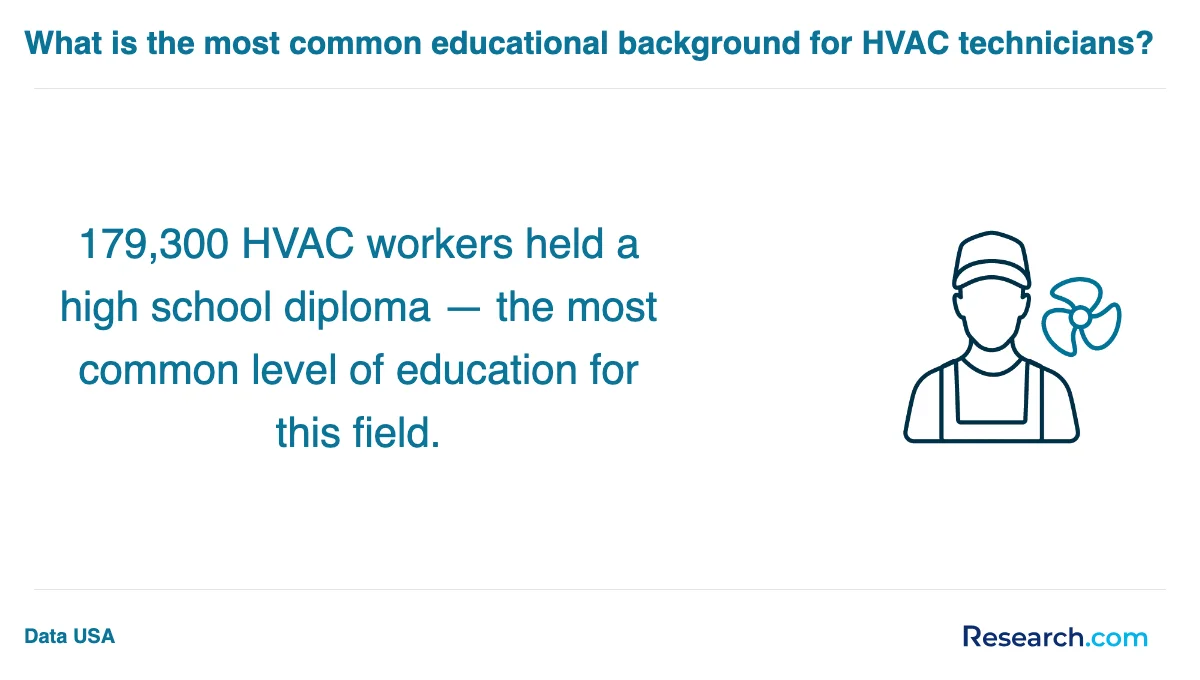
Ready to dive into HVAC technician trade school in North Dakota? Most programs expect you to have a high school diploma or GED, which sets the foundation for mastering those technical skills. Many graduates from popular North Dakota trade schools share how this basic requirement helped them confidently tackle courses in electrical systems and refrigeration.
Besides academic basics, schools often look for:
- Strong math skills-think of calculating measurements on real HVAC units during hands-on labs.
- Basic understanding of physics-imagine grasping how heat transfer works while repairing a furnace.
- Good mechanical aptitude-like getting your hands dirty troubleshooting complex equipment.
Some programs also encourage applicants to have a driver's license, as many HVAC tech jobs require travel between job sites across North Dakota's wide-open spaces. Graduates often recall how this prerequisite made their daily commute to practical training sites much smoother.
Enthusiasm and a willingness to learn go a long way. Many North Dakota trade school grads emphasize that eagerness to explore new technologies and problem-solve plays just as big a role as formal prerequisites in their success.

In North Dakota's HVAC technician trade schools, courses dive straight into the heart of heating, ventilation, air conditioning, and refrigeration. Graduates often recall the thrill of mastering core principles like thermodynamics and electrical controls, which suddenly make sense when you're troubleshooting real equipment on campus.
Hands-on labs bring the refrigeration cycle to life-imagine diagnosing a system's cooling issue or repairing a compressor after class. Installation classes are a favorite, where students learn to fit ductwork and piping just like they'd do on a real job site. Many highlight projects simulating actual installations, which boost confidence and skill.
Safety is never an afterthought. Students embrace OSHA standards and prepare for EPA Section 608 certification, understanding the responsibility of handling refrigerants safely.
Additional practical skills include:
- Blueprint reading to interpret HVAC schematics
- Customer service training for smooth client interactions
- Sheet metal fabrication, broadening hands-on expertise
These courses combine technical knowledge with real-world practice, making every graduate ready to dive into North Dakota's HVAC industry with excitement and professionalism.
In North Dakota, HVAC technician trade school programs offer thrilling hands-on training in specializations that open doors to exciting careers. Graduates from popular schools like North Dakota State College of Science dive deep into areas such as:
- Heating systems that keep homes cozy during harsh winters
- Air conditioning and refrigeration systems ensuring comfort year-round
- Sheet metal fabrication crafting custom ductwork
- Piping and plumbing essential for system durability
- Electrical systems and controls powering complex HVAC setups
- Hydronics and geothermal systems bringing energy efficiency to life
- Building control systems optimizing indoor climates smartly
Imagine mastering the art of diagnosing and designing hydronic heating or fine-tuning geothermal water source heat pumps, skills graduates from Bismarck State College rave about. These programs blend practical expertise with theory, preparing students for varied roles following multiple pathways. Aspiring technicians love how every day brings a new challenge, whether tackling a commercial refrigeration install or optimizing smart HVAC controls.
For those curious about how to build a rewarding career, exploring trade programs that pay well ensures your adventurous spirit lands in a lucrative HVAC journey right here in North Dakota.
Choosing the best HVAC technician programs North Dakota offers means diving into accreditation and curriculum quality. Graduates from popular colleges often share how hands-on labs paired with strong theoretical lessons shaped their confidence in real-world HVAC challenges. Imagine balancing classroom knowledge with fixing actual systems, a mix essential for mastering safety and troubleshooting.
Program length and credentials play a big role too. Some students find fast-track certificate programs perfect for jumping into the workforce quickly, while others prefer two-year Associate degrees for broader skills and better job prospects. When you compare HVAC trade schools North Dakota has, think about what fits your goals-whether it's a quick start or long-term career growth.
Licensure prep also matters, even if North Dakota doesn't require state HVAC licenses. Many grads appreciate programs that gear them up for EPA Section 608 or NATE certifications, boosting their employability. Flexibility is key as well; successful students often praise options like part-time or hybrid courses that fit busy lives.
Don't overlook career supports either. Schools with strong apprenticeship ties and job placement help graduates transition smoothly to paid roles. If you're exploring options, check out affordable online hvac trade school programs that can broaden your choices beyond local campuses.

Graduates of HVAC technician trade schools in North Dakota often discover a spectrum of exciting career paths right after completing their programs. For instance, many jump straight into HVAC installer jobs in North Dakota, tackling real-world challenges like installing heating and cooling systems in local homes or businesses. These hands-on roles quickly build confidence and skill, making technicians essential to everyday comfort and safety.
Beyond entry-level roles, graduates from schools like Bismarck State College often move into specialized positions such as building maintenance technician, refrigeration technician, or controls specialist. Their training even opens doors to roles in sales, marketing, or project bidding-blending technical know-how with business savvy.
Some adventurous graduates take the path toward supervisory roles or launch their own contracting businesses, fueled by their field experience and a desire for leadership. Others dive into apprenticeships, sharpening specific skills over a few years while earning wages.
Curious about all possibilities? Exploring hvac technician careers reveals just how rich and varied HVAC technician career opportunities in North Dakota can be.
HVAC technician trade school graduates in North Dakota often find a steady, reliable pathway into the skilled trades, though the demand is more measured compared to buzzing urban hubs. Those who chose popular trade schools in cities like Bismarck or Fargo share stories of turning classroom theory into hands-on work onsite, tackling heating systems in chilly winters or cooling solutions during the summer rush. The HVAC technician job outlook North Dakota presents a landscape where experience quickly translates into better opportunities and pay.
Wages typically range from about $38,750 starting up to nearly $94,000 for seasoned professionals, making the investment in trade school worthwhile. Graduates appreciate that minor moves to cities such as Dickinson or Devils Lake can open new doors and salary bumps.
- Consistent regional demand for HVAC expertise balances moderate hiring rates.
- Opportunities often arise in residential and commercial projects in familiar North Dakota towns.
- Extra certifications and experience can push earnings toward the higher end.
For those curious about programs, checking out top trade school degrees offers insight into schools with strong ties to the North Dakota HVAC industry. Navigating the HVAC technician salary North Dakota scene means weighing cost of living with wage potential - producing comfortable careers for many locals willing to learn and adapt.
Best HVAC Technician Training Programs & Trade Schools - Top HVAC Tech Schools in North Dakota for 2026
# 1 position
Turtle Mountain Community College - Heating, Air Conditioning, Ventilation and Refrigeration Maintenance Technology/Technician.
associateTurtle Mountain Community College offers a hybrid program in Heating, Air Conditioning, Ventilation, and Refrigeration Maintenance Technology/Technician. The curriculum covers repair, installation, servicing, and maintenance of HVAC and refrigeration systems, emphasizing diagnostic techniques and the use of testing equipment. Instruction includes principles of mechanics, electricity, and electronics relevant to system repair. The program’s annual in-state tuition is $2,626 and it is accredited by the Higher Learning Commission.
# 2 position
Bismarck State College - Heating, Air Conditioning, Ventilation and Refrigeration Maintenance Technology/Technician.
associateBismarck State College offers a hybrid program in Heating, Air Conditioning, Ventilation and Refrigeration Maintenance Technology/Technician. The curriculum prepares students to repair, install, service, and maintain HVAC and refrigeration systems, emphasizing diagnostic techniques, testing equipment, and principles of mechanics, electricity, and electronics. The program’s annual in-state tuition is $5,195. It is accredited by the Higher Learning Commission and includes some distance-education options.
# 3 position
North Dakota State College of Science - Heating, Air Conditioning, Ventilation and Refrigeration Maintenance Technology/Technician.
associateThe Heating, Air Conditioning, Ventilation and Refrigeration Maintenance Technology/Technician program at North Dakota State College of Science prepares students to repair, install, service, and maintain HVAC and refrigeration systems. The hybrid program includes instruction in diagnostic techniques, testing equipment, mechanics, electricity, and electronics. Annual in-state tuition is $5,928. The program is accredited by the Higher Learning Commission.
# 4 position
Turtle Mountain Community College - Heating, Air Conditioning, Ventilation and Refrigeration Maintenance Technology/Technician.
certificate or diplomaTurtle Mountain Community College offers a Hybrid program in Heating, Air Conditioning, Ventilation and Refrigeration Maintenance Technology/Technician. This program prepares students to repair, install, service, and maintain heating, air conditioning, and refrigeration systems. Instruction covers diagnostic techniques, testing equipment, and the mechanics, electricity, and electronics principles related to these systems. Annual in-state tuition is $2,626. The program is accredited by the Higher Learning Commission.
# 5 position
Bismarck State College - Heating, Air Conditioning, Ventilation and Refrigeration Maintenance Technology/Technician.
certificate or diplomaBismarck State College offers a hybrid program in Heating, Air Conditioning, Ventilation and Refrigeration Maintenance Technology/Technician. The curriculum prepares students to repair, install, service, and maintain heating, air conditioning, and refrigeration systems. Instruction covers diagnostic techniques, testing equipment, and principles of mechanics, electricity, and electronics. The annual in-state tuition is $5,195. The program is accredited by the Higher Learning Commission.
Frequently Asked Questions about HVAC technician
After completing an HVAC technician trade school in North Dakota, preparing for the job market involves several strategic steps. First, obtaining EPA Section 608 certification is essential, as it is federally required for handling refrigerants. Many trade schools include this certification in their curriculum, but verifying completion is crucial. Next, gaining hands-on experience through internships or apprenticeships can significantly enhance employability. The North Dakota labor market for HVAC technicians is growing, with the U.S. Bureau of Labor Statistics projecting a 4% job growth rate nationally through 2030, reflecting steady demand.
Networking through local trade unions and industry associations like the Refrigeration Service Engineers Society (RSES) can provide valuable job leads. Additionally, creating a professional resume highlighting technical skills, certifications, and any practical experience is important. Checking local job boards and company websites regularly helps identify openings in cities like Fargo, Bismarck, and Grand Forks. Continuous learning, including staying updated on new HVAC technologies, also improves competitiveness in North Dakota's evolving market.
Employers in North Dakota prioritize a combination of technical and soft skills when hiring HVAC technician trade school graduates. According to the U.S. Bureau of Labor Statistics and North Dakota's Department of Labor, proficiency in installing, maintaining, and repairing heating, ventilation, and air conditioning systems is essential. Graduates must also demonstrate strong troubleshooting abilities to quickly diagnose system issues.
In addition, employers value knowledge of local building codes and safety standards, which help ensure compliant and safe work environments. Communication skills are equally important, as technicians often interact with clients and team members.
Hands-on experience gained through internships or apprenticeships significantly boosts employability, reflecting industry demand for practical competence.
Finding internships in North Dakota relevant to HVAC technician trade school programs involves several practical steps. Start by contacting local trade schools or community colleges offering HVAC training, as many have established partnerships with area employers. The North Dakota Department of Commerce highlights that industries like construction and manufacturing often seek HVAC interns, especially in cities like Fargo and Bismarck.
Utilize job boards such as the North Dakota Job Service, which frequently lists HVAC internship opportunities. Networking through industry events or local unions can also connect students with hands-on experience options. According to the U.S. Bureau of Labor Statistics, internships increase employment chances by nearly 20% for HVAC graduates, emphasizing their value.
Obtaining a diploma from a HVAC technician trade school in North Dakota significantly enhances career mobility and advancement opportunities. The state's construction and energy sectors continue to grow, increasing demand for skilled HVAC professionals. According to the U.S. Bureau of Labor Statistics, North Dakota's HVAC technician employment is expected to grow by 7% from 2022 to 2032, faster than the national average.
A diploma serves as formal proof of technical skills and knowledge, which many employers require for hiring and promotion. Graduates often qualify for entry-level roles that offer pathways to supervisory positions or specialized certifications, such as EPA refrigerant handling.
Moreover, North Dakota's focus on energy-efficient building practices creates new niches within HVAC careers, rewarding diploma holders with advanced training. Trade school credentials can also improve eligibility for apprenticeships, increasing hands-on experience essential for higher wages and job security.
Part-time job opportunities in North Dakota can effectively complement HVAC technician trade school education by providing practical experience and income. Common roles include HVAC helper positions, where students assist licensed technicians with installations and repairs. These jobs help build hands-on skills essential for certification.
Additionally, retail positions at home improvement stores such as Menards or Lowe's offer exposure to HVAC equipment and customer service experience. According to the U.S. Bureau of Labor Statistics, North Dakota's HVAC employment is projected to grow 5% from 2022 to 2032, creating steady demand for entry-level support roles.
These part-time jobs allow students to apply their classroom learning in real-world settings, enhancing their future employability.
To find the best HVAC Technician degree programs near you, consider using resources such as Research.com to compare programs based on factors like curriculum, faculty, and alumni success. Additionally, investigate technical schools and community colleges near North Dakota that offer reputable HVAC programs. Local institutions often provide career services and job placement support to help students transition into the workforce after graduation.
- Best HVAC Technician Training Programs & Trade Schools - Top HVAC Tech Schools in South Dakota for 2026
- Best HVAC Technician Training Programs & Trade Schools - Top HVAC Tech Schools in Montana for 2026
- Best HVAC Technician Training Programs & Trade Schools - Top HVAC Tech Schools in Nebraska for 2026
- Best HVAC Technician Training Programs & Trade Schools - Top HVAC Tech Schools in Illinois for 2026
- Best HVAC Technician Training Programs & Trade Schools - Top HVAC Tech Schools in Missouri for 2026
- Best HVAC Technician Training Programs & Trade Schools - Top HVAC Tech Schools in Michigan for 2026
- Best HVAC Technician Training Programs & Trade Schools - Top HVAC Tech Schools in Oklahoma for 2026
- Best HVAC Technician Training Programs & Trade Schools - Top HVAC Tech Schools in Kentucky for 2026
- Best HVAC Technician Training Programs & Trade Schools - Top HVAC Tech Schools in Texas for 2026
- Best HVAC Technician Training Programs & Trade Schools - Top HVAC Tech Schools in West Virginia for 2026
- HVAC/R Technician https://www.ndsu.edu/continued-learning/workforce-development/hvac-r-technician
- HVAC School in North Dakota | Training for HVAC Jobs in ND https://www.hvacschool.org/north-dakota/
- Online HVAC/R Technician (Voucher and Tools Included) from North Dakota State University https://careertraining.ndsu.edu/training-programs/hvacr-technician-voucher-tools-included/
- Heating, Ventilation and Air Conditioning | Bismarck State College https://bismarckstate.edu/academics/programs/hvac/
- North Dakota HVAC Training (ND) - HVAC Schools & Certifications https://www.hvacclasses.org/schools/north-dakota
- How to Become a HVAC Technician in North Dakota | Dreambound https://dreambound.com/blog/how-to-become-a-hvac-technician-in-north-dakota
- How To Become an HVAC Technician in Wahpeton, North Dakota - HVAC Schools & Training in Wahpeton, North Dakota https://hvactechnician.careers/hvac-school/north-dakota/wahpeton/
- 6 Hvac Technician Cover Letter Examples & Templates for 2025 | Himalayas https://himalayas.app/cover-letters/hvac-technician
- 13 HVAC Technician Cover Letter Examples: Plus Recruiter Insights (Updated for 2025) https://resumeworded.com/cover-letter-samples/hvac-technician
- Hvac Apprentice Cover Letter No Experience Examples & Templates https://www.vantagelens.com/blog/hvac-apprentice-cover-letter-no-experience-examples-templates/