
Best HVAC Technician Training Programs & Trade Schools - Top HVAC Tech Schools in South Carolina for 2026

Co-Founder and Chief Data Scientist
Choosing the right HVAC technician trade school in South Carolina can shape your future career. This article presents a carefully crafted ranking of HVAC technician trade school programs, developed by the Research.com team of data scientists. It’s designed to help you make an informed decision about which programs truly stand out.
Whether you’re starting fresh or seeking certification, earning a diploma in HVAC technology opens doors to rewarding opportunities. Reading this guide will give you clear insights and confidence as you take the next step toward a fulfilling career in this growing field.
Key benefits of finishing HVAC technician trade school in South Carolina
- Graduates of HVAC technician trade schools in South Carolina can expect to earn around $26.22 per hour, with experienced technicians making up to $39.93 per hour, offering a solid income potential early in their careers.
- A graduate from a popular South Carolina trade school often finds diverse career paths, including residential HVAC repair, commercial system installation, or maintenance technician roles, allowing flexibility in job choices.
- Completing an HVAC technician trade school online provides convenience and faster completion, as experienced graduates report balancing work and study effectively while gaining practical skills without the need for a traditional college degree.
- Best HVAC Technician Training Programs & Trade Schools - Top HVAC Tech Schools in South Carolina for 2026
- What can I expect from HVAC technician trade schools in South Carolina?
- Where can I work after finishing HVAC technician trade schools in South Carolina?
What can I expect from HVAC technician trade schools in South Carolina?
Students enrolling in HVAC technician trade school programs in South Carolina can expect a blend of classroom instruction and hands-on training designed to prepare them quickly for the workforce. For instance, graduates from Charleston's AC & Refrigeration Training Center describe completing a focused 20-week program with around 180 hours of practical experience and 60 hours of theory, allowing them to confidently handle real HVAC systems.
Many programs, like those at Greenville Technical College, offer flexible schedules with day and evening classes, making it easier for working students to balance commitments. Coursework typically covers essential skills such as electricity basics, refrigeration, system diagnostics, safety, and blueprint reading, ensuring students are job-ready.
Graduates often report feeling equipped for entry-level roles in installation, maintenance, or energy management. Schools accredited by HVAC Excellence enhance this readiness by aligning training with industry standards, boosting confidence and employability. Students should also anticipate licensing requirements regulated by the South Carolina Department of Labor, Licensing and Regulation.
Where can I work after finishing HVAC technician trade schools in South Carolina?
After completing an HVAC technician trade school program in South Carolina, graduates find a wide range of employment opportunities across the state's thriving HVAC market. Popular trade schools like Trident Technical College and Midlands Technical College prepare students for roles in residential, commercial, institutional, and retail sectors. Many graduates begin their careers working for local HVAC companies, handling installations and repairs in homes and apartments, where earnings can reach up to $125,000 annually with experience and skill.
Others secure positions in commercial settings, such as office buildings and hospitals, often employed by major companies like Carrier Global Corporation. These roles provide hands-on experience with advanced HVAC technologies and clear paths for career advancement. Institutional jobs at universities, including The Citadel, allow technicians to work with large-scale, complex systems, expanding their technical expertise.
Retail and food service environments also offer stable employment, where technicians maintain refrigeration and HVAC-R systems for chains like 7-Eleven. Graduates frequently express satisfaction working in these varied roles, appreciating the diverse challenges and steady demand across South Carolina's HVAC industry.
After completing an HVAC technician trade school program in South Carolina, graduates typically start earning around $22 to $28 per hour. For example, many students from well-known trade schools in the state report beginning at approximately $22.74 per hour, which aligns with the 25th percentile wage for entry-level technicians. This starting pay reflects real-world experiences of recent graduates entering the job market with current technical skills.
With consistent work and gaining experience, wages tend to rise quickly. Some graduates working in larger cities like Charleston have seen hourly rates near $29.62. Overtime opportunities, especially during peak seasons, can boost annual earnings to between $58,000 and $59,000. This helps many new technicians feel rewarded for their dedication and commitment to the trade.
Overall, HVAC programs in South Carolina prepare students for a solid career with stable employment and competitive pay that improves with certification and experience, making the investment in training worthwhile.
- Applicants must usually be at least 18 years old and have a high school diploma or GED; some programs accept graduating seniors.
- Programs last from six months to two years and offer certificates or associate degrees.
- Training covers installation, maintenance, and repair of HVAC systems, and often prepares students for certifications like EPA, HVAC Excellence, or NATE.
- Apprenticeships require up to 2,000 hours under a licensed technician, improving job prospects when combined with formal training.
- Tuition ranges from about $4,000 to $8,000 for certificate programs, with higher costs for associate degrees including fees and materials.
- Entry-level HVAC technicians earn $35,000 to $45,000 annually, with experienced or certified techs earning $50,000 or more.
Completing an HVAC technician trade school program in South Carolina typically takes between 6 to 12 months, depending on the intensity and structure of the course chosen. Many graduates from well-known trade schools in the state report finishing within a year while balancing part-time commitments, which makes the program feel manageable and rewarding.
For instance, students attending popular institutions often describe the pace as encouraging, with hands-on training sessions that build confidence quickly. The shorter timeline allows them to enter the workforce sooner, which is a major motivating factor shared by many graduates. One common experience is the excitement of mastering practical skills early, such as installing and maintaining HVAC systems, which boosts both enthusiasm and job readiness.
Trade schools in South Carolina frequently offer flexible scheduling options to accommodate working students, making the journey feel less overwhelming. This adaptability often results in a positive student outlook, as practical learning aligns closely with real-world HVAC challenges encountered in local industries.
Online and on-campus HVAC technician trade school programs in South Carolina differ mainly in how practical skills are taught. Graduates from Greenville Technical College and Fortis College often highlight the value of hands-on labs, where they gain direct experience working with real HVAC systems. These on-campus programs, such as the AC & Refrigeration Training Center in Charleston, require up to 180 hours of in-person training, fostering confidence through immediate instructor feedback and use of specialized equipment.
Conversely, online students appreciate the flexibility to study theory at their own pace, which suits those balancing work or family commitments. However, many online programs still require students to complete hands-on labs locally or attend workshops to ensure practical skills development. Graduates report that while online coursework builds solid foundational knowledge, the limited in-person practice can be a challenge when transitioning to the job site.
South Carolina's HVAC trade schools generally emphasize in-person training, reflecting industry demands, yet hybrid options provide a middle ground for students seeking both flexibility and hands-on experience.
The average cost HVAC technician programs South Carolina students enroll in varies widely depending on the type of program chosen. Certificate programs, popular among many graduates due to their shorter duration of 6 to 12 months, typically range from $1,200 to $15,000. This affordability makes them attractive for those eager to enter the workforce quickly in South Carolina's growing HVAC market. Students often mention the practical hands-on training as a major benefit, helping them gain skills efficiently without a large financial burden.
Associate degree programs provide a more comprehensive education, often lasting 18 to 24 months, with tuition fees averaging between $15,000 and $35,000 at public colleges. Graduates from these programs report feeling confident due to the blend of general education and specialized HVAC coursework, which increases their job prospects. For example, Midlands Technical College in Columbia offers such programs, blending affordability and quality - a balance many students find rewarding. When considering tuition fees HVAC trade schools South Carolina offers, private institutions tend to be on the higher end, reflecting additional resources and facilities.
Apprenticeships combine paid on-the-job training with classroom instruction over 3 to 5 years. Though paid, they may require a registration fee of $500 to $2,000. Students appreciate the real-world exposure and income during their training, which offsets overall expenses. Beyond tuition, additional costs for books, supplies, and housing can amount to $500-$1,000 and $5,000-$10,000 annually, respectively, which graduates say is manageable with careful budgeting.
For those exploring alternatives, the best trade school programs offer options that can sometimes reduce expenses and increase flexibility. Weighing tuition fees HVAC trade schools South Carolina offer alongside program quality and financial aid is crucial for an informed decision.
Students pursuing HVAC technician training in South Carolina frequently rely on a combination of state and institutional financial aid to manage costs. One of the most impactful sources is the South Carolina Workforce Industry Needs Scholarship (SC•WINS), which offers up to $5,000 annually to students enrolled in high-demand trades like HVAC. Graduates from Greenville Technical College often highlight how SC•WINS, when paired with federal aid such as Pell Grants, significantly reduced their out-of-pocket expenses, enabling them to focus fully on their studies.
The South Carolina Lottery Tuition Assistance Program also plays a vital role, particularly for those attending public two-year institutions. It lowers tuition costs and, when combined with SC•WINS, can make HVAC training financially accessible. Many students report completing the FAFSA early to maximize eligibility for these programs, noting improved peace of mind and academic focus.
Additional support comes from scholarships like the LIFE Scholarship and the SC Need-Based Grant, which reward merit and financial need. For example, graduates from Trident Technical College have found these grants instrumental in covering fees and books, reducing financial stress during their programs.
Some non-credit HVAC courses may not qualify for federal aid, but alternative funding from local workforce boards or vocational rehabilitation programs often fills this gap, ensuring broader access to training.
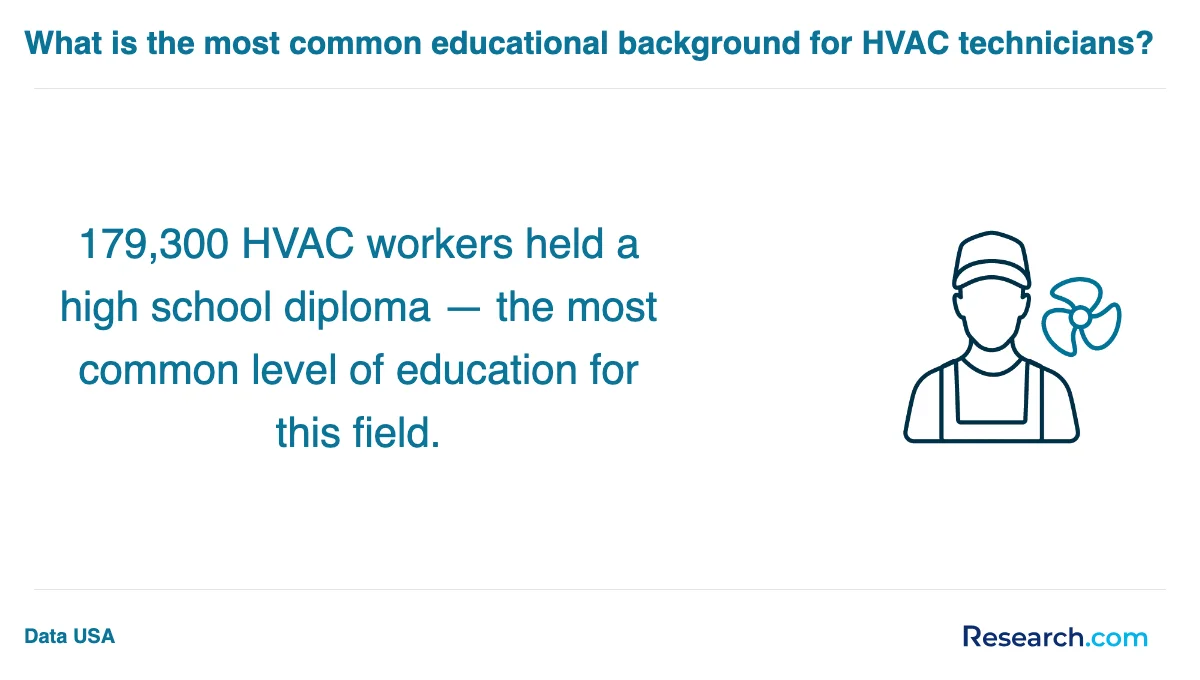
Enrolling in an HVAC technician trade school program in South Carolina typically requires a high school diploma or GED. Many trade schools, such as those in Greenville and Columbia, emphasize this as the primary academic prerequisite. Graduates often recall how meeting this requirement gave them a solid foundation to build their technical skills confidently.
Other common prerequisites include:
- Basic math proficiency, especially in algebra and measurement conversions, essential for understanding HVAC system calculations.
- Passing a background check or drug screening, ensuring safety and professionalism on job sites.
- Physical fitness and manual dexterity, as HVAC work involves handling tools and equipment in various environments.
Some programs in South Carolina also recommend or require students to have a valid driver's license, facilitating access to internship opportunities and job placements. Graduates frequently highlight how having these prerequisites helped them smoothly transition into hands-on training without unnecessary delays.
These requirements ensure that students are well-prepared to tackle both the technical and practical challenges of HVAC work, creating a positive, motivating learning environment right from the start.
HVAC technician trade school programs in South Carolina typically include a robust mix of theoretical and practical coursework designed to equip students for real-world HVAC roles. Graduates from popular institutions like Greenville Technical College and the AC & Refrigeration Training Center often highlight how courses prepare them to confidently install, maintain, and repair HVAC systems in homes and businesses.
Key courses generally cover:
- HVAC fundamentals: heating and cooling science, thermodynamics, and refrigeration principles.
- Electrical systems and controls: reading wiring diagrams, system diagnostics, and using digital multimeters.
- Blueprint reading and system design: interpreting plans and sizing HVAC systems according to local codes.
- Hands-on lab work: up to 180 hours practicing installation and troubleshooting, fostering teamwork and problem-solving skills.
- Environmental and commercial systems: training for specialized, larger-scale applications in industrial settings.
These courses build practical skills and confidence, enabling students to tackle complex systems safely and efficiently-skills highly valued by employers across South Carolina's fast-growing HVAC job market.
HVAC technician specializations in South Carolina are diverse, tailored to meet industry needs and student career goals. Popular programs, such as at the University of South Carolina Union, offer HVAC/R Certified Technician tracks that focus on certification preparation through online courses emphasizing precise skills like heat carrying capacity and vaporization measurement. Graduates from this program often share their confidence in passing certifications swiftly.
Other South Carolina HVAC training program specializations are offered at Piedmont Technical College, where students receive hands-on training in diagnosing malfunctions, air duct fabrication, and load estimation. This practical experience equips students to tackle real-world HVAC system challenges immediately after graduation. Florence-Darlington Technical College specializes in refrigeration applications, prepping students for careers managing commercial and industrial refrigeration systems.
Many graduates highlight the comprehensive nature of programs at Midlands Technical College and Greenville Technical College, where training covers both residential and commercial HVAC/R systems with a focus on energy efficiency and sustainability. Typical technical coursework includes electrical circuits for HVAC systems, refrigeration cycle fundamentals, heat pump operations, and air flow design and diagnostics.
- Refrigeration and commercial systems expertise from certificate programs
- Online certification preparation readying students for HVAC/R Excellence
- Hands-on HVAC system repair and installation skills from associate degrees
These varied specializations help ready students eager for high paying trade school jobs, blending technical knowledge with practical industry experience that South Carolina employers seek.
Choosing the best HVAC technician trade school program in South Carolina involves evaluating accreditation and curriculum depth to ensure alignment with local industry standards. Graduates from top HVAC training programs South Carolina value hands-on training opportunities that mirror real-world scenarios, such as troubleshooting HVAC systems in fully equipped labs. Programs incorporating experienced instructors with direct field experience help students connect theory to practice, boosting confidence during internships and job placements.
Considering program flexibility is essential, as many students balance work and study, favoring hybrid models that combine online coursework with on-campus labs. Financial factors also influence choice; however, graduates report that investing in quality education at reputable trade schools leads to better long-term earning potential than simply selecting the cheapest option.
Strong job placement services and positive alumni reviews often indicate a program's effectiveness. South Carolina students frequently compare traditional learning paths with apprenticeships, and exploring the trade school HVAC program vs apprenticeship debate clarifies which suits their career goals best.
Graduates of HVAC technician trade school programs in South Carolina commonly enter diverse HVAC technician jobs in South Carolina, such as residential and commercial HVAC technician roles, HVAC installer, and HVAC maintenance specialist positions. Many find hands-on opportunities immediately after completing programs at leading state trade schools, where they gain practical skills applied daily in homes and businesses statewide.
Career advancement is achievable through specialization or leadership. Experienced graduates often pursue certifications like EPA technician or Industry Competence Exam to enhance their qualifications. Career paths include:
- Specializing in geothermal systems or energy management
- System design and automatic control roles
- Lead technician or supervisor positions
- Facilities management or HVAC sales
Graduates working in settings ranging from local industrial facilities to educational institutions such as The Citadel report positive outcomes and upward mobility. For those curious about what are the requirements to become an hvac technician, training in South Carolina provides solid foundations supported by strong industry demand.
With nearly 500 current job openings statewide and potential earnings reaching $125,000 annually for seasoned professionals, HVAC career advancement opportunities in South Carolina are notably robust, rewarding those who continue skill development and certification.
The HVAC technician job outlook in South Carolina shows steady demand despite relatively low salaries compared to national averages. Graduates of popular trade schools in the state often find entry-level positions paying around $26.22 per hour, with annual incomes near $54,000. While the hiring market is not very active currently, technicians with solid hands-on training from accredited programs report positive experiences securing jobs in residential and commercial sectors.
Many graduates highlight the advantage of completing their HVAC technician education at well-known South Carolina trade schools, which emphasize practical skills valued by employers. This training makes graduates competitive even in a low-salary market.
- Hours vary based on employer and city, with urban areas offering slightly higher wages.
- Advancement opportunities exist through certifications and specialized training.
- Relocating within South Carolina can improve job prospects and pay.
The current market rewards those who embrace ongoing skill development and understand the benefits of trade school versus college choices. HVAC technician salaries in South Carolina rank 50th nationally but remain sufficient for stable employment in various settings across the state.
Best HVAC Technician Training Programs & Trade Schools - Top HVAC Tech Schools in South Carolina for 2026
# 1 position
Greenville Technical College - Heating, Air Conditioning, Ventilation and Refrigeration Maintenance Technology/Technician.
certificate or diplomaGreenville Technical College offers a hybrid Heating, Air Conditioning, Ventilation and Refrigeration Maintenance Technology/Technician program that trains students to repair, install, and maintain HVAC and refrigeration systems. The curriculum covers diagnostic techniques, testing equipment use, and principles of mechanics, electricity, and electronics. The program is accredited by the Southern Association of Colleges and Schools Commission on Colleges, with an annual in-state tuition of $5,639 and median earnings of $50,802 one year after completion.
# 2 position
Horry-Georgetown Technical College - Heating, Air Conditioning, Ventilation and Refrigeration Maintenance Technology/Technician.
certificate or diplomaThe Heating, Air Conditioning, Ventilation and Refrigeration Maintenance Technology/Technician program at Horry-Georgetown Technical College prepares students to repair, install, service, and maintain HVAC and refrigeration systems. The hybrid program includes instruction in diagnostic techniques, testing equipment use, and principles of mechanics, electricity, and electronics. Annual in-state tuition is $4,468. The program is accredited by the Southern Association of Colleges and Schools Commission on Colleges, with median earnings one year after completion at $40,480.
# 3 position
Tri-County Technical College - Heating, Air Conditioning, Ventilation and Refrigeration Maintenance Technology/Technician.
associateTri-County Technical College offers a hybrid program in Heating, Air Conditioning, Ventilation, and Refrigeration Maintenance Technology/Technician. This program trains students to repair, install, and maintain heating, air conditioning, and refrigeration systems. Instruction includes diagnostic techniques, use of testing equipment, and principles of mechanics, electricity, and electronics related to system repair. The annual in-state tuition is $4,448. The program is accredited by the Southern Association of Colleges and Schools Commission on Colleges.
# 4 position
Tri-County Technical College - Heating, Air Conditioning, Ventilation and Refrigeration Maintenance Technology/Technician.
certificate or diplomaTri-County Technical College offers a hybrid Heating, Air Conditioning, Ventilation and Refrigeration Maintenance Technology/Technician program. It prepares students to repair, install, service, and maintain HVAC and refrigeration systems using diagnostic techniques and testing equipment. Instruction covers mechanics, electricity, and electronics as they relate to these systems. The program’s annual in-state tuition is $4,448 and it is accredited by the Southern Association of Colleges and Schools Commission on Colleges.
# 5 position
Midlands Technical College - Heating, Air Conditioning, Ventilation and Refrigeration Maintenance Technology/Technician.
associateMidlands Technical College offers a hybrid program in Heating, Air Conditioning, Ventilation and Refrigeration Maintenance Technology/Technician. The curriculum prepares students to repair, install, service, and maintain HVAC and refrigeration systems, covering diagnostic techniques, testing equipment, and principles of mechanics, electricity, and electronics. Annual in-state tuition is $4,788. Median earnings one year after completion are $46,803. The program is accredited by the Southern Association of Colleges and Schools Commission on Colleges.
# 6 position
Midlands Technical College - Heating, Air Conditioning, Ventilation and Refrigeration Maintenance Technology/Technician.
certificate or diplomaMidlands Technical College offers a hybrid Heating, Air Conditioning, Ventilation and Refrigeration Maintenance Technology/Technician program. This program prepares students to repair, install, service, and maintain HVAC and refrigeration systems using diagnostic techniques and testing equipment. It covers mechanics, electricity, and electronics principles related to these systems. The annual in-state tuition is $4,788. Graduates earn a median salary of $46,803 one year after completing the program. The program is accredited by the Southern Association of Colleges and Schools Commission on Colleges.
# 7 position
Spartanburg Community College - Heating, Air Conditioning, Ventilation and Refrigeration Maintenance Technology/Technician.
certificate or diplomaSpartanburg Community College offers a Hybrid Heating, Air Conditioning, Ventilation and Refrigeration Maintenance Technology/Technician program. It prepares students to repair, install, service, and maintain HVAC and refrigeration systems, focusing on diagnostic techniques, testing equipment, and principles of mechanics, electricity, and electronics. The annual in-state tuition is $5,046. The program is accredited by the Southern Association of Colleges and Schools Commission on Colleges.
# 8 position
York Technical College - Heating, Air Conditioning, Ventilation and Refrigeration Maintenance Technology/Technician.
certificate or diplomaYork Technical College offers a hybrid program in Heating, Air Conditioning, Ventilation and Refrigeration Maintenance Technology/Technician. The curriculum prepares students to repair, install, service, and maintain HVAC and refrigeration systems with instruction in diagnostic techniques, testing equipment, and mechanics, electricity, and electronics principles. The program’s annual in-state tuition is $5,512. It is accredited by the Southern Association of Colleges and Schools Commission on Colleges.
# 9 position
Trident Technical College - Heating, Air Conditioning, Ventilation and Refrigeration Maintenance Technology/Technician.
certificate or diplomaThe Heating, Air Conditioning, Ventilation and Refrigeration Maintenance Technology/Technician program at Trident Technical College offers a hybrid format with some distance-education options. It trains students to repair, install, service, and maintain HVAC and refrigeration systems, emphasizing diagnostic techniques, testing equipment, and principles of mechanics, electricity, and electronics. Annual in-state tuition is $4,564. The program is accredited by the Southern Association of Colleges and Schools Commission on Colleges.
# 10 position
Piedmont Technical College - Heating, Air Conditioning, Ventilation and Refrigeration Maintenance Technology/Technician.
associateThe Heating, Air Conditioning, Ventilation and Refrigeration Maintenance Technology/Technician program at Piedmont Technical College is a hybrid program offering some distance education. It trains students to repair, install, service, and maintain heating, air conditioning, and refrigeration systems. Instruction includes diagnostic techniques, use of testing equipment, and principles of mechanics, electricity, and electronics. Annual in-state tuition is $4,775. The program is accredited by the Southern Association of Colleges and Schools Commission on Colleges.
Frequently Asked Questions about HVAC technician
After completing an HVAC technician trade school in South Carolina, preparation for the job market is essential. Start by obtaining relevant certifications such as the EPA Section 608, which is federally required for handling refrigerants. Local employers also value NATE (North American Technician Excellence) certification, which can boost job prospects.
Networking plays a significant role; attending industry job fairs and joining professional organizations like the South Carolina HVAC Contractors Association can connect graduates with potential employers.
Hands-on experience through internships or apprenticeships is highly recommended. According to the U.S. Bureau of Labor Statistics, HVAC jobs in South Carolina are projected to grow 11% from 2020 to 2030, reflecting strong demand.
Finally, preparing a professional resume highlighting technical skills and certifications will improve chances of securing employment.
Employers in South Carolina seek HVAC technician graduates who demonstrate strong technical skills, including proficiency in installing, maintaining, and repairing heating, ventilation, and air conditioning systems. According to the U.S. Bureau of Labor Statistics, practical knowledge of electrical systems and refrigeration is critical. Additionally, South Carolina employers value problem-solving abilities and mechanical aptitude to troubleshoot diverse HVAC issues efficiently.
Communication skills are important as technicians often interact with customers and explain system issues clearly. Safety awareness is also a top priority, given the risks involved with HVAC work. Trade schools that emphasize hands-on training and certifications, such as EPA Section 608, are highly regarded in the local job market.
Finding internships relevant to HVAC technician trade school programs in South Carolina involves several strategic steps. First, students should connect with their trade school's career services, as many schools maintain partnerships with local HVAC companies offering paid or unpaid internships. According to the South Carolina Department of Employment and Workforce, the HVAC sector is growing at an annual rate of 5%, increasing internship opportunities.
Additionally, students can explore listings on state workforce websites and local job boards focused on technical trades. Networking through industry associations like the Refrigeration Service Engineers Society (RSES) South Carolina chapter also helps secure hands-on experience.
Many internships require basic EPA certification, so obtaining this early enhances eligibility. Engaging with local unions and attending trade fairs can further expand internship prospects.
Obtaining a diploma from an HVAC technician trade school in South Carolina significantly enhances career mobility and advancement opportunities. According to the U.S. Bureau of Labor Statistics, HVAC technician jobs in South Carolina are projected to grow by 10% from 2022 to 2032, faster than the national average. A diploma signals to employers that a candidate has completed specialized training and gained practical skills, which is often required for state licensing and certifications.
Graduates with diplomas typically qualify for higher entry-level wages, with median annual salaries around $45,000 in the state, compared to less trained workers. Additionally, having a diploma can open doors to supervisory roles or specialized HVAC fields, improving long-term career growth.
Part-time job opportunities in South Carolina can effectively complement HVAC technician trade school education by providing practical experience and industry insight. Many students find work as HVAC helpers or apprentices, roles that offer hands-on training while attending classes. According to the U.S. Bureau of Labor Statistics, South Carolina's HVAC job market is projected to grow by 10% from 2022 to 2032, supporting demand for skilled technicians.
Other part-time roles include general maintenance or facilities support positions, which help students understand building systems and troubleshooting. Working with local contractors or service companies can also enhance technical skills and networking opportunities. Combining education with relevant part-time work improves job readiness and builds a competitive resume in this growing field.
To find the best HVAC Technician degree program near me in South Carolina, start by researching nearby technical and community colleges that offer HVAC certifications or associate degree programs. You can visit campuses or contact admissions offices to learn more about program specifics, faculty, and facilities they offer to HVAC students. Additionally, exploring resources like Research.com might provide ratings and reviews of programs near South Carolina to aid in making an informed decision.
- Best HVAC Technician Training Programs & Trade Schools - Top HVAC Tech Schools in North Carolina for 2026
- Best HVAC Technician Training Programs & Trade Schools - Top HVAC Tech Schools in Alabama for 2026
- Best HVAC Technician Training Programs & Trade Schools - Top HVAC Tech Schools in Kentucky for 2026
- Best HVAC Technician Training Programs & Trade Schools - Top HVAC Tech Schools in West Virginia for 2026
- Best HVAC Technician Training Programs & Trade Schools - Top HVAC Tech Schools in Maryland for 2026
- Best HVAC Technician Training Programs & Trade Schools - Top HVAC Tech Schools in Missouri for 2026
- Best HVAC Technician Training Programs & Trade Schools - Top HVAC Tech Schools in Pennsylvania for 2026
- Best HVAC Technician Training Programs & Trade Schools - Top HVAC Tech Schools in Delaware for 2026
- Best HVAC Technician Training Programs & Trade Schools - Top HVAC Tech Schools in Illinois for 2026
- Best HVAC Technician Training Programs & Trade Schools - Top HVAC Tech Schools in Texas for 2026
- How to Find an HVAC Apprenticeship | Austin Career Institute https://austincareerinstitute.edu/blog/hvac/tips-for-finding-an-hvac-apprenticeship/
- HVAC Job Placement: Employment Strategies After Training https://www.genesiscareer.edu/hvac-job-placement-employment-strategies/
- A Guide to Skilled Trades Apprenticeships and Internships | BestColleges https://www.bestcolleges.com/trades/guide-to-skilled-trades-apprenticeships-internships/
- Hands-on Skills at the Best Schools for HVAC Training https://tidewatertechtrades.edu/blog/combination-welding-essential-skills-for-a-successful-career/
- How to Become an HVAC Technician in 2025 | The Ultimate Career Guide - InterCoast Colleges https://intercoast.edu/articles/become-hvac-technician/
- Online HVAC Technician Career Guide https://www.ashworthcollege.edu/career-diplomas/heating-air-conditioning/career-guide/
- Find HVAC Trade Schools - Diploma & Associate Degree Programs https://www.trade-schools.net/trades/hvac
- Ventilation Trade School | Chicago, IL | HVAC Tech https://www.hvac-tech.com/
- Entry Level HVAC Technician - Training Certificate | Midlands Technical College https://www.midlandstech.edu/programs-and-courses/advanced-manufacturing-and-skilled-trades/hvac-training-certificate
- HVAC Technology program - Texas State Technical College https://www.tstc.edu/programs/hvactechnology/


