Most Affordable HVAC Technician Schools & Training - Budget-Friendly HVAC Trade Programs in Lancaster for 2026

Co-Founder and Chief Data Scientist
The right HVAC technician trade school in Lancaster should do more than help you enroll quickly. It should prepare you for hands-on work, certification requirements, local employer expectations, and a wage path that makes the cost of training worthwhile.
This guide reviews HVAC technician trade school options in Lancaster for students who want a faster route into skilled trades work, including career changers, recent high school graduates, working adults, and learners comparing on-campus, hybrid, and online-supported formats. The Research.com ranking is designed to help you compare programs with practical questions in mind: how long training takes, what it costs, what credentials you may need, what you will study, and where the training can lead.
Use this guide to understand the trade-offs before committing. A shorter course may help you enter the workforce sooner, while a longer program may offer broader lab time, stronger certification preparation, and more structured employer connections. The best choice depends on your budget, schedule, prior experience, and career goals in residential, commercial, refrigeration, or maintenance-focused HVAC work.
Key benefits of finishing HVAC technician trade school in Lancaster
- HVAC training can lead to solid local earning potential. Graduates can expect an average salary around $60,000 per year in Lancaster, and experienced technicians may earn up to $66,000 or more.
- Trade school can shorten the path from interest to employable skill. Programs usually focus on installation, troubleshooting, electrical basics, refrigerant handling, safety practices, and customer-facing service skills.
- Graduates may pursue several career directions, including work with local HVAC companies, refrigeration service, system design support, commercial maintenance, or supervisory roles after gaining field experience.
- Online or hybrid HVAC training can help students manage work, family, or transportation constraints while completing classroom theory. However, students should confirm how each program provides required hands-on lab practice.
- Completing a structured program can make it easier to prepare for common credentials such as EPA and OSHA-related certifications, which many employers value even when a state license is not required.
- Most Affordable HVAC Technician Schools & Training - Budget-Friendly HVAC Trade Programs in Lancaster for 2026
- What can I expect from HVAC technician trade schools in Lancaster?
- Where can I work after finishing HVAC technician trade schools in Lancaster?
What can I expect from HVAC technician trade schools in Lancaster?
HVAC technician trade schools in Lancaster typically combine classroom instruction with hands-on lab work. The goal is to help students understand how heating, ventilation, air conditioning, and refrigeration systems operate, then apply that knowledge to installation, inspection, maintenance, and repair tasks.
Students can expect training in areas such as electrical applications, refrigerant management, system controls, safety procedures, airflow, troubleshooting, and equipment service. Programs associated with schools such as Thaddeus Stevens College are often valued because lab sessions allow students to work with industry-standard equipment instead of learning only from diagrams or videos.
Many programs also include general education or workplace-readiness courses. These can be useful because HVAC technicians must explain problems clearly, document service work, read technical materials, and communicate with customers, supervisors, and other tradespeople.
Certification preparation is another important part of many programs. Students may receive guidance for EPA Section 608A and OSHA safety certifications, and some programs may include the test fee. Ask each school which exams are included, whether certification testing is required for completion, and what happens if you need to retake an exam.
Scheduling can vary by school. Some students choose full-time programs to enter the workforce faster, while others need evening, part-time, or hybrid options. In evaluating format, look closely at lab hours, instructor access, employer partnerships, and job placement support. One reported outcome is that 81% find jobs within six months, but students should ask each program how that rate is calculated and which jobs are included.
Where can I work after finishing HVAC technician trade schools in Lancaster?
After finishing an HVAC technician trade school program in Lancaster, graduates may work for residential service companies, commercial HVAC contractors, property management firms, facilities departments, refrigeration service providers, and maintenance teams. Local employers referenced for HVAC work include Peris Heating & Cooling Inc and Topline Heating & Air.
Entry-level graduates often begin as installation technicians, service technicians, maintenance technicians, or helpers who support senior technicians on job sites. In residential roles, work may involve installing new systems, replacing components, performing seasonal tune-ups, and responding to heating or cooling failures. In commercial settings, technicians may maintain rooftop units, larger air-handling systems, refrigeration equipment, or building comfort systems in offices, apartments, retail spaces, and other facilities.
Entry-level roles have been described as offering wages from $20 to $30 per hour, depending on employer, schedule, experience, and certifications. Some positions may also include benefits such as health insurance and 401(k) matching. Before accepting a job, compare the full compensation package, not just the hourly rate. Overtime availability, on-call expectations, travel requirements, tool policies, and paid training can significantly affect the real value of a position.
HVAC training can also support adjacent maintenance careers. Some graduates use their HVAC foundation to move into refrigeration, plumbing support, electrical maintenance, building maintenance, or warranty technician roles. This flexibility can be valuable in a local market where employers need workers who can diagnose problems across connected building systems.
HVAC technician earnings in Lancaster can vary by employer, experience, certifications, schedule, and whether the job is residential, commercial, or specialized. After trade school, some graduates may start around $17.82 per hour, then move toward the median $23.69 per hour as they gain field experience and prove they can work independently.
Technicians who build stronger troubleshooting skills, earn relevant certifications, handle more complex equipment, or take on commercial service responsibilities may move beyond $29 per hour. The average annual salary cited for Lancaster is about $60,332, and experienced technicians can reach $35.65 per hour.
When comparing programs, consider earnings in relation to total cost and time to completion. A less expensive short certificate may help you start earning sooner, while a longer program may provide broader lab experience and stronger preparation for advancement. The best return on investment depends on how quickly you finish, how much debt you take on, and how effectively the program connects graduates with employers.
- HVAC technician programs in Lancaster typically last from 10 weeks to 15 months, with full-time, part-time, and hybrid options available.
- Tuition ranges from $13,300 to $15,105 for full 12-15 month courses. Shorter certificate courses cost between $550 and $3,950, and EPA certification training is about $325.
- Students may prepare for certifications such as EPA Section 608 and OSHA 30. Pennsylvania does not require a state HVAC license, but local rules may apply, so students should verify requirements for the municipality where they plan to work.
- Starting salaries for HVAC technicians in Pennsylvania are generally $36,000 to $44,000 yearly. Experienced workers may earn $55,000 to $65,000 or more.
- Hands-on training is central to HVAC education. Strong programs give students practice with real equipment, live projects, electrical testing, refrigerant procedures, system diagnostics, and safety protocols.
Most HVAC technician trade school programs in Lancaster can be completed in about six months to one year, although specific timelines vary by credential, school, schedule, and course intensity. Across the broader set of options, program lengths may range from 10 weeks to 15 months.
Shorter programs are usually designed for students who want targeted job preparation or a focused certificate. They may be a good fit if you already have some maintenance, construction, electrical, or mechanical experience. Longer programs may offer more time in labs, a broader sequence of technical courses, and additional preparation for certifications or entry-level employment.
Before choosing a timeline, ask practical questions:
- How many hours are spent in hands-on lab work?
- Does the program include evening, weekend, part-time, full-time, or hybrid scheduling?
- Are certification exams built into the schedule?
- Can students complete the program while working?
- What happens if a student needs to repeat a lab, course, or certification exam?
A fast program is only valuable if it gives you enough practice to work safely. HVAC technicians handle electrical components, pressurized systems, combustion equipment, refrigerants, tools, and customer property, so speed should not come at the expense of competence.
The main difference is how students complete theory and hands-on training. Online and hybrid HVAC programs can deliver lectures, readings, assignments, safety concepts, and basic system theory remotely. On-campus programs provide immediate access to labs, tools, equipment, instructors, and in-person troubleshooting practice.
For a hands-on trade like HVAC, lab training matters. Graduates from programs such as Lancaster County Career & Technology Center often point to shop-based learning as the part that builds confidence. Working directly with meters, controls, duct components, refrigeration equipment, and heating and cooling systems helps students connect classroom concepts to real service problems.
Hybrid programs can be a useful compromise. Students may study theory online and then attend required in-person labs, similar to models associated with schools such as YTI Career Institute. This can help working adults manage schedules while still gaining practical experience.
| Format | Best for | Watch for |
| On-campus | Students who want frequent lab practice, instructor feedback, and structured schedules | Commute time, fixed class hours, and less scheduling flexibility |
| Online-supported or hybrid | Students balancing work, family, or transportation limits | Whether the program includes enough required hands-on lab time |
| Short online certificate | Students seeking theory review or certification preparation | Limited hands-on practice if no lab or externship is included |
When comparing formats, do not assume online means easier or on-campus means better. The stronger choice is the one that provides enough supervised practice, prepares you for required certifications, and fits your schedule well enough that you can complete it.
The average cost HVAC technician trade school Lancaster students may see is around $12,000 to $13,500 for full programs. Some full 12-15 month courses range from $13,300 to $15,105, while shorter certificate courses may cost between $550 and $3,950. EPA certification training is about $325.
Tuition is only part of the total cost. HVAC students may also need to budget for books, tools, uniforms, safety gear, lab materials, certification exams, transportation, and fees. Programs with around 900 hours of hands-on training may cost more than shorter courses, but they may also provide a broader technical foundation.
When comparing HVAC technician program tuition fees Lancaster, ask each school for a full cost breakdown in writing. Specifically confirm:
- What is included in tuition and what is billed separately
- Whether tools and materials are included
- Whether EPA or OSHA-related exam fees are included
- Whether financial aid can be applied to the program
- Whether the school offers payment plans, grants, or scholarships
- What refund policies apply if you withdraw
Students comparing flexible options may also review an online trade school resource, but HVAC learners should make sure any online or hybrid option includes meaningful hands-on training before enrolling.
Financial aid for HVAC technician trade schools in Lancaster may include federal aid, state grants, institutional scholarships, private scholarships, payment plans, and workforce-related funding. Availability depends on the school, program length, accreditation status, student eligibility, and whether the program qualifies for aid.
Federal options may include Pell Grants and Stafford Loans for eligible students at participating institutions. The first step is usually completing the FAFSA. Because some 2024-2025 updates require prompt action, students should apply early and check deadlines directly with the school financial aid office.
Pennsylvania students may also explore state grant support through the Pennsylvania Higher Education Assistance Agency. Lancaster residents should confirm eligibility rules, filing deadlines, enrollment requirements, and whether the HVAC program they choose qualifies.
School-based and outside scholarships can reduce out-of-pocket costs. Students at YTI Career Institute have benefited from $2,000 tuition grants and $2,500 scholarships. Other scholarship sources mentioned for trade students include the Imagine America Foundation and Executive Women International.
Before borrowing, ask the school to estimate your net cost after grants and scholarships. Then compare that figure with expected entry-level wages, program completion time, and job placement support. A financial aid package should make the program affordable, not hide costs that become difficult after graduation.
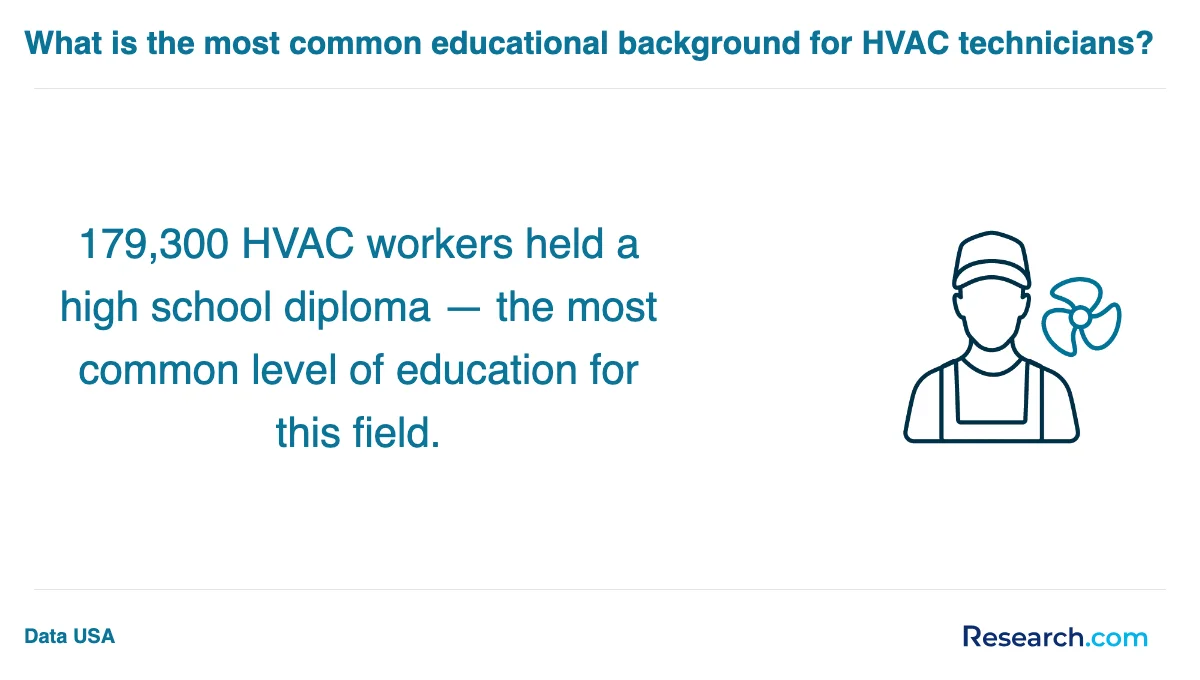
Most HVAC technician trade schools in Lancaster require applicants to have a high school diploma or GED. This requirement helps ensure students are prepared for the math, reading, safety, and technical content used in HVAC coursework.
Common prerequisites and expectations may include:
- Basic math skills for measurements, electrical calculations, load concepts, and troubleshooting
- Reading skills for manuals, diagrams, safety instructions, and work orders
- Mechanical interest and comfort with tools
- Physical ability to lift, bend, climb, work in tight spaces, and handle installation or maintenance tasks
- A valid driver's license in some cases, especially because technicians often travel between job sites
- Willingness to follow safety procedures and work in varied indoor and outdoor conditions
Some programs may also require an application, interview, placement assessment, background check, drug screening, immunization documentation, or proof of residency, depending on the school and clinical or employer-related requirements. Always verify the current admissions checklist before paying application or enrollment fees.
Applicants who are unsure whether they are ready should speak with an admissions counselor and, if possible, tour the lab. Seeing the tools, equipment, and learning environment can help you decide whether HVAC training matches your strengths and expectations.
HVAC technician trade school programs in Lancaster, including programs associated with Lancaster County Career & Technology Center and Thaddeus Stevens College of Technology, usually start with fundamentals and build toward more complex system diagnosis and repair.
Common introductory coursework may include Introduction to HVAC/R, which gives students a foundation in heating, ventilation, air conditioning, and refrigeration systems. Safety courses such as Basic Safety and OSHA Electrical & Construction Safety help students understand job-site hazards and may support credentials such as the OSHA 30-hour card.
Technical coursework often includes:
- Basic Electricity for circuits, meters, controls, motors, and electrical troubleshooting
- Tools for HVAC/R for safe and proper use of trade tools and testing equipment
- Blueprint Reading for interpreting construction drawings, mechanical plans, and system layouts
- Piping Practices for joining, routing, and servicing piping used in HVAC/R systems
- Air Distribution Systems for ductwork, airflow, ventilation, and comfort performance
- Principles of Refrigeration for refrigeration cycles, pressure-temperature relationships, and refrigerant handling
- Heat Pump Systems for heating and cooling operation, controls, and troubleshooting
- Commercial Refrigeration for larger and specialized cooling systems
Hands-on labs are where these topics become practical. Students may practice electrical diagnostics, heating and cooling service, refrigerant procedures, component replacement, airflow testing, and equipment troubleshooting. Programs may also include general education classes in math, science, and communication to support workplace readiness.
Certification preparation is commonly included, especially for the EPA Section 608 Certification. Students should ask whether the program teaches only the content or also schedules and pays for the exam.
HVAC technician specializations in Lancaster generally reflect the types of systems technicians service: residential comfort systems, commercial HVAC, refrigeration, controls, and installation-related work. Some programs are broad rather than formally specialized, but students can often shape their career direction through electives, lab projects, internships, apprenticeships, certifications, and first jobs.
Common specialization areas include:
- HVAC system installation and repair
- Air conditioning and refrigeration fundamentals
- Commercial and residential HVAC maintenance
- Building automation controls
- Sheet metal fabrication and installation
Programs such as those at Lancaster County Career & Technology Center may expose students to blueprint reading, electric and pneumatic control systems, humidity control, installation methods, and maintenance procedures. This broad training can support entry into roles as HVAC mechanics, installers, service technicians, refrigeration technicians, or business owners after gaining experience.
Certifications can also shape specialization. HVAC training programs Lancaster may prepare students for OSHA 10, OSHA 30, and EPA Universal credentials. These credentials do not replace experience, but they can help demonstrate safety awareness and refrigerant-handling knowledge to employers.
Students who need flexible theory review or supplemental study may compare cheap online hvac trade school programs, but any online option should be evaluated carefully for lab access, certification preparation, and employer recognition.
To choose the best HVAC technician trade school program in Lancaster, focus on outcomes that affect employability: hands-on training, certification preparation, cost transparency, scheduling, instructor experience, employer connections, and student support. A program that looks convenient on paper may not be the best value if it offers limited lab practice or weak job placement help.
Use this checklist when comparing schools:
- Accreditation and approval: Confirm the school’s status and whether the program qualifies for financial aid, transfer credit, or employer recognition.
- Hands-on lab time: Ask how many hours students spend on equipment and what systems they practice on.
- Certification preparation: Look for preparation for EPA Section 608 and OSHA safety certifications, and ask whether exam fees are included.
- Total cost: Compare tuition, fees, tools, books, materials, certification exams, and transportation. When you compare HVAC technician program costs Lancaster, use total cost rather than tuition alone.
- Schedule fit: Consider full-time, part-time, evening, and hybrid options, especially if you plan to work while enrolled.
- Career services: Ask about internships, apprenticeships, employer partnerships, resume support, interview preparation, and job placement data.
- Graduate outcomes: Request completion rates, job placement rates, typical starting wages, and the types of employers hiring graduates.
Hybrid programs can be useful for students who need flexibility, but the hands-on component should still be strong. Students comparing broader training formats can review vocational trade online programs while checking whether any HVAC option includes in-person labs or local practical training.

HVAC technician trade school graduates in Lancaster can pursue entry-level and advancement-oriented roles across residential, commercial, refrigeration, and facilities maintenance settings. Many begin as HVAC installation, service, or maintenance technicians, then specialize as they gain experience and certifications.
Common career paths include:
- HVAC installation technician: Installs or replaces heating and cooling systems in homes, apartments, and commercial properties.
- HVAC service technician: Diagnoses problems, repairs equipment, performs tune-ups, and responds to service calls.
- Maintenance technician: Maintains HVAC and related building systems for property managers, schools, healthcare facilities, or commercial buildings.
- Commercial HVAC service technician: Works on larger and more complex systems, often with stronger troubleshooting demands.
- Refrigeration technician: Services refrigeration systems used in supermarkets, restaurants, medical facilities, and other settings.
- Warranty technician: Handles manufacturer or contractor warranty service for installed systems and components.
- Supervisor or project manager: Leads technicians, coordinates installations, manages timelines, and communicates with customers or contractors.
Paid internships and apprenticeships can help graduates build confidence while earning income and learning under experienced technicians. These opportunities are especially valuable because HVAC work depends on judgment developed through repeated field experience.
Students still comparing related trades may also review cheapest online maintenance technician trade programs, particularly if they are interested in broader building maintenance roles that include HVAC, electrical, plumbing, and facilities tasks.
The HVAC technician job market in Lancaster offers opportunities in installation, service, maintenance, warranty work, refrigeration, and commercial systems. Demand is supported by the ongoing need to install, maintain, and repair heating and cooling equipment in homes, businesses, apartments, and institutional buildings.
Graduates of local HVAC programs may move into roles such as installation technician, service technician, maintenance technician, commercial HVAC technician, refrigeration technician, or warranty technician. Reported wages for some Lancaster HVAC jobs range from $20 to $43 per hour, depending on role, experience, certifications, and employer. Some employers may offer sign-on bonuses up to $5,000 along with benefits packages.
Common job settings include:
- Residential HVAC system installation and repair
- Commercial HVAC maintenance for larger businesses
- Property management and facilities maintenance
- Refrigeration service
- Specialized work involving electrical components, controls, or warranty service
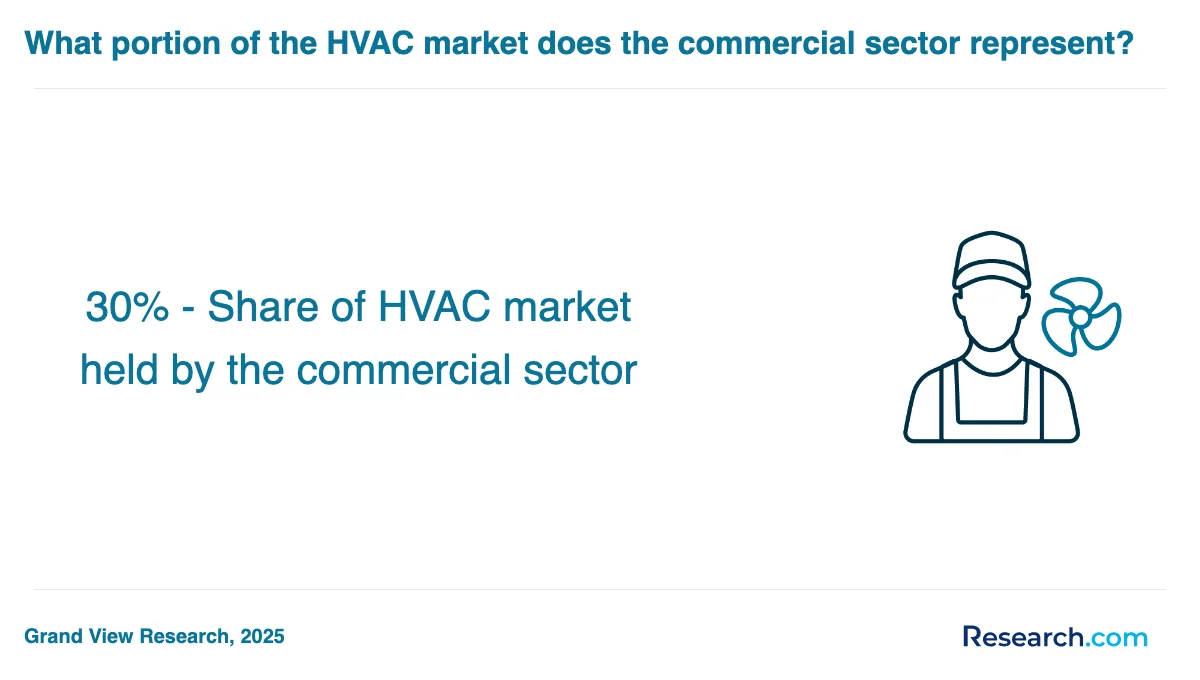
Commercial HVAC can broaden career prospects because larger systems may require more advanced diagnostics, scheduled maintenance, and controls knowledge. Residential work, on the other hand, can provide steady customer-facing experience and a strong foundation in installation and service calls. Both paths can lead to advancement if technicians continue building skills.
Students planning their timeline should understand how long to become a hvac technician and compare that timeline with local hiring needs, program length, and certification requirements.
The HVAC technician salary in Lancaster PA can be motivating, but job quality depends on more than pay. Before accepting an offer, review overtime expectations, on-call schedules, travel area, tool reimbursement, training support, benefits, and advancement opportunities.
Most Affordable HVAC Technician Schools & Training - Budget-Friendly HVAC Trade Programs in Lancaster for 2026
# 1 position
San Joaquin Valley College-Lancaster - Heating, Air Conditioning, Ventilation and Refrigeration Maintenance Technology/Technician.
associateSan Joaquin Valley College-Lancaster offers a hybrid program in Heating, Air Conditioning, Ventilation and Refrigeration Maintenance Technology/Technician. The curriculum prepares students to repair, install, service, and maintain HVAC and refrigeration systems using technical knowledge and diagnostic techniques. Instruction covers mechanics, electricity, and electronics related to system repair. Graduates have a median earning of $40,861 one year after completion. The program is accredited by the Western Association of Schools and Colleges Senior Colleges and University Commission.
# 2 position
San Joaquin Valley College-Lancaster - Heating, Air Conditioning, Ventilation and Refrigeration Maintenance Technology/Technician.
certificate or diplomaSan Joaquin Valley College-Lancaster offers a hybrid program in Heating, Air Conditioning, Ventilation and Refrigeration Maintenance Technology/Technician. The curriculum trains students to repair, install, service, and maintain HVAC and refrigeration systems, emphasizing diagnostic techniques and the use of testing equipment. Instruction covers mechanics, electricity, and electronics relevant to system repair. Graduates have median earnings of $40,861 one year after completion. The program is accredited by the Western Association of Schools and Colleges Senior Colleges and University Commission.
Frequently Asked Questions about HVAC technician
Employers in Lancaster seek HVAC technician graduates with strong technical skills, including proficiency in installing, maintaining, and repairing heating, ventilation, and air conditioning systems. According to the U.S. Bureau of Labor Statistics, hands-on experience with electrical systems and refrigeration technology is essential for entry-level roles.
Critical thinking and problem-solving abilities are highly valued. Employers expect technicians to diagnose issues accurately and perform repairs efficiently, reducing downtime for clients. Communication skills also matter, as technicians often explain system issues and maintenance procedures to customers.
Knowledge of local building codes and safety regulations is important in Lancaster, where compliance ensures both legal and operational standards are met. Additionally, familiarity with energy-efficient systems is increasingly sought after due to growing demand for sustainable solutions.
Finding internships in Lancaster relevant to HVAC technician trade school programs involves several practical steps. Start by contacting local trade schools, as many have partnerships with HVAC companies offering internships to students. The Lancaster Workforce Development Board also provides resources and job listings specifically for skilled trades, including HVAC roles.
Networking through local industry events, such as those hosted by the Mechanical Contractors Association of Lancaster, can connect students with employers. According to the U.S. Bureau of Labor Statistics, internships increase job placement chances by over 20% in technical fields, making these connections valuable.
Online job portals like Indeed and LinkedIn often list HVAC internships in Lancaster, and filtering by location helps narrow down opportunities. Additionally, reaching out directly to HVAC service companies in the area can reveal unadvertised internships.
Students in Lancaster's HVAC programs may face challenges such as balancing part-time work with studies, keeping up with the physical demands of training, and accessing state-of-the-art tools due to budget constraints. However, schools often provide support services to help students overcome these obstacles.
Part-time job opportunities in Lancaster that complement HVAC technician trade school education often include roles such as HVAC assistant, maintenance helper, or general laborer in construction and facilities management. These positions provide practical experience and exposure to HVAC systems, which enhances classroom learning.
According to the U.S. Bureau of Labor Statistics, Lancaster's demand for HVAC technicians is expected to grow by 5% over the next decade, reflecting steady job availability. Students working part-time in related roles gain hands-on skills, improving their employability after graduation.
Additionally, some Lancaster companies offer internships or apprenticeships that pay hourly wages, allowing students to earn while they learn. These opportunities can provide valuable networking connections within the local HVAC industry.
To choose the most affordable HVAC Technician degree program near Lancaster, CA, you should first compare tuition costs and financial aid opportunities offered by local community colleges and trade schools. Exploring programs near me can also be facilitated by visiting institutions to meet faculty and tour facilities, providing a better insight into each program's value. Additionally, consulting resources like Research.com can provide helpful rankings and reviews of programs, aiding in an informed decision.
- Most Affordable HVAC Technician Schools & Training - Budget-Friendly HVAC Trade Programs in Las Cruces for 2026
- Most Affordable HVAC Technician Schools & Training - Budget-Friendly HVAC Trade Programs in Dallas for 2026
- Most Affordable HVAC Technician Schools & Training - Budget-Friendly HVAC Trade Programs in Lake Jackson for 2026
- How to write an HVAC Technician cover letter https://hipcv.com/guides/hvac-technician-cover-letter
- How to Become an HVAC Technician | Skilled Trades College of Canada https://www.skilledtradescollege.ca/resources/how-to-become-an-hvac-technician
- Entry Level HVAC Technician - Training Certificate | Midlands Technical College https://www.midlandstech.edu/programs-and-courses/advanced-manufacturing-and-skilled-trades/hvac-training-certificate
- How To Become an HVAC Technician? Step-by-Step Career Guide https://heavyequipmentcollege.edu/how-to-become-an-hvac-technician/
- HVAC/R Technician https://www.wctc.edu/WCTC/Academics/Program-List/HVAC-R-Technician
- How to Become an HVAC Technician: 6 Straightforward Steps https://www.getjobber.com/academy/hvac/how-to-become-an-hvac-technician/
- Heating, Ventilation, Air Conditioning and Refrigeration Program | College of DuPage https://www.cod.edu/academics/programs/hvacr/
- Find HVAC Trade Schools - Diploma & Associate Degree Programs https://www.trade-schools.net/trades/hvac
- Ventilation Trade School | Chicago, IL | HVAC Tech https://www.hvac-tech.com/
- HVAC Technology program - Texas State Technical College https://www.tstc.edu/programs/hvactechnology/