
Best HVAC Technician Training Programs & Trade Schools - Top HVAC Tech Schools in Alaska for 2026

Co-Founder and Chief Data Scientist
Choosing the right HVAC technician trade school in Alaska can feel overwhelming, but it doesn’t have to be. This article introduces a carefully crafted ranking of HVAC technician trade school programs, developed by the Research.com team of data scientists to help you make an informed decision.
By exploring these top programs, you’ll discover options that align with your goals and budget. Earning a diploma or certification in HVAC opens doors to a rewarding career with strong job prospects and personal growth. Let this guide be your first step toward a brighter future in Alaska’s HVAC industry.
Key benefits of finishing HVAC technician trade school in Alaska
- Graduates from HVAC technician trade schools in Alaska can expect to earn around $30 to $41 per hour, with experienced technicians making up to $76.94 per hour, offering strong financial rewards early in their careers.
- Career paths include roles as commercial HVAC technicians, refrigeration specialists, or senior technicians, providing variety and growth opportunities in Alaska's unique climate.
- Completing an HVAC program online offers flexibility and faster entry into the workforce, as shown by graduates who balance work and study while gaining valuable certifications without relocating.
- Best HVAC Technician Training Programs & Trade Schools - Top HVAC Tech Schools in Alaska for 2026
- What can I expect from HVAC technician trade schools in Alaska?
- Where can I work after finishing HVAC technician trade schools in Alaska?
What can I expect from HVAC technician trade schools in Alaska?
Enrolling in an HVAC technician trade school program in Alaska means diving into a hands-on learning experience that balances classroom theory with practical lab work. Graduates from schools like AVTEC and Charter College often reflect on the satisfaction of mastering real-world skills, such as sizing pipes or troubleshooting HVAC systems, which immediately boost their confidence on the job.
The programs typically last around 9 to 10 months, offering flexible start dates to fit various schedules. Students appreciate the blend of in-person labs and online coursework that allows them to balance training with personal commitments. The curriculum covers everything from electrical systems to energy conservation, preparing students for both entry-level jobs and key certifications like OSHA safety and EPA 608.
Beyond technical skills, many graduates note the strong emphasis on safety and professionalism, which makes them feel ready to meet Alaska's demanding work environment. The connection to local employers in Anchorage and Fairbanks also gives students hope for immediate job placement after completing their training.
Where can I work after finishing HVAC technician trade schools in Alaska?
Graduates from HVAC technician trade schools in Alaska often find rewarding careers across diverse sectors, reflecting the state's strong demand for skilled professionals. Many begin their journeys with commercial and residential HVAC service companies, where they install and maintain heating and cooling systems in homes and businesses throughout Anchorage, Fairbanks, and beyond. These roles offer hands-on experience and steady work, bringing satisfaction from solving real problems in everyday settings.
Others discover fulfilling opportunities within the construction industry, contributing to new building projects or renovations by installing complex HVAC systems. Graduates from well-known Alaskan trade schools often share how rewarding it feels to see their work shape the comfort of a new office or home.
For those who prefer stability, working with property management firms or large institutions like universities and hospitals provides steady work maintaining climate control across multiple facilities. Some graduates specialize further in areas like boiler systems or commercial refrigeration, earning certifications that open doors to higher wages and advanced roles.
Many also find joy in roles involving maintenance contracts, responding promptly to service calls across urban and rural Alaska. The variety of options-from sales and distribution of HVAC equipment to hands-on technical jobs-ensures graduates can build a career that fits their interests and lifestyle, often with benefits like health insurance and relocation assistance.
Graduates of HVAC technician trade schools in Alaska often find themselves stepping into a career with impressive earning potential right from the start. Many report entering the workforce with an average hourly wage of about $41.05, which is well above the national average. For those working full-time with overtime, annual earnings can reach around $85,000, reflecting both Alaska's demand for skilled trades and its higher cost of living.
Students from well-regarded Alaskan trade programs often share stories of quickly landing roles where commercial HVAC salaries range between $60,500 and $72,800 annually. Those who advance to lead technician positions or specialize further can command hourly wages from $47 to nearly $77, illustrating how experience and certifications translate into real financial growth.
Imagine finishing your program and receiving a job offer that not only covers your living expenses in cities like Anchorage or Fairbanks but also rewards your expertise with overtime pay and career advancement opportunities. This reflects the rewarding path many HVAC graduates enjoy in Alaska's robust trade market.
- Formal education is not legally required to start working in HVAC in Alaska, but most employers prefer candidates with a certificate, degree, or apprenticeship.
- Admission usually requires a high school diploma or GED, basic math, English skills, and often a valid driver's license.
- Apprenticeships provide 8,500 to 10,000 hours of paid on-the-job training and are often tuition-free, while trade school tuition ranges from $3,000 to $10,000.
- Programs prepare students for the EPA Section 608 certification exam, covering heating systems, refrigeration, mechanical codes, and safety.
- Starting salaries for HVAC technicians in Alaska average around $50,000 per year, with experienced workers earning $70,000 or more.
Completing an HVAC technician trade school program in Alaska typically takes between nine months and a year, depending on the specific school and curriculum. Many graduates from well-known Alaskan trade schools recall that the hands-on learning pace felt just right-challenging yet rewarding. They often describe balancing classroom theory with practical workshops as a key factor that helped them gain confidence quickly in handling real-world HVAC systems, even in Alaska's unique climate.
One common reflection is the sense of accomplishment felt when finishing in under a year, allowing graduates to enter the workforce promptly and start earning. The relatively short duration also means less time away from family or current jobs, which is important in Alaska's close-knit communities.
Schools popular in Alaska emphasize immersive training that mirrors the seasonal demands of heating and cooling, helping students grasp not only mechanics but also energy efficiency and safety relevant to the region. This approach leaves students feeling prepared and eager to contribute locally right after graduation.
The key difference between online and on-campus HVAC technician trade school programs in Alaska lies in how students engage with the material and develop practical skills. Graduates from online programs, like those at Charter College, often appreciate the flexibility to study theory on their own schedule, especially when balancing work or family in remote areas. They describe the convenience of accessing lectures and assignments anytime, which makes learning feel manageable and less stressful.
On the other hand, students attending on-campus programs such as AVTEC in Seward highlight the invaluable hands-on experience gained through direct interaction with HVAC systems. Being in the lab, working alongside instructors, and troubleshooting real equipment fosters confidence and practical know-how that online courses alone cannot fully provide. Many recall the satisfaction of mastering physical tasks and safety techniques under expert guidance.
Some graduates find blended programs ideal, combining the flexibility of online study with scheduled in-person labs. This hybrid approach helps them stay connected to peers and instructors while meeting Alaska's industry standards for hands-on training, creating a balanced and supportive learning journey.
The average cost HVAC technician trade school Alaska students face varies significantly depending on the institution and residency status. For example, graduates from the Alaska Vocational Technical Center (AVTEC) in Seward typically invest around $12,339 in tuition if they are residents, though non-residents will encounter higher fees. After adding books and supplies, which AVTEC estimates near $8,998, students often find their total expenses well beyond tuition alone. This reality reflects a common experience where tuition fees form just one element of the total financial picture.
Students attending Charter College in Anchorage, known for its accelerated HVAC certificate program, often recall how the tuition fee of $24,480 felt substantial but worthwhile given their swift readiness for entry-level jobs. The ability to complete training in less than a year appeals to many, helping minimize living costs. Similarly, Mat-Su College in Palmer charges residents $223 per credit hour, usually spanning nine months, with non-residents paying $269, illustrating how training program tuition fees Alaska can differ yet remain accessible.
Many graduates emphasize budgeting beyond tuition, considering tools, equipment, and housing as essential expenditures. Financial aid such as the Alaska Education Grant and federal student aid often eases this burden, allowing students from diverse backgrounds to pursue their goals. For those seeking guidance on trades that pay well after training, understanding these costs early helps craft realistic plans and ignite confidence in this promising career path.
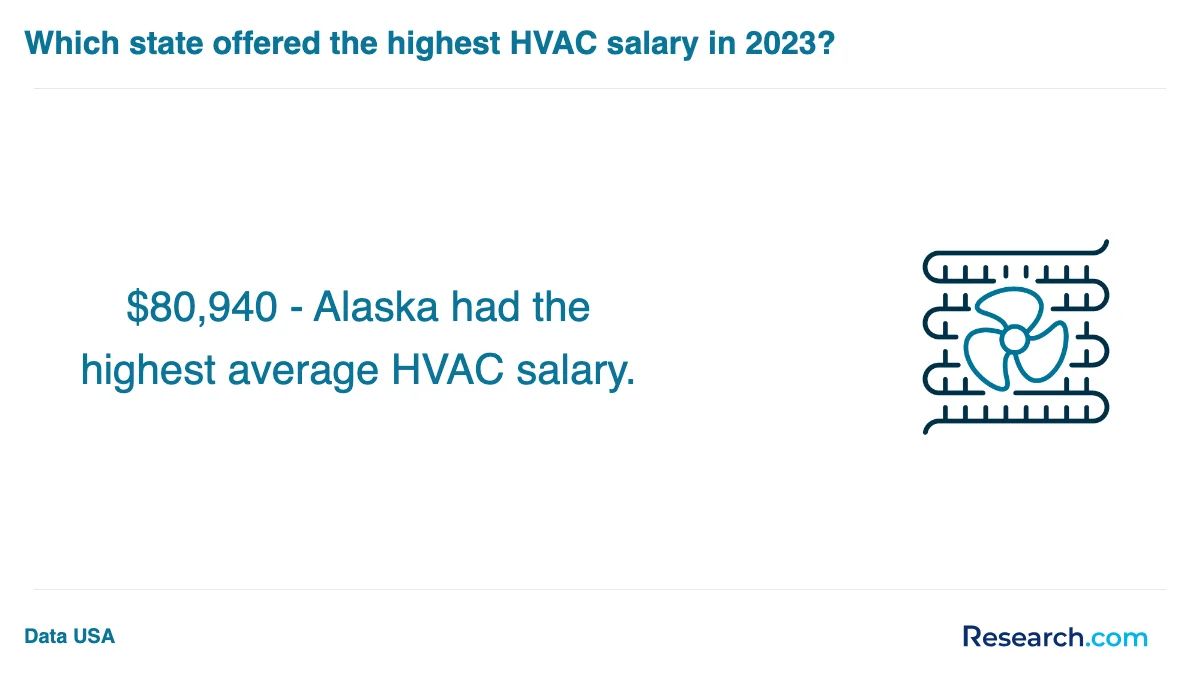
HVAC technician students in Alaska often find relief through a variety of financial aid options that make their training more attainable. Many graduates from well-known schools like the Alaska Vocational Technical Center (AVTEC) recall how federal aid, especially the Pell Grant and federal student loans, eased their financial burden. Applying through the Free Application for Federal Student Aid (FAFSA) opens these doors, providing essential support based on need.
State programs add another layer of assistance. The Alaska Education Grant and Alaska Performance Scholarship help residents pursue HVAC training by offering funds that reward academic achievement and commitment to in-demand careers. Students often share how these scholarships motivated them to maintain strong grades while balancing work and study.
Beyond federal and state help, institutional scholarships at schools like AVTEC offer targeted aid, sometimes based on merit or financial need, creating a personalized safety net. Workforce development grants, supported by the Alaska Department of Labor, also play a key role, especially for those entering this vital technical field. These combined resources paint a hopeful picture for those ready to commit to an HVAC career.
Enrolling in an HVAC technician trade school program in Alaska usually requires meeting certain practical prerequisites that ensure students are prepared for the hands-on learning ahead. Graduates from well-known Alaskan trade schools often recall the importance of having a solid foundation before starting their training.
Typically, schools expect applicants to have:
- A high school diploma or GED, which reflects basic academic readiness.
- Strong math and science skills, especially in algebra and physics, as they are essential for understanding heating and cooling systems.
- Physical stamina and manual dexterity, because working in Alaskan climates means handling equipment in challenging environments.
- Basic computer skills, since modern HVAC systems often involve digital controls.
One graduate shared how being comfortable with both classroom theory and fieldwork helped them thrive at an Anchorage trade school. They appreciated that the prerequisites were designed not to discourage but to prepare students for success, making each step feel achievable and worthwhile.
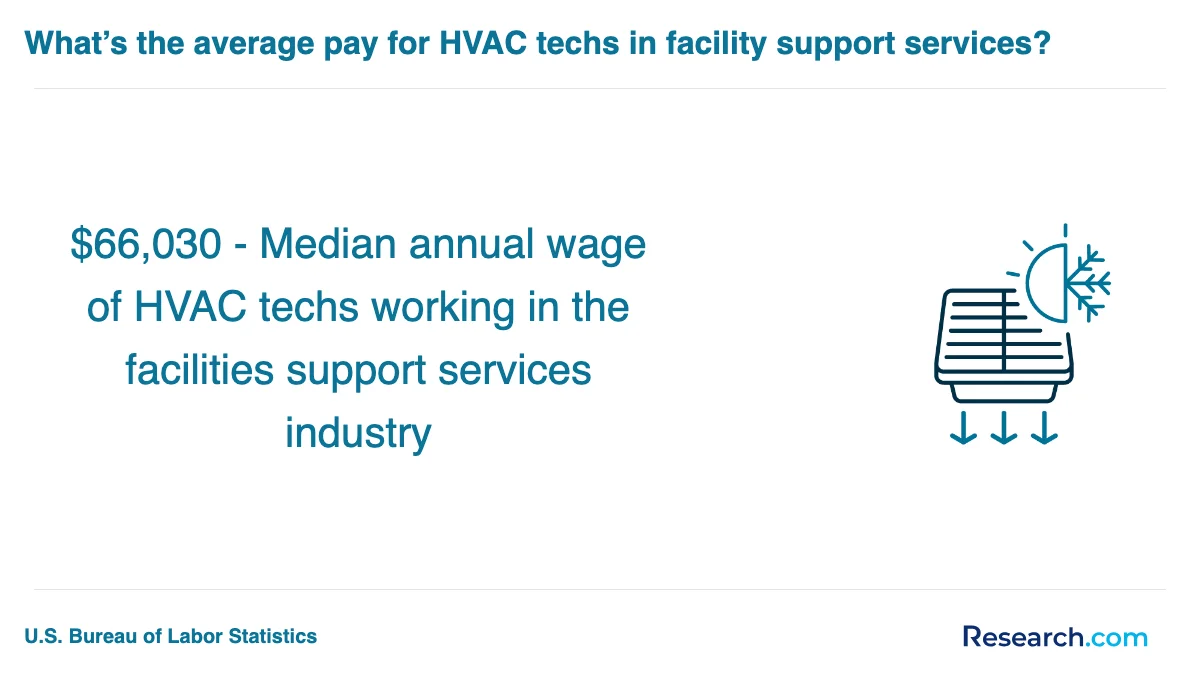
Students enrolled in HVAC technician trade schools in Alaska, such as those at the University of Alaska Anchorage and AVTEC, often find the curriculum thoughtfully designed to bridge theory and hands-on practice. Graduates commonly reflect on how courses like Introduction to HVAC gave them a clear understanding of safety standards and the science behind heating and cooling-knowledge they quickly applied during their first jobs.
Core courses typically include:
- Fundamentals of Heating: focusing on forced air and hydronic systems, along with troubleshooting oil- and gas-fired furnaces.
- Electrical Fundamentals for HVAC/R: teaching essential wiring and control skills that are vital in real-world repairs.
- Basic Refrigeration and Air Properties: covering refrigerant handling and preparation for EPA Section 608 certification.
- HVAC/R Codes and Distribution Systems: familiarizing students with Alaska's mechanical codes and practical duct and air filtration design.
Many students praise the hands-on labs and virtual simulations at Charter College, where they gain confidence working with commercial refrigeration and boiler systems. These immersive experiences, combined with Alaska-specific codes, prepare graduates to tackle the unique challenges of HVAC work in the state's diverse climate.
Students pursuing HVAC specializations in Alaska trade schools often find themselves immersed in a range of focused areas designed to meet the state's unique climate and industry demands. Popular programs at institutions like the Alaska Vocational Technical Center (AVTEC) and Charter College equip graduates with practical skills across several distinct tracks, including:
- Heating, Cooling, and Process Piping (HCPP): covering essential installation and maintenance of both residential and industrial HVAC systems.
- Unlimited Refrigeration (UR): specializing in commercial refrigeration vital to Alaska's seafood and logistics sectors.
- Unlimited HVAC/Sheet Metal (UHVCS): emphasizing sheet metal fabrication for ductwork alongside comprehensive HVAC repairs.
- Residential HVAC (RHVC) and Residential Plumbing and Hydronic Heating (RPHH): ensuring comfort and energy efficiency in smaller buildings.
- Mechanical Systems Temperature Control (CNTL): focusing on advanced automation and smart climate technologies.
Graduates often reflect on the value of modular curricula, which break down complex skills from piping to brazing, enabling students to confidently handle real-world challenges. Many programs also prepare students for EPA Section 608 certification, a must-have for professionals working with refrigerants in Alaska's rigorous environment. For those weighing their options, exploring the benefits of trade school vs college can provide clarity when deciding the best training path.
Hands-on exposure combined with specialized knowledge makes Alaska HVAC technician training programs and certifications a wise choice for those committed to thriving in this essential field.
Look for schools that maintain up-to-date labs simulating actual HVAC setups, allowing students to gain confidence before entering the workforce. Many graduates also highlight how job placement assistance and connections with local employers eased their transition into Alaska's HVAC industry. Considering the cost is essential, so investigating financial aid options can make a significant difference. For those exploring affordable options, check out the cheapest online hvac certification opportunities that align with Alaska's needs.
The top-rated HVAC programs in Alaska often have strong industry partnerships and positive alumni reviews, reflecting their reputation for quality education and career support.
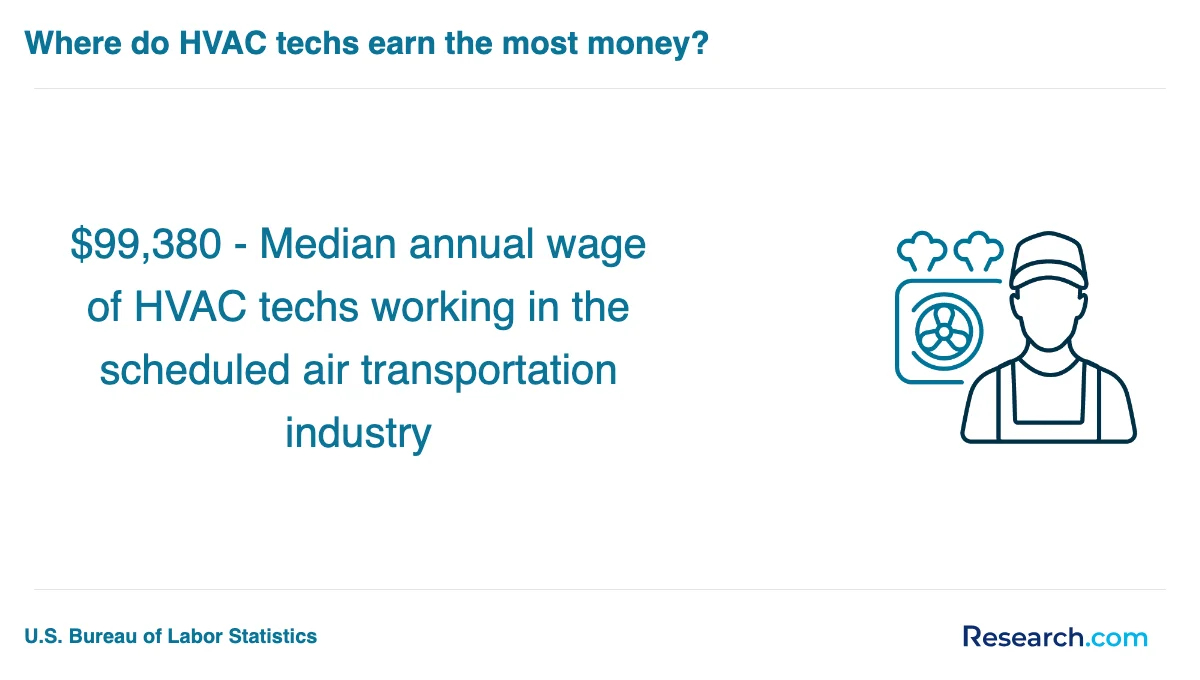
Graduates of HVAC technician trade school programs in Alaska find themselves positioned for a variety of fulfilling roles that match their growing skills and the region's unique demands. Many begin as HVAC installers or technicians, handling installation, maintenance, and repair of critical systems in homes and businesses. Some advance to licensed mechanical administrators or specialize further, obtaining certifications like the Certificate of Fitness for gas piping, which opens doors to niche opportunities.
Hands-on experiences from popular trade schools in Alaska reveal career trajectories that include:
- Refrigeration technician roles in food service or industrial settings
- Heating technician positions focusing on oil, propane, or natural gas systems
- Sheet metal fabrication, integral to HVAC system installation
- Field service technician work servicing commercial clients
The HVAC technician job market in Alaska remains strong and promising for graduates of local trade schools. Many graduates report that specialized training tailored to Alaska's unique climate opens doors quickly, often leading to job offers before or soon after graduation. This steady demand reflects the state's need for skilled technicians to maintain heating systems essential for daily life in extreme cold. Popular trade schools in Anchorage and Fairbanks provide hands-on experience with systems designed for Alaska's harsh environment, which employers value highly.
Employment opportunities cover a broad spectrum, including:
- Residential heating installation and repair
- Commercial HVAC system maintenance
- Specialized refrigeration work for Alaskan industries
Recently, over 75 HVAC technician jobs are advertised statewide, highlighting a healthy labor market. Graduates find competitive salaries ranging from $55,700 to $67,700 annually, with top wages reaching above $85,000 in cities like Anchorage. The combination of job stability and attractive benefits motivates many students from well-regarded schools. Those considering where to train often explore what are the best trade schools to ensure their skills meet Alaska's certification standards, enhancing hiring prospects.
Understanding HVAC technician salaries and employment trends Alaska-wide helps students make informed decisions that lead to rewarding careers tailored to the local climate's demands.
Best HVAC Technician Training Programs & Trade Schools - Top HVAC Tech Schools in Alaska for 2026
# 1 position
Charter College - Heating, Air Conditioning, Ventilation and Refrigeration Maintenance Technology/Technician.
certificate or diplomaThe Heating, Air Conditioning, Ventilation and Refrigeration Maintenance Technology/Technician program at Charter College offers hybrid learning with some distance-education options. It trains students to repair, install, service, and maintain HVAC and refrigeration systems, emphasizing diagnostic techniques, testing equipment use, and principles of mechanics, electricity, and electronics. Annual in-state tuition is $18,678. Graduates earn a median salary of $41,202 one year after completion. The program is accredited by the Accrediting Bureau of Health Education Schools.
# 2 position
University of Alaska Anchorage - Heating, Air Conditioning, Ventilation and Refrigeration Maintenance Technology/Technician.
certificate or diplomaThe University of Alaska Anchorage offers a hybrid program in Heating, Air Conditioning, Ventilation and Refrigeration Maintenance Technology/Technician. The curriculum prepares students to repair, install, service, and maintain HVAC and refrigeration systems, emphasizing diagnostic techniques and the use of testing equipment. Instruction covers mechanics, electricity, and electronics relevant to system repair. Annual in-state tuition is $7,566. The program is accredited by the Northwest Commission on Colleges and Universities.
Frequently Asked Questions about HVAC technician
After completing an HVAC technician trade school in Alaska, preparing for the job market involves several important steps. First, obtaining EPA Section 608 Certification is essential, as it is federally required for handling refrigerants. Many trade schools include preparation for this certification in their curriculum.
Next, gaining practical experience through apprenticeships or entry-level positions helps build skills and local industry connections. The Alaska Department of Labor reports steady growth in HVAC jobs, with a projected 5% increase through 2030, indicating a favorable job outlook.
Networking with local employers and joining professional organizations like the Refrigeration Service Engineers Society (RSES) can also support job placement. Additionally, staying updated on Alaska's unique climate-related HVAC needs will enhance employability.
Employers in Alaska prioritize several key skills when hiring HVAC technician trade school graduates. First, technical proficiency in installing, maintaining, and repairing heating, ventilation, and air conditioning systems is essential. According to the U.S. Bureau of Labor Statistics, strong knowledge of electrical systems and refrigeration cycles is critical for success.
In Alaska's harsh climate, employers specifically value adaptability and problem-solving skills to handle extreme weather challenges. Safety awareness and compliance with state regulations, such as those from the Alaska Department of Labor, are also vital. Additionally, communication skills help technicians explain issues and solutions clearly to clients. These combined skills increase job prospects in Alaska's competitive HVAC market.
Finding internships relevant to HVAC technician trade school programs in Alaska involves several targeted steps. Start by contacting local trade schools and community colleges, as many have partnerships with businesses offering hands-on internship opportunities.
Alaska's construction and energy sectors, particularly in Anchorage and Fairbanks, often seek HVAC interns due to ongoing infrastructure projects. The Alaska Department of Labor and Workforce Development provides resources and job listings that may include internships in HVAC fields.
Networking through industry associations like the Refrigeration Service Engineers Society (RSES) Alaska chapter can also connect students with employers. Additionally, the U.S. Bureau of Labor Statistics reports steady growth in HVAC employment in Alaska, indicating expanding internship availability.
Students should prepare a professional resume and be ready to demonstrate basic HVAC knowledge during interviews to improve their chances of securing an internship.
Obtaining a diploma from an HVAC technician trade school in Alaska significantly enhances career mobility and advancement opportunities. The state's growing demand for skilled HVAC professionals, driven by its unique climate challenges, means graduates are well-positioned for employment. According to the Alaska Department of Labor, HVAC jobs are expected to grow by 7% through 2030, which is faster than the national average.
A diploma provides foundational technical skills and knowledge, making candidates eligible for entry-level jobs and apprenticeships. Many employers prefer or require formal training, which can lead to higher starting wages compared to uncertified workers.
Additionally, holding a diploma supports eligibility for industry certifications such as EPA Section 608, which are often necessary for job advancement and specialization within Alaska's HVAC sector.
Furthermore, trade schools often offer connections to local employers and apprenticeships, facilitating smoother transitions into the workforce. This network can be crucial in Alaska's tight-knit labor market, helping graduates access better positions and promotions.
Students enrolled in HVAC technician trade schools in Alaska can benefit from various part-time jobs that provide practical experience. Entry-level positions such as HVAC helper or installer assistant are common and allow students to apply classroom knowledge on the job. These roles often involve supporting certified technicians with system installations, maintenance, and repairs.
The Alaska Department of Labor reports steady growth in HVAC jobs, with a 12% increase expected by 2030, highlighting strong demand. Part-time work in related fields like refrigeration technician or building maintenance can also complement HVAC studies, offering exposure to mechanical systems and troubleshooting.
Many employers in Alaska value hands-on experience, so part-time roles can improve job prospects after graduation. Positions in construction or property management companies are accessible options for students balancing work and study schedules.
There are several HVAC technician degree programs available both online and near Alaska, offering comprehensive training and certification opportunities. Programs near me may vary, but prospective students can explore community colleges and vocational schools that offer HVAC courses. Research.com can be a useful resource to find detailed information about programs near Alaska that suit your educational needs.
- Best HVAC Technician Training Programs & Trade Schools - Top HVAC Tech Schools in Washington for 2026
- Best HVAC Technician Training Programs & Trade Schools - Top HVAC Tech Schools in Oregon for 2026
- Best HVAC Technician Training Programs & Trade Schools - Top HVAC Tech Schools in Hawaii for 2026
- Best HVAC Technician Training Programs & Trade Schools - Top HVAC Tech Schools in Idaho for 2026
- Best HVAC Technician Training Programs & Trade Schools - Top HVAC Tech Schools in Montana for 2026
- Best HVAC Technician Training Programs & Trade Schools - Top HVAC Tech Schools in Nevada for 2026
- Best HVAC Technician Training Programs & Trade Schools - Top HVAC Tech Schools in Utah for 2026
- Best HVAC Technician Training Programs & Trade Schools - Top HVAC Tech Schools in Arizona for 2026
- Best HVAC Technician Training Programs & Trade Schools - Top HVAC Tech Schools in New Mexico for 2026
- Best HVAC Technician Training Programs & Trade Schools - Top HVAC Tech Schools in South Dakota for 2026
- HVAC technician salary in Alaska ‐ CareerExplorer https://www.careerexplorer.com/careers/hvac-technician/salary/alaska/
- HVAC Technician Salaries: 2025 U.S. State-by-State Guide - Housecall Pro https://www.housecallpro.com/resources/hvac-technician-salary/
- HVAC Trade Schools: HVAC Training Programs | Fortis https://www.fortis.edu/programs/skilled-trades/heating--ventilation--air-conditioning-and-refrigeration-trades.html
- HVAC Technician Training Program | LCTI https://www.lcti.org/adult-education-course/hvac/
- HVAC Training: Entry Level Tech - ACCA https://www.acca.org/certification/qtech/entryleveltech
- Find HVAC Trade Schools - Diploma & Associate Degree Programs https://www.trade-schools.net/trades/hvac
- HVACR Certification - Online Program | Penn Foster https://www.pennfoster.edu/programs/trades/hvac-technician-career-diploma
- Online Certified HVAC/R Technician Training | University of North Dakota https://und.edu/academics/development/courses/hvac-technician.html
- Entry Level HVAC Technician - Training Certificate | Midlands Technical College https://www.midlandstech.edu/programs-and-courses/advanced-manufacturing-and-skilled-trades/hvac-training-certificate
- HVAC Apprenticeships and Internships | Generation NEXT Energy Pros https://nextenergypros.com/apprenticeships-and-internships/


