Best HVAC Technician Training Programs & Trade Schools - Top HVAC Tech Schools in Lansing for 2026

Co-Founder and Chief Data Scientist
Choosing the right HVAC technician trade school in Lansing can feel overwhelming, but it’s a crucial step toward a rewarding career. This article introduces a carefully crafted HVAC technician trade school programs ranking created by the Research.com team of data scientists to help you make an informed decision.
By exploring top programs, you’ll discover the best options that fit your goals and budget. Earning a diploma or certification opens doors to steady employment and valuable skills in a growing industry. Let’s explore the opportunities awaiting you in Lansing’s HVAC training landscape.
Key benefits of finishing HVAC technician trade school in Lansing
- Graduates from HVAC technician trade schools in Lansing can expect competitive pay, with average hourly wages ranging from $17.00 to $33.00, reflecting strong earning potential soon after completing their training.
- Career paths for graduates are diverse, including roles as residential service technicians, installers, or maintenance specialists, offering flexible opportunities to grow in the HVAC industry.
- Completing an HVAC program online provides convenience and faster completion times, allowing graduates to enter the workforce quickly while balancing personal commitments, as seen with successful online students from local Lansing schools.
- Best HVAC Technician Training Programs & Trade Schools - Top HVAC Tech Schools in Lansing for 2026
- What can I expect from HVAC technician trade schools in Lansing?
- Where can I work after finishing HVAC technician trade schools in Lansing?
What can I expect from HVAC technician trade schools in Lansing?
Enrolling in an HVAC technician trade school program in Lansing means diving into a blend of classroom theory and hands-on training designed to build real-world skills. Graduates from Lansing Community College often recall working directly with industry-standard tools in modern labs, where every student gets personal equipment to master installation, maintenance, and repair of heating and cooling systems.
Expect to spend time learning blueprint reading, safety protocols, and troubleshooting techniques that prepare you for the demands of HVAC work. Daytime classes create a consistent learning rhythm, ideal for absorbing complex concepts and practicing them immediately. Many students appreciate the chance to engage in apprenticeship opportunities, like those through UA Local 333, where working alongside seasoned technicians for up to five years transforms knowledge into confidence.
Financially, Lansing students aged 25+ may find relief through the Michigan Reconnect Program, making tuition more accessible. Knowing Michigan's licensing rules is crucial too-graduates understand that earning a Mechanical Contractor license or working under a licensed pro is part of the career journey. This combination of education, practice, and support shapes a path that feels both challenging and rewarding.
Where can I work after finishing HVAC technician trade schools in Lansing?
Graduates from HVAC technician trade schools in Lansing find themselves stepping into a dynamic job market with plenty of promising paths. Many quickly secure roles as HVAC technicians or installers with local companies specializing in residential and commercial systems. Imagine working for a business like North Winds Heating and Cooling in nearby Okemos, where you're hands-on with installing and maintaining equipment that keeps homes comfortable year-round. This real-world experience is exactly what recent graduates describe as both challenging and rewarding.
Others branch into industrial sectors, maintaining complex HVAC components within large facilities, such as those managed by companies like Cintas. Here, graduates feel the pride of mastering intricate systems that keep entire factories running smoothly. Some even move toward sustainability-focused firms like Budderfly, where their work directly contributes to cutting carbon emissions. These opportunities offer a sense of purpose beyond traditional repair jobs, blending technical skill with environmental impact.
The diversity of roles available in Lansing means graduates often find careers that align with their passions, whether it's hands-on installation, industrial maintenance, or innovative energy management. With over 80 HVAC-related positions open locally, the future looks bright for those completing trade programs here.
After finishing an HVAC technician trade school program in Lansing, graduates often find themselves stepping into a well-paying job with confidence. Many local graduates share how their starting pay of around $30.84 per hour immediately made the investment in training feel worthwhile. This hourly rate translates to roughly $64,147 annually for full-time work, giving new technicians a solid financial footing right out of school.
Some graduates working in residential service roles report earning about $33 per hour, which means a yearly salary near $68,674. These numbers come from recent data reflecting typical experiences of Lansing's trade school alumni. Others mention starting pay as low as $10 to $15 per hour in entry-level positions like restaurant chains, but they emphasize the value of certifications and training gained at trade schools, which quickly lead to better-paying roles.
Many graduates recall hearing about peers advancing from the $51,700 annual mark to nearly $69,500 within a few years, boosted by overtime and specialized skills. For example, working extra hours in East Lansing can add about $6,750 annually on top of a $32.40 hourly wage. This potential for growth excites students who want more than just a job-they want a thriving career.
- Applicants usually need a high school diploma or GED, with some programs requiring placement tests or basic math and science prerequisites.
- Program lengths range from six months for certificates to two years for associate degrees, with apprenticeships lasting up to five years combining paid training and classes.
- Tuition at Lansing Community College is about $114 per credit hour, with total costs between $5,000 and $12,000 depending on the program and fees.
- Students aged 25 or older may qualify for tuition-free or reduced tuition through the Michigan Reconnect Program.
- Entry-level HVAC technicians in Lansing earn around $37,440 annually, while experienced workers can make up to $80,270 per year.
Completing an HVAC technician trade school program in Lansing typically takes about six months to one year, depending on the intensity and format of the course. Graduates often recall the focused pace of popular Lansing trade schools, where hands-on training and real-world simulations accelerate learning without overwhelming students.
Many students find that immersive programs, which combine classroom instruction with practical labs, create a rewarding rhythm. One graduate described balancing evening classes with part-time work, appreciating how the program's length allowed steady progress without sacrificing personal commitments.
In Lansing's trade schools, the relatively short timeline compared to traditional degrees means you can enter the workforce quickly, bringing a sense of accomplishment and excitement. The blend of technical skills and problem-solving challenges encountered day-to-day makes the journey feel dynamic and directly connected to future job success.
This timeframe suits those eager to start a hands-on career promptly, offering a clear path through structured learning to confident HVAC technician certification.
The core difference between online and on-campus HVAC technician programs in Lansing lies in how students engage with the material and develop hands-on skills. Graduates from Lansing Community College often recall the energizing experience of working directly with state-of-the-art HVAC equipment in the school's labs, guided by instructors who provide immediate feedback. This face-to-face interaction not only builds technical confidence but also fosters a sense of community and teamwork among peers.
In contrast, those pursuing online programs appreciate the flexibility to study theory and safety protocols from home, fitting coursework around jobs or family life. However, they typically must arrange local in-person labs or externships to gain essential practical experience, which can feel like juggling extra responsibilities. The National Trade Academy's on-campus students highlight how structured schedules and supervised practice sharpen troubleshooting skills, preparing them for real-world challenges more swiftly.
Ultimately, Lansing's HVAC students recognize that while online learning offers convenience, the immersive, hands-on environment of on-campus programs consistently delivers deeper skill mastery needed for immediate workforce readiness.
The average cost HVAC technician programs Lansing students encounter starts with Lansing Community College's tuition of $117 per billable hour, which usually totals between $3,500 and $5,000 to complete the entire curriculum. Graduates from this program often mention the value of hands-on training in mechanical code, direct digital controls, and sheet metal fabrication, which makes the tuition feel like a smart investment in their future careers. This focus on practical skills helps students feel confident stepping into the job market, where starting wages average $22.33 per hour.
However, tuition is only part of the picture when calculating Lansing HVAC trade school tuition fees. Many students share that budgeting for essential tools and equipment-ranging from $500 to $1,500-is equally important. Add to that books and study materials, which can cost between $200 and $500 annually, plus certification exam fees like the EPA 608 that vary from $50 to $150, depending on the certification level. These extra costs are often an eye-opener for prospective students but are critical to gaining industry-recognized credentials.
Many aspiring technicians have found that exploring financial aid options substantially lightens these costs. Federal grants, loans via FAFSA, and state programs like Michigan Works!, alongside Trade Adjustment Assistance for displaced workers, all help make training more accessible. For those researching to find the best trade schools in america, understanding these financial options can be just as important as knowing the program costs. Students committed to their future often recommend thorough planning so that no unexpected expense derails their education goals.

Students pursuing HVAC technician training in Lansing often find federal financial aid to be a crucial lifeline. By completing the FAFSA, many unlock access to Pell Grants and federal loans that ease tuition burdens. Graduates from Lansing Community College recall how this aid transformed their ability to focus on hands-on learning without constant financial stress.
State programs also provide powerful support. The Michigan Reconnect Program, for instance, has opened doors for adult learners over 25 who want to start fresh in the HVAC trade without worrying about tuition costs. This has been a game-changer for many nontraditional students balancing work and family.
Veterans tapping into Post 9-11 GI Bill® benefits share stories of how these funds covered not just tuition but also living expenses, making their transition to civilian careers smoother. Meanwhile, those facing unemployment have found hope through Michigan Works! and Trade Adjustment Assistance grants, which empower them to gain new HVAC skills quickly.
Finally, private scholarships and in-house payment plans at local trade schools provide flexible options tailored to individual needs, helping students stay motivated and on track toward certification.
To enroll in an HVAC technician trade school program in Lansing, you'll typically need a high school diploma or GED. This foundational requirement ensures you have the basic math and science skills essential for troubleshooting complex HVAC systems. Many graduates from Lansing trade schools recall how their solid high school background helped them grasp electrical concepts and thermodynamics more easily.
Other common prerequisites include:
- Passing a basic math and reading assessment to demonstrate readiness for technical coursework
- Proof of residency or citizenship, as some programs prioritize local applicants in Lansing
- Physical fitness and manual dexterity tests, since HVAC work often involves lifting equipment and maneuvering in tight spaces
Some Lansing programs may also require a brief interview or personal statement, providing an opportunity to express your passion for hands-on work and problem-solving. Graduates often mention how this step helped them reflect on their career goals and prepared them mentally for the challenges ahead.
Overall, these prerequisites are designed to set you up for success in the fast-paced, practical world of HVAC technology right here in Lansing's vibrant trade school community.
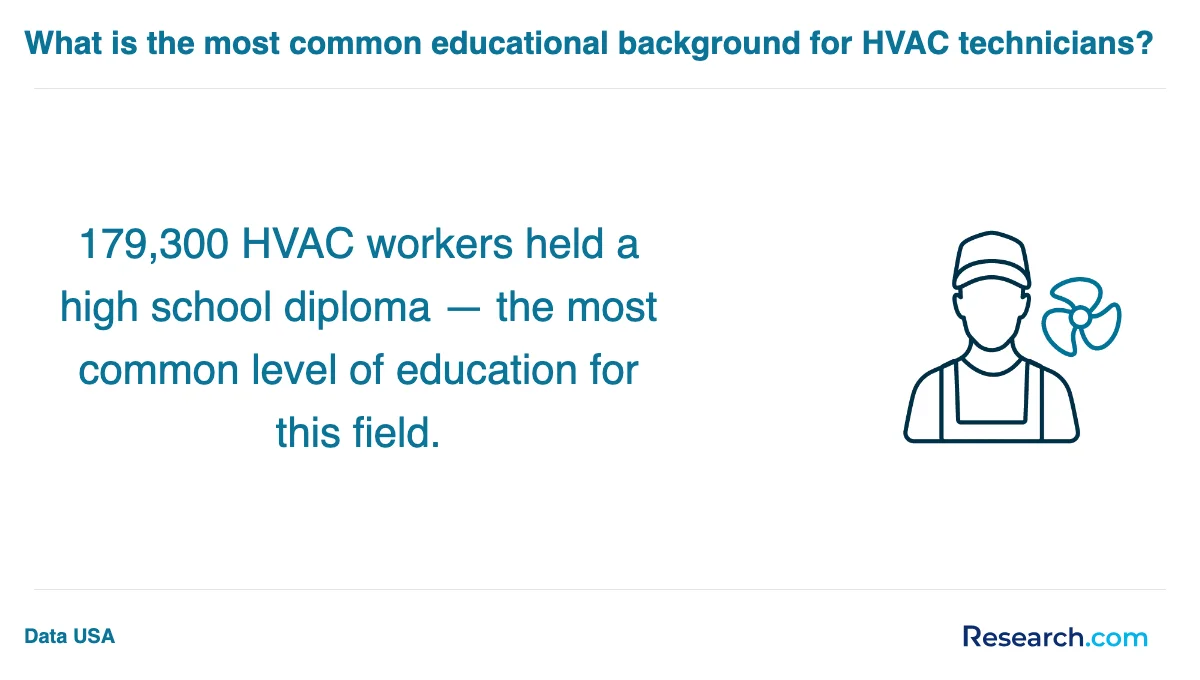
HVAC technician trade school programs in Lansing dive deep into the skills you'll need to succeed, blending theory with hands-on practice. Graduates from Lansing Community College often share how courses like Heating, Ventilating and Air Conditioning Fundamentals gave them a solid grasp of temperature control systems, making complex physics feel surprisingly accessible.
Core courses typically include:
- Electrical Systems for HVAC: Learning to handle wiring and circuit diagrams safely.
- Mechanical Codes and Safety Practices: Ensuring compliance with crucial regulations.
- Sheet Metal Fabrication: Essential for ductwork installation and repair.
- Direct Digital Controls: Training on modern computerized HVAC systems.
Many students value the real-world labs equipped with up-to-date HVAC and refrigeration systems, which simulate on-the-job challenges. Beyond basics, advanced courses like Refrigeration Theory and Applications prepare you for commercial HVAC roles by teaching maintenance and repair of refrigeration cycles.
Some programs even offer focused tracks in Building Maintenance or Property Management HVAC, perfect for those envisioning facility management careers. Apprenticeship routes, like those through UA Local 333, extend learning over five years, combining classroom instruction with valuable on-the-job experience, which many find rewarding and immersive.
Within HVAC specialization programs Lansing Michigan often highlights two main paths that students can pursue, each shaping very different yet complementary career opportunities. At prominent institutions like Lansing Community College, graduates emphasize the value of specializing either in Heating, Air Conditioning and Refrigeration (HVAC/R) or Building Maintenance. HVAC/R tracks deliver hands-on exposure to cutting-edge technologies such as direct digital controls and sheet metal fabrication, preparing students for challenging roles involving the design and upkeep of climate control systems in both residential and commercial settings.
Students choosing Building Maintenance often describe their training as expansive, gaining skills beyond HVAC to include electrical and plumbing-skills that open doors in property management and facility operations. Real-life graduates attest that this breadth provides confidence when troubleshooting complex building systems.
Alongside these, trade schools in Lansing align coursework with Michigan's diverse state licensing categories, giving students a practical edge whether their goal is hydronic heating or fire suppression certifications. Many graduates also underline their success preparing for the mandatory EPA Section 608 certification to work legally with refrigerants.
The evolving needs of the industry have pushed some Lansing programs, including the National Trade Academy, to offer advanced and specialized courses for experienced technicians aiming to upskill or lead teams, catering well to those who find fulfillment in mastering energy management and system diagnostics.
For those considering options with flexible learning alongside their career, exploring affordable hvac certification online can provide further opportunities to enter this dynamic field.
Choosing the best HVAC technician programs in Lansing means prioritizing accredited schools with strong hands-on training. Graduates from Lansing Community College often highlight how working directly with the latest HVAC systems in their labs built their confidence to enter the workforce quickly. This real-world experience is invaluable when mastering heating, air conditioning, and refrigeration technologies.
Flexibility is another key factor. Top HVAC trade schools in Lansing Michigan frequently offer hybrid or online options to accommodate different schedules, helping students balance work, family, and education. Instructor expertise also shapes the journey-graduates recall insightful mentorship from industry professionals that made technical concepts deeply relatable and sparked their passion.
Cost matters, but so does job placement support. Programs with strong industry connections ease the transition into high-demand roles, aligning with the growing need for trade jobs that pay well. Location and modern facilities further enhance daily learning, making the right choice not just an investment in knowledge but a step toward a fulfilling career.
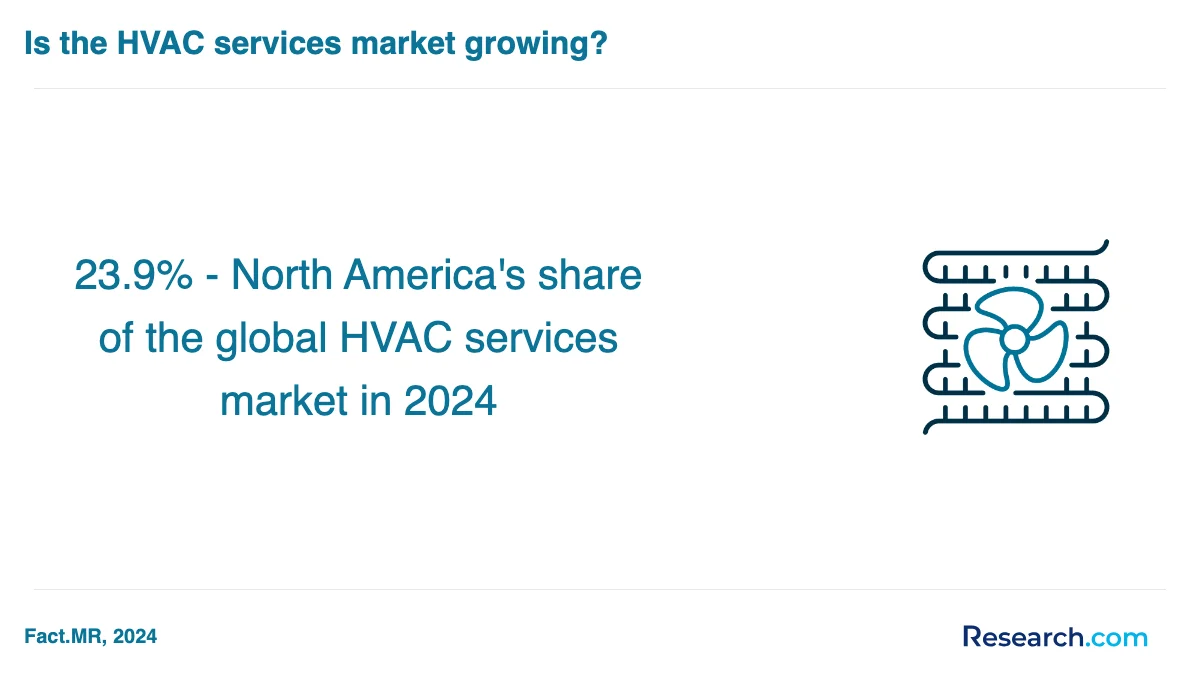
Graduates of HVAC technician trade school programs in Lansing quickly discover a variety of exciting career paths. Many start their journey as HVAC apprentices or junior technicians, gaining hands-on experience alongside seasoned experts. This real-world training at schools like Lansing Community College equips them with the skills to tackle residential and commercial HVAC technician jobs in Lansing MI effectively.
As they build confidence and expertise, graduates often transition into roles such as HVAC installer and service careers Lansing, where they install, maintain, and troubleshoot complex systems in retail stores or corporate offices. Some even advance to supervisory positions, overseeing multiple job sites and mentoring new hires, which adds leadership experience to their growing skill set.
Others leverage their training to specialize in areas like refrigeration or energy management, capitalizing on emerging green technologies. Graduates describe a profound sense of achievement as they apply their knowledge in practical, impactful ways every day.
For those curious about their career timeline, the question how long does it take to become a hvac technician is common, and local trade schools provide clear pathways tailored to individual goals.
The HVAC technician job openings in Lansing MI present an encouraging landscape for graduates of local trade schools. Many find themselves quickly employed due to steady demand from residential and commercial clients. Graduates from popular Lansing programs often share how hands-on experience gained during training translates directly to job readiness in roles like system installation, maintenance, and repair.
Salary prospects reflect this high demand: the average hourly wage recently sits at $28.66, with opportunities climbing toward $40 or more for specialists. Real-life success stories from graduates highlight securing positions with competitive pay thanks to practical certifications and skills developed through intensive coursework.
- Entry-level technicians benefit from numerous new construction and retrofit projects
- Experienced graduates grow into roles emphasizing diagnostics and energy efficiency upgrades
- Overtime pay and specialized roles further increase overall earnings
The robust Lansing Michigan HVAC technician salary figures motivate students to join programs in the area, knowing their investment pays off. For those researching pathways, exploring online vocational trade schools can complement hands-on local training to deepen skills and expand career opportunities.
Best HVAC Technician Training Programs & Trade Schools - Top HVAC Tech Schools in Lansing for 2026
# 1 position
Lansing Community College - Heating, Air Conditioning, Ventilation and Refrigeration Maintenance Technology/Technician.
associateThe Heating, Air Conditioning, Ventilation and Refrigeration Maintenance Technology/Technician program at Lansing Community College offers hybrid learning options. It prepares students to repair, install, service, and maintain heating, air conditioning, and refrigeration systems. The curriculum covers diagnostic techniques, testing equipment, and principles of mechanics, electricity, and electronics relevant to these systems. Annual in-state tuition is $4,010. The program is accredited by the Higher Learning Commission.
# 2 position
Lansing Community College - Heating, Air Conditioning, Ventilation and Refrigeration Maintenance Technology/Technician.
certificate or diplomaLansing Community College offers a hybrid program in Heating, Air Conditioning, Ventilation and Refrigeration Maintenance Technology/Technician. The curriculum prepares students to repair, install, service, and maintain heating, air conditioning, and refrigeration systems. Instruction covers diagnostic techniques, testing equipment, and principles of mechanics, electricity, and electronics related to these systems. Annual in-state tuition is $4,010. The program is accredited by the Higher Learning Commission.
Frequently Asked Questions about HVAC technician
After completing an HVAC technician trade school in Lansing, preparing for the job market involves several key steps. First, obtaining EPA Section 608 Certification is crucial, as it is federally required for handling refrigerants and greatly improves employability. Next, securing apprenticeships or internships through local unions or contractors provides valuable hands-on experience. According to the U.S. Bureau of Labor Statistics, HVAC jobs in Michigan are projected to grow 7% from 2022 to 2032, reflecting steady demand. Networking within Lansing's construction and maintenance sectors also helps uncover job opportunities. Finally, developing soft skills like communication and problem-solving enhances career prospects in this competitive field.
Employers in Lansing prioritize several key skills when hiring HVAC technician trade school graduates. Technical proficiency in installing, maintaining, and repairing heating, ventilation, and air conditioning systems is essential. According to the U.S. Bureau of Labor Statistics, hands-on experience with refrigeration systems and electrical components ranks highly among required competencies.
Problem-solving abilities are also crucial, as technicians often diagnose complex mechanical issues. Communication skills matter too, since technicians must explain repairs clearly to clients. Additionally, knowledge of local building codes and safety standards is important to ensure compliance on job sites.
Trade schools in Lansing typically emphasize these skills through practical training and certification preparation, aligning graduates with employer expectations in the region's HVAC industry.
Finding internships in Lansing related to HVAC technician trade school programs involves leveraging local resources and industry connections. Start by contacting trade schools directly, as many have partnerships with local HVAC companies offering internship opportunities. The Lansing Regional Chamber of Commerce also provides listings and networking events that can connect students with employers.
Online job platforms like Indeed and Handshake often feature HVAC internship openings specific to the Lansing area. According to the Michigan Department of Labor, the HVAC industry in Lansing is growing steadily, increasing internship availability for students seeking hands-on experience. Additionally, reaching out to unions such as UA Local 190 can be beneficial, as they often facilitate apprenticeships and internships in HVAC trades.
Obtaining a HVAC technician trade school diploma in Lansing significantly enhances career mobility and advancement opportunities. According to the U.S. Bureau of Labor Statistics, HVAC technicians in Michigan experience a steady job growth rate of 6% through 2031, reflecting consistent demand for skilled professionals. A diploma signals to employers that a candidate possesses essential technical skills and knowledge, often leading to higher starting wages compared to uncertified workers.
Trade schools in Lansing provide hands-on training aligned with industry standards, preparing graduates to obtain state certifications and EPA Section 608 licenses, which are critical for career progression. Locally, employers prioritize candidates with formal HVAC education, improving job placement rates and access to supervisory or specialized roles.
Data from the Michigan Department of Labor and Economic Opportunity highlights that diploma holders in HVAC fields often see wage increases of 10-20% within five years, demonstrating tangible social mobility benefits in the Lansing area.
Students enrolled in HVAC technician trade schools in Lansing can benefit from several part-time job opportunities that complement their education. Entry-level positions such as HVAC helper or apprentice technician provide practical experience with installation, maintenance, and repair tasks. These roles enhance hands-on skills while allowing students to apply classroom knowledge in real-world settings.
Local businesses and contractors often seek part-time workers, especially during peak seasons. According to the U.S. Bureau of Labor Statistics, HVAC employment in Michigan is projected to grow 8% through 2030, indicating steady demand in Lansing's market.
Additionally, retail positions in stores specializing in HVAC equipment and supplies offer exposure to industry products and customer service experience. These jobs help students build technical knowledge and professional relationships useful for future careers.
To find the best HVAC Technician degree program near Lansing, MI, you can start by researching community colleges and trade schools in the area that offer accredited programs, which may include hands-on training and certification opportunities. Consider reaching out to local industry professionals and using resources like Research.com to get insights into program quality and reputation. Additionally, attending local college fairs or visiting institutions "near me" can provide valuable information to help you make an informed decision.
- Heating, Ventilating and Air Conditioning Technology - Lansing Community College https://www.lcc.edu/academics/building-and-construction-trades/hvac/index.html
- Career and Technical Education - Academic Choices - Lansing School District Home https://www.lansingschools.net/academic-choices/career-and-technical-education/
- HVAC Apprenticeship | SkillUp Coalition https://explore.skillup.org/all/training/ua-local-333/hvac-apprenticeship
- HVAC & Electrician Careers In Lansing, MI | Apply Today https://hagerfox.com/careers/
- How to Become an HVAC Tech in Michigan for 2025 | Research.com https://research.com/careers/how-to-become-an-hvac-tech-in-michigan
- HVAC School in Michigan | Training for HVAC Jobs in MI https://www.hvacschool.org/michigan/
- HVAC Apprenticeships and Internships | Generation NEXT Energy Pros https://nextenergypros.com/apprenticeships-and-internships/
- How to Find an HVAC Apprenticeship | Austin Career Institute https://austincareerinstitute.edu/blog/hvac/tips-for-finding-an-hvac-apprenticeship/
- HVAC Job Placement: Employment Strategies After Training https://www.genesiscareer.edu/hvac-job-placement-employment-strategies/
- A Guide to Skilled Trades Apprenticeships and Internships | BestColleges https://www.bestcolleges.com/trades/guide-to-skilled-trades-apprenticeships-internships/