
Best HVAC Technician Training Programs & Trade Schools - Top HVAC Tech Schools in Washington for 2026

Co-Founder and Chief Data Scientist
Choosing the right HVAC technician trade school in Washington can be a game changer for your career. This article introduces a carefully crafted ranking of HVAC technician trade school programs developed by the Research.com team of data scientists. It aims to help you make an informed decision about which programs truly stand out.
By exploring these options, you’ll discover pathways to valuable diplomas or certifications that open doors to rewarding job opportunities. Whether you’re starting fresh or advancing your skills, this guide supports your journey toward a promising future in HVAC.
Key benefits of finishing HVAC technician trade school in Washington
- Graduates from HVAC technician trade schools in Washington can expect competitive starting salaries around $25.05 per hour, with potential to earn up to $36.20 or more as experience grows, reflecting strong financial opportunities in the state.
- Career paths for trade school graduates often include roles in residential or commercial HVAC service, installation, and maintenance, with many advancing to specialized or supervisory positions after gaining experience.
- Completing an HVAC program online offers flexibility and faster entry into the workforce, as many graduates find it easier to balance learning with personal commitments compared to traditional degrees.
What can I expect from HVAC technician trade schools in Washington?
Enrolling in an HVAC technician trade school program in Washington means immersing yourself in a carefully balanced mix of online learning and hands-on lab sessions. Graduates often recall the challenge and satisfaction of mastering real HVAC equipment in well-equipped labs, which complements interactive lectures and digital coursework. This hybrid approach ensures you not only grasp the theory but also develop practical skills essential for daily work.
Students can expect to cover a comprehensive curriculum, including HVAC science, electrical work, refrigeration techniques, and system installation. Many find it rewarding to learn about both residential and commercial systems, such as heat pumps and boilers, gaining confidence in energy efficiency practices. Popular trade schools in Washington are known for aligning their courses with state licensing requirements, which means your training will directly prepare you for the EL06A or 6B specialty electrician licenses.
Graduates often express pride in meeting the rigorous work experience and classroom hours demanded by Washington's licensing process. The availability of EPA 608 certification courses further adds to the sense of readiness, opening doors to careers as HVAC installers or refrigeration mechanics. The journey can be intense but ultimately fulfilling, setting you up for a steady, skilled profession.
Where can I work after finishing HVAC technician trade schools in Washington?
After finishing an HVAC technician trade school program in Washington, many graduates find themselves quickly immersed in a dynamic job market. Popular schools like Renton Technical College and Clover Park Technical College prepare students for roles in companies ranging from local HVAC contractors to large municipal employers. Graduates often share how rewarding it feels to step onto their first job site, whether installing systems in a Seattle high-rise or maintaining equipment at a community college campus.
Employment opportunities are diverse. Typical positions include HVAC installer, service technician, and refrigeration mechanic, with hundreds of openings statewide. For example, a recent graduate recalled landing a role at a well-known contracting company in Tukwila that values hands-on skills learned through trade school, offering not just competitive wages but also a supportive team environment.
Public sector jobs are also accessible, with technicians needed in government buildings and school districts. Entry-level roles often start with wages from $25 to $55 per hour, accompanied by benefits like health insurance and paid leave, easing the transition from school to career.
As experience grows, so do opportunities-to become lead installers or project managers, graduates find their trade school education lays a strong foundation for long-term success and career fulfillment.
How much can I make after finishing HVAC technician trade schools in Washington?
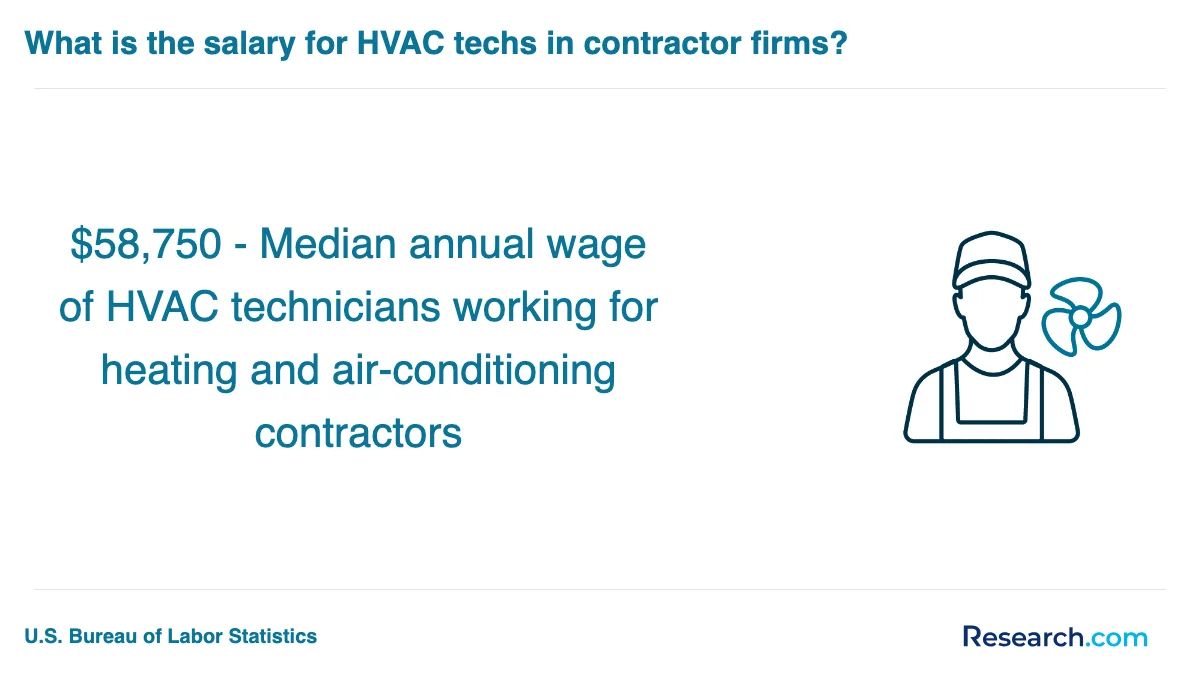
After finishing an HVAC technician trade school program in Washington, you can expect to earn a competitive wage that reflects the strong demand for skilled tradespeople in the state. Graduates often find themselves starting with hourly wages between $25.05 and $36.20, as reported by ZipRecruiter, which feels rewarding after the hard work invested in schools like Renton Technical College or Clover Park Technical College.
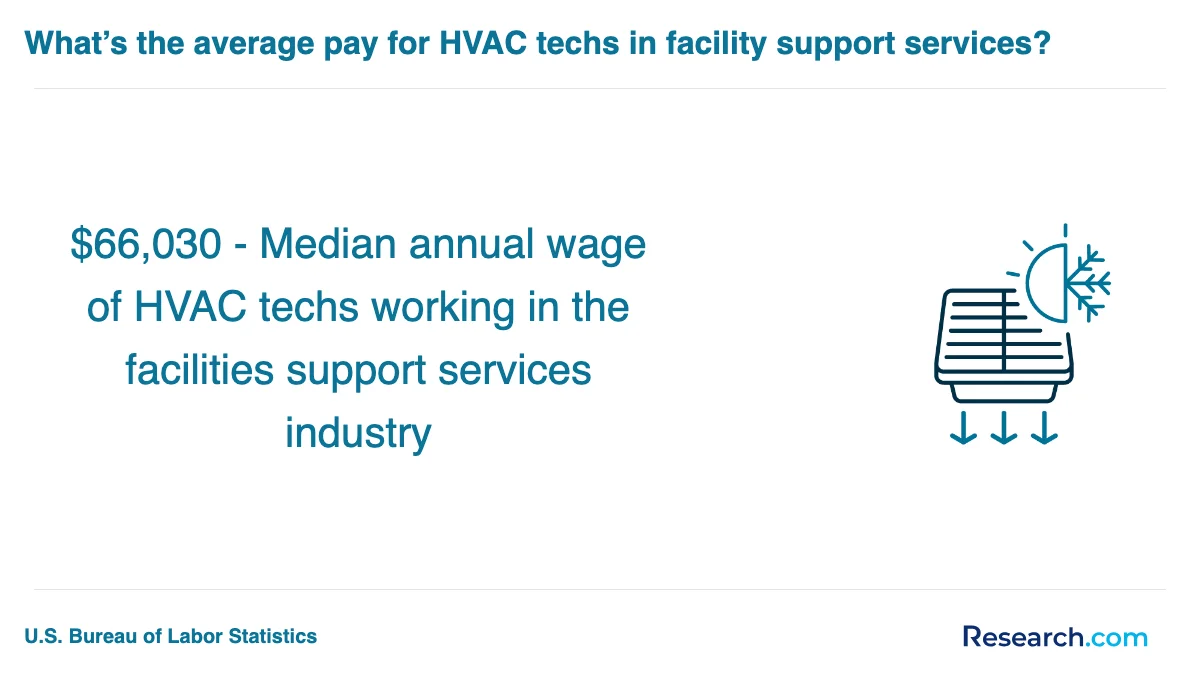
Many graduates share how their starting pay-around $32 to $35.70 per hour-quickly supports their daily lives and even allows some extra savings. With experience, it's common to see salaries climb to $58,000 or more annually, and some seasoned technicians or supervisors in places like Seattle report earnings nearing $100,000 a year.
One graduate recalled how overtime boosted their income by about $6,750 annually, making a tangible difference in affording rent and family needs. The reality of higher wages in cities like Spokane and Seattle matches the cost of living there, offering real hope and financial stability right after graduation.
Best HVAC Technician Training Programs & Trade Schools - Top HVAC Tech Schools in Washington for 2026
# 1 position
Spokane Community College - Heating, Air Conditioning, Ventilation and Refrigeration Maintenance Technology/Technician.
associateSpokane Community College offers a hybrid program in Heating, Air Conditioning, Ventilation and Refrigeration Maintenance Technology/Technician. This program trains students to repair, install, service, and maintain HVAC and refrigeration systems, including diagnostic techniques and the use of testing equipment. Instruction covers mechanics, electricity, and electronics principles related to these systems. Annual in-state tuition is $4,057. The program is accredited by the Northwest Commission on Colleges and Universities, with median earnings one year after completion at $42,862.
# 2 position
Wenatchee Valley College - Heating, Air Conditioning, Ventilation and Refrigeration Maintenance Technology/Technician.
associateWenatchee Valley College offers a hybrid Heating, Air Conditioning, Ventilation and Refrigeration Maintenance Technology/Technician program that trains students to repair, install, service, and maintain HVAC and refrigeration systems. The curriculum covers diagnostic techniques, testing equipment, and principles of mechanics, electricity, and electronics. Annual in-state tuition is $5,118. Graduates earn a median of $50,579 one year after completion. The program is accredited by the Northwest Commission on Colleges and Universities.
# 3 position
Clover Park Technical College - Heating, Air Conditioning, Ventilation and Refrigeration Maintenance Technology/Technician.
associateClover Park Technical College offers a hybrid program in Heating, Air Conditioning, Ventilation and Refrigeration Maintenance Technology/Technician. The curriculum prepares students to repair, install, service, and maintain HVAC and refrigeration systems, emphasizing diagnostic techniques, testing equipment, and principles of mechanics, electricity, and electronics. The program’s annual in-state tuition is $6,634. It is accredited by the Northwest Commission on Colleges and Universities.
# 4 position
Bellingham Technical College - Heating, Air Conditioning, Ventilation and Refrigeration Maintenance Technology/Technician.
associateBellingham Technical College offers a Hybrid program in Heating, Air Conditioning, Ventilation, and Refrigeration Maintenance Technology/Technician. The curriculum prepares students to repair, install, service, and maintain heating, air conditioning, and refrigeration systems. Instruction covers diagnostic techniques, testing equipment, and principles of mechanics, electricity, and electronics. Annual in-state tuition is $4,226. The program is accredited by the Northwest Commission on Colleges and Universities.
# 5 position
Renton Technical College - Heating, Air Conditioning, Ventilation and Refrigeration Maintenance Technology/Technician.
associateRenton Technical College offers a hybrid program in Heating, Air Conditioning, Ventilation and Refrigeration Maintenance Technology/Technician. The curriculum trains students to repair, install, service, and maintain HVAC and refrigeration systems, covering diagnostic techniques, testing equipment, and principles of mechanics, electricity, and electronics. Annual in-state tuition is $6,723. The program is accredited by the Northwest Commission on Colleges and Universities.
# 6 position
Bates Technical College - Heating, Air Conditioning, Ventilation and Refrigeration Maintenance Technology/Technician.
associateBates Technical College offers a hybrid program in Heating, Air Conditioning, Ventilation and Refrigeration Maintenance Technology/Technician. The curriculum prepares students to repair, install, service, and maintain heating, air conditioning, and refrigeration systems with instruction in diagnostic techniques, testing equipment, and principles of mechanics, electricity, and electronics. The annual in-state tuition is $5,569. The program is accredited by the Northwest Commission on Colleges and Universities.
# 7 position
North Seattle College - Heating, Air Conditioning, Ventilation and Refrigeration Maintenance Technology/Technician.
associateNorth Seattle College offers a hybrid Heating, Air Conditioning, Ventilation and Refrigeration Maintenance Technology/Technician program. It prepares students to repair, install, service, and maintain HVAC and refrigeration systems using diagnostic techniques and testing equipment. Instruction covers mechanics, electricity, and electronics principles related to these systems. The program’s annual in-state tuition is $5,058 and it is accredited by the Northwest Commission on Colleges and Universities.
# 8 position
Walla Walla Community College - Heating, Air Conditioning, Ventilation and Refrigeration Maintenance Technology/Technician.
associateThe Heating, Air Conditioning, Ventilation and Refrigeration Maintenance Technology/Technician program at Walla Walla Community College offers a hybrid format with some distance education. It prepares students to repair, install, service, and maintain heating, air conditioning, and refrigeration systems using diagnostic techniques and testing equipment. Instruction covers mechanics, electricity, and electronics principles. The annual in-state tuition is $6,513. The program is accredited by the Northwest Commission on Colleges and Universities.
# 9 position
Yakima Valley College - Heating, Air Conditioning, Ventilation and Refrigeration Maintenance Technology/Technician.
associateYakima Valley College offers a hybrid program in Heating, Air Conditioning, Ventilation and Refrigeration Maintenance Technology/Technician. The curriculum prepares students to repair, install, service, and maintain HVAC and refrigeration systems, emphasizing diagnostic techniques and the use of testing equipment. Instruction covers mechanics, electricity, and electronics principles relevant to the trade. The annual in-state tuition is $5,163. The program is accredited by the Northwest Commission on Colleges and Universities.
# 10 position
Wenatchee Valley College - Heating, Air Conditioning, Ventilation and Refrigeration Maintenance Technology/Technician.
certificate or diplomaWenatchee Valley College offers a hybrid program in Heating, Air Conditioning, Ventilation and Refrigeration Maintenance Technology/Technician. This program prepares students to repair, install, service, and maintain HVAC and refrigeration systems, focusing on diagnostic techniques, testing equipment, and principles of mechanics, electricity, and electronics. The annual in-state tuition is $5,118. Graduates earn a median salary of $50,579 one year after completion. The program is accredited by the Northwest Commission on Colleges and Universities.
Key Findings
- Most HVAC programs in Washington require a high school diploma or equivalent and range from 10-month certificates to two-year associate degrees.
- Licensing requires either the EL06A license (4,000 work hours and 48 classroom hours) or the 6B license (2,000 work hours and 24 classroom hours), plus EPA Section 608 certification for refrigerant handling.
- Tuition costs vary from $15,000 to $25,000 for private trade schools, with public community colleges generally offering lower prices for in-state students.
- Entry-level HVAC technicians earn between $45,000 and $55,000 annually, while experienced workers can make over $70,000 depending on specialization and location.
- Technicians must complete 24 hours of continuing education every three years to maintain their licenses and stay current with industry standards.
How long does it take to complete HVAC technician trade schools in Washington?
Completing an HVAC technician trade school program in Washington typically takes about 6 to 12 months, depending on the pace and depth of the curriculum. Many graduates from well-known trade schools in the state share that this timeframe allowed them to balance hands-on learning with classroom instruction effectively, making the journey both intense and rewarding.
One common experience among students is how the condensed schedule pushes them to quickly acquire practical skills, such as installing and troubleshooting HVAC systems, which builds confidence early on. For example, those attending schools in Seattle or Spokane often mention the satisfaction of completing their certifications just in time to start apprenticeships or entry-level jobs.
Students appreciate that within a year, they can transition from novices to competent technicians ready to contribute to the workforce. This relatively short but focused period creates a sense of accomplishment and motivates many to pursue further specialization or licensing in the future.
What's the difference between online and on-campus HVAC technician trade school programs?
The key difference between online and on-campus HVAC technician trade school programs in Washington lies in how students engage with the material and develop practical skills. Graduates from online programs, such as those offered through the US Career Institute, often praise the flexibility to balance work and study at their own pace. They describe the convenience of accessing lectures and assignments anytime, which suits those looking to enhance their credentials without disrupting daily routines. However, many note that these programs focus heavily on theory and exam preparation, leaving them eager for hands-on experience.
On the other hand, graduates from on-campus programs at technical colleges in Washington emphasize the value of immersive, face-to-face learning. They recall working directly with HVAC equipment, wiring, and refrigerants in labs, which built their confidence to handle real-world challenges. The structured environment and immediate feedback from instructors helped them master complex skills essential for success in residential or commercial HVAC roles.
Some students find hybrid programs, like those at UEI College Tacoma, strike a perfect balance by combining online coursework with mandatory hands-on labs. These graduates appreciate the flexibility while still gaining the tactile training critical to their career readiness.
What is the average cost of HVAC technician trade schools in Washington?
The average cost HVAC technician trade school Washington students face varies widely depending on the chosen path. Certificate programs, often lasting from six months to a year, typically range between $1,200 and $15,000. Graduates from Spokane's prominent trade schools, for example, recall investing about $6,500 in their one-year certificate programs, an amount they found manageable given the accelerated entry into the workforce.
For those pursuing more comprehensive education, associate degree programs extend for two years with tuition fees between $15,000 and $35,000. Public community colleges offer a less expensive alternative, with annual tuition averaging $11,600 inclusive of room and board. Many students appreciate this route, feeling the balance between cost and broad educational exposure prepared them well for the industry's challenges.
Apprenticeships, highly regarded for their practical training, last 3 to 5 years. While apprentices earn wages, additional registration and program fees of $500 to $2,000 can apply. Washington students often describe this option as a rewarding investment, combining hands-on work with classroom theory, making the cost feel justified.
Additional expenses like books, supplies, tools ($1,000 to $3,000), and certification exams around $100 are important considerations. Most aspiring HVAC technicians in Washington understand these add to the total outlay but view them as essential steps for professional success. Specialty electrical certification, required in the state, adds a layer of cost that students tackle with a determined mindset.
For those researching the best trade school in USA options tailored to HVAC careers, checking resources like best trade school in usa can offer valuable insight into program quality alongside tuition fees.
What financial aid is available for HVAC technician trade schools in Washington?
Many HVAC technician students in Washington quickly find that financial aid options can significantly ease the burden of tuition. By completing the Free Application for Federal Student Aid (FAFSA), students attending popular trade schools like Renton Technical College or Clover Park Technical College often qualify for federal grants and loans, which help cover essential costs. For those who don't qualify for federal aid, such as undocumented students, the Washington Application for State Financial Aid (WASFA) opens doors to state grants and scholarships, creating a hopeful pathway to training.
Graduates frequently recall how the Washington College Grant (WA Grant) made their education affordable, especially when balancing work and study. This need-based grant supports certificate programs and apprenticeships, which are common in HVAC training, providing a crucial financial boost for many low- and middle-income families. Additionally, awards like the Washington Award for Vocational Excellence (WAVE) celebrate hard-working students with scholarships that encourage continued education.
Some HVAC students benefit from apprenticeship programs, combining paid work with hands-on learning, making the financial side of schooling feel more manageable and rewarding. Many trade schools also offer their own scholarships or payment plans, which former students say helped them stay focused on their goals without overwhelming debt.
What are the prerequisites for enrolling in HVAC technician trade schools in Washington?
Enrolling in an HVAC technician trade school program in Washington typically requires a few straightforward but important prerequisites that set students up for success. Most trade schools expect applicants to have a high school diploma or GED, ensuring a foundational understanding of math and science. Graduates from popular Washington trade schools often recall how these basic skills helped them grasp complex HVAC concepts more easily during their studies.
Additionally, some programs may ask for a background in basic electrical knowledge or recommend prior experience with mechanical systems. This isn't to discourage beginners but to encourage readiness for hands-on learning. For example, many students found that having even a small amount of experience tinkering with household appliances made their transition smoother.
- A high school diploma or GED
- Basic math and science proficiency
- Recommended: introductory electrical or mechanical knowledge
- Some schools may require a placement test or interview
Trade schools in Washington often emphasize practical skills, so being physically prepared to handle tools and equipment is also essential. Graduates reflect warmly on the supportive environment that helped them build confidence from day one, turning initial nervousness into excitement for a rewarding career.
What are the typical courses in HVAC technician trade schools in Washington?
HVAC technician trade school programs in Washington typically include a well-rounded set of courses designed to build both knowledge and confidence for real-world work. Graduates often recall how learning HVAC science and electrical work gave them a solid foundation to understand wiring and system controls, which felt empowering when first handling equipment.
Core courses usually cover:
- Basic refrigeration and air properties, helping students grasp how thermodynamics affect system performance
- Residential and commercial air conditioning along with heat pumps, emphasizing installation and troubleshooting techniques
- Refrigerants and oils, focusing on safe handling and EPA compliance
- Gas and oil heating systems and commercial refrigeration, expanding skills across diverse equipment
- Reading construction drawings and building specifications, vital for new builds and retrofits
Many students from trade schools like Spokane Community College share how hands-on labs with actual systems brought lessons to life, fostering problem-solving skills under the guidance of experienced instructors. Courses in safety practices, energy conservation, and air quality management also prepare students to meet Washington's growing demand for environmentally responsible technicians.
Soft skills such as communication and decision-making are woven throughout, reflecting the real challenges technicians face in the field and enhancing student readiness for teamwork and customer interactions.
What are the available specializations in HVAC technician trade schools in Washington?
HVAC technician specializations in Washington address diverse interests and regional needs through several focused training areas. Graduates often share how Refrigeration Technology taught at institutions like Perry Technical Institute gave them confidence in handling residential and commercial refrigeration units, a critical skill in Washington's humid climate. Another popular path is Commercial Refrigeration, where Spokane Community College students master managing complex systems found in supermarkets and warehouses, balancing energy efficiency and system design.
Energy Systems Technology is gaining traction among those committed to sustainability. Programs at Walla Walla Community College emphasize green HVAC solutions, which resonate deeply with students passionate about environmental stewardship. Similarly, graduates highlight how specialized training in Advanced HVAC/R Systems at Central Washington University helped them embrace smart building automation technology, preparing them for future-ready careers.
Other students describe the practical value of Hydronic Heating Systems training via Western Area CTC, particularly useful in colder Washington regions. These Washington HVAC training program specializations meet both climate demands and evolving industry standards, empowering students with well-rounded expertise and clear pathways forward.
For those exploring what are the requirements to be a hvac technician, understanding these specializations can clarify career goals and educational choices.
How do you choose the best HVAC technician trade school program in Washington?
Choosing the best HVAC technician trade school program in Washington requires careful attention to hands-on training and local industry connections. Graduates from well-known schools in the state often share that immersive, practical experience shaped their confidence and readiness for real-world challenges. Look for programs that emphasize modern HVAC technology and offer internships or apprenticeships with Washington-based contractors, as these opportunities create invaluable networks and job prospects.
In Washington, the climate demands HVAC technicians skilled in both heating and cooling systems, so selecting a school with comprehensive curricula tailored to regional needs is key. Some graduates recall how their programs integrated energy-efficient technologies, making their skills highly relevant and sought after. Another important factor is the school's reputation for supporting students through certification preparation and job placement.
When weighing options, consider why trade school is better than college for many aspiring HVAC technicians in Washington: faster entry into the workforce, focused practical skills, and often lower costs. This practical approach resonates with many students who find themselves more engaged and motivated throughout their studies. For further insight into the benefits of trade schools, visit why is trade school better than college.
What career paths are available for HVAC technician trade school graduates in Washington?
Graduates of HVAC technician trade school programs in Washington find a variety of fulfilling career paths that match the state's diverse economy and climate. Many start as HVAC Service Technicians or Refrigeration Technicians, working hands-on with systems in homes, businesses, or industrial facilities. Those who train at popular Washington trade schools often share how their education equips them with skills to enter roles like Field HVAC Technician or HVAC Residential Service Technician, where hands-on troubleshooting and customer interaction provide daily challenges and rewards.
Beyond entry-level positions, HVAC technician job opportunities in Washington extend into specialized fields such as system design, energy management, and automation controls-areas where graduates can apply advanced electronics knowledge learned in their programs. Others pursue project management, sales, or customer service roles within HVAC companies, leveraging technical skills to guide clients and teams effectively.
- Many grow into supervisory roles with added certifications, including electrician licensing.
- Some open their own contracting businesses, embracing entrepreneurship.
- Apprenticeship options lead to journey-level technician status, expanding expertise.
Graduates often highlight the excitement of steady growth and satisfying wages, reflecting more than just technical work-they experience career stability in Washington's warm and cold seasons alike. For those considering affordable paths into this field, exploring cheap hvac trade school programs online can be an accessible starting point toward HVAC careers in Washington State.
What is the job market for HVAC technician trade school graduates in Washington?
The HVAC technician job market in Washington offers a promising avenue for trade school graduates, fueled by strong demand across the state. Popular trade schools emphasize hands-on training, helping students confidently step into roles that range from installation to specialized refrigeration services. Graduates often share how their programs prepared them for real-world challenges, reinforcing both technical skills and problem-solving abilities.
In cities like Seattle and Spokane, the HVAC technician demand in Washington State remains high, with over 380 job openings reflecting the need for skilled professionals in residential and commercial projects. Many employers provide comprehensive benefits and paid training, fostering a supportive environment for new technicians.
Wages are notably competitive:
- Entry-level technicians can start around $21.48 per hour.
- Experienced HVAC professionals often earn $35 per hour or more.
- The state's average hourly wage of $32.00 stands out nationally as one of the highest.
This positive job outlook encourages graduates to envision a stable career with growth potential, supported by Washington's expanding construction and energy efficiency initiatives. Those curious about what trade school job pays the most will find HVAC technician roles in Washington particularly rewarding.
Frequently Asked Questions about HVAC technician
After completing an HVAC technician trade school in Washington, preparing for the job market involves several key steps. First, obtaining relevant certifications such as the EPA Section 608 certification is essential, as it is federally required for handling refrigerants. Washington State also requires HVAC technicians to hold a state contractor's license or work under a licensed contractor.
Networking through local industry associations, like the Washington Association of Plumbing-Heating-Cooling Contractors, can provide valuable job leads. According to the U.S. Bureau of Labor Statistics, the demand for HVAC technicians in Washington is growing faster than average, with a projected 10% employment increase from 2022 to 2032.
Practical experience gained through apprenticeships or internships significantly improves hiring chances. Additionally, developing soft skills such as communication and problem-solving is beneficial for career advancement.
Employers in Washington seek HVAC technician graduates with strong technical skills, including system installation, maintenance, and repair of heating, ventilation, and air conditioning units. Proficiency in electrical systems and refrigerant handling is crucial, as these are core components of HVAC work.
Problem-solving abilities and mechanical aptitude are highly valued. According to the U.S. Bureau of Labor Statistics (BLS), HVAC technicians in Washington must often troubleshoot complex systems under time constraints.
Communication skills also matter, as technicians frequently interact with clients to explain repairs or maintenance needs clearly.
Knowledge of safety protocols and local building codes is essential to ensure compliance and prevent accidents on the job.
Finding internships relevant to HVAC technician trade school programs in Washington involves leveraging multiple local resources. Start by contacting your trade school's career services office, which often maintains partnerships with regional HVAC companies offering internship opportunities. According to the Washington State Department of Labor & Industries, many apprenticeship and internship openings arise through registered training programs and union halls.
Online job platforms like Washington's WorkSource portal list HVAC internships specifically, providing access to verified local employers. Networking through industry associations, such as the Washington Sheet Metal and Air Conditioning Contractors' National Association (SMACNA), can also connect students with internship possibilities.
Additionally, some community colleges in Washington report internship placement rates exceeding 60%, reflecting strong local employer engagement. Consistently monitoring these channels and applying early increases chances of securing a hands-on HVAC internship in the state.
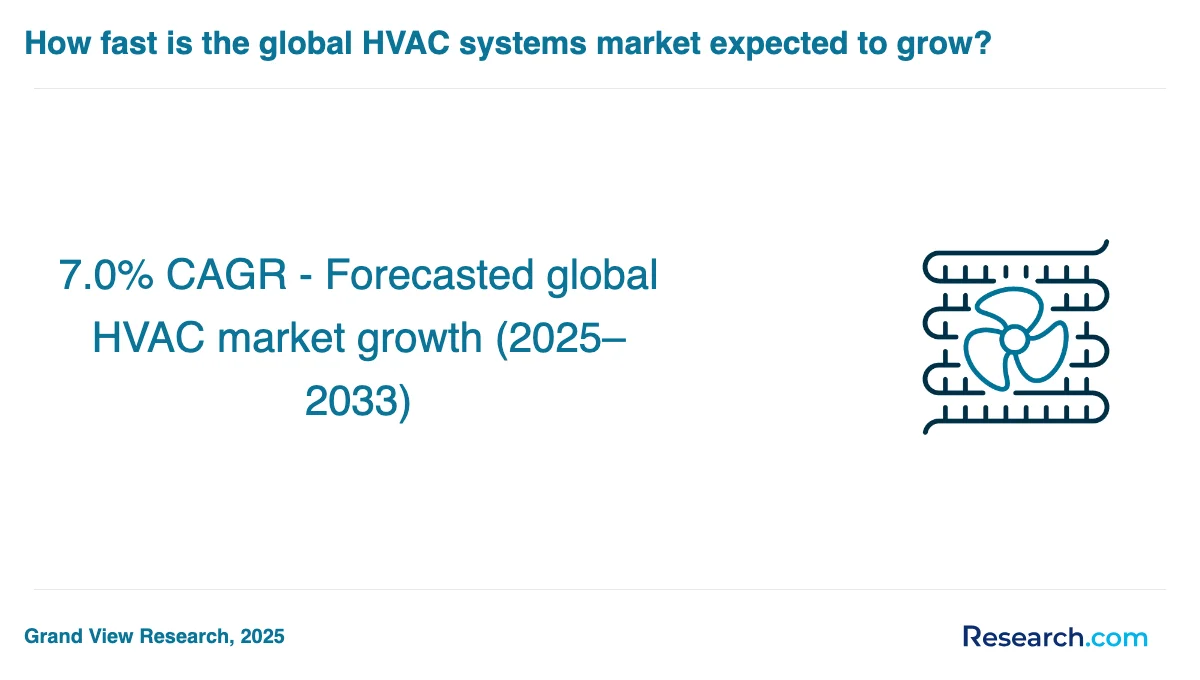
Obtaining a HVAC technician trade school diploma in Washington significantly enhances career mobility and advancement opportunities. According to the Washington State Employment Security Department, the HVAC field is expected to grow 11% from 2020 to 2030, faster than the average for all occupations. A diploma certifies that graduates have acquired essential technical skills, making them eligible for entry-level positions and apprenticeships. This credential often leads to higher starting wages compared to those without formal training.
Furthermore, many employers in Washington prefer hiring certified technicians, increasing job security. The diploma can also serve as a stepping stone to specialized certifications, which are linked to increased earning potential and leadership roles in the HVAC industry.
Students enrolled in HVAC technician trade schools in Washington can benefit greatly from part-time jobs that provide practical experience. Positions such as HVAC helper or maintenance assistant allow students to apply classroom knowledge in real-world settings. These roles often involve tasks like equipment inspection, basic repairs, and customer service.
According to the U.S. Bureau of Labor Statistics, Washington's HVAC job market is expected to grow by 10% from 2022 to 2032, reflecting steady demand for skilled technicians. Part-time work in local HVAC companies or facilities management can help students build skills and industry connections.
Additionally, roles in electrical or plumbing support are relevant, as they share overlapping technical skills with HVAC work. These opportunities complement trade education by enhancing hands-on experience while students continue their studies.
To choose the best HVAC Technician degree program near me in Washington, consider looking for accredited programs that offer comprehensive coursework and hands-on training. Investigate programs and universities near Washington that are recognized for their strong curricula and excellent facilities, which can often be found via resources like Research.com. Additionally, visiting local facilities and speaking with current students or faculty can provide valuable insights into the quality and fit of the program for your career goals.
Related HVAC Technician Rankings for Nearby States
- Best HVAC Technician Training Programs & Trade Schools - Top HVAC Tech Schools in Oregon for 2026
- Best HVAC Technician Training Programs & Trade Schools - Top HVAC Tech Schools in Idaho for 2026
- Best HVAC Technician Training Programs & Trade Schools - Top HVAC Tech Schools in Montana for 2026
- Best HVAC Technician Training Programs & Trade Schools - Top HVAC Tech Schools in Nevada for 2026
- Best HVAC Technician Training Programs & Trade Schools - Top HVAC Tech Schools in Utah for 2026
- Best HVAC Technician Training Programs & Trade Schools - Top HVAC Tech Schools in Arizona for 2026
- Best HVAC Technician Training Programs & Trade Schools - Top HVAC Tech Schools in New Mexico for 2026
- Best HVAC Technician Training Programs & Trade Schools - Top HVAC Tech Schools in South Dakota for 2026
- Best HVAC Technician Training Programs & Trade Schools - Top HVAC Tech Schools in Nebraska for 2026
- Best HVAC Technician Training Programs & Trade Schools - Top HVAC Tech Schools in Oklahoma for 2026
Top Trending Rankings
References
- How to Become an HVAC Tech in Washington for 2025 | Research.com https://research.com/careers/how-to-become-an-hvac-tech-in-washington
- HVAC Schools in Washington State (WA) - Programs & Certifications https://www.hvacclasses.org/schools/washington
- Heating & Air Conditioning/Refrigeration Service Technician | Clover Park Technical College https://www.cptc.edu/programs/hvac
- How to Become an HVAC Technician in Washington https://chartercollege.edu/news-hub/become-hvac-tech-washington/
- HVAC School in Washington | Training for HVAC Jobs in WA https://www.hvacschool.org/washington/
- Online HVAC/R Certified Technician (Voucher and Tools Included) from Clark College Community and Continuing Education https://careertraining.clark.edu/training-programs/hvacr-certified-technician-voucher-tools-included/
- Heating, Ventilation, Air Conditioning and Refrigeration Technician - BatesTech - BatesTech https://www.batestech.edu/programs/hvac-2/
- HVAC Training School in Tacoma, WA | UEI College https://www.uei.edu/trade-school/washington/tacoma/hvac-training-program-tacoma/
- Top HVAC Training Program in Washington, DC | Su'Coy CLC https://sucoyclc.com/
- HVAC technician salary in Washington ‐ CareerExplorer https://www.careerexplorer.com/careers/hvac-technician/salary/washington/


