2027 Most Valuable Social Work Degree Programs Ranking in California

Co-Founder and Chief Data Scientist
Considering a career in social work? Choosing the right degree program is a crucial step toward making a real difference in your community and your future. This article features the 2027 Most Valuable Social Work Degree Programs Ranking in California, created by the Research.com team of data scientists to help you navigate your options with confidence.
By exploring this ranking, you'll gain insights into the programs that offer the best value, combining quality education with promising career outcomes. Pursuing a social work degree can be a fulfilling path, and we're here to help you make an informed choice that sets you up for success.
Key benefits of getting social work degree in California
- Graduates with a social work degree in California can pursue well-paying roles like Social Worker, earning a mean annual wage of $68,800, or Community Organizer positions, which average $83,400 per year.
- Career paths are diverse, from Child Welfare Specialists to Youth Workers, offering rewarding opportunities to make a real difference in the community while enjoying stable job prospects.
- Online social work degrees from universities in California provide flexibility and accessibility, allowing students to balance work and study while gaining the same respected credentials as traditional programs.
- 2027 Most Valuable Social Work Degree Programs Ranking in California
- What can I expect from social work degree in California?
- Where can I work with social work degree in California?
What can I expect from social work degree in California?
The average cost of earning a social work degree in California varies by institution but generally ranges from $7,000 to $15,000 per year for in-state undergraduate students, particularly at public universities such as California State University campuses. Graduate programs like the Master of Social Work (MSW) at University of Southern California or University of California schools typically cost more, often between $20,000 and $40,000 annually. Many graduates share that while the price tag can feel daunting, scholarships, financial aid, and part-time employment opportunities help balance expenses.
One graduate recalls balancing coursework with a part-time internship in Los Angeles, gaining invaluable hands-on experience without overwhelming debt. These real-world placements at community centers or public health agencies make every dollar spent worthwhile by opening doors to fulfilling careers. Students learn not only theory but also the emotional resilience and empathy required to support vulnerable populations across California.
Remember, investing in a social work degree in California equips you to positively impact lives statewide-making the financial commitment a meaningful step toward a rewarding profession.
Where can I work with social work degree in California?
Graduates with a social work degree from institutions like UCLA or San Francisco State University often find rewarding careers in diverse settings across California. Many begin in healthcare environments such as hospitals or community clinics, where they support patients navigating emotional and financial challenges during treatment. This hands-on experience teaches invaluable skills and the deeply fulfilling nature of social work.
Others pursue roles within government agencies, including county human services or child welfare programs, helping protect vulnerable children and supporting families through complex situations. Working in these public services fosters a strong sense of purpose, knowing your efforts directly impact community safety and wellbeing.
School social work is another common path, especially for graduates from programs aligned with the California Department of Education's standards. Helping students overcome social and behavioral difficulties creates meaningful daily impact and collaboration with educators and families.
Nonprofit organizations flourish in California's diverse communities, offering roles in advocacy and outreach-perfect for those passionate about addressing homelessness or domestic violence.
For those obtaining clinical licensure (LCSW), private practice opens doors to independent counseling and mental health services, combining autonomy with profound client connections.
- California has many accredited Bachelor and Master of Social Work programs approved by the Council on Social Work Education (CSWE).
- Tuition for a social work bachelor's degree ranges from $7,000 to $12,000 per year at public universities and $20,000 to over $40,000 at private schools.
- Master's programs cost between $10,000 and $30,000 annually, with public schools generally offering lower tuition for residents.
- Starting salaries for social work graduates average around $50,000 per year, increasing to $70,000-$90,000 with experience and licensure.
- The job market is growing at about 11% through 2031, driven by demand in healthcare, child welfare, and mental health services.
- Licensure requires an MSW, supervised experience, and passing the California Law and Ethics Exam, with separate licenses for clinical and other social work roles.
Investing in a social work degree in California often raises questions about long-term financial returns. On average, graduates with a Bachelor of Social Work (BSW) can expect starting salaries around $45,000, while Master of Social Work (MSW) holders commonly earn between $60,000 and $70,000 in their first professional role. When compared to median program costs-approximately $34,790 for a BSW and $102,270 for a full-time MSW-the payback period for an MSW is typically under five years, assuming a 5% annual salary growth. Many students graduate with manageable debt loads thanks to financial aid and scholarships, but exploring advanced degrees strategically can further optimize ROI. For example, pursuing a doctorate may seem costly, yet selecting a low cost online doctor of social work program allows graduates to access leadership roles, university faculty positions, and higher-level consulting jobs that often command six-figure salaries. This approach balances advanced credentialing with affordability, shortening the time to financial break-even. Geographic considerations also affect ROI. Metropolitan areas like San Francisco and Los Angeles offer higher wages-up to 15% above the state average-but also higher living costs. Graduates who begin their careers in mid-sized regions such as Sacramento or San Diego can benefit from competitive salaries with lower overhead, improving their net income sooner. Ultimately, understanding your personal goals-clinical practice, policy advocacy, or research-will guide the best investment strategy. By comparing total program expenses against projected earnings and leveraging affordable advanced options, aspiring social workers can enhance career satisfaction without compromising financial stability.
The average cost of a social work degree in California is an important factor for anyone passionate about pursuing this meaningful career. Median in-state total costs hover around $8,472, while overall median expenses, including out-of-state tuition, can reach approximately $43,598. Graduates from well-known public institutions, such as California State University campuses, often find these costs manageable when balanced with financial aid and scholarships. Many share how their journey felt worth the investment, as they gained the skills necessary to make a real difference in communities.
For example, students at popular social work colleges in California often highlight the value of access to hands-on field placements and supportive faculty, which enrich their educational experience beyond the tuition fees. Knowing the typical financial commitment helps you plan wisely. Whether you choose a CSU or a private university, understanding California social work degree tuition and fees upfront sets realistic expectations and enables you to seek the best resources available.
It's also crucial to explore options for scholarships and grants that can significantly lower costs. To find affordable pathways without sacrificing quality, consider reviewing affordable social work programs in California. Approaching your education with clear financial insight empowers you to focus on what truly matters: building a rewarding career in social work.
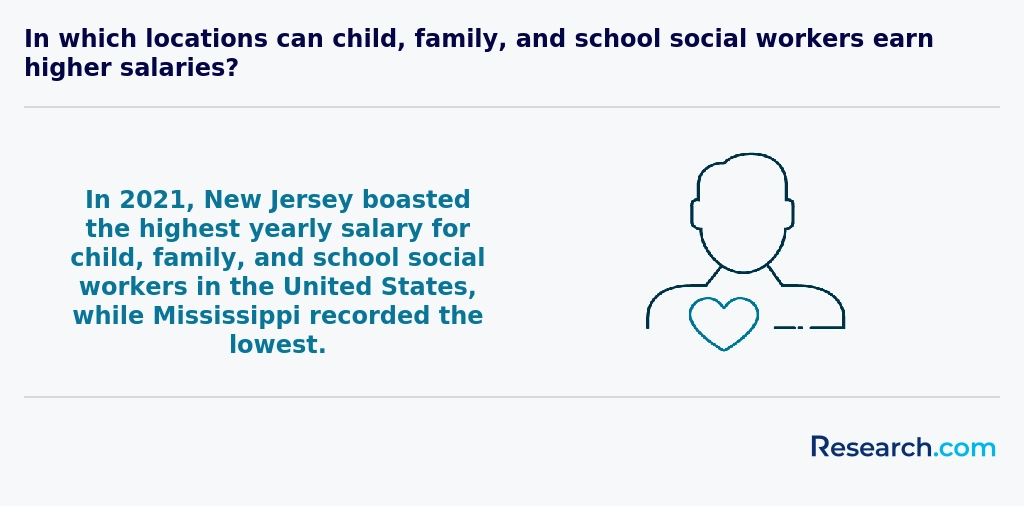
Investing in a Social Work degree in California requires careful consideration of both upfront costs and long-term earning potential. On average, students pay approximately $34,790 in tuition and fees, while entry-level social workers command salaries between $56,680 and $64,360 annually. By crunching these numbers, graduates can estimate a typical payback period of just over one year, assuming full-time employment and no additional debt. Key factors influencing ROI include:
- Total Program Cost: Calculate in-state vs. out-of-state tuition, fees, and living expenses.
- Salary Trajectory: MSW holders often earn 15–25% more than BSW graduates within five years.
- Debt Management: Federal loan repayment plans and income-driven options can lower monthly obligations.
- Financial Aid Leverage: Scholarships and stipends (e.g., Title IV-E) reduce net cost and shorten payback time. For students seeking more budget-friendly alternatives without compromising on quality, exploring programs outside California can yield significant savings-explore our Affordable Social Work Degree Programs Ranking in North Carolina to compare tuition rates, average debt loads, and local salary data.
To truly flourish in the field of social work, it's essential to be informed about the most affordable and valuable degree programs available. When considering educational options, prospective students often weigh factors such as cost, program reputation, and potential career outcomes. For those interested in pursuing a career in social work within California, exploring affordable social work programs in California can be a crucial step in making informed decisions about their educational path. This involves not only looking at the financial aspects but also understanding the curriculum, accreditation, and licensing requirements that can significantly impact one's career trajectory. By navigating these considerations, aspiring social workers can set themselves up for success, whether they aim to work in clinical settings, community organizations, or government agencies, ultimately contributing to the well-being of their communities.
To begin your journey in social work in California, you'll first need a high school diploma or equivalent if you're aiming for a Bachelor of Social Work (BSW). Graduates from institutions like San Francisco State University often share how foundational courses in English, college-level algebra, and social sciences like psychology laid the groundwork for their success. These prerequisites aren't just hurdles-they're your first step toward understanding people and communities deeply.
If you're considering a Master of Social Work (MSW), California's top programs-such as those at UCLA or USC-usually ask for a bachelor's degree, ideally in social work or related fields like sociology or human services. Many students describe how taking extra courses or gaining volunteer experience helped bridge gaps when their undergraduate degree was in a different area. Programs also typically require transcripts, letters of recommendation, and a heartfelt personal statement that reveals your passion for nurturing change.
Remember, some graduates emphasize that volunteering in community centers across California not only enriched their applications but also made their academic journey more rewarding. Alongside academics, background checks and immunization records are standard to protect everyone during fieldwork, which is where theory truly meets impactful practice.

Becoming a Licensed Clinical Social Worker (LCSW) in California is essential for independent practice and higher earning potential.
- Complete a CSWE-accredited MSW degree (or BSW followed by an MSW).
- Log 3,200 hours of supervised clinical work under an LCSW.
- Pass the ASWB Clinical Examination.
- Apply to the California Board of Behavioral Sciences (BBS) and submit required fees.
- Earn 36 hours of continuing education every two years for license renewal.
Many BSW holders opt for accelerated pathways, exploring 1 year msw programs online no bsw to fast-track their credentials.
Choosing the best social work degree programs in California means balancing accreditation, cost, and your career vision. Graduates from well-known universities like USC or UCLA often emphasize the value of programs accredited by the Council on Social Work Education, which prepare you for the LCSW licensure and open doors to clinical practice. Consider how the program's focus aligns with your passion-whether clinical, community organization, or policy work. Imagine yourself interning at a Los Angeles nonprofit, gaining real-world skills that reflect California's diverse social landscape.
Affordability also plays a vital role. Many find that exploring affordable social work schools California-wide, coupled with targeted scholarships, lightens financial pressures. For those needing flexibility, a graduate shared how enrolling in a low cost online doctor of social work program allowed balancing work, family, and study without sacrificing quality. Prioritize programs offering strong practicum placements and high employment rates-these factors often lead to fulfilling, impactful careers you'll cherish.
2027 Most Valuable Social Work Degree Programs Ranking in California
Investing in your education is a significant decision that can shape your future, and the Research.com team understands the importance of making informed choices. To assist prospective students in California, we have meticulously crafted the "2027 Most Valuable Social Work Degree Programs Ranking in California." Our commitment to quality, credibility, and accuracy is reflected in the extensive research and analysis conducted to compile this ranking.
We utilized the following reputable data sources to ensure a comprehensive evaluation of social work degree programs:
By exploring this ranking, readers will gain valuable insights into the most valuable social work programs available in California, enabling them to make well-informed decisions about their education and career paths. For more details on our methodology, please visit our Research.com methodology page.


Frequently Asked Questions About social work
Social work degree students in California can maximize their learning by engaging deeply with both academic and practical experiences. California has over 60 accredited social work programs, many offering field placements that connect theory to real-world practice. According to the Council on Social Work Education, hands-on internships greatly enhance skill development and employability.
Students should take advantage of California's diverse population by seeking placements in various settings, such as hospitals, schools, and community agencies. Networking with professionals through local chapters of the National Association of Social Workers (NASW-CA) can provide valuable mentorship and job opportunities.
Utilizing university resources like research centers and attending workshops on new social work methods also aid learning. Additionally, California's focus on mental health and child welfare services offers rich areas for specialization, relevant to state workforce needs as highlighted by the California Employment Development Department.
Emerging niches within the social work field in California reflect evolving societal needs and policy changes. One significant area is telehealth social work, which has expanded rapidly due to increased demand for remote mental health services, especially since 2020.
Another niche gaining prominence is environmental social work, addressing climate change impacts on vulnerable communities in California. This specialization combines social work with environmental justice initiatives.
Additionally, geriatric social work is growing as California's population ages. The California Department of Aging reports a sharp increase in older adults requiring social support, creating demand for professionals skilled in elder care.
Lastly, social workers specializing in immigrant and refugee services remain essential, given California's diverse population and ongoing immigration challenges.
After completing a social work degree in California, preparing for the job market involves strategic planning and gaining practical experience. First, obtaining a California-specific license is essential; the California Board of Behavioral Sciences requires passing the Licensed Clinical Social Worker (LCSW) exam, which many employers prefer. According to the U.S. Bureau of Labor Statistics, social workers in California earn a median annual wage of about $72,000, reflecting strong local demand.
Internships and fieldwork completed during your degree provide valuable hands-on skills, increase your network, and often lead to job offers. Joining professional organizations such as the California Chapter of the National Association of Social Workers (NASW-CA) helps access job postings and continuing education.
Additionally, building clear communication and documentation skills is crucial, as social work careers often require detailed client records and advocacy. Staying informed on state-specific social policies also improves employability in this field.
Employers in California prioritize several key skills for social work degree graduates. Strong communication skills are essential, enabling professionals to effectively engage with diverse populations. Critical thinking and problem-solving abilities help social workers navigate complex cases and develop practical solutions.
Empathy and cultural competence are especially important in California's diverse communities. According to the California Board of Behavioral Sciences, 75% of social work roles require sensitivity to varying cultural backgrounds.
Additionally, knowledge of relevant laws and ethical standards is crucial. Familiarity with California's social service systems, such as Medi-Cal and child welfare programs, improves job performance. Time management and organizational skills also rank highly, as many roles involve managing large caseloads.
Finding internships relevant to a social work degree in California involves several strategic steps. First, students should explore field placement opportunities offered through their academic programs, as many social work degrees require internships as part of their curriculum. California's social work licensing board emphasizes practical experience, so universities often partner with local agencies.
Additionally, students can consult the California Chapter of the National Association of Social Workers (NASW-CA) for internship listings and networking events. State agencies, nonprofit organizations, and healthcare providers frequently offer internships that meet educational requirements. According to the California Employment Development Department, social work employment is projected to grow 12% between 2022 and 2032, increasing internship availability.
Utilizing online resources like university career centers and local internship databases can also aid in finding placements. Early application and maintaining professional connections are crucial, as competition for quality internships can be significant in populous areas like Los Angeles and San Francisco.
A social work degree significantly enhances career mobility and advancement opportunities in California. According to the California Board of Behavioral Sciences, holding a Bachelor's or Master's in Social Work is often a prerequisite for licensure as a Licensed Clinical Social Worker (LCSW), a credential essential for many advanced roles.
California's Department of Consumer Affairs reports that social workers with an MSW earn a median salary 20-30% higher than those with only a bachelor's degree. Specialized degrees also open doors to leadership, clinical, and policy-making positions within healthcare, education, and government sectors.
Furthermore, obtaining a social work degree enables professionals to meet state-mandated continuing education requirements, facilitating ongoing career development and job stability in California's competitive social service field.
Studying for a social work degree in California equips students with skills to engage in interdisciplinary roles across healthcare, education, and criminal justice. Programs emphasize collaboration with professionals like nurses, educators, and law enforcement to address complex social issues comprehensively.
California's accredited programs often include fieldwork in diverse settings, allowing students to work directly with multidisciplinary teams. According to the California Board of Behavioral Sciences, nearly 70% of social work graduates report gaining interdisciplinary experience during their training.
Curricula integrate courses on communication, ethics, and policy analysis, preparing graduates to navigate different professional cultures and systems effectively. This foundation aligns with state workforce demands, where 25% of social workers operate within integrated service environments.
When choosing between a thesis and a non-thesis social work degree program in California, students should consider their career goals and learning preferences. A thesis program typically involves conducting original research and writing a formal dissertation, which can benefit those interested in pursuing a doctoral degree or research-intensive roles. Non-thesis programs usually emphasize coursework and practical training, appealing to students who want to enter clinical practice or community work more quickly.
California's social work programs often align with licensure requirements set by the California Board of Behavioral Sciences. The decision can also depend on available faculty expertise and program flexibility.
According to the California Social Work Education Center (CalSWE), practical experience remains crucial for licensure and employment, so non-thesis routes may appeal more to those focused on direct practice.
Students based in California seeking to study social work abroad have several options through established exchange and study abroad programs at many California universities. Institutions like the University of California and California State University systems often partner with international universities, allowing students to complete coursework overseas while earning credits toward their social work degree.
These programs typically last one semester or an academic year and often emphasize global social work practices, providing exposure to different cultural contexts. According to the CSWE (Council on Social Work Education), participating in international social work can enhance cultural competence, a crucial skill in California's diverse communities.
California students can also explore specialized field placements abroad through approved universities, integrating practical experience with academic study. Financial aid and scholarships specific to study abroad programs may be available through individual campuses.
California offers several part-time job opportunities that can complement social work degree education, providing valuable hands-on experience. Common roles include case management assistant positions, where students help licensed social workers with client documentation and resource coordination. According to the California Board of Behavioral Sciences, gaining practical experience is crucial for licensure as a Licensed Clinical Social Worker (LCSW).
Other popular options include working as residential counselors in group homes or assisting in nonprofit organizations focused on mental health, homelessness, or child welfare. These roles help students apply theoretical knowledge and develop client communication skills.
Many California universities also encourage internships or practicum placements, which can be part-time and professionally enriching.
Social work students in California benefit from numerous networking opportunities that can enhance their careers. Many universities collaborate with local agencies and nonprofits, providing students access to professional events and internships. For example, the California Social Work Education Center (CalSWE) offers statewide resources and connects students with experienced social workers.
Additionally, student organizations like the National Association of Social Workers (NASW) California Chapter host conferences and workshops. These events attract hundreds of participants annually, facilitating valuable professional connections.
Online platforms such as LinkedIn also play a growing role, enabling social work students to join groups focused on California's social services landscape.
Alumni networks play a crucial role in supporting social work degree students in California. These networks provide valuable connections to experienced professionals who understand the state's unique social service landscape. Through mentorship programs and networking events, students gain insights into job opportunities and career pathways.
California has over 300,000 social workers, making alumni connections essential for standing out in a competitive job market, according to the Bureau of Labor Statistics. These networks also facilitate internships and field placements, critical components of accredited social work programs.
Furthermore, alumni often offer guidance on licensure requirements specific to California, such as the LCSW exam, enhancing students' readiness for professional practice.
Customizing your social work degree program in California to align with your career goals is possible through various options offered by many universities. Most programs allow students to choose specializations such as child welfare, gerontology, mental health, or substance abuse treatment. These focus areas help tailor your education to specific populations or services.
Fieldwork placements, a required component, can also be selected based on your interests and career plans. California hosts numerous agencies and organizations, providing diverse practical experiences.
Additionally, pursuing electives in areas like policy analysis or non-profit management can enhance skills relevant to your goals. According to the California Social Work Education Center (Cal-SWEC), such customization improves job readiness and marketability.
Social work students in California often face significant challenges related to the high cost of education. According to the California State Auditor, tuition and fees for social work programs at public universities have increased steadily over the past decade, making affordability a major concern. Many students also struggle with balancing rigorous coursework and often demanding field placements, which require substantial time in community agencies or hospitals.
Another challenge is navigating California's diverse populations and complex social systems. Students must develop cultural competence and adapt to regional social issues such as homelessness and immigration. The California Board of Behavioral Sciences highlights the importance of these skills for licensure. Additionally, limited availability of practicum sites can delay graduation, as demand often exceeds placement opportunities.
With a social work degree in California, graduates can pursue several professional certifications to advance their careers. The most common certification is the Licensed Clinical Social Worker (LCSW), which requires a Master of Social Work (MSW) degree, supervised experience, and passing the Association of Social Work Boards (ASWB) Clinical Exam. As of 2023, California has over 30,000 active LCSWs, reflecting strong demand in mental health and clinical practice.
Other certifications include the Board Certified Behavioral Analyst (BCBA) credential for those working with behavioral interventions, and certifications in school social work or gerontology, which enhance specialization opportunities. These credentials improve employability and earning potential in California's dynamic social services sector.
Applying to a social work program in California requires a clear, well-organized strategy. Start by researching programs accredited by the Council on Social Work Education (CSWE), as California employers often prefer graduates from these schools.
Focus on crafting a strong personal statement that highlights your commitment to social justice and explains relevant experience, such as volunteer work or paid positions in community services. California's diverse population demands cultural competence, so emphasize your understanding of varied communities.
Include letters of recommendation from supervisors or professors familiar with your abilities. Many programs also require a minimum GPA around 3.0 and standardized test scores depending on the school.
Check specific California program requirements early since some schools request additional essays or background checks related to working with vulnerable populations. According to the California Board of Behavioral Sciences, successful applicants often demonstrate both academic readiness and practical empathy.
The global perspective on social work careers emphasizes the importance of cultural competence and adaptability. Social workers in California, as in the broader United States, are increasingly expected to understand diverse populations and international social issues. This aligns with standards from organizations like the International Federation of Social Workers (IFSW), which promote ethics and human rights worldwide.
California's diverse population offers a unique training ground for skills needed globally. According to the California Department of Social Services, nearly 40% of the state's population speaks a language other than English at home, reflecting the multicultural challenges social workers face.
Additionally, social work education in California often incorporates global themes, preparing graduates to work in various settings-from local communities to international organizations. This global outlook is vital as social issues like migration, health disparities, and poverty transcend borders.
Gaining practical experience is a crucial part of earning a social work degree in California. Most programs require students to complete supervised fieldwork or internships, often ranging from 400 to 900 hours. These placements are typically arranged through partnerships with local community organizations, healthcare facilities, schools, or government agencies.
Field placements give students hands-on experience addressing real-world social issues while developing professional skills. According to the California Board of Behavioral Sciences, this practical training helps meet licensure requirements, including those needed for the Licensed Clinical Social Worker (LCSW) credential.
Students should actively seek internships early, as many programs assist in placing them at relevant sites. Networking with faculty and local agencies can also open up opportunities.
Choosing the right concentration within a social work degree program in California depends on your career goals and interests. California offers diverse social work fields such as child welfare, mental health, substance abuse, and gerontology. Research by the California Board of Behavioral Sciences shows that mental health social workers represent nearly 35% of licensed practitioners in the state, indicating strong demand in this area.
Consider program accreditation; most California universities offering social work degrees are accredited by the Council on Social Work Education (CSWE), ensuring quality education tailored to state licensure requirements. Reflect on local employment trends by reviewing resources like the California Employment Development Department.
Finally, align your choice with populations you want to serve. For instance, if you desire to work with veterans or immigrant communities, select concentrations that offer specialized training in these areas.
- 2027 Most Valuable Social Work Degree Programs Ranking in Oregon
- 2027 Most Valuable Social Work Degree Programs Ranking in Arizona
- 2027 Most Valuable Social Work Degree Programs Ranking in Utah
- 2027 Most Valuable Social Work Degree Programs Ranking in Texas
- 2027 Most Valuable Social Work Degree Programs Ranking in Oklahoma
- 2027 Most Valuable Social Work Degree Programs Ranking in Nebraska
- 2027 Most Valuable Social Work Degree Programs Ranking in Minnesota
- 2027 Most Valuable Social Work Degree Programs Ranking in Missouri
- 2027 Most Valuable Social Work Degree Programs Ranking in Arkansas
- 2027 Most Valuable Social Work Degree Programs Ranking in Wisconsin
See What Experts Have To Say About Studying Social Work
Read our interview with Social Work experts

- 10 Careers for Social Work Majors https://www.umassglobal.edu/blog-news/careers-for-social-work-majors
- How to become a social worker https://basw.co.uk/careers/how-become-social-worker
- Social Work https://al.edu.pl/en/studies/english-courses-for-erasmus-students/social-work
- Social Work Scholarships https://socialworklicensemap.com/social-work-resources/social-work-scholarships/
- Social work certificates | edX https://www.edx.org/certificates/social-work-certificates
- Become A Social Worker In California - CaliforniaSocialWorkEDU https://www.californiasocialworkedu.org/
- The Evolution of Online Social Work Education https://www.socialworktoday.com/news/enews_0317_1.shtml
- 1+ Social Worker Cover Letter Examples (with In-Depth Guidance) https://www.tealhq.com/cover-letter-examples/social-worker
- Social Work News https://www.mysocialworknews.com/article/how-to-find-your-social-work-niche
- The Best International Social Work Internships for Undergrads and Grads https://www.internhq.com/fields/social-work/