
2027 Best Social Work Degree Programs Ranking in Burlington

Co-Founder and Chief Data Scientist
Choosing the right social work degree program is an important step for students in Burlington aiming to make a positive impact in their communities. This article presents the 2027 Best Social Work Degree Programs Ranking in Burlington, developed by the Research.com team of data scientists to provide clear, data-driven insights.
Reading this guide will help you explore your options thoughtfully, ensuring you find programs that match your goals and values. A social work degree opens rewarding career paths where you can truly make a difference.
We hope this ranking inspires and supports your educational journey ahead.
Key benefits of getting social work degree in Burlington
- Graduates with a social work degree in Burlington can expect competitive salaries, such as $68,800 annually for Social Workers and $59,190 for Child Welfare Specialists, offering financial stability in rewarding roles.
- Career paths include becoming a Social Worker, Community Organizer, or Youth Worker, with options showcased by graduates from the University of Vermont, known for strong local employment connections.
- Online social work degrees from institutions like Champlain College allow flexibility for working students and faster degree completion, making education accessible without sacrificing quality or community engagement.
- 2027 Best Social Work Degree Programs Ranking in Burlington
- What can I expect from social work degree in Burlington?
- Where can I work with social work degree in Burlington?
What can I expect from social work degree in Burlington?
If you're thinking about studying social work in Burlington, here's a heads-up on the cost. At places like the University of Vermont, in-state undergrads typically pay around $19,000 a year for their social work degree. That might sound like a chunk of change, but many students find the price worth it because of the quality education and real-world experience they get. Graduate programs, like the MSW, tend to be a bit pricier but still competitive compared to other schools nationwide.
Many grads tell stories about juggling studies while applying for scholarships or state grants that really helped ease their financial load. Plus, federal aid options are often available, making it easier to handle those tuition fees. Knowing this makes the whole investment feel a little less daunting and more achievable when you imagine yourself gaining those hands-on skills with local agencies in Burlington.
Where can I work with social work degree in Burlington?
If you're studying social work in Burlington, you've got a bunch of real-world job options right in your backyard. Graduates from local schools often land roles with the city's government agencies, like the Department of Social Services, where they help families and kids facing tough times. Imagine working alongside caring folks providing support and resources-it's rewarding and makes a real difference.
Many also find themselves in healthcare settings, such as the University of Vermont Medical Center. Here, social workers help patients navigate complicated treatment plans and offer emotional support during challenging times. Graduates often say this hands-on work feels meaningful, connecting them to people when they need help most.
Non-profits and schools are popular too. Some grads support vulnerable groups by running programs for shelters or addiction recovery centers, while others work in schools helping students with mental health and family issues. Whether it's counseling or community outreach, social work in Burlington brings so many ways to help people and make your degree count.
- Burlington offers accredited Bachelor of Social Work (BSW) and Master of Social Work (MSW) programs recognized by the Council on Social Work Education (CSWE).
- Tuition for bachelor's degrees ranges from $10,000 to $18,000 per year for in-state students, while master's programs cost between $12,000 and $20,000 annually.
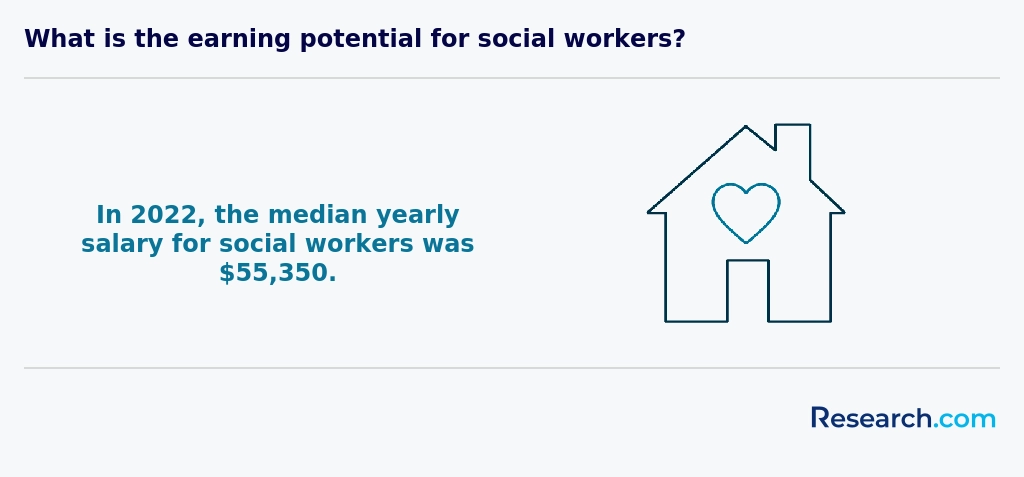
- Starting salaries for social workers in Burlington average between $45,000 and $50,000 per year, with experienced professionals earning over $70,000.
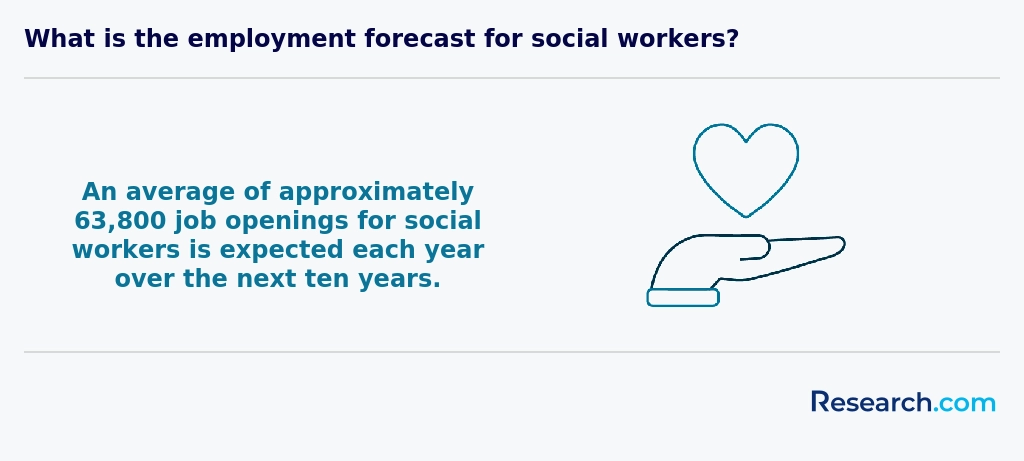
- The job market is expected to grow by about 12% over the next decade, driven by demand in healthcare and social support services.
- Social work students can gain practical experience through internships and field placements arranged by universities and local agencies.
- Licensing in Burlington requires a CSWE-accredited degree, supervised practice hours, and passing a licensing exam for LSW or LCSW credentials.
After completing your social work degree, you must secure state licensure to practice professionally in Vermont. Meet these key requirements:
- Education
- Hold a CSWE-accredited Bachelor’s (BSW) or Master’s (MSW) degree.
- Consider accredited online msw programs if you need flexible study options.
- Supervised Experience
- LSW (Licensed Social Worker): 2,400 hours under a licensed clinician.
- LCSW (Licensed Clinical Social Worker): Additional 3,000 clinical hours post-LSW.
- Examination
- Pass the ASWB exam at the appropriate level (BSW or advanced generalist for MSW).
- Application and Fees
- Submit transcripts, supervision logs and application to Vermont’s Board of Allied Mental Health Practice.
- Pay all required state application and exam fees.
- Renewal and Continuing Education
- Renew your license biennially.
- Complete 30 hours of CE every two years, including ethics and clinical practice updates.
On average, the total cost of earning a social work degree in Burlington is about $62,730. If you're a local student studying at the University of Vermont, in-state tuition and fees tend to be much more manageable-around $19,058 for the whole program. Many graduates from Burlington-based schools talk about how this cost, while significant, feels worth it given the quality education and hands-on experience they gained.
Out-of-state students often face higher expenses, but even then, many have found ways to make it work through scholarships and financial aid. For those dreaming of social work degrees in Burlington, the total expenses don't just cover tuition; supplies, books, and field placement trips add up too. Still, graduates consistently mention that the investment pays off, especially when they think about the impact they can make in their communities.
One great example comes from a recent graduate who mentioned balancing part-time jobs and assistantships while completing their coursework. These kinds of support opportunities help ease the financial load. If you're curious about paths into social work or mental health fields, check out resources on how to become a Christian counselor-it's a solid option for some students interested in helping others.
The average cost social work degree Burlington students face definitely requires some planning, but with the right mindset and funding options, it's totally doable and rewarding.
To practice as a professional social worker in Vermont, you must obtain state licensure and meet specific education, experience, and examination criteria.
- Education: Earn an MSW from a CSWE-accredited program.
- Supervised Experience: Complete 4,000 hours (roughly 24 months) of supervised clinical practice under a Vermont LCSW.
- Examination: Pass the ASWB Master’s exam to become an LMSW and the ASWB Clinical exam for LCSW status.
- Application: Submit official transcripts, supervisor verification forms, and a criminal background check to the Vermont Board of Social Work.
- Continuing Education: Renew your license biennially with at least 30 hours of approved continuing education.
For budget-conscious students, explore online msw programs affordable.
To successfully navigate the financial aspects of pursuing a social work degree in Burlington, VT, it's essential for students to understand the importance of budgeting and financial planning. Creating a comprehensive budget that accounts for tuition, living expenses, and other costs is crucial. Students should also explore available financial aid options, such as grants, scholarships, and loans, to help fund their education. For instance, those looking for affordable programs can consider the most affordable social work programs in Vermont, which can significantly reduce the financial burden. By prioritizing financial planning and seeking out affordable options, students can set themselves up for success and make the most of their investment in a social work degree.
If you're aiming to enroll in a social work degree program in Burlington, you'll usually need a high school diploma with decent grades-think around a 2.5 to 3.0 GPA for bachelor's programs. Schools here, like the ones at local colleges, often look for students who've done well in subjects like English and psychology. A few grads have said their personal statements and recommendation letters really helped show their passion, especially when paired with some volunteer work in social services.
For those chasing a Master of Social Work, your bachelor's degree matters a lot. Graduates from popular Burlington universities recommend having official transcripts ready and keeping your GPA above 3.0 if possible. You might also be asked for some prerequisite classes in things like human behavior or stats-but don't worry, it's pretty manageable. Many shared how the statement of purpose was their chance to connect their goals with real-life experiences, making their application stand out.
Also, don't forget about background checks or immunizations if your program includes hands-on field placements. Overall, the key is showing your genuine commitment, which Burlington's community-focused schools really appreciate.
Earning your social work degree is just the first step; obtaining licensure is essential for practice in Vermont. Upon graduation, aspiring social workers must apply to the Vermont Office of Professional Regulation (OPR) for either the Licensed Bachelor Social Worker (LBSW) or Licensed Master Social Worker (LMSW) credential, depending on their degree level. Requirements include a criminal background check, verification of supervised field hours (typically 1,000 hours for LMSW applicants), and submission of official transcripts. Once approved, candidates must pass the Association of Social Work Boards (ASWB) exam-either the bachelor’s or master’s level test-to secure state licensure. Maintaining your license involves ongoing professional development. Vermont mandates 45 continuing education credits every three years, with at least 6 hours in ethics and 6 hours in jurisprudence. Topics can range from clinical interventions to policy advocacy, ensuring that social workers stay current with evolving best practices. Joining the National Association of Social Workers (NASW) Vermont Chapter provides networking, specialized training, and access to webinars, making it easier to fulfill these CE requirements while deepening your expertise. While planning for licensure, it’s wise to compare program costs and support services. Many students find value in exploring alternative offerings, such as the Affordable Social Work Degree Programs Ranking in Milwaukee, WI, to gauge different tuition models and scholarship opportunities that can inform financial planning for both education and licensure expenses.
If you're diving into a social work degree in Burlington, expect a mix of courses that really prepare you for helping people in real life. Students at popular local colleges often talk about how classes like human behavior and social environment totally changed the way they see their communities - it's where you start understanding why people act the way they do.
Another biggie is social welfare policy and services. Graduates say this class helped them get how government programs work and how to actually navigate those systems for their clients. It's super practical stuff you'll use during your field placements.
Speaking of hands-on, field education is a must. Many Burlington programs put you right into hospitals, schools, or nonprofits, which past students call game-changing because it's where theory meets real life. Other courses include ethics, cultural competency, and mental health, all focused on making sure you're ready for the wide range of people you'll support.
Overall, these courses blend classroom knowledge with real-world experience, making Burlington a great place to study social work.

Picking the best social work degree in Burlington means thinking about what fits your life and goals. Graduates from popular colleges here often say that choosing a Bachelor of Social Work (BSW) is perfect if you want to start working quickly, while a Master of Social Work (MSW) opens doors to clinical jobs and leadership roles. It's smart to check if your program is CSWE-accredited - that's a must for employers and for taking licensing exams.
Students looking for affordable social work schools in Burlington find they can balance quality education with reasonable costs, especially at local public institutions. One thing grads love is when programs offer part-time or online options, making it easier to juggle study and work.
Hands-on experience matters big time. Programs with strong connections to hospitals or community centers help you get real-world skills through internships, which graduates say really build confidence. Also, if you're eyeing clinical work, some schools include prep for the Licensed Clinical Social Worker exam or related training, similar to what you'd find in LPC training Georgia.
Lastly, check out alumni success stories and small class sizes. Graduates from Burlington's social work programs often mention how supportive faculty and tight-knit classes made the learning experience way more engaging and personal.
If you're diving into social work degrees in Burlington, you'll find plenty of career paths waiting for you. Graduates from local schools like the University of Vermont often jump into healthcare social work, helping patients and families navigate hospitals and clinics. Many share how rewarding it feels to support people through tough medical situations, especially with Vermont's growing demand for medical social workers.
Another common route is the child and family field, where you get to make a real impact on kids facing hardships. Social workers in Burlington's schools and child welfare agencies often describe the joy of seeing children thrive after their help. Students love that their degree opens doors to these meaningful jobs, making the social work job opportunities in Burlington much more than just a paycheck.
Community social work is also huge here-working with nonprofits, tackling housing issues, or helping folks recover from addiction. Lots of graduates say this path feels like a calling, allowing them to fight for social justice right in their backyard. If you're curious about licensure after your degree, check out the Idaho psychology license verification process for a similar look at licensing steps relevant to social workers too.

2027 Best Social Work Degree Programs Ranking in Burlington
Investing in your education is a significant decision that can shape your future, and the Research.com team understands the importance of making informed choices. To assist prospective students in Burlington, we have meticulously crafted the "2027 Best Social Work Degree Programs Ranking in Burlington." Our commitment to quality, credibility, and accuracy is reflected in the extensive research and analysis conducted to compile this ranking.
We utilized the following reputable data sources to ensure a comprehensive evaluation of social work programs:
By exploring this ranking, readers will gain valuable insights into the best social work degree programs available in Burlington, helping them make informed decisions about their educational paths. For more details on our methodology, please visit our Research.com methodology page.


Frequently Asked Questions About social work
Social work degree students in Burlington can enhance their education by actively engaging in local community organizations. Burlington offers a variety of social service agencies where students can complete field placements, a critical component of accredited programs accredited by the Council on Social Work Education (CSWE).
Networking with professionals through events hosted by the Vermont National Association of Social Workers (VT NASW) helps students stay informed about current practice trends and job opportunities.
Additionally, attending workshops and seminars at the University of Vermont's Social Work Department can deepen theoretical knowledge and practical skills. Utilizing campus resources such as tutoring and career counseling further supports academic success.
The social work field in Burlington is expanding into several emerging niches driven by evolving community needs and societal challenges. One growing area is geriatric social work, addressing the increasing elderly population's demands for healthcare and social support, as noted by the U.S. Census Bureau. Another niche gaining traction is behavioral health social work, focused on mental health and substance abuse treatment, aligning with national trends reported by the National Association of Social Workers (NASW).
Child welfare and trauma-informed care remain critical but now integrate more with technology-based interventions. Additionally, social workers specializing in school settings are in higher demand in Burlington, reflecting efforts to support youth mental health in education systems. These niches highlight the necessity for specialized training within social work degree programs to meet Burlington's community-specific needs.
Graduates with a social work degree in Burlington should start preparing for the job market by gaining practical experience through internships or volunteer opportunities during their studies. Many local agencies, including those affiliated with the Vermont Department for Children and Families, offer placement programs that help students build valuable professional connections.
Networking is crucial; attending local social work conferences and joining professional organizations like the National Association of Social Workers Vermont chapter can open doors to job prospects. According to the U.S. Bureau of Labor Statistics, social workers in Vermont have seen steady employment growth, with a 6% increase expected by 2030, indicating a competitive but promising market.
Obtaining licensure after graduation, such as the Licensed Clinical Social Worker (LCSW), significantly improves job opportunities. Preparing for this includes completing supervised clinical hours and passing the ASWB exam. Burlington offers several preparation courses and resources to assist graduates in this process.
Employers in Burlington value social work graduates who demonstrate strong communication and interpersonal skills. These abilities are crucial for effectively interacting with clients facing diverse challenges. According to the Council on Social Work Education, graduates must also show proficiency in critical thinking and problem-solving to design practical interventions.
Knowledge of local social policies and community resources is essential, as employers expect social workers to navigate Burlington's specific support systems. Cultural competence and ethical decision-making are highly emphasized to ensure respectful and fair treatment of all clients.
Additionally, organizational skills and the ability to manage case documentation accurately are frequently cited in job listings from Burlington social service agencies.
Finding internships in Burlington relevant to a social work degree involves several strategic steps. Start by exploring local social service agencies and nonprofit organizations, which often offer placements for social work students. The University of Vermont and Champlain College provide resources and career services connecting students with internship opportunities in the area. Burlington's community health centers, schools, and government agencies frequently seek interns to assist with social programs, giving practical experience in diverse settings.
Additionally, the Council on Social Work Education (CSWE) accredits many programs, and accredited schools usually have partnerships that facilitate internship placements. Networking with professionals through local events or social work associations in Vermont can also open doors. According to Vermont's Department of Labor, internships increase employment chances upon graduation, reflecting the importance of hands-on training in the field.
Obtaining a social work degree in Burlington significantly enhances career mobility and advancement opportunities within the local human services sector. According to the Massachusetts Department of Labor, social workers with a bachelor's or master's degree often access a broader range of job positions, from case management to clinical roles, particularly in healthcare and community service organizations.
Employers in Burlington and surrounding areas increasingly prefer candidates with formal social work education, reflecting the field's growing professional standards. Graduates possessing a Master of Social Work (MSW) report higher median salaries, averaging around $68,000 annually, compared to $45,000 for bachelor's-level social workers, according to recent U.S. Bureau of Labor Statistics data.
The degree also supports licensure requirements essential for clinical positions in Massachusetts, making it critical for career advancement. Additionally, Burlington's expanding healthcare and social service agencies actively seek credentialed social workers to address community needs, thereby improving job security and prospects for promotion.
Studying for a social work degree in Burlington equips students with skills essential for interdisciplinary collaboration. Many programs emphasize teamwork across sectors such as healthcare, education, and criminal justice, reflecting the city's integrated approach to community support. According to the National Association of Social Workers, over 60% of social work professionals in Vermont engage regularly with other disciplines to address complex client needs. Burlington's local universities often partner with healthcare providers and schools, providing students with hands-on experience in multidisciplinary settings. This practical training enhances communication and problem-solving abilities necessary for effective collaboration in diverse professional environments.
When choosing between a thesis and a non-thesis social work degree program in Burlington, students should consider their career goals first. Thesis programs focus on research, ideal for those aiming for academic, policy, or clinical research roles. Non-thesis programs typically emphasize practical skills and fieldwork, suited for direct social work practice.
In Burlington, the demand for licensed social workers is growing, with a 9% increase expected by 2028 according to the U.S. Bureau of Labor Statistics. Non-thesis tracks often offer more internship opportunities, which can aid licensure and job placement locally.
Students interested in pursuing a PhD or teaching later may benefit from a thesis option for its research foundation. Conversely, those prioritizing timely entry into the workforce might prefer non-thesis programs.
Students based in Burlington who wish to study social work abroad have several options through U.S. higher education institutions offering exchange programs or dual degrees. Many universities with social work programs partner with schools in countries like Canada, the United Kingdom, and Australia, allowing students to gain international perspectives while earning accredited credits.
Programs such as those facilitated by the Council on Social Work Education (CSWE) often include study abroad opportunities integrated into Bachelor's or Master's degrees. Burlington students enrolled at University of Vermont or Champlain College can explore these pathways.
Financial aid and scholarships are sometimes available to support study abroad, with some grants specifically for social work students interested in international field placements.
Students pursuing social work degrees in Burlington can benefit from various part-time job opportunities that enhance their practical skills. Local nonprofits and community centers often hire part-time support workers or case aides, providing direct exposure to social service environments. Positions in schools as teacher assistants or youth program coordinators allow students to develop communication and organizational skills relevant to social work.
Healthcare facilities in Burlington also offer roles such as patient advocates or mental health aides, which align with social work education. According to the Vermont Department of Labor, social and community service occupations in the Burlington area grew by 7% from 2018 to 2023, reflecting expanding job possibilities for students.
Social work students in Burlington have several valuable networking opportunities that support their academic and professional growth. Many local colleges, including the University of Vermont, actively host career fairs and social work-specific events connecting students with employers and alumni. According to the National Association of Social Workers (NASW) Vermont Chapter, Burlington offers regular workshops, conferences, and networking mixers for aspiring social workers.
Additionally, students can engage with local nonprofit organizations and social service agencies through internships and volunteer programs, fostering practical connections. Professional networking groups and community forums also provide platforms to meet experienced practitioners and expand one's professional circle in the Burlington area.
Alumni networks play a crucial role for social work degree students in Burlington by offering valuable professional connections. These networks provide access to local internships and job opportunities, which can be essential in a competitive field like social work. According to the National Association of Social Workers, nearly 85% of graduates find employment through networking.
In Burlington, where social service agencies often collaborate closely, alumni can offer mentorship and guidance tailored to the city's specific community needs. This support helps students navigate licensing requirements and develop culturally competent skills relevant to Vermont's diverse population.
Moreover, alumni events foster ongoing education and collaborations, keeping students informed about local policy changes that impact social work practice. By tapping into this network, students enhance their career readiness and professional growth.
In Burlington, students can customize their social work degree programs by selecting electives aligned with their specific career interests, such as clinical practice, community leadership, or policy advocacy. Many accredited schools offer concentrations or specializations, allowing learners to tailor coursework and field placements. For example, pursuing a Licensed Clinical Social Worker (LCSW) path often involves focused training in mental health.
Burlington's programs emphasize practical experience through internships in local agencies, ensuring real-world skills directly applicable to the area's social service needs. According to the National Association of Social Workers, customized education improves employability and career satisfaction within Vermont's growing social work sector.
Social work students in Burlington often encounter several key challenges during their studies. One common difficulty is balancing rigorous coursework with demanding field placements, which are essential for hands-on experience but require significant time and emotional commitment. According to the National Association of Social Workers, many students report high levels of stress linked to managing client confidentiality and ethical dilemmas while still learning professional skills.
Moreover, financial strain is a notable concern. Tuition and living expenses in Vermont can be high, and many students must juggle part-time jobs to cover costs. According to Vermont Higher Education Investment, nearly 40% of social work students in Burlington rely on financial aid or loans.
Lastly, adapting to evolving social policies and learning to work effectively with diverse populations adds to the academic and practical challenges faced locally. This prepares students for the complexities of social work careers in Burlington's varied communities.
With a social work degree in Burlington, you can pursue several professional certifications that enhance your career prospects. The most recognized is the Licensed Master Social Worker (LMSW) credential, which allows you to practice clinically under supervision. After gaining experience, many choose to become a Licensed Clinical Social Worker (LCSW), an advanced certification required for independent practice and therapy roles.
Other valuable certifications include the Certified School Social Work Specialist (C-SSWS) for those interested in educational settings and the Advanced Generalist Certificate for specialized social work expertise.
The Vermont Board of Social Work oversees licensure, ensuring practitioners meet rigorous standards to protect community welfare. According to the Vermont Department of Labor, social workers' demand in Burlington grows steadily, increasing the importance of these credentials for career advancement.
To write a winning application for a social work program in Burlington, start by carefully reviewing each school's specific admission requirements. Most programs require a minimum GPA of 3.0 and relevant volunteer or work experience in social services. Highlighting your direct experience with community organizations or vulnerable populations strengthens your application. Burlington-area social work programs often value clear, personal statements that demonstrate your commitment to social justice and understanding of local social issues, such as housing affordability and mental health services challenges.
Strong letters of recommendation from professionals who can attest to your empathy and reliability also improve your application's impact. According to the Council on Social Work Education, applicants with practical experience and well-articulated goals have higher acceptance rates.
Social work as a profession is widely recognized across the globe for its focus on improving human well-being and addressing social injustices. In the United States, including Burlington, social work education prepares students to meet both community needs and global challenges. The Council on Social Work Education (CSWE) sets national accreditation standards, ensuring programs emphasize cultural competence and ethical practice.
Globally, social work careers often involve collaboration with international organizations to address migration, poverty, and human rights. According to the U.S. Bureau of Labor Statistics, employment of social workers is projected to grow 12% through 2031, reflecting increasing demand for expertise in a variety of social settings.
In Burlington, the growing diverse population underlines the importance of global perspectives within social work curricula, equipping graduates to work in an interconnected world.
Gaining practical experience while studying for a social work degree in Burlington is essential for career readiness. Most accredited programs in the area include field placements or internships as part of the curriculum. These opportunities typically occur in local hospitals, schools, nonprofit organizations, or government agencies, giving students real-world exposure.
According to the Council on Social Work Education, students must complete between 400 to 900 hours of supervised fieldwork, depending on the degree level. Burlington's strong network of social service providers facilitates access to diverse practicum sites, allowing students to work with varied populations.
Additionally, some Burlington colleges encourage involvement in volunteer activities or research projects related to social work. These experiences help build professional skills and connections within the community.
Choosing the right concentration within a social work degree program in Burlington depends on your career goals and community needs. Popular options include clinical social work, focusing on mental health, and community social work, emphasizing advocacy and resource management.
Research from the National Association of Social Workers shows that clinical social work jobs in Vermont are projected to grow by 12% through 2030, reflecting increasing demand for mental health services.
Consider programs offering fieldwork in Burlington's diverse settings, such as schools, hospitals, or social agencies, allowing hands-on experience tailored to your chosen concentration.
Additionally, consult academic advisors to align your interests with concentrations that have strong local internship opportunities and licensure pathways.
- 2027 Best Social Work Degree Programs Ranking in Albany
- 2027 Best Social Work Degree Programs Ranking in Boston
- 2027 Best Social Work Degree Programs Ranking in Rochester
- 2027 Best Social Work Degree Programs Ranking in Bronx
- 2027 Best Social Work Degree Programs Ranking in Garden City
- 2027 Best Social Work Degree Programs Ranking in New York
- 2027 Best Social Work Degree Programs Ranking in New Brunswick
- 2027 Best Social Work Degree Programs Ranking in Philadelphia
- 2027 Best Social Work Degree Programs Ranking in Baltimore
- 2027 Best Social Work Degree Programs Ranking in Washington
See What Experts Have To Say About Studying Social Work
Read our interview with Social Work experts

- Social Work Careers https://socialworklicensemap.com/social-work-careers/
- Web Exclusive https://www.socialworktoday.com/archive/exc_081823.shtml
- Social Work Degree | Champlain College, Burlington, Vermont https://www.champlain.edu/academics/undergraduate-academics/degrees-programs/social-work/
- Social Work https://www.wits.ac.za/course-finder/undergraduate/humanities/social-work/
- Social Work Jobs at University of Vermont Health https://uvmhealthcareers.org/jobs/social-work/us-vt-burlington/
- Top Skills Employers Look for in Qualified Social Workers Today https://www.vitalissocialcare.co.uk/career-development/top-skills-employers-look-for-in-social-workers-today/
- Career stages | BASW https://basw.co.uk/careers/career-stages
- Surviving your social work degree placement - Community Care https://www.communitycare.co.uk/content/news/surviving-your-social-work-degree-placement
- Bachelor’s degrees in social work (BSW) online https://www.onlinemswprograms.com/online-social-work-degrees/bsw/
- 1+ Social Worker Cover Letter Examples (with In-Depth Guidance) https://www.tealhq.com/cover-letter-examples/social-worker


