2027 Best Psychology Degree Programs Ranking in the South

Co-Founder and Chief Data Scientist
Choosing the right psychology degree program can be a life-changing decision. This article introduces the 2027 Best Psychology Degree Programs Ranking in the South, carefully crafted by the Research.com team of data scientists.
Our ranking helps you discover top programs that fit your goals and aspirations. Whether you want to help others, understand human behavior, or build a rewarding career, this guide makes it easier to find a program worth your time and effort.
Explore your options confidently and take the first step toward a fulfilling future in psychology.
Key benefits of getting psychology degree in the South
- Psychology degree graduates in the South can earn competitive salaries in roles like Human Resources Specialist, with a mean annual wage of $76,060, or Marketing Research Analyst, which averages $83,190 per year.
- Graduates from popular Southern universities often pursue diverse careers such as Clinical Research Associates or Survey Researchers, offering meaningful work with salaries around $62,370 annually.
- Online psychology degrees provide flexible learning options that fit busy lifestyles, allowing graduates to start their careers sooner while saving on commuting and housing costs compared to traditional programs.
- 2027 Best Psychology Degree Programs Ranking in the South
- What can I expect from psychology degree in the South?
- Where can I work with psychology degree in the South?
What can I expect from psychology degree in the South?
The average cost of pursuing a psychology degree in the South tends to be more affordable compared to other U.S. regions, especially at state universities such as the University of North Carolina at Chapel Hill or Emory University. Graduates often reflect positively on this accessibility, noting that in-state tuition rates significantly reduce financial strain while maintaining quality education. For many students, this affordability supports a focus on learning rather than worrying about overwhelming debt.
Beyond tuition, psychology students frequently benefit from scholarships aimed at mental health fields, which help offset expenses. Some graduates recall applying for these scholarships with encouragement from faculty familiar with the region's emphasis on mental health funding initiatives. This financial support often feels like a practical acknowledgment of the rising demand for psychologists in Southern communities.
However, the cost can vary depending on whether one attends a public or private institution, and some Southern schools with extensive research facilities may have higher fees. Students considering universities in this region should weigh these differences carefully against the career-ready training and licensure preparation integrated into most programs.
Where can I work with psychology degree in the South?
Psychology graduates in the South find diverse career paths, especially around vibrant cities near universities like the University of Texas or Florida State University. Many enter healthcare settings, becoming licensed counselors or behavioral health specialists, often motivated by firsthand experiences during internships at local clinics. These roles tap into the region's growing mental health needs, offering fulfilling chances to impact communities.
Others pursue jobs in education, working as school psychologists or counseling center advisors at colleges such as the University of North Carolina. Graduates share how these positions allow them to support students navigating academic and personal challenges, creating meaningful connections in familiar Southern environments.
Business fields also attract psychology majors, where expertise in organizational behavior translates into roles in HR or market research for companies in metropolitan hubs like Atlanta. Graduates often express enthusiasm about applying psychological insights to improve workplace culture.
Government and community agencies in Southern states provide additional pathways, including social services and criminal justice settings, where graduates feel rewarded contributing to public welfare. For advanced degree holders, research positions at Southern universities or private firms offer opportunities to explore regional mental health trends, blending academic work with practical impact.
Graduates with a psychology degree in the South often find diverse opportunities, but earnings can vary widely based on the job role and location. For example, positions such as childcare workers, common entry points for many psychology majors, average around $32,070 annually according to recent data. On the other hand, graduates entering roles like clinical research associates or survey researchers typically earn closer to $62,370 per year, reflecting the value of research experience gained at institutions like the University of Florida or Emory University.
Those who pursue roles aligned with psychology but outside direct clinical work, such as human resources specialists, can expect mean wages near $76,060 annually. This highlights how psychology degrees can open doors beyond traditional therapy or counseling roles, especially in metropolitan areas like Houston or Atlanta where business sectors thrive.
Meanwhile, marketing research analysts, many of whom apply psychological principles in consumer behavior studies, report mean salaries around $83,190. Graduates from well-regarded Southern programs frequently express satisfaction finding rewarding careers with these salaries, balancing financial gains and passion for understanding human behavior.
Overall, earnings for psychology degree holders in the South reflect a trade-off between specialization and job market size, with urban centers offering higher pay but also competition. Realistic expectations and targeted skill-building, often fostered by Southern universities' strong community ties, can lead to fulfilling careers and stable income in the region.
- Yearly tuition for psychology degrees at public universities in the South ranges from $8,000 to $12,000 for in-state students, while private schools often charge more than $25,000.
- Financial aid and scholarships are commonly available for psychology students at many Southern universities.
- Starting salaries for psychology graduates with a bachelor's degree are typically between $40,000 and $50,000 annually.
- Those with master's or doctoral degrees can expect entry-level salaries around $60,000 or higher.
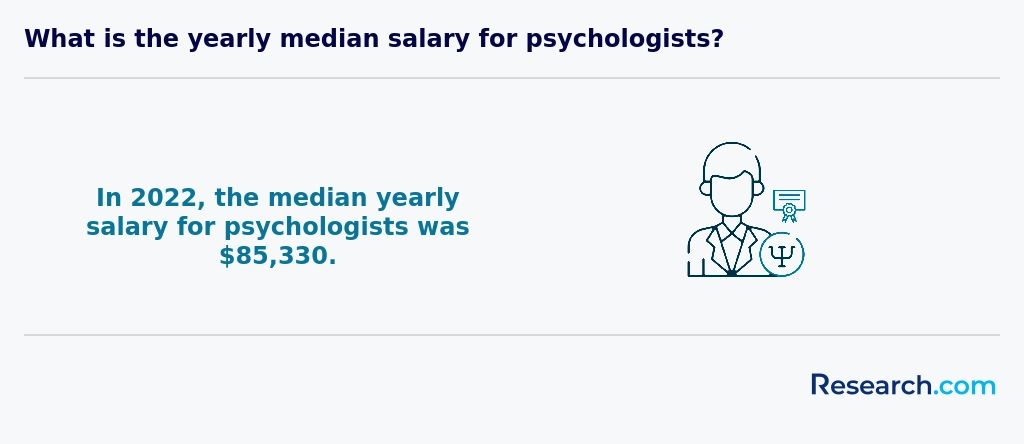
- Median salaries for psychologists in the South range from $75,000 to $90,000 depending on specialization and work setting.
- The psychology job market in Southern states like Texas and Florida is growing, with a projected 9% increase in related jobs through 2031.
Completing a psychology degree in the South typically spans different lengths based on the level of study and individual circumstances. Most undergraduate students at popular Southern institutions, such as the University of Florida or the University of Georgia, report taking around four years to finish their Bachelor's degrees. This timeline aligns with the standard full-time schedule of about 120 credit hours, but some graduates mention that juggling part-time jobs or internships can occasionally extend this period.
Graduate students pursuing master's degrees in psychology at schools like Vanderbilt University often find the program lasting two to three years. The variation depends on whether they take thesis tracks or engage in professional practicums, which enrich learning but may require extra months.
Doctoral candidates at universities such as Emory University experience the longest timelines, often requiring four to seven years due to clinical training, research, and dissertation demands. Many feel a sense of accomplishment balancing these challenges while benefiting from the South's supportive academic communities, even if it means a longer journey.
To prepare for a career in psychology, it's essential to gain a comprehensive understanding of the field, including its various specializations, career paths, and the skills required to succeed. Developing a strong foundation in psychology coursework, including classes in research methods, statistics, and theoretical foundations, is crucial. Additionally, gaining practical experience through internships, volunteer work, or research projects can provide valuable hands-on experience and make you a more competitive candidate in the job market. Building a strong network of professionals in the field can also lead to job opportunities, mentorship, and valuable advice. Staying up-to-date with the latest research and developments in the field by attending conferences, workshops, and reading industry publications is vital for ongoing professional development. Furthermore, considering earning a graduate degree, such as a master's or Ph.D., can lead to advanced career opportunities and higher salary potential. By taking these steps, you can set yourself up for success and create a fulfilling career in psychology.
Online and on-campus psychology degrees in the South differ mainly in delivery and campus experience. Graduates from universities like the University of Florida often praise the in-person format for fostering meaningful connections with professors and peers, which enriches learning through immediate feedback and collaborative labs. These on-campus programs also offer easier access to internships and clinical training, essential for psychology students seeking hands-on experience.
Conversely, online programs at institutions such as Texas A&M provide flexibility that many Southern students appreciate, especially those juggling work or family. These graduates emphasize the convenience of studying on their own schedule, though some note challenges in coordinating local internships or virtual labs. Despite this, accredited online degrees maintain curricular rigor comparable to traditional formats, assuring academic quality.
Cost can also influence decisions. For example, Mississippi State's online tuition may be slightly lower, but added fees for technology support sometimes balance differences. Personal preferences for campus resources versus flexible learning schedules largely shape student satisfaction in these diverse Southern settings.
Earning a psychology degree is just the first step toward professional practice; obtaining licensure ensures you can legally provide assessment, therapy, and consultation. While specifics vary by state, most Southern jurisdictions share common requirements: 1. Educational Credentials and Accreditation • Hold a doctorate (PhD or PsyD) from an APA-accredited program or regionally accredited institution. • Some states permit master’s-level practice under supervision, but doctoral licensure remains the gold standard. 2. Examination Requirements • Pass the Examination for Professional Practice in Psychology (EPPP), administered by the Association of State and Provincial Psychology Boards (ASPPB). • Complete any state-specific jurisprudence or ethics exam, such as Florida’s PSYPACT compliance test or Louisiana’s jurisprudence assessment. 3. Supervised Professional Experience • Accumulate 1,500–4,000 hours of supervised clinical work, depending on the state board. • Supervision must be provided by a licensed psychologist, typically spanning 1–2 years of full-time practice. 4. Application and Fees • Submit official transcripts, verification of supervised hours, and character references to the state licensing board. • Expect fees ranging from $150 to $400 for application and exam processing. 5. Continuing Education and Renewal • Complete 20–40 hours of continuing education every licensure cycle (1–2 years), including ethics, cultural competence, and evidence-based practice. • Maintain records of CE credits and renew through your state board portal. To expedite your pathway, consider programs recognized for streamlined curricula and robust practicum placements. Students can even leverage the fastest degree in psychology to accelerate coursework and begin accruing supervised hours sooner, ensuring you meet licensure milestones with confidence.
The average cost of a psychology degree in the South shows notable variation depending on several factors. For in-state students attending public universities, the median total cost hovers around $14,220, which appears quite accessible when compared to out-of-state tuition fees and private institutions. Out-of-state students and those choosing private colleges often face significantly higher financial commitments, with median costs around $39,754. These figures highlight how the total tuition and fees for psychology degrees southern states can differ dramatically, making it essential to evaluate residency status and school type carefully.
Graduates from well-known Southern universities often share that choosing a public university as an in-state student unlocked both affordability and quality. Many recall experiences balancing academic rigor and social opportunities on campuses known for strong psychology programs, enhancing their enthusiasm for the field without overwhelming financial pressure. Conversely, students attending prestigious private schools acknowledge the intensive investment but note the benefits of smaller classes and specialized faculty access, which contributed positively to their career readiness.
Additional costs like textbooks, fees, and supplies usually add around $1,500 to $3,000 yearly, a vital consideration when planning the entire educational budget. For those weighing options in this region, exploring scholarships and assistantships is a practical step, as these can significantly reduce actual expenses. Prospective students seeking the best fit may find valuable insights when researching programs such as the best rated texas psychology degree online, which balances cost and convenience effectively.
Understanding the average cost of psychology degree programs in the South helps set realistic expectations, especially for students charting budgets for bachelor's, master's, or doctoral studies in psychology programs popular throughout Southern states.
Navigating the path from graduation to practicing psychologist requires understanding each state’s licensure and certification process. In the Southern United States, candidates typically follow these steps: 1. Graduate from an APA-accredited doctoral program or regionally accredited master’s program (where applicable). 2. Complete a minimum of 1,500–2,000 supervised clinical hours, as mandated by state psychology boards. 3. Pass the Examination for Professional Practice in Psychology (EPPP) with a score meeting or exceeding the state’s threshold. 4. Submit official transcripts, verification of supervised experience, and background checks to the state board. 5. Fulfill any additional requirements, such as jurisprudence or ethics exams specific to states like Georgia, Texas, or Florida. Key considerations:
- Licensure portability: Many Southern states participate in PSYPACT, allowing telepsychology and temporary practice across member states.
- Supervision: Ensure your practicum or internship aligns with state board guidelines-hours earned in university clinics or affiliated hospitals often qualify.
- Renewal and CEUs: Once licensed, psychologists must complete 20–40 continuing education credits every two years, depending on the state. While Southern programs are known for affordability and strong support networks, prospective students may wish to compare out-of-region costs and licensure preparation resources by checking our Inexpensive Psychology Degree Programs Ranking in New York. This perspective can help you benchmark tuition, board prep courses, and internship placements to ensure a seamless transition from student to licensed professional. Regularly reviewing state board websites will keep you informed of evolving standards and streamline your journey to full accreditation.
Psychology students in the South benefit from multiple financial aid sources, though navigating these can require careful attention. Federal aid, such as the Pell Grant offering up to $7,395 annually, often serves as the foundation for many students' funding. For example, a graduate from the University of North Carolina at Chapel Hill recalls how this grant eased the burden of tuition costs during their first years. However, not all students qualify, so understanding eligibility criteria is crucial.
State programs contribute significantly as well. The Texas Grant Program and Georgia's HOPE Scholarship provide essential support to in-state psychology students, sometimes covering full tuition. A University of Florida graduate shared that these grants made pursuing advanced psychology coursework more accessible without overwhelming debt.
Many Southern universities supplement state and federal aid with psychology-specific scholarships, rewarding academic merit or community involvement. Work-study opportunities also allow students to gain relevant experience while earning money, an arrangement praised by those who balanced study and campus jobs effectively.
Lastly, private scholarships from psychology organizations help bridge funding gaps, creating additional avenues for motivated students dedicated to their career growth.
While a psychology degree can be incredibly rewarding, it's essential to consider the potential drawbacks and challenges that students in the South may face. One of the primary concerns is the significant educational debt that many students accumulate. According to recent data, the average debt load for psychology graduates in the South can range from $20,000 to over $100,000, depending on the institution and degree level. This financial burden can be overwhelming, especially for those who choose to pursue advanced degrees or licensure. Another challenge is the highly competitive job market, particularly in fields like clinical psychology and counseling. The demand for mental health services is increasing, but so is the number of graduates entering the field. This competition can lead to limited job opportunities, lower salaries, and a longer period of internships or volunteer work before securing a paid position. Furthermore, psychology students in the South may face unique cultural and socioeconomic challenges. The region's history of social and economic disparities can impact the mental health and well-being of communities, making it essential for psychologists to be culturally competent and aware of these issues. However, this also means that students must be prepared to navigate complex social dynamics and develop the necessary skills to work effectively with diverse populations. Additionally, theSouth's rural areas often face significant mental health workforce shortages, which can limit access to care and create challenges for psychologists who wish to work in these settings. The lack of resources, funding, and infrastructure can hinder the delivery of mental health services, making it difficult for psychologists to provide adequate care. Despite these challenges, many psychology graduates in the South find creative ways to overcome them. By developing strong clinical skills, building a professional network, and staying up-to-date with the latest research and technologies, psychologists can thrive in this dynamic and rewarding field. Moreover, the personal fulfillment that comes from helping others and making a positive impact on communities can far outweigh the challenges, making a psychology degree a worthwhile pursuit for those passionate about this field.
Enrolling in a psychology degree program in the South typically requires a high school diploma with strong foundations in English, math, biology, and social sciences. Graduates from popular Southern universities often recall how their solid science coursework eased their transition into psychology's interdisciplinary demands. While standardized tests like the SAT or ACT remain common prerequisites, many Southern colleges now adopt test-optional policies, reflecting shifts seen in about 55% of these schools by 2023. This change can reduce pressure but also means applicants must emphasize other strengths.
Applicants usually submit personal statements and letters of recommendation, which provide insight into motivation and character beyond grades. Some psychology programs prefer candidates with volunteer or work experience in mental health, illustrating the value of real-world engagement. Graduate programs require a bachelor's degree-often in psychology-with a GPA near 3.0 or higher. GRE scores may be optional, but research and internships greatly enhance an application, as many Southern graduate students have found through hands-on experiences at their institutions.
Financial readiness is crucial too; in-state tuition at public universities ranges from $8,000 to $10,000 annually, while private colleges can be significantly costlier. These factors all shape a student's preparedness when entering the competitive field of psychology in the South.
As the landscape of psychology continues to evolve, emerging trends are reshaping how programs are delivered and how students prepare for dynamic careers. Today’s programs are increasingly integrating digital tools and experiential learning opportunities that not only enrich the classroom experience but also better prepare graduates for real-world challenges. Institutions are emphasizing data-driven research, incorporating virtual reality for immersive therapy simulations, and expanding partnerships with local mental health organizations to offer hands-on community involvement. Faculty across the South are adopting cross-disciplinary approaches that blend traditional psychological theories with advances in technology and neuroscience, ensuring that both on-campus and online programs meet rigorous academic standards. Prospective students can also benefit from these innovations by exploring options like the best rated texas psychology degree online, which leverages interactive platforms and comprehensive curricula designed for today’s fast-paced learning environment. In addition, career services have become integral to many programs, offering robust support for networking, internships, and placements within fast-growing fields such as clinical research, organizational psychology, and tech-driven mental health services. As the demand for adaptive and forward-thinking professionals grows, staying informed about these trends can help you make empowered decisions about your education and future career prospects.
Psychology degree programs in the South typically include a robust set of courses that provide students with a comprehensive understanding of human behavior and mental processes. Graduates from popular Southern universities often recall early classes like Introduction to Psychology, which laid the groundwork by exploring major theories and historical context. This initial exposure helps students relate concepts to everyday experiences, such as understanding why people behave differently under stress.
Core courses usually cover Developmental Psychology, Cognitive Psychology, and Social Psychology, offering insights from infancy through adulthood and how social environments influence behavior. For instance, students attending colleges known for strong psychology departments often discuss how studying Social Psychology deepened their awareness of peer influence in real-life school or community settings.
More practical courses like Research Methods and Statistics are crucial, as they teach students to design studies and analyze data, skills many Southern students find empowering when conducting their senior research projects or internships. Electives such as Cultural Psychology or Trauma Studies enable graduates to connect with regional challenges, making their learning feel relevant and motivating.
Psychology degree specializations in the South often include clinical, counseling, industrial-organizational, and developmental psychology, each with distinct practical applications. Graduates from well-known Southern universities frequently share how clinical tracks helped them gain hands-on experience through internships, crucial for licensure and real-world readiness. Counseling psychology graduates highlight evidence-based therapy training that prepares them to support individuals facing psychological challenges, a compelling focus for those passionate about mental health.
Southern psychology degree concentration options also extend to industrial-organizational psychology, which appeals to students aiming to enhance employee well-being and productivity in regional workplaces. Those who chose developmental psychology appreciate how their studies helped them understand human growth in contexts like schools and healthcare, reflecting the South's diverse community needs. Some programs even offer niche fields like forensic or neuropsychology to match evolving interests.
Students seeking a tailored experience often explore the fastest degree in psychology through online options provided by several Southern schools, facilitating accelerated career entry while maintaining affordability and quality.
Choosing the best psychology degree in the South requires more than just looking at rankings; potential students must critically evaluate accreditation, program offerings, and real-world applicability. Graduates from top accredited psychology schools Southern United States often emphasize how programs with active faculty research and diverse concentrations, such as clinical or industrial-organizational psychology, enriched their learning experience and prepared them for licensure.
Cost remains a significant factor, but students should consider financial aid and scholarships alongside tuition. Many who attended Southern public universities found that balancing affordability with strong practicum opportunities made their education more rewarding. For example, those who interned through partnerships with local hospitals deeply valued this hands-on training, which is crucial for meeting supervised clinical hour requirements in the region.
Students debating affordability can also explore alternative lists like the Inexpensive Psychology Degree Programs Ranking in New York for comparison, helping them weigh options beyond the South.
Ultimately, class size, graduation rates, and how well a program aligns with specific state licensure prerequisites-especially in states like Florida or North Carolina-shape an informed choice. Reflecting on alumni stories, the emotional reassurance of a supportive campus and clear path toward licensure often tip the scales in favor of certain institutions.
Choosing an affordable psychology degree programs in the South is a balancing act of personal goals, finances, and academic rigor, making thoughtful research essential.
Career paths for a psychology degree in the South are diverse, with strong prospects particularly in clinical and counseling roles. Graduates from institutions like the University of Florida and University of North Carolina often enter clinical psychology, becoming licensed therapists or counselors, which aligns well with the increasing mental health awareness in Southern states. While these roles require advanced degrees and licensure, many find the personal fulfillment in helping individuals navigate mental health challenges rewarding.
Alternatively, some graduates pursue industrial-organizational psychology, applying their skills to enhance workplace productivity in cities such as Atlanta or Dallas. Although salaries here may be slightly lower than the national average, many appreciate the dynamic corporate environments and growing opportunities in these metropolitan areas. This avenue exemplifies how psychology degree career opportunities in the South can vary widely by sector.
Others engage in research or academic positions, contributing to behavioral and social science projects at Southern universities. Public health, social services, and forensic psychology roles also attract graduates dedicated to community impact. For those unsure which path to choose, considering easy college degrees may offer additional insights into flexible study options relevant to their ambitions.
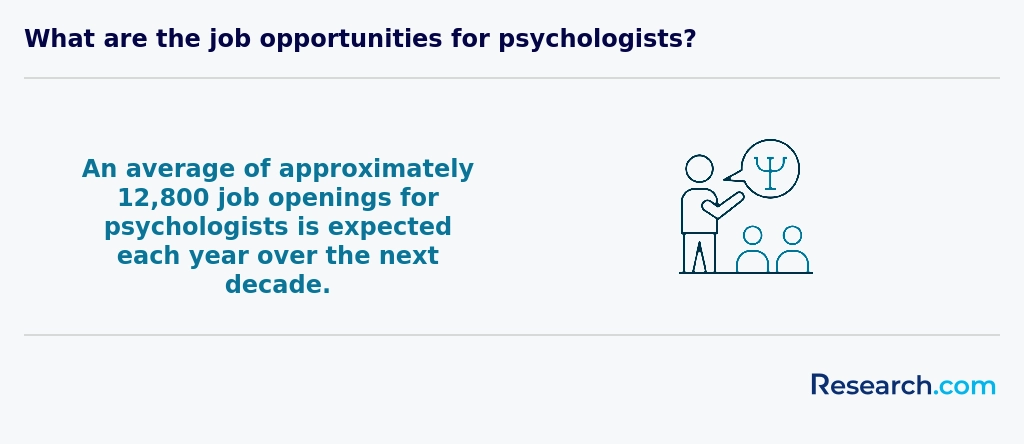
The psychology job outlook in the South reflects a dynamic yet varied landscape where growth is steady but influenced by regional factors. Graduates from universities in states like Georgia and North Carolina often find rewarding roles in healthcare or school systems, motivated by the increasing public awareness of mental health. For example, many alumni from well-known Southern colleges share positive experiences securing positions in community mental health agencies, where the emphasis on support services is expanding.
Career opportunities for psychology graduates in Southern states vary widely with location and credentials. While salaries generally range from $70,000 to $90,000 annually, rural areas may offer lower wages initially, encouraging graduates to consider licensure and specialization for advancement. Several students pursuing psychology degrees also weigh the financial impact carefully, especially since tuition can vary greatly, with public institutions costing significantly less than private ones. Those evaluating their choices might explore options related to what associate degree is the fastest to get? to optimize their educational investment.
2027 Best Psychology Degree Programs Ranking in the South
Investing in your education is a significant decision that can profoundly impact your future, and the Research.com team recognizes the importance of making well-informed choices. To support prospective students in the South, we have carefully developed the "2027 Best Psychology Degree Programs Ranking in the South." Our dedication to quality, credibility, and accuracy is demonstrated through the comprehensive research and rigorous analysis underpinning this ranking.
We utilized the following reputable data sources to create a thorough evaluation of psychology degree programs:
By consulting this ranking, readers will gain valuable insights into top psychology programs available in the South, enabling them to make confident and informed decisions about their educational journeys. For further information on how this ranking was created, please visit our Research.com methodology page.





Frequently Asked Questions About psychology
Students pursuing psychology degrees in the South can enhance their learning by engaging deeply with regional research opportunities. Many universities in Southern states, like the University of North Carolina and Emory University, offer research programs focused on diverse populations and mental health issues prevalent in the region, such as substance abuse and trauma recovery.
Active participation in internships at local clinics or community organizations allows students to apply theoretical knowledge in real-world settings, a key factor in developing practical skills. According to the Southern Regional Education Board, hands-on experience correlates strongly with graduate success in psychology careers.
Networking with faculty and peers through departmental seminars and conferences also expands understanding and professional connections essential for future employment.
Emerging niches within the psychology field in the South reflect broader national trends, with specific regional growth driven by local needs. Health psychology is gaining prominence as chronic illnesses rise, and psychologists help bridge mental and physical health care. Another growing area is neuropsychology, especially with advancements in brain research and rehabilitation.
Sports psychology is expanding due to increased investment in athletics across southern universities and communities. Additionally, forensic psychology is seeing demand related to criminal justice reforms in states like Texas and Florida. According to the Bureau of Labor Statistics, these specialties are expected to grow by over 10% through 2030, particularly in southern metropolitan areas.
After earning a psychology degree in the South, preparing for the job market requires strategic planning. Graduates should seek internships or supervised clinical experiences, which are crucial for licensure and practical skills development. The Southern region has diverse employment opportunities in healthcare, education, and social services, with growth projected to increase by 14% through 2030, according to the U.S. Bureau of Labor Statistics.
Networking through local professional organizations, such as the Southern Psychological Association, can provide connections and job leads. Additionally, obtaining certifications in specialized areas like school psychology or counseling enhances employability.
Continuing education and pursuing graduate degrees remain important to access higher-paying roles and licensure.
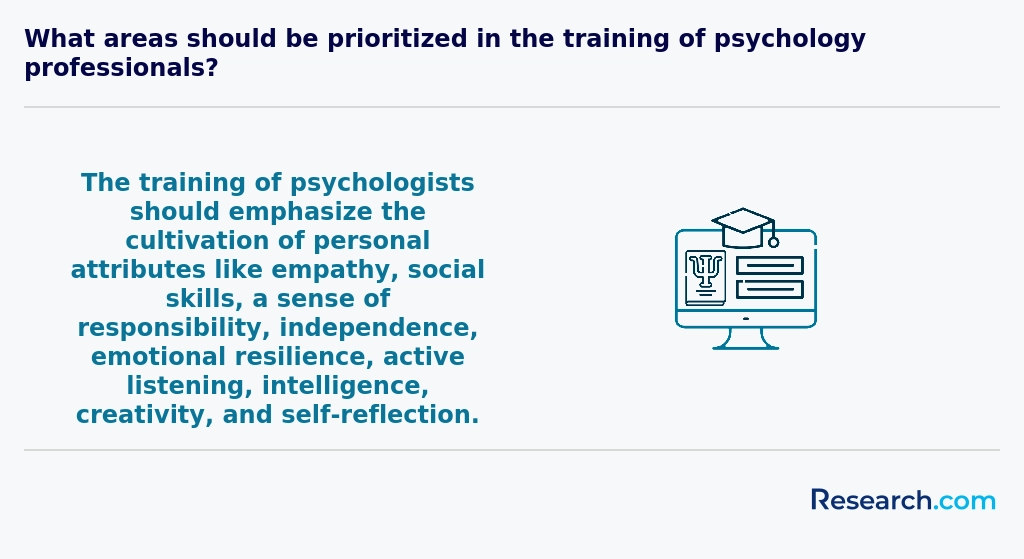
Employers in the South highly value psychology graduates who demonstrate strong critical thinking and research skills. These abilities are essential for analyzing data and developing evidence-based interventions. Additionally, excellent communication skills, both written and verbal, are frequently sought after to effectively collaborate with clients and colleagues.
Understanding cultural competence is increasingly important in the diverse Southern states. Graduates must show sensitivity to different backgrounds and experiences, which aligns with evolving industry standards and regional demographics. According to the Bureau of Labor Statistics, the demand for psychology professionals in Southern states is expected to grow by 12% through 2030, highlighting the need for adaptable and socially aware candidates.
Finally, proficiency in ethical decision-making and the use of modern psychological assessment tools enhances employability. Employers prefer graduates who can navigate complex cases with integrity and technological competence.
Finding internships in the South relevant to a psychology degree involves several strategic steps. Start by exploring opportunities through your university's career services, as many Southern schools partner with local clinics, hospitals, and mental health agencies.
The Southern Psychological Association highlights that internships often focus on clinical, counseling, or research psychology. Networking with professors and attending regional psychology conferences can also open doors.
Additionally, check state health department websites and organizations such as the American Psychological Association for listings specific to Southern states like Texas, Georgia, and North Carolina. Early applications are vital since competitive internships fill quickly.
A psychology degree in the South offers significant career mobility and advancement opportunities, especially as the region experiences growing demand for mental health professionals. According to the Bureau of Labor Statistics, states like Florida, Texas, and Georgia are projected to see a 12-15% increase in psychologist employment between 2022 and 2032, higher than the national average.
Graduates often find diverse roles in clinical, counseling, and industrial-organizational psychology. Many employers value a degree's combination of research and interpersonal skills, which can lead to promotions and specialization.
Furthermore, Southern universities frequently collaborate with local health services, providing practical experience that enhances employability.
Studying for a psychology degree in the South offers a strong foundation for interdisciplinary roles by integrating psychology with fields like education, healthcare, and social services. Many Southern universities emphasize collaboration across departments, preparing students to address complex societal issues.
For example, institutions such as the University of Florida and University of Georgia incorporate practicum experiences and research projects that combine psychology with public health and counseling. According to the National Center for Education Statistics, Southern states award approximately 35% of all U.S. psychology bachelor's degrees, highlighting regional emphasis on diverse career paths.
This interdisciplinary training enhances skills in communication, critical thinking, and applied research, all valuable in multifaceted professional environments.
Choosing between a thesis and a non-thesis psychology degree program in the South depends largely on your career goals and learning preferences. Thesis programs require conducting original research, which is ideal if you plan to pursue a doctoral degree or a research-driven career.
Non-thesis programs typically focus on coursework and practical skills, better suited for students aiming for immediate employment in counseling, education, or human services. According to the Southern Association of Colleges and Schools, about 60% of psychology master's programs in the South offer both options, allowing flexibility.
Consider your interest in research intensity and the time commitment; thesis tracks often take longer to complete due to the research process.
Students based in the South interested in studying psychology abroad have several pathways available through exchange programs and partnerships offered by Southern universities. Many institutions in states like Georgia, Florida, and Texas maintain active collaborations with universities in Europe and Asia, providing opportunities for semester-long or full-year study abroad experiences in psychology.
The Southern Association of Colleges and Schools Commission on Colleges (SACSCOC) accredits most Southern institutions, ensuring credits earned abroad are transferable. According to the Institute of International Education, approximately 15% of U.S. study abroad students originate from Southern states, reflecting growing interest.
Popular destinations for psychology students include the United Kingdom, Ireland, and Spain, where programs offer specialized courses related to clinical psychology, developmental psychology, and neuroscience. These options allow students to gain global perspectives and research experiences relevant to their degree goals.
Part-time job opportunities that complement psychology degree education in the South often include roles like mental health technician, behavioral health aide, and research assistant. These positions provide practical experience working with clients or participating in psychological research, which enhances academic knowledge. According to the Bureau of Labor Statistics (BLS), the demand for mental health support roles in Southern states like Texas and Florida is projected to grow by over 15% through 2030, reflecting the region's expanding healthcare sector.
Additionally, tutoring youth in psychology-related topics or assisting in university counseling centers can deepen students' understanding. Local non-profits and community health organizations often hire students part-time for outreach and support positions, providing valuable exposure to applied psychology practices.
Psychology students in the South benefit from diverse networking opportunities through university clubs, regional conferences, and internships. Many Southern universities host chapter meetings of the American Psychological Association's Student Affiliates, which connect students with faculty and professionals. For example, the Southeastern Psychological Association hosts an annual conference attracting hundreds of psychology students and practitioners, offering chances for presentations and networking.
Internships in hospitals, schools, and community centers are widely available throughout Southern states, helping students build professional contacts. According to the Bureau of Labor Statistics, states like Texas and Florida have some of the highest employment levels in psychology-related fields, enhancing local networking possibilities.
Alumni networks play a vital role for psychology degree students in the South by offering strong professional connections and mentorship opportunities. These networks often provide access to job openings and internships targeted specifically to the Southern region's psychology market, which can be highly competitive. According to data from the Southern Psychological Association, approximately 70% of psychology graduates in the South find employment through alumni referrals or networking events.
Alumni can also guide current students on licensure requirements and graduate school pathways unique to states in the South, such as Texas and Georgia. Networking within these communities helps students build credibility and gain insights on regional research trends and practice standards.
Students pursuing psychology degrees in the South can tailor their programs by selecting electives aligned with their career goals. Many universities offer concentrations such as clinical, developmental, or forensic psychology, allowing focus on specialized fields. Internships and research opportunities strengthen practical skills and resume appeal. According to the Southern Association of Colleges and Schools, several Southern institutions provide flexible curricula supporting part-time and online learning formats, accommodating diverse student needs.
Advisors play a key role in guiding course selection based on career aspirations, ensuring students meet licensure requirements for counseling or therapy roles. Additionally, Southern states like Florida and Texas have varying licensure policies, so customizing coursework accordingly is essential. This approach helps graduates meet local job market demands effectively.
Psychology students in the Southern United States often face unique challenges related to resources and access. According to the Southern Regional Education Board, some Southern states invest less per student in higher education compared to the national average, which can limit availability of research opportunities and faculty support.
Additionally, many students must balance part-time work due to higher rates of financial need, with nearly 30% of Southern college students reporting they work over 20 hours per week. This can impact their academic performance and ability to engage fully in hands-on psychology training.
Another challenge is limited access to diverse clinical sites for practicum experiences, especially in rural areas. This affects practical skill development crucial for psychology careers. Understanding these obstacles can help prospective students prepare more effectively.
With a psychology degree, graduates in the South can pursue several professional certifications that enhance career opportunities. Common certifications include Licensed Professional Counselor (LPC) and Licensed Clinical Social Worker (LCSW), both requiring advanced education and supervised experience. The South has a growing demand for mental health professionals, with states like Texas and Florida leading in certification applicants, according to the National Board for Certified Counselors (NBCC).
Additional certifications include Certified Addiction Counselor (CAC) and Board Certified Behavior Analyst (BCBA), which are valuable in specialized fields. These credentials often improve earning potential and job stability. Nationally, psychology-related certifications contribute to workforce readiness and are essential for clinical practice.
Writing a winning application for a psychology program in the South requires careful preparation and attention to detail. First, highlight your academic achievements, especially coursework related to psychology and statistics, as many programs value strong research skills. According to the Southern Regional Education Board, psychology programs in this region often emphasize research and community involvement.
Next, craft a compelling personal statement that clearly communicates your passion for psychology and your career goals. Be specific about why you want to study in the South, mentioning any faculty members or unique program features that align with your interests.
Strong letters of recommendation from professors or professionals familiar with your abilities are essential. Also, prepare for and submit competitive GRE scores if required, though some Southern schools have recently moved towards test-optional policies. Finally, demonstrate relevant experience through internships or volunteering, showcasing your commitment to the field.
Psychology careers in the U.S. are shaped by global trends in mental health awareness and scientific research. For students in the South, understanding these perspectives can guide career choices and educational paths.
Globally, psychology emphasizes evidence-based practices and multicultural competence, skills highly valued in Southern universities. According to the American Psychological Association, U.S. psychology employment is expected to grow 8% from 2021 to 2031, reflecting increasing demand for mental health services.
Southern institutions often integrate global psychology standards, preparing graduates for roles in clinical, counseling, and research settings. Exposure to international research and collaboration is common, enhancing career opportunities beyond regional boundaries.
This global focus helps Southern psychology degree holders adapt to diverse populations and evolving professional requirements, aligning career prospects with worldwide developments in mental health and behavioral sciences.
Students pursuing psychology degrees in the South can gain practical experience through various structured opportunities. Many universities offer internship programs with local mental health clinics, hospitals, and social service agencies, allowing students to apply theoretical knowledge in real-world settings.
Research assistant positions are also widely available, particularly at institutions with active psychology departments. For example, universities in states like Texas and Georgia often engage undergraduates in ongoing behavioral studies, enhancing both research skills and academic credentials.
Additionally, volunteering with community organizations focusing on mental health can provide valuable exposure to diverse populations and clinical practices.
According to the Southern Regional Education Board, approximately 65% of psychology students in this region participate in internships before graduation, highlighting the emphasis placed on experiential learning.
Choosing the right concentration within a psychology degree program in the South starts with understanding your career goals. Common concentrations include clinical, counseling, developmental, and industrial-organizational psychology. Each offers unique pathways-for example, clinical psychology prepares students for licensure as therapists, while industrial-organizational focuses on workplace behavior.
Regional factors matter. According to the Southern Regional Education Board, healthcare and social assistance remain top employment sectors in southern states, highlighting a demand for clinical and counseling psychologists. Research-intensive universities also offer strong experimental and neuropsychology tracks, ideal for those interested in academia or research careers.
Students should consider program accreditation and faculty expertise, as well as internship opportunities within the region. Exploring local job market trends and licensure requirements in southern states can help tailor your choice.
See What Experts Have To Say About Studying Psychology
Read our interview with Psychology experts

Elizabeth L. Jeglic Ph.D.
Psychology Expert
Professor of Psychology
City University of New York

Catherine Caldwell-Harris, Ph.D.
Psychology Expert
Associate Professor of Psychology
Boston University

Robin M. Kowalski. Ph.D.
Psychology Expert
Professor of Psychology
Clemson University

- Explore Psychology Degrees Online | Psychology.org https://www.psychology.org/online-degrees/
- Online Bachelor in Psychology (BA) Degree | South University https://www.southuniversity.edu/online/degrees-programs/psychology-ba
- Psychology - SWPS University https://english.swps.pl/academics/warsaw/ba-programs/psychology
- Financial Aid for Psychology Students https://www.onlinepsychologydegrees.com/financial-aid/
- Alumni Perspectives - Meet Our FPN Alumni https://www.aanmelder.nl/alumni-perspectives-june-2023
- Society for the Teaching of Psychology https://teachpsych.org/page-1784686/8675326
- Psychology Online Degree Pathway https://www.learndirect.com/course/psychology-online-degree
- Study Psychology Abroad https://astarfuture.co.uk/study_psychology_abroad.html
- What can I do with my Psychology degree? https://cognitionandco.co.za/what-can-i-do-with-my-psychology-degree/
- Ontario Psychological Association - Networking and Community Resources https://www.psych.on.ca/become-a-member-(1)/member-services/networking-and-community-resources