
2027 Best Psychology Degree Programs Ranking in Auburn

Co-Founder and Chief Data Scientist
Choosing the right psychology degree program in Auburn can be overwhelming. That's why this article presents the 2027 Best Psychology Degree Programs Ranking in Auburn, carefully crafted by the Research.com team of data scientists. It offers clear insights to help you find programs that truly match your goals.
By exploring this ranking, you'll discover valuable information that supports making a confident, informed decision. A psychology degree opens doors to meaningful careers helping others and understanding human behavior. Dive in and start your journey toward a rewarding future today.
Key benefits of getting psychology degree in Auburn
- Psychology degree graduates in Auburn can earn competitive salaries in fields like Marketing Research Analysis, with a mean annual wage of $83,190, or as Human Resources Specialists earning about $76,060 per year, offering strong financial motivation.
- Career paths from Auburn's psychology programs often lead to fulfilling roles such as Clinical Research Associate or Survey Researcher, helping people and advancing knowledge in mental health and human behavior.
- Online psychology degrees offer flexibility and convenience, allowing students in Auburn to balance work and study while gaining skills to pursue diverse psychology careers with the same valued credentials as traditional programs.
- 2027 Best Psychology Degree Programs Ranking in Auburn
- What can I expect from psychology degree in Auburn?
- Where can I work with psychology degree in Auburn?
What can I expect from psychology degree in Auburn?
Studying psychology in Auburn is an exciting journey, especially when you consider the financial side. On average, psychology students at Auburn University pay about $11,000 per year for in-state tuition, making it a surprisingly affordable choice compared to many other public universities. Imagine diving into cognitive psychology classes or hands-on internships without the constant worry of towering tuition bills-many graduates recall feeling relieved and motivated thanks to this manageable cost.
Beyond tuition, students often find scholarships specifically aimed at psychology majors that help ease financial pressures. One recent graduate shared how securing a departmental scholarship allowed them to focus more on research and clinical experience rather than part-time jobs. This means more time exploring fascinating topics and gaining real-world skills alongside faculty mentors. Such support nurtures a positive mindset and encourages that adventurous spirit essential for a thriving psychology student in Auburn's welcoming academic community.
Where can I work with psychology degree in Auburn?
Imagine stepping out of Auburn's renowned psychology programs, like those at Auburn University, ready to dive into vibrant career paths. Many graduates find themselves energized by working in local hospitals, mental health clinics, or rehab centers as behavioral health specialists or counselors, where every day brings new opportunities to make a tangible difference in people's lives. The city's growing healthcare scene is buzzing with need for compassionate professionals like you.
Others embrace roles in Auburn's school districts, supporting students as school psychologists or guidance counselors. Picture collaborating closely with teachers to craft personalized care plans that help young minds thrive, turning challenges into breakthroughs.
For those intrigued by the business world, Auburn's diverse companies offer exciting chances to apply psychology in employee training and organizational growth, turning insights about human behavior into workplace success stories.
Some graduates venture into social services or legal support roles, championing vulnerable populations as probation officers or victim advocates, drawing on their deep psychological understanding to create real change close to home.
Graduates from Auburn's psychology programs often find themselves stepping into diverse roles with promising pay. For instance, those who take on positions as Human Resources Specialists enjoy a mean annual wage around $76,060, according to national data. Imagine navigating workplace dynamics while earning a salary that supports your passion for people.
Others venture into the analytical side, becoming Marketing Research Analysts. Here, the mean annual salary can reach $83,190. A recent Auburn graduate shared that this career allowed them to blend psychological insights with market trends, turning curiosity into a lucrative adventure.
Clinical Research Associates, another path embraced by psychology graduates, earn a mean of approximately $62,370 yearly. Picture applying your research skills in healthcare settings around Auburn, contributing to studies that advance mental health treatments.
Childcare Workers, often a starting point for some graduates, have a mean annual wage near $32,070. This role offers deeply rewarding daily interactions with children, reflecting the heart of psychology's impact.
Survey Researchers earn about $62,370 on average and engage with communities to extract meaningful data. Auburn's vibrant metropolitan area fuels opportunities to connect directly with diverse populations, making this path feel alive and relevant.
- Auburn University offers both undergraduate and graduate psychology programs covering topics like cognitive, developmental, clinical, and social psychology.
- In-state tuition for a bachelor's degree in psychology is around $11,000 per year, while out-of-state tuition is approximately $31,000 annually.
- Entry-level psychology jobs in Auburn pay about $40,000 per year, with experienced or advanced-degree holders earning around $65,000 or more.
- Job opportunities are available in healthcare, education, social services, and private practice, driven by growing demand for mental health professionals.
- Licensure for clinical psychology requires advanced degrees and supervised clinical hours beyond the bachelor's level.
In Auburn, diving into a psychology degree usually means committing to about four years of full-time study when aiming for a bachelor's. Imagine walking the halls of Auburn University, where many graduates recall the thrill of balancing core courses with eye-opening electives-all fitting neatly into a four-year plan if you declare your major early and stay on track. Some students opt for part-time paths, stretching their journey to six years, unfolding at a pace that suits their lives.
If your curiosity drives you further, a master's degree in psychology typically takes two years. Auburn's graduate students often share stories of intense semesters filled with research and collaboration that blur the lines between classroom and real-world experiences.
For the truly adventurous, doctoral programs stretch from five to seven years, packed with challenges like research, internships, and the rewarding grind of dissertation writing. Auburn doctoral candidates embrace this journey eagerly, knowing each step deepens their expertise and impact.
To practice as a licensed psychologist or counselor in Alabama, graduates must navigate a series of regulatory steps designed to ensure professional competence and public safety. First, you must earn your degree from a regionally accredited institution with a psychology program recognized by the Alabama Board of Examiners in Psychology. Next, complete at least 2,000 hours of supervised post-doctoral experience under a board-approved supervisor-this experiential training is critical for developing clinical judgment and ethical practice. After fulfilling supervised practice hours, candidates must pass the Examination for Professional Practice in Psychology (EPPP), administered by the Association of State and Provincial Psychology Boards. Many Auburn programs offer preparatory workshops and sample exams, helping students build the foundational knowledge needed to succeed on the EPPP. In addition to the EPPP, applicants must clear the Alabama jurisprudence exam, which tests understanding of state laws, ethical codes, and professional standards. Once exams are passed, submit your licensure application to the Alabama Board of Examiners in Psychology along with official transcripts, supervisor evaluations, and application fees. Upon approval, you’ll receive a license to practice clinical psychology or counseling in Alabama. Continuing education is mandatory: licensed psychologists must complete 45 hours of approved CE every three years, ensuring they stay current with emerging research, therapeutic modalities, and ethical guidelines. While comparing program costs and potential ROI, you may also want to explore our Most Affordable Psychology Degree Programs Ranking in Oregon to benchmark tuition rates and financial aid opportunities against Auburn offerings.
Imagine juggling a full-time job while diving into the rich world of psychology-online programs offered by Auburn-area colleges open this door with flexible schedules and digital classrooms that fit your lifestyle. Graduates often share how buzzing through coursework at their own pace, from a cozy home spot or a favorite café, made learning feel like an exciting personal journey rather than a rigid routine.
On the other hand, stepping onto Auburn University's vibrant campus means engaging directly in lively discussions with professors and classmates, feeling the buzz of real-time debates and hands-on labs. Many graduates treasure those face-to-face moments, where spontaneous conversations in corridors or study groups spark new insights and deepen connections.
Think about the difference in costs too: on-campus programs might include housing and campus resource fees, while online routes sometimes trim expenses but add tech fees. Hands-on experiences like supervised internships or research assistantships-often part of on-campus degrees-equip students with practical skills crucial for future careers in psychology, bringing theories vividly to life.
Whether you crave the dynamic pulse of an Auburn campus or the freedom of virtual study, both paths offer unique adventures in uncovering the mind's mysteries.
Graduating with a psychology degree in Auburn, AL is only the first step toward a professional career; obtaining state licensure ensures you can legally practice and advance in roles such as clinical psychologist, school psychologist, or licensed counselor. In Alabama, the licensure process for psychologists and counselors involves several key stages: 1. Educational Credentials • Hold a regionally accredited doctoral degree in psychology (Ph.D. or Psy.D.) for psychologist licensure, or a master’s degree in counseling or related field for LPC (Licensed Professional Counselor). • Complete coursework that meets Alabama Board of Examiners in Psychology requirements, including ethics, assessment, and intervention methods. 2. Supervised Experience • Accumulate at least 2,000 hours of supervised professional experience post-degree for psychologists (1,000 hours may be pre-doctoral). • For LPCs, complete 3,000 hours of supervised work over no less than 24 months, including direct client contact and clinical supervision. 3. Examinations • Pass the Examination for Professional Practice in Psychology (EPPP) with a score set by the Alabama board. • LPC candidates must pass the National Counselor Examination (NCE) or the National Clinical Mental Health Counseling Examination (NCMHCE). 4. Application and Fees • Submit a completed application to the Alabama Board of Examiners in Psychology or Alabama Board of Examiners in Counseling, including official transcripts, supervisor affidavits, and relevant fees (typically $200–$300). 5. Continuing Education • Maintain licensure through 40 hours of approved continuing education every two years, covering ethics, evidence-based practice, and specialty topics. Alternative Pathways Not every aspiring therapist follows a traditional psychology bachelor’s route. For guidance on non-degree pathways, see how to become a therapist without a bachelor's in psychology. These alternative certification programs and supervised internships can lead to roles as counselor aides or life coaches while you pursue formal licensure. Understanding and planning for these licensure steps early in your Auburn psychology program will streamline your transition from graduate to practicing professional, enhancing your career prospects and ensuring compliance with Alabama’s regulatory standards.
The average cost of a psychology degree in Auburn offers a glimpse into an exciting academic adventure. For those immersing themselves in psychology programs at Auburn University, the median total cost lands around $51,558, reflecting the full journey from start to finish. Alabama residents find a more budget-friendly pathway, with the median in-state total cost closer to $12,890, making it inviting for local students passionate about delving into human behavior and mind sciences. This range captures tuition, fees, and other essentials, painting a clear picture for any aspiring psychologist.
Graduates often recall the thrill of navigating both challenging coursework and campus life in Auburn's vibrant environment, where dedicated professors and peers create a community of discovery. The balance between tuition and the rich experiences available means many students feel energized rather than weighed down by expenses. For example, the dynamic research opportunities and practical training amplify the value of every dollar spent on this psychology degree.
When exploring the average cost of psychology degree in Auburn, it's important to think beyond tuition. Housing, meals, and supplies are part of the equation, but financial aid unlocks doors, lightening the financial load and inviting more students to chase their ambitions. To further expand your understanding of psychology education options, checking out resources like psychology schools Ohio accreditation can inspire your path with broader perspectives.

For prospective psychology students in Auburn, AL, financial concerns can be a significant barrier to pursuing their educational goals. Understanding the costs associated with psychology programs and exploring affordable options are crucial steps in making informed decisions. When considering the financial aspect, it's essential to weigh the benefits of attending a local institution against the potential savings of online programs. Students can also explore options like the cheapest psychology schools in alabama, which can provide a quality education at a lower cost. By addressing financial concerns and finding affordable programs, aspiring psychology students can focus on their academic and professional aspirations, ultimately leading to a fulfilling career in psychology.
Imagine stepping onto Auburn University's vibrant campus, knowing that your psychology degree journey is supported by various financial aid treasures. Many students have found relief through federal aid by submitting the FAFSA, unlocking access to Pell Grants that can cover up to $7,395 yearly-major help for undergraduates facing $10,000 to $12,000 in-state tuition. Graduate students often discover assistantship roles, balancing research or teaching duties with tuition remission and stipends, a common lifeline at Auburn's psychology department.
Local scholarships tailored for Auburn psychology majors add another layer of opportunity, like hidden gems discovered through the university's financial aid office. Some graduates recall how the Alabama Student Assistance Program (ASAP) rewarded academic dedication with helpful grants, easing the journey even more.
Beyond campus, organizations like the American Psychological Association offer grants sparking excitement for students eager to dive into research. Combining these resources with work-study and part-time psychology-related jobs, Auburn students creatively craft their financial paths, turning challenges into empowering adventures.
Discover the best psychology programs in Auburn, selected for academic excellence, research opportunities, and graduate outcomes.
- Auburn University – Bachelor of Science in Psychology: Offers cutting-edge research labs and capstone internships.
- Tuskegee University – Bachelor of Arts in Psychology: Strength in community-focused projects and personalized mentorship.
- Southern Union State Community College – Associate of Science in Psychology: Affordable pathway with guaranteed transfer credits.
- Auburn University – Online Master’s in Psychology: Flexible, APA-accredited curriculum ideal for working professionals; explore cost-effective options for online masters psychology.
- Huntingdon College – Bachelor of Science in Psychology: Features small cohorts, individualized advising, and hands-on practicum experiences.
Ready to dive into psychology in Auburn? Most students embarking on this journey at Auburn University find that a solid high school foundation-strong skills in English, math, and science-is essential. Imagine yourself analyzing human behavior, backed by these core subjects that sharpen your critical thinking and statistical know-how. Graduates often recall how prior biology or social science courses gave them an edge, revealing the fascinating biological and social roots of psychology.
Applying means gathering materials like official transcripts, test scores, letters that tell your story, and a personal essay sharing your passion for psychology and future dreams. This step excites many who see it as the first real step toward their professional path.
For those chasing advanced degrees, like a master's or doctorate in Auburn, a bachelor's degree and a GPA near 3.0 are common expectations. GRE scores and psychology-related experiences-like volunteering or research-open doors, fueling the adventurous spirit of study and discovery.

In recent years, sports psychology has gained momentum as athletes, coaches, and teams increasingly recognize the benefits of integrating mental training with physical preparation. With a focus on performance enhancement, stress management, and team dynamics, the discipline not only bridges the gap between mental and physical well-being but also creates diverse career opportunities for psychology graduates. This growing field is characterized by innovative research, evolving methodologies, and a shift towards personalized mental coaching in athletic environments. For students interested in leveraging their psychology background in this niche area, understanding the pathway is essential-explore what is sports psychology to learn about career trajectories and the emerging trends that support long-term professional growth. Furthermore, integrating sports psychology insights into broader psychology curriculums enhances the relevance of traditional studies, offering graduates a competitive edge in both academic research and practical applications in dynamic sports and wellness settings.
Diving into a psychology degree in Auburn, students often find themselves captivated by core courses that shape their understanding of the human mind. At Auburn University, for instance, graduates recall how Introduction to Psychology felt like opening a fascinating book on human behavior, setting the stage for deeper exploration.
Many describe hands-on experiences in Research Methods in Psychology as thrilling - designing experiments and analyzing real data brought theories to life, making learning feel like genuine discovery. Statistics for Behavioral Sciences further sharpened their skills, turning once-daunting numbers into tools for understanding behavior patterns.
Courses such as Biological Psychology and Cognitive Psychology unlocked mysteries of how brain functions link with memory and perception, creating "aha" moments during lively lectures and lab sessions. In Developmental and Social Psychology, many found themselves relating theories to everyday interactions, sparking excitement about applying knowledge in real-world settings.
Meanwhile, exploring Abnormal Psychology allowed students to empathize deeply with those facing mental health challenges, turning academic study into personal growth. Psychology programs at Auburn colleges truly offer an adventure in understanding the human experience.
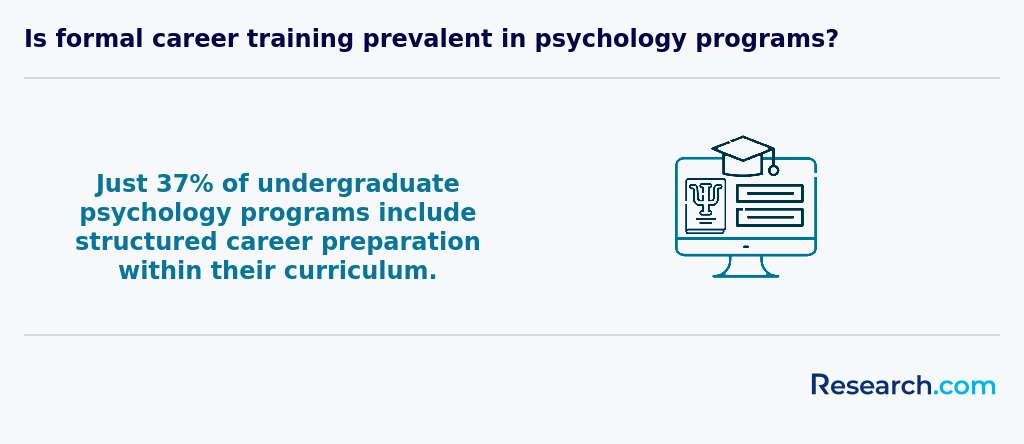
Exploring psychology degree specializations in Auburn opens doors to vibrant paths tailored to varied interests. Graduates from Auburn's popular colleges often highlight clinical psychology as a favorite, sharing stories of deep dives into diagnosing and treating mental health challenges, preparing them to become empathetic therapists. Another common choice, counseling psychology, draws students eager to make a difference through emotional support and guidance, often in community settings. Developmental psychology captivates those fascinated by human growth, especially in childhood, pairing well with Auburn's research-rich environments where students witness real-world impacts firsthand. Industrial-organizational psychology appeals to students intrigued by workplace dynamics, with local industries partnering with universities to study employee motivation and productivity, adding a tangible edge to classroom theories.
Among these options, the spectrum of psychology career options Auburn Alabama offers seems endless. For those curious about regional programs beyond Auburn, consider how these specializations compare with Michigan psychology degree programs, enriching your academic adventure by looking beyond local borders.
Choosing the best psychology degree programs in Auburn means diving deep into what truly sparks your curiosity. Imagine yourself at Auburn University, where graduates recall engaging directly with passionate professors who blend cutting-edge research and real-world application. These experiences bring foundational courses in social and cognitive psychology alive, fueling a genuine excitement for the field.
Consider the affordable psychology colleges Auburn offers, especially public institutions where tuition aligns with state averages-making quality education reachable without overwhelming financial stress. Many students find comfort in scholarships or assistantships that lighten the load, allowing them to focus on discovery and growth.
One standout aspect for students is Auburn's emphasis on internships and hands-on learning at local hospitals and nonprofits, which gives practical experience. Graduates often credit these moments for building confidence and clarifying career goals. If your interest veers toward social work, exploring social worker training programs can complement your journey seamlessly.
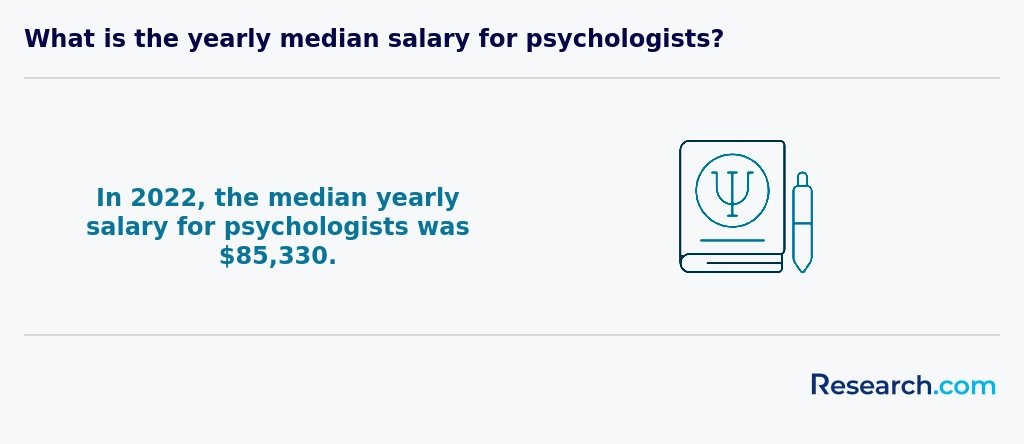
Exploring psychology career opportunities in Auburn reveals a vibrant range of paths where graduates from local universities thrive. Imagine working as a licensed clinical psychologist or counselor, supported by advanced degrees and gaining experience in hospitals or cozy private practices near Auburn. Graduates often share how rewarding it feels to help individuals heal while passing rigorous licensure exams that open these doors.
Others dive into the bustling world of industrial-organizational psychology, applying their skills to improve employee productivity in Auburn's growing tech and manufacturing sectors. For many, this is an exciting way to blend psychology with business, sharpening hiring and development strategies in dynamic workplaces.
Job prospects with psychology degree Auburn also include roles in schools or social services, where graduates support students and families. Many find this work incredibly fulfilling, especially with the state's ongoing demand for school support professionals.
Research roles at Auburn's universities offer another adventurous route, allowing graduates to contribute to meaningful projects and prepare for further studies. For students weighing the investment, it's reassuring to check the best college value rankings that highlight affordable options balancing cost and opportunity.
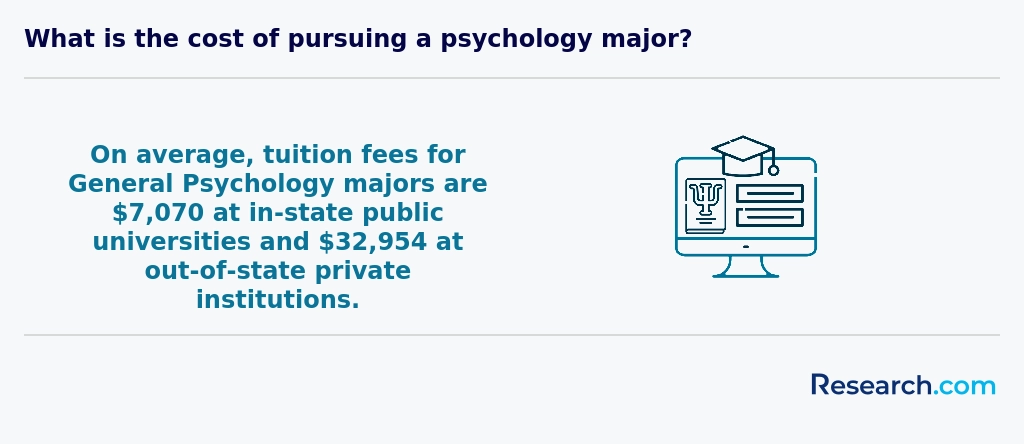
The job market for psychology graduates in Auburn buzzes with promising opportunities, especially for those eager to dive into community-focused roles. Graduates from Auburn University often find themselves stepping into positions as clinical psychologists or school counselors, roles that are expanding rapidly due to local health initiatives and growing educational needs. Imagine working alongside dedicated teams in local schools or mental health centers, where your skills directly impact real lives-this is the vibrant reality for many psychology degree careers in Auburn.
Many graduates describe their experience as both challenging and rewarding, driven by a supportive network from their alma mater and the area's growing focus on social services. Salaries typically align with national trends, with early-career professionals earning around $76,000 annually in Alabama, and higher degrees unlocking even greater potential. For those considering the affordable route, it's worth exploring the cheapest psychology schools in alabama to start this exciting journey.
Job outlook for psychology graduates Auburn also benefits from demand in rehabilitation programs and counseling roles, making it a landscape full of possibilities for those ready to engage with the community and grow professionally.
2027 Best Psychology Degree Programs Ranking in Auburn
Investing in your education is a significant decision that can shape your future, and the Research.com team understands the importance of making informed choices. To assist prospective students in Auburn, we have meticulously created the "2027 Best Psychology Degree Programs Ranking in Auburn." Our dedication to quality, credibility, and accuracy is demonstrated through extensive research and analysis behind this ranking.
We utilized the following reputable data sources to ensure a comprehensive evaluation of psychology programs:
By exploring this ranking, readers will gain valuable insights into the best psychology degree programs available in Auburn, empowering them to make well-informed decisions about their educational journey. For more details on how this ranking was developed, please visit our Research.com methodology page.

Frequently Asked Questions About psychology
Students pursuing psychology degrees in Auburn can enhance their learning by actively engaging with both academic and practical opportunities. Participating in research projects under faculty supervision allows deeper understanding of psychological theories. Auburn University, for example, offers access to labs focused on child development and cognitive neuroscience, promoting hands-on experience.
Joining psychology-related student organizations and attending local psychology conferences helps build professional networks and complements classroom knowledge. Additionally, internships within Auburn's healthcare facilities or community agencies provide real-world insights, improving job readiness.
Utilizing campus academic resources such as tutoring centers and counseling services can further support student success, aligning with proven strategies for higher retention rates in STEM and social sciences.
Emerging niches within the psychology field reflect growing societal needs and technological advances. In Auburn and across the U.S., specialties such as neuropsychology, health psychology, and forensic psychology are gaining prominence. Neuropsychology focuses on brain-behavior relationships, often working with patients recovering from injuries. Health psychology addresses behavioral factors influencing wellness and chronic illness, critical as healthcare systems emphasize prevention.
Forensic psychology applies psychological principles within legal contexts, supporting law enforcement and the justice system. Industrial-organizational psychology also expands, as businesses seek to improve workplace productivity and employee well-being. According to the U.S. Bureau of Labor Statistics, jobs in these specialized psychology areas are expected to grow faster than average through 2030, signaling strong demand for graduates trained in these fields.
Preparing for the job market after earning a psychology degree in Auburn involves multiple strategic steps. First, gaining practical experience through internships or research assistant roles is essential. Auburn's local healthcare facilities and university labs often provide such opportunities, helping students build relevant skills. Maintaining a strong GPA also enhances candidacy for competitive roles or graduate studies. Networking with faculty and local professionals can open doors to job prospects in clinical, counseling, or educational psychology fields.
According to the Bureau of Labor Statistics, the demand for psychologists is projected to grow 8% nationally from 2021 to 2031, underscoring the importance of specialized experience. Obtaining certifications or licenses, when applicable, significantly improves employability within Alabama's healthcare system.
Job seekers should also utilize Auburn University's career services for resume building and interview preparation tailored to psychology careers. Digital portfolios showcasing research, projects, or volunteer work can further demonstrate qualifications to potential employers.
Employers hiring psychology degree graduates in Auburn prioritize several key skills essential for success in diverse settings. Critical thinking stands out, enabling graduates to analyze behavioral data and apply psychological theories effectively. Strong communication skills, both written and verbal, are vital for collaborating with clients and interdisciplinary teams. According to the Bureau of Labor Statistics, employers in Alabama value competence in research methods and data interpretation, reflecting the region's growing emphasis on evidence-based practice.
Additionally, proficiency in ethical decision-making and cultural competency is highly sought after, given Auburn's diverse population and healthcare environments. Technical skills, such as familiarity with statistical software like SPSS or R, also improve employability. These competencies prepare graduates to contribute meaningfully in mental health, education, or organizational roles.
Finding internships in Auburn relevant to a psychology degree involves utilizing both university resources and local community connections. Auburn University's Psychology Department often posts internship opportunities on its career services platform, which partners with regional health clinics, schools, and counseling centers. According to the National Association of Colleges and Employers (NACE), internships in psychology can improve job prospects by up to 20% after graduation.
Students should also explore local hospitals like East Alabama Medical Center and mental health organizations, which frequently offer internships in clinical and research settings. Networking through Auburn's Psychology Club and attending local career fairs enhances access to internships tailored to psychology majors.
A psychology degree in Auburn can significantly enhance career mobility and advancement. The degree provides foundational knowledge and critical thinking skills highly valued in multiple sectors, including healthcare, education, and business. According to the Bureau of Labor Statistics, psychology-related occupations are projected to grow 8% nationally by 2031, reflecting steady demand.
Locally, Auburn benefits from opportunities in counseling centers, schools, and community health agencies where psychology graduates can advance professionally. Earning a degree often qualifies individuals for entry-level positions with pathways to specialized roles such as clinical psychologist or human resources manager.
Furthermore, Auburn's proximity to research institutions supports continuing education and networking, which are vital for career growth. Graduate degrees, particularly, can lead to leadership roles and higher salaries, enhancing long-term career prospects.
Studying for a psychology degree in Auburn equips students with skills valuable across multiple fields, including healthcare, education, and business. Programs often emphasize research methods, critical thinking, and communication, which are essential in interdisciplinary roles.
Many Auburn institutions integrate practical experiences, such as internships and collaborative projects, exposing students to real-world challenges that involve psychology alongside other disciplines like sociology, biology, and public health.
According to the National Center for Education Statistics, Auburn-based psychology graduates have increasing employment opportunities in diverse sectors, reflecting the demand for professionals capable of bridging multiple areas of expertise.
This interdisciplinary training supports versatile career paths, preparing graduates to contribute effectively in team environments and varied professional settings.
Choosing between a thesis and a non-thesis psychology degree program in Auburn depends largely on your career goals and learning preferences. Thesis programs emphasize original research, ideal for students considering doctoral studies or research careers. Non-thesis programs focus more on coursework and practical skills, suitable for those aiming to enter the workforce directly after graduation.
In Auburn, universities like Auburn University offer both options within their psychology departments. According to the Auburn University Graduate School, about 40% of psychology master's students opt for thesis tracks, reflecting a strong research presence in the region.
Consider the time commitment: thesis programs often require a year or more devoted to research and writing. Non-thesis paths usually have a shorter duration, which can be attractive if you prefer a faster route to employment. Additionally, funding opportunities and assistantships frequently favor thesis students.
Review program descriptions and faculty interests carefully to align with your professional plans.
Students based in Auburn who wish to study psychology abroad have several options through U.S. universities' international programs. Auburn University itself offers study abroad partnerships with institutions in Europe, Asia, and Australia, allowing psychology majors to earn credit overseas while engaging in cultural exchange. According to Auburn University's Office of International Programs, about 10% of psychology undergraduates participate in some form of study abroad during their degree.
Many Auburn-based students also pursue psychology-focused semester or summer programs through third-party providers that collaborate with U.S. colleges. These programs often include coursework in global psychological practices and intercultural studies, enhancing academic and professional perspectives.
Additionally, students can explore fully accredited psychology degrees abroad via transfer agreements, although these require careful coordination with academic advisors to ensure seamless credit transfer. This approach is less common but increasingly accessible as global education networks expand.
Students pursuing psychology degrees in Auburn have access to various part-time job opportunities that complement their academic goals. Roles such as behavioral health technician, peer counselor, or research assistant are commonly available through local healthcare facilities and Auburn University's psychology department. These positions provide practical experience in understanding human behavior and research methods.
Additionally, the Auburn area hosts mental health clinics and social service organizations offering internships or part-time roles, ideal for applied learning. According to the Bureau of Labor Statistics, gaining relevant work experience boosts employability in psychology-related careers.
Such jobs also enhance skills like communication, data analysis, and client interaction, strengthening a graduate's resume.
Psychology students in Auburn have access to several networking opportunities through local universities such as Auburn University. The university's Department of Psychology regularly hosts events, guest lectures, and research symposiums, which connect students with faculty and professionals in the field.
The Alabama Psychological Association, headquartered nearby, offers student memberships providing access to conferences and workshops. These events are valuable for meeting practicing psychologists and academics.
Internship programs coordinated by Auburn's psychology department place students in local clinics, schools, and community centers, fostering professional connections and practical experience.
Students also benefit from involvement in national organizations like the American Psychological Association's student division, which supports networking at regional and national levels.
Alumni networks in Auburn provide significant advantages to psychology degree students by offering strong professional connections. Graduates from Auburn's psychology programs often engage with alumni through organized events and online platforms, facilitating mentorship and career advice. According to data from the National Association of Colleges and Employers, students with access to engaged alumni networks are 20% more likely to secure internships or job placements early.
In Auburn, many psychology alumni work in local clinics, schools, and research institutions, creating a localized support system. This network helps current students navigate the job market and graduate school admissions by sharing firsthand experiences and opportunities specific to the psychology field in Alabama.
Furthermore, alumni can provide recommendations for research opportunities or doctoral programs, especially since Auburn's network includes professionals who have pursued advanced degrees nationwide. Collaborative alumni activities thus enhance both academic and professional development for psychology students in Auburn.
Customizing a psychology degree program in Auburn allows students to align their education with specific career goals. Many Auburn institutions offer electives and concentrations such as clinical psychology, counseling, or industrial-organizational psychology. This flexibility helps students gain specialized knowledge relevant to their interests.
Students can also engage in research projects or internships in local health facilities, schools, or businesses, providing practical experience. Auburn's proximity to diverse communities offers valuable fieldwork opportunities.
Advisors typically assist students in selecting courses and experiences that match professional aspirations, ensuring a tailored academic path. According to the National Center for Education Statistics, over 70% of psychology undergraduates pursue such customization to enhance job prospects.
Psychology students in Auburn often face several academic and practical challenges during their studies. One common difficulty is managing the demanding coursework, which includes statistics, research methods, and various theory-heavy classes requiring strong analytical skills. According to data from the National Center for Education Statistics, time management remains a leading concern among psychology undergraduates across the US, including Auburn.
Another challenge is gaining access to quality internship and practicum opportunities necessary for hands-on experience. Auburn's competitive job market in clinical and counseling psychology means students must proactively seek placements to build their resumes.
Additionally, balancing study, research, and personal responsibilities causes stress. Counseling services on campus report increased demand from psychology students coping with academic pressures and mental health issues.
With a psychology degree in Auburn, you can pursue several professional certifications that enhance your career options. Common certifications include becoming a Licensed Professional Counselor (LPC) or a Licensed Clinical Social Worker (LCSW), both requiring graduate degrees and supervised experience. The National Board for Certified Counselors (NBCC) also offers the Certified Clinical Mental Health Counselor (CCMHC) credential, valued across Alabama and nationally.
For those interested in school psychology, certification through the National Association of School Psychologists (NASP) is essential. Additionally, Auburn graduates may consider certifications like the Board Certified Behavior Analyst (BCBA), especially relevant due to growing demand in behavioral therapy services.
These certifications often require passing exams and completing continuing education, helping graduates maintain professional standards and increase employability in Auburn's expanding mental health sector.
Applying to psychology programs in Auburn requires a clear and focused approach. First, highlight your academic achievements, especially coursework related to psychology, as many Auburn institutions emphasize strong foundational knowledge in science and social sciences. Including relevant volunteer or work experience in mental health settings strengthens your application.
Personal statements should demonstrate your passion for psychology and understanding of the field's impact. Auburn programs often value applicants who show community engagement or research interest. According to the National Center for Education Statistics, psychology enrollments in Alabama rose by 7% recently, increasing competition.
Strong letters of recommendation from professors or professionals familiar with your abilities are crucial. Finally, adhere to application deadlines and requirements specific to Auburn institutions to ensure your submission is considered complete.
Psychology careers have a broad global relevance, yet the pathways and opportunities vary across countries. In the United States, including Auburn, psychology is a well-established field with strong academic programs and growing career prospects. The U.S. Bureau of Labor Statistics projects a 8% growth in psychologist jobs from 2021 to 2031, reflecting increasing demand for mental health services.
Globally, psychology professionals may work in clinical, educational, or organizational settings, but U.S. training emphasizes licensure and evidence-based practice. Auburn colleges align with national standards, preparing graduates for diverse roles in healthcare, research, and counseling.
International perspectives encourage cross-cultural competence, which Auburn programs integrate to equip students for work in multicultural environments. This global outlook benefits Auburn students who may pursue careers or collaborations abroad, highlighting psychology's expanding worldwide significance.
Gaining practical experience while studying for a psychology degree in Auburn is essential for career readiness. Many Auburn universities offer internship opportunities through partnerships with local hospitals, clinics, and counseling centers. These internships allow students to apply classroom knowledge in real-world settings under supervision. Additionally, students can participate in research labs, where they assist faculty with ongoing psychological studies, enhancing both skills and résumés.
Volunteer work at community mental health organizations is another valuable way to gain hands-on experience. According to the National Association of Schools of Psychology, Auburn-area programs emphasize experiential learning to meet licensure requirements and improve job prospects after graduation.
Choosing the right concentration within a psychology degree program in Auburn requires understanding your career goals and interests. Popular concentrations include clinical psychology, counseling, developmental psychology, and neuropsychology. Each offers different paths, such as therapy, research, or healthcare. Auburn's universities often provide specialized tracks, so reviewing course offerings and faculty expertise is critical.
Additionally, consider the job market in Alabama. According to the Bureau of Labor Statistics, clinical and counseling psychologists in Alabama earned a median annual wage of about $77,000 in 2023. Look for concentrations that align with local demand and licensing requirements, which vary by state.
Finally, hands-on experiences like internships or research opportunities in Auburn can help you decide and strengthen your application for graduate programs or employment.
- 2027 Best Psychology Degree Programs Ranking in Montgomery
- 2027 Best Psychology Degree Programs Ranking in Birmingham
- 2027 Best Psychology Degree Programs Ranking in Atlanta
- 2027 Best Psychology Degree Programs Ranking in Macon
- 2027 Best Psychology Degree Programs Ranking in Tallahassee
- 2027 Best Psychology Degree Programs Ranking in Mobile
- 2027 Best Psychology Degree Programs Ranking in Hattiesburg
- 2027 Best Psychology Degree Programs Ranking in New Orleans
- 2027 Best Psychology Degree Programs Ranking in Daytona Beach
- 2027 Best Psychology Degree Programs Ranking in Baton Rouge
See What Experts Have To Say About Studying Psychology
Read our interview with Psychology experts

Joann Farrell Quinn, Ph.D., MBA
Psychology Expert
Director at the College of Medicine Department of Medical Education
Morsani College of Medicine

Robin M. Kowalski. Ph.D.
Psychology Expert
Professor of Psychology
Clemson University

Elizabeth L. Jeglic Ph.D.
Psychology Expert
Professor of Psychology
City University of New York

- Study Psychology Abroad https://astarfuture.co.uk/study_psychology_abroad.html
- Professional Networking For Psychologists | Psychology.org https://www.psychology.org/resources/professional-networking/
- Sample letters in psychology https://www.mystudies.com/en-in/human-and-social-sciences/psychology/letter-model/
- CLINICAL PSYCHOLOGY (THESIS / NON-THESIS) - Lisansüstü Eğitim Enstitüsü https://lee.nisantasi.edu.tr/en/clinical-psychology-thesis-non-thesis/
- Mental Health Challenges Faced by Psychology Students | The Healthcare Guys https://healthcareguys.com/2023/11/23/mental-health-challenges-faced-by-psychology-students/
- Why Get a Psychology Degree Online? | University of Bridgeport https://www.bridgeport.edu/news/reasons-to-get-your-psychology-degree-online/
- Auburn Tuition and Financial Aid https://www.prepscholar.com/sat/s/colleges/Auburn-tuition-financial-aid
- Community Psychology in Global Perspective http://siba-ese.unisalento.it/index.php/cpgp
- Know more about thesis vs non- thesis: what is the difference? https://studyfans.com/en/blogs/816
- Psychology - SWPS University https://english.swps.pl/academics/warsaw/ba-programs/psychology


