
2027 Best Online Psychology Degree Programs Ranking in Minnesota

Co-Founder and Chief Data Scientist
Choosing the right psychology degree program can feel overwhelming, especially when looking for quality options in Minnesota. This article introduces the 2027 Best Online Psychology Degree Programs Ranking in Minnesota, carefully developed by the Research.com team of data scientists.
By exploring this ranking, you'll discover reputable programs that align with your goals and lifestyle. A psychology degree opens doors to meaningful careers, personal growth, and the chance to make a real difference in people's lives.
We're here to help you make an informed, confident decision about your future education.
Key benefits of getting online psychology degree in Minnesota
- Psychology degree graduates in Minnesota can expect rewarding salaries, such as a Marketing Research Analyst earning around $83,190 annually or a Clinical Research Associate making about $62,370 per year.
- Career paths from a psychology degree include roles in human resources, clinical research, marketing analysis, and childcare, offering diverse opportunities for meaningful and impactful work.
- Completing a psychology degree online from a Minnesota university often allows greater flexibility and the chance to balance studies with work or family life, making education more accessible and tailored to your lifestyle.
- 2027 Best Online Psychology Degree Programs Ranking in Minnesota
- What can I expect from online psychology degree in Minnesota?
- Where can I work with online psychology degree in Minnesota?
What can I expect from online psychology degree in Minnesota?
The average cost of an online psychology degree in Minnesota varies depending on the institution, but students can generally expect to invest between $15,000 and $40,000 for a bachelor's program. Graduates from well-known local colleges often recall balancing tuition with financial aid opportunities offered specifically within Minnesota, such as state grants for mental health career paths. For example, many found success applying for scholarships through the Minnesota Office of Higher Education, which significantly eased their financial burden.
Master's and doctoral programs naturally carry higher price tags, often ranging from $20,000 to $60,000, reflecting the advanced training required for licensure. Graduates from these programs appreciated how online structures allowed them to maintain jobs and reduce costs linked to commuting or relocating. Universities like those in the Twin Cities offer regionally authorized online programs whose tuition reflects competitive pricing with built-in flexibility.
In practical terms, prospective students should budget not only for tuition but also for materials and supervised clinical hours required by the Minnesota Board of Psychology licensing standards. Many online programs help by coordinating local internship placements, reducing extra costs. This combined approach makes quality psychology education both achievable and affordable within the state's supportive framework.
Where can I work with online psychology degree in Minnesota?
Graduates with an online psychology degree in Minnesota often find rewarding roles across healthcare, education, and business sectors. For example, graduates from the University of Minnesota frequently enter behavioral health settings, working as mental health counselors or case managers in hospitals and community clinics. These roles offer daily opportunities to make a real difference in people's lives, supporting mental wellness and recovery.
Others from institutions like Minnesota State University explore positions in schools, serving as academic advisors or school counselors, helping students navigate challenges and succeed. Such roles bring meaningful connections and a sense of fulfillment.
Some graduates leverage their psychology background in corporate environments, taking on human resources or market research positions. Their understanding of human behavior enhances team dynamics and strategic decision-making.
Many alumni emphasize the importance of checking licensure requirements for clinical practice and often pursue further education or supervised experience to broaden their career options within the state. Taking this proactive approach empowers graduates to advance confidently in their chosen path.
Graduates with an online psychology degree in Minnesota can expect to earn varied salaries based on their chosen career path. For instance, those stepping into roles as clinical research associates or survey researchers typically start with an average annual wage of about $62,370. This provides a solid foundation for recent graduates from institutions like the University of Minnesota or St. Cloud State University, who often share that gaining hands-on experience during internships enhances their confidence and job prospects.
Others pursuing positions as human resources specialists can expect a higher mean annual salary near $76,060. Marketing research analysts, another popular career route, have an average salary of approximately $83,190 yearly, reflecting the value of combining psychological insight with business skills. Graduates often note that Minnesota's strong job market and demand for mental health and organizational expertise provide optimism about growth and advancement opportunities.
Even entry-level roles such as childcare workers offer steady pay around $32,070 per year, making psychology degrees versatile in opening doors across diverse fields. By focusing on gaining relevant experience during their studies, many find rewarding careers that align well with their personal strengths and passions.
- Online psychology degrees in Minnesota range from associate to doctoral levels and are accredited by agencies like the Higher Learning Commission (HLC).
- In-state tuition for a bachelor's degree typically costs between $10,000 and $25,000 per year, with private schools sometimes charging over $30,000 annually.
- The state employs about 12,000 psychologists and mental health professionals, with entry-level salaries averaging $55,000 to $65,000 annually.
- Advanced degrees and experience can lead to salaries above $90,000, especially in clinical psychology and licensed counseling roles.
- Online programs often include practicum or internships required for Minnesota state licensure and support continuing education for licensed psychologists.
Completing an online psychology degree in Minnesota commonly takes about 4 years for full-time bachelor's students at schools like the University of Minnesota or St. Cloud State University. Many graduates recall balancing coursework with jobs or family but appreciated the structure that helped them stay on track.
For master's degrees, students at institutions such as Metropolitan State University often finish between 1.5 to 3 years. Part-time enrollment is popular here, allowing working professionals flexibility, though it may stretch the timeline a bit. Graduates share that staying organized and communicating with advisors made managing deadlines easier.
Doctoral programs in Minnesota, offered through universities like the University of Minnesota Duluth, typically take 4 to 7 years. Graduates highlight the rewarding challenge of integrating dissertation work and clinical training, emphasizing consistent pacing and using campus resources to maintain motivation.
Those considering online psychology degrees should evaluate course loads and personal schedules carefully. Choosing programs with accelerated or year-round options can significantly shorten completion time, while also allowing for a fulfilling and manageable learning experience.
- Flexible scheduling lets you balance coursework with work and family commitments.
- Lower overall costs and no commuting expenses make tuition more manageable.
- Accredited programs ensure you meet Minnesota’s licensure requirements.
- Diverse specializations-from clinical and counseling to forensic and industrial-organizational psychology.
- Access to virtual labs, libraries, and career services; explore the cheapest online degree in psychology for maximum value.
Choosing between an online or on-campus psychology degree in Minnesota mainly comes down to how you prefer to learn and your daily schedule. Graduates from the University of Minnesota who chose online programs often highlight the freedom to study from home while balancing jobs or family, appreciating how it removes commuting stress and fits diverse lifestyles. Conversely, those who attended on-campus classes describe the energizing atmosphere of face-to-face discussions and easy access to resources like campus psychology labs and counseling centers, which they found especially helpful for their clinical training.
Online students should plan ahead for practicum placements, often arranged locally, since hands-on experience is crucial and requires physical presence. Tuition costs are similar, but online learners save on housing and transport, which can ease financial pressure. Whether you thrive on structured, scheduled class times or need flexible pacing, Minnesota's accredited programs, such as at St. Cloud State University, provide quality education recognized by the APA to support your professional goals.
When considering online psychology programs in Minnesota, affordability is a crucial factor. Prospective students should explore options that fit their budget, taking into account tuition fees, additional costs, and potential financial aid. For instance, those looking for cheapest psychology schools in minnesota can find valuable information to make informed decisions. Understanding the total cost of attendance and available financial assistance can significantly impact the choice of program. Many institutions offer scholarships, grants, and federal loans to support students in their educational journey. By carefully evaluating these factors, students can find an online psychology program in Minnesota that meets their academic and financial needs, paving the way for a successful and rewarding career in psychology.
The average cost of an online psychology degree in Minnesota typically centers around a median total tuition of approximately $50,400, offering a realistic benchmark for budgeting your education. Public universities like the University of Minnesota system often grant in-state students access to more affordable tuition rates, making it easier to manage costs while pursuing your degree online. Graduates from such programs frequently highlight the balance of quality education and reasonable expense as a key factor in their positive academic experience.
Students aiming for private colleges in Minnesota may face higher tuition fees; however, many find that scholarships and financial aid opportunities help ease the financial load. Those pursuing graduate-level psychology degrees can expect tuition to vary with program length but often benefit from institutional support. By carefully considering residency status and selecting programs known for cost-efficiency, prospective learners can take practical steps toward minimizing expenses while earning a respected Minnesota psychology degree.
Additional costs like books, technology, and fees typically add to the total investment but are often manageable with careful planning. Many students successfully navigate these expenses by researching specific university offerings and exploring tuition discounts available for online learners. To compare options and identify schools that combine affordability with quality education, consider reviewing the cheapest psychology schools in minnesota, which provide valuable insights into managing Minnesota online psychology degree tuition fees effectively.

Earning an online psychology degree in Minnesota is just the first step toward professional practice. To become a licensed psychologist, counselor, or school psychologist, graduates must follow specific regulatory pathways overseen by the Minnesota Board of Psychology and other state agencies. 1. Educational Requirements: - Psychologists: A doctoral degree (PhD or PsyD) from a program accredited by the American Psychological Association (APA) is required. - Licensed Professional Counselors (LPCs): A master’s degree in counseling or psychology, including at least 60 graduate semester credits. - School Psychologists: A specialist-level credential (e.g., EdS) or master’s plus an approved certificate program. 2. Supervised Experience: - Psychologists complete a minimum of 1,500 hours of predoctoral internship and 1,500 hours of postdoctoral supervised practice. - LPC candidates accrue 3,000 hours of supervised clinical experience, including at least 100 hours of direct supervision. - School psychologists complete a 1,200-hour supervised internship in a K–12 setting. 3. Examination Requirements: - Psychologists must pass the Examination for Professional Practice in Psychology (EPPP). - LPCs take the National Counselor Examination (NCE) or the National Clinical Mental Health Counseling Examination (NCMHCE). - School psychologists sit for the Praxis II: School Psychology exam. 4. Application and Fees: - Submit official transcripts, supervised experience logs, exam scores, and background checks to the Minnesota Board of Psychology (or Department of Education for school psychologists). - Pay application and renewal fees (varies by license type). 5. Continuing Education: - All licenses require 30 hours of approved continuing education every two years, including ethics training. For students eager to accelerate their progress toward licensure and reduce time in supervised practice, exploring a fast track psychology degree can provide the intensive coursework and structured practicum needed to jumpstart a successful career in Minnesota’s mental health field.
Many students pursuing an online psychology degree in Minnesota find federal aid essential. By completing the FAFSA, they access Pell Grants and FSEOG, which help lower tuition without requiring repayment. Graduates from the University of Minnesota or Minnesota State University often share how Pell Grants eased their financial stress, making their studies more enjoyable.
The Minnesota State Grant Program is another valuable resource. Students enrolled in public schools within the system, like St. Cloud State University, receive need-based grants that reduce costs significantly, supporting online learners juggling work and school.
Scholarships from entities like the Minnesota Psychological Association and Psi Chi reward dedication and leadership in psychology students. Many recipients recount the pride and motivation these awards brought, fueling their academic success.
Furthermore, employer tuition assistance is common among graduates working in mental health fields in Minnesota, helping them advance with less financial strain. Public Service Loan Forgiveness also offers relief for professionals serving underserved communities after consistent payments.
To practice independently as a psychologist in Minnesota, graduates of online psychology programs must navigate a structured licensure process overseen by the Minnesota Board of Psychology. First, candidates must earn a doctoral degree in psychology from an APA-accredited institution or a regionally accredited program that meets the Board’s education standards. Those holding a master’s degree may qualify for provisional licensure under supervision but cannot use the title “psychologist.” Next, applicants complete 1,500 hours of supervised professional experience, including at least 500 hours of direct client contact. Supervision must be provided by a licensed psychologist and documented through Board-approved forms. Once supervised hours are satisfied, candidates register for and pass the Examination for Professional Practice in Psychology (EPPP), a standardized test assessing core competencies in assessment, intervention, ethics, and research. Minnesota also requires a state jurisprudence examination covering local statutes and ethical rules. After successful exam completion, applicants submit their licensure packet-transcripts, supervision logs, exam scores, and fees-to the Minnesota Board of Psychology. Upon approval, they receive full licensure and the “Licensed Psychologist” designation. To maintain licensure, psychologists must complete 40 continuing education credits every two years, with at least 10 credits in ethics or Minnesota law. For students comparing program costs and outcomes, it may also be helpful to review the Most Affordable Psychology Degree Programs Ranking in Oregon, which highlights cost-effective pathways that can complement your licensure journey.
To enroll in an online psychology degree in Minnesota, you'll need a high school diploma or GED for undergraduate programs, typically backed by a GPA around 2.5 to 3.0. Graduates from universities like the University of Minnesota often advise boosting readiness by focusing on biology and English courses in high school to tackle the program's scientific and writing demands confidently.
For graduate programs, a bachelor's degree is essential, with many schools preferring psychology or social science backgrounds. Graduates from Minnesota State University highlight the value of submitting strong personal statements and letters of recommendation, especially since some programs may ask for GRE scores, though these are increasingly optional.
Work experience in mental health, volunteer roles, or internships give your application a competitive edge, reflecting real-world commitment and enhancing practical understanding. Many students find these experiences essential for programs emphasizing professional readiness, such as those accredited by the APA.
Finally, technical skills matter: reliable internet and comfort with digital platforms are critical. Successful graduates often remind prospective students to be prepared for online class participation and occasional proctored exams, making online learning smooth and rewarding.
Online psychology degree programs in Minnesota typically include courses that build a strong foundation and practical skills for careers in mental health and research. Graduates from popular institutions like the University of Minnesota often mention how courses like Introduction to Psychology provide a clear overview of key theories and the history of psychology, making complex ideas relatable and easier to grasp.
Students also find Research Methods and Statistics essential, as they learn to design experiments and analyze data using industry-standard software, a skill often praised during job interviews and graduate studies. Many appreciate the depth of Biological Psychology and Cognitive Psychology classes, which explain how the brain influences behavior-helpful when observing real-world applications like behavioral therapy scenarios seen in coursework at Minnesota State University.
Courses such as Developmental Psychology and Social Psychology prepare students to understand human behavior in social and lifespan contexts, which recent graduates describe as eye-opening and emotionally rewarding. Finally, ethics courses ensure students grasp professional standards, which they find especially valuable when entering counseling or clinical roles in Minnesota's mental health sector.
Students pursuing an online psychology degree in Minnesota can choose from several practical specializations tailored to local industry demands. Clinical psychology remains a popular path, preparing graduates to diagnose and treat mental health conditions in hospitals and private practices across the state. Counseling psychology is another sought-after focus, supporting individuals with everyday challenges through community-centered therapy-an approach many students at well-regarded Minnesota colleges find deeply rewarding in their future careers.
Industrial-organizational psychology stands out for those aiming to enhance workplace productivity in Minnesota's diverse economy, which includes technology and healthcare sectors. Graduates often share how this specialization opens opportunities in corporate settings, helping companies boost employee well-being. Developmental psychology, common among online psychology degree specializations Minnesota, offers routes into educational and research roles focused on human growth across the lifespan.
Forensic psychology, while less common, appeals to those interested in criminal justice reform, a growing focus in Minnesota. Many students appreciate how this specialty combines legal knowledge with psychology to address criminal behavior.
Those looking for advanced options can also explore online phd psychology programs in texas to complement their Minnesota-based studies and broaden their expertise.
Start by verifying that the online psychology program is regionally accredited, ideally by the Higher Learning Commission, which is common among respected Minnesota universities. Graduates from these institutions often express confidence that their degree holds value for local employers and graduate schools. Many students appreciate programs that offer flexibility through asynchronous courses, allowing them to balance studies with work or family life.
Look closely at curriculum options to ensure alignment with your career goals, such as clinical counseling or forensic psychology, particularly if you aim to obtain licensure in Minnesota. Graduates from well-known Minnesota colleges highlight the importance of programs that include practicums and internships, providing hands-on experience critical to real-world success. Cost is another key factor; affordable online psychology degrees Minnesota offers can reduce financial stress, especially when factoring in savings from not commuting.
For a quicker pathway, some students explore fast track psychology degree options that maintain academic quality. Checking faculty expertise and job placement rates can also help ensure the program meets your professional aspirations.

Online psychology degree careers Minnesota graduates pursue often include clinical or counseling psychology, which typically requires advanced degrees and licensure. Graduates from universities like the University of Minnesota share how hands-on experiences during their online courses helped them confidently enter mental health counseling roles. These careers offer steady job growth and competitive salaries, reflecting the state's growing demand.
Others find rewarding roles in social services or education, such as case managers or school support staff, where a psychology background enhances their ability to support individuals effectively. Graduates from colleges like Augsburg University highlight how their flexible online studies enabled them to gain relevant certifications while working.
Additionally, psychology skills open doors in business fields like human resources and market research. Many business-oriented graduates from Minnesota's online programs describe using psychological principles to improve workplace culture and consumer engagement.
For those aiming at research or academic positions, Minnesota's strong university programs prepare students for doctoral studies. Exploring options like the Most Affordable Psychology Degree Programs Ranking in Oregon can offer insights for supplementing local education with affordable pathways.
The job market for online psychology degree employment Minnesota is steadily growing, with graduates finding roles in mental health counseling, educational support, and organizational psychology across the state. Graduates from well-known institutions such as the University of Minnesota and St. Cloud State University often share that their online programs prepared them well for practical challenges in real-world settings, like counseling diverse populations or supporting employee wellbeing in Minnesota businesses.
Many find success by securing internships at local hospitals or schools during their studies, which helps build the hands-on experience needed to enter the competitive job market. Licensing is essential; completing programs that satisfy Minnesota's requirements enables sitting for exams like the National Counselor Examination, a step frequently highlighted by graduates as key to career advancement. Those interested in specialization should explore options to enhance credentials and consider programs that meet these licensure standards.
Tuition costs for public universities vary, but many students benefit from employer tuition reimbursement or federal financial aid, making an online degree affordable. For those uncertain about which program fits best, exploring the easiest bachelor's degree options can help balance workload and career goals.
2027 Best Online Psychology Degree Programs Ranking in Minnesota
Investing in your education is a significant decision that can shape your future, and the Research.com team understands the importance of making informed choices. To assist prospective students in Minnesota, we have meticulously crafted the "2027 Best Online Psychology Degree Programs Ranking in Minnesota." Our commitment to quality, credibility, and accuracy is reflected in the extensive research and analysis conducted to compile this ranking.
We utilized the following reputable data sources to ensure a comprehensive evaluation of psychology programs:
By exploring this ranking, readers will gain valuable insights into the best online psychology degree programs in Minnesota, helping them make informed decisions about their educational paths. For more details on our methodology, please visit our Research.com methodology page.
# 1 position
Bethel University, Minnesota
Bachelor of Psychology

# 3 position
Walden University
Master of Psychology

# 4 position
Walden University
Doctor of Psychology
# 5 position
Walden University
Bachelor of Psychology
Frequently Asked Questions About psychology
Online psychology degree students in Minnesota can maximize their learning by actively engaging with course materials and participating in virtual discussions. The Minnesota Office of Higher Education reports that nearly 30% of undergraduates enroll in at least one online class, highlighting the importance of self-discipline and time management. Students should take advantage of local internship opportunities, as Minnesota offers diverse settings for practical experience, including hospitals and community centers. Connecting with faculty during virtual office hours enhances comprehension and networking. Utilizing resources like the Minnesota Psychological Association can provide additional professional development and guidance relevant to the state's psychology community.
The psychology field in Minnesota is rapidly evolving, with several emerging niches gaining traction. One significant area is telepsychology, which expanded notably during the COVID-19 pandemic and continues to grow, offering therapy through digital platforms. This shift benefits remote and rural communities across Minnesota.
Another promising niche is neuropsychology, focusing on brain-behavior relationships. Minnesota's healthcare systems report increasing demand for specialists helping patients with brain injuries or neurological disorders.
Additionally, industrial-organizational psychology is rising as more Minnesota businesses recognize the value of improving workplace mental health and productivity. According to the Bureau of Labor Statistics, Minnesota is forecasted to see a 10% increase in psychology-related jobs by 2030.
After earning an online psychology degree in Minnesota, preparing for the job market involves several strategic steps. First, gaining practical experience through internships or supervised practicum is essential, as these opportunities help build skills employers seek. The Minnesota Board of Psychology requires candidates pursuing licensed psychologist status to complete specific supervised hours, so early preparation is beneficial.
Networking is another valuable tool. Joining local organizations like the Minnesota Psychological Association can connect graduates with professionals and job openings. Job seekers should also tailor resumes to highlight relevant skills in research, counseling, or applied psychology.
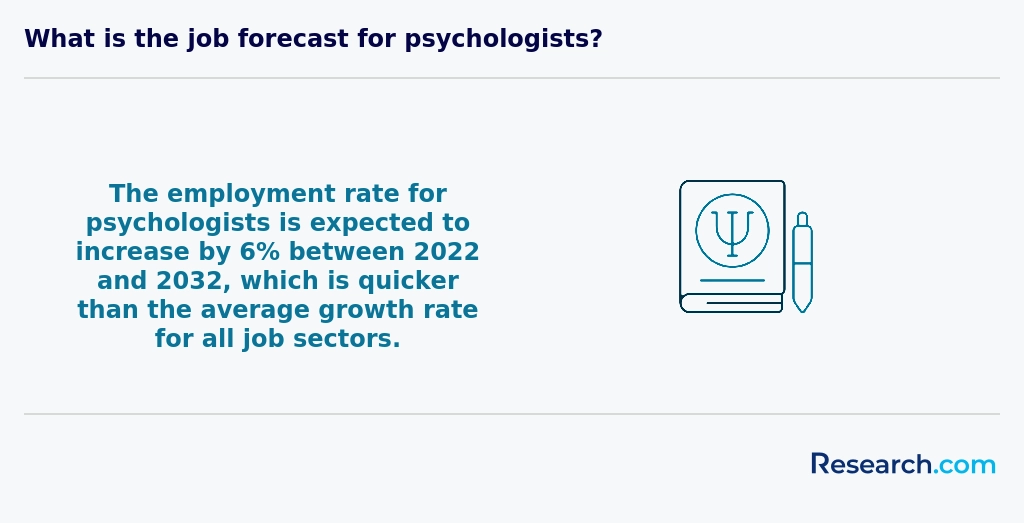
According to the U.S. Bureau of Labor Statistics, Minnesota's psychology employment is projected to grow 7% from 2022 to 2032, indicating steady demand.
Employers in Minnesota seeking psychology degree graduates highly value strong communication skills. Graduates must effectively convey complex psychological concepts to diverse audiences, including clients and colleagues. Critical thinking and analytical abilities are also essential for interpreting data and developing treatment plans. According to the Minnesota Department of Employment and Economic Development, problem-solving skills rank among the top competencies for psychologists statewide.
Additionally, employers look for graduates with ethical judgment and cultural competence, reflecting Minnesota's diverse population. Technical proficiency in research methods and familiarity with psychological assessment tools are increasingly important due to the growth of data-driven approaches in the field. Time management and teamwork skills further enhance employability in clinical and organizational settings.
Finding internships in Minnesota relevant to a psychology degree involves leveraging multiple resources. Many universities offering online psychology programs have partnerships with local mental health clinics, hospitals, and community organizations. For example, the Minnesota Psychological Association provides listings and networking opportunities that can help secure internships.
Students can also use the Minnesota Board of Psychology's website for guidance on approved practicum sites. Additionally, checking with state-run facilities like the Department of Human Services is beneficial, as they often seek interns for behavioral health projects.
Networking through professional platforms and attending local psychology conferences further expands opportunities. According to the Bureau of Labor Statistics, Minnesota's demand for psychologists is expected to grow 9% by 2031, increasing internship availability in clinical and research settings.
An online psychology degree can significantly enhance career mobility and advancement in Minnesota's growing mental health sector. With Minnesota ranking among the top states for behavioral health employment, graduates with a psychology degree find diverse job opportunities in clinical, counseling, and social service agencies. According to the Minnesota Department of Employment and Economic Development, employment for psychologists and related specialists is expected to grow 12% through 2030, faster than the national average.
Completing your degree online offers flexibility, allowing professionals to gain credentials without disrupting their current employment. This flexibility supports career advancement by enabling working individuals to qualify for higher-level roles, such as licensed professional counselors or behavioral therapists.
Moreover, Minnesota requires licensure for many psychology-related careers; an accredited online degree fulfills education requirements for these credentials, thus facilitating access to expanded career pathways. Earning this degree can open opportunities in private practice, healthcare systems, education, and community organizations, enhancing long-term professional growth within the state.
Studying for an online psychology degree in Minnesota equips students with skills applicable across various fields. Programs often emphasize interdisciplinary learning by integrating courses in biology, sociology, and counseling, preparing graduates for collaborative roles. Minnesota's universities align curricula with state workforce needs, highlighting mental health, human services, and education sectors.
According to the Minnesota Department of Employment and Economic Development, psychology-related jobs are expected to grow by 10% through 2030, often requiring knowledge beyond traditional psychology. Online degrees also offer practical experience opportunities, enabling students to work on projects involving healthcare, social work, and organizational behavior.
This approach prepares graduates to communicate effectively across professions, enhancing their adaptability in diverse workplaces like hospitals, schools, and community agencies in Minnesota.
When choosing between a thesis and a non-thesis psychology degree program in Minnesota, consider your career goals and learning preferences. A thesis option typically involves conducting original research, which can prepare students for doctoral studies or research-focused roles. Non-thesis programs emphasize coursework and practical skills, ideal for those seeking applied positions in counseling or human services.
Many Minnesota universities offering online psychology degrees provide both options. The Minnesota Office of Higher Education notes a growing demand for practical training aligning with state employment trends in mental health fields. Thesis programs may require additional time and a faculty mentor, while non-thesis paths often allow faster completion.
Assess your interest in research, time availability, and future plans to determine the best fit for your academic and professional journey.
Students based in Minnesota seeking psychology degrees abroad can explore multiple pathways, primarily through internationally recognized online platforms. While Minnesota universities offer strong local options, studying psychology internationally often involves enrolling in accredited foreign institutions that provide online courses compatible with U.S. licensing requirements.
Many U.S. psychology programs, including those in Minnesota, encourage participation in exchange programs; however, fully online international degrees offer the flexibility needed for working professionals. Students should verify if foreign programs meet American Psychological Association (APA) standards to ensure licensure eligibility in Minnesota.
According to the Minnesota Office of Higher Education, demand for online psychology degrees has grown 25% since 2019, reflecting students' increasing interest in global educational opportunities that complement local credentials.
Part-time job opportunities in Minnesota that complement psychology degree education are diverse and often provide valuable real-world experience. Common roles include behavioral health technician, research assistant, and mental health worker. These positions help students apply psychological theories while gaining practical skills.
Behavioral health technicians assist with patient care in clinical settings, a growing field in Minnesota due to increasing mental health awareness. According to the Minnesota Department of Employment and Economic Development, the need for mental health professionals is projected to grow 10% from 2020 to 2030.
Research assistant roles at universities or healthcare facilities allow students to engage in data collection and analysis, reinforcing academic knowledge with hands-on practice in experimental psychology.
Additionally, working as a crisis hotline volunteer offers experience in counseling and communication, essential skills for psychology graduates aiming for clinical careers.
Online psychology students in Minnesota have several networking opportunities that help bridge the gap between virtual learning and professional connections. Many universities offering online programs host virtual career fairs and webinars featuring licensed psychologists and Minnesota-based mental health professionals.
The Minnesota Psychological Association (MPA) provides membership options for students, including online attendees, granting access to conferences, workshops, and a statewide professional directory. Participating in MPA events can be valuable for building local contacts.
Additionally, online students often connect through university-sponsored discussion forums and local internship placements approved by program advisors. Minnesota's growing mental health sector, which employs over 10,000 psychologists and counselors (BLS, 2023), increases chances of practical engagement within the state.
Alumni networks play a vital role for students pursuing online psychology degrees in Minnesota. These networks connect learners with graduates who understand the unique challenges and opportunities in the state's psychology field. According to the Minnesota Psychological Association, professional relationships are key for career advancement in psychology careers.
Through alumni groups, students access mentorship, internships, and job leads. Networking with former students can open doors to local healthcare facilities, schools, or counseling centers. For online students, who may lack on-campus interaction, such connections are especially valuable. Additionally, alumni often share insights about licensure requirements in Minnesota, which are essential for clinical psychologists and counselors.
The ongoing support from alumni enhances professional growth and local integration within the psychology community.
Customizing an online psychology degree in Minnesota allows students to align their education with specific career ambitions. Many state institutions offer flexible curricula with elective courses in specialized areas such as clinical, developmental, or industrial-organizational psychology. Students can often choose research projects or internships related to Minnesota's growing mental health sector.
Additionally, programs accredited by the American Psychological Association ensure the curriculum meets professional standards, important for licensure in Minnesota. According to the Minnesota Board of Psychology, completing specific coursework and supervised experience tailored to your career path is essential for practice.
Online learners should consult academic advisors to select courses and practical experiences that build skills relevant to local employment trends, such as counseling within Minnesota's diverse communities or educational psychology applied to state schools.
Online psychology students in Minnesota often face challenges related to balancing coursework with personal and professional responsibilities. Many students juggle jobs and family commitments while studying, which can impact their academic progress. According to the National Center for Education Statistics, over 60% of online learners nationwide report time management as a major obstacle.
Another challenge is limited access to hands-on clinical experience, essential for psychology careers. Minnesota's strict licensing requirements emphasize supervised practicum hours, which can be difficult to arrange remotely. Additionally, some students struggle with feelings of isolation due to reduced face-to-face interaction with peers and instructors.
With an online psychology degree in Minnesota, graduates can pursue several professional certifications to enhance their careers. One common path is becoming a Licensed Psychologist, which requires a doctoral degree, supervised experience, and passing the Examination for Professional Practice in Psychology (EPPP). For those with a master's degree, certification as a Licensed Professional Clinical Counselor (LPCC) or Licensed Alcohol and Drug Counselor (LADC) are viable options, both regulated by the Minnesota Board of Behavioral Health and Therapy.
The Minnesota Department of Employment and Economic Development reports a 5% growth in psychologist employment through 2030, reflecting demand for certified professionals. Additionally, certification in school psychology or neuropsychology may be pursued, often requiring further specialization.
Nationally recognized credentials like Certified Addiction Counselor (CAC) are also available for online degree holders seeking specialization. Earning these certifications typically involves continuing education and clinical hours beyond the degree.
To write a winning application for an online psychology program in Minnesota, start by tailoring your personal statement to reflect a clear understanding of psychology and how the program aligns with your career goals. Highlight relevant experiences, such as volunteer work or employment in mental health settings. Minnesota hosts several respected institutions offering online psychology degrees, so research each school's specific criteria carefully.
Submit strong letters of recommendation from professionals familiar with your academic or work performance. Additionally, include official transcripts demonstrating competitive grades in psychology or related courses. According to the Minnesota Office of Higher Education, psychology graduates in the state earn a median annual wage of about $76,000, underscoring the field's opportunities.
Finally, make sure your application is error-free and submitted before deadlines, as many programs have rolling admissions. Demonstrating professionalism and preparedness can set you apart in a competitive applicant pool.
Psychology careers have a broad global significance, shaped by cultural, social, and economic factors. In the United States, and Minnesota specifically, psychology professionals enjoy steady demand, with the U.S. Bureau of Labor Statistics projecting a 8% job growth for psychologists through 2031, faster than the average for all occupations. This growth is influenced by increasing awareness of mental health and the need for evidence-based interventions.
Globally, psychology is recognized as a vital discipline addressing diverse issues such as healthcare, education, and human development. However, licensure and practice standards vary widely by country. For Minnesota students pursuing online degrees, understanding these differences can help tailor career goals. Minnesota ranks among states with expansive mental health services, supported by organizations like the Minnesota Psychological Association.
Online psychology programs offer flexible paths to enter this evolving field, catering to both local and international career opportunities. Accredited Minnesota institutions ensure compliance with U.S. educational and professional standards, which are essential for licensure and employment nationally and abroad.
Gaining practical experience during an online psychology degree in Minnesota is essential for career readiness. Many Minnesota institutions partner with local clinics, schools, and community programs to offer internships and practicum placements. These hands-on opportunities allow students to apply psychological theories in real-world settings while fulfilling degree requirements.
Students can also seek volunteer roles at organizations such as the Minnesota Psychological Association or mental health agencies, which often welcome support for research and client services. Additionally, some programs incorporate virtual simulations to enhance clinical skills remotely.
According to the Minnesota Department of Employment and Economic Development, psychology internships improve employability in the state's growing mental health sector.
Choosing the right concentration in an online psychology degree program in Minnesota depends on your career goals and interests. Popular fields include clinical, counseling, developmental, and industrial-organizational psychology. Clinical psychology often leads to licensure and requires specific coursework and supervised hours, which Minnesota's Board of Psychology regulates.
Consider Minnesota's workforce demand: clinical and counseling psychology roles dominate, with a 16% growth projected through 2030 according to the Bureau of Labor Statistics. If you prefer research or business applications, industrial-organizational psychology could be a good fit. Reviewing course offerings and required practicum options at Minnesota institutions also helps ensure alignment with your professional ambitions.
- 2027 Best Online Psychology Degree Programs Ranking in Missouri
- 2027 Best Online Psychology Degree Programs Ranking in Kansas
- 2027 Best Online Psychology Degree Programs Ranking in Alabama
- 2027 Best Online Psychology Degree Programs Ranking in Texas
- 2027 Best Online Psychology Degree Programs Ranking in Florida
- 2027 Best Online Psychology Degree Programs Ranking in Virginia
- 2027 Best Online Psychology Degree Programs Ranking in Pennsylvania
- 2027 Best Online Psychology Degree Programs Ranking in New York
- 2027 Best Psychology Degree Programs Ranking in Iowa
- 2027 Best Psychology Degree Programs Ranking in Illinois
See What Experts Have To Say About Studying Psychology
Read our interview with Psychology experts

Elizabeth L. Jeglic Ph.D.
Psychology Expert
Professor of Psychology
City University of New York

Robin M. Kowalski. Ph.D.
Psychology Expert
Professor of Psychology
Clemson University

Catherine Caldwell-Harris, Ph.D.
Psychology Expert
Associate Professor of Psychology
Boston University

- How to become a Psychologist in Minnesota | Steps to take in MN | Psychologist-License.com https://www.psychologist-license.com/psychologist-requirements/minnesota-psychologist/
- Online Psychology Degrees | University of Phoenix https://www.phoenix.edu/online-psychology-degrees.html
- Explore Psychology Degrees Online | Psychology.org https://www.psychology.org/online-degrees/
- Study Psychology Abroad https://astarfuture.co.uk/study_psychology_abroad.html
- Mental Health Challenges Faced by Psychology Students | The Healthcare Guys https://healthcareguys.com/2023/11/23/mental-health-challenges-faced-by-psychology-students/
- Online Psychology Major https://www.hamline.edu/academics/online-bachelors-psychology-major
- Sample letters in psychology https://www.mystudies.com/en-in/human-and-social-sciences/psychology/letter-model/
- Online Psychology B.A./B.S. | Psychology | Bemidji State University https://www.bemidjistate.edu/academics/psychology/courses-programs/online-psychology-ba/
- Have You Found a Niche? https://www.apaservices.org/practice/business/marketing/building/niche
- Study Psychology Abroad | Go Overseas https://www.gooverseas.com/study-abroad/psychology





