2027 Most Valuable Nursing Degree Programs Ranking in San Antonio

Co-Founder and Chief Data Scientist
Choosing the right nursing degree program can shape your future in meaningful ways. For students in San Antonio looking to start or advance their healthcare careers, this article offers valuable guidance.
The 2027 Most Valuable Nursing Degree Programs Ranking in San Antonio was developed by the Research.com team of data scientists to help you make an informed decision.
By exploring this ranking, you'll discover programs that balance quality education with career opportunities, setting you up for success and fulfillment in nursing.
Embrace your passion for care and take a confident step forward today.
Key benefits of getting nursing degree in San Antonio
- A nursing degree in San Antonio can lead to well-paying roles such as Registered Nurse, Clinical Nurse Educator, Public Health Nurse, and Emergency Room Nurse, each earning around $94,480 annually, while Operating Room Nurses can earn even more, with a mean annual wage of $128,490.
- Graduates from San Antonio colleges often explore diverse career paths, including hospital nursing, community health, and nurse education, offering rewarding opportunities to make a real impact in healthcare.
- Online nursing degrees provide flexibility and convenience, allowing students to balance life and study effectively, as seen with graduates from local online programs who enjoy progressing their careers without relocating or interrupting work.
- 2027 Most Valuable Nursing Degree Programs Ranking in San Antonio
- What can I expect from nursing degree in San Antonio?
- Where can I work with nursing degree in San Antonio?
What can I expect from nursing degree in San Antonio?
The average cost of nursing degrees in San Antonio varies significantly based on whether students attend public or private institutions. Graduates from the University of Texas Health Science Center at San Antonio typically report more affordable tuition rates for in-state students, often ranging between $8,000 and $12,000 per year for undergraduate nursing programs. This contrasts with private colleges like Our Lady of the Lake University, where tuition can exceed $20,000 annually, reflecting smaller class sizes and specialized training opportunities.
Students often find that these costs align with the value of rigorous academics combined with extensive clinical practice offered by San Antonio programs. Many graduates highlight how the clinical rotations across local hospitals provide hands-on experiences that justify the investment and prepare them efficiently for the NCLEX-RN exam and nursing careers.
Financial aid and scholarships play a critical role for many nursing students, helping offset tuition expenses and making education accessible despite the varied pricing structures. Overall, the financial commitment matches San Antonio's reputation for delivering practice-ready nurses amid a growing healthcare job market.
Where can I work with nursing degree in San Antonio?
Graduates from nursing programs at institutions like the University of Texas at San Antonio and Our Lady of the Lake University often find employment across San Antonio's diverse healthcare landscape. With an ADN or BSN, nurses typically work in major hospital systems such as University Health System, Baptist Health System, and Methodist Healthcare, gaining experience in emergency rooms, surgical units, and specialty departments like cardiology or oncology.
Many find fulfilling careers in outpatient care centers, home healthcare, and physician offices, especially as the region's growing elderly population creates demand for geriatric nursing expertise. Graduates describe rewarding roles providing compassionate care to seniors in long-term care facilities or assisting patients at home.
Public health nursing positions are also common, supported by San Antonio's Metropolitan Health District, focusing on community health education and vaccination programs. Additionally, the city's military installations, including Joint Base San Antonio, offer unique opportunities for nurses interested in veterans' and active-duty care.
Graduates from nursing programs in San Antonio, such as those at the University of the Incarnate Word or Texas A&M San Antonio, can expect competitive earnings starting their careers. Registered Nurses typically earn an average annual wage of $94,480 in the area, matching figures for Clinical Nurse Educators and Public Health Nurses, according to recent data. These wages reflect the strong demand and rigorous training received locally.
For nurses entering high-intensity roles, such as Emergency Room Nurses, the mean annual wage remains consistent at $94,480, illustrating stable earning potential across critical care positions. However, Operating Room Nurses enjoy significantly higher compensation, with a mean annual salary of $128,490. This reflects the specialized skills and responsibilities required in surgical settings within San Antonio's hospitals.
Many nursing graduates find that investing in advanced certifications can amplify their earnings and job satisfaction, especially when working in top medical centers. These salaries underscore the value of a nursing degree earned locally and the rewarding career pathways available in the growing healthcare sector of San Antonio.
- Associate Degree in Nursing (ADN) tuition at public community colleges ranges from $5,000 to $10,000 for in-district students.
- Bachelor of Science in Nursing (BSN) degrees at public universities cost between $10,000 and $25,000 in tuition over four years.
- Private nursing programs may charge over $30,000 for the full course, excluding extra costs like textbooks and licensing fees.
- Starting salaries for nurses in San Antonio average around $63,000 annually and can rise to about $85,000 with experience.
- The nursing job market in San Antonio is growing due to factors like an aging population and expanded healthcare access.
Completing a nursing degree in San Antonio varies significantly by program type and student background. An Associate Degree in Nursing (ADN), commonly offered by community colleges like San Antonio College, typically requires about two years. Graduates from this route often appreciate the balance of classroom learning and hands-on clinical experience, which prepares them swiftly for entry-level roles.
For students aiming for a Bachelor of Science in Nursing (BSN), the standard timeline is approximately four years when entering straight from high school. Universities such as The University of Texas at San Antonio (UTSA) provide comprehensive BSN curricula that include leadership and research training, contributing to graduates feeling more confident and competitive in the job market.
Those holding a prior bachelor's degree in a different field can usually complete accelerated BSN programs within 11 to 18 months. These intensive courses, available at institutions like Baptist Health System School of Health Professions, allow students to leverage past academic experience and quickly transition into nursing careers, a path many alumni praise for its efficiency and focus.
All pathways require completion of clinical hours and passing the NCLEX-RN exam, often extending the total time by several months. Students frequently mention that combining these requirements with local clinical opportunities strengthens both practical skills and readiness for licensure in San Antonio's healthcare environment.
When considering nursing schools, it's essential to evaluate the quality of education, clinical opportunities, and faculty expertise. Many students find that nursing schools in Texas, such as those in San Antonio, offer a unique blend of academic rigor and practical experience. By attending a nursing school in Texas, you can gain the skills and knowledge necessary to succeed in this demanding yet rewarding field. For those interested in exploring more options, you can also look into valuable nursing schools in Texas, which can provide a comprehensive understanding of the nursing education landscape in the state. This can help you make an informed decision about which nursing program is the best fit for your career aspirations and personal circumstances.
Online nursing degrees in San Antonio provide substantial flexibility, allowing students to balance coursework around work or family commitments through virtual classrooms. Graduates from online programs often appreciate the ability to study remotely while completing required clinical hours at nearby approved healthcare facilities, a mandate by the Texas Board of Nursing. This hybrid approach helps maintain essential hands-on experience despite the virtual learning format.
On-campus nursing degrees, such as those offered by the University of Texas Health Science Center, immerse students in face-to-face learning with direct access to instructors, peers, and on-site labs. Students frequently highlight the immediate feedback and rich campus engagement as key advantages, fostering deeper connections and networking opportunities that many find motivating and supportive.
Cost differences can be subtle; local hybrid programs like St. Philip's College charge around $9,500 annually for Texas residents, similar to traditional in-state tuition rates ranging from $8,000 to $15,000. Both formats adhere to accreditation standards like the CCNE, ensuring graduates meet licensure requirements while affording different experiences based on personal learning styles and logistical needs.
Navigating the nursing program application process in San Antonio, TX becomes much simpler when you break it down into clear steps and deadlines. First, research each school’s requirements-this often includes official transcripts, standardized test scores (such as TEAS), and proof of prerequisite coursework in biology, chemistry, and anatomy. Next, compile all materials: request letters of recommendation from instructors or healthcare professionals, draft a concise personal statement highlighting your passion for patient care, and update your resume to reflect relevant volunteer or clinical experience. Most programs open their online application portals in early fall, with priority deadlines around November 1 and final deadlines by February 15. Submit your application with ample time for transcripts and test scores to arrive-aim for a minimum of two weeks before the deadline to avoid last-minute issues. After submission, monitor your applicant portal regularly; some schools require supplemental essays or an admissions interview to assess your communication skills and commitment to nursing. Once offers of admission are extended, you’ll complete a background check and health clearance, including immunization records and TB testing. Enroll in orientation and register for classes following your acceptance-many programs hold orientation sessions in late May for summer cohorts and mid-August for fall cohorts. For students considering advanced degrees or flexible formats, be sure to explore specialized pathways like online master’s options. Discover top affordable graduate choices with our Low Cost Online Master's in Nursing Degree Programs Ranking in the South, which can guide you toward cost-effective programs that align with your career goals.
The average cost of a nursing degree in San Antonio is approximately $35,426, reflecting the median total cost for both in-state and out-of-state students. Those pursuing their degree locally at institutions such as the University of Texas at San Antonio or private colleges face this cost as a realistic benchmark. Graduates often share that while tuition and fees are significant, the investment pays off through the robust skills and career readiness they gain.
For those focused on managing San Antonio nursing degree expenses, in-state students typically benefit from reduced tuition, often around $17,048 total. This affordability allows many to complete their Bachelor of Science in Nursing or Associate Degree in Nursing with less financial strain, especially when combined with financial aid or scholarships available in the region.
Students often recount balancing academic demands with budget considerations, especially when factoring in additional costs like clinical supplies and transportation. Despite these extra expenses, the overall value remains strong given the competitive pricing compared to other Texas cities. Prospective students looking to compare costs and program reputations can refer to rankings of the valuable nursing schools in Texas to make informed decisions.
Understanding program outcomes helps you choose a nursing school that best prepares you for licensure and practice.
- University of Texas at San Antonio (UTSA): 92% first-time NCLEX-RN pass rate
- San Antonio College: 89% first-time NCLEX-RN pass rate
- University of the Incarnate Word: 94% first-time NCLEX-RN pass rate
High pass rates indicate rigorous academics, strong clinical support and dedicated faculty. Look for programs that offer:
- NCLEX review workshops and mock exams
- Tutoring or peer-study groups
- Access to simulated clinical labs
After earning your RN license, explore advanced opportunities through top best nurse practitioner programs in texas.
Students pursuing nursing degrees in San Antonio often rely on a mix of federal aid, state scholarships, and local programs to finance their education. Federal Pell Grants, available to many from schools like the University of Texas Health Science Center at San Antonio, provide essential non-repayable funds based on financial need. Graduates frequently share how Direct Subsidized Loans helped manage costs with lower interest and flexible repayment, easing worries about post-graduation debt.
Texas-specific programs, including the Texas Nursing Scholarship Program, attract many students by offering funds in exchange for commitments to work in Texas healthcare facilities. Local hospitals such as Christus Health and University Health System regularly award scholarships to nursing students willing to serve locally after completing their studies.
Work-study and employer tuition assistance offer additional relief, allowing students from institutions like San Antonio College to earn income while gaining relevant experience. Nursing graduates often emphasize that combining multiple aid sources made pursuing their degrees both feasible and rewarding.
Before enrolling, verify your program holds accreditation from ACEN or CCNE and is approved by the Texas Board of Nursing-this ensures quality education and eligibility for licensure.
Key steps to RN licensure in Texas:
- Graduate from a Board-approved, accredited nursing program
- Submit an application and required fees to the Texas Board of Nursing
- Complete a background check and fingerprinting as mandated
- Register for and pass the NCLEX-RN exam to obtain your license
Maintaining your license requires periodic renewal and ongoing continuing education. For nurses aiming at advanced practice, explore dnp online programs.
To enroll in nursing degree programs in San Antonio, students must meet clear academic and non-academic prerequisites that ensure readiness for the demanding curriculum. Most programs require a high school diploma or GED as a baseline, plus completion of key prerequisite courses such as biology with lab work, chemistry, anatomy and physiology, microbiology, statistics, and English composition. Graduates from prominent San Antonio institutions recall that maintaining a strong GPA, often between 2.5 and 3.0 in these science courses, was essential for acceptance.
Applicants also face standardized entrance exams like the TEAS, designed to measure foundational skills critical for nursing. San Antonio colleges emphasize this to prepare students for success in clinical and classroom settings. Beyond academics, candidates must complete background checks, provide immunization records, and sometimes submit personal statements and recommendations, reflecting the program's focus on professionalism and patient safety.
Many students highlight that meeting these prerequisites, combined with volunteer healthcare experience locally, boosted their confidence and commitment to nursing careers in San Antonio's vibrant healthcare community.

Ensuring your nursing education meets both state and national standards is critical. In Texas, reputable programs must hold accreditation from the Accreditation Commission for Education in Nursing (ACEN) or the Commission on Collegiate Nursing Education (CCNE). These accreditations guarantee your degree will be recognized by employers and qualify you to sit for the NCLEX‐RN exam. Additionally, the Texas Board of Nursing (BON) oversees licensure requirements: applicants must complete an approved program, pass background checks, and satisfy clinical hour mandates. When evaluating programs, verify each school’s latest NCLEX pass rates and BON approval status-high pass rates often reflect strong curriculum and faculty support. Accredited institutions also offer seamless credit transfer and postgraduate pathways. For example, many BSN graduates pursue a Doctor of Nursing Practice; research the fastest doctor of nursing practice programs to build on your ACEN‐ or CCNE‐accredited foundation. Finally, stay informed about continuing education requirements. Texas RNs must renew licensure every two years, completing at least 20 contact hours in approved nursing education. By choosing an accredited program with BON endorsement and planning for ongoing professional development, you’ll secure a nursing career that meets both state regulations and industry expectations.
Nursing degree programs in San Antonio typically begin with foundational courses such as human anatomy and physiology, microbiology, and chemistry. Graduates from institutions like the University of Texas Health Science Center highlight how these classes build essential knowledge about the human body, crucial for clinical success. Students then move to core nursing subjects covering patient care techniques and health assessment, enabling hands-on skills practiced in local hospitals.
Advanced coursework includes pharmacology and pathophysiology, where students study medication impacts and disease mechanisms. Nursing ethics and healthcare law courses prepare students to handle real-world dilemmas with confidence. Graduates often recall applying ethical reasoning during supervised clinical rotations, enhancing their decision-making abilities.
Many programs also offer specialized classes in pediatric, mental health, and geriatric nursing, addressing diverse patient needs. San Antonio nursing students find this focus rewarding, as it equips them to serve varied communities effectively.
Overall, the structured curriculum in San Antonio nursing schools combines theory with extensive clinical practice, ensuring students graduate well-prepared for dynamic healthcare environments.
Nursing degree specializations in San Antonio span several focused areas that align with the city's healthcare demands. Graduates from prominent institutions like the University of the Incarnate Word and San Antonio College often highlight pathways such as Registered Nurse (RN) to Bachelor of Science in Nursing (BSN), which equips students advancing from associate degrees to the bachelor's level, crucial for leadership roles. Specialized fields including Pediatric Nursing address the care of children in San Antonio's growing communities, while Geriatric Nursing caters to the increasing elderly population in Texas. Critical Care Nursing offers training for high-stress environments in large local medical centers. Advanced practice options like Family Nurse Practitioner (FNP) and Psychiatric-Mental Health Nursing reflect the city's expanding primary and mental health needs. Practical experiences shared by recent graduates underscore how these specializations foster both confidence and career satisfaction. Students interested in advanced clinical roles may also explore the fastest doctor of nursing practice programs. These San Antonio nursing program specialization options help meet both professional goals and community healthcare gaps.
Selecting the best nursing degree in San Antonio involves analyzing key factors like program type, cost, and outcomes. Many graduates from the University of Texas at San Antonio and San Antonio College emphasize the value of pursuing a Bachelor of Science in Nursing (BSN), as local hospitals often prefer this degree for registered nurses, linking it to better job prospects and improved patient care quality.
Cost considerations are crucial, especially for students seeking affordable nursing schools San Antonio TX. Public institutions typically charge between $5,000 and $15,000 annually for nursing programs, which is below the national average. Graduates frequently highlight that understanding tuition alongside additional fees and materials is essential for budgeting effectively.
Program quality is measurable through NCLEX-RN pass rates, where San Antonio programs report between 80% and 95%. Students appreciate programs that combine flexibility with strong clinical placement partnerships in local healthcare settings, fostering real-world experience essential for licensure. For those interested in advanced degrees, exploring options like the Low Cost Online Master's in Nursing Degree Programs Ranking in the South can provide cost-effective pathways to career growth.
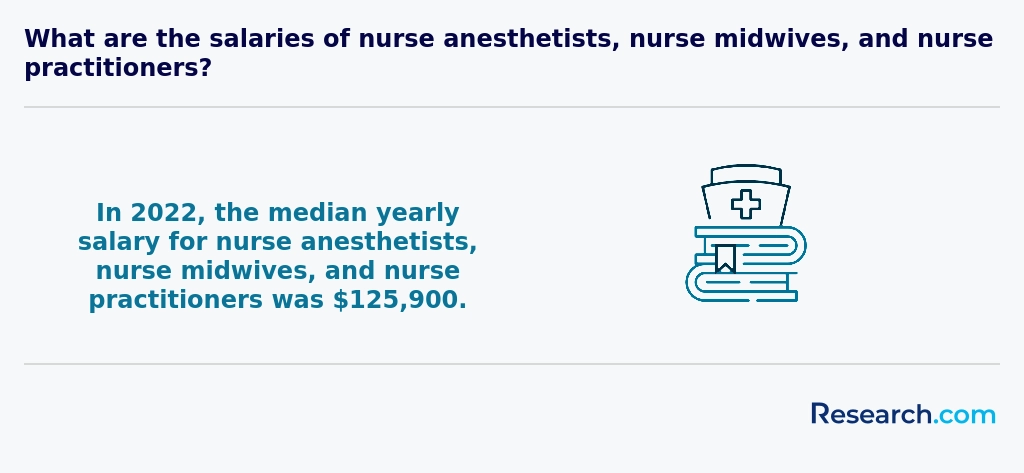
Graduates with a nursing degree in San Antonio have access to diverse nursing career opportunities in San Antonio, supported by a growing healthcare market. Common roles include Registered Nurses (RNs), who provide essential patient care in major hospitals like University Health System and Methodist Healthcare. Advanced practice roles such as Nurse Practitioners, Clinical Nurse Specialists, Certified Nurse Midwives, and Nurse Anesthetists are also increasingly attainable for those with bachelor's or master's degrees, reflecting local demand for specialized care.
Many graduates from popular San Antonio nursing colleges express fulfillment working in hands-on clinical settings, while others transition to educational or administrative nursing positions. These roles allow experienced nurses to shape healthcare policy and train future professionals, bridging patient care with leadership. For those considering further education, options such as the 1 year masters program online provide accelerated pathways to advanced positions.
San Antonio nursing degree job prospects remain strong, with salaries and opportunities supported by steady regional healthcare growth and collaboration between hospitals and academic institutions.
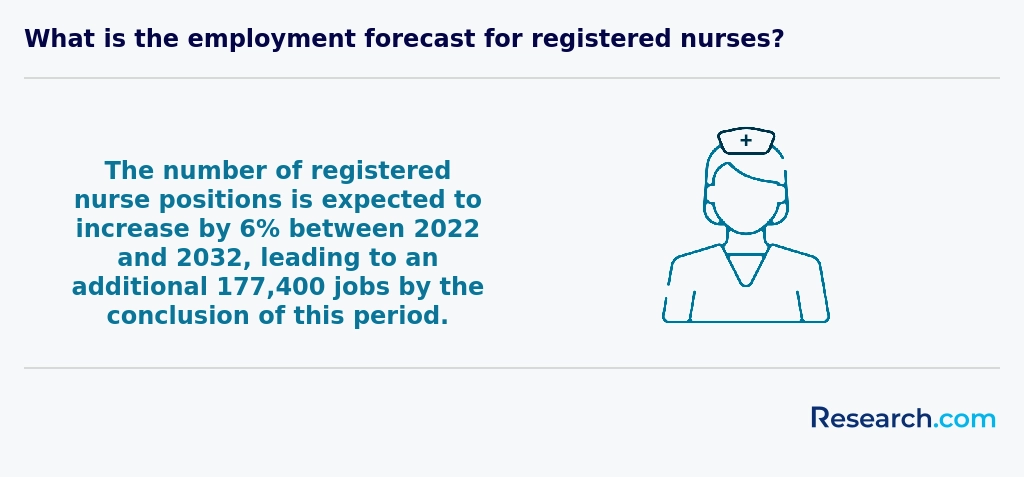
The nursing job opportunities in San Antonio remain strong, with a projected 15% growth in employment of registered nurses through 2030. Graduates from popular local institutions such as the University of the Incarnate Word and Texas A&M University-San Antonio often find rewarding positions in large hospital systems like University Health and Baptist Health System. These providers seek nurses for acute care, outpatient services, and specialized units, reflecting an environment rich with career possibilities. Many graduates share positive experiences about the direct connection between clinical rotations and job offers within San Antonio's healthcare community.
San Antonio nursing degree employment outlook is characterized by competitive salaries averaging around $75,000 annually, aligned with statewide levels. Employers tend to prefer BSN-prepared nurses, who often gain higher pay and leadership roles. For students exploring educational routes, public nursing programs typically cost $7,000 to $10,000 annually, offering an affordable path. Some also consider the easiest degree to get options as a foundation before advancing in nursing to maximize job potential in this thriving market.
2027 Most Valuable Nursing Degree Programs Ranking in San Antonio
Investing in your education is a significant decision that can shape your future, and the Research.com team understands the importance of making informed choices. To support prospective students in San Antonio, we have carefully developed the "2027 Most Valuable Nursing Degree Programs Ranking in San Antonio." Our dedication to quality, credibility, and accuracy is demonstrated through thorough research and analysis behind this ranking.
We utilized the following reputable data sources to ensure a comprehensive evaluation of nursing programs:
Exploring this ranking will provide readers with valuable insights to identify nursing programs that offer exceptional value and potential career benefits. For further information about how the ranking was created, please visit our Research.com methodology page.
# 1 position
Galen College of Nursing-San Antonio
Bachelor of Science in Nursing


# 3 position
The University of Texas Health Science Center at San Antonio
Bachelor of Science in Nursing


# 5 position
The University of Texas Health Science Center at San Antonio
Doctor of Nursing Practice
Frequently Asked Questions About nursing
Students pursuing nursing degrees in San Antonio can enhance their learning by engaging deeply with clinical experiences offered by local hospitals such as University Health and Baptist Health System. These partnerships provide access to diverse patient populations, boosting practical skills.
Joining student organizations like the Texas Nurses Association's San Antonio chapter fosters professional networking, mentorship, and leadership development.
Utilizing resources from local libraries and the University of Texas at San Antonio's nursing simulation labs allows learners to practice critical thinking in realistic scenarios.
Additionally, staying informed about Texas Board of Nursing updates ensures students meet licensure requirements promptly.
The nursing field in San Antonio is evolving with several emerging niches that reflect broader healthcare trends. One prominent area is geriatric nursing, driven by Texas's growing elderly population, which increased by over 18% between 2010 and 2020, according to the Texas Demographic Center. Nurses specializing in aging care offer support for chronic illnesses and rehabilitation.
Another expanding niche is mental health nursing. Behavioral health issues have surged, and licensed psychiatric nurses are in high demand across San Antonio's hospitals and community clinics. According to the Texas Health and Human Services Commission, mental health service utilization rose notably in recent years.
Additionally, telehealth nursing is gaining traction due to advances in technology and the COVID-19 pandemic's impact on healthcare delivery. Local healthcare systems increasingly use telehealth platforms, creating roles for nurses with specialized training in virtual patient monitoring and care coordination.
After earning a nursing degree in San Antonio, graduates should focus on licensure and practical experience to enter the job market successfully. Obtaining the Registered Nurse (RN) license by passing the NCLEX-RN exam is essential, as Texas requires this for all practicing nurses. Additionally, San Antonio's growing healthcare sector offers numerous clinical internships and residencies, which help build skills and professional networks. According to the Texas Workforce Commission, nursing jobs in the San Antonio-New Braunfels area are projected to grow 15% through 2030, indicating strong demand. Staying updated on local healthcare employer needs and pursuing certifications in specialties like geriatrics or critical care can further enhance job prospects.
Employers in San Antonio highly value nursing graduates who demonstrate strong clinical skills combined with effective communication. According to the Texas Board of Nursing, proficiency in patient care, medication administration, and critical thinking are essential for success in the local healthcare environment.
In addition to technical abilities, teamwork and cultural competence are crucial-San Antonio's diverse population demands nurses who can work well with patients from various backgrounds.
The Bureau of Labor Statistics highlights that adaptability and problem-solving are among the top traits employers seek nationwide, which also reflects in San Antonio's healthcare sector.
Local hospitals, such as University Health System, emphasize that graduates with hands-on experience through clinical internships have a competitive advantage in job placement.
Finding nursing internships in San Antonio involves leveraging local healthcare networks and academic partnerships. Many nursing programs in the area collaborate with prominent hospitals like University Health System and Methodist Healthcare, which offer clinical internship opportunities for students.
Students should also explore resources from the Texas Board of Nursing that lists approved clinical sites and maintains guidelines related to nursing practice. Internships often require enrollment in an accredited program, so verify with your institution's career services office for tailored placements.
Additionally, consider reaching out to professional organizations such as the Texas Nurses Association, which connects students to local internships and job fairs. According to the U.S. Bureau of Labor Statistics, San Antonio's healthcare sector is growing steadily, increasing available internship positions for aspiring nurses.
In San Antonio, earning a nursing degree significantly enhances career mobility and advancement opportunities. According to the Texas Workforce Commission, healthcare occupations, including registered nurses, are among the fastest-growing sectors in the city. A formal nursing education enables candidates to qualify for higher-paying roles such as nurse practitioners or clinical nurse specialists.
Many local hospitals and healthcare providers prioritize applicants with bachelor's or higher nursing degrees, as these qualifications align with Texas Board of Nursing requirements and industry standards. Additionally, advanced degrees facilitate leadership positions in nursing management or education.
Statistically, nurses with a Bachelor of Science in Nursing (BSN) can expect up to a 15% salary increase compared to those with an Associate Degree in Nursing (ADN) in San Antonio, enhancing both job security and upward mobility. This trend is supported by national data from the American Association of Colleges of Nursing (AACN), which highlights ongoing employer demand for highly educated nurses.
Studying for a nursing degree in San Antonio equips students for interdisciplinary roles by emphasizing collaboration across healthcare fields. Local nursing programs integrate courses in communication, healthcare technology, and patient-centered care, preparing graduates to work alongside doctors, therapists, and social workers effectively. Clinical rotations in San Antonio's diverse hospital systems expose students to various specialties, fostering adaptability. According to the Texas Board of Nursing, over 60% of nursing programs in San Antonio include interprofessional education components. This approach aligns with national trends promoting teamwork to improve patient outcomes, ensuring graduates are ready for complex healthcare environments.
Choosing between a thesis and a non-thesis nursing degree program in San Antonio depends on your career goals and educational preferences. Thesis programs require students to conduct original research and write a detailed dissertation. This path suits those interested in academic or research careers, often leading to roles in nursing education or advanced clinical research.
Non-thesis programs focus more on coursework and practical skills, making them ideal for nurses aiming to advance clinically or in management. San Antonio's nursing schools, like UT Health San Antonio, offer both options tailored to local healthcare demands reported by the Texas Board of Nursing.
Consider the program's time commitment; thesis tracks often take longer due to research requirements. Non-thesis tracks typically allow faster completion, beneficial for working professionals.
Review faculty expertise and available resources, as strong support is crucial for thesis success. Local employment statistics from the Bureau of Labor Statistics show San Antonio's growing demand for advanced-practice nurses, which both programs can prepare you for.
Students based in San Antonio seeking to study nursing abroad have several pathways to consider. Many local institutions, such as the University of Texas at San Antonio, offer study abroad programs or partnerships with foreign universities that focus on healthcare and nursing. These programs typically last a semester or a full academic year, giving students international clinical experience.
Additionally, various U.S. nursing students participate in exchange programs facilitated by organizations like the Consortium of Universities for Global Health, which sometimes includes options in Europe, Asia, and Latin America. This exposure enriches nursing skills in diverse healthcare systems.
Important considerations include accreditation and licensure compatibility upon return, ensuring the foreign education aligns with U.S. Nursing Board standards.
Students pursuing nursing degrees in San Antonio can benefit greatly from part-time jobs that offer relevant healthcare experience. Popular options include working as certified nursing assistants (CNAs), patient care technicians, or home health aides. These roles provide hands-on clinical exposure that complements academic learning. According to the Texas Workforce Commission, San Antonio's healthcare sector is growing steadily, increasing demand for such positions.
Additionally, local hospitals like University Health System and Baptist Health System regularly hire part-time staff, creating opportunities for students to build practical skills while studying. Jobs in medical offices and clinics also help students develop patient communication and administrative abilities essential for nursing careers.
San Antonio offers nursing students numerous networking opportunities crucial for career growth. Local universities like the University of Texas Health Science Center at San Antonio host nursing student organizations that connect members with healthcare professionals and alumni. These groups often arrange workshops, seminars, and volunteering events, fostering practical experience and professional relationships.
Additionally, San Antonio's strong healthcare sector, including major employers such as Baptist Health and Methodist Healthcare, regularly participates in career fairs and open houses designed for nursing students. According to the Texas Center for Nursing Workforce Studies, San Antonio ranks among the top metropolitan areas in Texas for nursing job growth, increasing opportunities to build vital contacts.
The San Antonio Nurses Association also facilitates networking through conferences and mentoring programs, helping students engage with seasoned practitioners. These resources help nursing students transition smoothly from education to employment within the local community.
Alumni networks provide significant advantages for nursing degree students in San Antonio by fostering professional connections and mentorship opportunities. Graduates from local nursing programs often share job leads and advice, enhancing career prospects after graduation. According to the Texas Center for Nursing Workforce Studies, strong alumni networks correlate with higher employment rates within six months post-graduation.
These networks also facilitate access to continuing education and certifications, which are critical in the evolving healthcare landscape of San Antonio. Many alumni participate in community healthcare initiatives, allowing current students to engage through volunteering or internships. This practical exposure improves both clinical skills and employability in the competitive nursing job market.
Customizing a nursing degree program in San Antonio allows students to align their education with specific career goals in healthcare. Many local universities and community colleges offer flexible options such as electives, minors, or certificate programs in specialties like pediatric nursing, gerontology, or healthcare administration.
Additionally, students can choose between different degree paths-including ADN, BSN, or MSN-depending on their desired role. San Antonio's healthcare industry, growing by 15% from 2019 to 2029 according to the U.S. Bureau of Labor Statistics, supports varied nursing roles, making specialized training valuable.
Clinical placements in diverse settings across the city also enable hands-on experience tailored to students' interests.
Nursing students in San Antonio often face significant challenges related to the rigorous academic workload and clinical requirements. Balancing coursework, clinical rotations, and personal responsibilities can be demanding. According to the Texas Board of Nursing, attrition rates among nursing programs statewide, including San Antonio, remain around 20%, partly due to academic pressure and stress.
Many students also encounter difficulties securing clinical placements, as local hospitals have limited slots and high competition. Additionally, financial strain is common, with tuition and living costs rising steadily, affecting students from diverse backgrounds.
Furthermore, the COVID-19 pandemic has introduced new obstacles, including adapting to hybrid learning models and concerns over safety during clinical experiences.
With a nursing degree earned in San Antonio, graduates can pursue a range of professional certifications to enhance their career opportunities. Common certifications include the Registered Nurse (RN) license, which is required to practice nursing in Texas and is granted after passing the NCLEX-RN exam.
Advanced certifications such as the Certified Nurse Practitioner (CNP) or Clinical Nurse Specialist (CNS) are available for nurses completing graduate education. Specialty certifications like the Certified Emergency Nurse (CEN) or Pediatric Nursing Certification Board (PNCB) credentials are also popular.
According to the Texas Board of Nursing, San Antonio's healthcare facilities support growing demand for certified nursing professionals, reflecting broader national trends outlined by the American Nurses Credentialing Center.
Applying to a nursing program in San Antonio requires careful preparation of your application materials. Admissions committees look for strong academic records, especially in science courses such as biology and chemistry. Highlight any healthcare experience, including volunteering or work in local hospitals, as San Antonio has numerous medical centers that value practical exposure.
Writing a clear, personal statement that explains your motivation for nursing and your connection to the community can set you apart. Schools like the University of Texas at San Antonio recommend emphasizing communication skills and teamwork, critical for nursing success.
Lastly, meet deadlines and provide letters of recommendation from credible sources familiar with your character and abilities.
The nursing profession is increasingly recognized worldwide for its critical role in healthcare systems. In the United States, and specifically in San Antonio, Texas, nursing continues to grow as a respected and in-demand career. According to the U.S. Bureau of Labor Statistics, registered nursing jobs are projected to grow 9% from 2020 to 2030, faster than average for all occupations.
Globally, nurses are essential frontline workers, particularly highlighted during the COVID-19 pandemic. The World Health Organization emphasizes the need for advanced nursing education to address complex healthcare challenges. San Antonio's nursing programs align with these global priorities by preparing students with evidence-based care skills and cultural competence.
Education pathways in San Antonio include Associate, Bachelor's, and advanced degrees, meeting accreditation standards set by bodies like the CCNE. These programs focus on both local healthcare needs and a global outlook, reflecting an interconnected healthcare environment.
Gaining practical experience while studying for a nursing degree in San Antonio is essential for building clinical skills. Many local nursing programs partner with nearby hospitals such as University Health System and Baptist Health System to provide students with clinical rotations. These hands-on experiences allow students to work alongside registered nurses in real medical settings.
Additionally, San Antonio offers simulation labs that use advanced mannequins to mimic patient care scenarios, enhancing decision-making and technical skills. Volunteering or working as a nurse aide can also provide valuable exposure. According to the Texas Board of Nursing, clinical hours are a mandatory requirement for licensure, emphasizing practical training importance.
Choosing the right concentration within a nursing degree program in San Antonio involves evaluating your career goals and interests. Popular options include family nurse practitioner, pediatric nursing, and geriatric care, reflecting the city's diverse population and growing healthcare needs.
Consider local job market trends; the Texas Workforce Commission projects a 22% increase in healthcare openings by 2030, with high demand for registered nurses in hospitals and community clinics. San Antonio's hospitals, such as University Health System, often seek nurses with specialized skills.
Research program accreditation and clinical opportunities within the concentration. Accredited programs ensure quality education and better licensure outcomes.
Connecting with local nursing associations can provide insight and networking support to help refine your decision.
- 2027 Most Valuable Nursing Degree Programs Ranking in Austin
- 2027 Most Valuable Nursing Degree Programs Ranking in Hattiesburg
- 2027 Most Valuable Nursing Degree Programs Ranking in Mobile
- 2027 Most Valuable Nursing Degree Programs Ranking in Memphis
- 2027 Most Valuable Nursing Degree Programs Ranking in Kansas City
- 2027 Most Valuable Nursing Degree Programs Ranking in Colorado Springs
- 2027 Most Valuable Nursing Degree Programs Ranking in Birmingham
- 2027 Most Valuable Nursing Degree Programs Ranking in Lincoln
- 2027 Most Valuable Nursing Degree Programs Ranking in Saint Louis
- 2027 Most Valuable Nursing Degree Programs Ranking in Denver
See What Experts Have To Say About Studying Nursing
Read our interview with Nursing experts


- How to Choose the Right Nursing School for Your Career Goals | Archer Review https://www.archerreview.com/blog/how-to-choose-the-right-nursing-school-for-your-career-goals
- Nursing School in San Antonio, Texas https://www.chamberlain.edu/nursing-school/texas/san-antonio
- THE FIELD OF NURSING - FIRST-DEGREE OF STUDIES https://wnoz.wum.edu.pl/pl/content/field-nursing-first-degree-studies
- 10 Nursing Fields That Are Growing in Demand https://promedcert.com/blog/10-nursing-fields-that-are-growing-in-demand
- From our readers…Strengthening nursing networks https://www.myamericannurse.com/from-our-readersstrengthening-nursing-networks/
- Costs - Nursing https://www.mtsac.edu/nursing/costs.html
- The Nurses' Alumni Association https://giving.mainlinehealth.org/get-involved/auxiliaries-and-womens-boards/lankenau-medical-center-womens-board/the-nurses-alumni-association
- Career Advancement Pathways for Nurses : Expert RN shares 10+ Professional growth opportunities - MuminMed https://blog.muminmed.com/career-advancement-pathways-for-nurses/
- Tips for Creating a Perfect Nursing School Application https://www.allnursingschools.com/articles/how-to-create-the-perfect-nursing-school-application/
- Scholarships & Financial Aid https://www.aacnnursing.org/students/scholarships-financial-aid