2027 Most Valuable Nursing Degree Programs Ranking in Oregon

Co-Founder and Chief Data Scientist
Thinking about pursuing a nursing degree in Oregon? This article will guide you through the 2027 Most Valuable Nursing Degree Programs Ranking in Oregon, created by the Research.com team of data scientists. Their detailed analysis helps you identify which programs truly stand out, making your decision easier and more informed.
Getting a nursing degree opens doors to a rewarding career with growth and stability. Exploring these top programs ensures you invest your time and effort wisely. Let's find the best path for your future in healthcare together.
Key benefits of getting nursing degree in Oregon
- Graduates with a nursing degree in Oregon can expect competitive salaries, such as $94,480 annually for Registered Nurses and $128,490 for Operating Room Nurses, offering strong financial stability and job security.
- Career paths are diverse, including roles like Clinical Nurse Educator and Public Health Nurse, allowing you to pursue your passion and make a real difference in your community.
- Online nursing degrees from Oregon universities offer flexible learning options that fit busy lifestyles, giving you the freedom to earn your degree while balancing work or family commitments.
- 2027 Most Valuable Nursing Degree Programs Ranking in Oregon
- What can I expect from nursing degree in Oregon?
- Where can I work with nursing degree in Oregon?
What can I expect from nursing degree in Oregon?
When it comes to the average cost of a nursing degree in Oregon, it really depends on where you study. For example, students at public schools like Oregon Health & Science University (OHSU) or community colleges usually find tuition more manageable-often significantly less than private schools. Many grads mention feeling relieved knowing that these public options helped keep their student debt in check while still delivering top-notch education and clinical experience.
Tuition can range widely, but most students report paying less at community colleges for ADN programs and a bit more for BSN degrees at universities. A lot of nursing students also talk about the ease of finding scholarships or financial aid, which really takes a load off when balancing costs and study pressures.
Imagine spending your days juggling hands-on clinical rotations at local hospitals and lectures at a solid state school without stressing over sky-high tuition bills-something many Oregon nursing students appreciate. It makes pursuing your passion feel doable and exciting!
Where can I work with nursing degree in Oregon?
If you earn a nursing degree in Oregon, you've got tons of options for where to work. Graduates from schools like Oregon Health & Science University or Eastern Oregon University often land jobs in big city hospitals-think Portland or Salem-where they handle everything from emergency care to maternity wards. It's fast-paced but super rewarding.
Many grads also find themselves in outpatient clinics or community health centers, especially around Eugene. Here, they play a huge role in patient education and follow-ups, which feels really rewarding because you see your patients improve over time.
Long-term care facilities and nursing homes are another popular spot. As Oregon's senior population grows, nurses with degrees get to provide much-needed support to older adults, giving their work a special kind of meaning.
Nurse practitioners with advanced credentials often work in family practices or rural areas, sometimes even running clinics on their own. Plus, telehealth is booming-some grads enjoy working remotely, helping patients through virtual visits, which fits perfectly for those who love tech and flexibility.
If you're wondering how much you can make with a nursing degree in Oregon, here's the scoop. Graduates from popular programs at places like Oregon Health & Science University often start with roles as registered nurses, earning around $94,480 a year. That's a solid wage compared to many other states and it feels great seeing that paycheck after all the hard work.
Many grads jump into specialized roles like emergency room or public health nursing and make the same average annual wage-around $94K. But if you aim higher, say in operating room nursing, you could be pulling in about $128,490 a year, which is a pretty nice boost. Experienced nurses who've been on the job a few years share how they love the mix of meaningful work and a paycheck that supports their lifestyle in cities like Portland or Eugene.
So, whether you're fresh out of Lane Community College or wrapping up at a bigger university, there's definitely money to be made with an Oregon nursing degree that makes the effort totally worth it.
- Nursing programs in Oregon offer ADN, BSN, and MSN degrees, with BSN programs preferred by many employers.
- Tuition for in-state BSN students at public colleges ranges from $8,000 to $12,000 per year, while private colleges charge between $20,000 and $40,000 annually.
- Entry-level nurse salaries average around $65,000 per year, with experienced RNs earning between $85,000 and $90,000.
- Nursing jobs in Oregon are expected to grow by about 15% in the next decade, especially in cities like Portland and Eugene.
- Oregon requires passing the NCLEX-RN and participates in the Nurse Licensure Compact for multi-state practice.
If you're looking at nursing programs in Oregon, the time it takes really depends on the path you choose. Most students starting with an Associate Degree in Nursing (ADN) spend about two years at a community college, like Portland Community College, getting both classroom and hands-on clinical experience. Graduates often tell me how rewarding it feels to step into the workforce so quickly and start making a difference.
If you want a bit more depth, the Bachelor of Science in Nursing (BSN) usually takes around four years at schools like Oregon Health & Science University or the University of Oregon. Some grads share that the BSN really boosted their confidence with leadership and research skills, making them feel ready to tackle more challenging roles.
And if you already have a degree, accelerated BSN programs in Oregon can wrap up in just a year to a year and a half-perfect for those ready to switch gears fast. Graduate-level degrees just add a couple more years, depending on whether you're studying full or part-time.
Accreditation by the Commission on Collegiate Nursing Education (CCNE) or the Accreditation Commission for Education in Nursing (ACEN) is a critical indicator of program quality and a prerequisite for licensure and federal financial aid. In Oregon, top nursing schools such as Oregon Health & Science University and Linfield University maintain CCNE accreditation, ensuring their curricula meet national standards. Prospective students should verify accreditation status on each school’s website and confirm alignment with Oregon State Board of Nursing requirements. NCLEX-RN pass rates offer a transparent measure of how effectively programs prepare graduates for licensure. The state average pass rate in 2023 stood at 92%, with leading institutions reporting rates above 95%. High pass rates not only reflect rigorous academic and clinical training but also foster employer confidence in graduate competence. When comparing programs, look for published pass-rate trends over the past three years and consider cohort sizes for statistical relevance. For nurses pursuing advanced practice roles, program accreditation extends to doctoral degrees. Accredited Doctor of Nursing Practice (DNP) programs combine evidence-based practice with leadership training, accelerating eligibility for advanced licensure. Those aiming to minimize time to practice should explore the quickest doctor of nursing practice programs, which offer streamlined curricula and flexible online options without compromising accreditation standards. By prioritizing accreditation and licensing outcomes, students can make informed decisions that maximize return on investment and ensure a smooth path to professional practice.
Choosing between online and on-campus nursing degrees in Oregon really comes down to your lifestyle and how you like to learn. Online programs give you the freedom to study from anywhere, which is awesome if you're juggling work or family. Just picture finishing your coursework in your favorite cozy spot at home and then heading out to complete your clinical hours at local health facilities. Graduates from online programs in Oregon often say this flexibility was a total game-changer for them.
On the flip side, going the on-campus route at schools like Oregon Health & Science University or Portland State University means you get to dive into hands-on labs, team up with classmates face-to-face, and get immediate feedback from instructors. Many students love that buzzing campus vibe-it really makes practicing clinical skills feel real and boosts confidence before stepping into the nursing world.
Both paths follow Oregon's Board of Nursing rules, so you're getting solid training either way. It's all about what fits your rhythm-whether that's the freedom and self-motivation of online study or the structured, interactive campus experience.
When considering a nursing degree in Oregon, one of the crucial factors to think about is the cost and how to fund your education.Prospective students can explore various financial aid options, including federal grants, work-study opportunities, and scholarships specifically tailored for nursing students. For instance, checking out cheapest nursing schools in oregon can provide insights into affordable educational pathways. Many graduates have found that combining these forms of aid can significantly ease the financial burden, allowing them to focus on their studies and clinical training. Institutions like Oregon Health & Science University and Linfield University often provide comprehensive financial aid packages and counseling to help students navigate the process. By understanding the financial implications and exploring available aid, aspiring nurses can make informed decisions about their educational investments and embark on a rewarding career in healthcare.
When you're looking at the average cost of nursing degree in Oregon, expect to spend around $46,800 if you're an in-state student. This covers the whole program and feels pretty reasonable compared to many states. Graduates from well-known public universities here often mention how this cost balances out quality education and practical experience, helping them stay motivated without getting overwhelmed by debt.
For example, students attending public schools popular for nursing degrees appreciate that tuition and fees stay within a manageable range, even if other expenses like books and clinical supplies add up. Those heading to community colleges report even lower prices, making it easier to get started in nursing quickly. But if you opt for private schools, be ready for significantly higher costs, sometimes above $30,000 per year, where extra resources can mean more hands-on training and smaller classes.
It's also smart to check out financial aid options to ease the load. Many nursing students in Oregon score scholarships and grants that make those numbers much friendlier. When planning your journey, comparing the cheapest nursing schools in oregon can give you a great starting point for managing expenses. Keeping an eye on total nursing degree tuition and fees Oregon-wide helps you pick what fits your budget and goals without surprises.
One of the most telling indicators of a nursing program’s quality is its NCLEX-RN pass rate-and Oregon’s top programs consistently outperform national averages. For example, recent data shows that Oregon Health & Science University (OHSU) graduates achieved a 96% first-time pass rate, while graduates from Linfield University and Southern Oregon University posted rates of 94% and 92%, respectively. High pass rates demonstrate not only rigorous academic standards but also effective clinical preparation that translates directly into employer confidence and smoother licensure. Beyond licensure success, graduate outcomes reflect a program’s ability to support career readiness. Statistics indicate that over 85% of BSN graduates from accredited Oregon institutions secure full-time positions within six months of graduation, with many accepting roles in high-demand specialties such as critical care and emergency nursing. Employers frequently cite new hires’ strong clinical judgment and adaptability-skills honed through structured simulation labs and supervised rotations. When comparing programs, be sure to review job placement metrics alongside NCLEX performance. Programs with dedicated career services and robust alumni networks often report faster hiring timelines. If you’re exploring similar metrics in other states, our Affordable Nursing Degree Programs Ranking in Pennsylvania offers a valuable benchmark for understanding how outcome measures vary regionally. Prospective students should also consider longitudinal data: sustained pass rates above 90% over consecutive years signal a stable, supportive learning environment. By prioritizing both NCLEX success and graduate employment statistics, you can confidently select a nursing program in Oregon that not only prepares you for licensure but also propels you into a fulfilling nursing career.
If you're thinking about studying nursing in Oregon, you'll be happy to know there's a good mix of financial aid to help cover costs. Many students at places like Portland Community College or Oregon Health & Science University start by filling out the FAFSA, which opens doors to federal grants like the Pell Grant-these can provide up to around $7,500 a year without any payback required. It's a real lifesaver when tuition stacks up.
Then there's the Oregon Opportunity Grant, which is perfect for students attending public colleges here. It helps lower tuition bills and really eases the financial stress, something many Oregon nursing grads appreciate.
Loan forgiveness programs also make a huge difference. Graduates who commit to working in underserved Oregon communities can get big chunks of their loans forgiven-so while you're helping others, you're also freeing yourself from debt.
Don't forget about scholarships from Oregon nursing organizations. Many former students found these through their schools or the Oregon Nurses Association, rewarding hard work and leadership.
And if you want to work while studying, work-study options let you earn money in healthcare settings on campus or nearby, making the whole journey feel less overwhelming.
Ensure your nursing program is accredited by the Accreditation Commission for Education in Nursing (ACEN) or the Commission on Collegiate Nursing Education (CCNE) and approved by the Oregon State Board of Nursing. Accreditation confirms your eligibility to sit for the NCLEX-RN exam and pursue licensure.
- Graduate from an accredited, board-approved nursing program in Oregon.
- Submit an application and required documents to the Oregon State Board of Nursing (OSBN).
- Register for and pass the NCLEX-RN exam to demonstrate competency.
- Complete a fingerprint/background check as mandated by OSBN.
Nurses interested in pursuing advanced practice can explore the cheapest dnp program online to continue their education without overextending their budget.
If you're looking to jump into a nursing degree in Oregon, there are a few key boxes you'll want to check first. Most programs, like those at Portland State University or Oregon Health & Science University, expect you to have a high school diploma or GED to even get started. It's kind of like having your foundation solid before building the rest.
On top of that, you'll usually need to complete some prerequisite classes. Think human anatomy, chemistry, microbiology, English, and math-basics that make sure you're ready for the heavy science and communication stuff ahead. Graduates often mention how conquering these courses at places like Lane Community College really boosted their confidence before diving into nursing courses.
You'll also probably take the TEAS test, which covers reading, math, science, and English skills. It's a great checkpoint to see if you're prepped for nursing school realities. Plus, don't forget things like immunizations and possibly a background check-these keep things safe during clinical rotations.
Some programs in Oregon might also prefer you have a CNA license or prior healthcare experience, but that's usually for more advanced or specialized paths. Overall, meeting these prerequisites can seriously smooth your way through the challenges of nursing school and get you closer to that RN license!

Before practicing as a nurse in Oregon, graduates must obtain licensure through the Oregon State Board of Nursing (OSBN). To become a Registered Nurse (RN), candidates must pass the NCLEX-RN examination, which tests competency in critical areas like safe patient care, health promotion, and pharmacology. Internationally educated nurses and out-of-state graduates should apply for licensure by endorsement, submitting verification of prior licensure, official transcripts, and proof of NCLEX-RN success. The application process includes:
- Submitting a completed OSBN application form and fee.
- Undergoing a national criminal background check and fingerprinting.
- Providing official transcripts from your accredited nursing program.
- Scheduling and passing the NCLEX-RN exam within one year of approval. While preparing for the NCLEX-PN or comparing practical nursing pathways, many students explore other state models to understand program structures and licensure processes, such as the best lpn program in north carolina in north carolina. Once licensed, RNs must renew their credentials every two years. Requirements include completing at least 30 hours of approved continuing education (CE), with a minimum of five hours in pain management and two hours in safe opioid prescribing. Documentation of CE completion, renewal fees, and application submission must be received by the OSBN before the license expiration date. Failure to renew on time may incur late fees or require reactivation protocols. Advanced practice nurses (APRNs)-such as Nurse Practitioners (NPs), Clinical Nurse Specialists (CNS), and Nurse Anesthetists-must also hold national certification in their specialty area and obtain prescriptive authority through the OSBN. Each APRN role has specific CE requirements and collaborative practice agreements. Understanding these licensure regulations ensures you remain compliant, competitive, and prepared for lifelong career growth in Oregon’s healthcare landscape.
If you're diving into a nursing degree in Oregon, expect a mix of science and hands-on classes that really get you ready for the job. Students at popular schools like Oregon State University or Portland State often talk about how anatomy and physiology classes helped them truly understand how the human body works, which made clinical settings feel less intimidating. You'll also hit courses in microbiology, where you learn about the tiny bacteria and viruses you'll encounter in healthcare.
Nursing programs here don't stop at theory. Graduates love sharing how practical classes, like fundamentals of nursing and pharmacology, made a huge difference when it came time to handle real patients safely. You'll also study medical-surgical nursing, which prepares you to care for adults with various health conditions, plus maternal and pediatric nursing to support moms and kids.
Mental health nursing and community health courses bring in that extra dimension, teaching you to care for the whole person and the community. This well-rounded mix is what gives Oregon grads confidence stepping into their first nursing role.
If you're checking out nursing degree specializations in Oregon, you'll find plenty of options to suit what you're passionate about. Lots of graduates from popular Oregon colleges dive into the RN to BSN pathway first-this one's great if you want to climb up the ladder in patient care or leadership roles. The programs often focus on real-world skills like community health or using the latest patient care tech, making the learning super relevant.
Other big favorites among Oregon nursing students include Family Nurse Practitioner (FNP), which lets you care for patients of all ages, or Psychiatric-Mental Health Nurse Practitioner (PMHNP), a top pick for those wanting to help with mental health-a really growing field here.
Graduates often mention how acute care nursing and geriatric nursing felt rewarding, especially since Oregon has a big aging population and hospitals need skilled nurses for serious health cases. Plus, public health nursing shines in rural areas, focusing on education and prevention. If you want a broader overview or are curious about more specialized paths like best lpn program in north carolina in north carolina, it's good to explore all the options before deciding.
Picking the best nursing degree in Oregon is all about knowing what fits your goals and lifestyle. If you're aiming to become an RN quickly, many graduates from popular colleges here recommend starting with an ADN or BSN, since employers love that BSN for better career options. It's worth checking out programs with strong clinical placements at hospitals or community centers nearby-hands-on experience really boosts your confidence before you even graduate.
Tuition can be a big deal too. Many Oregon nursing students share how they balanced budget concerns by comparing affordable nursing schools Oregon tuition fees, especially at public institutions where costs usually stay between $8,000 and $12,000. Private schools might be pricier, but some offer flexible scheduling like online or evening classes, which helps if you're working.
Don't forget to look for programs boasting high NCLEX-RN pass rates and robust support services like tutoring. Some grads say that chatting with advisors or visiting campuses made the choice clearer. For those thinking long-term, exploring quickest doctor of nursing practice programs is a smart move if you want to advance your career after your BSN.
Graduates with a nursing degree in Oregon have a bunch of exciting career paths to explore. Many start out as registered nurses (RNs) in hospitals or community clinics, where they get hands-on experience caring for patients. A lot of grads from well-known schools like Oregon Health & Science University find that having a BSN opens doors to specialized roles like pediatric nursing or critical care, which can feel super rewarding when you're making a real difference in patients' lives. When you're studying nursing in Oregon, you quickly see how in-demand RNs are, especially with the state's growing healthcare needs.
Looking into the Oregon nursing degree job outlook, some grads go even further with a Master of Science in Nursing and become nurse practitioners or clinical nurse leaders. These roles are perfect for those wanting to provide more focused care or manage teams. Plus, there's always a chance to step into teaching or healthcare admin, shaping the future of nursing locally. If you want to check how affordable it is to start this career, take a look at the Affordable Nursing Degree Programs Ranking in Pennsylvania for some perspective on cost and options.
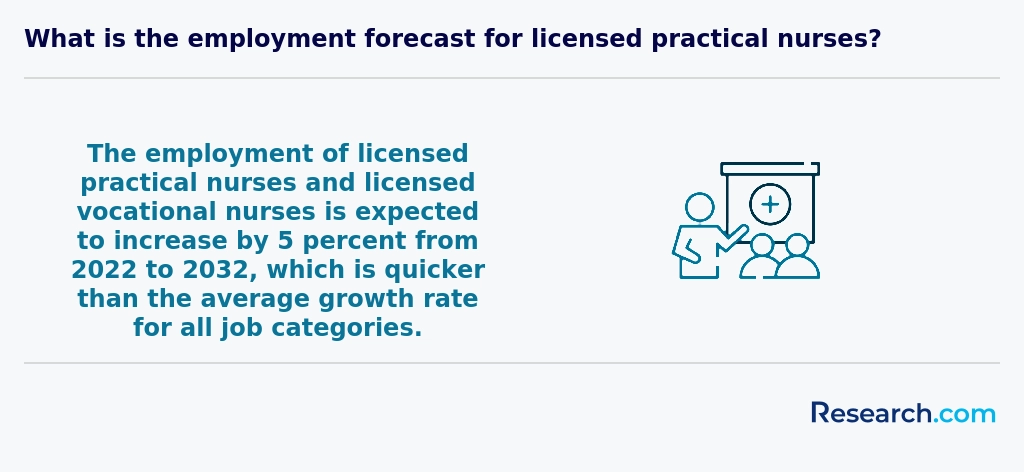
If you're thinking about a nursing degree in Oregon, the job market is looking pretty great right now. Graduates from popular programs at universities like OHSU or Pacific University often find themselves stepping right into roles across hospitals, clinics, and community health centers. The demand is especially strong, with a growth rate for registered nurses expected to rise about 12% by 2032 - definitely better than the average for most jobs.
Many Oregon nursing grads feel excited about the opportunities, especially since there's a shortage in rural areas and fields like pediatric or geriatric nursing. This means you might land a position quickly if you're up for working in those communities. The Oregon nursing employment opportunities really do give new nurses a chance to make a real impact.
What's also nice to know is that many students at state schools enjoy affordable tuition, making the journey to becoming an RN more accessible. If you need a faster path, you might want to check out the top 6 month associate online degree options. Graduates often mention how starting salaries around $65,000 make it easier to focus on hands-on learning without stressing about finances.
2027 Most Valuable Nursing Degree Programs Ranking in Oregon
Investing in your education is a significant decision that can shape your future, and the Research.com team is fully aware of the importance of making well-informed choices. To support prospective students in Oregon, we have carefully developed the "2027 Most Valuable Nursing Degree Programs Ranking in Oregon." Our dedication to quality, credibility, and accuracy is demonstrated through thorough research and detailed analysis performed for this ranking.
We utilized the following reputable data sources to ensure a comprehensive evaluation of nursing programs:
By exploring this ranking, readers will gain valuable insights into the most valuable nursing degree programs in Oregon, enabling them to make confident and informed decisions about their educational journey. For more information on how this ranking was developed, please visit our Research.com methodology page.


# 5 position
Oregon Health & Science University
Bachelor of Science in Nursing

Frequently Asked Questions About nursing
Nursing degree students in Oregon can maximize their learning experience by engaging actively in clinical placements, which are essential for applying theoretical knowledge. Oregon's healthcare system offers diverse clinical settings, from urban hospitals in Portland to rural clinics, providing invaluable exposure to various patient populations. According to the Oregon Center for Nursing, students who complete multiple clinical rotations demonstrate higher competency scores on the NCLEX-RN exam.
Joining professional nursing organizations, such as the Oregon Nurses Association, helps students network and access continuing education. Additionally, utilizing resources at Oregon's community colleges and universities, including simulation labs and faculty mentorship, enhances practical skills.
Students should also consider part-time work or volunteering in healthcare to build hands-on experience while studying.
The nursing field in Oregon is rapidly evolving, with several emerging niches gaining prominence. One significant area is geriatric nursing, driven by Oregon's aging population, which grew by 22% for those 65 and older between 2010 and 2020, according to the Oregon Health Authority. Nurses specializing in this field support elderly patients with chronic conditions and complex care needs.
Another growing niche is informatics nursing, where professionals integrate healthcare technology to improve patient outcomes. This aligns with national trends emphasizing electronic health records and telehealth.
Additionally, mental health nursing is expanding in Oregon due to increased awareness and demand for behavioral health services. The state's focus on holistic care creates new roles for nurses addressing mental well-being alongside physical health.
After completing a nursing degree in Oregon, preparing for the job market involves several key steps. First, graduates must pass the NCLEX-RN exam to obtain licensure from the Oregon State Board of Nursing. This is mandatory to legally practice in the state. According to the Oregon Employment Department, registered nurses have a projected growth rate of 15.9% from 2020 to 2030, indicating strong job prospects.
Networking and gaining clinical experience through internships or residencies can improve employment chances. Joining professional organizations such as the Oregon Nurses Association provides valuable resources and job leads. Additionally, keeping skills current through continuing education is essential in Oregon's evolving healthcare environment.
Employers in Oregon prioritize several key skills in nursing degree graduates. According to the Oregon Center for Nursing, clinical competence and strong patient care abilities are essential. Graduates must demonstrate proficiency in assessing patient needs and administering safe treatments.
Communication skills are highly valued, as nurses regularly interact with patients, families, and healthcare teams. Critical thinking and problem-solving capabilities are also crucial, enabling nurses to make quick, sound decisions in complex situations.
Oregon's healthcare employers also emphasize cultural competence, reflecting the state's diverse population. Familiarity with electronic health records (EHR) and healthcare technology is increasingly important for efficiency and accuracy in nursing practice.
Finding internships in Oregon for nursing students involves several key steps. Start by contacting the nursing program's coordinator at your college or university, as many Oregon schools have established partnerships with local healthcare providers. For example, institutions like Oregon Health & Science University (OHSU) offer clinical internship placements in hospitals and community health centers across the state.
Utilize resources from the Oregon Center for Nursing, which tracks nursing workforce data and can guide students to internship opportunities aligned with state needs. Additionally, explore Oregon's major healthcare systems, such as Providence Health & Services and Legacy Health, which frequently offer paid or unpaid nursing internships. Networking through professional nursing associations like the Oregon Nurses Association can also be beneficial.
A nursing degree in Oregon significantly enhances career mobility and advancement opportunities within the healthcare sector. According to the Oregon Employment Department, registered nurses with a bachelor's degree (BSN) tend to qualify for higher-level positions, including leadership and specialized clinical roles. Employers increasingly prefer BSN-prepared nurses due to evidence linking advanced education with improved patient outcomes.
Graduates holding associate or diploma degrees can enter the workforce quickly but may face limitations in upward mobility. Pursuing higher degrees such as a BSN or MSN enables access to roles in nurse management, education, and advanced practice.
Oregon's growing healthcare market, projected to add over 4,000 nursing jobs annually through 2028, rewards nurses with formal education credentials through better salary prospects and more diverse career pathways.
Studying for a nursing degree in Oregon equips students with skills essential for interdisciplinary roles in healthcare. Programs emphasize collaboration by integrating coursework in communication, ethics, and healthcare systems alongside clinical training. This approach reflects Oregon's growing demand for nurses able to work closely with physicians, social workers, and therapists.
According to the Oregon Center for Nursing, nurses with interdisciplinary training contribute to improved patient outcomes and reduced hospital readmissions. Many Oregon nursing programs include simulation labs and team-based projects to foster real-world collaboration. Students also engage in clinical rotations across diverse settings, preparing them to coordinate care effectively within healthcare teams.
Choosing between a thesis and a non-thesis nursing degree program in Oregon depends largely on your career goals and learning style. Thesis programs focus on research, requiring students to conduct original studies and write a detailed paper. These are ideal if you plan to pursue a doctoral degree or work in academic or research settings. Non-thesis programs emphasize clinical practice and coursework, offering a faster track into advanced nursing roles such as nurse practitioner or administrator.
In Oregon, about 60% of nursing graduate programs offer non-thesis options, reflecting the state's growing healthcare needs as noted by the Oregon Center for Nursing. Consider how much time you can dedicate: thesis paths often take longer. Evaluate program curriculums and speak with advisors to determine which path best aligns with your professional aspirations and personal circumstances.
Students based in Oregon interested in studying nursing abroad have several pathways to consider. Many Oregon nursing programs, such as those at Oregon Health & Science University, offer study abroad exchanges or international clinical placements. This allows students to gain hands-on experience in healthcare systems outside the U.S. while earning credits toward their degree.
Additionally, Oregon students can enroll in accredited international nursing programs that meet U.S. educational standards, facilitating eventual licensure in Oregon. The Oregon State Board of Nursing requires foreign-educated nurses to complete credential evaluations and additional exams, ensuring their qualifications align with state requirements.
Considering that Oregon's nursing workforce is expected to grow by 18% through 2030 according to U.S. Bureau of Labor Statistics data, gaining diverse international experience can enhance employability and cultural competence.
Students pursuing nursing degrees in Oregon have several part-time job options that can enhance their education and practical skills. Common opportunities include working as certified nursing assistants (CNAs), medical assistants, or pharmacy technicians. These roles provide hands-on patient care experience while allowing students to apply classroom knowledge.
Oregon's healthcare facilities often seek part-time support staff, especially in hospitals and assisted living centers, where students can build crucial communication and clinical skills. According to the Oregon Employment Department, healthcare support positions are expected to grow by over 15% through 2028, reflecting strong demand.
Additionally, jobs in community health organizations or outpatient clinics offer exposure to public health aspects relevant to nursing practice.
Nursing students in Oregon benefit from diverse networking opportunities that support their academic and professional growth. Many nursing programs partner with local hospitals, such as Oregon Health & Science University, to offer clinical placements and mentoring, connecting students with experienced nurses and healthcare administrators.
Statewide organizations like the Oregon Nurses Association host events, workshops, and conferences where students can meet practicing professionals and learn about the latest industry trends. Additionally, nursing students often join student chapters of national groups such as the National Student Nurses' Association, which promote leadership and collaboration across schools.
These networking avenues increase job prospects, with Oregon's nursing sector expected to grow 19% from 2020 to 2030 according to the U.S. Bureau of Labor Statistics, making connections critical for entering the workforce.
Alumni networks provide valuable support for nursing students in Oregon by offering connections to experienced professionals actively working in the state's healthcare system. These networks facilitate mentorship opportunities, helping students navigate clinical placements and licensing requirements set by the Oregon State Board of Nursing. Through events and online communities, alumni share job leads, which is crucial given that Oregon projects a 22% growth in registered nursing employment from 2021 to 2031, according to the U.S. Bureau of Labor Statistics.
Access to alumni networks also strengthens students' professional development by promoting continuing education and workshops. Schools such as Oregon Health & Science University maintain strong alumni programs that help graduates stay informed about evolving best practices. Overall, these networks enhance career readiness and job placement success within Oregon's healthcare landscape.
Customizing a nursing degree program in Oregon allows students to align their education with specific career goals. Many Oregon universities offer flexible pathways, including Bachelor of Science in Nursing (BSN), RN-to-BSN, and Master of Science in Nursing (MSN) programs. Students can often choose electives focused on specialties such as pediatrics, gerontology, or mental health. Clinical placements across diverse healthcare settings in Oregon help build relevant experience. Additionally, some programs provide opportunities for research or leadership training tailored to evolving healthcare needs.
The Oregon Employment Department reports a 16% growth in nursing jobs through 2030, highlighting demand for specialized skills. Accredited programs by the Oregon State Board of Nursing ensure quality education and eligibility for licensure exams.
Nursing students in Oregon face several challenges during their education. One significant hurdle is the competitive admission process. Oregon's nursing programs receive many applications but have limited spots, making entry difficult. According to the Oregon Center for Nursing, about 60% of qualified applicants are turned away each year due to capacity limits.
Another challenge is the demanding clinical hours required. Students must complete extensive hands-on training in healthcare settings, balancing these with coursework and often part-time jobs. Clinical placements can be stressful due to staff shortages in Oregon hospitals.
Finally, the cost of nursing education in Oregon can be high, especially for out-of-state students. Financial aid options exist but may not fully cover expenses, causing concern for many.
With a nursing degree in Oregon, graduates can pursue several professional certifications to advance their careers. The most common certification is the Registered Nurse (RN) license, granted by the Oregon State Board of Nursing after passing the NCLEX-RN exam. Beyond this, nurses can specialize by obtaining certifications like the Certified Nurse Practitioner (CNP), Certified Nurse Midwife (CNM), or Clinical Nurse Specialist (CNS).
Oregon also supports certifications in areas like critical care, pediatrics, and gerontology, offered through organizations such as the American Nurses Credentialing Center (ANCC). These credentials often require additional clinical experience and exam completion.
Holding certifications can lead to higher salaries; Oregon RNs typically earn a median annual wage of about $90,000, according to the U.S. Bureau of Labor Statistics (2023). Specialized certifications help nurses meet Oregon's competitive healthcare demands and improve patient outcomes.
Writing a winning application for a nursing program in Oregon begins with careful preparation. Applicants should highlight their academic achievements, especially in science and math courses, since Oregon nursing programs often require strong backgrounds in biology and chemistry. Including volunteer or work experience in healthcare settings can also strengthen the application by demonstrating commitment to the field.
Applicants must submit official transcripts, letters of recommendation, and a well-crafted personal statement. The statement should clearly explain motivation for nursing and relate to Oregon's healthcare needs, such as working with rural or aging populations. Meeting GPA requirements-often around 3.0 or higher-is important for competitive programs.
The Oregon State Board of Nursing provides resources about licensing and educational standards, which can help applicants align their goals with state requirements. According to the Oregon Employment Department, registered nursing is among the state's fastest-growing occupations, affirming strong demand for qualified nurses.
Nursing careers hold strong global significance, reflecting widespread demand and diverse opportunities. In the United States, including Oregon, nursing is among the fastest-growing professions, with the Oregon Center for Nursing reporting a projected 15% employment growth from 2020 to 2030. This trend aligns with global health challenges, increasing the need for skilled nurses worldwide.
Internationally, nurses often engage in varied roles, from clinical care to health policy and education, emphasizing adaptability and cultural competence. For students in Oregon, earning a nursing degree can open doors to dynamic careers both locally and abroad, supported by the rigorous U.S. education system and licensing standards.
Moreover, global nursing associations promote standards that enhance mobility, allowing Oregon graduates to explore careers overseas if desired. Understanding these global perspectives helps prospective nurses appreciate their role in a broader health context.
Gaining practical experience is essential while studying for a nursing degree in Oregon. Most accredited nursing programs incorporate clinical rotations in hospitals, clinics, and long-term care facilities. These hands-on experiences allow students to apply classroom knowledge in real healthcare settings under supervision. Oregon's Board of Nursing requires a minimum of 500 clinical hours for registered nurse (RN) licensure, ensuring adequate exposure to patient care.
Students can also seek internships or externships through partnerships that Oregon universities and community colleges maintain with local healthcare providers. Volunteering in healthcare settings offers another pathway to build practical skills. According to the Oregon Center for Nursing, diverse clinical experience improves job readiness after graduation.
Choosing the right concentration within a nursing degree program in Oregon depends on your career goals and interests. Oregon offers diverse nursing specialties such as family nurse practitioner, psychiatric mental health, and pediatric nursing. According to the Oregon Center for Nursing, primary care and mental health are high-demand fields due to statewide healthcare needs.
Consider the state's job outlook: the Oregon Employment Department projects a 15% growth for registered nurses through 2031, with advanced practice roles expanding faster. Research program curricula to ensure they include clinical experiences aligned with your desired specialty. Also, check if the concentration prepares you for relevant certification exams recognized in Oregon.
Reflect on your passion for patient care settings and long-term career advancement. Talking to practicing nurses and academic advisors in Oregon can provide valuable local insight.
- 2027 Most Valuable Online Nursing Degree Programs Ranking in North Dakota
- 2027 Most Valuable Online Nursing Degree Programs Ranking in Kansas
- 2027 Most Valuable Online Nursing Degree Programs Ranking in Texas
- 2027 Most Valuable Online Nursing Degree Programs Ranking in Iowa
- 2027 Most Valuable Online Nursing Degree Programs Ranking in Missouri
- 2027 Most Valuable Online Nursing Degree Programs Ranking in Arkansas
- 2027 Most Valuable Online Nursing Degree Programs Ranking in Louisiana
- 2027 Most Valuable Online Nursing Degree Programs Ranking in Wisconsin
- 2027 Most Valuable Online Nursing Degree Programs Ranking in Illinois
- 2027 Most Valuable Online Nursing Degree Programs Ranking in Mississippi
See What Experts Have To Say About Studying Nursing
Read our interview with Nursing experts

Lisa Grubb
Nursing Expert
Assistant Professor
Johns Hopkins School of Nursing

- Apply to Nursing | Nursing at PCC https://www.pcc.edu/programs/nursing/aas-nursing/apply/
- Improving public health: Nursing students build skills through service learning https://www.oregonfoodbank.org/nursing-students-build-skills-through-service-learning
- Nursing School Cost of Attendance, Tuition and Fees at OHSU https://www.ohsu.edu/school-of-nursing/tuition-and-fees
- Interdisciplinary Education and Practice https://www.aacnnursing.org/news-data/position-statements-white-papers/interdisciplinary-education-and-practice
- How Do Nurses Prepare to Work in a Multidisciplinary Team? | NursingEducation https://nursingeducation.org/insights/multidisciplinary-team/
- Types of Nursing Degrees-Which One Is Yours? https://www.allnursingschools.com/how-to-get-into-nursing-school/degree-options/
- NURSING - University College of Enterprise and Administration https://en.wspa.pl/nursing-graduate-program/
- Nursing Scholarships | Ashland Community Health Foundation https://achfoundation.org/nursing-scholarship/
- The Nurses' Alumni Association https://giving.mainlinehealth.org/get-involved/auxiliaries-and-womens-boards/lankenau-medical-center-womens-board/the-nurses-alumni-association
- How to Choose a Nursing Program: A Comprehensive Guide - Madonna ABSN https://absn.madonna.edu/blog/how-to-choose-a-nursing-program/