2027 Most Valuable Nursing Degree Programs Ranking in Mississippi

Co-Founder and Chief Data Scientist
Choosing the right nursing degree program in Mississippi can feel overwhelming, but it's an important step toward a rewarding career. This article introduces the 2027 Most Valuable Nursing Degree Programs Ranking in Mississippi, created by the Research.com team of data scientists to guide you in making an informed decision.
By exploring this ranking, you'll discover programs that offer strong value, helping you invest in your education wisely. Pursuing a nursing degree opens doors to meaningful work and personal growth, and this guide is here to support your journey.
Key benefits of getting nursing degree in Mississippi
- Nursing degree graduates in Mississippi can expect competitive salaries, with Registered Nurses earning a mean annual wage of $94,480 and Operating Room Nurses earning up to $128,490, reflecting strong financial rewards.
- Graduates from institutions like the University of Mississippi have diverse career paths available, including Registered Nurse, Public Health Nurse, and Emergency Room Nurse, offering flexibility and growth in the healthcare field.
- Online nursing degrees from schools such as Mississippi University for Women provide convenience and flexibility, allowing students to balance work and study while earning the same respected credential as traditional programs.
- 2027 Most Valuable Nursing Degree Programs Ranking in Mississippi
- What can I expect from nursing degree in Mississippi?
- Where can I work with nursing degree in Mississippi?
What can I expect from nursing degree in Mississippi?
The average cost of obtaining a nursing degree in Mississippi varies depending on the type of program and institution. Typically, pursuing an Associate Degree in Nursing (ADN) at a community college may range between $6,000 and $12,000 in total tuition fees. In contrast, Bachelor of Science in Nursing (BSN) programs at universities like the University of Mississippi Medical Center or Mississippi State University can cost between $15,000 and $30,000, depending on residency status and additional fees. Graduates from these programs often reflect on their investment with a mix of relief and pride, emphasizing the value of quality education paired with practical training.
Many students appreciate how public institutions in Mississippi offer more affordable tuition compared to national averages, which helps ease financial concerns. However, some express challenges in balancing expenses with living costs during clinical rotations in hospitals or community health settings. Scholarships and state financial aid targeted at nursing students often soften this burden, especially for those willing to serve in rural or underserved areas.
Ultimately, understanding these costs alongside the rigorous hands-on experiences offered by renowned nursing programs highlights both the commitment required and the rewarding path ahead for aspiring nurses in Mississippi.
Where can I work with nursing degree in Mississippi?
Graduates from nursing programs at institutions like the University of Mississippi Medical Center often find diverse job opportunities throughout Mississippi. Many quickly secure roles in hospitals, which employ over 70% of registered nurses statewide. Working in bustling urban hospitals contrasts with experiences at smaller rural facilities, where nurses appreciate closer community ties and varied patient care.
Others choose to work in outpatient clinics or physician offices, where nurses engage deeply in preventive care and managing chronic illnesses, drawing satisfaction from long-term patient relationships. Nursing graduates from colleges such as Mississippi University for Women report feeling valued in these settings for their expertise and personal touch.
Long-term care facilities, including nursing homes, also attract many graduates. The growing elderly population in Mississippi creates steady demand, offering job stability and rewarding chances to support aging individuals and their families. Some graduates emphasize how caring for seniors nurtures compassion and professional growth.
Public health nursing provides a meaningful path as well, especially in addressing Mississippi's health challenges like diabetes and heart disease. Nurses working for local health departments experience fulfillment by educating communities and controlling outbreaks. Those with advanced degrees might pursue nurse practitioner roles in underserved rural areas, filling vital healthcare gaps where doctor shortages persist.
Graduates from nursing programs in Mississippi, such as those at the University of Mississippi Medical Center or Jackson State University, can expect varied earnings based on their role and experience. Registered nurses typically earn a mean annual salary of about $94,480, with an hourly wage near $45.42, according to recent data. This aligns well with graduates who start in typical hospital settings, where demand is strong and wages tend to be steady.
For those pursuing specialties, the financial outlook improves notably. For example, operating room nurses earn a higher mean annual wage of approximately $128,490, reflecting the advanced skills and responsibility required in surgical environments. Graduates who transition into roles like clinical nurse educators, emergency room nurses, or public health nurses generally see similar mean salaries to registered nurses, also near $94,480 annually.
Many nursing graduates from Mississippi's programs report strong job satisfaction linked not only to salary but also to the impact they have on patient care. Earning potential grows with further certifications and experience, especially within metropolitan hubs such as Jackson, where specialized units offer premium pay. This combination of a rewarding career and competitive salaries makes nursing degrees a practical choice for students dedicated to healthcare in Mississippi.
- Nursing degrees in Mississippi include ADN and BSN programs at community colleges and universities, affecting study length and career options.
- Tuition for public nursing programs ranges from $6,000 to $10,000 per year for in-state students, with private colleges generally charging more but offering financial aid.
- Starting salaries for nurses average about $52,000 per year, increasing to around $68,000 with experience and specialization.
- Nursing job growth in Mississippi is projected at 12% over the next decade, higher than the national average.
- Licensure requires passing the NCLEX-RN exam and completion of an approved nursing program regulated by the Mississippi Board of Nursing.
- Continuing education options include bridge programs for LPNs to become RNs and opportunities to earn advanced degrees like the MSN.
The time to complete a nursing degree in Mississippi depends heavily on the chosen path and personal circumstances. Graduates from community colleges offering Practical Nursing Certificates often mention how the 12 to 18 months timeframe allowed them to quickly enter the workforce as Licensed Practical Nurses, balancing studies with life responsibilities.
Most students aiming to become Registered Nurses pursue an Associate Degree in Nursing, which typically takes about two years full-time. Graduates from well-known programs at community colleges appreciate the combination of classroom learning and hands-on clinical practice that prepares them effectively for the NCLEX-RN exam.
Those enrolling in four-year Bachelor of Science in Nursing programs, like those at the University of Mississippi Medical Center or Mississippi University for Women, often highlight the rewarding challenge of a broader curriculum. It covers leadership and public health as well as clinical skills, though the commitment to four years requires careful time management and motivation.
For students transferring from ADN or LPN routes, RN-to-BSN bridge programs offer a flexible option, usually completed within one to two years depending on part-time or full-time status. These programs appeal to working nurses seeking advancement without pausing their careers.
Factors such as part-time enrollment, accelerated tracks, or financial aid availability can significantly influence the actual duration, making it important for prospective students to consider their unique situation when planning.
Enrolling in a nursing program in Mississippi means more than just rigorous coursework-it also grants you access to an array of support services tailored to help you excel academically, clinically, and professionally. Most institutions offer dedicated academic advising, peer tutoring in subjects like pharmacology and anatomy, and writing centers that specialize in nursing-specific assignments. These services ensure you have personalized guidance from day one, helping you stay on track with prerequisites and manage the demanding workload. Clinical skill development is reinforced through state-of-the-art simulation labs and partnerships with local hospitals, where experienced faculty and clinical educators mentor you during hands-on rotations. Whether you’re practicing IV insertions or patient assessments, simulation specialists provide immediate feedback, so you refine your technique before entering real-world settings. For students balancing work or family commitments, online resources-such as virtual simulations and 24/7 e-tutoring-offer flexibility without sacrificing quality. Professional growth is further supported by career services and mentorship programs that connect you with alumni and healthcare leaders in Mississippi. Workshops on resume building, interview preparation, and NCLEX-RN review sessions are standard offerings, increasing your confidence when applying for competitive roles. For those interested in graduate pathways, aspiring nurses can explore cost-effective options in our Affordable Online Master’s in Nursing Degree Programs Ranking in the West, which highlights flexible programs designed for working professionals. Finally, comprehensive well-being resources-including counseling services, stress-management workshops, and financial aid advising-ensure you maintain a healthy work-life balance throughout your studies. By leveraging these support systems, Mississippi nursing students build a strong foundation for success in both their academic journey and future careers.
Choosing between online and on-campus nursing degrees in Mississippi largely depends on your learning style and life circumstances. Graduates from the University of Mississippi Medical Center often recall the energized atmosphere of in-person classes, where hands-on labs and immediate faculty interactions helped them feel supported and confident. In contrast, those who completed their RN to BSN online appreciated the flexibility to study around work or family commitments, yet they emphasize the need for strong self-discipline and tech comfort to stay engaged.
While both formats require clinical hours at approved healthcare sites in Mississippi, on-campus students sometimes find it easier to secure placements through campus connections. Conversely, online students benefit from partnering with local facilities, allowing practical experience close to home.
Cost-wise, public institutions like Mississippi University provide more affordable tuition, whether online or on-campus, but additional expenses such as commuting and housing often favor the online route. Overall, personal motivation and access to campus resources shape these distinct experiences.
Advancing your nursing career often involves pursuing postgraduate education, where specialized knowledge and leadership skills are developed. Many Mississippi nurses choose a Master of Science in Nursing (MSN) to gain expertise in areas like nurse practitioner roles, nurse education, or healthcare administration. An MSN typically requires 18–24 months of full-time study, blending advanced clinical coursework with evidence-based practice projects. Graduates report that this degree enhances their autonomy, allowing them to diagnose, prescribe, and manage patient care in diverse settings. For those seeking the highest clinical doctorate, the Doctor of Nursing Practice (DNP) is increasingly popular. DNP programs focus on translating research into practice, health policy, and system leadership. While traditional DNP tracks can take three to four years, many working nurses opt for accelerated formats. To compare program lengths and formats, explore our guide to the shortest online dnp programs, which highlights accelerated curricula that accommodate full-time professionals. Beyond degrees, advanced certifications offer targeted expertise. Certifications from organizations like the American Nurses Credentialing Center (ANCC) and the American Association of Critical-Care Nurses (AACN) validate proficiency in specialties such as acute care, oncology, and psychiatric-mental health. These credentials not only boost clinical competence but also signal dedication to prospective employers, often correlating with higher salary brackets and leadership opportunities. Whether you aim to direct nursing teams, influence health policy, or teach the next generation of nurses, investing in postgraduate pathways positions you at the forefront of healthcare innovation. By strategically selecting programs that align with your career goals-considering factors like accreditation, clinical practicum options, and format flexibility-you can maximize both professional impact and personal fulfillment.
The average nursing degree cost in Mississippi varies significantly depending on the type of program and whether the student is in-state or out-of-state. For those attending public institutions such as community colleges or state universities, in-state students typically face a total cost of around $9,700 for their nursing degree. Graduates from well-regarded nursing programs at institutions like the University of Mississippi Medical Center or Mississippi College often recall managing expenses within this range, combining tuition with additional fees for textbooks and uniforms.
Out-of-state students can expect a considerably higher total cost, closer to $23,600, which can pose a challenging financial commitment but is sometimes offset by financial aid or scholarships. For example, graduates from popular programs are often grateful for state assistance programs that significantly reduce out-of-pocket expenses, highlighting the importance of careful planning and research.
Those pursuing different paths such as Practical Nursing or Associate Degree in Nursing (ADN) programs report lower overall costs but emphasize that miscellaneous fees and exam costs can add up. Nursing students weighing their options at various public colleges remind prospective applicants to consider both tuition and ancillary expenses. Exploring resources like the affordable nursing school in Mississippi listings can provide valuable guidance on managing these costs effectively.
Understanding Mississippi nursing program tuition and fees beyond headline figures helps illustrate the real financial landscape students face. Graduates often describe a tangible sense of accomplishment in balancing affordability with quality education, reminding future nurses to approach cost estimates critically and seek tailored solutions for their circumstances.
Ensuring a nursing program holds proper accreditation and state approval is critical for eligibility to sit for the NCLEX and obtain licensure in Mississippi.
- Programs must be accredited by the Commission on Collegiate Nursing Education (CCNE) or the Accreditation Commission for Education in Nursing (ACEN) to meet national quality standards.
- Approval from the Mississippi Board of Nursing ensures graduates are eligible for the NCLEX-RN exam and state licensure.
- Graduates from accredited RN-to-BSN pathways gain advanced competencies and uninterrupted progression into practice; explore accredited options like affordable rn to bsn online programs.
Verifying both institutional and programmatic accreditation safeguards your eligibility for licensure and future academic advancement.
Nursing students in Mississippi often rely on a combination of federal, state, and private financial aid to manage costs. For example, Pell Grants offer up to $7,395 without repayment, which many students at the University of Mississippi Medical Center find crucial for covering tuition and living expenses.
State-specific programs also play a vital role. The Mississippi Office of Nursing Workforce's loan repayment and scholarship initiatives help graduates from institutions like Delta State University who commit to working in underserved rural areas. One graduate shared that this program transformed the financial burden into an opportunity to serve communities in need.
Additionally, private scholarships from local hospitals and nursing associations often support students enrolled in accredited programs across the state. These awards can be a lifeline for students balancing work and study, especially at community colleges such as Hinds Community College.
Many institutions complement these aids with merit-based scholarships and work-study options. Nursing students often express relief and motivation when institutional aid reduces their debt, enabling a stronger focus on their clinical practice and learning.
When considering a nursing degree in Mississippi, one crucial aspect to explore is the affordability of nursing education. Prospective students often face significant financial concerns, making it essential to find an affordable nursing school that balances quality education with manageable costs. Looking into options such as an affordable nursing school in Mississippi can be a strategic first step. By doing so, individuals can navigate the challenges of funding their education more effectively, ultimately making their nursing career goals more accessible and feasible. This approach not only helps in reducing financial stress but also allows students to focus on their studies and clinical training, which are fundamental to becoming a skilled and compassionate nurse.
Enrolling in a nursing degree program in Mississippi typically demands more than just a high school diploma. Graduates from institutions like the University of Mississippi Medical Center recall that having completed high school courses in biology and chemistry made the demanding curriculum feel more manageable. Many programs require passing the TEAS exam, which tests reading, math, science, and English skills; this is a significant hurdle where some hopeful students find themselves challenged initially but gain confidence after focused preparation.
Applicants often must complete college-level prerequisite courses such as anatomy and microbiology. For example, graduates from Mississippi Gulf Coast Community College cite these classes as critical foundations that helped them engage more deeply in clinical practice earlier on. Clinical sites usually demand proof of immunizations like MMR and hepatitis B, alongside background checks, emphasizing the responsibility entrusted to nursing students. While GPA cutoffs around 2.5 to 3.0 are common, students' experiences vary, with many appreciating clear academic expectations that prepare them for the rigors of healthcare education in the state.
Nursing degree programs in Mississippi typically include core science courses such as biology, chemistry, and anatomy and physiology, which form the foundation for understanding human health. For instance, graduates from universities like the University of Mississippi describe how detailed anatomy lessons helped them confidently identify patient conditions during clinical rotations.
Specialized nursing courses also play a significant role. Classes like Fundamentals of Nursing and Pharmacology provide essential skills in patient care and medication management. Many students at Mississippi College emphasize how hands-on pharmacology sessions made them feel prepared for safe medication administration, a crucial nursing responsibility.
Other courses often focus on specific populations, including Adult Health Nursing, Mental Health Nursing, and Maternity and Pediatric Nursing. This diversity allows students to connect theory with real-life scenarios, such as caring for new mothers or supporting mental health patients in a Jackson-area hospital.
Additionally, courses in Community and Public Health Nursing highlight disease prevention and wellness promotion, reinforcing the holistic approach favored by Mississippi-based programs. Graduates frequently express satisfaction with how clinical hours let them apply these lessons in hospitals and health centers, strengthening their confidence and empathy.
Nursing students in Mississippi often find a broad spectrum of specializations within their programs, tailored to meet local healthcare demands. Typical fields include Registered Nurse (RN) to Bachelor of Science in Nursing (BSN) pathways, which graduates appreciate for enhancing clinical leadership skills. Others pursue Family Nurse Practitioner (FNP) tracks, especially valuable due to Mississippi's rural healthcare challenges. These specialization options provide tangible career pathways, as found at institutions like the University of Mississippi Medical Center, where graduates highlight how hands-on clinical experience prepares them for diverse roles.
Exploring Mississippi nursing program focus areas reveals attention to emerging needs such as Psychiatric-Mental Health Nursing and Geriatric Nursing, crucial given the state's demographic trends. Pediatric Nursing and Critical Care specialties also respond to distinct patient populations. Some students choose Nursing Education and Administration to influence future nursing generations, underscoring the program's versatility.
Prospective students balancing affordability with quality might also consider accessible lpn online programs nc as alternative pathways, underscoring the practical considerations many face. Overall, Mississippi's nursing degree specializations offer meaningful options aligned with both personal passion and community healthcare needs.
Choosing the best nursing degree in Mississippi requires balancing your career goals with practical factors like cost and program quality. Graduates from community colleges offering ADN programs often appreciate the shorter, two-year timeline, which lets them start working sooner. However, those from universities such as Jackson State frequently highlight the advantage of BSN programs, which deliver more comprehensive training sought by many employers. Considering affordable nursing schools Mississippi is crucial, as tuition can vary significantly-from $2,500 at community colleges to upwards of $10,000 annually at some public universities.
Accreditation and NCLEX pass rates are vital indicators of program reliability. Graduates from accredited programs report feeling confident and well-prepared, especially when their schools exceed the state's 85% pass rate benchmark. Location and flexibility also matter: hybrid or online options can be a lifesaver for working students managing family or jobs. For those planning advanced practice, exploring the shortest online dnp programs accessible after a nursing degree can shape long-term decisions.
Career paths for a nursing degree in Mississippi are diverse, reflecting both the state's healthcare needs and educational offerings. Graduates from institutions like the University of Mississippi Medical Center often begin as Registered Nurses (RNs), passing the NCLEX-RN exam after completing ADN or BSN programs. Many find rewarding roles in hospitals or community clinics, where the demand for skilled nurses remains strong, showcasing robust Mississippi nursing degree job outlook.
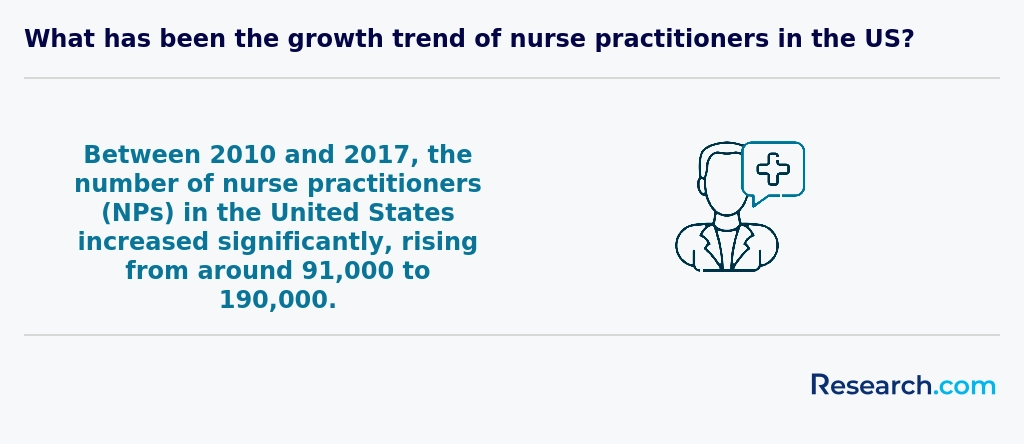
Beyond traditional nursing roles, graduates frequently pursue advanced degrees to become APRNs, including Family Nurse Practitioners or Psychiatric Nurse Practitioners. For instance, those from Mississippi State University have shared how advanced qualifications enable them to serve underserved rural areas, illustrating a meaningful impact amid primary care shortages.
Other options include public health nursing, education, and clinical research coordination. Graduates report positive experiences transitioning to these roles, balancing clinical work with community wellness efforts. For those considering further study, exploring opportunities like the Affordable Online Master's in Nursing Degree Programs Ranking in the West can ease the financial burden while advancing their careers.
The nursing job opportunities in Mississippi remain promising despite wages averaging around $57,000 annually, which is below the national average. Graduates from well-known institutions like the University of Mississippi Medical Center often find themselves quickly employed in hospitals, clinics, and rural care centers where demand is acute. Many of these new nurses appreciate the mix of affordable living costs and accessible public university tuition ranging from $7,000 to $12,000 per year, making the investment in a nursing degree manageable.
Mississippi nursing degree employment outlook is shaped by persistent nurse shortages, especially in rural areas. Graduates report positive experiences when joining the workforce, citing strong clinical training and community support as key to their success. Some choose to accelerate their path by enrolling in accelerated programs college, allowing them to enter the job market sooner and meet urgent healthcare needs. These practical pathways reflect the state's commitment to sustaining its healthcare workforce amid demographic changes.
2027 Most Valuable Nursing Degree Programs Ranking in Mississippi
Investing in your education is a significant decision that can profoundly impact your future, and the Research.com team is dedicated to supporting you in making well-informed choices. To aid prospective students in Mississippi, we have carefully developed the "2027 Most Valuable Nursing Degree Programs Ranking in Mississippi." Our unwavering commitment to quality, credibility, and accuracy guided the thorough research and analysis undertaken to create this ranking.
We utilized the following reputable data sources to ensure a comprehensive evaluation of nursing programs:
By consulting this ranking, readers will gain valuable insights into the most valuable nursing degree programs in Mississippi, empowering them to make confident educational decisions. For more information on how this ranking was developed, please visit our Research.com methodology page.


Frequently Asked Questions About nursing
Nursing students in Mississippi can maximize their learning experience by combining academic study with practical training. Many programs require clinical rotations in diverse healthcare settings, which is critical for developing hands-on skills. According to the Mississippi Board of Nursing, clinical experience significantly boosts competency and readiness for the NCLEX-RN licensing exam.
Joining student nursing organizations offers networking and mentoring opportunities, helping students connect with practicing nurses and explore career paths. Utilizing Mississippi's community college and university resources, such as tutoring or simulation labs, can deepen understanding of complex nursing concepts.
Maintaining a good GPA is important, as competitive grades increase chances for scholarships and advanced program admission. Staying current with Mississippi-specific healthcare policies and workforce trends also strengthens professional preparation.
The nursing field in Mississippi is expanding into several emerging niches responding to shifting healthcare needs. One notable area is geriatric nursing, driven by the state's growing elderly population. According to the Mississippi Department of Health, by 2030, over 20% of residents will be aged 65 or older, increasing demand for specialized care.
Another niche gaining attention is telehealth nursing. Nurses who coordinate care remotely are essential in rural parts of Mississippi where medical facilities are limited. This trend aligns with broader national moves to improve access through technology.
Additionally, psychiatric-mental health nursing is growing as awareness of mental health issues rises. The Mississippi Board of Nursing highlights rising licensure numbers in this specialty. These emerging fields offer new career paths within traditional nursing roles.
After earning a nursing degree in Mississippi, preparing for the job market involves several key steps. First, it is essential to pass the NCLEX-RN exam, which licenses registered nurses in the state. According to the Mississippi Board of Nursing, the state's NCLEX pass rate consistently aligns with the national average of around 85%. Next, obtaining clinical experience through internships or externships enhances a graduate's employability. Networking with healthcare employers and joining professional organizations such as the Mississippi Nurses Association can provide valuable job leads.
Continuing education is crucial as well; many employers favor nurses who update their skills regularly. Lastly, researching local healthcare facilities in Mississippi's underserved areas can expose additional job opportunities.
Employers in Mississippi value nursing graduates who demonstrate strong clinical skills and effective communication. According to the Mississippi Board of Nursing, critical thinking and patient assessment abilities are essential for ensuring quality care in diverse healthcare settings. Attention to detail and proficiency in electronic health records are increasingly important due to the state's adoption of digital health technologies.
Interpersonal skills are also crucial, as nurses often coordinate with patients and multidisciplinary teams. Adaptability and cultural competence are emphasized to meet the needs of Mississippi's varied populations. Additionally, knowledge of state-specific healthcare regulations improves employability, making graduates better prepared to comply with local standards.
Finding nursing internships in Mississippi involves leveraging partnerships between educational institutions and healthcare facilities. Many nursing programs in the state, such as those accredited by the Mississippi Board of Nursing, incorporate clinical rotations as integral parts of their curriculum, which often serve as internship opportunities.
Students should explore local hospitals like University of Mississippi Medical Center and regional clinics, as these are prominent sites offering hands-on experience. Additionally, contacting Mississippi nursing schools' career centers can provide listings of available internships and guidance on application processes.
The Mississippi Department of Health also collaborates with colleges to offer internship placements, helping students gain practical skills while meeting licensure requirements.
A nursing degree in Mississippi significantly enhances career mobility and advancement opportunities within the state's healthcare sector. Registered nurses (RNs) with an Associate Degree in Nursing (ADN) or Bachelor of Science in Nursing (BSN) can access diverse job settings, including hospitals, clinics, and community health organizations.
Employers increasingly prefer BSN-prepared nurses due to their comprehensive training, which supports leadership roles and specialized positions. According to the Mississippi Nurses Association, BSN nurses in Mississippi earn approximately 15% more on average than those with an ADN.
Furthermore, completing a nursing degree allows graduates to pursue advanced certifications and graduate studies, such as becoming a Nurse Practitioner (NP) or Clinical Nurse Specialist (CNS). The Mississippi Board of Nursing confirms that higher degrees directly correlate with expanded responsibilities and higher salaries in the state.
Studying for a nursing degree in Mississippi equips students with essential skills for interdisciplinary collaboration, a key aspect of modern healthcare. Programs emphasize teamwork, communication, and a comprehensive understanding of various medical roles. According to the Mississippi Nurses Association, over 70% of nursing curricula include courses on interdisciplinary care and patient-centered approaches.
Mississippi's nursing schools often partner with hospitals and community health organizations, providing hands-on experience alongside professionals from fields such as social work, pharmacy, and physical therapy. This exposure helps students understand diverse perspectives and how to contribute effectively in care teams.
Graduates leave prepared to participate in integrated healthcare delivery, addressing complex patient needs with a collaborative mindset.
When choosing between a thesis and a non-thesis nursing degree program in Mississippi, consider your career goals. Thesis programs often suit students interested in research or pursuing a doctoral degree. They require conducting original research and writing a detailed thesis. In contrast, non-thesis programs focus more on clinical practice and practical skills, which may better align with those aiming to advance in nursing leadership or direct patient care positions.
According to the Mississippi Institutions of Higher Learning, approximately 40% of nursing graduate programs offer thesis options, while the remainder emphasize non-thesis tracks. Reviewing program curricula and speaking with advisors can clarify which format matches your ambitions.
Financial and time commitments also differ; thesis degrees generally take longer due to research demands. This choice impacts how you prepare for Mississippi's nursing job market, which values both evidence-based practice and hands-on experience.
Students in Mississippi interested in studying nursing abroad have several pathways to consider. Many universities in Mississippi, such as the University of Mississippi Medical Center, offer study abroad programs or partnerships with international institutions. These opportunities enable students to gain global healthcare perspectives while earning credits toward their nursing degree.
Additionally, organizations like the Commission on Graduates of Foreign Nursing Schools (CGFNS) provide credential evaluations for internationally educated nurses who wish to practice in the U.S., which is crucial knowledge when planning studies abroad.
According to the Mississippi Board of Nursing, international experience can enhance clinical skills and cultural competence, benefiting graduates in a workforce projected to grow by 15% by 2030 in the state. Students should also explore scholarships and exchange programs specifically for nursing students interested in global health.
In Mississippi, nursing students seeking part-time job opportunities that align with their education can consider several roles. Certified nursing assistant (CNA) positions are popular, allowing hands-on patient care experience while supporting licensed nurses. According to the Mississippi Department of Health, CNAs can earn around $11 to $15 per hour, providing valuable workplace exposure and income.
Other viable roles include medical scribe or pharmacy technician jobs, where understanding medical terminology and procedures helps build relevant skills. Some students also find internships or part-time roles in hospital administrative departments useful for learning healthcare management.
These jobs not only complement nursing studies but help build professional networks within Mississippi's healthcare sector.
Nursing students in Mississippi have access to various networking opportunities that support their professional growth. Local chapters of national organizations such as the Mississippi Nurses Association (MNA) provide events, workshops, and conferences specifically aimed at students. These gatherings allow students to connect with experienced nurses and healthcare leaders.
Many Mississippi nursing schools partner with hospitals and clinics, offering clinical internships and externships where students build relationships with practicing nurses. According to the Mississippi Board of Nursing, student involvement in such programs increases job placement rates after graduation.
Additionally, universities often host career fairs and guest lectures featuring healthcare professionals from across the state. These events are valuable for expanding one's professional network early in the nursing career.
Alumni networks play a significant role for nursing degree students in Mississippi by providing valuable professional connections and support. These networks help students access mentorship from experienced nurses, which is crucial for guidance during clinical training and early career stages. According to the Mississippi Nurses Association, networking can increase job placement rates for new graduates.
Moreover, alumni groups often share job openings and continuing education opportunities exclusive to members. With Mississippi facing a projected nursing shortage of over 1,200 registered nurses by 2025, these connections can be essential for securing positions swiftly.
Overall, active alumni participation enhances both educational and career outcomes for nursing students in Mississippi.
Customizing a nursing degree program in Mississippi allows students to align education with specific career goals. Many institutions in the state offer flexible pathways, including associate, bachelor's, and advanced degrees tailored to different nursing roles.
Students can select specializations such as gerontology, pediatrics, or community health to gain targeted skills. Clinical rotations across Mississippi's diverse healthcare settings provide practical experience relevant to chosen fields. Online and hybrid course options also help accommodate working professionals seeking advancement.
According to the Mississippi Institutions of Higher Learning, some programs integrate leadership and informatics courses, preparing nurses for evolving roles. Engaging with academic advisors ensures curriculum choices meet licensure requirements and career aspirations.
Nursing students in Mississippi face several challenges that impact their education and career preparation. One major issue is the limited availability of clinical placement sites. According to the Mississippi Board of Nursing, competition for quality clinical experiences is high, which can delay graduation timelines.
Financial barriers are also significant. The average tuition for nursing programs in Mississippi is lower than the national average, but many students still struggle with costs related to supplies, exams, and licensure fees (Mississippi Institutions Data, 2023).
Additionally, Mississippi's rural healthcare shortages create difficulties in gaining diverse practical experience. Students may have fewer opportunities to work in specialized settings, which limits exposure to varied patient populations. These factors can challenge nursing students as they prepare for the state's licensure exams and future employment.
With a nursing degree in Mississippi, graduates can pursue several professional certifications to enhance their careers. Common certifications include the Certified Nursing Assistant (CNA), Licensed Practical Nurse (LPN), and Registered Nurse (RN) licenses, which are key credentials recognized statewide by the Mississippi Board of Nursing.
Further specialization is possible through certifications such as the Certified Nurse Midwife (CNM), Nurse Practitioner (NP), and Clinical Nurse Specialist (CNS). These require advanced education and passing national certification exams from organizations like the American Nurses Credentialing Center.
Mississippi nursing professionals often pursue certifications in areas like geriatrics, pediatrics, and critical care. These credentials improve job opportunities and reflect expertise in specialized healthcare fields, helping address Mississippi's growing healthcare needs, as reported by the Mississippi Hospital Association in 2023.
Writing a winning application for a nursing program in Mississippi requires careful preparation and attention to detail. Start by ensuring your academic records meet the minimum GPA and prerequisite course requirements, typically including biology, chemistry, and anatomy. Many Mississippi nursing schools recommend a GPA of at least 3.0 for competitive programs.
Strong letters of recommendation from healthcare professionals or academic instructors add credibility and highlight your commitment to nursing. Additionally, prepare a clear, concise personal statement that explains your passion for nursing and your career goals.
The Mississippi Board of Nursing reports that admission rates vary by institution, making a well-rounded application crucial. Some programs may also require the TEAS exam, where scores generally should be above the 60th percentile to be competitive.
Finally, be sure to submit your application before deadlines and verify all materials are complete. Attention to these details can significantly improve your chances of acceptance.
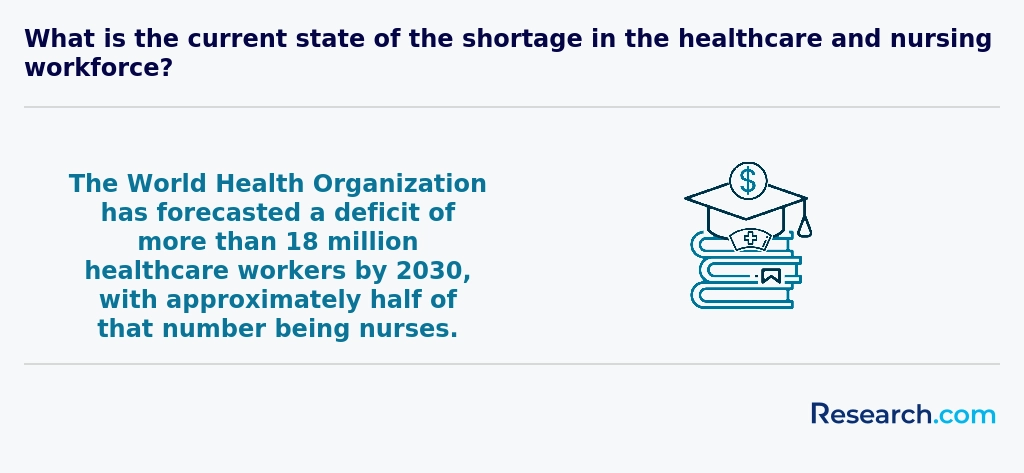
The nursing profession has a strong global presence, reflecting its crucial role in healthcare systems worldwide. For students in Mississippi, understanding this context can broaden their career outlook. Nurses are among the most in-demand healthcare workers internationally, with the World Health Organization projecting a global shortage of nearly 10 million nurses by 2030.
In the United States, including Mississippi, nurses benefit from a robust education system and various pathways, from Licensed Practical Nurse (LPN) to Bachelor of Science in Nursing (BSN) and advanced degrees.
Mississippi's nursing workforce is growing to meet local needs; according to the Mississippi Board of Nursing, the state licensed over 24,000 registered nurses in 2023. This local demand aligns with global trends emphasizing expanded nursing roles and advanced practice.
The global perspective highlights nursing as a versatile career with opportunities for international work, specialization, and leadership. For Mississippi students, this means their degree can open doors beyond state borders, supported by widely recognized accreditation standards within U.S. nursing education.
Gaining practical experience during a nursing degree in Mississippi is essential for developing clinical skills. Most accredited nursing programs in the state, such as those approved by the Mississippi Board of Nursing, incorporate hands-on clinical rotations in hospitals, community health centers, and long-term care facilities. These placements allow students to work under the supervision of licensed nurses and gain exposure to real patient care.
Many schools also partner with healthcare providers in Mississippi's major cities like Jackson and Gulfport, offering diverse clinical settings. Additionally, students can seek participation in simulation labs, which mimic patient scenarios to enhance decision-making skills safely. According to the American Association of Colleges of Nursing, such experiences improve readiness for the NCLEX-RN exam and professional practice.
Choosing the right concentration within a nursing degree program in Mississippi depends largely on your career goals and interests. Common concentrations include pediatric, geriatric, psychiatric, and emergency nursing. Mississippi's labor market shows a growing demand for family nurse practitioners and registered nurses specializing in elder care, reflecting the state's aging population (Mississippi Department of Employment Security, 2023).
Consider the clinical experiences offered by programs, ensuring they align with your preferred concentration. Accreditation by the Commission on Collegiate Nursing Education (CCNE) or Accreditation Commission for Education in Nursing (ACEN) is essential for quality education and licensure eligibility.
Also, review state licensure requirements. Some concentrations may require additional certifications or clinical hours unique to Mississippi's nursing board standards.
- 2027 Most Valuable Online Nursing Degree Programs Ranking in Louisiana
- 2027 Most Valuable Online Nursing Degree Programs Ranking in Arkansas
- 2027 Most Valuable Online Nursing Degree Programs Ranking in Tennessee
- 2027 Most Valuable Online Nursing Degree Programs Ranking in Florida
- 2027 Most Valuable Online Nursing Degree Programs Ranking in Missouri
- 2027 Most Valuable Online Nursing Degree Programs Ranking in Georgia
- 2027 Most Valuable Online Nursing Degree Programs Ranking in Kentucky
- 2027 Most Valuable Online Nursing Degree Programs Ranking in Texas
- 2027 Most Valuable Online Nursing Degree Programs Ranking in Indiana
- 2027 Most Valuable Online Nursing Degree Programs Ranking in Illinois
See What Experts Have To Say About Studying Nursing
Read our interview with Nursing experts

Lisa Grubb
Nursing Expert
Assistant Professor
Johns Hopkins School of Nursing

- Working While in Nursing School: 25 Ways to Make Money as a Nursing Student https://credenzahealth.com/career-advice/working-while-in-nursing-school-25-ways-to-make-money-as-a-nursing-student
- Work-life balance | Careers Crossroads | RCN Careers Resources | Royal College of Nursing https://www.rcn.org.uk/Professional-Development/Your-career/Nurse/Career-Crossroads/Career-Ideas-and-Inspiration/work-life-balance
- Associate Degree Nursing (ADN) Prelicensure - Mississippi Gulf Coast Community College https://mgccc.edu/programs/schools/nursing-health-professions/nursing/associate-degree-nursing-adn/
- Nursing - SUM Admission https://admission.sum.edu.pl/nursing/
- How Much Can I Earn With a BSN? https://www.allnursingschools.com/bsn/salary/
- What Nursing Concentration Is Right for Me? | Maryville Nursing https://nursing.maryville.edu/blog/what-nursing-concentration-is-right-for-me
- Interdisciplinary Education and Practice https://www.aacnnursing.org/news-data/position-statements-white-papers/interdisciplinary-education-and-practice
- The Nurses' Alumni Association https://giving.mainlinehealth.org/get-involved/auxiliaries-and-womens-boards/lankenau-medical-center-womens-board/the-nurses-alumni-association
- How Do Nurses Prepare to Work in a Multidisciplinary Team? | NursingEducation https://nursingeducation.org/insights/multidisciplinary-team/
- How to Choose the Right Nursing Program for Your Career Goals - Maria College https://mariacollege.edu/blog/how-to-choose-the-right-nursing-program-for-your-career-goals