
2027 Most Popular Nursing Degree Programs Ranking in Baton Rouge

Co-Founder and Chief Data Scientist
Choosing the right nursing degree program is a crucial step toward a rewarding healthcare career, especially for students in Baton Rouge. This article features the 2027 Most Popular Nursing Degree Programs Ranking in Baton Rouge, created by the Research.com team of data scientists. It's designed to help you make an informed decision about which nursing programs stand out.
By exploring this ranking, you'll gain valuable insights into programs that align with your goals and offer strong opportunities. Pursuing a nursing degree is a positive move toward a fulfilling future, and this guide aims to support you every step of the way.
Key benefits of getting nursing degree in Baton Rouge
- Graduates with a nursing degree in Baton Rouge can expect rewarding salaries, such as $94,480 per year for roles like Registered Nurse or Public Health Nurse, and up to $128,490 annually for specialized positions like Operating Room Nurse.
- Career options are broad, ranging from clinical nursing to public health, as seen by graduates from Louisiana State University who enjoy diverse, fulfilling roles in healthcare settings.
- Online nursing degrees offer flexible schedules and convenient learning, allowing students in Baton Rouge to balance work and study effectively, as demonstrated by successful online alumni from Baton Rouge Community College.
- 2027 Most Popular Nursing Degree Programs Ranking in Baton Rouge
- What can I expect from nursing degree in Baton Rouge?
- Where can I work with nursing degree in Baton Rouge?
What can I expect from nursing degree in Baton Rouge?
The average cost for completing a Bachelor of Science in Nursing (BSN) degree in Baton Rouge typically ranges from $10,000 to $25,000, depending on the institution and whether students qualify as in-state residents. Graduates from well-known programs at universities like Louisiana State University express satisfaction with the value received, noting that financial aid, scholarships, and employer tuition reimbursements significantly ease the financial burden. Many students share that securing clinical placements at major healthcare facilities such as Our Lady of the Lake Regional Medical Center not only enriches their hands-on experience but also enhances their career prospects without extra cost.
Students appreciate the blend of classroom and clinical instruction that prepares them thoroughly for the NCLEX-RN exam and practical nursing roles in Baton Rouge's diverse healthcare environment. They often recall the supportive atmosphere created by faculty who understand local healthcare demands and guide them through both academic and financial challenges, fostering confidence and a sense of achievement throughout their studies.
Where can I work with nursing degree in Baton Rouge?
Graduates with a nursing degree in Baton Rouge find employment across a diverse spectrum of healthcare settings, reflecting the city's thriving medical community. Many begin their careers at institutions like Our Lady of the Lake Regional Medical Center, where hands-on experience in a major trauma and teaching hospital equips new nurses with essential clinical skills. Others secure positions in general medical and surgical hospitals, benefiting from Baton Rouge's robust hospital network.
Outpatient care centers provide dynamic roles focusing on patient education and preventive health, offering graduates a chance to engage deeply with local communities. Nurses with specialized training often pursue work in nursing homes or assisted living facilities, meeting the rising demand created by Baton Rouge's aging population. Public health roles, including those at the East Baton Rouge Parish Health Unit, allow graduates to contribute meaningfully to community health initiatives.
Students from Louisiana State University Health Sciences Center and Baton Rouge Community College consistently report rewarding experiences transitioning into roles encompassing clinical research and nursing education, bolstered by collaborations with regional healthcare providers. These pathways highlight the rewarding, community-focused career opportunities available to nursing graduates in Baton Rouge.
Graduates from nursing programs in Baton Rouge, such as those at Louisiana State University Health Sciences Center and Baton Rouge Community College, report competitive earnings that reflect both local demand and specialized skill sets. Entry-level registered nurses can anticipate annual wages near $68,000, aligning with regional averages, while alumni pursuing clinical nursing roles typically see mean salaries of approximately $94,480 per year.
The range widens notably for specialized nursing fields. For example, operating room nurses in Baton Rouge earn a mean annual wage of $128,490, significantly higher due to the advanced expertise required. Other nursing careers such as emergency room nurses, public health nurses, and clinical nurse educators consistently report mean salaries around $94,480 annually, illustrating strong financial prospects across various roles.
Many graduates describe a rewarding career trajectory where enhanced certifications and continuous education lead to increased compensation. These real-world outcomes underscore the value of nursing degrees in Baton Rouge, blending passion for patient care with promising financial stability in a thriving healthcare market.
- Baton Rouge offers nursing programs at LSU Health Sciences Center, including BSN, MSN, and DNP degrees.
- In-state tuition for a BSN at LSUHSC ranges from $9,000 to $12,000 per year, with total yearly costs up to $15,000 including fees and supplies.
- Starting salaries for registered nurses in Baton Rouge are about $58,000 annually, increasing to an average of $75,000 with experience.
- Major employers include LSU Health Sciences Center and Our Lady of the Lake Regional Medical Center, providing clinical placements and jobs.
- Nursing licensure requires passing the NCLEX-RN exam and completing continuing education according to Louisiana state regulations.
In Baton Rouge, completing a nursing degree varies by program type but generally aligns with national standards. Graduates from community colleges report finishing their Associate Degree in Nursing (ADN) within 2 to 3 years, a pathway praised for its efficiency and direct route to licensure. This allows students to quickly join the workforce while feeling confident in their practical skills.
At institutions like Louisiana State University (LSU), students pursuing a traditional Bachelor of Science in Nursing (BSN) invest approximately four years of full-time study. Many share how the blend of rigorous academics and clinical practice prepares them thoroughly for diverse nursing roles, fostering a strong sense of accomplishment.
For those with an ADN, accelerated BSN programs in Baton Rouge offer an inspiring, intense 12 to 18 months of study. Graduates often describe this option as challenging yet rewarding, opening doors to advanced career opportunities sooner.
Advanced degrees such as the MSN extend study by another 1.5 to 3 years, supporting specialized and leadership ambitions with a balance of theory and real-world application tailored to Baton Rouge's healthcare landscape.
Nursing students in Baton Rouge benefit from a comprehensive suite of support services designed to promote academic success, professional development, and personal well-being. Academic advising centers at institutions like LSU and Southern University assign dedicated advisors who guide students through course selection, clinical placement requirements, and progression toward licensure. Many programs also offer peer tutoring and writing labs that specialize in nursing terminology, research methods, and evidence-based practice assignments. Hands-on learning is further enhanced by state-of-the-art simulation labs, where students practice critical skills-such as IV insertion and emergency response-in a controlled, feedback-rich environment. These simulation centers often partner with local hospitals to ensure scenarios reflect current clinical protocols. Career services offices coordinate résumé workshops, mock interviews, and on-campus recruitment events, connecting graduates directly with Baton Rouge healthcare employers. For online learners, institutions provide virtual libraries with journal access, 24/7 IT support, and live webinar tutoring to mirror the on-campus experience. Mental health and wellness resources, including counseling services and stress management workshops, are available to all nursing students, acknowledging the rigorous nature of nursing education. For those comparing cost-effective alternatives, our Inexpensive Online Nursing Degree Programs Ranking in Grand Forks, ND offers additional insights into affordable program options.
Online nursing degree programs in Baton Rouge provide flexibility that suits students managing work or family commitments, allowing them to complete lectures remotely and schedule clinical hours locally. Graduates from these programs often express satisfaction in balancing their education with personal responsibilities while attending well-regarded institutions such as local universities offering this format. They appreciate the accessibility and ability to learn at their own pace without sacrificing professional goals.
Conversely, traditional on-campus nursing students at Baton Rouge colleges benefit from direct, face-to-face instruction and immediate access to resources like simulation labs and study spaces. These students frequently report feeling more connected and supported through regular interactions with faculty and peers, especially during hands-on clinical labs, which are mandatory on-site to meet state licensing requirements. The structured environment helps many maintain focus and gain confidence in practical skills essential for nursing practice.
The cost differences also influence experiences; while tuition rates for public universities range between $7,000 and $12,000 annually for in-state students, online learners might save on housing and transportation, though they must arrange clinical placements independently. Both formats maintain rigorous standards aligned with Louisiana's licensing expectations, ensuring all graduates are prepared for the NCLEX-RN exam and future employment.
Accreditation by CCNE or ACEN verifies that nursing programs meet national quality standards and qualifies graduates to sit for the NCLEX-RN exam. Review these recent first-time pass rates to gauge program effectiveness:
- LSU Health Sciences Center: 93% (2023 NCLEX-RN)
- Baton Rouge Community College: 89% (2023 NCLEX-RN)
- Our Lady of the Lake College: 91% (2023 NCLEX-RN)
High pass rates reflect robust curricula and strong clinical preparation. Graduates seeking advanced practice options can explore an online dnp to build on this foundation.
The average cost of a nursing degree in Baton Rouge can vary significantly based on the type of program and residency status. For in-state students pursuing an Associate Degree in Nursing (ADN) or a Bachelor of Science in Nursing (BSN), the median total cost typically hovers around $14,116. This figure reflects tuition, fees, and necessary academic expenses over the full course of study at local institutions.
Graduates from institutions like Louisiana State University and Baton Rouge Community College often express a sense of accomplishment not just for completing rigorous coursework but also for managing these costs effectively. Many find that understanding nursing degree tuition and fees Baton Rouge helps them plan ahead and seek financial aid strategically. For example, scholarships and grants from state bodies and health organizations can substantially reduce out-of-pocket expenses, making nursing education more accessible and less financially stressful.
Out-of-state students, however, should prepare for higher expenses, with total costs nearing the median of $34,443. These students sometimes balance part-time jobs or rely on community support to ease the financial demands. Personal stories from graduates highlight how budgeting for additional costs-such as uniforms, clinical materials, and exam fees-was essential in their educational journey.
Prospective students can gain further insights by exploring popular nursing programs in Baton Rouge, which showcase a variety of affordable and well-regarded options tailored to different budgets and career goals.
Nursing students in Baton Rouge benefit from a robust network of student support services and campus resources designed to enhance both academic success and professional development. Academic advising offices at institutions like Louisiana State University and Southern University offer personalized course planning and career counseling, helping students map out clinical rotations and licensure prep. Dedicated tutoring centers provide peer-led workshops on challenging subjects such as pharmacology and anatomy, ensuring learners master essential concepts before entering clinical settings. State-of-the-art simulation labs equipped with high-fidelity manikins allow students to practice patient assessments, intravenous insertions, and emergency response scenarios in a controlled environment, bridging the gap between theory and practice. Beyond academics, comprehensive mental health and wellness programs are available through campus counseling centers, offering stress-management workshops and one-on-one support to maintain student well-being during rigorous clinical schedules. Libraries in Baton Rouge institutions provide 24/7 access to nursing journals, e-books, and licensed databases, while collaborative study rooms foster teamwork for group assignments and case-study reviews. Career services offices host mock interviews, resume clinics, and employer networking events, which often include representatives from regional hospitals and community health centers. Student organizations such as the Student Nurses Association of Louisiana facilitate leadership development and community outreach, giving members opportunities to volunteer at local health fairs and fundraising drives. For those aiming to advance into specialized practice roles, comparing local resources and mentorship opportunities with top national tracks-like those in np programs california-can provide valuable insights into program quality and career outcomes. Collectively, these support services and campus resources create an environment where nursing students can thrive academically, personally, and professionally.
Nursing students in Baton Rouge have access to a range of financial aid options that alleviate the burden of tuition at local institutions like Louisiana State University. Many graduates recall how Federal Pell Grants provided essential support early in their studies, allowing them to focus more on clinical skills than finances. These grants, along with Federal Supplemental Educational Opportunity Grants (FSEOG), are awarded based on financial need and do not require repayment, offering a reliable foundation for managing costs.
Scholarships are another critical resource. For instance, students pursuing nursing degrees often benefit from awards by the Louisiana Nurses Foundation, which recognize academic merit and community commitment. Recipients frequently describe a sense of encouragement and motivation gained from such dedicated assistance.
Federal loans, including Direct Subsidized and Unsubsidized Loans, are widely used but require careful planning due to potential debt. Some graduates express relief after participating in loan forgiveness programs like the Nurse Corps Loan Repayment Program, which supports working in underserved Baton Rouge areas.
Additionally, employer tuition reimbursement programs are popular among working nurses who advance their education while maintaining employment. These programs often foster a sense of loyalty and balance, helping students succeed academically and professionally.
For individuals interested in pursuing nursing degrees, it's essential to consider all available options, including those beyond Baton Rouge. By exploring popular nursing programs, prospective students can gain insights into the diverse educational pathways and career opportunities within the nursing field. This exploration can lead to a more informed decision about which nursing program best aligns with their career aspirations and personal circumstances, whether that be in Baton Rouge or elsewhere.
Applicants seeking admission to nursing degree programs in Baton Rouge must fulfill several prerequisites that demonstrate both academic aptitude and genuine dedication to healthcare. Typically, a high school diploma or GED serves as the baseline, with many programs at institutions like Louisiana State University emphasizing strong performance in biology, chemistry, and mathematics. Graduates often recall how completing prerequisite courses in anatomy, physiology, and microbiology provided an essential foundation for their rigorous studies.
Standardized tests such as the TEAS play a critical role in assessing readiness; students who have prepared thoroughly report increased confidence and improved acceptance rates. Additionally, submission of thoughtful personal statements and letters of recommendation is a common requirement, helping admissions committees gauge applicants' motivation and character.
Practical experience, such as volunteer work in healthcare settings or certification as a CNA, is highly valued by Baton Rouge nursing schools. Many graduates attest that this hands-on exposure not only enriched their learning but also affirmed their passion for nursing before formal enrollment.

Nursing degree programs in Baton Rouge typically include a comprehensive set of courses that blend foundational sciences with specialized nursing topics. Graduates from prominent local institutions often reflect on their early exposure to human anatomy, physiology, microbiology, and chemistry as critical to understanding patient care deeply.
Core nursing courses commonly experienced by students include Fundamentals of Nursing, where they master essential skills like patient hygiene and vital sign monitoring. Pharmacology classes prepare them to safely administer medications, while Adult Health Nursing and Mental Health Nursing focus on managing physical and psychological patient needs.
Students also engage in Pediatric Nursing and Obstetrics and Women's Health courses to develop expertise supporting infants, children, and expectant mothers. Nutrition courses provide them with knowledge about diet's impact on healing, enhancing their holistic care approach.
Those studying at Baton Rouge nursing schools often describe clinical placements at local hospitals such as Our Lady of the Lake Regional Medical Center as particularly rewarding, allowing them to confidently apply theoretical knowledge in real healthcare environments, fostering a strong sense of professional growth and readiness.
Nursing degree specializations Baton Rouge offerings include several focused pathways designed to equip students with expertise in high-demand fields. Students enrolled at institutions like Louisiana State University Health Sciences Center often choose Registered Nurse (RN) to Bachelor of Science in Nursing (BSN) tracks that emphasize leadership roles and community health engagement. Graduates frequently express pride in their preparation to serve diverse patient populations.
Baton Rouge nursing program concentrations cover a variety of specialties such as Family Nurse Practitioner (FNP), Pediatric Nursing, and Psychiatric-Mental Health Nursing. These specializations prepare students for hands-on clinical roles, often secured through partnerships with local hospitals that provide real-world experience. For example, students specializing in Geriatric Nursing gain skills critical for elder care, a growing sector in the region's healthcare landscape.
Students pursuing advanced practice roles also benefit from options in Critical Care Nursing and Obstetric and Women's Health Nursing. Those interested in combining clinical practice with technology or administration can explore nursing informatics and healthcare administration. Nursing students seeking to become nurse practitioners can research np programs california as a comparative reference.
When selecting the best nursing degree programs Baton Rouge offers, prioritize accredited programs recognized by the Commission on Collegiate Nursing Education or the Accreditation Commission for Education in Nursing. Graduates from such programs report greater confidence entering the workforce and smooth eligibility for the NCLEX-RN licensure exam. Many local universities known for nursing education connect students with trusted healthcare facilities, giving ample clinical experience that graduates found invaluable for real-world practice.
Affordability is another vital consideration for prospective students. Affordable nursing schools Baton Rouge provide competitive tuition rates close to $8,000 annually for in-state learners, with additional financial aid often accessible. Graduates praise the local institutions' support balancing education costs and quality, enabling them to focus on patient care rather than financial stress.
Clinical training enriched by partnerships with hospitals and health centers in Baton Rouge equips students with diverse hands-on experiences. Graduates emphasize how this exposure fosters both skill development and emotional resilience. Additionally, programs with strong community ties often assist with job placement in the city's growing healthcare sector, enhancing career prospects.
For those curious about advanced nursing pathways, consider researching how long are nurse practitioner programs as a part of long-term planning.
Nursing graduates in Baton Rouge benefit from a diverse range of career paths reflecting the city's evolving healthcare landscape. Many find roles as Registered Nurses (RNs) in hospitals, outpatient clinics, or nursing homes, directly impacting patient care. Graduates from well-known local institutions often share experiences of hands-on clinical training that prepares them to confidently support patients in these settings. For those pursuing a Bachelor of Science in Nursing, expanded opportunities include Clinical Nurse Specialists, Nurse Educators, and Public Health Nurses, each offering unique ways to influence patient outcomes and community health. This variety in options highlights the value of nursing career opportunities in Baton Rouge.
Advancing education allows for roles such as Nurse Practitioners, who diagnose and treat independently, addressing regional physician shortages. Other graduates explore healthcare administration or nursing informatics, blending clinical expertise with management or technology to enhance care delivery. Considering the program costs locally, students often consult resources like the Inexpensive Online Nursing Degree Programs Ranking in Grand Forks, ND to plan their education. This breadth of Baton Rouge nursing degree job prospects motivates many to pursue rewarding professions that serve both urban and rural communities.
The nursing job opportunities in Baton Rouge remain strong, supported by steady demand across local hospitals and healthcare centers. Graduates from popular institutions such as Baton Rouge Community College and local universities often find entry-level positions quickly, particularly in prominent facilities like Our Lady of the Lake Regional Medical Center. The employment outlook remains positive, with an expanding need for both registered nurses and specialized roles like nurse practitioners.
Many nursing graduates describe the experience of securing their first role as encouraging, noting that Baton Rouge's healthcare environment values practical skills and community-oriented care. The reasonably affordable cost of obtaining a nursing degree locally reinforces this appeal, as students benefit from tuition rates that are competitive with statewide averages. This financial accessibility contributes to a confident outlook among new nurses.
For those balancing work and study commitments, fast online degrees for working adults offer a practical path to advance their qualifications while responding to the demand trends in Baton Rouge nursing degree employment outlook.
2027 Most Popular Nursing Degree Programs Ranking in Baton Rouge
Investing in your education is a significant decision that can profoundly influence your career and future, and the Research.com team recognizes the importance of making well-informed choices. To support prospective students in Baton Rouge, we have carefully developed the "2027 Most Popular Nursing Degree Programs Ranking in Baton Rouge." Our dedication to quality, credibility, and accuracy is demonstrated through thorough research and analysis underpinning this ranking.
We utilized the following reputable data sources to ensure a comprehensive evaluation of nursing programs:
By consulting this ranking, readers will gain valuable insights into the leading nursing degree programs in Baton Rouge, enabling them to make confident and informed decisions about their educational journey. For more details on our methodology, please visit our Research.com methodology page.


Frequently Asked Questions About nursing
Nursing degree students in Baton Rouge can maximize their learning by actively engaging in both classroom instruction and clinical experiences. Local institutions like Louisiana State University Health Sciences Center offer access to diverse healthcare settings, which is essential for developing practical skills. According to the Louisiana Center for Nursing, combining hands-on practice with theoretical knowledge significantly improves competency and readiness.
Students should seek internships or volunteer opportunities at Baton Rouge hospitals and clinics such as Our Lady of the Lake Regional Medical Center, providing exposure to a variety of patient care scenarios. Additionally, joining nursing student organizations helps build professional networks and encourages collaboration.
Utilizing available academic resources, including tutoring and simulation labs, can deepen understanding of complex nursing concepts. Moreover, timely preparation for the NCLEX exam, with an average first-time pass rate of 85% in Louisiana, is key for successful program completion.
The nursing field in Baton Rouge is evolving, with several emerging niches gaining importance. One rapidly growing area is gerontological nursing, driven by Louisiana's aging population, which according to the U.S. Census Bureau increased by 12% over the last decade. Nurses specializing in elder care are highly sought after in hospitals and senior living communities. Another niche is informatics nursing, where professionals integrate healthcare and technology to improve patient outcomes. Baton Rouge's growing healthcare tech sector supports this trend. Additionally, psychiatric-mental health nursing is expanding due to increased awareness of mental health issues, with local healthcare providers emphasizing behavioral health services.
After completing a nursing degree in Baton Rouge, preparation for the job market involves several strategic steps. First, obtaining licensure through the National Council Licensure Examination (NCLEX-RN) is essential to practice as a registered nurse in Louisiana. According to the Louisiana State Board of Nursing, the NCLEX pass rate for Baton Rouge nursing graduates typically aligns with the national average near 85-90%.
Networking locally is also critical. Baton Rouge hosts numerous healthcare facilities, including Baton Rouge General Medical Center and Our Lady of the Lake Regional Medical Center, which are top employers for nurses. Attending career fairs and connecting with local professional nursing associations can increase employment opportunities.
Additionally, gaining clinical experience through internships or volunteer work in Baton Rouge hospitals enhances practical skills and resumes. With nursing jobs expected to grow 9% nationally through 2031, aligning training with local healthcare demands improves job prospects.
Employers in Baton Rouge seek nursing graduates with strong clinical skills and the ability to perform under pressure. Critical thinking and effective communication are top priorities, as nurses often coordinate patient care with diverse healthcare teams.
Proficiency in electronic health records (EHR) systems is increasingly essential due to the region's growing adoption of digital healthcare technologies. According to the Louisiana State Board of Nursing, skilled documentation helps improve patient outcomes.
Additionally, cultural competence plays a vital role in Baton Rouge's diverse population, enabling nurses to provide personalized care. Time management and adaptability are also highly valued to efficiently handle the fast-paced hospital environment common in the area.
Finding nursing internships in Baton Rouge involves connecting with local healthcare facilities and academic programs. Major hospitals such as Baton Rouge General Medical Center and Our Lady of the Lake Regional Medical Center frequently offer clinical placements tailored for nursing students. These internships provide essential hands-on experience under licensed nurses' supervision.
Additionally, nursing schools in Baton Rouge often have partnerships with regional clinics and public health organizations to facilitate student internships. For example, Louisiana State University Health Sciences Center includes internship coordination as part of its nursing curriculum, assisting students in securing positions.
Students should also visit the Louisiana State Board of Nursing website for approved clinical sites and guidelines about internships. Networking through local nursing associations like the Louisiana Nurses Association's Baton Rouge chapter can further enhance internship opportunities.
Recent data notes that internships in Baton Rouge nursing programs range from 100 to 300 clinical hours, aligning with national accreditation standards to ensure competency and licensure readiness.
Obtaining a nursing degree in Baton Rouge significantly enhances career mobility and advancement opportunities within the local healthcare sector. The city hosts several accredited nursing programs, which prepare graduates for licensure and specialized roles. According to the Louisiana Center for Nursing, the demand for RNs in Baton Rouge is projected to grow by 15% through 2028, driven by regional hospital expansions and an aging population.
Graduates with Bachelor of Science in Nursing (BSN) degrees often qualify for higher-paying positions and leadership roles in hospitals such as Our Lady of the Lake Regional Medical Center. Additionally, advanced degrees, like the MSN, open doors to nurse practitioner roles and teaching positions, which are in increasing demand statewide.
Employers in Baton Rouge prioritize candidates with formal education and clinical experience, making a nursing degree a critical asset for career progression. State nursing boards typically require at least an associate degree for licensure, but higher credentials broaden professional options.
Studying for a nursing degree in Baton Rouge equips students with the skills needed for interdisciplinary roles by emphasizing collaboration across healthcare professions. Local programs often integrate clinical experiences in diverse settings like hospitals, rehabilitation centers, and community clinics where nursing students work alongside doctors, therapists, and social workers.
According to the Louisiana State Board of Nursing, many Baton Rouge schools incorporate team-based simulations and interprofessional education to enhance communication and patient care coordination. This practical training helps students navigate complex healthcare environments effectively.
Additionally, Baton Rouge's healthcare system encourages nursing graduates to engage in leadership and advocacy, essential for interdisciplinary teamwork.
When choosing between a thesis and a non-thesis nursing degree program in Baton Rouge, consider your career goals and learning preferences. Thesis programs typically require original research and are ideal for students aiming for advanced roles in academia, research, or clinical leadership. Non-thesis programs focus more on practical skills and coursework, suited for those seeking direct advancement in clinical practice or administration.
Louisiana State University in Baton Rouge offers both options, reflecting trends in US nursing education where about 40% of master's nursing students opt for thesis tracks. Research-intensive programs demand strong commitment and time, while non-thesis paths can be completed faster.
Review program curricula, faculty expertise, and potential mentorship when deciding. Understanding future licensing requirements and employer preferences in Baton Rouge healthcare facilities is also important.
Students based in Baton Rouge interested in studying nursing abroad have several opportunities through exchange programs and international partnerships facilitated by local universities, such as Louisiana State University (LSU). These programs often focus on countries with well-established nursing education systems, including Canada, the United Kingdom, and Australia.
International nursing study options typically involve completing part of the curriculum overseas while earning credits toward a US nursing degree. This allows students to gain global healthcare perspectives and experience diverse clinical practices.
The Commission on Collegiate Nursing Education (CCNE) accredits many Baton Rouge nursing programs, ensuring credits transfer smoothly to recognized foreign institutions. Students can also explore study-abroad scholarships specifically designed for health profession majors, often available via university international offices.
With Baton Rouge nursing programs ranked among the top 50 nationally by sources like U.S. News & World Report, these international options complement strong local education while preparing students for a globally mobile nursing career.
Students pursuing nursing degrees in Baton Rouge have access to several part-time job opportunities that can enhance their education and clinical skills. Common positions include certified nursing assistant (CNA), patient care technician, and medical scribe roles. These jobs offer hands-on experience in hospital settings like Our Lady of the Lake Regional Medical Center, one of Baton Rouge's largest healthcare providers.
According to the Louisiana Workforce Commission, healthcare support jobs in Baton Rouge are expected to grow by over 15% through 2028, underscoring robust demand. Part-time work in pharmacies or outpatient clinics also allows nursing students to improve patient interaction and medication knowledge.
Employers often schedule flexible shifts, accommodating class times for students enrolled at local institutions such as Louisiana State University Health Sciences Center.
Nursing students in Baton Rouge benefit from various networking opportunities that connect them with local healthcare professionals and organizations. Many universities, such as Louisiana State University Health Sciences Center, encourage students to join nursing associations like the Louisiana Nurses Association (LNA), which offers events, workshops, and conferences in the region. These gatherings help students develop professional relationships and stay informed about industry trends.
Clinical placements in Baton Rouge hospitals, including Our Lady of the Lake Regional Medical Center, also provide valuable hands-on experiences and networking possibilities. Additionally, local job fairs and community health events often invite nursing students, fostering connections with potential employers.
Alumni networks offer significant benefits for nursing degree students in Baton Rouge by providing valuable professional connections and mentorship. These networks often include graduates employed at leading healthcare facilities in the city, such as Our Lady of the Lake Regional Medical Center and Baton Rouge General Medical Center. Access to experienced alumni helps current students gain insights into local job markets and clinical opportunities.
Studies show that strong alumni engagement can increase employment rates for nursing graduates by up to 20%, according to data from the Louisiana Center for Nursing. Networking events and online platforms promote knowledge sharing and career advancement.
Customizing a nursing degree program in Baton Rouge allows students to align their education with specific career goals. Many local institutions offer specialization options such as pediatrics, gerontology, or acute care, letting students focus on fields in high demand. Baton Rouge's healthcare industry trends, highlighted by the Louisiana Center for Nursing, emphasize expanding roles for nurse practitioners and clinical nurse specialists. Students can often select electives, participate in tailored clinical rotations, or pursue certificates in areas like informatics or leadership. These customizations help prepare graduates for diverse roles and improve job prospects within Baton Rouge's competitive healthcare market.
Nursing students in Baton Rouge face several common challenges throughout their studies. Balancing demanding clinical hours with coursework is a primary difficulty, as nursing programs require extensive hands-on experience in local hospitals and healthcare settings. According to the Louisiana Board of Nursing, clinical placements in Baton Rouge can be competitive due to limited availability.
Another major challenge is mastering complex medical terminology and procedures, which requires significant memorization and practical application. Students often report stress related to high-stakes exams and licensing preparation.
Additionally, financial strain affects many nursing students, with tuition and related expenses posing barriers. Baton Rouge offers some scholarships, but they remain limited compared to demand.
With a nursing degree in Baton Rouge, graduates can pursue several professional certifications to enhance their careers. Common options include becoming a Certified Registered Nurse Anesthetist (CRNA), a Certified Nurse Midwife (CNM), or a Family Nurse Practitioner (FNP). These certifications require advanced education and passing national exams.
The Louisiana Board of Nursing also recognizes certifications like the Certified Emergency Nurse (CEN) and the Oncology Certified Nurse (OCN), which reflect specialization in critical care and oncology respectively. According to the U.S. Bureau of Labor Statistics, specialized nurses often see higher employment rates and salaries.
Local employers, including Baton Rouge General Medical Center, value these certifications for leadership roles, making them crucial for career advancement.
Applying to nursing programs in Baton Rouge requires careful preparation to stand out. Start by maintaining a strong GPA, ideally above 3.0, as competition is high in this growing healthcare hub. Baton Rouge's nursing schools, such as LSU Health Sciences Center, emphasize academic excellence and relevant clinical experience.
Volunteer work or employment in healthcare settings demonstrates commitment and practical skills. Clear, well-written personal statements highlighting your motivation and understanding of local healthcare challenges improve your application's impact.
Additionally, prepare for and aim to score well on the TEAS exam, a common admission requirement for nursing programs in Louisiana. Meeting deadlines and submitting complete applications aligns with program expectations detailed by the Louisiana Board of Nursing.
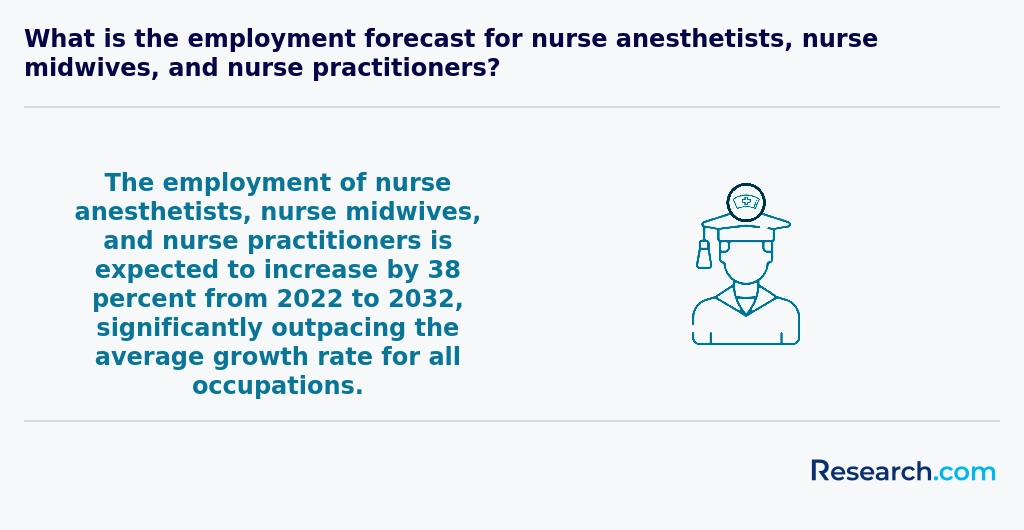
Nursing is recognized globally as a vital profession with diverse opportunities. In the United States, including Baton Rouge, a nursing career offers strong job security due to an aging population and increasing healthcare needs. According to the U.S. Bureau of Labor Statistics, registered nursing jobs are projected to grow 9% from 2022 to 2032, faster than average for all occupations.
Internationally, nurses often contribute to global health initiatives, reflecting the profession's essential role beyond borders. For Baton Rouge students, earning a nursing degree locally provides access to accredited programs that meet national standards, allowing mobility across states and even international healthcare systems. Local employment data from the Louisiana Workforce Commission indicate steady growth in healthcare roles, emphasizing nursing's expanding impact.
Gaining practical experience while studying for a nursing degree in Baton Rouge involves several important opportunities. Most local nursing programs incorporate clinical rotations, allowing students to work directly with patients under supervision. These rotations often take place in Baton Rouge hospitals such as Our Lady of the Lake Regional Medical Center and Baton Rouge General Medical Center, which are key healthcare providers in the area.
Additionally, students can participate in internships or volunteer at community health centers to broaden their hands-on skills. According to the Louisiana State Board of Nursing, clinical hours are a mandatory part of licensure requirements, ensuring students receive real-world exposure before graduation.
Choosing the right concentration within a nursing degree program in Baton Rouge depends on your career goals and local healthcare needs. Baton Rouge has a high demand for registered nurses in geriatrics, critical care, and pediatrics, according to the Louisiana Workforce Commission.
Consider concentrations offered by local schools such as LSU Health Sciences Center, where specialties include family nursing and psychiatric-mental health. Evaluate whether you prefer hospital work, community health, or research settings.
Also, review certification requirements and job placement rates for each concentration, which can vary regionally. Networking with Baton Rouge nursing professionals can provide valuable insights.
- 2027 Most Popular Nursing Degree Programs Ranking in Hattiesburg
- 2027 Most Popular Nursing Degree Programs Ranking in Mobile
- 2027 Most Popular Nursing Degree Programs Ranking in Birmingham
- 2027 Most Popular Nursing Degree Programs Ranking in Atlanta
- 2027 Most Popular Nursing Degree Programs Ranking in Macon
- 2027 Most Popular Nursing Degree Programs Ranking in Tampa
- 2027 Most Popular Nursing Degree Programs Ranking in Saint Louis
- 2027 Most Popular Nursing Degree Programs Ranking in Jacksonville
- 2027 Most Popular Nursing Degree Programs Ranking in Orlando
- 2027 Most Popular Nursing Degree Programs Ranking in Louisville
See What Experts Have To Say About Studying Nursing
Read our interview with Nursing experts


- Nursing Careers https://www.fmolhs.org/careers/nursing-careers
- Top Nursing Skills U.S. Employers Want to See on Your Resume | O'Grady Peyton https://www.ogradypeyton.com/blog/job-seeker-resources/top-nursing-skills-u.s.-employers-want-to-see-on-your-resume
- Approved Schools of Nursing - Louisiana State Board of Nursing https://www.lsbn.state.la.us/schools-nursing/
- How Much Can I Earn With a BSN? https://www.allnursingschools.com/bsn/salary/
- How Do Nurses Navigate Career Advancement? | NursingEducation https://nursingeducation.org/insights/career-advancement/
- Nurse Tech Program | Baton Rouge General https://www.brgeneral.org/about/careers/nursing-careers/nurse-tech-program
- Guide to Making a Career Change to Nursing https://teach.com/online-ed/healthcare-degrees/online-msn-programs/career-change-to-nursing/
- Client Challenge https://www.slideshare.net/slideshow/nursing-perspectivepdf/257210042
- Healthcare & Career Training College in Baton Rouge | Delta College https://deltacollege.com/locations/baton-rouge-south
- Study Nursing Abroad | Boomerang International Educational Services https://boomerangedu.com/study-nursing-abroad/


![2027 Best Advanced Standing Online MSW Programs [CSWE Accredited] thumbnail](/uploads/Online_Advanced_Standing_MSW_301dbd5368.jpg)


