2027 Easiest Online Master's in Nursing Degree Programs Ranking in Minnesota

Co-Founder and Chief Data Scientist
If you're looking to advance your nursing career from the comfort of home, this article is here to help. It features a 2027 Easiest Online Master's in Nursing Degree Programs Ranking in Minnesota created by the Research.com team of data scientists. This ranking makes it easier for you to identify top programs that fit your lifestyle and goals.
By exploring these options, you can find a program that balances quality and flexibility, supporting your journey to becoming a skilled nursing professional. Earning your degree online opens doors to new opportunities and personal growth.
Key benefits of getting online nursing degree in Minnesota
- Salary for nursing degree graduates: Nurses in Minnesota can expect strong earnings, with roles like Nurse Practitioners earning a mean annual wage of $128,490 and Clinical Nurse Specialists at $94,480, offering financial stability and growth.
- Career paths: Graduates from the University of Minnesota often explore diverse roles such as Nurse Educators or Nurse Administrators, benefiting from a wide range of opportunities in healthcare leadership, education, and clinical practice.
- Advantages of online nursing degrees: Online programs, like those from Minnesota State University, allow flexibility and work-study balance, giving students the freedom to advance their careers without sacrificing personal commitments.
- 2027 Easiest Online Master's in Nursing Degree Programs Ranking in Minnesota
- What can I expect from online nursing degree in Minnesota?
- Where can I work with online nursing degree in Minnesota?
What can I expect from online nursing degree in Minnesota?
The average cost of an online nursing degree in Minnesota typically ranges depending on the level and institution, but many graduates from well-regarded schools like the University of Minnesota or Mayo Clinic College of Medicine report tuition costs between $25,000 and $50,000 for full programs. These expenses often include necessary fees, yet students find significant value in the investment due to flexible payment options and employer tuition assistance programs.
Many nursing professionals balancing work and study appreciate how these programs allow them to avoid relocation and commuting, which can substantially reduce overall costs. One graduate shared how pursuing a Master of Science in Nursing online enabled them to maintain their job while gaining advanced skills in leadership and patient care, which would have been financially and logistically tougher in a traditional setting.
Additionally, federal financial aid opportunities and scholarships provided by Minnesota schools help soften the financial load. Attending accredited programs ensures not only educational quality but also eligibility for licensure and certifications critical for rewarding nursing roles across the state.
Where can I work with online nursing degree in Minnesota?
Graduates from online nursing programs in Minnesota often find rewarding opportunities across a spectrum of healthcare environments. Many discover fulfilling roles within renowned hospital systems like Mayo Clinic and Allina Health, where the dynamic pace and collaborative teams bring a strong sense of purpose and growth.
Others pursue careers in outpatient care centers or community clinics, especially as preventative care gains importance. Alumni from universities such as the University of Minnesota often share how their education prepared them to engage closely with patients managing chronic conditions, creating meaningful connections beyond the hospital setting.
Long-term care facilities and assisted living centers are also common workplaces, where nursing graduates contribute to improving quality of life for older adults. This path appeals to those who value deep, ongoing relationships with patients and families, a sentiment echoed by many from Minnesota State's nursing programs.
Advanced practice nurses, equipped with online degrees and certifications, frequently take on independent roles, providing critical care in rural areas that deeply need their expertise. The flexibility and breadth of career paths in Minnesota healthcare reflect the state's supportive environment for nurses driven by compassion and dedication.
Graduates from online nursing programs in Minnesota often find rewarding career opportunities with competitive earnings. For example, a graduate from a respected institution like the University of Minnesota's School of Nursing who becomes a nurse practitioner can expect a mean annual wage around $128,490, reflecting advanced skills and responsibilities. Many graduates share how this salary enables financial stability while allowing them to focus on patient care, especially in urban areas like Minneapolis-St. Paul.
Clinical nurse specialists, nurse administrators, and nurse educators-roles commonly pursued by those holding a master's degree-earn mean wages near $94,480 per year. Graduates from colleges such as the College of St. Scholastica report that this level of income supports both career growth and personal goals, often encouraging them to continue advancing their education or specialize further.
Critical care nurses, who provide intensive support in emergency and hospital settings, also earn salaries comparable to nurse practitioners, around $128,490 annually. The combination of strong Minnesota healthcare systems and specialized training through online degree programs helps many graduates achieve both professional fulfillment and financial success.
- Online nursing degrees in Minnesota include ADN, BSN, and advanced graduate programs, combining online coursework with required in-person clinical training.
- BSN tuition ranges from approximately $30,000 to $60,000, with potential savings in online tuition but remaining clinical practicum costs.
- Minnesota employs over 67,000 registered nurses, with a projected job growth of 7% through 2030, faster than the national average.
- Entry-level nurse salaries average around $65,000 per year, increasing to about $85,000 or more with experience and specialization.
- Graduates must pass the NCLEX-RN exam for licensure, and programs should be accredited and have strong licensure pass rates.
Completing an online nursing degree in Minnesota often takes between two and four years, depending largely on the level and pace chosen. Many graduates from institutions like the University of Minnesota or Saint Catherine University share how their Bachelor of Science in Nursing (BSN) programs typically spanned about three years, especially when balancing family and work commitments.
For those with previous college credits or a non-nursing bachelor's degree, accelerated BSN programs offer an inspiring, focused path, completing their studies in as little as 12 to 18 months. These students often express a gratifying sense of accomplishment as they rapidly transition into nursing roles, thanks to the flexible online structure.
Students pursuing a Master of Science in Nursing (MSN) through schools such as Bethel University often find the two to three-year journey manageable, especially with part-time options that accommodate various life demands. However, the required clinical hours, which must be completed in person within local Minnesota healthcare facilities, add a meaningful real-world dimension-many graduates reflect on how these hands-on experiences cemented their confidence and skills.
Choosing between online and on-campus nursing programs in Minnesota often boils down to lifestyle and learning preferences. Graduates from the University of Minnesota's nursing program frequently mention how the on-campus experience fostered strong peer connections and hands-on skills in state-of-the-art labs-something they found invaluable for confidence in clinical settings. Conversely, those who completed degrees online through Minnesota State Colleges appreciate the flexibility to balance work, family, and studies, highlighting the convenience of asynchronous lectures paired with local clinical placements arranged near their homes.
Both formats require Minnesota Board of Nursing-mandated clinical hours, ensuring practical competence no matter the route taken. Tuition costs at institutions like St. Catherine University reflect this parity, often ranging from $8,000 to $15,000 yearly for undergraduates, with graduate nursing programs costing more. The online option, while slightly less immersive socially, empowers many with a customized pace and access to digital resources, fitting neatly into busy schedules without sacrificing educational quality or licensure eligibility.
The average cost of an online nursing degree in Minnesota typically centers around $35,000, reflecting a balance between quality education and reasonable expenses. Graduates of programs from well-known schools such as the University of Minnesota often share how the tuition, approximately $17,200 for in-state students, felt manageable due to the structure of online learning and available financial support. This figure aligns well with the median total tuition fees for online MSN programs in Minnesota, which illustrate how costs differ depending on residency status, with out-of-state students facing slightly higher fees.
One recurring observation among nursing students is the financial relief created by online formats-eliminating commuting and housing expenses that traditionally add up in campus-based education. Many appreciated how this flexibility allowed them to invest in essential materials like textbooks and licensure prep without overwhelming debt. Familiarity with programs offered by Minnesota's public universities highlights how targeted tuition rates and scholarships help make these degrees accessible without sacrificing the academic rigor needed for success in nursing careers.
Prospective students often turn to resources like the Minnesota Office of Higher Education or seek advice on online universities that are nationally accredited, ensuring their money supports degrees respected across the healthcare industry. Reflecting on these experiences offers hopeful guidance when planning for the financial commitment required for an online nursing degree in Minnesota.
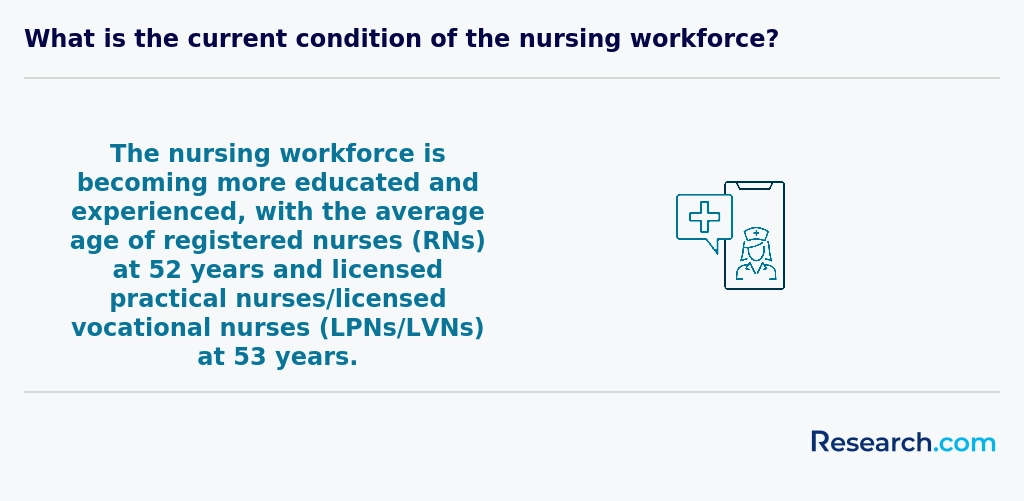
Many nursing students pursuing online degrees in Minnesota find substantial relief through federal financial aid, such as Pell Grants, which can offer up to $7,395 annually. For example, graduates from the University of Minnesota's nursing program often share how this support eased their tuition burden, allowing them to focus more on their studies than on finances.
State-specific resources like the Minnesota State Grant Program provide further aid tailored for residents attending public colleges, including online pathways at institutions like Minnesota State University. These grants reflect a commitment to support students from diverse economic backgrounds.
Additionally, programs such as the Minnesota Nursing Corps Loan Forgiveness encourage graduates to serve in underserved communities, transforming loan debt into meaningful service. Many alumni from Bemidji State University highlight how such initiatives turned their career aspirations into attainable goals without overwhelming debt.
Institutional scholarships and employer tuition reimbursement are also common. Several students balancing work and studies report that these rewards, based on merit or professional engagement, positively impacted their journey-affirming that multiple avenues exist for those dedicated to becoming registered nurses in Minnesota.
Enrolling in an online nursing degree program in Minnesota begins with meeting solid educational prerequisites. Graduates from institutions like the University of Minnesota and St. Catherine University often reflect on how crucial their high school diploma or GED was for acceptance into their programs. For advanced degrees such as an MSN, holding a BSN from an accredited school here is a non-negotiable step, opening doors to more specialized nursing paths.
Many students share that mastering foundational courses-biology, chemistry, anatomy, physiology, and microbiology-proved essential before diving deeper. This core knowledge, required by most Minnesota programs, builds the confidence to tackle complex clinical concepts.
Applicants also submit official transcripts, where a GPA near 3.0 boosts chances but isn't always a strict barrier; several graduates experienced that passion and relevant experience can make up for numbers. Those pursuing advanced studies often hold active RN or LPN licenses, with Minnesota's NCLEX licensure process being a key milestone felt deeply by many.
Finally, personal statements and letters of recommendation give applicants a chance to express their genuine commitment-something graduates frequently cite as a meaningful part of their journey. This mix of academic readiness and heartfelt motivation shapes successful nursing students across Minnesota's top programs.

Graduates from Minnesota's well-regarded nursing programs often recall how their coursework provided a solid foundation for real-world challenges. Core subjects like Human Anatomy and Physiology vividly bring the human body to life, enabling students to visualize systems while learning remotely. Pathophysiology challenges you to connect symptoms to underlying disease processes-critical for accurate patient assessments in clinical settings.
Pharmacology courses bring drug therapies into focus, equipping learners to safely manage medications and anticipate interactions. Health Assessment classes sharpen your observational skills, often practiced through simulations or local clinical practicums, common requirements for Minnesota's online programs. Leadership and Management courses foster confidence to step into supervisory roles, reflecting stories from graduates who smoothly transitioned into nurse manager positions in Twin Cities hospitals.
Many students appreciate Ethics and Legal Issues modules that frame patient rights in real healthcare environments, while Community and Public Health Nursing highlights diverse populations typical of Minnesota's urban and rural areas. Advanced specialty courses, like mental health nursing, resonate deeply with those aiming to support communities across the state.
Online nursing specializations in Minnesota offer focused paths like Family Nurse Practitioner, Psychiatric-Mental Health Nurse Practitioner, Adult-Gerontology Acute Care, Nursing Education, and Healthcare Leadership. Graduates from prominent universities in Minnesota often share how these specializations prepared them to meet real community needs-from managing chronic illnesses to providing mental health support-highlighting the rewarding impact felt in diverse clinical and educational settings.
For many pursuing a Minnesota MSN degree program options reveal flexibility and relevance. One graduate recalled how specializing in Adult-Gerontology Acute Care equipped them to serve the state's aging population with confidence, while another valued the Nursing Education track for opening doors to teaching roles in top local colleges. This alignment between specialization and workforce demand fosters not only career growth but also a meaningful sense of purpose.
Many students also appreciate uncovering lesser-known fields like informatics and palliative care, enhancing their expertise without committing to a full advanced degree. Exploring these areas aligns with evolving healthcare trends and can make one's career even more fulfilling, especially for those who seek the best jobs for introverts, as detailed on research.com.
Choosing the best online nursing degree in Minnesota means prioritizing accreditation and local clinical opportunities. Graduates from well-known Minnesota institutions often speak highly of programs accredited by bodies like the CCNE, which ensured their degrees met licensure requirements strictly enforced in the state. Many shared how flexible online curricula accommodated their busy lives while still requiring in-person clinicals nearby, grounding their learning in real healthcare settings.
Cost also shaped their decisions, with several praising affordable MSN degrees Minnesota programs that balanced quality and value. They often highlighted the importance of researching tuition plus extra fees, books, and clinical costs, which can impact the overall experience. A graduate from a popular Minneapolis college remembered the peace of mind gained from strong student support services, including dedicated mentors and responsive faculty who brought real-world nursing expertise into virtual classrooms.
Reflecting on job placement, many found Minnesota's high NCLEX-RN pass rates encouraging, often linked to schools with strong reputations. For working adults, exploring the best accelerated online degree programs for working adults helped them balance ambitions with personal responsibilities smoothly.
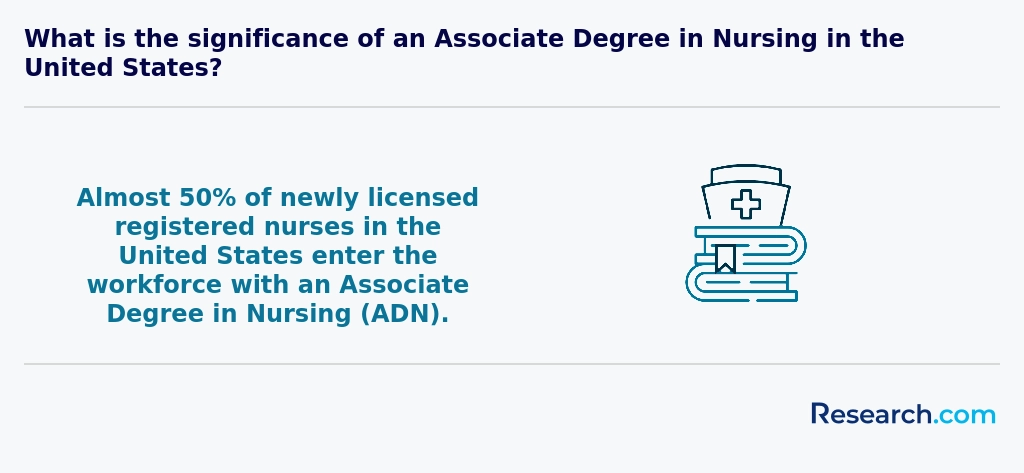
Graduates of online nursing degrees in Minnesota often find themselves stepping into diverse and fulfilling roles across the healthcare landscape. Many become registered nurses working in acute care at well-regarded institutions like the University of Minnesota Medical Center, where they gain hands-on experience in patient care and treatment coordination. Others, having pursued advanced studies typical of nursing job opportunities Minnesota online degree holders seek, advance to roles such as nurse practitioners or clinical nurse specialists, especially in rural communities that deeply value accessible healthcare providers.
Some alumni embrace paths in nursing education, inspired by faculty from Minnesota State University, where they feel the gratification of shaping future nurses. Meanwhile, healthcare administration careers attract those who enjoy blending clinical insight with leadership, managing staff and improving hospital operations. Online nursing degree careers Minnesota graduates describe often highlight the satisfaction of making meaningful impacts, whether through direct patient care or organizational roles.
For those interested in quicker entry, exploring 6 month certificate programs that pay well can complement their nursing education for specialized skills or faster certification.
The job market for graduates holding online nursing degrees in Minnesota remains robust, reflecting the state's ongoing demand for qualified professionals in both urban and rural settings. Graduates from popular nursing programs at institutions like the University of Minnesota and Augsburg University frequently share how their online studies equipped them with practical skills that employers value, especially in hospitals and community health organizations. These nursing professionals enjoy competitive salaries averaging around $78,000 annually, which is slightly above the national average, affirming the financial viability of pursuing nursing pathways locally.
Many online nursing jobs in Minnesota emphasize the value of advanced certifications and flexible education options. Graduates often find that earning higher degrees like the MSN through online programs opens doors to specialized roles such as nurse practitioners or educators. The state's support for various licensure pathways reinforces graduates' confidence to pursue these advanced career moves. For those considering the costs and duration of education, exploring the best 6-month online associate degree programs may provide a practical and time-efficient entry point into nursing careers.
2027 Easiest Online Master's in Nursing Degree Programs Ranking in Minnesota
Investing in your education is a significant decision that can shape your professional future, and the Research.com team is committed to helping you make well-informed choices. To support prospective students seeking the easiest online master's in nursing programs in Minnesota, we have carefully developed the "2027 Easiest Online Master's in Nursing Degree Programs Ranking in Minnesota." This ranking reflects our dedication to quality, credibility, and accuracy, achieved through extensive research and analysis.
We utilized the following reputable data sources to ensure a comprehensive evaluation of programs:
By consulting this ranking, readers will gain valuable insights into accessible online nursing programs tailored to their needs, enabling confident and informed educational decisions. For more information on our approach, please visit our Research.com methodology page.
# 1 position
Walden University
Master of Nursing

# 2 position
Bethel University, Minnesota
Master of Nurse-Midwifery
Frequently Asked Questions About nursing
Online nursing degree students in Minnesota can maximize their learning experience by actively engaging with both virtual coursework and local clinical opportunities. Minnesota boasts several accredited nursing programs recognized by the Minnesota Board of Nursing, ensuring quality education and licensure eligibility. Students should prioritize strong time management, dedicating regular hours to study and practical skills.
Utilizing local healthcare facilities for clinical placements is crucial, as these hands-on experiences complement online theory. The state's healthcare sector is growing, with a 7% increase in nursing job openings projected through 2030 (Minnesota Department of Employment and Economic Development).
Participating in online discussion forums and connecting with peers and instructors enhances understanding and motivation. Additionally, staying updated on Minnesota's nursing regulations helps students align their education with state requirements.
The nursing field in Minnesota is evolving rapidly, with several emerging niches gaining attention among professionals and educators. One growing area is gerontological nursing, driven by Minnesota's aging population-over 15% of residents are aged 65 or older, according to the U.S. Census Bureau. This specialization focuses on elderly care, chronic illness management, and palliative support.
Another expanding sector is psychiatric-mental health nursing, which addresses increasing mental health needs amplified by the COVID-19 pandemic. Telehealth nursing is also rising, offering remote patient monitoring and virtual consultations, expanding access in rural areas.
These niches offer promising career paths for Minnesota nurses seeking advanced online degrees with specialized skills.
After completing an online nursing degree in Minnesota, it is important to focus on licensure and practical experience to enter the job market successfully. Graduates must pass the NCLEX-RN exam, which licenses registered nurses in the state. Minnesota's Board of Nursing provides detailed requirements and resources for licensure.
Gaining clinical experience through internships or volunteering improves job prospects. Minnesota's healthcare industry is growing rapidly, with employment for registered nurses projected to increase by 12% from 2020 to 2030, according to the U.S. Bureau of Labor Statistics.
Networking with local healthcare providers and attending nursing associations' events in Minnesota can provide valuable connections.
Employers in Minnesota prioritize several key skills when hiring nursing degree graduates, especially those from online programs. Clinical competence remains essential, with a strong focus on patient care, medication administration, and critical thinking. According to the Minnesota Board of Nursing, practical knowledge aligned with state regulations is vital for safe practice.
Communication skills are also highly valued, as nurses must coordinate with healthcare teams and interact effectively with patients from diverse backgrounds. The Minnesota Department of Employment and Economic Development notes that adaptability and emotional resilience are crucial due to the fast-paced healthcare environment.
Additionally, proficiency with electronic health records (EHR) and telehealth technologies is increasingly important, given Minnesota's growing use of digital health tools. These skills help nursing graduates meet evolving employer expectations in both urban and rural settings.
Finding nursing internships in Minnesota while pursuing an online degree involves leveraging both state resources and healthcare networks. The Minnesota Board of Nursing requires clinical practice for licensure, making internships essential.
Start by exploring local hospitals such as Mayo Clinic, Allina Health, and HealthPartners, which offer structured internships and externships for nursing students. Additionally, many online programs partner with facilities statewide to place students.
The Minnesota Department of Employment and Economic Development provides a listing of healthcare internships, which can be searched online. Networking through local chapters of professional nursing organizations, like the Minnesota Nurses Association, also helps locate opportunities.
According to the Bureau of Labor Statistics, Minnesota employs over 55,000 registered nurses, reflecting a strong demand for clinical training placements within the state's healthcare system.
Online nursing degrees in Minnesota significantly enhance career mobility by allowing registered nurses to obtain advanced qualifications without interrupting their employment. This flexibility supports working professionals seeking promotion to higher roles such as nurse practitioners or healthcare managers.
The Minnesota Department of Employment and Economic Development reports that jobs for nurse practitioners are expected to grow by 20% over the next decade, faster than average. Holding a master's degree, often available online, can be a key factor in eligibility for these roles.
Additionally, advanced education through online programs meets Minnesota's licensing requirements for expanded scopes of practice, increasing opportunities for specialization and leadership positions within healthcare systems.
Studying for a nursing degree in Minnesota offers students a strong foundation in interdisciplinary collaboration, an essential skill in today's healthcare environment. Minnesota's online nursing programs emphasize teamwork, communication, and leadership, preparing graduates to work effectively with physicians, therapists, social workers, and other healthcare professionals.
The Minnesota Board of Nursing highlights that coursework reflects state healthcare needs, including managing chronic diseases and advancing patient outcomes through cross-disciplinary strategies. Many programs integrate simulation labs and case studies to mimic real-world scenarios.
According to the Minnesota Department of Health, nearly 60% of nurses participate in multidisciplinary teams, demonstrating the importance of this training. This approach enhances critical thinking and adaptability in diverse clinical settings across the state.
Choosing between a thesis and a non-thesis online nursing degree program in Minnesota depends largely on your career goals and learning preferences. Thesis programs emphasize research skills, preparing students for roles in academia or advanced clinical research. Non-thesis options typically focus on practical skills and coursework, making them suitable for nurses aiming to advance in clinical practice or management. According to the Minnesota Board of Nursing, over 60% of advanced practice nurses work in clinical roles, suggesting many may benefit from a non-thesis path focused on applied skills. Consider also the time and commitment; thesis tracks often require 6 to 12 months for research completion, while non-thesis may be faster. Reviewing program details from Minnesota universities accredited by the Higher Learning Commission can help align your choice with career ambitions.
Students in Minnesota seeking to study nursing abroad have several pathways, though online nursing degrees primarily focus on domestic accreditation. The Minnesota Board of Nursing requires that any nursing program graduates intend to practice within the state, ensuring the program meets U.S. standards. While some universities abroad offer online nursing degrees, these often lack eligibility for Minnesota's NCLEX-RN licensure exam.
Many Minnesota students opt to enroll in U.S.-based online programs with international clinical placements or partnerships. According to the National Center for Education Statistics, fewer than 5% of Minnesota nursing students study abroad due to these licensing constraints. Alternatives include study abroad semesters combined with American curriculum standards to maintain licensure eligibility.
In Minnesota, part-time jobs such as certified nursing assistant (CNA) or medical assistant roles offer valuable experience for students pursuing online nursing degrees. These positions provide hands-on patient care experience, often with flexible hours to accommodate studying. According to the Minnesota Department of Employment and Economic Development, the demand for CNAs is expected to grow by 10% through 2030, reflecting steady job opportunities.
Other options include working as a home health aide or patient care technician, which can enhance clinical skills while supporting local healthcare needs. These roles often pay between $14 and $18 per hour, allowing students to gain relevant income during their education.
Online nursing students in Minnesota have access to a variety of networking opportunities to support their professional growth. Many schools offer virtual events, discussion boards, and group projects that encourage interaction among students and faculty. Additionally, organizations like the Minnesota Nurses Association (MNA) provide online webinars and local chapter meetings, helping students connect with practicing nurses statewide.
Students can also join national nursing networks such as the American Nurses Association, which often include Minnesota-focused resources. According to the Minnesota Department of Employment and Economic Development, nursing is one of the top in-demand fields, which enhances job networking potential after graduation.
Alumni networks offer significant advantages for online nursing degree students in Minnesota. These networks connect graduates and current students, fostering professional relationships in a competitive healthcare job market. Minnesota's nursing shortage, projected to grow by 15% through 2030 according to the Minnesota Department of Employment and Economic Development, increases the importance of strong professional connections.
Through alumni networks, students can access mentorship opportunities, job leads, and firsthand advice about clinical placements. Many Minnesota nursing programs maintain active online communities, helping remote students build relationships despite geographic distances.
Research shows that nursing graduates engaged in alumni associations have higher employment rates within six months post-graduation.
Customizing an online nursing degree program in Minnesota allows students to align their education with specific career goals. Many programs offer specialization tracks such as family nurse practitioner, nurse educator, or clinical nurse leader. These options help students focus on areas with strong local demand, supported by the Minnesota Department of Employment and Economic Development.
Students can often choose electives that build skills in leadership, informatics, or community health, enhancing their qualifications for diverse roles in healthcare settings. Clinical placements are sometimes arranged locally, providing hands-on experience relevant to Minnesota's healthcare environment. Flexible scheduling also helps working nurses balance education with professional and personal responsibilities.
Online nursing students in Minnesota commonly face challenges balancing rigorous coursework with personal and professional obligations. Many learners report difficulties managing clinical placements, which often require travel to healthcare facilities and adherence to onsite hours despite the program's online nature.
Technical issues can also hinder progress, especially in rural areas where broadband access remains limited. According to the Minnesota Department of Education, approximately 12% of rural households lack reliable high-speed internet, complicating access to virtual lectures and resources.
Additionally, students may struggle with limited peer interaction and networking opportunities, which are important for professional growth and support. Time management skills are critical, as many online nursing students are working professionals balancing jobs and family commitments.
With an online nursing degree in Minnesota, graduates can pursue various professional certifications to advance their careers. Common certifications include the Registered Nurse (RN) license, which is required to practice nursing in the state. Many nurses also seek specialty certifications, such as Certified Nurse Practitioner (CNP) or Clinical Nurse Specialist (CNS), depending on their area of interest.
The Minnesota Board of Nursing oversees licensure and ensures certification requirements meet state standards. Some popular certifications include Adult-Gerontology Primary Care Nurse Practitioner and Family Nurse Practitioner, both recognized nationwide.
These certifications often require passing a national exam and completing clinical hours, which online programs typically integrate.
Writing a winning application for an online nursing program in Minnesota requires careful preparation and attention to detail. Start by researching program prerequisites thoroughly; Minnesota nursing programs often require a minimum GPA of 3.0 and evidence of active RN licensure from the Minnesota Board of Nursing.
Highlight your clinical experience clearly, as practical skills play a critical role in admissions. According to the Minnesota Department of Health, clinical experience is valued highly for online MSN and RN-to-BSN admissions.
Write a compelling personal statement that explains your motivation, goals, and how the program fits your career plans. Be concise and specific.
Finally, secure strong letters of recommendation from nursing supervisors or academic mentors who can attest to your skills and dedication.
The global perspective on a nursing career highlights its critical role in addressing healthcare demands worldwide. Nursing is recognized as a versatile and respected profession, often seen as essential to improving public health outcomes. According to the U.S. Bureau of Labor Statistics, nursing jobs are projected to grow 15% from 2021 to 2031, faster than the average for all occupations. For Minnesota, the Minnesota Department of Employment and Economic Development notes that registered nurses are among the state's top in-demand professions, reflecting broader national and international trends.
Worldwide, nurses are valued for their adaptability and leadership in healthcare teams. The World Health Organization emphasizes the global nursing shortage, which increases demand for well-trained nurses across borders. This creates opportunities for U.S.-trained nurses, including those educated through online programs, to work internationally or in diverse cultural settings.
Nursing careers also involve lifelong learning and specialization, which can enhance mobility and career growth. For Minnesota students, online nursing degrees provide access to accredited education while preparing graduates for this dynamic, global profession.
Gaining practical experience while pursuing an online nursing degree in Minnesota is essential for licensure and career readiness. Most online programs require clinical hours completed in-person at approved healthcare facilities. Students often arrange these placements locally, benefiting from Minnesota's extensive network of hospitals and clinics.
Some schools partner with Minnesota healthcare providers, simplifying access to internships and supervised clinical practice. The Minnesota Board of Nursing mandates at least 500 supervised clinical hours for Advanced Practice Registered Nurse (APRN) licensure, which students must fulfill during their studies.
Additionally, simulation labs and virtual clinical experiences can supplement hands-on practice but cannot replace state-required clinical hours. Resources such as the Minnesota Hospital Association provide directories of potential clinical sites, aiding students in securing relevant practical experience.
Choosing the right concentration within an online nursing degree program in Minnesota requires evaluating personal interests and career goals. Popular options include family nurse practitioner, psychiatric mental health, and nurse educator tracks. The Minnesota Department of Employment and Economic Development reports strong growth in nurse practitioner roles, with a 15% increase expected by 2030.
Consider local healthcare demands; rural areas in Minnesota particularly need primary care providers. Research how each concentration aligns with licensure requirements by the Minnesota Board of Nursing. Accredited programs often offer clinical placements to meet state standards.
Additionally, review program flexibility and faculty expertise. Connecting with alumni can provide insights on outcomes and job placement in the state's healthcare systems, such as Mayo Clinic and Fairview Health Services.
- 2027 Easiest Online Master's in Nursing Degree Programs Ranking in Wisconsin
- 2027 Easiest Online Master's in Nursing Degree Programs Ranking in Iowa
- 2027 Easiest Online Master's in Nursing Degree Programs Ranking in Illinois
- 2027 Easiest Online Master's in Nursing Degree Programs Ranking in Missouri
- 2027 Easiest Online Master's in Nursing Degree Programs Ranking in Michigan
- 2027 Easiest Online Master's in Nursing Degree Programs Ranking in Kansas
- 2027 Easiest Online Master's in Nursing Degree Programs Ranking in Indiana
- 2027 Easiest Online Master's in Nursing Degree Programs Ranking in Ohio
- 2027 Easiest Online Master's in Nursing Degree Programs Ranking in Colorado
- 2027 Easiest Online Master's in Nursing Degree Programs Ranking in Kentucky
See What Experts Have To Say About Studying Nursing
Read our interview with Nursing experts

Lisa Grubb
Nursing Expert
Assistant Professor
Johns Hopkins School of Nursing

- Working While in Nursing School: 25 Ways to Make Money as a Nursing Student https://credenzahealth.com/career-advice/working-while-in-nursing-school-25-ways-to-make-money-as-a-nursing-student
- How to Choose a Nursing Program | All Nursing Schools https://www.allnursingschools.com/how-to-get-into-nursing-school/choose-the-right-school/
- Career Advancement Pathways for Nurses : Expert RN shares 10+ Professional growth opportunities - MuminMed https://blog.muminmed.com/career-advancement-pathways-for-nurses/
- Nursing https://minnesotanorth.edu/programs/nursing/
- Client Challenge https://www.springerpflege.de/nursing-graduates-perceived-future-career-pathway-and-career-shi/50653658
- Top Skills Employers Want in Practical Nursing Graduates https://vervecollege.edu/what-employers-look-for-in-practical-nursing-graduates/
- Nurse Salary https://nursinglicensemap.com/resources/nurse-salary/
- Pros And Cons Of Online Nursing In 2025 | Davis & Elkins https://www.dewv.edu/the-pros-and-cons-of-online-nusing-in-2025-is-it-right-for-you/
- Online versus Face-to-Face Nursing Degrees: A Study of Recruiters’ Perceptions - OJDLA https://ojdla.com/articles/online-versus-face-to-face-nursing-degrees-a-study-of-recruiters-perceptions
- How to Choose the Right Nursing Program for Your Career Goals - Maria College https://mariacollege.edu/blog/how-to-choose-the-right-nursing-program-for-your-career-goals