2027 Best Nursing Degree Programs Ranking in Scranton

Co-Founder and Chief Data Scientist
Choosing the right nursing degree program can shape your future career in healthcare. Our article introduces the 2027 Best Nursing Degree Programs Ranking in Scranton, carefully crafted by the Research.com team of data scientists to guide you through the top options available.
By exploring this ranking, you'll gain valuable insights to make informed decisions about your education. Earning a nursing degree opens doors to rewarding job opportunities and personal growth. This article aims to support your journey toward a meaningful and fulfilling nursing career.
Key benefits of getting nursing degree in Scranton
- Graduates with a nursing degree in Scranton can expect strong earning potential, with average annual wages around $94,480 for Registered Nurses and Public Health Nurses, and up to $128,490 for Operating Room Nurses.
- Nursing degree holders from local schools often explore diverse roles, ranging from clinical nursing to specialized areas like emergency care, offering flexible and rewarding career paths.
- Online nursing degrees from Scranton-based universities provide the convenience of studying at your own pace while balancing work or family, making education more accessible and supportive for busy students.
- 2027 Best Nursing Degree Programs Ranking in Scranton
- What can I expect from nursing degree in Scranton?
- Where can I work with nursing degree in Scranton?
What can I expect from nursing degree in Scranton?
The average cost of pursuing a nursing degree in Scranton varies depending on the institution and program type, but students typically find it manageable with available financial aid. Graduates from universities like the University of Scranton often note that tuition and fees for a Bachelor of Science in Nursing (BSN) program can range from moderate to high, reflecting the comprehensive training and access to quality clinical experiences provided. Meanwhile, programs at colleges such as Lackawanna may offer certificates or associate degrees at a lower overall cost, appealing to those seeking faster entry into the workforce.
Many nursing students recall balancing expenses with scholarships and federal aid, which make this investment feel rewarding rather than burdensome. For example, a graduate might share how cooperative education grants helped offset tuition costs, allowing deeper focus on rigorous coursework and clinical rotations in local hospitals. This blend of academic challenge with financial support fosters a strong sense of achievement and readiness for the profession.
Where can I work with nursing degree in Scranton?
Graduates from nursing programs at Scranton's well-regarded universities often find themselves stepping confidently into varied roles throughout the local healthcare landscape. Many secure positions at Geisinger Community Medical Center, where they embrace roles from registered nurses to specialized practitioners in pediatric or emergency care. This real-world exposure nurtures both skill and compassion, making each shift a chance to grow professionally and personally.
Others branch into outpatient clinics and physician offices, engaging closely with patients through education and preventive care. These roles resonate deeply with graduates who appreciate the proactive side of nursing-helping individuals maintain wellness before illness takes hold.
Long-term care facilities around Scranton provide another meaningful path, where nurses support aging residents in a setting that fosters genuine connection and daily impact. Graduates often speak warmly of the trust and gratitude they receive in these environments.
Community health roles further expand career possibilities, allowing nurses to address broader public health challenges, a path familiar to many alumni eager to make a difference beyond hospital walls.
For those pursuing advanced degrees, teaching and research within Scranton's academic institutions offer fulfilling ways to shape the future of nursing, blending scholarship with hands-on experience.
Nursing graduates in Scranton often find rewarding salaries that reflect both dedication and skill. For example, those working as registered nurses can expect a mean annual wage around $94,480, according to the latest data. This aligns well with the experiences of graduates from nearby colleges who appreciate the region's balance of cost of living and wage opportunities.
Many nursing degree holders pursue specialized roles; operating room nurses, for instance, earn notably higher wages, averaging $128,490 per year. Graduates with advanced clinical interests share how this financial stability supports their commitment to demanding but fulfilling work environments.
Other nursing paths such as clinical nurse educators, public health nurses, and emergency room nurses also command salaries near the $94,480 mark, providing multiple viable avenues for those completing programs in Scranton. Graduates often highlight how their local education eased their transition into these roles, making a meaningful impact on health care in the community while enjoying competitive pay.
- Scranton offers accredited nursing programs including associate and bachelor's degrees adhering to national and local standards.
- BSN tuition typically ranges from $15,000 to $30,000 for in-state students, while ADN programs cost between $8,000 and $15,000.
- Entry-level nursing salaries average around $60,000 annually, with experienced nurses earning $80,000 to $90,000 or more.
- The local nursing job market is strong with projected growth rates above the national average through 2030.
- Programs provide clinical partnerships and prepare students for the NCLEX-RN licensure exam required for registration.
Completing a nursing degree in Scranton offers several timelines depending on your chosen path and personal background. Graduates from community colleges often share that the Associate Degree in Nursing (ADN) typically takes about 2 to 3 years, which feels manageable for those eager to enter the workforce quickly. Many find this option rewarding because it balances solid clinical training with a relatively short commitment.
On the other hand, those attending universities like the University of Scranton or Marywood University pursuing a Bachelor of Science in Nursing (BSN) often experience a commitment of around 4 years. Graduates frequently reflect on this journey as transformative, gaining deeper clinical skills and leadership abilities that open broader career opportunities.
For career changers or graduates with a previous degree, accelerated BSN programs in the area provide an intense but fulfilling 12 to 18 months. Alumni often speak of the focused pace as challenging yet exhilarating, allowing them to pivot quickly into nursing roles.
Flexible options like part-time or online studies may extend this timeframe but bring relief for working students balancing education with other responsibilities in Scranton's tight-knit community.
When considering nursing degree programs in Scranton, PA, it's essential to evaluate not just the academic quality but also the financial aspect, ensuring that the investment in education yields a strong return in terms of career satisfaction and salary potential. For students seeking affordability without compromising on quality, exploring the most affordable nursing schools in Pennsylvania can provide valuable insights. This approach allows prospective students to balance their desire for a rewarding nursing career with the practical considerations of program cost and potential debt load. By choosing a program that offers a good balance between affordability and academic excellence, students can set themselves up for success, both financially and professionally, in the nursing field.
In Scranton, choosing between online and on-campus nursing degrees often comes down to your lifestyle and learning preferences. Graduates from local universities reflect warmly on the flexibility of online programs, which allowed them to balance family responsibilities or part-time work while advancing their education. Accessing lectures anytime from home, they appreciated the control over their own schedule, though they emphasize the importance of self-discipline and proactive engagement.
Conversely, alumni from traditional on-campus programs highlight the vibrant atmosphere of schools like the University of Scranton, where in-person labs and immediate faculty feedback enhanced their hands-on skills and confidence. The collaborative environment fostered lasting friendships and real-time problem-solving experiences that many found invaluable for their professional growth.
Both paths require clinical placements in Scranton-area healthcare facilities, grounding students in essential practical experience. Tuition costs between these modes tend to align, but on-campus students often incur extra expenses for commuting and housing, which online learners can avoid.
Ultimately, whether you thrive in a structured, social classroom or prefer the independence of virtual study, Scranton's accredited programs support your journey toward licensure and a fulfilling nursing career.
Accreditation from recognized bodies ensures that nursing programs in Scranton, PA meet rigorous standards of educational quality and prepare students for licensure and practice. All major institutions-such as the University of Scranton, Marywood University, and Lackawanna College-maintain accreditation through the Commission on Collegiate Nursing Education (CCNE) or the Accreditation Commission for Education in Nursing (ACEN), and are approved by the Pennsylvania State Board of Nursing. Prospective students should verify program approval by visiting the Board’s website and reviewing each school’s accreditation status. Program outcomes offer key insights into a school’s effectiveness. Recent data for Scranton-area nursing programs include:
- NCLEX-RN Pass Rates: • University of Scranton: 95% (2023 first-time pass) • Marywood University: 92% (2023 first-time pass) • Lackawanna College: 90% (2023 first-time pass)
- Job Placement Rates: • 88% of BSN graduates employed within six months of graduation • 82% of ADN graduates employed within six months of graduation These metrics not only reflect strong academic preparation but also correlate with higher long-term career success. For students seeking accelerated pathways that combine quality accreditation with reduced time to degree, our absn programs guide details top-ranked options.
The average cost of a nursing degree in Scranton typically centers around $61,000 for the entire program, based on recent median total cost data. This total cost reflects a realistic picture for many who pursue their nursing education locally, such as students attending popular institutions like the University of Scranton or area community colleges. Graduates often recall balancing the robust expenses with the rewarding journey of becoming a nurse, emphasizing that thoughtful budgeting and financial planning were key to their success.
Many aspiring nurses find that the total cost includes not only tuition but also essential expenses such as books, uniforms, and clinical fees. These additional costs can add $1,500 to $3,000 annually, making it crucial for students to consider the full scope of their spending. Those enrolled in associate degree programs at community colleges benefit from lower tuition rates, creating a more affordable path into nursing.
In my conversations with alumni from Scranton's nursing programs, they often highlight how financial aid and scholarships eased the burden, enabling them to focus more on learning than on managing expenses. For those seeking detailed information about the most affordable nursing schools in Pennsylvania, including Scranton options, it's helpful to explore resources like most affordable nursing schools in Pennsylvania.
Reflecting on the average nursing degree cost Scranton offers, it's clear that while investment is significant, the support systems and community engagement make the endeavor attainable. Graduates express pride in overcoming financial challenges and enthusiastically embrace the career opportunities their education affords.
Understanding the total cost nursing program Scranton requires helps prospective students prepare mentally and financially. This practical insight encourages a realistic approach to pursuing nursing, reinforcing the value of perseverance and careful planning throughout the educational journey.
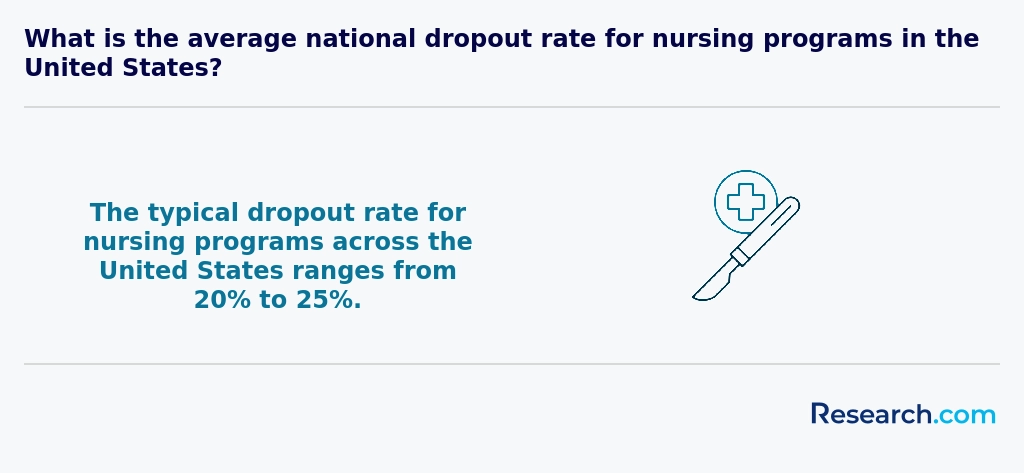
Navigating the admission process for nursing programs in Scranton, PA, can be straightforward when you know what to expect. Follow these key steps to ensure your application stands out: 1. Understand Application Deadlines • Fall semester applications typically open in October and close by January 15. • Spring starts often require submission by August 1. • Verify specific dates on each institution’s admissions page to avoid missing critical deadlines. 2. Prepare Required Documents • Official transcripts showing prerequisite courses (biology, chemistry, anatomy). • Minimum GPA of 2.75 (higher for competitive programs). • TEAS or other entrance exam scores, if required. • Proof of immunizations and background check clearance. 3. Craft a Compelling Personal Statement • Highlight your passion for nursing and any relevant volunteer or work experience. • Explain how your goals align with specialized roles, such as exploring advanced practice-consider reading more about how to become a holistic np to showcase your interest in integrative care. • Keep the statement concise (500–750 words), using clear, active language. 4. Ace the Interview • Dress professionally and arrive early for campus or virtual interviews. • Prepare to answer behavioral questions, such as handling challenging patient scenarios. • Demonstrate knowledge of the program’s clinical rotation opportunities and faculty expertise. 5. Secure Strong Recommendations • Request two to three letters from science instructors, supervisors, or healthcare professionals who can attest to your academic readiness and interpersonal skills. • Provide recommenders with your resume and personal statement draft to help tailor their endorsements. 6. Follow Up and Confirm Your Spot • After acceptance, submit deposit and enrollment forms by the deadline. • Attend admitted student events or virtual Q&A sessions to connect with faculty and current students. By adhering to these guidelines, you’ll position yourself as a well-prepared, motivated candidate ready to thrive in Scranton’s top nursing programs.
Nursing students in Scranton often find that federal financial aid forms a crucial foundation for managing education costs. Many graduates from the University of Scranton recount how completing the FAFSA opened doors to Pell Grants offering up to $7,395 annually, easing their financial burden without adding debt. Federal loans with favorable terms, such as Direct Subsidized Loans, provide flexible repayment options that help students focus on their studies rather than repayment stress.
State programs like those run by the Pennsylvania Higher Education Assistance Agency (PHEAA) also play a vital role. Graduates from Lackawanna College, for example, speak highly of the Pennsylvania Nurse Loan Forgiveness Program, which rewards service in high-need areas-turning dedication into debt relief while contributing to the community.
Beyond grants and loans, many local hospitals and clinics offer tuition reimbursement or loan repayment in exchange for post-graduation employment. Students feel encouraged by these partnerships, which blend financial support with clear career pathways. Additionally, scholarships from nursing coalitions and foundations foster a sense of local support and motivation throughout the demanding nursing journey in Scranton.
All reputable nursing programs in Scranton hold CCNE or ACEN accreditation and state board approval-key indicators of academic quality and clinical rigor.
- Accredited by CCNE or ACEN, meeting national standards for curriculum and clinical training
- Approved by the Pennsylvania State Board of Nursing, required for licensure eligibility
- Recent NCLEX-RN first-time pass rates: University of Scranton 94%, Marywood University 91%; look for programs reporting 85% or higher
Graduates aiming for advanced practice can build on their BSN through online dnp programs to develop leadership and specialized clinical skills.
Enrolling in a nursing degree program in Scranton means meeting several important prerequisites that truly set you on the right path. Graduates from institutions like the University of Scranton and Marywood University often recall how having a solid high school diploma or GED gave them the confidence to tackle complex nursing subjects. This foundational step is more than a formality; it roots you in the basics that future courses build upon.
Many students share how completing prerequisite courses such as biology, chemistry, and anatomy sharpened their understanding and helped them thrive once clinical training began. Maintaining a GPA around 2.5 to 3.0, especially in science classes, often felt like a manageable but meaningful challenge that clearly reflected their preparedness.
Entrance exams like the TEAS are another common hurdle. For many, passing these tests felt rewarding, offering reassurance that their reading, math, and science skills were up to standard. Beyond academics, graduates emphasize the importance of immunization records and background checks in ensuring patient safety-and these also become a part of their caring mindset as future nurses.
While not mandatory, having volunteer experience in healthcare settings often sparked motivation and deeper understanding. Overall, the prerequisites in Scranton, though requiring dedication, create a rewarding foundation that many alumni look back on with pride and confidence.

Accreditation and NCLEX pass rates are critical indicators of a nursing program’s quality and graduates’ readiness for licensure. All nursing programs in Scranton, PA, must be accredited by the Commission on Collegiate Nursing Education (CCNE) or the Accreditation Commission for Education in Nursing (ACEN) to ensure compliance with national standards. For instance, the University of Scranton’s BSN program holds CCNE accreditation and boasts a 95% first-time NCLEX-RN pass rate over the past three years. Marywood University, accredited by ACEN, has maintained a 92% pass rate, while Lackawanna College reports an 89% success rate among ADN graduates. High NCLEX pass rates signal strong curriculum alignment with licensure requirements and robust student support services. To sustain these outcomes, programs often provide dedicated NCLEX review courses, tutoring, and simulated testing environments. Prospective students should inquire about each school’s annual pass rate, accreditation status, and remediation resources to gauge their preparedness for entering the workforce. Beyond Pennsylvania, comparisons with other regions can offer additional insights into program affordability and outcomes. For example, students balancing cost and quality might explore the Cheapest Online Nursing Degree Programs Ranking in Georgia to evaluate how comparable programs fare in both accreditation and licensure success metrics. By prioritizing accredited programs with consistently high NCLEX pass rates, aspiring nurses in Scranton can maximize their chances of smooth transition into professional practice.
At well-regarded institutions in Scranton, nursing students quickly find that their coursework balances scientific rigor with practical application. Graduates often reflect on how foundational classes like human anatomy, physiology, microbiology, and chemistry gave them a vital understanding of the human body, essential for any nurse facing the realities of patient care.
Specialized nursing courses deepen this knowledge with real-world relevance. For example, studies in Adult Health Nursing prepare students to manage diverse medical conditions, while Maternal and Child Health Nursing opens perspectives on prenatal and pediatric care. Alumni from Scranton's top nursing programs frequently recall how Mental Health Nursing and Pharmacology courses expanded their ability to support patients holistically, understanding both mind and body.
Practical experiences at local hospitals and clinics complement theoretical lessons, as students engage closely with patients during clinical rotations. Nursing ethics, leadership, and healthcare informatics modules also help graduates step confidently into evolving healthcare roles, making their studies at Scranton's universities feel purposeful and empowering.
Students pursuing nursing degrees in Scranton often find a rich variety of specializations tailored to diverse healthcare goals. From the practical route of Registered Nurse (RN) to Bachelor of Science in Nursing (BSN), many graduates reflect on how this path helped enhance their clinical judgment while unlocking leadership potentials, especially at well-known local colleges. For those eager to extend their impact, Nurse Practitioner (NP) tracks such as Family Nurse Practitioner or Psychiatric-Mental Health NP are favored, blending rigorous academics with rewarding clinical roles, resonating deeply with Scranton's community healthcare needs and offering salaries that exceed the national RN average.
Among Scranton nursing programs with specialized tracks, some graduates share how pursuing Registered Nurse Anesthetist (CRNA) training, despite its rarity locally, transforms their careers, given its high earning potential and advanced scope of practice. Others embrace Pediatric Nursing or Clinical Nurse Specialist roles to focus on niche patient care, often supported by local hospital partnerships that provide valuable clinical experience.
Those exploring accelerated options can also consider absn programs, which many find a gratifying challenge that accelerates their journey without compromising depth of learning.
Choosing the best nursing degree in Scranton means looking beyond just name recognition to what truly shapes your learning journey. Graduates from local colleges often emphasize how accreditation by bodies like CCNE or ACEN gave them confidence in the program's quality and reputation within regional hospitals. Many found programs that offer a balanced mix of classroom theory and clinical practice at facilities such as Geisinger Community Medical Center to be invaluable, providing hands-on skills that textbooks alone don't offer.
Affordability plays a significant role. Students targeting affordable nursing schools Scranton PA appreciate community colleges for their lower tuition, particularly for Associate Degrees in Nursing, helping them succeed on the NCLEX-RN without overwhelming debt. Meanwhile, others seeking broader career options pursue BSN programs at universities, accepting higher costs for the trade-off of diverse opportunities.
Flexibility also matters. Some graduates chose accelerated or part-time paths to fit work or family life, demonstrating that nursing education in Scranton can adapt to your reality. For those curious about related paths, exploring how to become a holistic np through local resources can also expand options and inspire a fulfilling career.
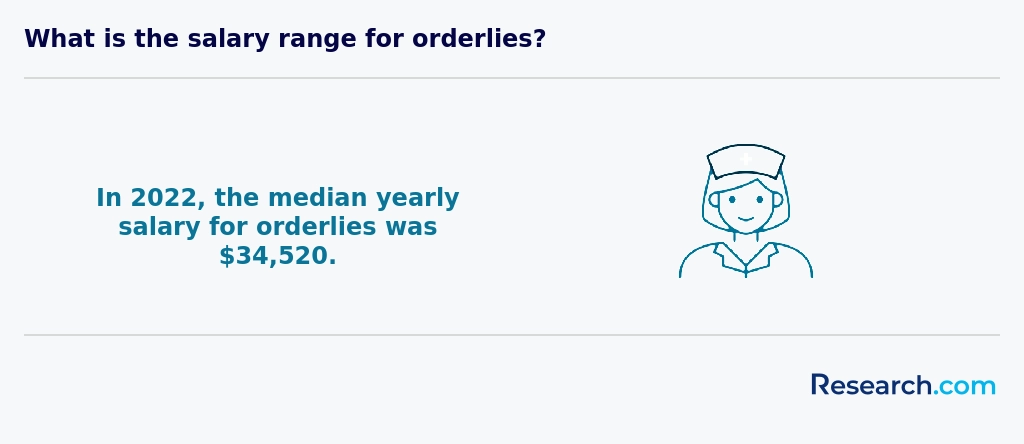
Nursing career opportunities in Scranton are diverse and rewarding, especially for graduates from popular local colleges known for their strong nursing programs. Many graduates begin their careers as Registered Nurses, working in bustling hospitals or community clinics, where they quickly learn the vital skills needed to thrive in both acute care and outpatient environments. The variety of experiences found at these institutions helps nursing students visualize their future roles with confidence and enthusiasm.
Beyond becoming an RN, graduates often explore specialized paths such as Nurse Practitioners, who provide advanced care in fields like family medicine or geriatrics, crucial in Scranton's mix of urban and rural populations. Others find satisfaction as clinical nurse specialists or in healthcare administration, shaping patient care and guiding teams. Public health nursing offers the chance to improve community wellness, while nurse educators at local colleges inspire the next generation of caregivers. For those seeking affordable and practical study options, resources like the Cheapest Online Nursing Degree Programs Ranking in Georgia can complement these local opportunities and broaden horizons.
The nursing degree job outlook Scranton presents is encouraging, rooted in strong regional demand fueled by an aging population and increasing chronic health issues. Graduates from well-known local institutions often share how their hands-on clinical experiences at Community Medical Center or Moses Taylor Hospital prepared them to confidently step into diverse roles, from pediatrics to critical care. These settings show students the vital need for skilled nurses, boosting both motivation and career readiness.
Many graduates reflect on how earning a Bachelor of Science in Nursing at Scranton-area colleges elevated their job prospects, given employers' preference for the comprehensive training a BSN offers. This preference strengthens Scranton nursing career opportunities, particularly in hospitals and community health organizations striving for high-quality patient care. Nurses with advanced certifications frequently find themselves in leadership or specialized positions offering greater autonomy.
Wages around $70,000 median annually support a stable lifestyle here, and nurses appreciate the balance between competitive pay and lower living costs compared to larger metro areas. For working adults looking to enter nursing swiftly, exploring the quickest online degree programs for working adults offers a practical path without sacrificing quality education.
2027 Best Nursing Degree Programs Ranking in Scranton
Investing in your education is a significant decision that can shape your future, and the Research.com team understands the importance of making informed choices. To assist prospective students in Scranton, we have meticulously crafted the "2027 Best Nursing Degree Programs Ranking in Scranton." Our commitment to quality, credibility, and accuracy is reflected in the extensive research and analysis conducted to compile this ranking.
We utilized the following reputable data sources to ensure a comprehensive evaluation of nursing programs:
By exploring this ranking, readers will gain valuable insights into the best nursing degree programs available in Scranton, empowering them to make informed decisions about their educational and professional futures. For more details on our methodology, please visit our Research.com methodology page.


Frequently Asked Questions About nursing
Nursing degree students in Scranton can enhance their learning by actively engaging in clinical placements offered through local hospitals. Facilities like Moses Taylor Hospital provide diverse patient care experiences crucial for skill development. According to the Pennsylvania Department of Education, hands-on practice increases competency and confidence among nursing students.
Utilizing resources at regional institutions, such as the University of Scranton and Lackawanna College, further supports academic success. These schools often offer simulation labs and updated technology that reflect real-world healthcare settings. Networking with faculty and healthcare professionals can open opportunities for mentorship and career guidance.
Additionally, joining nursing associations like the Pennsylvania State Nurses Association helps students stay informed about industry trends and professional development events.
The nursing field is evolving rapidly, with several emerging niches reflecting changes in healthcare needs. One prominent area is gerontological nursing, which focuses on caring for an aging population. Given Scranton's growing elderly community, this niche offers expanding job opportunities. Another emerging specialty is telehealth nursing, which gained traction due to the COVID-19 pandemic and continues to grow as technology advances. Additionally, psychiatric-mental health nursing is critical, responding to increased mental health awareness nationwide. According to the Pennsylvania Center for Nursing, demand for these specialties is rising faster than traditional nursing roles. Students pursuing degrees in Scranton can benefit by targeting these growth areas.
After completing a nursing degree in Scranton, preparing for the job market involves several key steps. First, passing the NCLEX-RN exam is essential to obtain licensure to practice as a registered nurse in Pennsylvania. The Pennsylvania State Board of Nursing and the National Council of State Boards of Nursing provide up-to-date information on exam requirements.
Networking locally is vital; Scranton's healthcare sector, including facilities like Regional Hospital of Scranton, frequently hires new nurses. Joining state nursing associations or local chapters of national groups can improve job prospects.
Additionally, gaining clinical experience during studies through internships or clinical rotations in Scranton-area hospitals boosts employability. According to the Pennsylvania Department of Labor, registered nursing jobs in Northeastern Pennsylvania are projected to grow by 12% from 2022 to 2032, signaling strong demand.
Employers in Scranton seek nursing graduates with strong clinical skills and the ability to apply evidence-based practices effectively. According to the Pennsylvania Center for Nursing, communication and critical thinking rank as the top skills needed in local healthcare settings. Nurses must demonstrate sound judgment when responding to patient needs and collaborate well with interdisciplinary teams.
Technical proficiency with electronic health records (EHR) is increasingly important, given Scranton hospitals' adoption of digital systems. Additionally, cultural competence ensures nurses provide respectful care to Scranton's diverse population. Time management and adaptability also score high on employer wish lists.
Finding internships in Scranton relevant to a nursing degree typically involves connecting with local healthcare facilities and academic institutions. The University of Scranton and Lackawanna College both have partnerships with nearby hospitals such as Regional Hospital of Scranton and Moses Taylor Hospital, which offer clinical placement opportunities for nursing students. Students should also explore the Pennsylvania State Board of Nursing's resources for approved clinical sites to ensure quality experiences.
Additionally, local health departments and long-term care facilities frequently offer internships or volunteer positions that enhance practical skills. Networking through faculty advisors and attending healthcare career fairs in Scranton can increase chances of securing internships. According to the U.S. Bureau of Labor Statistics, regional internships greatly improve job prospects upon graduation.
A nursing degree significantly enhances career mobility and advancement opportunities in Scranton. According to the U.S. Bureau of Labor Statistics, registered nurses in the Scranton area earn a median annual wage of approximately $70,000, with higher degrees often leading to supervisory or specialized roles. Employers in local hospitals and healthcare facilities, such as Geisinger and Regional Hospital of Scranton, actively seek nurses with Bachelor of Science in Nursing (BSN) or higher qualifications.
Advanced degrees enable nurses to pursue leadership positions, nurse practitioner roles, or specialties like geriatrics and oncology, which are in growing demand. The Pennsylvania Department of Labor & Industry highlights a projected 15% growth in nursing jobs for northeast Pennsylvania by 2030. Thus, investing in a nursing degree in Scranton improves job security, salary potential, and access to diverse healthcare roles.
Studying for a nursing degree in Scranton offers strong preparation for interdisciplinary roles through curricula that emphasize collaboration across healthcare fields. Local programs often include clinical rotations in diverse settings, enabling students to work alongside physicians, therapists, and social workers. This hands-on experience supports the development of communication and teamwork skills essential for integrated patient care.
Institutions in Scranton benefit from partnerships with nearby hospitals and clinics, providing exposure to real-world interdisciplinary teams. According to the Pennsylvania Center for Workforce Information & Analysis, the regional healthcare sector grows steadily, increasing demand for nurses adept at collaborative practice.
Additionally, many nursing programs in Scranton incorporate education on healthcare informatics and leadership, broadening students' competence beyond traditional nursing tasks. This fosters an ability to participate effectively in multidisciplinary decision-making processes.
When choosing between a thesis and a non-thesis nursing degree in Scranton, consider your career goals and learning preferences. A thesis program typically involves conducting original research, which suits students aiming for clinical research or doctoral studies. Non-thesis options focus more on coursework and practical skills, ideal for those pursuing advanced nursing practice or leadership roles.
Scranton's nursing programs align with US higher education standards, offering both options to meet diverse needs. According to the Pennsylvania Center for Nursing, programs with a thesis component may require an additional semester, impacting time and costs.
Evaluate faculty expertise, resources, and your interest in research when deciding.
Students based in Scranton who wish to study nursing abroad have several paths to consider. Many US nursing programs offer study abroad partnerships, allowing credits earned internationally to transfer back toward their degree. While Scranton itself has limited direct exchange programs, students can explore options through nearby universities or online platforms affiliated with global nursing schools.
Another route is enrolling in accredited international nursing programs that recognize US prerequisites, then applying for licensure through the National Council Licensure Examination (NCLEX) upon return. Organizations like the Commission on Graduates of Foreign Nursing Schools (CGFNS) provide guidance on credential evaluation.
According to the Pennsylvania State Board of Nursing, international programs must meet specific criteria to qualify graduates for practice in the US, so careful planning is essential.
In Scranton, part-time job opportunities that complement nursing degree education typically include roles such as certified nursing assistant (CNA), medical scribe, and pharmacy technician. These positions provide practical experience alongside academic learning, which is crucial for developing clinical skills.
The U.S. Bureau of Labor Statistics highlights that CNAs in Pennsylvania earned a median hourly wage of approximately $14.50 in 2023, making it a viable option for students balancing work and study. Local hospitals and healthcare facilities, including Regional Hospital of Scranton, often seek part-time CNAs, offering flexible hours tailored to students' schedules.
Medical scribing jobs help nursing students enhance their understanding of charting and patient documentation, important skills for future nurses. Additionally, pharmacy technician roles provide insight into medication management, an essential nursing competency. Many community pharmacies in Scranton offer part-time employment opportunities targeting healthcare students.
Nursing students in Scranton have access to diverse networking opportunities that enhance their professional growth. The University of Scranton and Marywood University both host nursing clubs and provide connections to the local healthcare community. These programs often organize events with area hospitals such as Regional Hospital of Scranton, allowing students to meet experienced nurses and health professionals.
Additionally, students can join the Pennsylvania State Nurses Association (PSNA), which offers regional chapters and events in northeastern Pennsylvania. Participation in PSNA provides access to seminars, job fairs, and mentoring programs, crucial for building professional networks early in a nursing career.
Clinical placements in Scranton's medical centers further expand networking, offering real-world experience and relationships with practicing nurses and healthcare teams.
Alumni networks provide crucial support to nursing degree students in Scranton by connecting them with experienced professionals who have navigated similar academic and career challenges. These networks often offer mentorship programs, helping students gain practical insights into the local healthcare environment, which is essential in a region with a growing demand for nurses, as reported by the Pennsylvania Department of Labor & Industry.
Moreover, many alumni facilitate job placements and internships in Scranton-area hospitals and clinics, increasing graduate employment rates. According to recent data from the Scranton Area Health Education Center, alumni connections have contributed to a 15% higher job placement rate for nursing graduates within six months after graduation.
Regular alumni events and online forums also promote continuous learning and professional development, keeping students updated on nursing innovations and local opportunities, enhancing their competitiveness in Scranton's healthcare market.
Customizing a nursing degree program in Scranton allows students to align their education with specific career goals. Many universities in the area offer flexible curriculum options, including electives in specialties such as pediatrics, gerontology, or mental health nursing. Students can often choose between traditional, accelerated, or part-time pathways to fit different schedules and experiences.
In addition, clinical placements within Scranton's diverse healthcare facilities provide practical experience tailored to individual interests. According to the Pennsylvania Department of Education, nearly 65% of nursing students in Scranton engage in internships or practicum settings related to their chosen fields.
Moreover, some programs integrate leadership, research, or community health components to prepare nurses for advanced roles. Consulting academic advisors early helps optimize course selection for certification or advanced degrees later.
Nursing students in Scranton face several common challenges during their education. One significant hurdle is managing the demanding clinical hours required by most nursing programs. According to the Pennsylvania State Board of Nursing, students must complete extensive hands-on training, which can be difficult to balance with personal responsibilities and part-time jobs.
Another challenge is the rigorous academic workload. Nursing curricula include complex subjects like pharmacology, anatomy, and patient care ethics, leading to high stress levels. A 2023 survey by the National Student Nursing Association highlighted that nearly 60% of nursing students nationwide report moderate to severe stress, a trend reflected in Scranton as well.
Additionally, students in Scranton often experience competition for local clinical placements due to limited hospital partnerships in the region, potentially delaying program completion. Financial strain is also common, as the average cost for nursing programs in Pennsylvania can range from $12,000 to $30,000, excluding living expenses.
With a nursing degree, graduates in Scranton can pursue several professional certifications that enhance career opportunities and skills. Common certifications include the Registered Nurse (RN) license, which is required to practice nursing across the United States, including Pennsylvania.
Beyond the RN license, nurses often seek specialty certifications such as Certified Nurse Practitioner (CNP), Certified Nurse Educator (CNE), and Certified Nurse Midwife (CNM). These credentials are offered through organizations like the American Nurses Credentialing Center (ANCC).
Scranton's healthcare industry supports certification advancement by providing access to clinical experience and continuing education, crucial for meeting certification requirements. For example, Pennsylvania ranked in the top 10 states for nurse certification rates, according to a 2023 report from the Pennsylvania Center for Nursing Workforce.
Applying to nursing programs in Scranton requires careful preparation aligned with the competitive nature of healthcare education. Most local programs, including those at notable institutions like the University of Scranton, emphasize a strong academic record, particularly in science and math courses. Applicants should highlight clinical experience or volunteer work in healthcare settings to demonstrate commitment and practical skills.
Standardized tests and prerequisite courses must meet program standards, often with minimum GPA requirements around 3.0. Writing a compelling personal statement that clearly outlines motivation and career goals is essential. Additionally, securing strong letters of recommendation from academic or healthcare professionals enhances an application.
According to the Pennsylvania Higher Education Assistance Agency (PHEAA), demonstrating awareness of nursing demands in the region and alignment with employer needs can give candidates an advantage.
The global perspective on a nursing career highlights its critical role in healthcare systems worldwide. In the United States, including Scranton, nursing remains one of the fastest-growing professions due to increasing demand for healthcare services. The U.S. Bureau of Labor Statistics forecasts a 9% growth in registered nurse employment from 2021 to 2031, reflecting a global trend for higher nursing needs.
Internationally, nurses often face diverse challenges such as varying scopes of practice and educational requirements. However, U.S.-trained nurses benefit from rigorous education standards that emphasize both clinical skills and cultural competence, preparing them for global healthcare environments.
Locally, Scranton offers several pathways to nursing degrees with programs accredited by recognized bodies, aligning with national standards that ensure graduates are competitive in both domestic and international markets. This strengthens a nurse's adaptability and career prospects worldwide.
Gaining practical experience while studying for a nursing degree in Scranton is essential for building clinical skills and improving job prospects. Local nursing programs often include clinical rotations in nearby hospitals such as the Geisinger Community Medical Center and Regional Hospital of Scranton. These rotations provide hands-on patient care experience under the supervision of licensed nurses.
Additionally, students can seek internships or externships at healthcare facilities, which allow them to observe and participate in real-world nursing duties. Volunteering at community health centers or nursing homes in Scranton also offers valuable exposure to diverse patient populations.
According to the Pennsylvania Department of Education, nursing programs in Scranton emphasize clinical hours, typically requiring 500 to 700 hours of direct patient care before graduation.
Choosing the right concentration within a nursing degree program in Scranton involves assessing your career goals and local healthcare needs. Scranton's healthcare sector, supported by facilities like Geisinger Community Medical Center, offers growing opportunities in specialties such as gerontology and family nurse practice. According to the U.S. Bureau of Labor Statistics, Pennsylvania is expected to see a 15% growth in registered nurse employment by 2030, highlighting demand in various nursing fields.
Consider the curriculum focus, hands-on clinical experiences, and available certifications when comparing concentrations. Reflect on your interest areas: pediatrics, critical care, or community health are common options.
It also helps to consult with academic advisors and review local job postings to align your choice with Scranton's healthcare priorities and trends.
- 2027 Best Nursing Degree Programs Ranking in New York
- 2027 Best Nursing Degree Programs Ranking in Bronx
- 2027 Best Nursing Degree Programs Ranking in Brooklyn
- 2027 Best Nursing Degree Programs Ranking in Baltimore
- 2027 Best Nursing Degree Programs Ranking in Rochester
- 2027 Best Nursing Degree Programs Ranking in Washington
- 2027 Best Nursing Degree Programs Ranking in Pittsburgh
- 2027 Best Nursing Degree Programs Ranking in Boston
- 2027 Best Nursing Degree Programs Ranking in Harrisonburg
- 2027 Best Nursing Degree Programs Ranking in Cleveland
See What Experts Have To Say About Studying Nursing
Read our interview with Nursing experts


- Nursing Degree You Need to Become an RN https://www.allnursingschools.com/registered-nursing/degrees/
- How to Write https://esign.com/letter-of-intent/school/nursing/
- Nursing Careers in Scranton and Wilkes-Barre https://www.allied-services.org/careers/career-paths/nursing/
- What Are the Best RN Certifications for Your Career? https://credenzahealth.com/career-advice/what-are-the-best-rn-certifications-for-your-career
- Career Advancement Pathways for Nurses : Expert RN shares 10+ Professional growth opportunities - MuminMed https://blog.muminmed.com/career-advancement-pathways-for-nurses/
- Nursing Study Abroad Programs | Go Overseas https://www.gooverseas.com/study-abroad/nursing
- How Do Nurses Navigate Career Advancement? | NursingEducation https://nursingeducation.org/insights/career-advancement/
- Interdisciplinary Education and Practice https://www.aacnnursing.org/news-data/position-statements-white-papers/interdisciplinary-education-and-practice
- | NRR | Dove Medical Press https://www.dovepress.com/internship-challenges-encountered-by-nursing-students-a-qualitative-st-peer-reviewed-fulltext-article-NRR
- Nursing Internship and Externship Programs https://jobs.mayoclinic.org/nursinginternexternprograms