2027 Most Affordable MBA Degree Programs Ranking in West Virginia

Co-Founder and Chief Data Scientist
Choosing the right MBA program in West Virginia can be overwhelming with so many options available. This article presents the 2027 Most Affordable MBA Degree Programs Ranking in West Virginia, created by the Research.com team of data scientists. It is designed to help you make an informed decision about which programs offer the best value for your investment.
Reading this ranking will give you clear insights into affordable options that don't compromise on quality. Pursuing an MBA can open doors to new career opportunities and personal growth, making it a smart step toward your future.
Key benefits of getting MBA degree in West Virginia
- Salary for MBA graduates: While specific West Virginia salary data is unavailable, MBA graduates in related U.S. roles often earn competitive salaries, averaging around $85,000 to $120,000 annually, offering strong financial growth potential.
- Career paths: Graduates from West Virginia University's MBA program commonly enter rewarding fields such as business management, finance, and marketing, enjoying diverse and promising opportunities.
- Online MBA benefits: Earning an MBA online from institutions like West Virginia University allows greater flexibility, enabling students to balance work and study while gaining the same respected degree as traditional programs.
- 2027 Most Affordable MBA Degree Programs Ranking in West Virginia
- What can I expect from MBA degree in West Virginia?
- Where can I work with MBA degree in West Virginia?
What can I expect from MBA degree in West Virginia?
Imagine enrolling in an MBA program in West Virginia where the cost feels more like an investment than a burden. Graduates from West Virginia University's John Chambers College of Business and Economics often share how the annual tuition, ranging from about $7,000 to $12,000 for in-state students, allowed them to balance quality education with financial peace of mind. This affordability feels like a rare treasure when compared to the soaring prices elsewhere, making it easier to focus on mastering finance or entrepreneurship without drowning in debt.
One tale echoes of a working professional who juggled evening classes alongside a day job, all while feeling supported by a tuition structure that respects his wallet. The financial accessibility offered by these programs encourages students from diverse backgrounds, fueling ambition across Charleston and Morgantown alike.
West Virginia's MBA experience thus combines practical learning with a sense of belonging, enabled by costs that invite rather than exclude, setting students on a confident trajectory toward their dreams.
Where can I work with MBA degree in West Virginia?
Graduates with an MBA from West Virginia's top programs like those at West Virginia University often find themselves stepping into dynamic roles that feel tailor-made for their fresh skills. Imagine juggling hospital budgets at WVU Medicine, transforming patient care through sharper operational strategies-graduates speak of the thrill in turning complex numbers into real wellness outcomes.
Others dive into West Virginia's energy hubs, where coal and natural gas giants like CONSOL Energy beckon. Here, MBA grads craft plans that balance profit with sustainability, navigating the rugged terrain of resource management with a strategist's precision.
On a different rhythm, finance-savvy alumni stroll into banks such as Huntington Bancshares, armed with insights that tame risk and spark smart investments. One common thread? The excitement of making a tangible impact in your own community while growing professionally.
Manufacturing plants and government offices also resonate with MBA grads who relish shaping supply chains or steering local economic initiatives, proving that West Virginia's landscape is rich with opportunity for those ready to lead.
Imagine launching your MBA journey at West Virginia University or Marshall University, where graduates step out ready to command salaries reflecting their expertise. In West Virginia, MBA holders often begin their careers earning between $65,000 and $75,000 annually in finance, marketing, or management roles-solid ground for building a prosperous future.
Picture a graduate from Morgantown climbing the ladder, gaining experience and crossing into the $85,000-$100,000 range mid-career. The thrill of securing a senior management role in Charleston could push your salary north of $110,000, reflecting both skill and the region's unique economic landscape.
While official BLS data remains elusive for exact figures, real-life stories from local MBA grads reveal that salaries in healthcare administration and energy sectors often flirt with the higher end of this spectrum. The lower cost of living here means that even these numbers translate into greater day-to-day comfort and opportunity.
Online MBA programs at these institutions also offer a competitive edge-graduates sharing how prior experience, combined with flexible learning, has led to career leaps and rewarding paychecks across West Virginia's diverse industries.
- MBA programs in West Virginia are mainly offered by public universities like West Virginia University and Marshall University, with costs ranging from $20,000 to $40,000 for in-state students.
- Tuition rates are typically $500 to $700 per credit hour, which is below the national average for graduate business courses.
- Starting salaries for MBA graduates average between $55,000 and $65,000 per year, increasing to $85,000 to $100,000 with experience.
- Key industries for MBA jobs include healthcare management, finance, energy, manufacturing, and government services, especially in cities like Charleston, Morgantown, and Huntington.
- Flexible study options such as part-time and online programs are available to accommodate working professionals.
Completing an MBA in West Virginia dances to the rhythm of your life's pace. Full-time students at well-regarded institutions like West Virginia University often wrap up their journey in about two years, a steady climb filled with late-night library sessions and caffeine-fueled group projects. For those tied to a full-time job, part-time tracks stretch gracefully over three to four years, mirroring the ebb and flow of daily responsibilities while offering evening classes that feel like pulses of opportunity amidst the grind.
Imagine squeezing your MBA into just 12 to 18 months through accelerated programs found at some West Virginia universities-intense sprints where graduates speak of electric semesters without summer reprieves, balancing ambition with resilience. Online MBA learners embrace a tapestry of timeframes, weaving education into their unique schedules, whether at Morgantown or Charleston. Here, flexibility fuels confidence and connection, showing that in West Virginia, the MBA's timeline bends to fit dreams rather than the other way around.
In today’s rapidly evolving business landscape, MBA programs in West Virginia are increasingly integrating digital transformation, sustainability, and innovative learning models to deliver greater long-term value. As technology disrupts traditional business practices, institutions are adapting by emphasizing data analytics, agile methodologies, and ethical leadership-preparing graduates to navigate uncertain futures with confidence. Key emerging trends include: • Digital Integration: Coursework now frequently includes digital marketing, cybersecurity, and data-driven decision making, ensuring that students are well-equipped for technology-driven industries. • Strategic Industry Partnerships: Universities are forging alliances with local businesses and tech innovators to provide hands-on projects, real-time internships, and mentorship opportunities that enhance classroom learning and professional networking. • Enhanced ROI Analysis: With tuition costs rising, many schools offer detailed, transparent analyses of return on investment, highlighting career trajectories, salary growth, and long-term benefits. • Flexible Learning Options: Recognizing diverse student needs, programs are expanding hybrid and remote learning models. For instance, many professionals are turning to an online emba to gain advanced skills without interrupting their careers. By embracing these trends, MBA programs in West Virginia not only cultivate business acumen but also ensure that graduates remain competitive in a dynamic job market, ultimately delivering a strong return on education investment.
Picture juggling your MBA study around a bustling family life in Charleston or the quiet hills near Morgantown. Online MBA programs from West Virginia University and Marshall University turn this balancing act into a graceful dance, letting you dive into coursework anytime-whether during a lunch break or late at night after the kids are asleep. One graduate marveled at how asynchronous classes saved hours usually spent in traffic, freeing up time for what truly matters.
On-campus experiences, however, paint a different picture: vibrant classrooms alive with face-to-face debates, late-night group projects at WVU's libraries, and spontaneous conversations over coffee that spark career-changing ideas. Another graduate praised how these moments fostered connections that no video call could replicate, making networking feel real and immediate.
Cost-wise, both paths hover around a similar tuition range-$18,000 to $25,000-but online students delight in trimming expenses like commuting and housing. Whether tapping away at a laptop from a cozy home in Huntington or walking across a leafy campus in Morgantown, West Virginia's MBA choices shape themselves around your life's rhythms and ambitions.
When diving into the average cost of an MBA degree in West Virginia, the numbers tell a story of attainable ambition. The median in-state tuition lingers around $10,656, a figure that many graduates proudly recall as a manageable investment in their futures. Out-of-state students face a higher sticker, near $31,490, reflecting the broader cost spectrum within the state's academic landscape. Imagine a graduate from West Virginia University, who balanced work and study, feeling relief that their tuition hovered closer to the in-state median-this sense of financial accessibility fuels motivation and determination.
For those chasing affordable MBA tuition and fees West Virginia validates their choice with competitive costs compared to national averages. Private institutions, nestled within the region, can escalate fees, but many students find ways to navigate these costs through part-time programs or online options that blend flexibility and value. Alumni often mention stretching every dollar by tapping into scholarships or assistantships, easing the burden and expanding possibilities.
Beyond tuition, the true cost often swells with essentials like books and living expenses, which can nudge budgets upward by $5,000 to $10,000 annually. Prospective candidates envision their journeys by weighing these realities with excitement, knowing that a smarter financial path can lead to remarkable career transformation. To explore the potential schools shaping these experiences, consider the best mba programs in west virginia that align quality education with sensible costs.
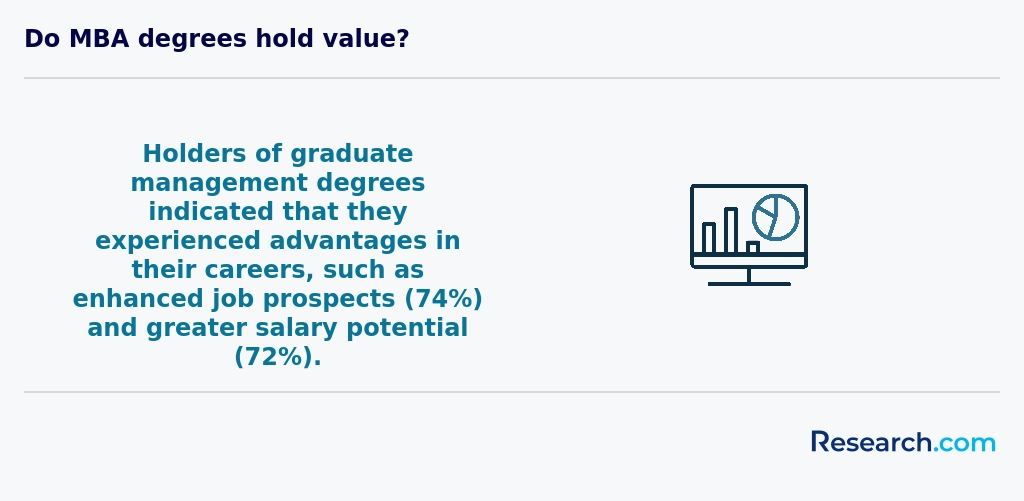
Imagine landing an assistantship at West Virginia University, where your role as a teaching aide not only sharpens your skills but also shrinks your tuition bill with a generous stipend. Or picture enrolling at Marshall University and snagging a merit-based scholarship because your leadership on the debate team caught the eye of the committee-suddenly, full tuition feels within reach, not out of grasp.
Federal loans like Direct Unsubsidized and Grad PLUS become your backstage pass, offering flexible repayment plans that ease the pressure while you focus on coursework. Work-study jobs at local businesses or campus offices also transform your MBA journey into an experience that funds itself, blending career-building with paychecks.
Energy companies around Charleston might reward your ambition with tuition reimbursement perks, turning your employer into an active partner in your success. Meanwhile, smaller nonprofits and state programs occasionally pop up as wildcards, granting extras to West Virginia residents who meet specific criteria.
Through these intertwined options, many MBA candidates find a web of support that makes the pursuit of their degree feel less like a burden and more like a community investment.
Pursuing an MBA in West Virginia offers a unique blend of affordability, academic rigor, and practical application, making it an attractive option for students seeking to advance their careers. By exploring the 2024 Most Affordable MBA Degree Programs Ranking in West Virginia, prospective students can gain valuable insights into the benefits of studying in the state. For instance, students can expect to be part of a vibrant academic community that values feedback and collaboration, as well as have access to best mba programs in west virginia, which are designed to equip them with the skills necessary to succeed in the business world. The MBA experience in West Virginia is characterized by its emphasis on real-world learning, with many programs incorporating case studies, group projects, and internships that allow students to apply theoretical concepts to practical problems. This hands-on approach not only enhances learning but also fosters a sense of community and connection among peers, preparing graduates for the complexities of the business world.
To dive into an MBA program in West Virginia, you first need a bachelor's degree-no exceptions. Whether your undergrad was in business, economics, or a quirky mix like philosophy and marketing, universities like West Virginia University cheer on diverse academic backgrounds, as long as you bring a spark of curiosity and drive.
Imagine a recent graduate from Marshall University, swapping their office desk for a classroom after five years in marketing. They breezed through the GMAT, but others with solid work experience found their test scores waived, making pathways flexible and friendly. GRE scores are also a welcome alternative for those who prefer a different challenge.
Letters of recommendation act like your personal cheer squad, often penned by mentors who've seen your potential firsthand. Along with a thoughtfully crafted resume and an essay that tells your unique story, these pieces shape your MBA application into something vivid and alive.
Work experience is the secret seasoning-two to five years usually do the trick. Yet, some programs embrace fresh grads hungry to learn, proving West Virginia offers both tradition and innovation in its MBA prerequisites.
Calculating the return on investment (ROI) for an MBA in West Virginia involves balancing total program cost against expected post-graduation earnings and payback period. On average, in-state MBA tuition ranges from $20,000 to $50,000, and graduates report entry-level salaries between $70,000 and $95,000, yielding a typical payback period of 2 to 4 years. Key factors influencing ROI include: • Total Cost of Attendance: Sum of tuition, fees, living expenses, and opportunity cost of foregone earnings (for full-time students). • Salary Premium: Difference between pre-MBA and post-MBA compensation. West Virginia graduates often see a 30–50% salary uplift within the first year. • Payback Period: Calculated as Total Cost ÷ Annual Salary Increase. For example, a $35,000 program cost with a $20,000 salary boost yields a 1.75-year payback. When comparing regional alternatives, students may explore the Most Affordable MBA Degree Programs Ranking in Nevada, where average program costs and salary premiums can differ due to local market conditions. For instance, Nevada’s hospitality-driven economy may offer higher initial salaries in tourism management, potentially shortening the payback period to under two years, despite slightly higher tuition. To maximize ROI: 1. Research specialization demand-fields like healthcare management or business analytics often command higher premiums. 2. Leverage internships and networking events to secure higher-paying roles immediately after graduation. 3. Apply for scholarships and employer tuition-reimbursement programs to reduce out-of-pocket expenses. By systematically evaluating these variables and benchmarking against neighboring states like Nevada, prospective MBA candidates can make data-driven decisions that optimize both career outcomes and financial returns.
Imagine diving into Accounting and Financial Reporting at West Virginia University's John Chambers College of Business and Economics, where graduates recall moments decoding real company balance sheets, feeling the thrill of mastering financial fluency that powers business decisions. Marketing Management here isn't about memorizing theories; it's a creative sprint, brainstorming campaigns tailored to Appalachian markets, making students feel like local brand strategists.
Operations Management classes turn into puzzles of supply chain logistics, where organizing a regional energy project's workflow feels as impactful as running a real business. Organizational Behavior courses spark eye-opening revelations about team dynamics-graduates often share stories of how understanding human interactions transformed their leadership styles in West Virginia's close-knit business communities.
Strategic Management feels like plotting a game plan for a hometown company, crafting long-term success in industries like healthcare and energy that shape West Virginia's economy. Managerial Economics brings economic theory alive through scenarios familiar to the region, stirring inspiration to make smart decisions as entrepreneurs or managers.
Business Ethics classes aren't just lectures-they foster deep pride, encouraging ethical leadership that graduates carry into West Virginia's corporate and social landscapes, making their MBA experience resonate far beyond the classroom.
Immersed in West Virginia's unique economic tapestry, MBA specializations here blend practicality with visionary spark. Graduates from West Virginia University often describe their healthcare management coursework as a deep dive into the pulse of local hospitals and clinics, learning how to balance compassion with business acumen. Meanwhile, those who gravitate toward finance find themselves navigating the intricate dance of regional investments and corporate money flows, armed with skills forged through rigorous analysis.
At Marshall University, marketing students recall campaigns shaped by the state's lively community spirit, exploring consumer behavior that feels personal and genuine. Project management majors talk about orchestrating real-world initiatives, turning ambitious ideas into tangible successes. Entrepreneurship students thrive on West Virginia's budding startup scene, imagining business plans fueled by innovation and local pride. Supply chain aficionados gain hands-on experience with logistics vital to the region's manufacturing roots.
These West Virginia MBA degree concentration options give students more than theory-they ignite confidence and readiness. For those keen on exploring alternatives, the online emba can offer flexible pathways keeping dreams afloat without sacrificing quality.
Imagine navigating the twists and turns of choosing an MBA in West Virginia like a seasoned explorer charting new territories. Graduates from programs at West Virginia University often share how flexibility was their compass-balancing work and study through part-time or online options crafted to fit real life. The best MBA degrees West Virginia offers are not just about classrooms; they pulse with vibrant local industries like energy and healthcare, where internships become thrilling real-world quests.
Picture a cohort collaborating on finance projects at Marshall University, where alumni networks open doors that once seemed sealed shut. Cost-conscious adventurers appreciate how public universities keep tuition around $10,000 to $25,000 for in-state students, sweetening the deal with scholarships and assistantships. If you crave a deeply budget-friendly path, exploring the Most Affordable MBA Degree Programs Ranking in Nevada can spur ideas that resonate beyond state lines.
In your pursuit of affordable MBA programs in West Virginia, consider accreditation like the AACSB stamp-your map's legend ensuring quality and credibility. Career services prove to be lighthouses, guiding you toward rewarding roles after graduation. Real students find joy in programs that blend affordability, flexibility, and academic excellence, transforming ambitions into tangible success stories.
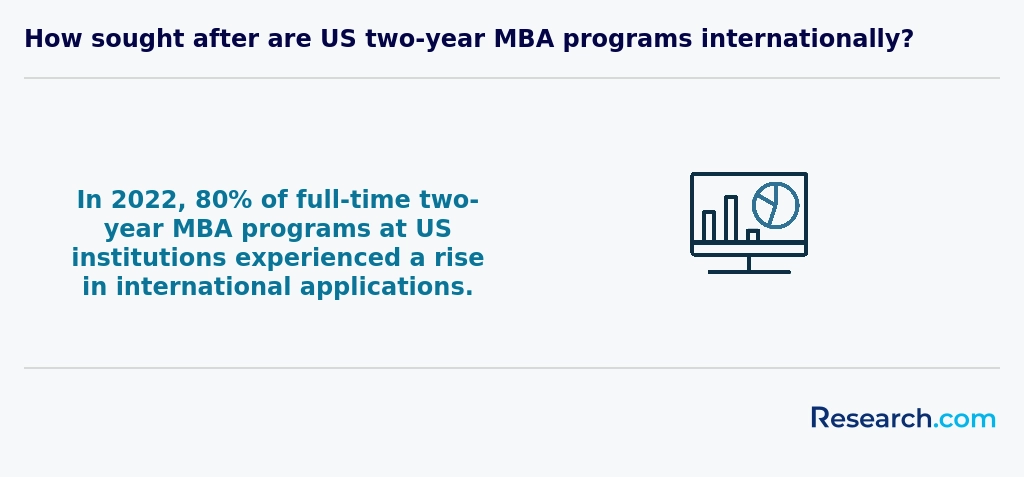
Graduates from popular MBA programs in West Virginia often find themselves stepping into dynamic roles where strategy meets impact. Imagine a recent graduate from a well-known state university navigating the bustling offices of energy firms, applying their leadership to streamline operations as an operations manager-one of the best MBA career opportunities in West Virginia. Another might leap into healthcare administration, fueled by the state's expanding medical sector, turning complex hospital logistics into smooth, patient-centric processes.
Finance and accounting graduates don't just crunch numbers-they craft investment strategies or lead corporate accounting teams, their skills sharpened by the affordable and focused MBA experience in West Virginia. Entrepreneurship flourishes here too; graduates harness the business savvy gained through West Virginia programs to launch startups, supported by local initiatives encouraging small business growth.
Consulting and supply chain management careers thrive due to the state's strategic location and industrial diversity, giving graduates a real-world playground to solve logistics puzzles. Many find that supplementing their degree with 6 month certificate programs that pay well accelerates their ascent, making West Virginia a fertile ground for top business management jobs West Virginia offers.
The MBA career opportunities in West Virginia spark a mix of ambition and real-world applicability for many graduates from universities like West Virginia University and Marshall University. These graduates often share how their leadership skills and strategic thinking, honed through hands-on projects and networking in healthcare systems or energy companies, unlock roles that balance challenge with impactful decision-making.
In the evolving West Virginia MBA job market outlook, sectors such as finance and healthcare administration are hotspots, where steady demand meets competitive salaries starting from about $55,000 for entry-level roles. Graduates find themselves steering initiatives at institutions like WVU Medicine or financial firms like United Bank, where their MBA credentials amplify influence in navigating complex organizational challenges.
For those considering the investment, studying an MBA here means manageable tuition costs at public universities, making it easier to pursue an easiest degree to get online with flexible formats. This affordability combined with regional demand cultivates an encouraging atmosphere for career growth within West Virginia's unique economic tapestry.
2027 Most Affordable MBA Degree Programs Ranking in West Virginia
Investing in your education is a significant decision that can shape your future, and the Research.com team understands the importance of making informed choices. To assist prospective students in West Virginia, we have meticulously crafted the "2027 Most Affordable MBA Degree Programs Ranking in West Virginia." Our commitment to quality, credibility, and accuracy is reflected in the extensive research and analysis conducted to compile this ranking.
We utilized the following reputable data sources to ensure a comprehensive evaluation of MBA programs:
By exploring this ranking, readers will gain valuable insights into the most affordable MBA degree options in West Virginia, helping them make informed decisions about their educational investments. For more details on our methodology, please visit our Research.com methodology page.


# 3 position
Salem University
Master of Business Administration


Frequently Asked Questions About MBA
To maximize their learning experience, MBA students in West Virginia should actively engage in both classroom and practical opportunities. Many universities in the state, including West Virginia University, offer access to internships and networking events that connect students with local businesses.
Participating in case competitions and student organizations can also enhance practical skills. According to the West Virginia Higher Education Policy Commission, over 60% of MBA students in the state report improved job prospects through such experiences.
Additionally, leveraging online resources and faculty expertise can deepen understanding of key business concepts.
Time management and consistent study habits remain essential for academic success in these programs.
Emerging niches within the MBA field are shaping how students in West Virginia prepare for the future workforce. One rapidly growing focus is on data analytics and business intelligence, which integrates technology with strategic decision-making. The U.S. Bureau of Labor Statistics projects a 31% growth in data-related jobs by 2030, making this a promising area for MBA candidates.
Another niche gaining traction is sustainability and green business, reflecting global environmental concerns. West Virginia's emphasis on energy and natural resources creates unique opportunities for MBAs specializing in sustainable management.
Additionally, healthcare management MBAs are expanding, driven by the sector's growth and complexity in the state. According to the West Virginia Higher Education Policy Commission, healthcare accounts for a significant share of state employment, reinforcing demand for specialized business skills.
These emerging niches align with industry needs and provide valuable pathways for MBA students seeking relevance and growth in West Virginia's economy.
Preparing for the job market after earning an MBA degree in West Virginia involves several strategic steps. Graduates should leverage connections with local businesses, as West Virginia's economy emphasizes sectors like energy, healthcare, and manufacturing. Networking through university career services and regional business organizations is essential.
Internships and experiential learning during the MBA program improve practical skills and increase job prospects. According to the West Virginia Higher Education Policy Commission, MBA graduates in the state see a 10% average salary increase within two years post-graduation. Developing strong communication and leadership skills, aligned with regional industry needs, also enhances employability.
Employers in West Virginia highly value MBA graduates who demonstrate strong leadership and strategic thinking skills. According to the West Virginia Council for Community and Technical College Education, companies seek candidates who can effectively manage teams and drive business growth in a competitive market.
Analytical abilities and data-driven decision-making are also top priorities. Graduates who can interpret financial reports and market trends are preferred, especially in industries like healthcare, energy, and finance, which dominate West Virginia's economy.
Communication skills remain essential. Employers want MBA holders who can clearly present ideas and collaborate across departments, fostering innovation and improving organizational efficiency.
Finally, adaptability is crucial. The dynamic local business environment demands professionals who can navigate change and implement new technologies successfully.
Finding internships relevant to an MBA degree in West Virginia involves leveraging several local resources and networks. Many universities, such as West Virginia University and Marshall University, offer dedicated career services that connect MBA students with regional businesses in industries like energy, healthcare, and finance. According to the West Virginia Department of Commerce, industries with significant growth provide internship opportunities that align with MBA skills.
Students should explore platforms like Handshake and LinkedIn to discover internship listings specific to West Virginia. Additionally, attending local business networking events and joining organizations such as the West Virginia Chamber of Commerce can open doors to valuable internship prospects.
In West Virginia, earning an MBA degree significantly enhances career mobility and advancement opportunities. According to the U.S. Bureau of Labor Statistics and local employment reports, MBA graduates in the state often experience higher salary potential and increased access to managerial roles across industries such as healthcare, finance, and energy.
The growing presence of regional companies and startups in West Virginia values the leadership and strategic skills gained through MBA programs. Universities like West Virginia University report that their MBA alumni frequently secure promotions or transition into executive positions within five years of graduation.
Furthermore, West Virginia's economic development initiatives sometimes prioritize candidates with advanced business degrees to fill key leadership positions, making the MBA a valuable credential for shifting careers or entering competitive job markets within the state.
Studying for an MBA degree in West Virginia equips students with skills essential for interdisciplinary roles by emphasizing a broad-based curriculum. Programs often integrate courses in finance, marketing, management, and technology, preparing graduates to handle diverse business challenges. According to the West Virginia Higher Education Policy Commission, many MBA programs include collaborative projects and case studies that reflect real-world problems across various sectors.
Students also benefit from connections with local industries such as energy, healthcare, and manufacturing, which encourage interdisciplinary thinking. The MBA programs frequently emphasize leadership, communication, and analytical skills, enabling graduates to work effectively in roles that require cross-functional knowledge and teamwork.
Choosing between a thesis and a non-thesis MBA program in West Virginia depends on your career goals and learning preferences. Thesis programs emphasize research, requiring students to complete a significant project, which suits those interested in pursuing doctoral studies or analytical roles. Non-thesis programs focus more on practical skills through coursework and internships, ideal for professionals aiming to advance in business management directly.
West Virginia University and Marshall University offer both options, with tuition averaging around $20,000 per year for in-state MBA students, according to U.S. Department of Education data. Consider your commitment to research and future plans when selecting.
Students based in West Virginia interested in studying for an MBA abroad have several pathways. Many universities in West Virginia, such as West Virginia University, offer partnerships and exchange programs with international institutions, allowing students to complete portions of their MBA overseas. These programs provide exposure to global business environments while maintaining credit transferability. Additionally, students can consider accredited online MBA programs from international schools, which offer flexibility and global curriculum access without relocating.
According to the Graduate Management Admission Council, about 25% of U.S. MBA students explore international study options, making this a growing trend. However, prospective students should verify that foreign credits will be recognized by U.S. employers and accreditation bodies.
West Virginia offers several part-time job opportunities that complement MBA education by providing practical experience alongside academic learning. Many MBA students find roles in financial services, such as banking or insurance companies, where they can apply skills in budgeting, analysis, and risk management. According to the West Virginia Department of Commerce, the finance and insurance sector employs over 15,000 people statewide, making it a significant source of part-time work.
Consulting internships and project-based positions with local businesses in Charleston or Morgantown are also common. These roles help sharpen strategic thinking and problem-solving skills crucial for MBA success.
Retail management and marketing roles at regional firms provide hands-on experience in leadership and customer relations, enhancing knowledge gained in business courses. The state's growing healthcare sector offers administrative roles suitable for MBA students exploring healthcare management.
MBA students in West Virginia benefit from diverse networking opportunities through local universities and business organizations. Schools such as West Virginia University offer access to active alumni groups, business seminars, and career fairs that connect students with regional employers.
The state's Small Business Development Centers and chambers of commerce provide events where MBA candidates can meet entrepreneurs and executives from industries like energy, healthcare, and manufacturing, key sectors of West Virginia's economy.
Additionally, professional associations such as the West Virginia Society for Human Resource Management host networking sessions relevant to MBA specializations.
According to the WVU College of Business and Economics, over 80% of MBA graduates reported that networking played a crucial role in job placement.
Alumni networks play a vital role in enhancing the experience of MBA students in West Virginia. These networks provide access to established professionals who can offer mentorship, career advice, and job opportunities. According to the Graduate Management Admission Council, nearly 85% of MBA graduates find their first job through networking.
In West Virginia, alumni groups often organize local events and webinars, helping students connect with industry leaders specific to the region's economic sectors, such as energy and healthcare. This localized support increases the relevance and impact of networking efforts.
Additionally, alumni connections can facilitate internships and collaborative projects with businesses, offering practical experience that complements classroom learning. Schools like West Virginia University emphasize alumni engagement as a tool to bridge classroom knowledge and professional advancement.
Customizing an MBA degree program in West Virginia often involves selecting concentrations or electives aligned with your career goals. Many West Virginia universities offer specializations such as healthcare management, finance, or entrepreneurship to help tailor learning. For example, West Virginia University's College of Business and Economics provides flexible curriculum options that allow students to focus deeply on industries relevant to the regional economy.
Part-time, online, and hybrid formats are commonly available, enabling working professionals to adapt study schedules without pausing their careers. According to the U.S. Department of Education's College Navigator, these formats ensure accessibility for a diverse student population.
Engaging in internships or networking events hosted by local institutions can also enhance practical skills tailored to your desired field. Customizing your MBA in West Virginia means leveraging both academic coursework and experiential opportunities designed to meet individual career aspirations.
MBA students in West Virginia often face several challenges that affect their academic and professional progress. One common issue is balancing coursework with work and family responsibilities, as many students enroll while maintaining full-time jobs. According to the West Virginia Higher Education Policy Commission, over 60% of graduate students in the state are part-time learners, which can elongate degree completion time.
Another challenge is the limited availability of specialized MBA concentrations compared to larger states, which may restrict career advancement opportunities. Access to robust internship programs is also less widespread, impacting practical experience.
Additionally, cost remains a significant concern, as average tuition for in-state MBA programs in West Virginia ranges from $15,000 to $25,000, creating financial pressure for students without employer assistance.
An MBA degree from West Virginia provides a strong foundation to pursue various professional certifications that enhance career prospects. Common certifications include the Project Management Professional (PMP) and the Certified Management Accountant (CMA), both highly respected across industries.
Additionally, MBA graduates often pursue the Certified Financial Planner (CFP) or the Certified Professional Manager (CPM). These certifications align well with the skills developed during an MBA program, such as leadership, finance, and strategic thinking.
West Virginia's educational institutions, such as West Virginia University, support MBA students by offering preparatory resources for these exams. According to the U.S. Bureau of Labor Statistics, certification holders often earn 10-20% higher salaries than non-certified peers, evidencing the value of these credentials.
To write a winning application for an MBA program in West Virginia, begin by thoroughly researching the schools you plan to apply to. Local institutions like West Virginia University and Marshall University often emphasize leadership experience, so highlight your professional achievements clearly. Ensure your resume is concise and tailored to business education.
Writing a strong personal statement is essential. Focus on your career goals, why an MBA fits into those plans, and how the specific West Virginia program aligns with your objectives. Admissions committees value clear, well-organized essays that demonstrate self-awareness and motivation.
Moreover, prepare for the GMAT or GRE; competitive scores can enhance your chances, though some schools offer waivers based on experience. Finally, secure professional letters of recommendation that speak to your management potential and work ethic. According to the Graduate Management Admission Council, top applicants in West Virginia often showcase 3-5 years of relevant work experience.
The global perspectives on an MBA career remain broadly positive, as the degree is recognized worldwide for enhancing leadership, management, and strategic skills. In the United States, including West Virginia, an MBA can open doors to diverse industries such as finance, healthcare, and technology.
According to the Graduate Management Admission Council (GMAC) 2023 report, over 80% of MBA graduates find employment within three months of graduation, emphasizing strong career prospects. In West Virginia, institutions like West Virginia University offer MBA programs that align with these trends, preparing students for roles both locally and internationally.
Many employers value the global business understanding MBAs bring, which supports international collaboration and expansion. Graduates often work in multinational firms or roles requiring cross-cultural communication.
Gaining practical experience while pursuing an MBA in West Virginia is essential for career readiness. Many universities in the state, such as West Virginia University, offer internship opportunities that allow students to apply classroom knowledge in real business settings. Employers in sectors like energy, healthcare, and finance actively recruit MBA interns from local schools.
Additionally, MBA programs often include consulting projects where students work with regional companies to solve actual business challenges. According to data from the West Virginia Higher Education Policy Commission, nearly 60% of MBA students participate in internships or experiential learning. Networking events and business competitions also provide valuable hands-on experience, helping students build professional connections before graduation.
Choosing the right concentration within an MBA program in West Virginia depends on your career goals, industry demand, and personal interests. Popular concentrations include finance, healthcare management, and entrepreneurship, reflecting the state's economic strengths. According to the West Virginia Higher Education Policy Commission, healthcare and energy sectors remain significant employers, influencing MBA specialization trends in the region.
Consider local job market data and speak with advisors to align your choice with in-state opportunities. For instance, an MBA concentration in healthcare management suits graduates seeking roles in West Virginia's prominent medical facilities.
Evaluate program flexibility and internship options offered by universities to gain practical experience.
- 2027 Most Affordable MBA Degree Programs Ranking in Kentucky
- 2027 Most Affordable MBA Degree Programs Ranking in Indiana
- 2027 Most Affordable MBA Degree Programs Ranking in South Carolina
- 2027 Most Affordable MBA Degree Programs Ranking in Georgia
- 2027 Most Affordable MBA Degree Programs Ranking in Delaware
- 2027 Most Affordable MBA Degree Programs Ranking in Illinois
- 2027 Most Affordable MBA Degree Programs Ranking in Alabama
- 2027 Most Affordable MBA Degree Programs Ranking in New York
- 2027 Most Affordable MBA Degree Programs Ranking in Connecticut
- 2027 Most Affordable MBA Degree Programs Ranking in Rhode Island
- Available Grad School Scholarships in West Virginia https://westliberty.edu/graduate-programs/graduate-degree-scholarships-wv/
- How to Use Your MBA for Career Growth While You’re Still Studying - International Career Institute USA https://icieducation.com/blog/how-to-use-your-mba-for-career-growth-while-youre-still-studying/
- Why MBA Graduates Embrace Global Perspectives for Career Growth https://www.thehighereducationreview.com/editors-guest/why-mba-graduates-embrace-global-perspectives-for-career-growth-nid-6271.html
- Future-Proof Your Career with an MBA in India : MIT-WPU Blog https://mitwpu.edu.in/blog/emerging-specialisations-in-mba---how-to-future-proof-your-business-career-in-india
- MBA Requirements https://www.collegeessayguy.com/blog/mba-requirements
- What Are the Career Opportunities After a Global MBA? https://www.eaebarcelona.com/en/blog/global-mba-career-opportunities
- How to Choose Between MBA Degree vs. Certificate | University of Phoenix https://www.phoenix.edu/articles/business/how-to-choose-between-mba-degree-vs-certificate-programs.html
- How to Choose the Best MBA Program for Your Career Goals https://www.clearadmit.com/2025/05/how-to-choose-the-best-mba-program-for-your-career-goals/
- Top MBA programs with the best alumni networks in the world - MBA Crystal Ball https://www.mbacrystalball.com/blog/2025/07/07/top-mba-programs-with-the-best-alumni-network-in-the-world/
- Master of Business Administration (M.B.A.) Major in Business Administration (General Flex Non-thesis Option) https://mycatalog.txstate.edu/graduate/mccoy-business-administration/business-genflex-nonthesis-mba/