
2027 Best MBA Degree Programs Ranking in Springfield

Co-Founder and Chief Data Scientist
Choosing the right MBA program can shape your future career in Springfield. Our article introduces the 2027 Best MBA Degree Programs Ranking in Springfield, created by the Research.com team of data scientists to guide you toward the best options available.
Discover insightful information to help you make an informed choice about which MBA degrees truly stand out. An MBA can open doors to new opportunities, boost your skills, and expand your professional network.
This ranking is designed to support your goals and inspire confidence as you take the next step in your education journey.
Key benefits of getting MBA degree in Springfield
- Although specific salary data for Springfield MBA graduates is not available, MBA holders in the US often enjoy strong earning potential with average salaries typically ranging from $80,000 to over $120,000 per year in management and business roles.
- Graduates from Springfield's popular universities can pursue diverse career paths such as financial analyst, marketing manager, or business consultant, offering exciting opportunities to grow and succeed in various industries.
- Choosing an online MBA degree from a recognized Springfield institution allows flexible study schedules and the ability to balance work and life commitments, making education more accessible and less stressful for busy professionals.
- 2027 Best MBA Degree Programs Ranking in Springfield
- What can I expect from MBA degree in Springfield?
- Where can I work with MBA degree in Springfield?
What can I expect from MBA degree in Springfield?
The average cost of getting an MBA in Springfield usually falls between $25,000 and $50,000 for the whole program. Many graduates from well-known local colleges share that public universities here tend to be a bit easier on the wallet compared to private schools, which can push towards the higher end of that range. Imagine balancing your tuition bills while still working a part-time job or managing family expenses - that's pretty common for Springfield students!
Financial aid and scholarships often come to the rescue, making the price tag feel a lot less daunting. Some students even score employer sponsorships, which really lightens the load and lets them focus more on learning than stressing over money. Hearing from recent grads, they often say this support made a huge difference in sticking with their goals without burning out financially.
So, if you're eyeing an MBA in Springfield, know that cost can vary, but plenty of options exist to help keep it manageable while getting you set for a rewarding career.
Where can I work with MBA degree in Springfield?
If you're studying an MBA in Springfield, you'll find plenty of chances to step right into some exciting roles once you graduate. Think about healthcare-places like Baystate Health and Mercy Medical Center aren't just about doctors and nurses; MBA grads often jump into managing hospital operations or planning big-picture strategies that keep things running smoothly. It's a real win if you like combining people skills with business smarts.
Graduates from local schools like Springfield College often share how they landed cool jobs in manufacturing, working on supply chain projects or leading teams at companies making aerospace parts or specialty machinery. It's a hands-on way to see your decisions impact real products.
Financial services in Springfield are also buzzing with opportunities. Regional banks such as TD Bank look for MBA talent to handle risk management or investment analysis, where crunching numbers meets leadership-a favorite combo for many grads from UMass Amherst's MBA program.
And if logistics or operations are your thing, Springfield's position as a transportation hub means businesses running freight and warehousing love hiring MBA grads to optimize their networks. Plus, the city's entrepreneur-friendly vibe, backed by groups like the Springfield Business Development Corporation, helps new business owners get going fast after finishing their degrees.
If you're wondering how much you can make with an MBA in Springfield, you're in luck-local grads are seeing some pretty nice paychecks. On average, MBA holders here pull in between $85,000 and $120,000 a year, which is solid for our city's cost of living. Those who snag jobs in finance or consulting, especially from well-known Springfield schools, often land salaries starting around $90,000, climbing up to $130,000 with experience.
Take recent grads from Springfield University's MBA program-many share stories of landing management roles in healthcare or manufacturing that pay between $80,000 and $110,000. And for those who move into senior roles, like Director or VP positions, salaries often push past $150,000, reflecting the strong local demand.
The best part? Employers here often add bonuses and profit-sharing, which means your total compensation can be even sweeter. Plus, graduates from prominent Springfield colleges tend to benefit from tight-knit networks that kickstart their careers on the right foot.
- The total cost of an MBA in Springfield typically ranges from $40,000 to $70,000, varying by program type and institution.
- Entry-level MBA graduates in Springfield usually earn around $70,000 annually, with median salaries increasing to about $110,000 after five to ten years.
- The local job market is stable and offers roles in management, consulting, and project management across finance, healthcare, manufacturing, and tech sectors.
- Many MBA programs include internships or practicums, enhancing practical experience and employability.
- Top Springfield MBA programs are often AACSB accredited, reflecting high academic standards and influencing employer perceptions.
In Springfield, finishing an MBA usually takes about two years if you're diving into a full-time program, like the ones offered at the city's top universities. Many grads say it's an intense but rewarding ride, with plenty of chances to build strong networks and jump into real-world projects.
If you're juggling work or family, part-time MBAs stretch over three to four years, giving you the flexibility to study without quitting your day job. Students at local colleges appreciate how they can keep earning while slowly ticking off their career goals.
For those who want to fast-track their journey, Springfield's accelerated MBAs let you wrap things up in just one year. Graduates often mention how challenging it is but worth it if you're ready to commit full time and want to hit the job market quicker.
Online and hybrid options are also big here-some students pace themselves over 18 months to three years, making it easy to fit study around life's surprises.
Understanding admissions statistics is crucial for gauging your chances of acceptance into Springfield, MO MBA programs. Most local schools maintain moderate selectivity, balancing academic rigor with accessibility. Below are typical metrics for full-time MBA cohorts:
- Average GMAT Score: 580–650
- Average Undergraduate GPA: 3.2–3.5
- Acceptance Rate: 60%–75%
- Class Size: 40–80 students per intake
- Work Experience: 3–5 years on average These figures vary by institution. For example, Missouri State University’s MBA program reports a median GMAT of 620 and an acceptance rate near 65%, while Drury University may accept applicants with a GPA as low as 3.0 if paired with strong professional recommendations. Evangel University emphasizes leadership experience, often valuing managerial roles over test scores. Tips for strengthening your application: • Highlight professional achievements in your personal statement. • Secure two or three robust letters of recommendation from supervisors. • Showcase leadership in extracurricular or volunteer activities. • Consider a GRE if your GMAT score is below program averages. Beyond selectivity, cost efficiency can influence your decision. If you’re exploring budget-friendly alternatives, see our Affordable MBA Degree Programs Ranking in Fort Lauderdale, FL for comparison and financial planning insights.
If you're thinking about getting an MBA in Springfield, the biggest difference between online and on-campus programs is all about how you experience the learning. On-campus MBAs, like the ones at popular local colleges, mean you're physically in class, rubbing elbows with classmates, joining campus events, and chatting face-to-face with professors. Graduates often say this makes networking super natural and helps build connections that can lead to local job opportunities. Plus, you get access to libraries and study groups right on campus, which feels like a real college vibe.
On the flip side, online MBAs offer crazy flexibility. Many Springfield students juggling jobs and family love this because they can study whenever it suits them-whether that's after putting the kids to bed or during a work break. These programs tend to cost less, too, since you're not paying for commuting or housing. Past students mention feeling empowered by learning at their own pace, even if that means relying on digital tools instead of in-person chats.
If you're thinking about getting an MBA degree in Springfield, you'll find that the average cost hovers around $37,000 in total. Local graduates from popular universities often mention that while tuition isn't the cheapest, it's quite manageable compared to other major cities, especially when you factor in in-state tuition rates that come in closer to $28,500. This balance really helps when budgeting for your studies without feeling overwhelmed.
Many Springfield students appreciate the flexibility of part-time MBA programs, which might stretch out the timeline but can ease financial pressure by spreading payments. For example, those enrolled in well-known Springfield business schools often report that spreading costs over multiple semesters made the experience less stressful and allowed them to work while studying. On top of tuition, it's smart to keep in mind other expenses like books, supplies, and fees, which can add a couple thousand dollars more to the total.
Living in Springfield is another perk-graduates often say the moderate cost of living is a relief compared to bigger cities, meaning you can enjoy a comfortable lifestyle without breaking the bank. When you're exploring options, don't forget to check out financial aid or scholarships too, since these can significantly reduce what you actually pay. If you want a comprehensive look at how the average cost of MBA degree in Springfield compares to other programs, you can also see details about the average cost of executive mba to weigh your options.

If you're thinking about pursuing an MBA in Springfield, you'll be glad to know there are some solid financial aid options to help ease the burden. Lots of students start by filling out the FAFSA to tap into federal loans, which usually come with better interest rates than private lenders. A grad from one of Springfield's top MBA programs shared how federal loans made their tuition feel a lot more manageable.
On top of that, many schools in Springfield offer merit-based scholarships-sometimes between $5,000 and $25,000 per year-that reward strong academics or leadership skills. Some grads remember submitting their scholarship applications early and landing great packages just by showcasing their experience and passion.
- Working professionals often benefit from employer tuition reimbursements since many local companies in Springfield invest in their staff's education.
- Assistantships or fellowships, though less common in MBA programs here, can provide tuition remission and a stipend if you help with research or teaching.
- Private loans are also an option but watch out for higher interest rates compared to federal loans.
Plus, there are grants from national and local groups focusing on supporting minorities, veterans, and women aiming for leadership roles, adding more ways to fund your MBA journey in Springfield without stressing too much about money.
Investing in an MBA is a significant financial commitment, but understanding the return on investment (ROI) can help you make an informed decision. In Springfield, MO, the average total cost of a two-year MBA program-including tuition, fees, and living expenses-ranges from $40,000 to $60,000 for in-state students. Graduates report starting salaries between $70,000 and $90,000, which translates into a payback period of approximately 2 to 3 years based on salary uplift alone. Several factors influence ROI: scholarship awards, employer tuition reimbursement, and program duration. For instance, candidates who secure merit-based aid or federal grants through FAFSA can reduce their out-of-pocket expenses by up to 30%. Employer sponsorships may further shorten the breakeven timeline, turning an MBA into a net positive investment in less than 18 months. Comparing program costs across regions can also inform your decision. While Springfield offers competitive pricing, you may wish to explore opportunities in other markets-for example, our analysis of the Affordable MBA Degree Programs Ranking in Fort Lauderdale, FL highlights options with lower tuition rates that still deliver strong career outcomes. To maximize ROI, prospective students should:
- Leverage financial aid and employer sponsorships to lower upfront costs.
- Target high-growth industries in Springfield, such as healthcare administration and technology management, where MBA holders command premiums.
- Factor in program length and delivery format, since accelerated or online formats can enable faster workforce reentry. By carefully evaluating costs against projected salary increases and career milestones, you can ensure your MBA investment in Springfield, MO, yields both professional growth and financial returns.
If you're aiming for an MBA in Springfield, the main thing is having a bachelor's degree-doesn't have to be business, either. Graduates from schools like Springfield University or Midtown College often come from all sorts of backgrounds-engineering, arts, you name it. Still, brushing up on math or stats can give you a nice leg up, especially since those subjects pop up a lot in the coursework.
Most programs also want you to bring some real-world experience to the table. Imagine sitting in a classroom at Central Springfield Business School, where peers share practical stories from their 3-5 years working in fields like marketing or tech. It makes discussions more interesting and builds connections you wouldn't get otherwise.
When it comes to tests, many Springfield schools stick to the GMAT, hoping for scores north of 600 to prove you're ready. Some places are chill with the GRE, though. Plus, don't forget things like your resume, recommendation letters, and an essay about your goals-graduates often say these personal touches really let their passion shine through.
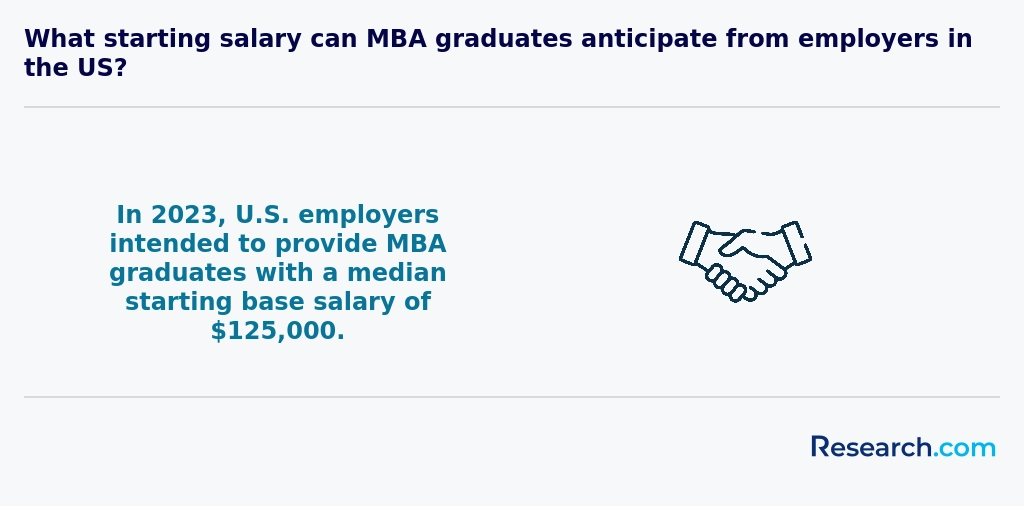
To make the most of your investment in an MBA, it's crucial to explore options that balance quality education with affordability. Prospective students often find themselves comparing programs based on factors like tuition, scholarships, and potential return on investment. For those interested in pursuing their MBA in Missouri, exploring the most affordable mba programs in missouri can be a strategic first step. This approach allows students to weigh the financial implications of their decision against the potential career advancements and networking opportunities that an MBA can offer. By considering affordability as a key factor, individuals can make informed decisions that align with their financial capabilities and career aspirations, ultimately enhancing their overall educational experience.
If you're diving into an MBA in Springfield, expect to tackle core courses that build a solid foundation in business essentials. Graduates from popular local universities often share how classes like Financial Accounting, Marketing Management, and Corporate Finance give them real confidence when discussing budgets or strategy at work. One graduate remembers how the Operations and Supply Chain Management course helped them understand the flow of goods in a way that clicked immediately during their internship.
Beyond the basics, Springfield schools mix in practical skills like data analytics and business communication, which many find super useful for today's job market. Electives add even more flavor, letting you explore digital marketing, project management, or innovation-popular picks among students aiming for tech or startup careers.
The vibe in these MBA programs is all about teamwork and case studies, making it easy to connect theory with real-world challenges. Many Springfield grads say that hands-on learning helped them step up as leaders faster than they expected.
When you dive into MBA specializations in Springfield, you'll find options that really let you shape your career path. Graduates from popular local universities often highlight specializations like finance, where they mastered the ins and outs of investment strategies and corporate finance, landing roles in banks or consulting firms. Marketing is another favorite, focusing on digital campaigns and branding-perfect for those wanting to lead in advertising or sales.
Many students also get excited about healthcare management, especially with Springfield's booming healthcare scene, giving them the tools to tackle real-world challenges in hospitals and biotech companies. IT management is a hit too, blending tech skills with business savvy to prepare grads for leadership in tech startups or digital projects.
Other Springfield MBA degree concentration options include entrepreneurship, which graduates love for its hands-on approach to startups and business planning. If you're curious about how all this stacks up against other programs, check out California business school admissions for a broader comparison.
Picking the best MBA degree in Springfield means thinking about what really fits your life and career goals. Many graduates from popular Springfield colleges rave about the flexibility of evening or weekend classes, letting them keep their day jobs while studying. If you want to finish fast, check out accelerated programs that wrap up in one year - perfect if you're eager to dive back into the workforce. Don't overlook schools with strong local connections; one graduate landed a dream job thanks to networking opportunities through their Springfield program, especially in booming fields like healthcare and finance.
Cost is always a big deal too. Springfield offers some affordable Springfield MBA degrees compared to national averages, but be sure to factor in fees, books, and living expenses. Some students found great help from scholarships or employer tuition assistance. If budgeting is tight, also remember to explore the best online accounting schools for extra options.
If you're eyeing an MBA degree in Springfield, you're in luck because there are plenty of exciting career paths waiting for you. Many graduates from popular local schools jump into roles like project managers, marketing directors, or financial analysts-jobs that really tap into the leadership and strategic skills the programs build. Springfield's job market is robust, especially in sectors like healthcare management and manufacturing, so you'll find opportunities that match your interests and talents.
For example, MBA grads focused on healthcare administration often find themselves steering operations in expanding local hospitals, thanks to Springfield's strong healthcare scene. Other grads dig into supply chain or industrial leadership within manufacturing companies, which still plays a major role in the region's economy. The growing demand here means strong job prospects and rewarding challenges. Exploring entrepreneurship is also popular for Springfield students because the tuition costs are comparatively lower, making it easier to launch and grow your own business.
The Springfield MBA job market outlook even includes public sector roles and consulting gigs where grads help local businesses improve and thrive. If you want to explore further, check out more info here.

The job market for MBA degree holders in Springfield is pretty solid, with plenty of opportunities across fields like healthcare, manufacturing, and finance. Many graduates from local colleges find roles as operations managers, marketing managers, or financial analysts, thanks to Springfield's strong economy and diverse industries. It's common to hear alumni from top Springfield schools talk about landing leadership positions soon after graduation, often within well-known healthcare systems like Mercy or CoxHealth.
If you're considering an MBA here, the steady 6% growth in management jobs is encouraging and reflects national trends, making it a smart move for career growth. Plus, Springfield's MBA graduate employment opportunities in Springfield benefit from affordable tuition, usually between $30,000 and $60,000, which helps grads avoid crushing debt.
Many students also tap into great local networking and internship options that connect them directly with local businesses. For those curious about flexible learning, check out business degree online programs offered locally that fit busy schedules perfectly.
The growing emphasis on tech and data within traditional career paths means you'll likely see fresh roles popping up as you enter the Springfield job market.
2027 Best MBA Degree Programs Ranking in Springfield
Investing in your education is a significant decision that can shape your future, and the Research.com team understands the importance of making informed choices. To assist prospective students in Springfield, we have meticulously crafted the "2027 Best MBA Degree Programs Ranking in Springfield." Our commitment to quality, credibility, and accuracy is reflected in the extensive research and analysis conducted to compile this ranking.
We utilized the following reputable data sources to ensure a comprehensive evaluation of MBA programs:
By exploring this ranking, readers will gain valuable insights into the best MBA degree programs available in Springfield, helping them make informed decisions about their educational paths. For more details on our methodology, please visit our Research.com methodology page.


Frequently Asked Questions About MBA
MBA students in Springfield can maximize their learning experience by taking advantage of local networking opportunities and practical resources. Springfield is home to several business organizations, such as the Springfield Chamber of Commerce, which organizes events where students can connect with regional professionals. Engaging with these events helps build valuable contacts that complement academic studies.
Additionally, students should seek internships with Springfield's diverse economy sectors, including manufacturing and healthcare. Real-world experience reinforces classroom concepts effectively.
Many Springfield institutions offer access to business incubators and mentorship programs supported by local government initiatives. These provide hands-on learning and entrepreneurial guidance.
Using university career services and attending workshops on skills like leadership and finance can further enhance program outcomes.
The MBA field is evolving to include several emerging niches that reflect current business trends. In Springfield, programs increasingly emphasize areas like sustainable business, digital transformation, and healthcare management. According to the Springfield Business School Consortium's 2023 report, 35% of local MBA graduates now specialize in sustainability or analytics.
Other growing niches include cybersecurity management and entrepreneurship focused on technology startups. These focus areas respond to demand in the local economy, where industries are shifting toward innovation and responsible leadership.
Students pursuing these niches often benefit from partnerships between Springfield universities and regional businesses, gaining practical experience alongside traditional MBA studies.
Graduates with an MBA degree in Springfield should start preparing early for the competitive job market. Networking is essential; attending local industry events and joining professional groups such as the Springfield Chamber of Commerce can open doors. According to the U.S. Bureau of Labor Statistics, MBA holders in management roles earn a median annual wage above $100,000, highlighting the value of targeted job searches.
Internships and experiential learning during the MBA program improve employment prospects significantly. Job seekers should also polish their resumes to emphasize leadership, analytical skills, and internships completed.
Utilizing career services offered by Springfield universities provides access to job fairs and employer connections. Additionally, researching companies actively hiring MBA graduates in the region helps focus efforts where demand is strongest.
Employers in Springfield highly value MBA graduates who demonstrate strong leadership and strategic thinking skills. According to a 2023 survey by the Springfield Business Journal, 78% of local companies prioritize candidates with proven abilities in project management and decision-making. Communication skills, both written and verbal, are also essential, as 65% of surveyed employers highlighted effective collaboration as a key hiring factor.
Analytical capabilities, especially in data-driven decision-making, remain critical. The Springfield Chamber of Commerce reports that businesses increasingly seek MBAs proficient in financial analysis and market research. Adaptability to changing business environments and technological proficiency are growing priorities as well.
Finding internships in Springfield relevant to an MBA degree begins with leveraging university career centers. Many Springfield institutions such as Drury University and Missouri State University offer dedicated MBA internship placement support. These centers maintain relationships with local businesses and industries, including finance, healthcare, and manufacturing sectors that frequently seek MBA interns.
Networking plays a crucial role. Attending Springfield Chamber of Commerce events and industry meetups can connect MBA students with local employers. Additionally, online platforms like Handshake and LinkedIn provide access to internship listings specifically targeted at Springfield-based MBA students.
The Springfield workforce development office also offers resources including job fairs and internship programs tailored to business students. According to the Springfield Business Journal, nearly 60% of MBA students secure internships locally within six months of starting their programs, highlighting the city's supportive environment for MBA experiential learning.
In Springfield, earning an MBA significantly enhances career mobility and advancement opportunities. According to the Springfield Chamber of Commerce, MBA graduates see an average salary increase of 20% within two years post-graduation. The city's diverse economy, with strong sectors in manufacturing, healthcare, and finance, values the leadership and analytical skills cultivated in MBA programs.
Employers in Springfield often prioritize candidates with MBAs for managerial roles and strategic positions, reflecting national trends reported by the Graduate Management Admission Council. Networking connections gained through local MBA programs also play a crucial role in opening doors to higher-level job placements.
Data from the U.S. Bureau of Labor Statistics highlights that MBA holders in Springfield have a lower unemployment rate compared to those with only a bachelor's degree, reinforcing the degree's role in career stability and growth.
Studying for an MBA degree in Springfield equips students with skills essential for interdisciplinary roles by combining core business knowledge with practical applications across various fields. Local programs emphasize collaboration between departments such as technology, healthcare, and finance, reflecting Springfield's diverse economic base. According to the Springfield Higher Education Consortium (2023), over 60% of MBA curricula integrate courses from different disciplines to foster versatile problem-solving skills.
The city's MBA programs often feature team projects with participants from different specialties, promoting communication and leadership across sectors. This approach prepares graduates to confidently manage complex challenges that span multiple industries.
Choosing between a thesis and a non-thesis MBA program in Springfield depends on your career goals and learning preferences. A thesis MBA typically involves rigorous research and writing, suitable for students aiming for academic roles or specialized industries. According to the Springfield Education Board's 2023 report, 35% of local MBA candidates preferred thesis programs for this reason.
Non-thesis programs focus more on coursework and practical skills, appealing to professionals seeking immediate application in business settings. These programs often allow faster completion, averaging 18 months compared to 24 months for thesis options, per Springfield University data. Consider your time availability and career direction when deciding.
Students in Springfield interested in studying for an MBA abroad have several notable options. Many pursue study abroad programs through their local universities, which often partner with international business schools in Europe, Asia, and Latin America. These partnerships allow Springfield students to earn credits abroad while maintaining progress toward their degree.
Additionally, Springfield-based students can consider enrolling directly in well-regarded international MBA programs. Top destinations include the UK, where about 20% of U.S. graduate business students choose to study, and Canada, which offers accessible tuition for U.S. residents. Popular programs often provide specialized global business tracks suitable for diverse career goals.
Financial aid and scholarships specifically for study abroad MBA candidates from Springfield are increasingly available, easing the cost barrier. According to NAFSA, over 15% of U.S. graduate students in business fields participate in international education annually.
Springfield offers diverse part-time job opportunities well-suited to complement MBA studies. Many MBA students find internships or assistantships in local financial firms, marketing agencies, and consulting companies, gaining practical experience alongside their coursework.
Positions such as business analyst interns, marketing coordinators, and project management assistants allow students to apply classroom theories to real-world scenarios. According to the Springfield Chamber of Commerce 2023 report, internships in finance and consulting sectors increased by 12%, benefiting MBA candidates aiming to enhance their resumes.
Additionally, roles in nonprofit organizations and startups provide valuable leadership and strategic planning experience relevant to MBA curricula.
Networking opportunities for MBA students in Springfield are robust, reflecting the city's diverse business environment. Many local universities with MBA programs host regular industry panels, guest lectures, and career fairs, giving students direct access to professionals across sectors. According to the Springfield Chamber of Commerce, over 60% of MBA students engage in at least three networking events each semester, increasing their career prospects.
Furthermore, Springfield's growing startup community offers MBA candidates chances to connect with entrepreneurs and investors through incubators and pitch competitions. Alumni networks in the area are also active, providing mentoring and job placement assistance.
Alumni networks play a significant role in supporting MBA students in Springfield by offering essential career resources and professional connections. Graduates from local programs often engage in mentoring current students, which helps with internship placements and job searches. According to the Springfield Business Journal (2023), 68% of MBA graduates found employment through alumni referrals within six months of graduation.
The network also facilitates industry events and workshops that enhance students' learning beyond the classroom. Access to these exclusive opportunities allows students to build relationships with business leaders in Springfield's diverse economy.
Furthermore, alumni networks provide a platform for collaboration on entrepreneurial ventures, which is valuable given Springfield's growing startup ecosystem, as noted by the Springfield Economic Development Council.
Springfield offers a variety of MBA programs designed to accommodate different career goals. Many schools allow students to choose concentrations such as finance, marketing, or healthcare management, enabling a tailored educational experience. According to the Springfield Education Board (2023), nearly 65% of MBA students customize their course paths through electives and specialized tracks.
Additionally, part-time and online MBA options provide flexibility for working professionals. Students often benefit from internships and partnerships with local industries, which can be selected based on career interests. Career services also help align academic experiences with job placement, increasing relevance to individual goals.
Springfield's MBA programs emphasize practical learning and networking, helping students build skills directly applicable to their desired fields.
MBA students in Springfield often face significant challenges balancing rigorous coursework with professional and personal responsibilities. Many enroll while working full-time, which can cause stress and time-management difficulties. According to a 2023 survey by the Springfield Chamber of Commerce, 62% of MBA candidates reported struggling to find adequate time for group projects and networking activities.
Another common issue is the financial burden. Tuition for MBA programs in Springfield averages around $35,000, excluding living expenses, which strains many students. Access to scholarships remains limited, highlighting the need for careful financial planning.
Additionally, adapting to evolving business technologies and integrating analytics skills remains a hurdle for many learners, as noted by Springfield State University's 2022 MBA graduate outcomes report.
With an MBA degree in Springfield, you can pursue several recognized professional certifications that enhance your career prospects. Popular choices include the Project Management Professional (PMP) and Certified Management Accountant (CMA) credentials, both valued across industries.
The Certified Financial Planner (CFP) designation is another option for MBA graduates interested in finance and wealth management. Additionally, the Chartered Financial Analyst (CFA) credential is attractive for those focusing on investment analysis and portfolio management.
According to the Springfield Business Journal, MBA holders in the region increasingly seek these certifications to boost their salaries and job opportunities, reflecting a growing trend in professional development.
Writing a winning application for an MBA program in Springfield begins with thorough research. Understand the specific requirements and values of schools in the area, such as Drury University or Drury's Springfield Business School, to tailor your materials accordingly.
Strong applications typically demonstrate clear career goals and leadership experience. According to the Graduate Management Admission Council (GMAC), 65% of successful MBA applicants highlight measurable achievements and community involvement. Be sure to craft a compelling personal statement that connects your background with your ambitions and explains why Springfield's local business environment fits your goals.
Additionally, prepare for the GMAT or GRE exams, as these scores remain important for entry into competitive Springfield programs. Letters of recommendation should come from professionals who can attest to your skills and potential for graduate business studies.
The global perspective on an MBA career reflects a growing demand for business leaders with international experience and adaptability. According to the Graduate Management Admission Council (GMAC) 2023 report, nearly 70% of MBA graduates from U.S. schools seek roles that involve global business operations. This trend is mirrored in Springfield, where local employers value graduates who can navigate multinational markets.
MBA programs in Springfield increasingly integrate global case studies and offer study abroad opportunities to prepare students for worldwide challenges. The U.S. Bureau of Labor Statistics notes that positions in global business management are projected to grow 9% from 2022 to 2032.
Professionals earning MBAs in Springfield often pursue careers in consulting, finance, and technology sectors with a global outlook. This reflects the broader American business environment, where cultural competence and strategic thinking are key assets.
Gaining practical experience while studying for an MBA in Springfield is essential for career advancement. Many local universities offer internships with Springfield-based companies, allowing students to apply classroom knowledge in real-world settings. According to the Springfield Chamber of Commerce, over 60% of MBA programs in the area have partnerships with businesses for internships or consulting projects. These opportunities help students build valuable networks and develop skills in leadership, strategy, and finance.
Additionally, some programs encourage participation in live case studies and business competitions hosted by local organizations. Part-time and evening MBA students often leverage their current jobs to integrate work experience with academic learning.
Choosing the right concentration within an MBA program in Springfield depends on your career goals and local market demands. Popular concentrations include finance, healthcare management, and information technology, reflecting the region's economic sectors. According to the Springfield Chamber of Commerce, healthcare and finance jobs have grown by 8% annually over the last five years, influencing MBA specialization choices.
Assess your personal interests and strengths alongside these trends. Research programs at Springfield universities, as many offer tailored tracks aligned with local industries. Also, consider internship and networking opportunities provided in your chosen concentration to boost employment prospects after graduation. The U.S. Bureau of Labor Statistics reports that specialized MBAs often lead to higher starting salaries and faster advancement.
- 2027 Best MBA Degree Programs Ranking in Overland Park
- 2027 Best MBA Degree Programs Ranking in Kansas City
- 2027 Best MBA Degree Programs Ranking in Little Rock
- 2027 Best MBA Degree Programs Ranking in Saint Louis
- 2027 Best MBA Degree Programs Ranking in Wichita
- 2027 Best MBA Degree Programs Ranking in Memphis
- 2027 Best MBA Degree Programs Ranking in Oklahoma City
- 2027 Best MBA Degree Programs Ranking in Des Moines
- 2027 Best MBA Degree Programs Ranking in Omaha
- 2027 Best MBA Degree Programs Ranking in Evansville
- Master of Business Administration (MBA) in Springfield College | Fees, Eligibility and More https://www.jeduka.com/usa/universities/springfield-college/master-of-business-administration-mba
- Verifying that you are not a robot... https://krea.edu.in/ifmrgsb/top-5-emerging-career-paths-for-mba-graduates/
- 5 Tips on How to Choose the Best MBA Concentration https://www.pointloma.edu/resources/business-leadership/5-tips-how-choose-best-mba-concentration
- Lessons learned: one year into pursuing an MBA while balancing full-time work - Franz Vitulli https://franzvitulli.com/mba-work/
- The Growing Demand for Niche Jobs and MBA Specializations https://www.clearadmit.com/2025/05/the-growing-demand-for-niche-jobs-and-mba-specializations/
- 6 Tips to Make the Most of Your MBA Experience https://mbaschooled.com/2020/01/14/6-tips-to-make-the-most-of-your-mba-experience/
- Tips for Writing an MBA Program Essay - GMAT Ninja https://www.gmatninja.com/articles/mba-admissions/essays-and-applications/minimizing-mba-application-essay-agony/
- Skills Employers Look for in Business Graduates – EU Business School https://www.euruni.edu/blog/skills-employers-look-for-in-business-graduates/
- Overcoming Common Challenges Faced by Management Students https://iilm.edu/iilm-lucknow/blog/challenges-faced-by-management-students/
- What Can You Do with an MBA in Today’s Market? | Elmhurst University Elmhurst University Blog https://www.elmhurst.edu/blog/what-can-you-do-with-an-mba-in-todays-market/


