2027 Most Popular Marketing Degree Programs Ranking in Pennsylvania

Co-Founder and Chief Data Scientist
Choosing the right marketing degree program can feel overwhelming, especially with so many options available in Pennsylvania. This article introduces the 2027 Most Popular Marketing Degree Programs Ranking in Pennsylvania, created by the Research.com team of data scientists to guide you through the best choices.
Discover programs that match your goals and set you up for career success. A marketing degree opens doors to creative and dynamic fields where your skills can truly shine.
Read on to find a program that fits your ambitions and start your journey with confidence.
Key benefits of getting marketing degree in Pennsylvania
- Marketing degree graduates in Pennsylvania can earn strong salaries, with roles like Public Relations Specialist averaging $159,420 annually and Marketing Assistants earning around $83,190 per year, offering financial confidence and career growth.
- Career paths from marketing degrees include exciting options like Digital Marketing Specialist, Media Planner, and Sales Associate, with these roles providing diverse opportunities in creative and strategic fields at top Pennsylvania universities.
- Online marketing degrees offer flexibility and convenience, allowing students to balance work and study, as demonstrated by graduates from popular Pennsylvania schools who successfully launch their careers without relocating.
- 2027 Most Popular Marketing Degree Programs Ranking in Pennsylvania
- What can I expect from marketing degree in Pennsylvania?
- Where can I work with marketing degree in Pennsylvania?
What can I expect from marketing degree in Pennsylvania?
The average cost of a marketing degree in Pennsylvania varies but tends to offer affordability especially for in-state students attending public universities like Pennsylvania State University or Temple University. Graduates often recall balancing tuition fees that range roughly from $10,000 to $15,000 per year at these institutions, making their education a practical investment. This cost allows vibrant access to hands-on experiences such as internships with local giants like Comcast or PNC Financial Services, which often turn theory into exciting real-world campaigns.
Private institutions, including Drexel University, typically have higher tuition, sometimes exceeding $30,000 annually, yet many students find value in smaller class sizes and closer faculty mentorship. Alumni frequently share stories of how their exposure to emerging digital marketing tools-SEO, social media strategy, and data analytics-at these universities helped them feel confident stepping into fast-paced marketing roles.
Financial aid and scholarships also play a crucial role in shaping affordability, with many programs offering support that reflects students' ambitions and potential. This balance of cost and opportunity ensures students can focus on building future-ready marketing skills without overwhelming financial stress.
Where can I work with marketing degree in Pennsylvania?
Graduates from marketing programs at universities like Penn State and Temple University in Pennsylvania often find themselves stepping into vibrant roles across diverse industries. Many begin their careers in bustling cities such as Philadelphia and Pittsburgh, thriving within advertising agencies or digital marketing firms focused on real-world projects like managing social media campaigns for local healthcare institutions or crafting brand strategies for tech startups.
Others discover rewarding opportunities in retail companies where they lead product promotions and enhance customer engagement through innovative e-commerce strategies. Imagine collaborating on a campaign that boosts a Pennsylvania-made product's visibility nationwide - such experiences fuel enthusiasm and career growth.
Nonprofit organizations and government agencies also attract marketing graduates eager to create impactful outreach programs tailored to community needs. Alumni from these programs often recall excitement when developing data-driven initiatives alongside professionals from the Pennsylvania Department of Labor.
With the steady rise of tech startups in regions like Lehigh Valley, fresh graduates are encouraged to embrace roles emphasizing digital marketing, SEO, and analytics, ready to explore the evolving landscape with confidence and creativity.
Graduates with a marketing degree in Pennsylvania can anticipate competitive salaries that reflect both their skills and the state's dynamic job market. For example, a marketing assistant in Pennsylvania earns a mean annual wage of about $83,190, a promising start for recent graduates from well-regarded institutions like the University of Pennsylvania or Pennsylvania State University. These programs emphasize practical, real-world experience, helping students step confidently into roles such as digital marketing specialists or media planners, both averaging $83,190 per year as well.
Public relations specialists, another common career path for marketing graduates, tend to earn significantly higher, with mean annual wages around $159,420. This potential excites many graduates who have pursued internships and networking opportunities in Philadelphia's bustling marketing scene, where hands-on projects foster real confidence and prepare students for leadership positions.
Even sales associate roles, often entry points to larger marketing careers, offer solid earnings near $53,280 a year. Graduates narrate their transitions from college marketing clubs to corporate sales teams, motivated by steady income and future growth prospects. With Pennsylvania's marketing industry expected to grow steadily, graduates feel optimistic about increasing their income and career trajectory through certifications, advanced degrees, or strategic moves within finance or tech sectors.
- In Pennsylvania, public universities charge between $12,000 and $18,000 per year for in-state marketing degrees, while private colleges cost $30,000 to $50,000 annually.
- Entry-level marketing salaries in the state range from $45,000 to $55,000 per year, with median incomes rising to $75,000-$85,000 after ten years of experience.
- Key industries driving marketing jobs include healthcare, finance, technology, and retail, with major hubs in Philadelphia, Pittsburgh, and Harrisburg.
- Demand is growing for market research and digital marketing roles due to increased focus on online brand management and data-driven strategies.
- Pennsylvania's employment rates for business graduates are above the national average, supported by internship and cooperative education programs offered by many universities.
Completing a marketing degree in Pennsylvania typically takes about four years for a full-time student pursuing a Bachelor of Science or Bachelor of Arts at well-known schools like Penn State or Temple University. Graduates often share how this timeframe aligns neatly with their plans to enter the workforce with confidence and practical skills. For those opting for associate degrees at community colleges, the journey usually spans two years, offering a quicker path to entry-level roles or a foundation for further study.
Many students experience a flexible pace when choosing online or hybrid programs offered by various Pennsylvania institutions. This adaptability allows individuals balancing work or family to extend their studies, turning the degree journey into a personalized experience. Some graduates recall how transferring credits or leveraging professional experience helped them shorten their time, reflecting the advantage of these flexible pathways.
Looking ahead, innovations in program design and accelerated options could further reshape completion times, giving Pennsylvania marketing students even more control over their educational timelines and career readiness.
Online and on-campus marketing degrees in Pennsylvania offer distinct experiences that shape how students engage with their studies and future careers. Graduates from well-known campuses like Penn State often speak warmly about the energizing atmosphere of face-to-face classes, where spontaneous discussions and in-person networking spark creative ideas and lasting professional connections.
Meanwhile, online students, such as those enrolled through Temple University's digital programs, appreciate the flexibility to balance work and study, often sharing satisfaction with managing their coursework around busy schedules and personal commitments. This adaptability is invaluable for those living far from campus or juggling jobs.
Imagine a marketing student attending on-campus sessions at a Pennsylvania college, taking advantage of club events and internships arranged through career centers, which bring the local market to life. Contrast that with an online learner collaborating in virtual workshops and leveraging interactive platforms that make remote engagement dynamic and inclusive.
Looking ahead, Pennsylvania's marketing programs may blend these modes more seamlessly, using advanced technology to enrich interaction while preserving the flexibility that online study offers, creating a hybrid experience tailored to each student's lifestyle and professional goals.
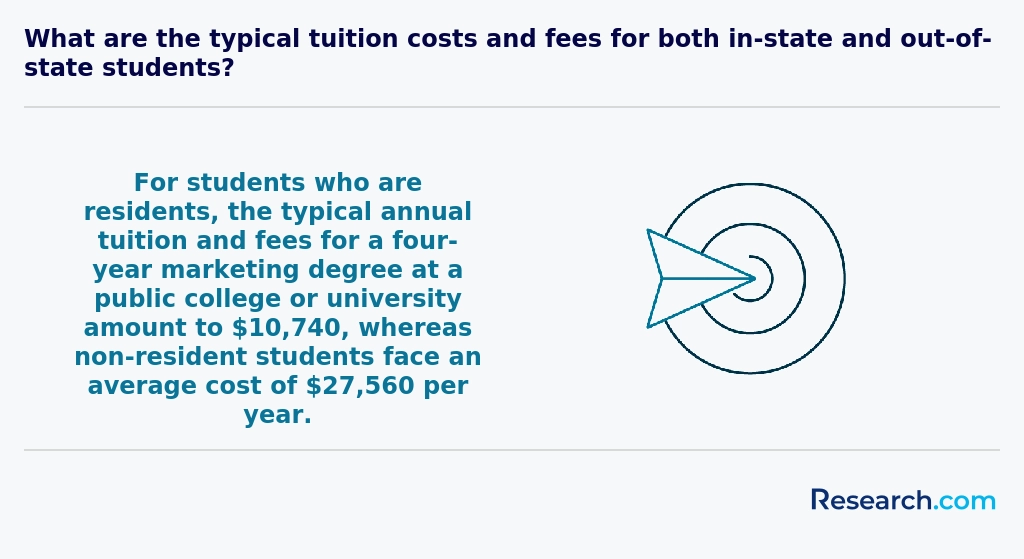
One of the most critical considerations for prospective students is the balance between educational costs and long-term career benefits. In Pennsylvania, average annual tuition for a four-year marketing program ranges from $10,740 (in-state public) to over $50,000 (private institutions), but this investment must be weighed against the earning potential of graduates. Entry-level marketing assistants can expect salaries around $50,000 to $78,880, while mid-career roles such as marketing managers often command $90,000 or more. Beyond these figures, strategic specializations-like digital marketing or brand management-can accelerate salary growth, reducing the time needed to break even on tuition expenses. Another dimension of return on investment comes from intangible benefits: professional networks, access to internships, and hands-on projects that bolster employability. Alumni consistently highlight how collaborations with local businesses in Philadelphia or Pittsburgh not only enriched their portfolios but also led to full-time job offers. These experiences compound over time, amplifying both skills and credibility in competitive markets. For a deeper dive into whether the long-term rewards outweigh the upfront costs, explore the comprehensive analysis of is getting a marketing degree worth it. Finally, consider emerging trends such as remote internships, micro-credentialing in SEO and analytics, and employer-sponsored tuition programs that further enhance ROI. By researching financial aid options-grants, scholarships, and low-interest state loans-students can significantly lower their net investment. When these financial strategies align with robust career planning and in-demand skill development, the return on a marketing degree in Pennsylvania often exceeds initial expectations, positioning graduates for sustainable, high-growth careers.
The average cost of obtaining a marketing degree in Pennsylvania typically falls around $57,042, with in-state students facing a median total cost near $39,720 and out-of-state students paying closer to the full median. Graduates from well-known institutions like Pennsylvania State University and Temple University often recall balancing these expenses with part-time jobs and scholarships, which made the investment feel more manageable. These figures not only include tuition but also account for fees and living costs, offering a comprehensive picture of the financial commitment involved.
Many marketing students envision their college experience as an exciting blend of rigorous coursework and real-world application, often supported by financial aid options. For example, a student at the University of Pittsburgh shared how accessing grants reduced the stresses associated with the total cost of marketing degree PA 2027, allowing focus on internships and networking opportunities. These positive experiences demonstrate that while the sticker price can seem high, strategic financial planning plays a pivotal role in affordability.
With rising tuition costs, there is a growing emphasis on exploring affordable options. Those interested can find resources like the Pennsylvania Higher Education Assistance Agency and individual school financial aid offices invaluable. Additionally, students eager to discover an affordable marketing school in pennsylvania are increasingly making choices that maximize value without compromising quality, reflecting a hopeful outlook towards navigating college expenses in the state.
In addition to rigorous academic programs, exploring campus life and student support services is crucial when choosing a marketing degree program in Pennsylvania. Prospective students should consider how an institution enhances its educational offerings with comprehensive support systems, ranging from academic advising and career counseling to vibrant student clubs and networking events. These services not only enrich the overall college experience but also provide valuable opportunities to engage in hands-on learning and establish professional connections that last well beyond graduation. For example, many schools host career fairs, mentorship programs, and exclusive workshops that offer insights into the practical aspects of marketing. Moreover, a supportive campus environment can help students navigate challenges both academically and personally, ensuring they remain motivated throughout their educational journey. If financial considerations are a priority, it’s worth investigating all the available amenities offered by an affordable marketing school in pennsylvania that aligns with your budget without compromising on the quality of student support services. By taking a holistic approach that combines top-notch academics with robust student life initiatives, you position yourself to not only excel in your studies but also to thrive as a well-rounded future professional in the dynamic field of marketing.
Marketing students in Pennsylvania often tap into a mix of financial aid programs to ease tuition costs, especially at schools like Penn State or Temple University. Federal aid remains a cornerstone, with FAFSA opening doors to Pell Grants that can cover nearly half the cost at public universities, offering peace of mind to students managing bills alongside demanding coursework.
State-specific help from the Pennsylvania Higher Education Assistance Agency (PHEAA) adds another layer of support. Many marketing graduates recall how the Pennsylvania State Grant Program lessened their financial stress, enabling them to focus on developing skills rather than worrying about loan debt.
Beyond federal and state aid, universities often provide targeted scholarships based on academic merit or marketing achievements, helping students at institutions like the University of Pittsburgh feel recognized and motivated. Employer tuition assistance and private scholarships further widen the safety net, encouraging hopefuls to pursue internships and cooperative education without financial distraction.
Work-study programs also create real-world learning opportunities, blending income with experience. This evolving blend of resources could become even more tailored as schools and policymakers strive to support marketing students in Pennsylvania's competitive educational landscape.
When evaluating a Marketing degree in Pennsylvania, understanding the return on investment (ROI) is crucial for making informed decisions about your educational path. On average, students invest between $10,740 and $27,560 per year in tuition and fees, depending on residency status and institutional choice. With entry-level Marketing Assistants earning around $78,880 annually and mid-career professionals commanding salaries upwards of $75,557, many graduates realize a payback period of approximately four to six years. Factoring in living expenses and opportunity costs, the long-term ROI remains strong, as marketing careers often deliver lifetime earnings that can exceed $2 million. Beyond salary figures, ROI also encompasses factors such as career advancement opportunities and industry demand. The marketing field in Pennsylvania is projected to grow by 6% from 2022 to 2032, outpacing many other sectors. Graduates equipped with digital marketing skills, analytical prowess, and strong communication abilities frequently secure promotions within three to five years, boosting their earning potential and shortening the ROI timeline. Moreover, internships and co-op experiences-common components of Pennsylvania’s top programs-provide early professional networking that translates into full-time employment offers, further enhancing overall ROI. Financial aid and scholarship opportunities play a pivotal role in optimizing ROI. With 99% of students receiving assistance-from Federal Pell Grants and Pennsylvania State Grants to work-study programs-the net cost of a Marketing degree can be significantly reduced. Prospective students should also explore alternative pathways, such as accelerated master’s programs, which can increase lifetime earnings by an estimated 15–20% compared to a bachelor’s alone. For those weighing regional cost differences, it’s worth noting that while Pennsylvania offers competitive ROI metrics, students may also compare costs through resources like the Cheapest Marketing Degree Programs Ranking in Denver, CO to ensure they select a program that balances affordability with quality. Ultimately, calculating ROI involves a holistic view of costs, earning potential, career growth, and personal goals. By leveraging financial aid, choosing a program with strong industry connections, and focusing on high-demand skill sets, students can maximize the value of their Marketing education in Pennsylvania and secure a rewarding, financially sustainable career.
Enrolling in a marketing degree program in Pennsylvania usually means having a solid academic foundation paired with strong communication skills. Graduates from well-known institutions like Penn State or Temple University often recall how their high school transcripts, especially math and English performance, played a crucial role in admission decisions. Many schools still consider SAT or ACT scores, though an increasing number are adopting test-optional policies, easing stress for applicants and encouraging a broader range of students to apply.
For those pursuing graduate degrees, holding a bachelor's is essential, with many programs valuing relevant work experience alongside academic achievements. Applicants to schools such as the University of Pittsburgh often find that submitting GMAT or GRE scores depends on their professional background, showing a flexible approach to admissions.
Letters of recommendation and personal statements remain powerful tools to showcase motivation and career vision, resonating with admission committees eager to welcome passionate and dynamic future marketers ready to thrive in Pennsylvania's competitive academic landscape.
Students pursuing marketing degrees in Pennsylvania typically engage in courses that blend foundational knowledge with emerging trends, preparing them for dynamic careers. Core classes like Principles of Marketing and Consumer Behavior lay the groundwork by clarifying essential marketing concepts and helping students understand real consumer choices, such as how a local Philadelphia-based graduate applied segmentation techniques to boost a regional brand's appeal.
Digital Marketing courses are increasingly vital, focusing on hands-on skills in social media strategy, SEO, and content creation. For example, a recent graduate from a well-known Pittsburgh university described how practical projects in this area allowed them to craft successful digital campaigns for start-ups, sparking excitement about the rapidly evolving digital landscape.
Marketing Research and Analytics teach students to interpret data confidently, turning numbers into actionable insights. These skills often resonate strongly with students at universities in Pennsylvania's urban centers, who appreciate how analytics inform strategy in real business environments.
Additionally, strategic marketing and business finance courses help tie marketing efforts to overarching organizational goals, encouraging students to think long-term and ethically. Sales and communication classes boost interpersonal skills, making graduates feel ready for client-facing roles.
Marketing degree specializations in Pennsylvania are evolving rapidly, reflecting the state's vibrant economy and tech-savvy industries. Graduates from institutions like the University of Pennsylvania and Temple University often highlight the Digital Marketing concentration, where they master social media strategies and SEO, preparing them for cutting-edge roles in online consumer engagement. Many students find the Pennsylvania marketing program concentration options particularly exciting because they can focus on Marketing Analytics, learning to interpret complex data sets to predict trends-a skill increasingly valued in dynamic markets like Philadelphia and Pittsburgh.
Brand Management and Product Marketing remain popular for those passionate about crafting memorable consumer experiences, with students frequently applying classroom theory to real-world campaigns at local startups. Others pursuing Sales Management or Advertising share stories of gaining leadership skills and creative expertise, essential in Pennsylvania's diverse corporate and media landscapes. For those unsure about their path, exploring is getting a marketing degree worth it can offer valuable insight into future career options fueled by these specializations.
Choosing the best marketing degree in Pennsylvania increasingly means looking beyond traditional criteria to future-proof your education. Graduates from institutions like the University of Pennsylvania often highlight the value of hands-on experience gained through robust internship programs available in Philadelphia's dynamic market. Such practical exposure enhances confidence and builds critical industry connections early on.
Considering affordable marketing colleges in Pennsylvania is equally important. Many students find that balancing cost with program quality leads them to explore scholarships and assistantships offered by statewide institutions, helping ease financial burdens without compromising on education quality. The evolving curriculum now frequently includes digital marketing and data analytics, responding to emerging trends and preparing students for tomorrow's job market.
Graduates who choose hybrid or online options appreciate the flexibility to adapt studies alongside part-time work or family commitments. Their success stories often reflect satisfaction derived from personalized faculty support and networking opportunities. For those curious about cost-effective alternatives, examining the Cheapest Marketing Degree Programs Ranking in Denver, CO can inspire ideas for comparative affordability and program features to consider.
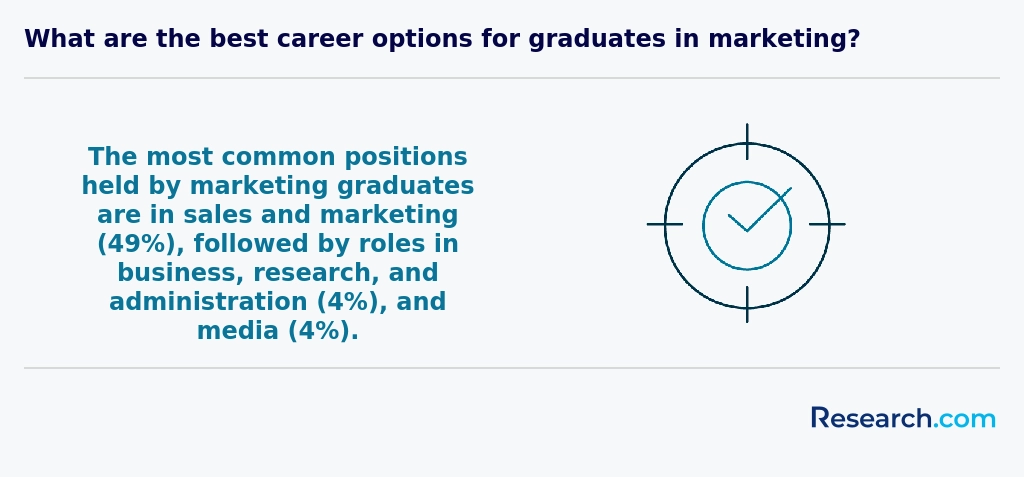
Graduates with a marketing degree in Pennsylvania find dynamic career paths in roles such as Marketing Coordinator, Brand Manager, Digital Marketing Specialist, and Market Research Analyst. These opportunities are especially relevant as Pennsylvania companies increasingly embrace data-driven and digital strategies. Many graduates from well-known universities in the state share how hands-on projects and internships shaped their confidence to enter these fields. For example, the growing demand in roles like market research reflects the state's strong corporate presence, allowing students to leverage local connections and real-world experience.
Emerging trends also point toward digital marketing, where skills in social media and SEO are becoming crucial. Students studying marketing in Pennsylvania enjoy exposure to diverse industries from retail to finance, fostering versatile career options. Some find success by enhancing their skills through programs like the top 6 month associate online degree, which fits well into rapidly evolving marketing careers. This variety highlights the valuable job opportunities for marketing graduates Pennsylvania offers while cultivating a sense of excitement about future possibilities.
The marketing degree job outlook Pennsylvania reveals a landscape rich with opportunity, especially for graduates from well-regarded institutions like Temple University and Pennsylvania State University. These graduates often describe their early careers filled with excitement as they land roles in dynamic sectors such as healthcare and finance, which are booming in cities like Philadelphia and Pittsburgh. The evolving demand for digital marketing skills driven by social media and e-commerce growth influences hiring trends, creating a fertile ground for creative and analytical talents.
Career opportunities with marketing degree in Pennsylvania promise growth as companies increasingly rely on data analytics and consumer insights. Many marketing students from regional colleges share stories of internships turning into full-time roles, fueled by the strong presence of startups and multinational corporations across the state. The attractive starting salaries around $45,000 to $55,000 complement the reasonable cost of tuition, making this an invigorating path for many.
For students weighing the value of investment in education, exploring the easiest doctorate programs could provide an additional edge in specialized roles, enhancing future prospects in Pennsylvania's expanding marketing field.
2027 Most Popular Marketing Degree Programs Ranking in Pennsylvania
Investing in your education is a significant decision that can shape your future, and the Research.com team understands the importance of making informed choices. To assist prospective students in Pennsylvania, we have meticulously crafted the "2027 Most Popular Marketing Degree Programs Ranking in Pennsylvania." Our commitment to quality, credibility, and accuracy is reflected in the extensive research and analysis conducted to compile this ranking.
We utilized the following reputable data sources to ensure a comprehensive evaluation of marketing programs:
By exploring this ranking, readers will gain valuable insights into the most popular marketing degree programs available in Pennsylvania, helping them make informed decisions about their educational paths. For more details on our methodology, please visit our Research.com methodology page.
# 1 position
Pennsylvania State University-Main Campus
Bachelor of Science in Marketing




# 17 position
Pennsylvania State University-Penn State Harrisburg
Marketing, B.S.


Frequently Asked Questions About marketing
Marketing degree students in Pennsylvania can maximize their learning by engaging in internships within the state's diverse industries. Pennsylvania hosts major corporations in sectors like healthcare, finance, and manufacturing, providing ample opportunities for practical experience. According to the Pennsylvania Department of Labor & Industry, internships increase job placement rates by over 15% for marketing graduates.
Students should also take advantage of networking events sponsored by local chapters of the American Marketing Association. These gatherings offer valuable connections to professionals and potential employers. Additionally, participating in campus marketing clubs and case competitions enhances strategic and creative skills crucial to the field.
Finally, pursuing certifications in digital marketing tools, such as Google Analytics and HubSpot, complements traditional coursework and improves employability in Pennsylvania's rapidly evolving marketing job market.
The marketing field is evolving rapidly, with several emerging niches gaining traction in Pennsylvania and across the U.S. One notable area is digital analytics, where professionals apply data analysis to optimize marketing strategies. According to the U.S. Bureau of Labor Statistics, marketing analyst jobs in Pennsylvania are expected to grow by 11% through 2031, faster than average for all occupations.
Another growing niche is influencer marketing, which leverages social media personalities to reach target audiences. This trend reflects shifting consumer behavior toward authentic and relatable brand experiences.
Sustainability marketing is also rising, focusing on eco-friendly products and corporate social responsibility, aligning with increasing consumer demand for green business practices.
After earning a marketing degree in Pennsylvania, preparing for the job market involves strategic steps to enhance employability. Gaining practical experience through internships is crucial, as Pennsylvania hosts numerous marketing firms and corporate headquarters offering such opportunities. According to the Pennsylvania Department of Labor, the marketing sector is expected to grow by 7% through 2030, signaling steady demand for skilled professionals.
Building a strong professional network by attending industry events, such as those hosted by the American Marketing Association's Philadelphia chapter, can provide valuable connections. Additionally, acquiring certifications like Google Analytics or HubSpot enhances a graduate's resume, meeting employer preferences in Pennsylvania's competitive market.
Developing a solid portfolio showcasing real-world projects also helps demonstrate practical skills to recruiters. Utilizing Pennsylvania's career services and job portals focused on marketing roles further supports job placement efforts.
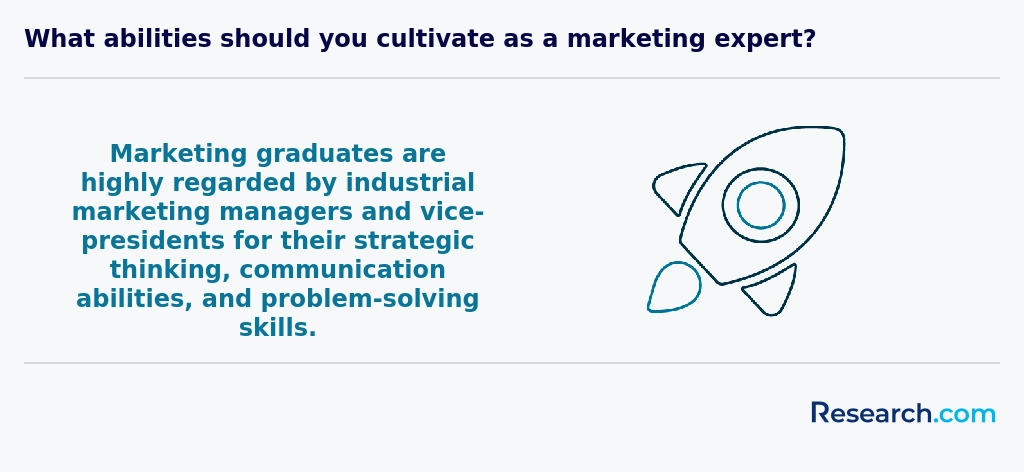
Employers in Pennsylvania seek specific skills when hiring marketing degree graduates. According to the Pennsylvania Department of Labor & Industry, strong communication abilities top the list. Graduates must effectively convey ideas both in writing and verbally to diverse audiences.
Data analysis and digital marketing expertise are increasingly vital. With 57% of Pennsylvania businesses enhancing their online presence, skills in SEO, social media, and content creation are in high demand, as reported by the U.S. Bureau of Labor Statistics.
Project management and teamwork also rank highly, reflecting the collaborative nature of marketing roles. Employers prefer candidates who can strategize, execute campaigns, and meet deadlines efficiently within cross-functional teams.
Finding internships in Pennsylvania that align with a marketing degree begins with leveraging college resources. Many Pennsylvania universities, such as Penn State and Temple University, offer dedicated career centers that connect students with local businesses in marketing fields. These centers often host job fairs and networking events, which are valuable for meeting potential employers.
Online platforms like Handshake and LinkedIn are widely used by Pennsylvania students to find marketing internships. Pennsylvania's diverse economy, including Philadelphia's large advertising sector and Pittsburgh's tech hubs, provides numerous internship opportunities. According to the Pennsylvania Department of Labor, marketing internships grew by 8% between 2020 and 2023, reflecting increased demand.
Additionally, joining professional associations like the American Marketing Association's Pennsylvania chapters can offer mentorship and internship leads. Starting early in your studies and building a strong portfolio can improve your chances of securing relevant marketing internships in Pennsylvania.
A marketing degree in Pennsylvania significantly enhances career mobility and advancement opportunities within the state's diverse economy. According to the U.S. Bureau of Labor Statistics, marketing management roles in Pennsylvania grew by 6% from 2019 to 2023, reflecting steady demand. Graduates with marketing degrees often qualify for entry to mid-level positions in sectors like healthcare, finance, and technology, all prominent in Pennsylvania.
Employers increasingly seek candidates with formal education in digital marketing, data analytics, and consumer behavior, skills taught in most Pennsylvania programs. The state's strong network of professional associations, such as the American Marketing Association Philadelphia chapter, supports networking and career development.
Furthermore, earning a marketing degree provides access to higher salaries; the median marketing manager salary in Pennsylvania was $112,000 as of 2023. This formal training typically speeds promotion and lateral moves compared to non-degree holders. Overall, a marketing degree acts as a crucial credential to unlock career growth in Pennsylvania's competitive job market.
Studying for a marketing degree in Pennsylvania offers students a strong foundation in business principles while emphasizing interdisciplinary skills. Pennsylvania schools often integrate courses in data analytics, psychology, communications, and information technology, reflecting the interconnected nature of modern marketing roles.
This approach prepares graduates to work across departments such as sales, product development, and digital media. According to the Pennsylvania Department of Labor & Industry, nearly 30% of marketing professionals in the state engage in roles requiring cross-functional collaboration.
Many programs also encourage internships with the region's diverse industries, exposing students to real-world challenges that demand interdisciplinary solutions.
When choosing between a thesis and a non-thesis marketing degree program in Pennsylvania, consider your career goals and learning preferences. Thesis programs focus on conducting original research, which suits those aiming for academic or research-based roles. Non-thesis programs typically emphasize coursework and practical skills, ideal for students seeking immediate entry into marketing professions.
According to the National Center for Education Statistics, about 40% of marketing master's programs in Pennsylvania offer thesis options, reflecting the state's diverse academic landscape. Additionally, the Pennsylvania Department of Labor notes that marketing roles in the state are expected to grow by 6% from 2022 to 2032, favoring hands-on experience.
It's also important to check program requirements and faculty expertise at the Pennsylvania universities you are considering, as these factors will influence your educational experience and career readiness.
Students based in Pennsylvania interested in studying marketing abroad have several structured opportunities through their home institutions. Many Pennsylvania universities offer exchange programs and study abroad partnerships with international schools, particularly in Europe and Asia, allowing students to earn credit while gaining global marketing perspectives.
Popular destinations include the United Kingdom, Spain, and Australia, where students can experience diverse market environments. The University of Pennsylvania and Pennsylvania State University, for example, both facilitate such programs. According to NAFSA, approximately 3,000 Pennsylvania students participate in study abroad annually, with business and marketing among the top fields.
Additionally, some Pennsylvania colleges provide semester-long or summer courses focused on international marketing strategy, helping students enhance their resumes with global experience essential in today's interconnected economy.
Part-time job opportunities in Pennsylvania that complement marketing degree education often involve roles emphasizing communication, data analysis, and customer engagement. Students can benefit from working as social media coordinators, event marketing assistants, or content creators, which provide practical experience with digital marketing strategies and campaign management. According to the U.S. Bureau of Labor Statistics, Pennsylvania's marketing-related fields are expected to grow steadily, highlighting the demand for these skills.
Retail marketing positions are also common, offering insights into consumer behavior and sales techniques. Internships with local businesses or nonprofit organizations in cities like Philadelphia and Pittsburgh enable students to build professional networks while applying classroom knowledge. These roles give hands-on experience vital for marketing careers in Pennsylvania's competitive job market.
Marketing students in Pennsylvania benefit from a variety of networking opportunities that help build professional connections. Many universities, such as Pennsylvania State University and Temple University, host events including career fairs and guest lectures featuring marketing industry leaders.
Additionally, students can join organizations like the American Marketing Association (AMA) chapters found on most campuses. These groups offer workshops, internships, and networking mixers focused on regional marketing trends.
In the Philadelphia and Pittsburgh metro areas-where marketing and advertising firms are concentrated-students gain access to internships and local conferences. According to the Pennsylvania Department of Labor and Industry, marketing-related jobs are expected to grow by 7% through 2030 statewide, expanding opportunities for networking and employment.
Alumni networks play a crucial role in supporting marketing degree students in Pennsylvania by providing access to valuable professional connections. According to the National Association of Colleges and Employers, nearly 85% of jobs are filled through networking, making alumni contacts essential for career opportunities.
Graduates from Pennsylvania schools, such as Penn State and Temple University, often engage with active alumni groups that offer mentorship programs, internships, and job leads specifically within the state's marketing sector. These networks help students navigate local industries, including Philadelphia's growing digital marketing market, which has seen a 7% annual growth rate, per the Pennsylvania Department of Labor statistics.
Additionally, alumni events and online platforms enable current students to receive firsthand advice about industry trends and skill development. This ongoing support not only enhances students' job readiness but also fosters long-term professional relationships crucial for career advancement in Pennsylvania's competitive marketing field.
Students pursuing marketing degrees in Pennsylvania have multiple options to tailor their programs to their career goals. Many universities allow students to select electives focused on areas like digital marketing, consumer behavior, or sales management, which helps build specialized expertise. Internships within Pennsylvania's diverse industries, such as Philadelphia's advertising sector or Pittsburgh's tech markets, provide practical experience aligned with career interests.
Additionally, some programs offer certificates or minors in complementary fields like data analytics or communications, enhancing job market competitiveness. According to the Pennsylvania Department of Education, approximately 65% of marketing graduates find employment within six months, often citing customized coursework as a key factor in hiring decisions.
Marketing students in Pennsylvania often face challenges related to balancing theoretical knowledge with practical skills. Many programs emphasize traditional marketing concepts, but rapid digital transformation demands strong expertise in areas such as social media analytics and content marketing.
Additionally, competition for internships in Philadelphia and Pittsburgh can be intense due to the state's large number of marketing and advertising agencies. According to the Pennsylvania Department of Labor & Industry, employment growth for marketing specialists is projected at 6% through 2030, yet gaining relevant work experience remains crucial.
Financial concerns also affect students, as tuition fees vary widely across public and private institutions, and financial aid resources may not fully cover expenses.
With a marketing degree in Pennsylvania, graduates can enhance their credentials by pursuing professional certifications that validate their skills and boost career opportunities. Popular options include the American Marketing Association's Professional Certified Marketer (PCM), which covers digital marketing, content marketing, and marketing management. This certification is recognized nationally and valued by employers across Pennsylvania's growing marketing industry.
Another valuable credential is the Google Ads Certification, focusing on online advertising expertise. Given Pennsylvania's expanding digital economy, this certification helps applicants stand out in competitive job markets. Additionally, certifications from the HubSpot Academy and Hootsuite are widely acknowledged for social media marketing and inbound marketing skills.
According to the Pennsylvania Department of Labor, marketing-related jobs are expected to grow 6% by 2030, increasing demand for certified professionals who combine education with practical expertise.
Writing a winning application for a marketing program in Pennsylvania starts with thorough research. Understand each school's specific requirements and tailor your materials accordingly. Highlight your interest in marketing by detailing relevant experiences, such as internships or projects. Pennsylvania hosts over 30 institutions offering marketing degrees, so mentioning reasons for your choice, like faculty expertise or practical learning opportunities, can strengthen your application.
Strong academic records matter; most programs require a minimum GPA of around 3.0. Include a compelling personal statement that illustrates your passion for marketing and career goals. According to the National Center for Education Statistics, marketing graduates in Pennsylvania saw a steady job growth of 6% from 2019 to 2023, emphasizing the industry's demand.
Finally, secure strong recommendation letters and prepare for any required standardized tests or interviews. These elements combined increase your chances of acceptance in competitive Pennsylvania marketing programs.
The global perspective on a marketing career emphasizes adaptability and cross-cultural communication skills. Marketing professionals in Pennsylvania benefit from understanding diverse consumer behaviors, as many local businesses engage in international markets. According to the U.S. Bureau of Labor Statistics, employment in marketing-related fields is expected to grow 10% nationally through 2032, reflecting strong global demand. In Pennsylvania, health care, manufacturing, and technology sectors offer expanding marketing opportunities with a focus on global branding and strategies. Students pursuing marketing degrees in Pennsylvania should prepare to work in digital environments and analyze data to meet the needs of worldwide audiences.
Gaining practical experience while studying for a marketing degree in Pennsylvania is essential for career readiness. Many Pennsylvania universities encourage internships, which provide hands-on exposure to marketing roles. According to the National Association of Colleges and Employers (NACE), students who complete internships have a 20% higher chance of job offers upon graduation. Local businesses in cities like Philadelphia and Pittsburgh often partner with institutions to offer internship opportunities in digital marketing, brand management, and market research.
Additionally, students can participate in cooperative education programs, combining coursework with paid work experience. Marketing clubs and on-campus competitions also allow learners to apply theoretical knowledge in real-world scenarios, enhancing problem-solving skills and professional networking.
Choosing the right concentration within a marketing degree program in Pennsylvania involves assessing your personal interests and career goals. Popular concentrations include digital marketing, brand management, and market research. Each offers different skill sets; for example, digital marketing focuses on social media and SEO, vital in Pennsylvania's growing tech sector.
Consider employment trends reported by the Pennsylvania Department of Labor & Industry, which show strong demand for data analytics and digital marketing skills in major cities like Philadelphia and Pittsburgh. Additionally, review course offerings and faculty expertise at Pennsylvania universities to find alignments with your goals.
Internship opportunities, networking, and professional organizations in Pennsylvania also influence your choice. Align your concentration with industries prevalent in the state, such as healthcare or manufacturing, to increase job prospects.
- 2027 Most Popular Marketing Degree Programs Ranking in New Jersey
- 2027 Most Popular Marketing Degree Programs Ranking in Connecticut
- 2027 Most Popular Marketing Degree Programs Ranking in Massachusetts
- 2027 Most Popular Marketing Degree Programs Ranking in Indiana
- 2027 Most Popular Marketing Degree Programs Ranking in New Hampshire
- 2027 Most Popular Marketing Degree Programs Ranking in Maine
- 2027 Most Popular Marketing Degree Programs Ranking in Michigan
- 2027 Most Popular Marketing Degree Programs Ranking in Georgia
- 2027 Most Popular Marketing Degree Programs Ranking in Illinois
- 2027 Most Popular Marketing Degree Programs Ranking in Alabama
See What Experts Have To Say About Studying Marketing
Read our interview with Marketing experts

Aidin Namin, Ph.D.
Marketing Expert
Associate Professor of Marketing Analytics
Loyola Marymount University

Sonya A. Grier, Ph.D.
Marketing Expert
Professor, Department of Marketing
American University

- Digital Marketing Major https://www.kozminski.edu.pl/en/digital-marketing-major
- Business and Marketing Programs https://www.isepstudyabroad.org/programs/by-field-of-study/business-and-marketing-programs
- The guide to marketing and marketing jobs: Everything I wish I had known when I started | The Marketing Meetup https://themarketingmeetup.com/blog/the-guide-to-marketing/
- How Niches Provide New Growth Opportunities for Business https://visionedgemarketing.com/niche-marketing-provides-new-growth-opportunities/
- Online Marketing Education Opportunities in Pennsylvania - Best Marketing Degrees https://www.bestmarketingdegrees.org/states/pennsylvania/
- What Can You Earn in Marketing in Pennsylvania? https://www.allbusinessschools.com/marketing/salary/pennsylvania/
- Academic Challenges of Marketing Students - Blog – Expert Tips & Insights for Students https://affordableassignments.co.uk/blog/academic-challenges-of-marketing-students/
- Best Marketing Certifications for Your Marketing Career https://www.business.com/articles/guide-to-marketing-certifications/
- Marketing Associate Degree - Central Penn College https://www.centralpenn.edu/academics/marketing/
- Top 5 marketing skills employers are looking for in 2025 https://www.konkergroup.com/top-5-marketing-skills-employers-are-looking-for-in-2025/