2027 Most Valuable Marketing Degree Programs Ranking in Texas

Co-Founder and Chief Data Scientist
Choosing the right marketing degree program in Texas can be overwhelming, but it's a crucial step toward building a successful career. This article introduces the 2027 Most Valuable Marketing Degree Programs Ranking in Texas, crafted by the Research.com team of data scientists to guide students toward the best options.
By exploring this ranking, you'll gain insight into programs that offer strong value, potential career growth, and solid returns on your educational investment. A marketing degree opens doors to creative and dynamic opportunities, making your future bright and fulfilling.
Key benefits of getting marketing degree in Texas
- Marketing degree graduates in Texas can expect strong earning potential, with roles like Public Relations Specialists earning a mean annual wage of $159,420 and Marketing Assistants around $83,190.
- A marketing degree opens diverse career paths, from Digital Marketing Specialist to Media Planner, offering dynamic opportunities reflected by many successful graduates from Texas universities.
- Completing a marketing degree online from a Texas university provides flexibility and convenience, allowing students to gain valuable skills while balancing work or personal commitments effectively.
- 2027 Most Valuable Marketing Degree Programs Ranking in Texas
- What can I expect from marketing degree in Texas?
- Where can I work with marketing degree in Texas?
What can I expect from marketing degree in Texas?
Imagine stepping onto the sprawling campus of a Texas university, where the buzz of innovation mixes with the hum of local industry giants. The average cost of a marketing degree here tends to sway between affordable in-state public options and the pricier, yet resource-rich private schools. Graduates often share how their tuition, hovering around $10,000 to $25,000 annually at public institutions, feels like an investment that unlocks doors at Houston's energy firms or Dallas's retail giants.
One graduate recalls juggling tight budgets while taking advantage of hands-on internships arranged through their school-experiences that made the tuition feel like a ticket to real-world marketing adventures rather than just a number on a bill. Private college attendees often face steeper costs, sometimes double that range, but their networking opportunities and cutting-edge curriculum often justify the leap.
Texas marketing students find that this financial commitment translates into access to dynamic coursework, from digital analytics to brand storytelling, preparing them to thrive amidst the state's booming economy and diverse business landscape.
Where can I work with marketing degree in Texas?
Picture graduating from a Texas university like the University of Texas at Austin or Texas A&M, then stepping into a whirlwind of marketing possibilities stretching from Houston's booming energy sector to Austin's buzzing tech startups. Graduates eager to flex their digital savvy find themselves crafting campaigns that transform fledgling brands into household names, while others dive into retail giants like H-E-B, decoding consumer behavior to tailor irresistible shopping experiences.
Some take thrilling detours into nonprofit realms, orchestrating fundraising magic and sparking community connections across San Antonio's vibrant networks. Imagine using classroom skills in data analysis and content creation to shape narratives that launch products or elevate social causes. Graduates often share stories of walking into offices where ideas fly-and where their marketing chops make waves from social media buzz to boardroom strategy.
With Texas forecasting steady growth in marketing roles, the career path feels like a thrilling open road, inviting you to drive toward roles as diverse as brand manager, digital marketing specialist, or market research analyst. It's a journey marked by creativity, strategy, and real impact, right where Texas's economy pulses strongest.
Imagine graduating from the University of Texas at Austin with a marketing degree in hand, stepping into Texas' vibrant job market where opportunity abounds. You could dive into a role as a Digital Marketing Specialist, earning an average of $83,190 a year while crafting campaigns that captivate audiences across booming Austin tech hubs. Or picture yourself at Texas A&M, joining the ranks of Media Planners pulling in similar salaries, $83,190 on average, plotting the perfect mix of ads and media channels for Texas businesses hungry for growth.
Some grads find their stride as Marketing Assistants, enjoying a solid $83,190 mean salary-enough to feel confident as they learn the ropes in bustling Dallas or Houston. And if you're drawn to relationship-building and strategic storytelling, stepping into the shoes of a Public Relations Specialist could catapult your earnings to an impressive $159,420 annually, a shining beacon for any Texas marketing graduate ready to make waves. Meanwhile, Sales Associates often hit about $53,280, grounding their skills in real-world selling that Texans value.
Each salary number tells a story of potential and the exciting career journeys Texas-based marketing grads embark on, fueled by local industries from energy to tech and retail.
- Tuition for marketing degrees in Texas ranges from $10,000 to $15,000 per year at public universities for in-state students.
- Private schools charge between $25,000 and $40,000 annually, while community colleges offer programs for under $5,000 per year.
- Entry-level marketing graduates earn about $50,000 to $55,000 annually in Texas.
- Mid-career marketing salaries range from $75,000 to $90,000, with senior managers making over $110,000 per year.
- The Texas marketing job market is growing about 6% over the next decade, supported by major cities like Houston and Austin.
Imagine diving into a marketing degree at the University of Texas and navigating four bustling years packed with creativity, networking, and strategy-building. That's the typical journey for most full-time students, balancing around 120 to 130 credit hours, feeling the rhythm of campus life and late-night study sessions. Meanwhile, at Houston Community College, some students embrace a faster tempo, accelerating their studies to cross the finish line in just three years by stacking summer classes like badges of honor.
Then there are those who choose the part-time route, weaving their degree around the hustle of jobs and family; their experience is more like a slow, satisfying melody, often stretching to five years or beyond. For the bold and ambitious, graduate programs at Texas universities offer intense, focused bursts of knowledge, wrapping up marketing Master's or MBAs in one or two years while juggling real-world responsibilities.
Every Texan marketer's timeline is a unique blend of ambition, lifestyle, and university culture, making the journey as personal as their future campaigns.
Graduates of marketing programs in Texas can anticipate attractive salaries that grow significantly with experience and specialization. Entry-level marketing assistants typically earn between $45,000 and $55,000 annually, while marketing coordinators with two to five years of experience see salaries rise to the $60,000–$75,000 range. Mid-career professionals-such as digital marketing managers or brand strategists-often command salaries between $80,000 and $100,000, reflecting the premium placed on data-driven decision-making and creative campaign execution. Senior roles, including marketing directors and chief marketing officers, can exceed $130,000 per year, with top performers at major Texas firms earning as much as $200,000 when bonuses and profit-sharing are factored in. Geographic location also influences compensation: graduates working in the Dallas-Fort Worth metroplex or Austin’s tech corridor often enjoy salaries 10–15% above the state average, thanks to the concentration of corporate headquarters and startups. If you’re considering whether to advance your credentials, you might ask is getting mba in marketing hard and how it impacts long-term earnings. Research shows that marketing professionals with an MBA can boost their salary by 20–30%, especially when they specialize in areas like analytics, product management, or integrated marketing communications. Key salary influencers include:
- Industry sector: Technology, healthcare, and fintech companies typically offer higher pay bands.
- Specialization: Experts in digital marketing, SEO, and market research command premium salaries.
- Certifications: Credentials such as Google Ads, HubSpot, or PMP can add $5,000–$10,000 to annual pay. By aligning your skills with high-growth niches and considering advanced degrees or certifications, you can maximize your earning potential and secure a competitive edge in Texas’s vibrant marketing landscape.
Imagine juggling a marketing degree while managing a busy Texas lifestyle-online programs become your flexible lifeline. Graduates from Texas universities often share how logging into classes from home lets them weave studies around hectic work hours or family time, all while soaking up the same accredited curriculum as their on-campus peers. Picture completing assignments at midnight without the pressure of rushing across Austin's sprawling campuses.
Conversely, on-campus students at places like the University of Texas at Austin thrive in vibrant classrooms filled with debate and brainstorming. They tap into dynamic networking events and internships within Houston's booming energy sector or Dallas's corporate playground, creating memories and connections impossible to replicate through a screen.
Tuition whispers a Texas tale too: public universities offer in-state affordability, roughly $10,000-$12,000 per year, while online routes might stretch your budget especially if extra tech fees appear on the horizon. Yet, that's weighed against the priceless buzz of real-time collaboration and campus culture for some.
Employer attitudes are shifting, with acceptance of online marketing degrees climbing if the program proves rigorous and skill-driven, yet some sectors still crave that face-to-face polish only on-campus study can sculpt.
The average cost of marketing degree programs in Texas reveals a landscape of choice and opportunity. For those venturing into a public university as in-state students, the journey may set you back about $11,450 total, a figure that many graduates find aligns well with their commitment and community roots. Yet, step outside the state's embrace as an out-of-state learner, and that number can approach $39,677, matching the median total cost but still offering a vibrant, dynamic education experience.
Imagine a graduate from a bustling Texas A&M marketing cohort, proud of balancing tuition expenses that reflect the median in-state cost, while gaining hands-on insights in branding and digital strategies. Contrast that with a private university attendee, where rich resources and networking come at a premium, sometimes nearing that median out-of-state total cost. Still, this is an investment in a future that lights up possibilities.
Texas marketing degree tuition and fees are part of a bigger picture that includes housing, supplies, and those late-night brainstorming sessions with peers fueling creativity. Across this state, students often discover that scholarships and financial aid lighten the load, making the cost of this education more accessible and fueling aspirations.
For practical advice and options, check out affordable marketing programs in texas that blend quality with financial sense, helping prospective marketers turn numbers into lifelong career wins.
As the marketing landscape continues to evolve, Texas institutions are at the forefront of incorporating emerging trends and innovative strategies into their curricula. This section explores how technological advancements, data analytics, and evolving consumer behaviors are shaping the future of marketing education. Faculty members and industry experts are collaborating to integrate real-time market data and digital tools into coursework, ensuring graduates are equipped with the skills needed to thrive in a competitive global market. Additionally, universities are forging stronger connections with local businesses and startups, which not only enhances practical learning experiences but also opens doors for students to gain firsthand exposure to dynamic marketing environments. Prospective students can also explore affordable marketing programs in texas that balance cutting-edge digital competencies with cost-effective study options. This forward-thinking approach supports a seamless transition from academic theory to professional practice, positioning graduates to leverage cross-industry partnerships and contribute innovative solutions in their future careers.
Imagine juggling textbooks and projects while a steady paycheck from the Federal Work-Study program at Texas A&M quietly eases your rent worries-that's a reality for many marketing students here. Need-based Pell Grants kickstart dreams without the dread of payback, letting students focus on crafting the perfect campaign rather than crushing debt. At the University of Texas at Austin, graduates recall how Texas Grant scholarships covered tuition gaps, transforming anxiety into academic ambition.
State programs like the Texas Educational Opportunity Grant open doors, especially for students navigating the leap from community colleges to flagship universities. Meanwhile, institutional scholarships from local businesses or the AMA breathe life into ambitions, rewarding leadership and creativity that shine beyond the classroom.
Even corporate allies join the dance: tuition reimbursement programs empower working students to rise in marketing ranks without emptying their pockets. For Texas marketing hopefuls, weaving together federal aid, state grants, institutional funds, and private scholarships is like assembling a financial mosaic that reveals a vibrant future.
To step into the vibrant world of marketing degrees in Texas, you'll first need to clear certain academic gateways that serve as your launchpad. Imagine a bright-eyed student at a bustling Texas university, fueled by dreams and a 3.0 GPA or higher, showing proof of their high school diploma or GED, ready to conquer courses in algebra and social studies-they're already ticking off the essentials that many Texas schools expect.
For undergrads, SAT or ACT scores might be checked, yet some Texas colleges are now embracing test-optional policies, easing the path for creative minds who shine beyond standardized measures. Graduate hopefuls aiming for MBA marketing tracks often bring a Bachelor's degree with solid grades and sometimes the GMAT or GRE, although recent shifts mean these exams aren't always mandatory. Personal stories from Texas marketing grads reveal how blending foundational skills like communication and stats with strategic work experience truly makes the journey feel exciting and real, not just theoretical.

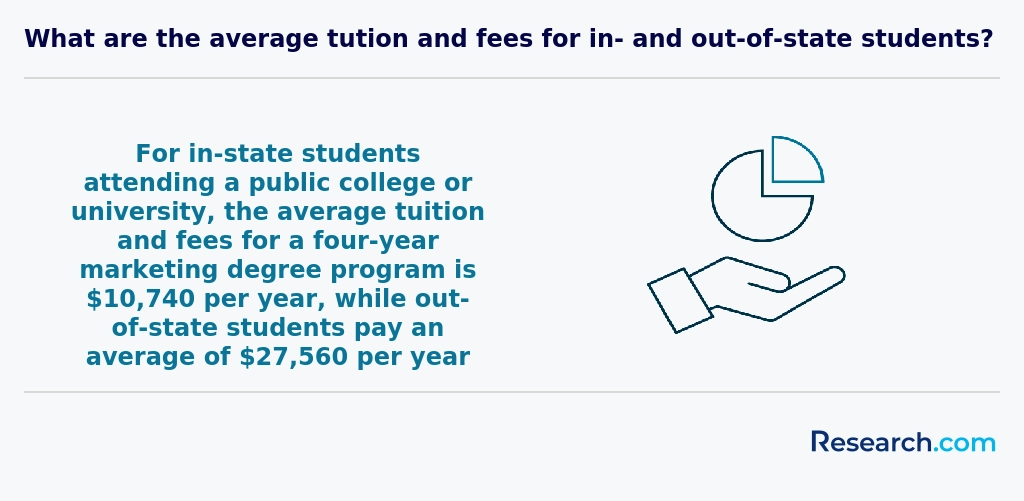
One of the most critical considerations for prospective students is the return on investment (ROI) of a marketing degree in Texas. By comparing total program costs-including tuition, fees, and living expenses-with median post‐graduation salaries, students can estimate their payback period and long‐term earning potential. On average, in‐state students pay approximately $10,740 per year for a four‐year program, while out‐‐of‐state students incur about $27,560 annually. Graduates enter the workforce earning a median salary of $78,880, which rises to $133,380 for mid‐career marketing managers. At this rate, in‐state students typically recoup their educational investment within five to six years, whereas out‐of‐state students may see a break-even in seven to eight years, depending on living costs and scholarship support. Beyond salary metrics, ROI also encompasses intangible benefits such as network access, internship opportunities, and institutional reputation. For example, programs with robust partnerships-like those at the University of Texas at Austin-often facilitate paid internships that reduce debt load and accelerate career advancement. Prospective students seeking lower-cost alternatives can explore our Affordable Marketing Degree Programs Ranking in Saint Paul, MN, which highlights institutions offering quality education at a fraction of the typical expense. By weighing quantitative ROI data alongside qualitative factors-such as faculty expertise and alumni network strength-students can make well‐informed decisions that align with both their financial constraints and professional aspirations.
Imagine diving into Principles of Marketing at a bustling Texas university campus, where graduates recall unraveling consumer puzzles like detectives cracking cases. In these courses, you learn to read market vibes and customer whispers, turning raw data into stories that shape brand destinies. At institutions like the University of Texas or Texas A&M, Marketing Research courses become treasure hunts, teaching you to measure what customers really crave beneath the surface.
Digital Marketing and Social Media classes feel like wielding superpowers-graduates share how mastering SEO or PPC campaigns felt like unlocking secret doors to viral success. Picture crafting online strategies that transform brands overnight, right from a lively Austin classroom. Strategic Marketing Management then elevates this, guiding you to architect plans that mold markets and sculpt business futures, while Sales and Advertising courses sharpen your voice to rally teams and captivate audiences.
Data-driven marketing courses teach you to read numbers as stories, a skill essential in Texas's booming marketing landscape. Some graduates fondly describe applying Marketing Analytics at Houston's top colleges, turning stats into clear, actionable insights. Electives from International Marketing to E-commerce let you chase your passion and internships connect theory with real-world hustle, making study in Texas dynamic and alive.
Imagine diving into a marketing degree in Texas where your path twists through dynamic specializations like digital marketing, market research, brand management, and beyond. Graduates from top Texas universities often share how focusing on digital marketing sharpened their knack for SEO and social media wizardry, skills highly prized in the Lone Star State's booming tech hubs. At other popular colleges, students obsessed with decoding consumer data pour their energy into market research and analytics, mastering customer insights to fuel smart business moves.
Texas marketing degree concentrations often extend into vibrant niches like sports marketing, where the pulse of Texas's iconic football culture energizes creative campaigns, or healthcare marketing, connecting students to one of the state's strongest economic sectors. Many graduates feel the thrill of blending leadership with sales management, crafting strategies that boost team success in local corporate arenas. For those wondering if the journey demands too much, resources like is getting mba in marketing hard offer honest, encouraging insights tailored to Texas students exploring specialized tracks.
Choosing the best marketing degree in Texas feels like navigating a vibrant marketplace buzzing with options. Graduates recall how pinpointing a school with strong ties to Texas's industries-like tech hubs in Austin or retail giants in Dallas-turned their theories into punchy campaigns for real clients. Those who picked programs boasting internships with local companies found their resumes buzzing with relevant experience, making interviews a breeze. Affordability matters too, as many discover the sweet spot between top-tier education and tuition that won't drain their wallets-something you can compare against Affordable Marketing Degree Programs Ranking in Saint Paul, MN. For Texans chasing hands-on learning, top programs emphasize digital marketing and analytics, key to catching a rising 6% job growth wave. The best marketing degree programs in Texas blend accredited curriculum, vibrant campus connections, and flexible delivery so you can study without pausing your life-making your education as dynamic as the Lone Star State itself.
Graduates with a marketing degree in Texas dive into a vibrant marketplace teeming with possibilities-from the buzzing tech corridors of Austin to the sprawling corporate hubs in Dallas and Houston. Imagine stepping out of a popular Texas university and straight into a digital marketing role, sculpting data-driven campaigns that reshape consumer habits in real time. Many find themselves drawn to market research, where the thrill lies in unveiling hidden patterns within Texas's diverse economy, blending analytics with intuition to predict trends.
Brand management offers another exciting route-think crafting the identity of energy giants or healthcare innovators nestled across Texas, blending creativity with strategic insight. For those craving leadership, sales management in Texas's dynamic industries feels like steering a bold marketing ship through ever-changing cultural currents. Even public relations roles pulse with energy here, as graduates tailor messages that resonate across Texas's multicultural tapestry. For students eager to accelerate their journey, exploring a quick degree path can streamline entry into these thriving marketing career opportunities in Texas.
Texas marketing degree job prospects sparkle with promise, fueled by a state economy as big and varied as its sky. Graduates often share stories of balancing classroom theory at leading Texas colleges with internships that open doors to cutting-edge projects shaping brands and marketplaces alike.
Marketing graduates in Texas find themselves at the crossroads of opportunity and innovation, where the job market for marketing degree holders in Texas buzzes with promising energy. Imagine walking through the bustling campuses of the University of Texas at Austin or Texas A&M University, surrounded by peers who quickly land roles in digital marketing and brand management within Houston's tech corridors or Dallas' vibrant retail sectors. The State Workforce Commission predicts a steady 7% expansion in marketing jobs by 2030, fueling excitement among alumni who celebrate turning their degree into rewarding careers.
Texas marketing career opportunities 2027 blend traditional marketing wisdom with the digital revolution-skills like SEO and data analytics are in high demand. Graduates often share how combining classroom theories with hands-on internships in cities like San Antonio brings marketing strategies to life. The financial upside is compelling too, with median wages for managers around $135,000, well above many other fields. Plus, Texas's affordable tuition and avenues for scholarships brighten the path for many ambitious students.
For those eager to boost income fast, exploring short certificate programs that pay well online provides another dynamic route alongside a full degree.
2027 Most Valuable Marketing Degree Programs Ranking in Texas
Investing in your education is a significant decision that can shape your future, and the Research.com team understands the importance of making informed choices. To assist prospective students in Texas, we have meticulously crafted the "2027 Most Valuable Marketing Degree Programs Ranking in Texas." Our commitment to quality, credibility, and accuracy is reflected in the extensive research and analysis conducted to compile this ranking.
We utilized the following reputable data sources to ensure a comprehensive evaluation of marketing degree programs:
By exploring this ranking, readers will gain valuable insights into the most valuable marketing degree programs available in Texas, enabling them to make well-informed decisions about their educational investments. For more details on our methodology, please visit our Research.com methodology page.


Frequently Asked Questions About marketing
Marketing degree students in Texas can maximize their learning experience by engaging with both academic and practical opportunities. Many universities in Texas, such as the University of Texas at Austin, offer internships that connect students with major companies in the state's robust business environment, which includes thriving sectors like technology, energy, and healthcare. According to the Texas Workforce Commission, internships increase job placement chances by up to 60% in marketing fields. Students should also take advantage of networking events hosted by professional organizations like the American Marketing Association's local Texas chapters to build industry contacts early.
Additionally, Texas schools often emphasize data analytics and digital marketing skills, reflecting the growing importance of these areas in the U.S. marketing job market. Leveraging university resources such as marketing labs, guest lectures, and case competitions can deepen practical knowledge.
Balancing coursework with hands-on projects and staying updated with Texas-specific market trends will greatly enhance students' readiness for careers after graduation.
The marketing field is evolving rapidly, with several emerging niches attracting attention from students and professionals in Texas. Digital marketing remains dominant, but specialized areas like data analytics and artificial intelligence (AI) are growing fast. According to the Texas Workforce Commission, jobs in marketing analytics are expected to grow by 15% from 2022 to 2032, outpacing many traditional roles.
Another emerging niche is influencer marketing, which leverages social media platforms to build brand trust and loyalty. Texas companies increasingly seek graduates skilled in content creation and social media strategy.
Sustainability marketing is also gaining importance, reflecting a broader shift toward environmentally conscious business practices. Understanding consumer demand for green products positions marketing graduates for success across industries.
After completing a marketing degree in Texas, preparing for the job market involves building both practical skills and professional connections. Texas hosts a robust job market with key industries like technology, healthcare, and energy driving demand for marketing professionals. According to the Texas Workforce Commission, marketing-related jobs are expected to grow by 8% through 2030, faster than average.
Internships play a crucial role in gaining real-world experience. Taking advantage of internships in major Texas cities such as Houston, Dallas, and Austin can help graduates develop relevant skills in digital marketing, analytics, or brand management.
Networking is another essential step. Joining organizations like the American Marketing Association's Texas chapters connects students to industry leaders and job opportunities.
Lastly, continuing education-such as certifications in data analytics or content marketing-can give graduates a competitive edge in this evolving field.
Employers in Texas seeking marketing degree graduates prioritize a blend of analytical and creative skills. According to the Texas Workforce Commission, proficiency in digital marketing tools and data analysis is essential as more Texas companies adopt technology-driven campaigns. Strong communication skills, both written and verbal, remain crucial for clear messaging and client interaction.
Adaptability is another highly valued trait due to the fast-evolving marketing landscape in Texas, especially around major hubs like Dallas and Houston. Familiarity with SEO, social media strategies, and customer relationship management (CRM) software frequently appears in job postings statewide.
Additionally, teamwork and project management skills help graduates succeed in collaborative environments common in Texas marketing firms.
Finding internships in Texas relevant to a marketing degree starts with exploring opportunities at major metropolitan areas like Dallas, Houston, and Austin, where marketing firms and corporate headquarters are concentrated. According to the Texas Workforce Commission, these cities host a large portion of the state's 200,000+ marketing-related jobs. Students should leverage university career centers, which often have partnerships with local businesses.
Additionally, using state-specific platforms such as WorkInTexas.com helps connect students directly with internship openings in marketing. Networking through professional organizations, like the American Marketing Association's Texas chapters, also increases chances of finding quality internships.
Early applications and tailoring resumes to highlight marketing skills improve success rates significantly.
A marketing degree in Texas significantly enhances career mobility and advancement opportunities within the state's diverse economy. Texas houses major industries such as technology, energy, healthcare, and retail, all of which demand skilled marketing professionals. According to the Texas Workforce Commission, marketing-related employment is projected to grow by 8% between 2022 and 2032, faster than the average for all occupations.
Graduates with marketing degrees often benefit from competitive salaries; for example, entry-level marketing coordinators in Texas earn an average of $50,000 annually, while experienced managers can surpass $90,000, per the Bureau of Labor Statistics.
Possessing a marketing degree offers a strong foundation in digital marketing, consumer behavior, and strategic planning, which employers highly value. Additionally, many Texas companies prefer candidates with formal education and relevant skills, making degree holders more likely to advance into leadership roles.
Furthermore, networking opportunities through Texas universities and local industries help graduates access varied roles in urban centers like Dallas, Houston, and Austin.
Studying for a marketing degree in Texas equips students with skills that go beyond traditional marketing roles. Many programs integrate coursework in business analytics, communication, psychology, and technology, enabling graduates to work effectively across different fields.
Texas universities often emphasize real-world experience, encouraging collaborative projects with industries like energy, healthcare, and technology. This interdisciplinary approach reflects Texas's diverse economy, which had a marketing employment growth rate of 6.8% from 2019 to 2022, according to the U.S. Bureau of Labor Statistics.
Graduates gain knowledge in data analysis, digital marketing, and consumer behavior, blending technical and creative skills essential for roles in product development, sales, and public relations. This broad preparation positions students to adapt in fast-evolving job markets.
When choosing between a thesis and a non-thesis marketing degree program in Texas, consider your career goals. Thesis programs typically focus on research and preparing students for doctoral studies or academic careers. They include a substantial research project, which can enhance analytical skills useful in marketing analysis and strategy development.
Non-thesis programs often emphasize practical knowledge, coursework, and internships, appealing to students aiming for immediate industry roles. In Texas, where the marketing job market is growing at 6% annually (Bureau of Labor Statistics, 2023), practical experience can be highly valued by employers.
Additionally, thesis programs may take longer to complete and require strong writing skills, while non-thesis tracks usually offer a faster path to graduation. Consider your learning style and long-term plans when deciding.
Students in Texas interested in studying marketing abroad have several opportunities through partnerships and exchange programs between Texas universities and international institutions. Many Texas schools, such as the University of Texas at Austin and Texas A&M University, offer study abroad programs where students can spend a semester gaining global marketing perspectives.
According to the Institute of International Education's 2022 Open Doors Report, nearly 27% of Texas students who study abroad choose business-related fields, including marketing. Programs often focus on global market trends, digital marketing strategies, and international consumer behavior, giving Texas students a competitive edge.
Additionally, some Texas universities provide dual-degree options and faculty-led trips to countries with emerging markets, especially in Europe and Asia. Funding support and scholarships are also available to help lower financial barriers for Texas marketing students aiming to gain international experience.
Part-time job opportunities in Texas that complement marketing degree education often include roles in social media management, retail marketing, and event coordination. These positions provide practical experience with consumer behavior and promotional strategies, crucial for marketing students. According to the Texas Workforce Commission, sales and marketing-related jobs in the state are projected to grow by 7% through 2028, offering ample opportunities for students.
Internships with local businesses or startups in cities like Austin and Dallas also allow students to develop valuable skills such as digital advertising and content creation. Additionally, roles in market research firms can enhance data analysis capabilities, often a key component of marketing curricula.
Such experiences help students apply theoretical knowledge in real-world settings, improving job readiness upon graduation.
Marketing students in Texas have access to a variety of networking opportunities crucial for career development. Many universities partner with local businesses and host regular career fairs, connecting students to employers in Dallas, Houston, Austin, and San Antonio. According to the Texas Workforce Commission, the marketing sector in Texas employed over 120,000 professionals in 2023, highlighting a strong local job market for network building.
Professional organizations such as the American Marketing Association (AMA) have active chapters in Texas universities, providing students with events, workshops, and mentorship programs. These groups often invite industry leaders to speak, giving students firsthand insights and valuable contacts.
Additionally, internship programs facilitated by Texas colleges offer direct exposure to real-world marketing environments and expand professional networks. Participation in statewide competitions and conferences further enhances connections and skills critical in today's competitive marketing landscape.
Alumni networks offer significant advantages to marketing degree students in Texas by providing valuable connections within the state's dynamic business community. Graduates often access mentorship opportunities from experienced professionals who understand the regional market trends. According to the Texas Higher Education Coordinating Board, alumni involvement can increase internship placements by up to 25% for marketing students, enhancing practical experience.
These networks also facilitate job placements in major Texas cities like Houston and Dallas, where marketing industries are growing rapidly. Alumni events and online platforms create channels for knowledge sharing and career advice, which can be crucial in the competitive marketing field.
Customizing a marketing degree program in Texas allows students to align their education with specific career goals. Many Texas universities offer elective courses and specialized tracks, such as digital marketing, brand management, or data analytics, enabling focused skill development. Internships in Texas' vibrant industries, including technology in Austin and energy in Houston, provide practical experience tailored to career interests.
Students can also pursue certificate programs alongside their degrees, adding expertise in areas like social media or consumer behavior. According to the Texas Higher Education Coordinating Board, over 75% of marketing graduates find jobs related to their specialization within six months, highlighting the value of customization.
Academic advisors and career centers at Texas institutions support personalized planning, helping students select courses and opportunities that fit evolving industry trends in marketing across Texas.
Marketing students in Texas often face several challenges that reflect broader trends in the U.S. higher education system. One notable difficulty is the rising cost of tuition, which can exceed $10,000 annually at public universities in Texas, limiting access for some students (Texas Higher Education Coordinating Board, 2023).
Additionally, students must navigate a highly competitive job market. According to the Texas Workforce Commission (2023), the marketing sector in Texas is growing but demands strong digital skills and adaptability to fast-changing technologies.
Many students also struggle with gaining practical experience. Internships are critical but can be scarce or unpaid, which impacts social equity and skill development. Time management is another common issue, as marketing programs often require balancing theoretical coursework with projects involving real-world applications.
With a marketing degree in Texas, you can pursue several professional certifications that enhance career prospects. The American Marketing Association offers the Professional Certified Marketer (PCM) credential, recognized nationally for validating marketing expertise.
Digital marketing certifications, such as Google Analytics and HubSpot Inbound Marketing, are also valuable, especially given Texas's growing tech and energy sectors that demand digital skills.
Another option is the Certified Marketing Executive (CME) credential from Sales & Marketing Executives International, ideal for those targeting senior marketing roles. These certifications can increase job opportunities and salary potential across Texas's competitive job market.
According to the Texas Workforce Commission, marketing roles are projected to grow 7% through 2030, making certifications a strategic advantage.
To write a winning application for a marketing program in Texas, start by clearly demonstrating your passion for marketing. Highlight any relevant coursework, internships, or work experience that show your practical knowledge. Texas universities, such as the University of Texas at Austin, highly value applicants with strong analytical and communication skills. Make sure your personal statement connects your career goals with what the program offers.
Including data or examples related to Texas's growing marketing job market strengthens your case. According to the Texas Workforce Commission, marketing occupations in Texas are expected to grow by 12% from 2020 to 2030, indicating strong future opportunities.
Lastly, tailor your application essays to each school, emphasizing how their unique resources fit your goals. Proofread thoroughly to avoid errors, as attention to detail is crucial in marketing roles.
Marketing careers in Texas benefit from a global perspective shaped by evolving digital trends and international business practices. The U.S. Bureau of Labor Statistics notes a steady growth rate of 10% for marketing managers through 2032, signaling strong demand nationwide, including Texas.
Texas's dynamic economy, with major cities like Houston and Dallas hosting multinational companies, offers marketing graduates exposure to global markets. Understanding cultural differences and international consumer behavior is increasingly important, as Texas firms expand overseas.
According to the Texas Workforce Commission (2023), around 15% of marketing roles require knowledge of digital marketing tools that target global audiences. Marketing degrees in Texas often emphasize data analytics and cross-cultural communication to meet these needs. This prepares students to compete globally while contributing locally.
Students pursuing a marketing degree in Texas can gain practical experience through internships, cooperative education programs, and campus-sponsored projects. Many Texas universities have partnerships with large corporations in cities like Houston, Dallas, and Austin, providing students access to real-world marketing roles. According to the Texas Workforce Commission, areas with high marketing employment also feature numerous internship opportunities. Participation in local business competitions and marketing clubs allows for skill-building beyond the classroom. Additionally, some programs encourage consulting projects with small Texas businesses, enabling students to tackle actual marketing challenges while earning course credits.
Choosing the right concentration within a marketing degree program in Texas depends on your career goals and interests. Texas has strong industries like energy, technology, and healthcare, impacting the marketing skills in demand. For example, digital marketing and data analytics are increasingly valuable due to the state's expanding tech sector, as reported by the Texas Workforce Commission.
Consider concentrations such as digital marketing, brand management, or market research. Check if the program offers internships or partnerships with Texas companies, which can enhance practical experience. Also, review employment data; the U.S. Bureau of Labor Statistics notes that marketing managers in Texas earn a median annual wage above the national average, reflecting consistent demand.
Look for programs with faculty expertise aligned to industries active in Texas. Assess the curriculum for courses in emerging areas like e-commerce or social media marketing, which have grown rapidly statewide. Choosing a concentration linked to Texas's economic strengths can increase your job opportunities after graduation.
- 2027 Most Valuable Marketing Degree Programs Ranking in Louisiana
- 2027 Most Valuable Marketing Degree Programs Ranking in Arkansas
- 2027 Most Valuable Marketing Degree Programs Ranking in Kansas
- 2027 Most Valuable Marketing Degree Programs Ranking in Missouri
- 2027 Most Valuable Marketing Degree Programs Ranking in Colorado
- 2027 Most Valuable Marketing Degree Programs Ranking in Mississippi
- 2027 Most Valuable Marketing Degree Programs Ranking in Arizona
- 2027 Most Valuable Marketing Degree Programs Ranking in Alabama
- 2027 Most Valuable Marketing Degree Programs Ranking in Georgia
- 2027 Most Valuable Marketing Degree Programs Ranking in Florida
See What Experts Have To Say About Studying Marketing
Read our interview with Marketing experts

John R. Meindl
Marketing Expert
Adjunct Assistant Professor of Marketing
Hofstra University

Aidin Namin, Ph.D.
Marketing Expert
Associate Professor of Marketing Analytics
Loyola Marymount University

- Learning Outcomes for Marketing - Champlain College https://www.champlain.edu/learning-outcomes-for-marketing/
- What Can You Do with a Marketing Degree in Dallas? Careers, Salaries, and Faith-Based Opportunities https://www.dbu.edu/blog/what-can-you-do-with-a-marketing-degree-in-dallas.html
- Bachelor of Business Administration (B.B.A.) Major in Marketing https://mycatalog.txstate.edu/undergraduate/mccoy-business-administration/marketing/marketing-bba/
- What Can You Do With a Marketing Degree? Careers & Salaries | Extern https://www.extern.com/post/what-can-you-do-with-a-marketing-degree
- The skills that will get you a graduate job in marketing https://targetjobs.co.uk/careers-advice/marketing-advertising-and-pr/skills-will-get-you-graduate-job-marketing
- Most Popular Online Marketing Degrees https://www.onlineu.com/degrees/marketing
- How to Get a Summer Internship in Marketing in 2026 (Agency, In-House, and Startup) https://whali.co.uk/blog/summer-internship-marketing-guide
- Marketing and Interdisciplinary Business | School of Business https://business.tcnj.edu/academics/marketing-and-idb/
- Case Studies That Every Marketing Student Should Know - Great Ideas for Teaching Marketing https://www.greatideasforteachingmarketing.com/case-studies-that-every-marketing-student-should-know/
- Marketing Degree Requirements in 2025: Credits, Courses, Costs, and Career Paths Explained | Brand Vision https://www.brandvm.com/post/marketing-degree-requirements-in-2025-credits-courses-costs-and-career-paths-explained