2027 Most Valuable Marketing Degree Programs Ranking in North Carolina

Co-Founder and Chief Data Scientist
Choosing the right marketing degree program can shape your future career and open doors to exciting opportunities. This article introduces the 2027 Most Valuable Marketing Degree Programs Ranking in North Carolina, developed by the Research.com team of data scientists.
It offers clear insights to help you make an informed choice about which programs truly stand out. Whether you're just starting out or considering a change, understanding the value of each program can boost your confidence.
Investing in your education is a rewarding step, and a marketing degree can set you up for lasting success in a dynamic field.
Key benefits of getting marketing degree in North Carolina
- Marketing degree graduates in North Carolina can expect strong salary potential, with roles like Public Relations Specialists earning around $159,420 annually and Marketing Assistants making about $83,190 per year.
- Career paths are diverse, ranging from sales roles to digital marketing, as seen with graduates from the University of North Carolina who often enter dynamic fields such as media planning and digital marketing specialization.
- Online marketing degrees from institutions like North Carolina State University offer flexibility and convenience, making it easier for busy students to gain valuable skills without sacrificing work or family time.
- 2027 Most Valuable Marketing Degree Programs Ranking in North Carolina
- What can I expect from marketing degree in North Carolina?
- Where can I work with marketing degree in North Carolina?
What can I expect from marketing degree in North Carolina?
The average cost of earning a marketing degree in North Carolina varies significantly, often reflecting the distinction between public and private institutions. Graduates from well-known universities, such as those in the UNC system, often share how their public university experience provided both quality education and reasonable tuition rates, typically ranging from $9,000 to $15,000 per year for in-state students. This affordability allows many to focus on internships and practical learning without overwhelming financial burden.
At the same time, private colleges in the state, while more expensive-sometimes exceeding $30,000 annually-offer specialized resources and networking opportunities that students find invaluable for fast-tracking their marketing careers. Many marketing students recount how investments in these programs translated into future job placements across North Carolina's vibrant business hubs like Raleigh and Charlotte.
Financial aid, scholarships, and work-study options often ease the cost, enabling students to apply classroom lessons in real-world scenarios like managing digital marketing campaigns or promoting local startups. This combination of manageable costs and meaningful experiences creates excitement and confidence among marketing majors as they prepare for evolving career landscapes.
Where can I work with marketing degree in North Carolina?
Graduates from marketing programs at well-known North Carolina schools like UNC Chapel Hill and NC State University often find themselves stepping into dynamic roles within the Research Triangle Park, where tech giants and pharmaceutical leaders fuel innovation. Imagine working on cutting-edge digital campaigns for companies like IBM, applying data analytics skills honed during your studies.
Many marketing grads experience the fast-paced retail scenes of Charlotte or Raleigh firsthand, managing customer engagement strategies for major stores or e-commerce platforms. These real-world opportunities connect classroom theory with hands-on problem solving, creating a sense of accomplishment and growth.
Others thrive in the state's vibrant startup hubs in Durham or Asheville, embracing entrepreneurial energy to craft fresh brand identities and spearhead market expansions. Marketing students often share excitement about contributing directly to small businesses' success stories.
Public and nonprofit sectors also present meaningful career paths, where graduates apply marketing tactics to community outreach or fundraising events, inspiring positive social impact. Universities across the state foster these connections, preparing students to adapt and lead in diverse environments as marketing continues to evolve.
Graduates with a marketing degree in North Carolina often find promising salary opportunities across various roles. For example, a Marketing Assistant can start with an average annual wage of around $83,190, while Digital Marketing Specialists earn similar figures, reflecting steady demand in areas like SEO and social media marketing. Public Relations Specialists stand out with a mean wage of about $159,420, showcasing the potential to reach lucrative positions with experience and expertise. Sales Associates typically earn around $53,280, providing a solid entry point into the marketing field.
Many graduates from prominent schools like the University of North Carolina at Chapel Hill or North Carolina State University report feeling excited about these earnings, especially when working in vibrant urban hubs such as Charlotte or Raleigh. The higher corporate presence there tends to boost salary prospects by 10% to 15% compared to other parts of the state.
With the state's growing tech environment and the expansion of digital marketing roles, alumni with the right skills often enjoy fast career growth and increased pay, fueling optimism about their futures in marketing within North Carolina's dynamic job market.
- Annual in-state tuition for marketing degrees at public universities in North Carolina averages about $9,500, while private schools may charge over $25,000 per year.
- The state employs more than 45,000 marketing specialists, with job growth expected in industries like technology, finance, healthcare, and manufacturing.
- Entry-level marketing jobs pay around $48,000 to $52,000 annually, with median salaries rising to about $75,000 after five to ten years of experience.
- Specializations such as digital marketing and data analytics typically offer salaries higher than the state average.
- Major cities like Charlotte, Raleigh, and Durham provide strong career opportunities through numerous businesses and marketing agencies.
Completing a marketing degree in North Carolina generally takes about four years for a bachelor's degree when studied full-time, as many graduates from the University of North Carolina at Chapel Hill and North Carolina State University can attest. They often describe the experience as balanced but intense, managing coursework and internships that enhance practical skills. Associate degrees typically require around two years, with students from community colleges like Central Piedmont enjoying a more flexible, affordable pace that fits their lives.
Graduate degrees, such as MBA programs with a marketing focus, often span one to two years, depending on whether students study full-time or part-time. Some marketing graduates share that attending part-time or online through institutions like Wake Technical Community College allowed them to juggle jobs while advancing their careers steadily.
Looking ahead, emerging trends like hybrid classes and credit transfer recognition promise to shorten timelines without sacrificing quality, making marketing degrees in North Carolina more accessible and exciting than ever.
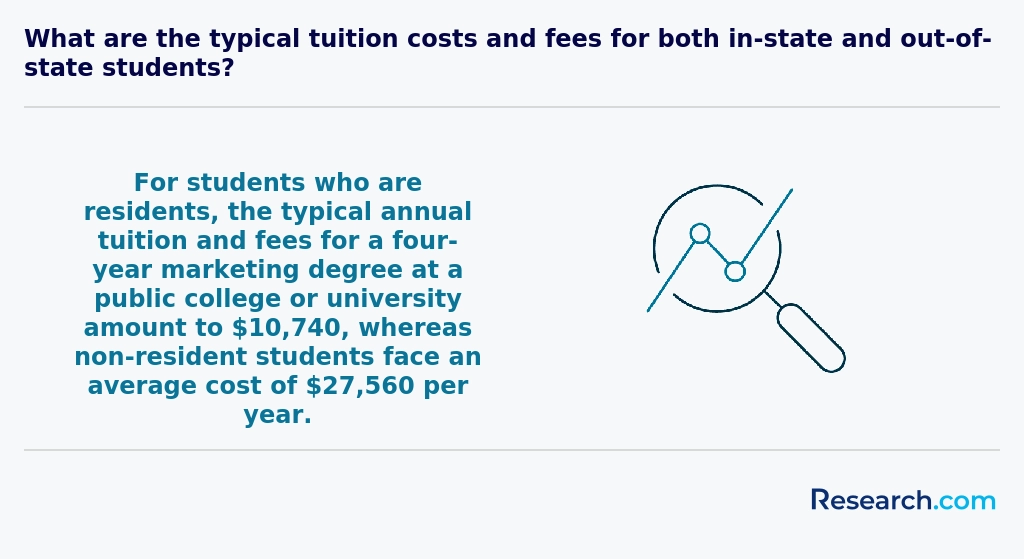
A clear understanding of return on investment (ROI) can help prospective students weigh the long-term benefits of a marketing degree against its upfront costs. In North Carolina, the average annual tuition for in-state students at public universities is $10,740, while out-of-state attendees pay around $27,560. Factoring in living expenses-estimated at $12,000 per year on campus-the total four-year cost ranges from $90,960 to $158,240. Key ROI metrics to consider:
- Average Starting Salary vs. Total Cost: With entry-level marketing assistants earning around $50,000 annually and marketing managers averaging $78,880, many graduates recover tuition costs within 4–6 years.
- 10-Year Net Gain: Assuming a conservative salary growth rate of 4% per year, a graduate could earn approximately $650,000 over a decade, compared to $400,000 without a degree-yielding a net gain of $250,000.
- Payback Period: Dividing total educational investment by average annual salary increase indicates a payback period of roughly 5 years for in-state students and 8 years for out-of-state students. Strategies to maximize ROI:
- Leverage Financial Aid: With an average aid package of $13,500 per year, grants and scholarships can reduce net costs by 30–40%.
- Seek Paid Internships: Earning $15–20 per hour in marketing co-ops not only offsets living expenses but also accelerates skill acquisition.
- Compare Program Formats: Online programs often offer lower fees and eliminate relocation costs-factors that can shorten your payback period. For those considering advanced degrees and eager to know is getting mba in marketing hard, our in-depth guide outlines time commitments, costs, and career returns. By analyzing these factors, students can make data-driven decisions that align educational expenses with projected career earnings-ensuring a marketing degree in North Carolina delivers strong financial and professional rewards.
Graduates from the University of North Carolina and North Carolina State University often describe the on-campus marketing degree as a vibrant experience filled with dynamic, face-to-face collaboration. They cherish engaging directly with professors during lively class discussions and benefiting from immediate feedback on projects. The structured schedule creates a rhythm, fostering a sense of community-students frequently form study groups and attend networking events on campus, which leads to internships in Raleigh or Charlotte.
Meanwhile, online marketing students at institutions like East Carolina University appreciate the freedom to learn at their own pace, balancing coursework with jobs or family responsibilities. Many report feeling empowered by this flexibility, which allows them to apply marketing concepts in real time within their current workplaces.
Looking ahead, the blend of technology and education may merge these experiences further. Online programs accredited in North Carolina already maintain rigorous standards matching on-campus offerings, but future innovations could enhance virtual networking and internship accessibility, making the lines between online and traditional learning increasingly seamless.
The average cost of a marketing degree in North Carolina typically centers around $43,260, reflecting a blend of tuition and additional expenses. Graduates from well-known universities within the state often share stories of balancing tuition costs with financial aid, illustrating how an investment in education can open doors to a thriving marketing career. Prospective students considering the cost to earn marketing degree in NC might find comfort knowing that many institutions offer scholarships and flexible payment plans, which lighten the financial load substantially.
Living the life of a marketing student at a major North Carolina university involves more than just tuition. Weekly visits to campus libraries and group projects fuel not only skills but also camaraderie, making every dollar spent feel worthwhile. These real-life experiences highlight how students turn challenges into opportunities, reinforcing the value of their education beyond just numbers.
Community colleges provide affordable starting points before transferring to universities with renowned marketing programs, offering budget-conscious paths for students. Online degree options further expand access, allowing learners to study without relocating or cutting back on work.
Exploring the most affordable marketing programs in north carolina is vital for students aiming to maximize their return on investment. Those who strategically leverage aid and program choices can pursue rewarding careers while managing the median total cost effectively.

As the marketing landscape evolves rapidly, North Carolina’s degree programs are adapting by integrating emerging trends and fostering skills that are critical for future success. Today’s curriculum not only covers traditional marketing fundamentals but also emphasizes digital transformation, data analytics, and artificial intelligence applications. Students learn how to harness big data for targeted advertising, develop content strategies for an ever-changing digital world, and utilize innovative tools that drive customer engagement. Programs are increasingly incorporating modules on influencer marketing, social media analytics, and automation tools to better prepare graduates for a tech-centric marketplace. By understanding the latest trends in SEO, mobile marketing, and video advertising, students can position themselves as forward-thinking professionals in an environment where creativity meets analytics. For those seeking a cutting-edge education that balances quality with investment, exploring the most affordable marketing programs in north carolina can offer valuable insights into institutions that are leading the way in integrating industry innovations with academic rigor. This proactive approach helps graduates not only meet current market demands but also anticipate future shifts in the marketing arena, ensuring long-term career growth and success.
Marketing students in North Carolina often find relief through a mix of financial aid options tailored to their needs. Graduates from schools like the University of North Carolina experience how Pell Grants and federal loans ease tuition pressures, sometimes covering significant portions of their costs. The North Carolina Education Lottery Scholarship frequently supports local students attending state universities, offering awards between $750 and $4,000 that make day-to-day expenses more manageable.
Many who studied marketing at institutions such as North Carolina State University share that merit-based scholarships helped them thrive academically and professionally, rewarding leadership and dedication. The connection with organizations like the American Marketing Association's North Carolina chapter adds a layer of financial and career support, inspiring students to envision their futures confidently. Looking ahead, combining these financial aids with emerging private scholarships from local businesses could create even more pathways for aspiring marketers to pursue their dreams without financial stress.
Enrolling in a marketing degree program in North Carolina typically begins with solid academic foundations like a high school diploma and competitive SAT or ACT scores, although some universities are embracing test-optional routes. Graduates from popular schools in the state often mention how maintaining a GPA above 2.5 helped them stand out during admissions. Core courses in English, math, and social studies are essential, but students who took classes in economics or statistics found themselves better prepared for the data-driven world of marketing.
For those aiming at graduate marketing degrees at institutions like UNC or NC State, a bachelor's degree with at least a 3.0 GPA and relevant experience is key. Many graduate students recall how internships boosted their applications and sharpened practical skills. Some schools now waive GMAT/GRE scores for applicants with strong professional backgrounds, reflecting a shift toward valuing real-world experience.
Aside from academics, future marketers in North Carolina emphasize the importance of communicating creativity and problem-solving through personal statements or interviews-steps that truly bring applications to life and reflect each student's unique potential.
Investing in a marketing degree in North Carolina often yields a strong return on investment (ROI) when considering tuition costs against post-graduation earnings. With average in-state tuition of $10,740 per year and average entry-level marketing assistant salaries around $78,880, graduates can recoup their educational expenses within roughly 3–4 years of employment. Those advancing to roles like Public Relations Specialist, earning an average of $150,030 annually, may see payback periods drop to under two years. Accounting for financial aid-where 77% of students receive aid averaging $13,500 per year-the effective cost of attendance can decrease significantly, further accelerating ROI. ROI varies by program type and delivery format. On-campus bachelor’s degrees at institutions such as UNC Chapel Hill may carry higher sticker prices but often include networking and internship pipelines that boost starting salaries. Conversely, affordable online master’s options can lower upfront costs while still delivering robust curriculum and career services. For prospective master’s students seeking cost-efficient pathways, consider exploring the Most Affordable Online Master's in Marketing Degree Programs Ranking in Georgia to benchmark tuition against expected salary growth. Ultimately, comparing total program costs-including living expenses, fees, and opportunity costs-against median salaries and advancement trajectories will empower students to choose a degree with the highest long-term financial benefit.
Marketing degree programs in North Carolina typically include courses that blend foundational principles with emerging industry trends, preparing students to thrive in a fast-evolving landscape. Graduates from well-known institutions like the University of North Carolina often recall how courses such as Consumer Behavior gave them insights into real-world decision-making, helping them craft campaigns that resonate emotionally with diverse audiences.
Classes in Digital Marketing are increasingly centered around new technologies like AI-driven analytics and personalized advertising, reflecting the state's growing emphasis on data-savvy marketers. Marketing Research Methods remain essential, equipping students with robust tools for interpreting market data-a skill critical for adapting strategies in a dynamic business environment like Charlotte's bustling corporate scene.
Sales and Strategic Marketing Management courses not only teach theory but also involve case studies and internships, offering students firsthand experience within North Carolina's vibrant business community. This hands-on learning fosters confidence and optimism, as graduates envision themselves leading innovative marketing projects for local startups or major Fortune 500 companies headquartered in the region.
Marketing degree specializations in North Carolina are evolving to meet the demands of a fast-changing marketplace. Graduates from popular universities like the University of North Carolina system often choose digital marketing tracks, mastering skills in SEO, social media campaigns, and data analytics. These learners share excitement about working on real projects, preparing them for dynamic roles in e-commerce and online branding.
North Carolina marketing program concentration options also include market research and analytics, which help students develop sharp analytical skills to interpret consumer data. This specialization appeals to those who enjoy turning complex numbers into actionable insights, particularly relevant to industries dominant in the region such as finance and biotechnology.
Many students find brand management rewarding, applying creativity to build strong reputations for companies. Others explore niche areas like sports or nonprofit marketing, tapping into the state's vibrant sports culture and nonprofit sector. These specializations offer motivating, practical experiences, fostering strong career passion.
Considering whether is getting mba in marketing hard? North Carolina's diverse options make it accessible and exciting to tailor your studies to future marketing landscapes.
Choosing the best marketing degree programs North Carolina offers means looking beyond traditional textbooks and lectures. Graduates from institutions like the University of North Carolina and North Carolina State University often highlight how programs combining strong regional accreditation with hands-on internships in cities such as Charlotte or Raleigh gave them a real edge. These experiences turn theory into practice, fueling confidence and excitement for careers in rapidly evolving fields like digital marketing and data analytics.
Affordability also plays a major role. Many students find success by targeting affordable marketing degrees in North Carolina that balance quality with costs around the $9,000 to $12,000 range for in-state tuition. This financial peace of mind allows them to focus fully on expanding their expertise and networking. For those seeking flexibility, hybrid or fully online options offered by local universities help maintain income streams while advancing education.
Future-focused learners often explore emerging trends in brand management or consumer behavior driven by new technologies. Resources such as the Most Affordable Online Master's in Marketing Degree Programs Ranking in Georgia provide useful insights for students comparing programs nearby. Ultimately, combining curriculum relevance, practical experience, and cost-effectiveness helps create a rewarding path in marketing within North Carolina.
Graduates with a marketing degree in North Carolina often explore diverse career paths shaped by the state's dynamic economic landscape. Many find fulfilling roles as Marketing Coordinators or Specialists in growing business hubs like Charlotte, leveraging relationships built during internships at universities renowned for their marketing programs. Others venture into data-driven positions such as Market Research Analysts, helping companies anticipate consumer trends and refine strategies with advanced analytics.
Some graduates discover passion in roles like Digital Marketing Manager, where they craft engaging social media campaigns that capture the evolving online marketplace. Sales Manager and Brand Manager positions also attract those who enjoy leadership and creativity, offering opportunities to influence company identity and revenue directly. The rising emphasis on digital expertise opens doors to innovative careers that blend technology and marketing.
For students seeking flexible educational options before starting these careers, programs such as accelerated online associate degrees provide accessible pathways in North Carolina. This approach supports aspirants aiming to quickly enter the job market while gaining critical skills for future growth in marketing career opportunities North Carolina holds.
Jobs with marketing degree in North Carolina are increasingly tied to digital adaptation, making local educational experiences especially valuable. Graduates frequently share excitement about how hands-on projects at prominent colleges prepare them to thrive amid expanding industry demands and emerging technologies.
Marketing degree graduates in North Carolina find a robust and expanding job market fueled by the state's diverse economy and digital transformation. With cities like Raleigh and Charlotte acting as centers for vibrant tech startups and established financial firms, recent graduates report excitement about stepping into roles involving digital marketing, brand management, and market analysis. Many alumni from popular North Carolina universities describe landing opportunities that allow them to creatively influence business growth while leveraging data-driven strategies.
Those exploring marketing degree job opportunities in North Carolina also benefit from affordable in-state tuition costs, which enhance the return on investment of their education. Graduates often describe how the state's synergy between innovative industries and academic institutions fosters a supportive environment for career development. Prospective students searching for accessible pathways may consider universities with open admission to pursue their studies while positioning themselves well for the state's job market.
The North Carolina marketing graduate employment outlook remains optimistic as sectors like healthcare and technology continue to expand, demanding skilled marketers capable of adapting to emerging trends and digital platforms. This dynamic landscape offers marketing graduates diverse and promising roles, fueling hopeful aspirations for a rewarding professional journey.
2027 Most Valuable Marketing Degree Programs Ranking in North Carolina
Investing in your education is a significant decision that can shape your future, and the Research.com team understands the importance of making informed choices. To assist prospective students in North Carolina, we have meticulously crafted the "2027 Most Valuable Marketing Degree Programs Ranking in North Carolina." Our commitment to quality, credibility, and accuracy is reflected in the extensive research and analysis conducted to compile this ranking.
We utilized the following reputable data sources to ensure a comprehensive evaluation of marketing degree programs:
By exploring this ranking, readers will gain valuable insights into the most valuable marketing degree programs available in North Carolina, enabling them to make well-informed decisions about their educational pursuits. For more information on how we developed this ranking, please visit our Research.com methodology page.


Frequently Asked Questions About marketing
Marketing degree students in North Carolina can maximize their learning experience by taking advantage of the state's strong business networks and internship opportunities. North Carolina is home to major corporations such as Bank of America and Honeywell, offering practical exposure through internships that complement classroom theory.
Students should also engage with professional organizations like the American Marketing Association's local chapters, providing access to events, workshops, and networking within the industry. According to the North Carolina Department of Commerce, marketing jobs in the state are projected to grow above the national average by 2028, highlighting the value of real-world experience.
In addition, students can benefit from elective courses in digital marketing and data analytics, critical areas that align with current employer demand.
The marketing field in North Carolina is rapidly evolving, with several emerging niches gaining prominence. Digital marketing, especially areas like social media strategy, influencer marketing, and content creation, continues to expand due to widespread internet use. Data analytics is another crucial niche, helping companies interpret consumer behavior and optimize campaigns.
Additionally, marketing roles focusing on sustainability and ethical branding are growing, reflecting consumer demand for responsible business practices. E-commerce marketing is strong in North Carolina, benefiting from the state's growing logistics and retail sectors. According to the U.S. Bureau of Labor Statistics, jobs in advertising and promotions are expected to grow around 9% nationally by 2031, with North Carolina showing above-average opportunities due to its diverse economy.
After earning a marketing degree in North Carolina, preparing for the job market involves building both practical experience and professional connections. Internships with local companies help develop skills and improve resumes. For example, Charlotte and Raleigh-Durham offer diverse marketing opportunities due to their growing business sectors, including tech and finance.
Obtaining relevant certifications, such as Google Analytics or HubSpot, can enhance a graduate's competitiveness. According to the U.S. Bureau of Labor Statistics, marketing specialist roles in North Carolina are expected to grow by 9% through 2031, reflecting steady demand.
Networking through industry events and joining professional organizations like the American Marketing Association's North Carolina chapter is essential. Additionally, mastering digital marketing tools and analytics is increasingly valued by employers statewide.
Employers in North Carolina seek marketing graduates who demonstrate strong analytical and communication skills. According to the North Carolina Department of Commerce, data-driven decision-making is essential as companies increasingly rely on customer insights to guide strategies. Proficiency in digital marketing tools, such as SEO, content creation, and social media management, is highly valued due to the state's growing tech and e-commerce sectors.
Critical thinking and adaptability are also key skills. The ability to interpret market trends and adjust campaigns quickly offers a competitive edge in fast-paced environments. Collaboration skills matter as well, since marketing roles often involve teamwork across departments.
Finding internships in North Carolina related to a marketing degree involves several strategic steps. Start by exploring the career services offices at local universities such as UNC Chapel Hill and NC State, which often have partnerships with regional companies. North Carolina's Research Triangle Park hosts many marketing and tech firms offering real-world experience.
Online job boards like Handshake and internships.com list many opportunities specific to marketing within the state. Networking through professional groups like the American Marketing Association's North Carolina chapter can also yield valuable contacts. According to the NC Department of Commerce, nearly 15% of marketing internships in the state are with companies in Raleigh and Charlotte, key economic hubs.
A marketing degree significantly enhances career mobility and advancement opportunities in North Carolina. The state's growing economy, with hubs such as Charlotte and Raleigh, fosters demand for marketing professionals skilled in digital strategies, consumer behavior, and brand management. According to the U.S. Bureau of Labor Statistics (BLS), marketing managers in North Carolina earn a median annual wage of approximately $110,000, which is above the national average.
Graduates with marketing degrees often find jobs in diverse sectors, including finance, technology, and healthcare, enabling flexibility to switch industries. In addition, a degree strengthens qualifications for leadership roles, as employers prioritize formal education combined with practical experience.
Studying for a marketing degree in North Carolina offers robust preparation for interdisciplinary roles by combining core marketing principles with courses in data analytics, communication, and business strategy. Many universities incorporate hands-on projects that require collaboration across fields such as finance, technology, and psychology, reflecting real-world business environments. According to the North Carolina Department of Commerce, digital marketing and data-driven decision-making are growing sectors, emphasizing the need for versatile skill sets.
Students gain experience with tools like CRM software, social media analytics, and consumer behavior research, equipping them to work effectively with diverse teams. This interdisciplinary training enhances adaptability and problem-solving, essential for today's dynamic market demands.
Choosing between a thesis and a non-thesis marketing degree program in North Carolina depends on your career goals and learning preferences. A thesis program involves conducting original research and writing a detailed study, which suits students planning to pursue doctoral studies or research-intensive roles.
Non-thesis programs emphasize coursework and practical skills, ideal for those aiming to enter the marketing profession directly or seeking managerial positions in North Carolina's diverse economy. According to the National Center for Education Statistics (NCES), most marketing graduates in the state prefer non-thesis options due to quicker completion times and applied learning benefits.
Consider your interest in research and the time you can commit when making this decision.
Students in North Carolina seeking to study marketing abroad have several pathways available through U.S. institutions with established international exchange programs. Many universities in North Carolina, such as the University of North Carolina at Chapel Hill and North Carolina State University, offer semester-long study abroad options in Europe, Asia, and Latin America focused on business and marketing disciplines. These programs allow students to earn credits toward their degree while gaining valuable international experience.
Additionally, cooperative programs with partner schools in countries like Spain, France, and China provide access to marketing coursework that meets U.S. accreditation standards. Students can also participate in summer programs targeting global marketing strategies and cross-cultural communication, which are critical skills in a globalized market. According to NAFSA: Association of International Educators, about 15% of U.S. students who study abroad pursue business-related fields, including marketing, reflecting strong demand for international marketing education.
North Carolina offers various part-time job opportunities that can enhance the education of marketing degree students. Popular roles include social media coordinator, content creator, and marketing assistant. These positions allow students to apply classroom knowledge in real-world settings.
Data from the North Carolina Department of Commerce indicates that marketing-related part-time roles have grown by approximately 8% over the last three years, reflecting the state's expanding digital economy.
Internships with firms in Raleigh, Charlotte, and Durham often provide experience in market research, advertising, and campaign management, helping students build valuable skills.
Additionally, freelance opportunities in graphic design and copywriting are common for marketing students, offering flexible ways to develop portfolios while studying.
Marketing students in North Carolina have access to numerous networking opportunities through universities, professional organizations, and industry events. Many universities, such as the University of North Carolina at Chapel Hill and North Carolina State University, offer student chapters of the American Marketing Association (AMA), providing valuable connections with peers and marketing professionals.
Beyond campus, the state hosts regional marketing conferences and seminars, often attracting leading firms from sectors like technology, retail, and finance. According to the North Carolina Department of Commerce, the marketing sector is growing steadily, increasing internship and job opportunities.
Local chapters of national groups like the AMA and Business Marketing Association regularly arrange networking mixers and workshops. These events help students build relationships with potential employers and learn real-world skills from experienced marketers in the area.
Alumni networks offer significant advantages for marketing degree students in North Carolina. These networks provide valuable connections to professionals working in key industries across the state, such as tech, healthcare, and finance. According to the North Carolina Department of Commerce, the state's marketing and advertising sector has grown steadily, increasing demand for well-connected graduates.
Students benefit from mentorship programs, internship opportunities, and job referrals through alumni connections. Schools like the University of North Carolina and North Carolina State University have active alumni groups that regularly host networking events online and in cities like Raleigh and Charlotte.
Engaging with alumni often leads to insider career insights, which can increase students' chances of landing competitive positions. Research by the National Association of Colleges and Employers highlights that 85% of jobs are filled via networking, underlining alumni networks' role in professional advancement.
In North Carolina, you can customize your marketing degree by selecting specialized electives that align with your career goals. Many universities offer concentrations such as digital marketing, consumer behavior, or brand management, allowing you to tailor your studies.
Internships and cooperative education programs provide practical experience with local businesses, including prominent firms in cities like Charlotte and Raleigh, where marketing jobs are growing at a faster-than-average rate, according to the NC Department of Commerce.
Additionally, some institutions support dual degrees or certificate programs in data analytics or social media marketing, enhancing your skill set for competitive roles. Engaging with relevant student organizations and networking events can further deepen your career focus.
Marketing students in North Carolina often face challenges related to adapting to rapidly changing digital tools and platforms. As marketing evolves toward data-driven strategies, students must acquire skills in analytics, SEO, and social media marketing, which can be demanding alongside traditional coursework.
Another common issue is gaining practical experience. While internships are vital for career readiness, competition for marketing internships in North Carolina's growing urban centers, like Charlotte and Raleigh, is high. According to NACE (National Association of Colleges and Employers), about 60% of marketing students secure internships, highlighting the competitive environment.
Additionally, students sometimes struggle with understanding diverse consumer markets within North Carolina, which includes urban, suburban, and rural demographics requiring distinct marketing approaches.
With a marketing degree in North Carolina, several professional certifications can enhance your career prospects. Common credentials include the Certified Marketing Executive (CME) and the American Marketing Association's Professional Certified Marketer (PCM). These certifications validate expertise in marketing strategy, digital marketing, and analytics.
The digital marketing field in North Carolina is growing rapidly, supporting demand for certifications like Google Ads and HubSpot Inbound Marketing. These are highly valued by employers in hubs such as Charlotte and Raleigh.
According to the U.S. Bureau of Labor Statistics, marketing manager roles in North Carolina are expected to grow 10% from 2022 to 2032, increasing the value of certification-backed skills.
Crafting a strong application for a marketing program in North Carolina requires focused preparation. Start by highlighting your academic achievements, especially in courses related to business, communications, and statistics. Admissions committees look for applicants demonstrating analytical and creative skills essential for marketing careers.
Include specific experiences such as internships or projects that show practical marketing knowledge. According to NC Department of Commerce, marketing roles in the state have grown by 7.5% over recent years, emphasizing the importance of relevant experience.
Write a clear, compelling personal statement explaining why you want to study marketing in North Carolina and how your goals align with local industry trends.
Be sure to meet all application deadlines and provide well-organized materials for a professional impression.
Marketing careers in North Carolina benefit from a global perspective shaped by increasing international trade and digital connections. Businesses in the state, including major hubs like Charlotte and Raleigh, often require marketers who understand cross-cultural communication and global market trends.
According to the U.S. Bureau of Labor Statistics, marketing managers nationwide, including North Carolina, will see about 10% job growth from 2022 to 2032, partly driven by globalized marketing strategies.
North Carolina's universities often emphasize global business concepts in marketing programs, preparing students to work with international clients or in multinational firms. This global focus is vital as 24% of the state's exports go to emerging markets, demanding skilled marketers who grasp diverse consumer behaviors.
Gaining practical experience while studying marketing in North Carolina is essential for career readiness. Many universities in the state offer internship programs connecting students with local businesses in industries like technology, healthcare, and consumer goods. According to the North Carolina Department of Commerce, marketing internships in the state contribute significantly to job placement rates upon graduation.
Students can also participate in cooperative education (co-op) programs, which alternate academic study with full-time employment. These hands-on opportunities help develop real-world skills in digital marketing, market research, and brand management.
Additionally, joining on-campus marketing clubs or competing in case competitions allows students to apply theoretical knowledge to practical challenges.
Choosing the right concentration within a marketing degree program in North Carolina depends on your career goals and the state's market trends. North Carolina's economy has strong sectors in technology, healthcare, and finance, which shape demand for specialized marketing skills. For example, concentrations in digital marketing or data analytics are increasingly valuable, as about 70% of businesses in the region prioritize online engagement, according to the North Carolina Department of Commerce.
Consider your interests in areas like brand management, market research, or advertising. Many universities offer flexible options, allowing focus on emerging fields such as social media strategy or consumer behavior. Reviewing job growth projections from the Bureau of Labor Statistics for marketing managers in North Carolina, which is expected to rise by 10% through 2030, can also guide your choice.
- 2027 Most Valuable Marketing Degree Programs Ranking in Georgia
- 2027 Most Valuable Marketing Degree Programs Ranking in Florida
- 2027 Most Valuable Marketing Degree Programs Ranking in Maryland
- 2027 Most Valuable Marketing Degree Programs Ranking in Alabama
- 2027 Most Valuable Marketing Degree Programs Ranking in Arkansas
- 2027 Most Valuable Marketing Degree Programs Ranking in Louisiana
- 2027 Most Valuable Marketing Degree Programs Ranking in Indiana
- 2027 Most Valuable Marketing Degree Programs Ranking in Missouri
- 2027 Most Valuable Marketing Degree Programs Ranking in Connecticut
- 2027 Most Valuable Marketing Degree Programs Ranking in Illinois
See What Experts Have To Say About Studying Marketing
Read our interview with Marketing experts

Sonya A. Grier, Ph.D.
Marketing Expert
Professor, Department of Marketing
American University

Aidin Namin, Ph.D.
Marketing Expert
Associate Professor of Marketing Analytics
Loyola Marymount University

- Student Jobs and Networking: Unlock Career Success Early https://ydiak.hu/en/student-jobs-why-is-networking-important
- What Are Market Niches? Includes Benefits And Expert Insights https://seekmarketingpartners.com/digital-marketing-blog/what-are-market-niches/
- Tips for Marketing Students - Impact Marketing https://impactmt.com/tips-for-marketing-students/
- 15 Marketing Certifications to Build Must-Have 2025 Skills https://www.cmswire.com/digital-marketing/10-marketing-certifications-that-can-help-you-earn-a-better-salary/
- Why study Marketing? https://blogs.tees.ac.uk/students/2024/04/15/why-study-marketing-2/
- Women in marketing: Career growth through education | Esade https://www.esade.edu/beyond/en/women-marketing/
- What Careers Can You Expect with a Marketing Degree https://www.global-business-school.org/content-type/blog/what-careers-can-expect-marketing-degree/
- How to Become an International Marketing Executive https://online.maryville.edu/online-bachelors-degrees/marketing/careers/international-marketing-executive/
- Marketing intern vs marketing student – what they don’t teach you at university https://themarketinggp.com.au/marketing-intern-vs-marketing-student-what-they-dont-teach-you-at-university/
- The skills that will get you a graduate job in marketing https://targetjobs.co.uk/careers-advice/marketing-advertising-and-pr/skills-will-get-you-graduate-job-marketing