2027 Marketing Degree Wage Advantage by Region: Where Graduates Gain the Biggest Earnings Edge

Co-Founder and Chief Data Scientist
Marketing graduates often face a tough choice: chase the highest advertised salary or choose a region where pay stretches further. The difference matters because BLS reported a $159,660 median annual wage for marketing managers in May 2024, while many entry and analyst roles pay far less.
This guide is for students, recent graduates, and career switchers comparing U.S. regions. You will learn where marketing salaries are strongest, how cost of living changes the real value of pay, and when relocation, industry choice, or further education may improve long-term ROI.
Key Things You Should Know
- The biggest nominal wage advantage for marketing graduates is usually in the West Coast and Northeast, especially in tech, finance, media, and enterprise services markets.
- The best cost-adjusted advantage is often found in parts of the South, Midwest, and selected Mountain West metros where marketing demand is strong but housing and taxes may be lower than coastal hubs.
- BLS data shows marketing managers had a $159,660 median annual wage in May 2024, but entry-level outcomes vary widely by role, industry, degree level, portfolio quality, and local employer concentration.
- What Is the Regional Wage Advantage for Marketing Graduates?
- Which U.S. Regions Offer the Highest Salaries for Marketing Graduates?
What Is the Regional Wage Advantage for Marketing Graduates?
The regional wage advantage for marketing graduates is the extra earning power a marketing degree can create in one location compared with another after accounting for local job mix, employer demand, industry concentration, and living costs. It is not simply the highest salary on a job posting. A $90,000 marketing role in a lower-cost metro can sometimes create more usable income than a $115,000 role in a high-rent coastal city.
For marketing graduates, the advantage usually comes from three forces: high-value industries, dense employer networks, and specialized skills. Regions with technology companies, financial firms, pharmaceutical employers, consulting firms, entertainment companies, or large headquarters tend to pay more because marketing directly supports revenue growth, customer acquisition, brand equity, and analytics-driven decision-making.
This comparison is especially important because "marketing graduate" can mean several different career paths. A graduate may enter as a marketing coordinator, social media specialist, sales enablement associate, market research analyst, SEO specialist, media planner, product marketing associate, or brand assistant. Over time, these paths can lead to marketing manager, product marketing manager, demand generation manager, director of marketing, or chief marketing officer roles. The wage advantage tends to grow as responsibilities shift from execution to strategy, budget ownership, team leadership, and revenue accountability.
The table below explains the main regional factors that determine whether a higher wage is actually meaningful. Use it as a quick diagnostic before comparing job offers or deciding where to launch your career.
| Factor | Why It Matters | How It Affects Wage Advantage |
| Industry mix | Marketing roles in tech, finance, healthcare, and professional services often pay more than roles in small local firms. | Raises salary ceilings in regions with large headquarters and high-margin employers. |
| Cost of living | Housing, transportation, taxes, and childcare can erase part of a high salary. | Can make moderate-salary regions more attractive on an after-expense basis. |
| Career ladder depth | Some regions have many coordinator jobs but fewer manager or director roles. | Limits long-term wage growth if advancement options are thin. |
| Skill specialization | Analytics, paid media, marketing operations, AI tools, CRM, and product marketing are portable and valued across regions. | Helps graduates compete for higher-paying roles even outside the most expensive markets. |
A common mistake is comparing cities only by average salary. The smarter approach is to compare role type, industry, cost of living, advancement potential, and how many employers in the region hire for the specialization you want.
Which U.S. Regions Offer the Highest Salaries for Marketing Graduates?
The highest salaries for marketing graduates are generally concentrated in regions with expensive labor markets and large clusters of high-margin employers. BLS May 2024 occupational wage data continues to show that marketing management is a high-paying occupation nationally, but state and metro outcomes vary because employers do not value every marketing role the same way.
The table below summarizes the strongest U.S. regional salary patterns for marketing graduates. It is designed for decision-making rather than ranking every state, because the best region depends on whether you are pursuing entry-level marketing, analytics, brand management, product marketing, or executive-track roles.
| Region | Typical Salary Signal | Best-Fit Marketing Paths | Main Trade-Off |
| West Coast | Very high nominal wages in major tech and entertainment markets. | Product marketing, growth marketing, lifecycle marketing, marketing analytics, entertainment marketing. | High housing costs and intense competition for brand-name employers. |
| Northeast | Very high wages in finance, media, consulting, healthcare, and enterprise services. | Brand strategy, financial services marketing, media planning, corporate communications, B2B marketing. | High taxes, high rent in major metros, and competitive hiring pipelines. |
| South Atlantic | Strong salaries in growing business hubs with expanding corporate headquarters. | Healthcare marketing, fintech marketing, hospitality, sports marketing, B2B services. | Wages vary sharply between large metros and smaller local markets. |
| Midwest | Moderate to strong salaries with often better affordability. | Manufacturing marketing, healthcare, insurance, agriculture technology, retail headquarters roles. | Fewer ultra-high-paying tech roles than coastal markets, depending on metro. |
| Mountain West | Growing salaries in tech, outdoor brands, SaaS, and healthcare markets. | Demand generation, content marketing, SaaS marketing, tourism, consumer brands. | Housing growth can reduce the affordability advantage in popular metros. |
| South Central | Good cost-adjusted potential in energy, logistics, healthcare, and business services. | Energy marketing, B2B marketing, franchise marketing, healthcare, logistics marketing. | Some markets offer fewer senior marketing roles than coastal headquarters regions. |
For the highest salary ceiling, the West Coast and Northeast usually lead. For a stronger balance of salary and affordability, parts of the South Atlantic, Midwest, and South Central regions can be more attractive, particularly for graduates who build analytics and digital acquisition skills early.
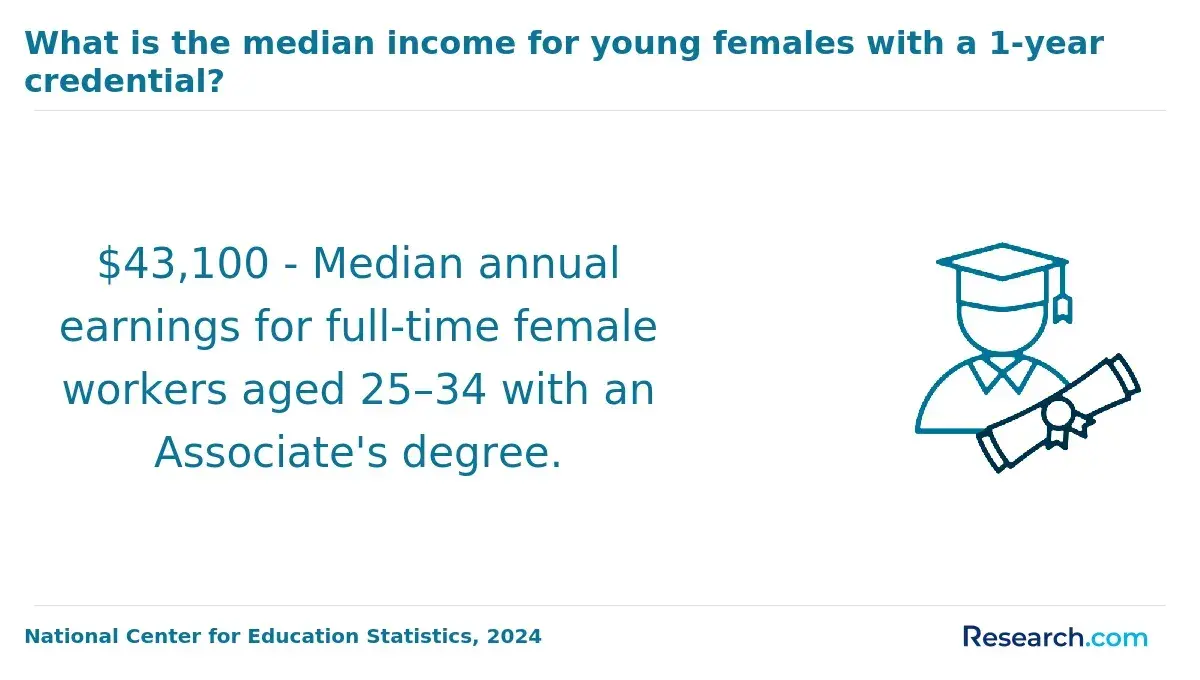
Cost of living is the reason the "highest-paying region" is not always the best financial choice. C2ER's 2024 cost-of-living research continues to show major differences across U.S. metro areas, especially in housing-heavy markets. For marketing graduates, this means salary should be evaluated as purchasing power, not just gross pay.
A practical way to compare regions is to adjust an offer for rent, commuting, taxes, student loan payments, and expected career growth. The table below shows how the same salary signal can produce different outcomes depending on local expenses.
| Regional Pattern | What It Means for Graduates | When It Can Be Worth It | When It Can Backfire |
| High salary, high cost | Common in New York, San Francisco, Seattle, Los Angeles, Boston, and similar markets. | Worth considering if the role gives access to elite employers, fast promotion paths, or specialized experience. | Risky if the offer is entry-level, rent consumes too much income, or the employer has limited advancement. |
| Moderate salary, moderate cost | Common in many Midwest, South Atlantic, and Mountain West metros. | Attractive when the region has multiple employers in your target industry. | Less ideal if the local market has few senior roles or weak employer diversity. |
| Lower salary, low cost | May be found in smaller metros and rural-adjacent markets. | Can work for remote-friendly roles, family support, or low debt graduates. | Can limit growth if most roles are generalist, low-budget, or small-business positions. |
Before accepting a role in a high-cost region, estimate take-home pay after rent and loan payments. A simple rule is to compare the salary increase against the full relocation cost and the recurring monthly cost increase, not just the headline raise.
Students considering graduate education should apply the same logic to tuition. For example, someone pursuing a master's in communication may improve access to leadership, corporate communications, or brand strategy roles, but the value depends on program cost, employer recognition, and whether the target region rewards that credential.
Entry-level and experienced marketing salaries differ sharply by region because early-career roles are often execution-heavy, while experienced roles involve budgets, revenue targets, team leadership, and strategy. BLS reported a $76,950 median annual wage for market research analysts in May 2024, which is a useful benchmark for research and analytics-oriented early career paths, though not a perfect proxy for every marketing graduate.
The table below compares how regional value tends to shift from entry-level to experienced marketing roles. This distinction matters because a region that is only average for entry-level pay may become highly attractive once you qualify for manager-level roles.
| Career Stage | Regions That Often Look Strongest | Why the Advantage Changes | Best Decision Strategy |
| Entry-level graduate | Affordable metros in the Midwest, South, and selected Mountain West markets. | Lower living costs can make coordinator, analyst, and specialist salaries easier to manage. | Prioritize training, portfolio-building, mentorship, and low debt pressure. |
| Early specialist | Large metros with many employers in tech, healthcare, finance, retail, or B2B services. | Specialized skills such as paid search, CRM, analytics, and content strategy can command stronger pay. | Choose regions with multiple employers so you are not dependent on one company. |
| Manager or senior manager | West Coast, Northeast, major Southern headquarters cities, and larger Midwest business hubs. | Employers pay more for budget ownership, campaign strategy, and cross-functional leadership. | Compare total compensation, bonus potential, equity, and promotion timeline. |
| Director or executive track | Headquarters-heavy regions and major industry clusters. | Senior pay depends heavily on company size, revenue responsibility, and industry margins. | Target regions with corporate headquarters, not just branch offices. |
New graduates should be careful not to overpay for access to an expensive market if the first job does not build transferable skills. A lower-cost region with strong mentorship and measurable campaign experience can be a better first move than a higher-cost city with a narrow assistant role.
For graduates interested in research, teaching, consulting, or executive-level expertise later in their careers, an online doctorate may be relevant in limited cases. It is usually not necessary for most marketing roles, so the ROI should be judged against a specific career goal rather than prestige alone.
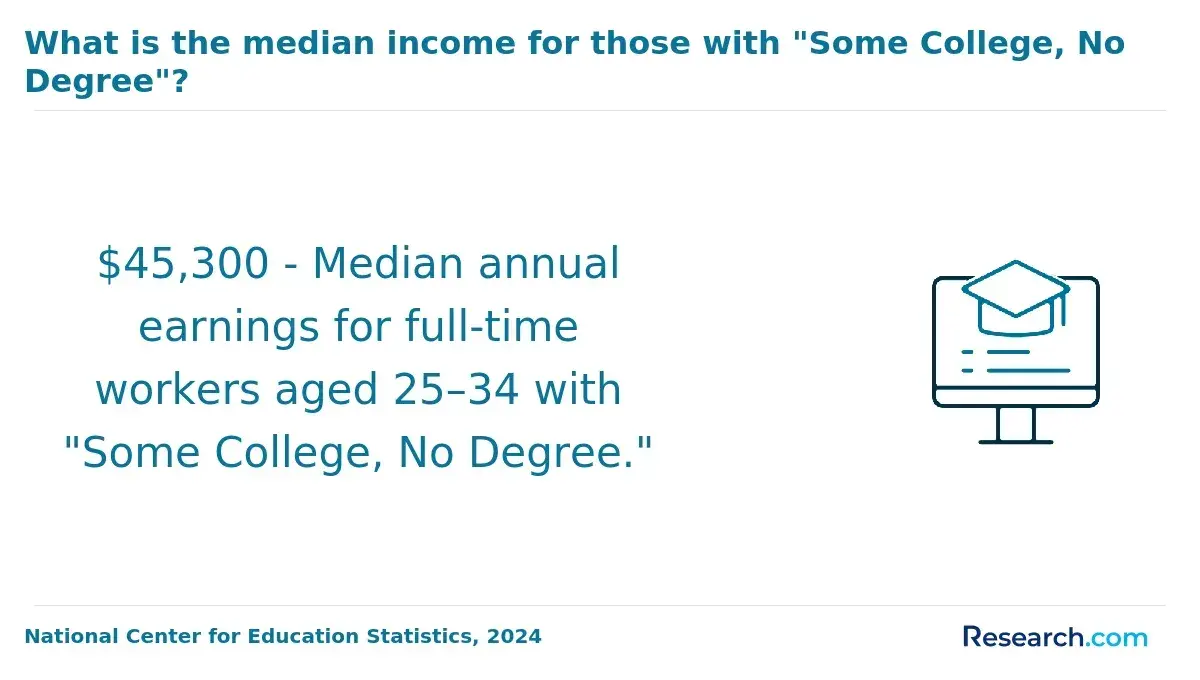
The best ROI region for a marketing degree is not always the region with the highest wage. ROI depends on education cost, student debt, time to promotion, local salary growth, and whether the region has enough employers to support career mobility. College Board's 2024-25 pricing data reported average published tuition and fees of $11,610 for in-state public four-year students, $30,780 for out-of-state public students, and $43,350 for private nonprofit four-year students. Those differences can substantially change how long it takes a graduate to recover education costs.
The table below compares regional ROI patterns for marketing graduates. It focuses on practical value: where a graduate may be able to combine reasonable education costs, manageable living expenses, and strong career opportunity.
| Region Type | ROI Strength | Best For | Main Risk |
| In-state public university plus strong local metro | Often strong | Students who can limit debt and access internships near employers. | Career options may be narrower if the local industry base is limited. |
| High-cost coastal market after graduation | Potentially strong for high performers | Graduates entering tech, finance, media, consulting, or major brand roles. | High rent can delay debt repayment if salary growth is slow. |
| Midwest or Southern business hub | Often strong on cost-adjusted basis | Graduates seeking lower living costs and steady corporate opportunities. | May require careful employer targeting to avoid low-growth generalist roles. |
| Small market with limited employers | Mixed | Graduates with remote roles, family support, or entrepreneurial goals. | Fewer promotions and less salary competition among employers. |
To estimate your own ROI, compare the total cost of the degree with realistic first-job pay, expected loan payments, rent, and the number of employers hiring for your target role. The strongest ROI usually appears when you combine low education cost with a region that has multiple internship pipelines and employers in higher-paying industries.
A red flag is choosing an expensive program solely because it is located in a high-salary region. Regional access can help, but internships, employer partnerships, alumni networks, accreditation, portfolio outcomes, and debt load matter more than location alone.
Relocating can be financially worthwhile for marketing graduates, but only when the move improves both earning potential and career trajectory. A higher salary is not enough if the role is unstable, the metro is expensive, or the job does not build skills that lead to the next promotion.
Before relocating, compare the offer against your current or alternative region using a structured checklist. These steps help you avoid the common mistake of treating salary as the only variable.
- Calculate the salary difference after estimated taxes, rent, utilities, transportation, insurance, and student loan payments.
- Estimate one-time relocation costs, including moving, deposits, temporary housing, travel, and lost income between jobs.
- Check whether the region has several employers hiring for your specialization, not just the company making the offer.
- Evaluate whether the role builds measurable skills such as analytics, campaign ownership, CRM experience, budget management, or product launch work.
- Compare promotion paths and total compensation, including bonuses, equity, retirement match, professional development, and remote-work flexibility.
Relocation tends to make the most sense when the new region offers a stronger industry cluster and the role gives you experience that would be difficult to gain locally. It makes less sense when the salary bump is small, the cost increase is large, or the role is a lateral move without better responsibilities.
Graduates should also watch for "prestige traps." A famous city or employer can help a résumé, but it should not justify excessive debt, unsustainable rent, or a job with weak training. The best relocation decision improves both your current finances and your next two career moves.
Skills can increase the regional wage advantage because they make a graduate valuable across industries and locations. As AI tools become more common in content production, ad optimization, customer segmentation, and reporting, employers increasingly reward marketers who can combine creativity with data, strategy, and ethical technology use.
The most valuable skills are those that connect marketing work to revenue, retention, or measurable customer behavior. Graduates who want stronger regional pay should build a portfolio around the following skill clusters.
- Marketing analytics: GA4, dashboards, attribution basics, A/B testing, customer segmentation, and performance reporting.
- Paid acquisition: search advertising, paid social, budget pacing, landing page testing, and return-on-ad-spend analysis.
- Marketing operations: CRM, email automation, lead scoring, lifecycle campaigns, data hygiene, and sales alignment.
- Product and growth marketing: positioning, user research, go-to-market planning, onboarding, retention, and pricing support.
- Strategic communication: brand messaging, executive presentations, crisis communication, and audience-specific storytelling.
- AI-enabled workflow: prompt evaluation, content quality control, audience research, personalization, and responsible use of generative tools.
Credentials can help when they verify practical skills, but they rarely replace a strong portfolio. Employers usually want evidence: campaign results, sample dashboards, writing samples, research briefs, case studies, internship outcomes, and examples of cross-functional collaboration.
It is also important to distinguish marketing from licensed counseling or therapy fields, where program accreditation and state requirements can be central to eligibility. Students comparing regulated fields may research marriage and family therapy online programs accredited, but marketing roles typically depend more on employer expectations, portfolio quality, internships, and business results than on licensure.
Regions expected to see faster marketing salary growth are usually those with expanding business formation, population growth, corporate relocations, technology adoption, and healthcare or financial services expansion. BLS projects employment for advertising, promotions, and marketing managers to grow 8% through 2033, faster than the average for all occupations, which suggests continued demand for professionals who can help organizations compete for customers.
The table below identifies regional growth patterns rather than promising specific future salaries. Use it to compare where demand may strengthen, but verify local job postings before making a relocation or enrollment decision.
| Growth-Oriented Region Pattern | Why Marketing Pay May Rise | Best-Fit Graduates | What to Verify Locally |
| Fast-growing Southern metros | Population growth and corporate migration can increase competition for customers and talent. | Graduates interested in healthcare, fintech, real estate, hospitality, logistics, and local brand growth. | Whether salaries are rising enough to match housing growth. |
| Mountain West technology and lifestyle markets | SaaS, healthcare, tourism, and direct-to-consumer brands need digital acquisition and retention talent. | Graduates with analytics, paid media, content, and lifecycle marketing skills. | Whether housing costs have reduced the affordability advantage. |
| Midwest headquarters and healthcare hubs | Established employers need modernization in digital, CRM, and B2B marketing. | Graduates who want stable employers and cost-adjusted value. | Whether local employers have senior marketing ladders. |
| Coastal innovation hubs | High-margin industries continue to pay for specialized growth, product, and brand talent. | Graduates targeting high-ceiling roles in tech, finance, media, or consulting. | Whether compensation offsets rent, competition, and commute costs. |
A fast-growing region is not automatically the best choice. Growth can attract more applicants, raise housing costs, and create uneven wages across neighborhoods and industries. The best sign is not just more jobs; it is more quality jobs with clear advancement, training, and compensation growth.
Students should choose a region by matching career goals with affordability, employer concentration, and skill development opportunities. The best region for a brand strategist may not be the best region for a marketing analyst, and the best region for an entry-level graduate may not be the best region five years later.
A practical decision process can prevent expensive mistakes. Use the steps below before choosing a college location, internship market, first job region, or relocation target.
- Define your target marketing path, such as analytics, brand, product marketing, content, paid media, communications, or marketing operations.
- Identify regions where that path is connected to strong industries, such as tech on the West Coast, finance in the Northeast, healthcare in the South, or manufacturing in the Midwest.
- Compare realistic first-role salaries with rent, transportation, taxes, and student loan payments instead of using average wages alone.
- Check internship density, alumni networks, employer partnerships, and whether local companies hire entry-level graduates or mostly experienced professionals.
- Review promotion paths by scanning job postings for manager, senior manager, and director roles in the same region.
- Build a portfolio that fits the region's strongest industries, such as dashboards for analytics markets or B2B case studies for manufacturing and logistics regions.
- Reassess after 18 to 24 months, because the best early-career region may differ from the best region for senior compensation.
Who should prioritize high-salary regions? Graduates targeting product marketing, growth marketing, finance, consulting, media, or executive-track roles may benefit from coastal and headquarters-heavy markets, especially if they can control living costs or secure strong total compensation.
Who should prioritize affordability? Graduates with higher student debt, family obligations, or early-career uncertainty may benefit from lower-cost regions with enough employer diversity to support learning and advancement. For many students, the smartest first move is not the highest salary; it is the role that builds marketable skills without creating financial strain.
The biggest red flags are choosing a region based only on salary, ignoring cost of living, assuming every city in a state has the same employer demand, and overlooking industry concentration. A strong marketing career is built through a sequence of good decisions: affordable education, relevant internships, measurable skills, strategic job selection, and periodic reassessment of regional opportunity.
Industry is one of the strongest drivers of the regional wage advantage. Two graduates with similar marketing degrees can see very different pay outcomes if one works in enterprise software or finance while the other works for a small local retailer with a limited marketing budget.
The highest-paying marketing markets are usually built around industries where customer acquisition, brand trust, pricing strategy, and data-driven growth have a direct financial impact. The table below shows which industries most often create wage premiums in different regions.
| Region | Industries That Often Raise Marketing Pay | Why They Pay More |
| West Coast | Technology, SaaS, gaming, entertainment, venture-backed startups, consumer platforms. | Marketing supports user growth, subscriptions, product launches, and global brand positioning. |
| Northeast | Finance, insurance, media, consulting, pharmaceuticals, higher education, healthcare systems. | Employers need regulated messaging, brand credibility, segmentation, and high-value client acquisition. |
| Midwest | Manufacturing, healthcare, insurance, retail headquarters, logistics, agriculture technology. | B2B marketing, channel strategy, and account-based marketing can carry strong business value. |
| South | Healthcare, hospitality, fintech, logistics, energy, real estate, sports and entertainment. | Population growth and business migration increase demand for customer acquisition and regional branding. |
| Mountain West | SaaS, outdoor recreation, tourism, healthcare, direct-to-consumer brands. | Growing metros need digital marketing, community building, and performance marketing talent. |
The practical takeaway is to search by industry first, then region. A marketing graduate who wants high wage growth should not only ask "Where are salaries highest?" but also "Which industries in this region have the budget and career ladder to pay marketing professionals more over time?"
Business-oriented graduate credentials can also matter in industries that expect marketers to understand finance, operations, and leadership. If a graduate is comparing management-focused programs while working full time, an easiest online MBA program may be worth reviewing, but "easy" should never replace accreditation, employer reputation, and measurable career fit.
Other Things You Should Know About Marketing
The West Coast and Northeast usually offer the highest nominal salaries, especially in tech, finance, media, and consulting. However, parts of the South and Midwest may offer stronger cost-adjusted value because living expenses can be lower.
It can be, especially if you keep education costs manageable and build skills in analytics, paid media, CRM, content strategy, or product marketing. Regional ROI depends on debt, local employers, internships, and advancement opportunities.
Relocation can make sense if the new role improves salary, skill development, and future promotion options. It is less attractive when higher rent, moving costs, and weak job responsibilities erase the salary gain.
Analytics, paid search, CRM, marketing automation, performance reporting, product marketing, and strong business communication are highly portable. These skills help graduates compete in both high-salary coastal markets and more affordable regional hubs.
See What Experts Have To Say About Studying Marketing
Read our interview with Marketing experts

Aidin Namin, Ph.D.
Marketing Expert
Associate Professor of Marketing Analytics
Loyola Marymount University

Sonya A. Grier, Ph.D.
Marketing Expert
Professor, Department of Marketing
American University

- Top 15 Highest Paying Marketing Jobs in 2025 https://www.lupahire.com/blog/highest-paying-marketing-jobs
- Demographic Factors (1.3.6) | AQA A-Level Business Notes | TutorChase https://www.tutorchase.com/notes/aqa-a-level/business-studies/1-3-6-demographic-factors
- Average Marketing Salary For US And By State - MarketingHire https://marketinghire.com/salary-hiring-research-trends/average-marketing-salary-and-total-marketing-jobs-for-all-50-states
- New Evidence Shows Internal Labor Markets Favor Higher-Wage over Lower-Wage Workers | WorkRise https://workrisenetwork.org/working-knowledge/new-evidence-shows-internal-labor-markets-favor-higher-wage-over-lower-wage
- Job Market’s Effect on the Economy | U.S. Bank https://www.usbank.com/investing/financial-perspectives/market-news/effect-of-job-market-on-the-economy.html
- Stopgap Blog | The best sectors for marketing salaries revealed https://www.stopgap.co.uk/article/the-best-sectors-for-marketing-salaries-revealed
- Marketing vs Business Degree. Which one is a good major? | Student Reviews & University Rankings EDUopinions https://www.eduopinions.com/blog/what-to-study/marketing-vs-business-degree-which-is-better-for-career-prospects/
- Creative Industries 2025 Salary Census | Major Players https://www.majorplayers.co/en/the-creative-industries-census
- 10 Highest Paying Countries for Digital Marketing: Top Companies & Avg Salary https://www.instarem.com/blog/highest-paying-countries-for-digital-marketing/