2027 Marketing Degree Payback Report: Which Programs Deliver the Best Cost-to-Salary Return

Co-Founder and Chief Data Scientist
A marketing degree can pay off well, but only if the program cost matches the career path you want. The U. S. Bureau of Labor Statistics reported a May 2024 median annual wage of $76,950 for market research analysts and marketing specialists, making cost control especially important for students targeting entry-level roles.
This guide is for prospective undergraduate and graduate students comparing online, campus, public, private, associate, bachelor's, and master's options. You will learn which paths tend to deliver the strongest cost-to-salary return and how to avoid overpaying for a credential that does not improve your career options.
Key Things You Should Know
- The strongest marketing degree ROI usually comes from low-cost public in-state bachelor's programs, community college transfer pathways, and online programs that let students keep working while studying.
- Salary upside depends heavily on role: BLS May 2024 data places market research analysts and marketing specialists at a $76,950 median wage, while marketing managers are in a much higher-paying management category.
- Break-even time is driven more by total net cost than sticker tuition; grants, transfer credits, employer tuition support, internships, and paid work experience can change the payback period substantially.
- What Is the Return on Investment of a Marketing Degree?
- Which Marketing Programs Deliver the Best Cost-to-Salary Return?
What Is the Return on Investment of a Marketing Degree?
The return on investment of a marketing degree is the financial value you receive from the credential compared with what you spend to earn it. In practical terms, ROI asks whether the degree helps you access better jobs, higher wages, faster promotions, or more stable career options than you could reasonably obtain without it.
For marketing students, ROI is not only about the major name on the diploma. It depends on the program's total cost, the student's prior credits, internship access, employer connections, portfolio development, and the specific job target. A student aiming for social media coordinator roles may not need the same investment as someone targeting brand management, marketing analytics, product marketing, or graduate business roles.
A useful marketing degree payback formula is simple: compare your total out-of-pocket cost with the additional annual earnings you expect because of the degree. The result is a rough break-even period, not a guarantee. For example, if a student pays a modest net price and qualifies for analyst or specialist roles faster, the payback can be strong. If a student pays premium private tuition but enters the same early-career job market as lower-cost graduates, ROI may be weaker.
Marketing ROI is also affected by degree level. An associate degree can be a low-cost starting point, but many analyst, strategist, and management-track roles prefer or require a bachelor's degree. A master's degree can help with leadership, analytics, or career switching, but it usually delivers the best payback when the student already has work experience and a clear advancement goal. Students comparing management-focused graduate options may also want to evaluate whether the easiest online MBA program with a marketing concentration offers broader business value than a specialized marketing master's.
The main takeaway is that a marketing degree is most likely to pay back when it is affordable, career-connected, and aligned with a role where employers value both business knowledge and measurable skills.
Which Marketing Programs Deliver the Best Cost-to-Salary Return?
The best cost-to-salary return usually comes from programs that keep total cost low while still providing credible accreditation, strong career services, internships, analytics coursework, and employer-recognized skills. Because salary outcomes vary by school, region, and student experience, it is safer to compare program categories rather than assume any one institution type automatically has the best ROI.
The table below summarizes common marketing education paths and how they typically compare for payback. Use it as a decision filter before looking at individual schools.
| Program path | Typical ROI profile | Best fit | Main caution |
| Community college associate degree plus transfer to public bachelor's | Often among the strongest because the first two years can cost much less | Students who want a bachelor's degree but need to minimize debt | Credits must transfer cleanly into the target marketing program |
| Public in-state bachelor's in marketing | Strong when tuition is moderate and internship access is good | Students targeting entry-level analyst, coordinator, sales, or brand roles | Large programs may require more self-direction to secure internships |
| Accredited online bachelor's from a public or nonprofit university | Strong for working adults who can keep earning while studying | Transfer students, adult learners, military students, and career changers | Students should verify career support and employer recognition |
| Private nonprofit bachelor's in marketing | Can be worthwhile with large grants, strong placement, or elite networks | Students receiving substantial institutional aid or seeking a specific campus network | Sticker price can weaken payback if aid is limited |
| Master's in marketing or marketing analytics | Best when tied to promotion, analytics specialization, or career switching | Professionals with experience who need advanced business or data skills | Weak ROI if used as a substitute for entry-level experience |
| Graduate certificate in digital marketing or analytics | Can have a fast payback if low cost and skill-specific | Degree holders who need current tools, analytics, or platform skills | May not replace a degree for jobs requiring a bachelor's |
The highest-value programs tend to share several traits: regional accreditation, transparent net price, generous transfer credit policies, strong internship pipelines, and coursework in marketing analytics, consumer behavior, digital strategy, research methods, and campaign measurement. For students interested in messaging, public relations, media strategy, or audience research, a masters in communication may be a better fit than a marketing graduate degree, especially when the target role is communications leadership rather than revenue growth or market analytics.
A good rule is to choose the lowest-cost credible program that gets you to the roles you actually want. Paying more can make sense when the school provides a measurable advantage, such as a strong local employer network, required internships, specialized analytics labs, or a record of placing students in competitive marketing roles.
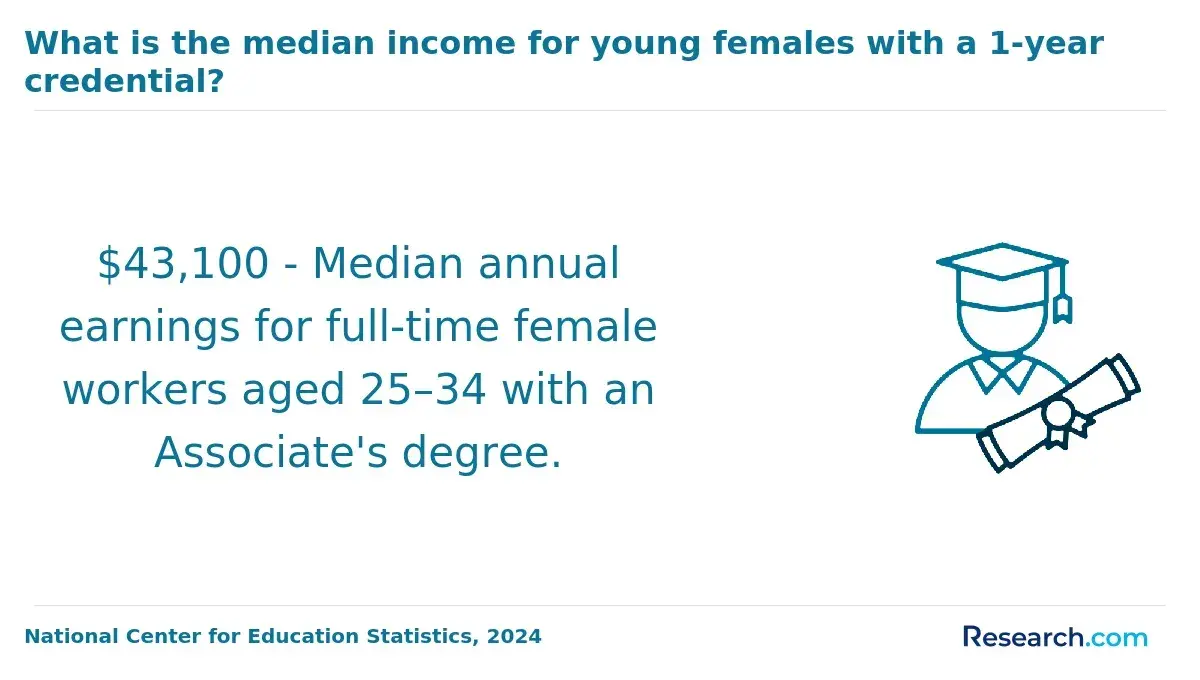
Tuition affects marketing degree payback because early-career marketing salaries can vary widely. A student who pays a low net price may break even quickly in a coordinator or analyst role, while a student who borrows heavily may need a higher-paying specialist, sales, analytics, or management path to justify the investment.
College Board's 2024 pricing report lists average published 2024-25 tuition and fees at $11,610 for public four-year in-state students and $43,350 for private nonprofit four-year students. That gap matters because many marketing graduates compete for similar entry-level roles regardless of institution type, so the lower-cost route often has a structural ROI advantage unless the higher-cost program offers substantial aid or stronger career outcomes.
The following table shows how major cost drivers affect payback. It focuses on the expenses and policies that most often change a student's real net cost.
| Cost factor | Why it matters for ROI | What to compare |
| Net price after grants and scholarships | This is more important than sticker tuition because it reflects what you actually pay | Financial aid offer, renewable scholarship rules, fees, and required materials |
| Transfer credit acceptance | Accepted credits can reduce both tuition and time in school | Course equivalency, maximum transfer credits, and residency requirements |
| Online versus campus attendance | Online study may lower relocation and commuting costs, especially for working adults | Technology fees, schedule flexibility, internship support, and local networking options |
| Part-time enrollment | Part-time study can preserve income but may extend the time before career gains arrive | Course rotation, financial aid eligibility, and employer reimbursement timelines |
| Internship access | Paid or credit-bearing internships can improve employability and reduce opportunity cost | Employer partners, required field experience, and career center support |
Students should also include indirect costs. Housing, transportation, lost wages, books, software, and unpaid internships can change the real payback period. Online programs may reduce some of these costs, but they are not automatically cheaper if per-credit tuition is high or if the program accepts few transfer credits.
The most common tuition mistake is choosing a program based on reputation alone without calculating net price. A better approach is to request a full cost estimate from each school and compare it against realistic salary targets for the jobs you plan to pursue.
Break-even time is the point when the added earnings or career value from a degree equals the total amount you paid for it. For marketing students, this timeline is highly personal because costs and salaries vary by school, region, work experience, industry, and job function.
A practical break-even estimate starts with three inputs: total net cost, expected annual earnings increase, and any income you give up while studying. If a program lets you keep working, the opportunity cost may be lower. If it requires full-time attendance and unpaid internships, the payback period may be longer even if tuition appears reasonable.
Here is a simple way to estimate your own payback period before enrolling. The steps help prevent the common mistake of focusing only on advertised tuition.
- Calculate total net cost, including tuition, fees, books, software, commuting, housing changes, and loan interest if you expect to borrow.
- Subtract grants, scholarships, employer tuition assistance, military benefits, and transfer-credit savings from the total.
- Identify the specific roles you will target after graduation and compare them with your current or likely non-degree earnings path.
- Estimate the annual earnings difference conservatively rather than using top-end salaries or management-level wages.
- Divide total net cost by the expected annual earnings difference to estimate the number of years needed to break even.
For example, a student who completes the first two years at a community college and transfers into an affordable public bachelor's program may have a much shorter payback window than a student who pays high tuition for all four years. The degree may be the same level, but the economics are different.
Graduate students should be even more careful. A master's degree can pay back when it leads to promotion, a shift into analytics, or access to management-track roles. It may not pay back quickly if the student has little work experience and uses the degree to enter the same jobs available to bachelor's graduates.
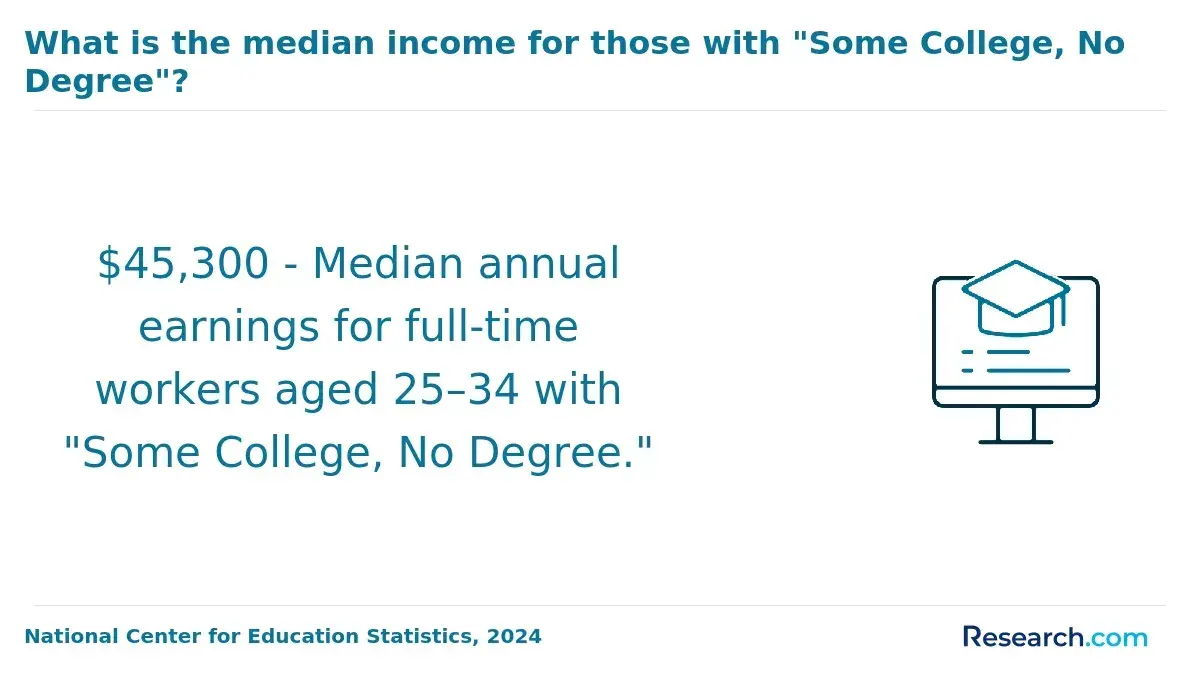
The biggest drivers of marketing degree ROI are the variables that affect either cost or employability. Students often focus on school name, but the strongest payback usually comes from the combination of affordability, skill relevance, work experience, and career alignment.
Use the following factors to evaluate whether a program is likely to deliver value for your goals. These are especially important when comparing schools with very different prices.
- Accreditation: Choose a regionally accredited institution, and consider business program accreditation such as AACSB, ACBSP, or IACBE when comparing business schools.
- Net price: Compare the actual cost after aid, not the advertised tuition rate.
- Transfer policy: Favor programs that accept prior credits, military learning, community college coursework, or relevant professional learning where appropriate.
- Career integration: Look for required internships, employer projects, portfolio assignments, marketing labs, or capstone work tied to real business problems.
- Analytics depth: Prioritize coursework in market research, statistics, consumer insights, marketing technology, data visualization, and campaign measurement.
- Flexibility: Online, evening, accelerated, or part-time formats can improve ROI if they let you continue earning income.
- Location and employer access: Local employer relationships can matter for internships, especially in metro areas with advertising, retail, healthcare, finance, technology, or consumer goods employers.
Common red flags include vague career outcomes, limited information about internship support, aggressive admissions pressure, unclear fees, poor transfer transparency, and programs that emphasize broad inspiration without teaching measurable skills. Another mistake is assuming online means low quality or low cost. Some online programs are excellent values, while others are expensive and offer limited career support.
Students considering long-term academic or executive paths should also be realistic about credential stacking. An online doctorate may make sense for research, teaching, consulting, or senior leadership goals, but it is usually not necessary for standard marketing entry-level or mid-career roles.
Employer demand affects marketing degree value because the credential pays back faster when it leads into occupations with steady hiring and upward mobility. Marketing is broad, so demand is strongest for graduates who can connect customer insight, digital channels, analytics, and revenue outcomes.
BLS projects employment for market research analysts to grow 8% from 2023 to 2033, faster than the average for all occupations. For students, this means research and analytics-oriented marketing programs may offer a stronger labor-market signal than programs focused only on general promotion or creative messaging.
Employers commonly hire marketing graduates in industries such as technology, retail, healthcare, finance, media, professional services, manufacturing, hospitality, and nonprofit organizations. The job titles vary, but the underlying employer need is consistent: organizations need people who understand customers, position products, measure campaigns, and communicate value.
AI and automation are changing this demand rather than removing it. Routine content drafts, basic ad variations, audience reports, and campaign testing can increasingly be assisted by software. The higher-value work is moving toward strategy, interpretation, experimentation, ethics, brand judgment, and cross-functional communication. A marketing degree has stronger ROI when it teaches students how to manage these tools, not just how to create promotional materials.
Students should also compare marketing with adjacent helping, business, or communications fields before committing. For example, someone motivated by counseling and family systems would need a different education path, and should examine marriage and family therapy online programs accredited rather than assuming a marketing degree can lead to licensed mental health work.
Students can improve the financial value of a marketing degree by reducing total cost and increasing career readiness before graduation. The best strategy is not simply to choose the cheapest program; it is to choose the most affordable credible program that produces marketable skills and work experience.
Before enrolling, take these steps to protect your ROI and avoid expensive mistakes.
- Confirm regional accreditation and check whether the business school has recognized programmatic accreditation.
- Ask for a written net price estimate that includes fees, required technology, books, and expected annual tuition increases.
- Request a transfer credit evaluation before committing, especially if you have community college or prior college credits.
- Ask how many marketing students complete internships, paid projects, or employer-sponsored capstones.
- Review the curriculum for analytics, market research, consumer behavior, digital marketing, marketing technology, and campaign measurement.
- Build a portfolio with campaign plans, dashboards, research briefs, content samples, and measurable project outcomes.
- Use electives to add complementary skills such as statistics, business analytics, sales, communication, finance, psychology, or computer information systems.
- Compare graduate programs only after identifying the promotion, specialization, or career change the degree is supposed to support.
During the program, treat every course as a portfolio opportunity. Employers may not ask about every class, but they often respond well to evidence that you can solve practical problems. A campaign audit, customer survey analysis, paid search simulation, content strategy, or product launch plan can be more persuasive than a transcript alone.
Students should also use internships strategically. A lower-paid internship in a high-growth industry can sometimes be more valuable than a generic campus job if it builds relevant experience. However, unpaid internships should be evaluated carefully because they increase opportunity cost and may limit access for students who need income.
The best financial move is to graduate with both the credential and proof of capability. A marketing degree without experience can still open doors, but a degree plus internships, analytics projects, and strong communication samples usually provides a better launch point.
A marketing degree can offer strong ROI, but it is not the best choice for every student interested in business, communication, or customer-facing work. Similar fields may offer better returns depending on whether the student prefers analytics, management, creative strategy, sales, public communication, or technical work.
The table below compares marketing with adjacent fields from an ROI perspective. It highlights how each option tends to differ in skill focus and career payoff.
| Field | Best for | ROI strengths | When it may be a weaker fit |
| Marketing | Students interested in customers, campaigns, brands, research, and growth strategy | Flexible career paths across many industries | Weaker if the program lacks analytics, internships, or business depth |
| Business administration | Students who want broad business roles or management flexibility | Can support operations, management, sales, entrepreneurship, or generalist roles | May be less targeted for specialized marketing jobs |
| Marketing analytics or business analytics | Students who enjoy data, dashboards, testing, and customer insight | Often strong for demand in data-informed decision-making | May be too quantitative for students who prefer creative or relationship-based work |
| Communications | Students interested in media, messaging, public relations, internal communication, or audience engagement | Strong for writing, public messaging, and organizational communication | May provide less business analytics or revenue strategy training |
| Sales or professional selling | Students who like relationship-building, negotiation, and revenue targets | Can produce fast earnings growth for high performers | Compensation may be variable and performance-based |
| Computer information systems | Students who want technical business roles, platforms, data systems, or marketing technology | Strong fit for marketing operations, CRM, automation, and analytics roles | Less focused on consumer psychology and brand strategy |
Marketing often works best for students who want a blend of creativity, business, research, and communication. Students who primarily want leadership may prefer business administration. Students who want writing, media, or public relations may prefer communications. Students who want stronger quantitative upside may consider analytics-focused programs.
One practical comparison is to look at the first job you want after graduation. If the target job title includes analyst, insights, growth, lifecycle, marketing operations, or performance marketing, choose a program with substantial data and technology coursework. If the target job title includes communications specialist, public relations coordinator, or content strategist, communications coursework may provide better alignment.
A marketing degree is worth it when it helps you enter or advance in roles where employers value business knowledge, customer insight, communication, digital tools, and measurable campaign performance. It is most financially attractive when the degree is affordable, the program is accredited, and the student graduates with experience and a portfolio.
It may be a strong fit if you want to work in market research, digital marketing, brand strategy, product marketing, sales enablement, marketing operations, or customer growth. It can also fit entrepreneurs and small-business owners who want to understand customer acquisition, positioning, pricing, and promotion.
It may not be the best investment if you are unsure about business careers, dislike data and performance measurement, or plan to enroll in a high-cost program without scholarships or a clear career outcome. It may also be less useful if your target field requires a different credential, license, or technical degree.
Before committing, ask admissions and career staff direct questions. The answers should be specific enough to help you compare programs, not just promote the school.
- What is the total estimated net cost for my full program after transfer credits and aid?
- Which employers have recently hired marketing students for internships or entry-level roles?
- Does the curriculum include analytics, market research, digital marketing tools, and portfolio-building projects?
- How does the program support online students, working adults, or transfer students in finding internships?
- What career outcomes does the school track for marketing graduates, and how recent are those outcomes?
- Are scholarships renewable, and what GPA or enrollment rules could affect my aid?
The smartest choice is the program that meets your career goal at the lowest responsible cost. For many students, that means a public in-state or affordable online bachelor's program with strong transfer policies and internship support. For others, a specialized master's, MBA concentration, or certificate may make sense after work experience clarifies the next step.
Overall, a marketing degree can deliver a solid cost-to-salary return, but the degree should be treated as an investment decision. Calculate the net cost, verify the career pathway, build experience before graduation, and choose the program that improves your options without creating unnecessary debt.
Marketing graduate earnings depend on job function. The major can lead to market research, digital marketing, advertising, sales, brand management, product marketing, public relations, customer success, and marketing operations. Roles that combine marketing with data analysis, revenue strategy, product knowledge, or management responsibility generally have stronger salary upside.
BLS May 2024 data reports a median annual wage of $76,950 for market research analysts and marketing specialists. This is a useful benchmark because many bachelor's-level marketing graduates move toward research, campaign analysis, customer insight, or digital performance roles, but it should not be read as an entry-level guarantee.
The table below compares common marketing-related paths and how they usually function in the labor market. It is intended to help students connect degree choice to career direction rather than treating "marketing" as one single job.
| Career path | Typical responsibilities | Degree relevance | ROI note |
| Marketing coordinator | Supports campaigns, events, content calendars, reporting, and vendor coordination | Bachelor's degree often helps for entry-level screening | Good starting path, but payback depends heavily on degree cost |
| Market research analyst | Studies customer behavior, market trends, competitors, and survey or sales data | Marketing, business analytics, statistics, or related coursework is valuable | Often stronger ROI when the program includes analytics and research methods |
| Digital marketing specialist | Manages search, paid media, email, social, conversion tracking, and campaign metrics | Degree plus platform skills and portfolio evidence can be useful | Fast-changing tools make practical projects important |
| Brand or product marketing associate | Supports positioning, launches, customer segmentation, and go-to-market planning | Business, marketing strategy, and consumer behavior coursework can help | Internships and industry exposure can matter as much as coursework |
| Marketing manager | Leads teams, budgets, strategy, market planning, and performance targets | Bachelor's degree is common, while graduate study may help in some organizations | Typically requires experience; the degree alone is not enough |
Students should think of the degree as a platform, not the full career package. Employers often look for evidence that you can interpret data, understand customers, write clearly, manage campaigns, use marketing technology, and connect marketing work to business outcomes.
Current technology trends make this even more important. AI tools are increasingly used for audience segmentation, content testing, campaign optimization, customer research, and reporting. That does not eliminate the value of marketing education, but it raises the bar: students should graduate able to use data, evaluate AI-generated outputs, protect brand voice, and make ethical decisions about targeting and customer privacy.
Other Things You Should Know About Marketing
A bachelor's degree can qualify students for many entry-level marketing, research, sales, and communications roles, but employers often prefer candidates with internships, analytics skills, writing samples, and campaign experience.
Yes, it can be respected if it comes from a regionally accredited institution and includes rigorous coursework. Employer perception usually depends more on accreditation, skills, experience, and portfolio quality than on whether courses were online.
A marketing bachelor's degree is usually better for entering the field. An MBA with a marketing focus may be better for experienced professionals seeking management, strategy, or cross-functional business leadership roles.
The fastest way is to reduce net cost while gaining experience before graduation. Transfer credits, scholarships, employer tuition support, paid internships, analytics projects, and a strong portfolio can all improve payback.
See What Experts Have To Say About Studying Marketing
Read our interview with Marketing experts

Sonya A. Grier, Ph.D.
Marketing Expert
Professor, Department of Marketing
American University

Aidin Namin, Ph.D.
Marketing Expert
Associate Professor of Marketing Analytics
Loyola Marymount University

- What is the salary after a Master in marketing? - ESCE https://www.esce.fr/en/faq-all-the-answers-to-your-questions/what-is-the-salary-after-a-master-in-marketing/
- Marketing and Communication Degree Careers and Salary in Europe - StudyinEurope.eu https://www.studyineurope.eu/marketing-communication/marketing-communication-degree-careers-salary-europe/
- What is the average starting salary for graduates from the Master's in Marketing program? https://mentr-me.com/question/what-is-the-average-starting-salary-for-graduates-from-th
- The Labor Market for Recent College Graduates https://www.newyorkfed.org/research/college-labor-market
- What is the typical debt load for graduates of four-year public universities - APLU https://www.aplu.org/our-work/4-policy-and-advocacy/publicuvalues/student-debt/
- Average Cost of College [2025]: Yearly Tuition + Expenses https://educationdata.org/average-cost-of-college
- Employment statistics for graduates: how country and major shape your career - GLOSS Education Agency https://gloss.education/en/blog/employment-statistics-for-graduates-how-country-and-major-shape-your-career
- Marketing salaries: The trends you need to know about - EMR | Marketing, Digital & Communications Recruitment Agency https://www.emrrecruitment.co.uk/marketing-salaries-the-trends-you-need-to-know-about/
- What Majors Have the Highest Student Loan Debt? | SoFi https://www.sofi.com/learn/content/student-debt-by-majors/