2027 Most Affordable Online Marketing Degree Programs Ranking in Virginia

Co-Founder and Chief Data Scientist
Choosing the right marketing degree program can feel overwhelming, especially when considering online options in Virginia. This article introduces the 2027 Most Affordable Online Marketing Degree Programs Ranking in Virginia, created by the Research.com team of data scientists to help you make an informed decision.
Discover programs that balance quality and affordability, so you can invest wisely in your education. A marketing degree opens many doors, offering skills that are valued across industries.
Explore your options confidently and take a step closer to a rewarding career in marketing.
Key benefits of getting online marketing degree in Virginia
- Graduates with an online marketing degree in Virginia can expect competitive salaries, such as $83,190 annually for Marketing Assistants and Digital Marketing Specialists, and up to $159,420 for Public Relations Specialists, offering financial motivation to pursue these careers.
- Career paths for marketing degree holders range widely, including roles like Sales Associate, Media Planner, and PR Specialist, providing versatile opportunities to match different interests and strengths.
- Completing a marketing degree online offers flexibility and convenience without compromising quality, ideal for those balancing work or family commitments while still gaining valuable skills from recognized Virginia universities.
- 2027 Most Affordable Online Marketing Degree Programs Ranking in Virginia
- What can I expect from online marketing degree in Virginia?
- Where can I work with online marketing degree in Virginia?
What can I expect from online marketing degree in Virginia?
The average cost of an online marketing degree in Virginia varies but generally remains affordable, especially for in-state residents who benefit from reduced tuition rates. Many public universities offer bachelor's programs requiring around 120 credit hours, with tuition ranging from approximately $8,000 to $15,000 annually for in-state students. Graduates from these programs often highlight how financial accessibility allowed them to balance work and studies without excessive debt.
Private colleges in Virginia typically charge higher tuition but may provide targeted scholarships for marketing students, easing the financial burden. Online formats further enable students to maintain full-time employment while progressing through their degree, a point frequently emphasized by recent graduates who value the flexibility and steady income during their studies.
Some students report leveraging internships and virtual projects tied to Virginia's dynamic industries, which enhance their learning experience without incurring additional costs. This combination of affordable tuition, scholarship opportunities, and practical engagement makes pursuing an online marketing degree in Virginia a financially feasible and rewarding option.
Where can I work with online marketing degree in Virginia?
Graduates with an online marketing degree from institutions such as George Mason University or Virginia Commonwealth University find diverse employment opportunities throughout Virginia's robust economy. Many secure roles in Northern Virginia's dynamic marketing sector, working for government contractors, non-profits, or digital agencies-where managing public relations and online campaigns is central to daily tasks.
Graduates often describe thriving in positions like digital marketing coordinator or SEO analyst within major companies like Northrop Grumman or Booz Allen Hamilton, where strategic content development and data-driven marketing play key roles. Others flourish in healthcare or finance industries, leveraging marketing skills to design patient engagement initiatives or customer acquisition strategies.
Alumni describe the excitement of applying classroom knowledge to real-world projects, such as launching product campaigns for Amazon's regional facilities or crafting social media strategies for local startups. Many appreciate the flexibility to work in-house, agencies, or freelance, with the state's strong tech and defense sectors offering steady demand for innovative marketing talent.
Graduates with an online marketing degree in Virginia can anticipate strong earning potential across several key roles. Marketing Assistants and Digital Marketing Specialists, common entry points for recent graduates, have mean annual wages around $83,190, reflecting the growing demand for digital expertise in the state. Media Planners command similar salaries, also averaging $83,190, benefiting from Virginia's vibrant media and advertising sectors.
More specialized positions, such as Public Relations Specialists, offer significantly higher compensation, with mean annual wages reaching $159,420. This considerable difference highlights the value of targeted skills and experience. Sales Associates, another option for marketing graduates, report average earnings of $53,280 per year, illustrating the variety of career pathways available in the Virginian market.
Graduates from prominent Virginia institutions often share positive feedback about the blend of rigorous academic training and real-world application they experienced. For instance, those studying marketing online through universities with strong ties to Washington D.C. agencies find themselves well-prepared to enter government contracting or tech sectors, where salary levels are competitive and career advancement opportunities abundant.
- Tuition for online marketing degrees in Virginia ranges from $8,000 to $12,000 per year at public universities and often exceeds $20,000 at private schools.
- The average starting salary for entry-level marketing professionals in Virginia is about $50,000 annually.
- With experience, marketing salaries in Virginia can rise to between $75,000 and $85,000 within five to ten years.
- Marketing job growth in Virginia is projected at around 6% over the next decade, slightly above the national average.
- Key marketing job hubs in Virginia include Richmond, Northern Virginia, and Hampton Roads.
- Online marketing programs in Virginia often include internships, networking opportunities, and state financial aid options for residents.
Completing an online marketing degree in Virginia typically takes around four years for a full-time student pursuing a bachelor's degree, aligning with the standard U.S. academic timeline. Graduates from institutions like Old Dominion University or George Mason University often share how flexible scheduling enabled them to balance work and study, making the journey manageable and rewarding.
Associate degrees at community colleges such as Northern Virginia Community College generally require two years of full-time study, offering a strong foundation in marketing principles that's ideal for early-career professionals. For those advancing to graduate studies, master's programs usually take between one and two years full-time, with part-time options extending up to three years depending on the individual's pace.
Many Virginia schools facilitate accelerated paths, allowing motivated students to finish sooner by enrolling in summer sessions. The opportunity to transfer credits-sometimes up to 90-also helps reduce completion times significantly, which graduates often describe as a motivating factor that eased their academic load and expedited entry into the workforce.
Marketing students in Virginia face distinct experiences depending on whether they choose online or on-campus degrees. Online programs, such as those offered by popular public universities in Virginia, attract many who appreciate the flexibility to study while managing work or family life. Graduates from these online tracks often praise the ability to learn at their own pace, though they emphasize the need for strong self-discipline and time management to stay engaged without face-to-face interaction.
Conversely, on-campus students frequently mention the benefits of direct access to professors and the vibrant campus environment. At institutions well-known for their marketing programs, such as those located in Richmond or Fairfax, students value networking opportunities forged through in-person group projects and career center resources. Smaller class sizes encourage lively discussions, fostering collaboration and deeper learning.
Both paths maintain rigorous accreditation standards endorsed by Virginia's Department of Education, ensuring degree recognition by employers. While on-campus options may offer local internships that build resumes, online learners often engage in virtual projects that develop comparable hands-on skills, reflecting the evolving landscape of marketing education in Virginia.
In Virginia, the average cost of an online marketing degree varies significantly depending on the type of institution attended. For public universities, in-state students typically pay annual tuition fees ranging from $8,000 to $12,000, making these programs a cost-effective choice for many Virginians. Graduates from institutions such as Virginia Commonwealth University and Old Dominion University often express satisfaction with the balance of affordability and quality offered by these programs. Out-of-state students should expect higher tuition, sometimes double the in-state rates.
Private colleges offering online marketing degrees in Virginia tend to be more expensive, with annual tuition fees between $20,000 and $35,000. Despite the higher price point, many students value the personalized support and extensive resources these schools provide, often translating into positive career outcomes.
Most online marketing degree programs require about 120 credit hours to complete, resulting in a total cost around $30,000 to $50,000 for in-state students at public universities. Additional fees-such as textbooks, technology, and online-specific charges-can add $500 to $1,500 per year. These extra expenses are important considerations when budgeting for an affordable online marketing degree programs Virginia residents might pursue.
Many students leverage financial aid programs offered by the State Council of Higher Education for Virginia (SCHEV), scholarships, and employer tuition assistance to reduce expenses. For those interested in advanced business education options, exploring an mba degree onlinecost can be a strategic next step after completing an online marketing degree.
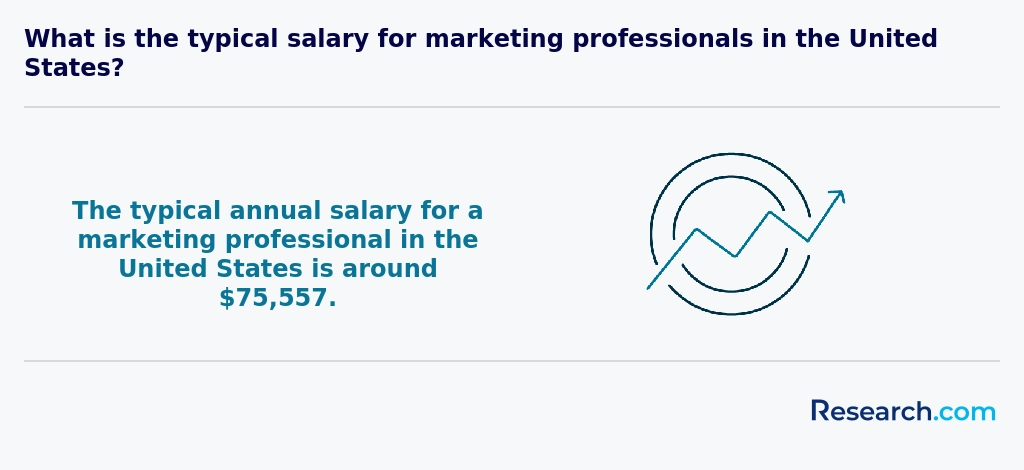
Students pursuing an online marketing degree in Virginia frequently access a range of financial aid options that ease their financial burden. For instance, graduates from institutions like George Mason University often benefit from federal aid programs, including Pell Grants and Direct Student Loans, which require FAFSA completion. These grants can cover up to $7,395 annually, offering vital need-based support without repayment obligations.
State-level assistance like the Virginia Tuition Assistance Grant (VTAG) is another key resource, primarily supporting private colleges but also accessible through alternative scholarships at some online schools. Many students attending community college partner programs enjoy in-state tuition rates often below $5,000, making education affordable and attainable.
Universities commonly offer merit-based scholarships ranging from $1,000 to full tuition, rewarding academic excellence and dedication. Employers in Virginia also frequently provide tuition reimbursement, motivating students whose professional roles align with marketing studies. Online marketing students share how exploring institutional aid and private scholarships dramatically enhanced their academic journey with reduced stress and increased focus on career goals.
Enrolling in an online marketing degree program in Virginia typically requires completing key academic prerequisites designed to prepare students for success. Undergraduate applicants must hold a high school diploma or equivalent, with many institutions seeking a cumulative GPA around 2.5 to 3.0 or higher. For example, graduates from universities like Old Dominion University have found that demonstrating proficiency in English and basic math helped them confidently engage in coursework focused on communication and data analysis.
While some schools may request SAT or ACT scores, this requirement is often waived or flexible, reflecting the growing trend toward test-optional admissions since 2020. Veterans of online marketing programs at James Madison University recount submitting official transcripts, personal statements, and recommendation letters as essential steps to illustrate their dedication and motivation.
Graduate applicants usually need a bachelor's degree and sometimes GRE or GMAT scores, although work experience and strong undergraduate records can exempt these tests. Emphasizing relevant business or statistics knowledge, Virginia programs align prerequisites with local industry demands, helping students feel prepared and optimistic about entering a thriving marketing job market.
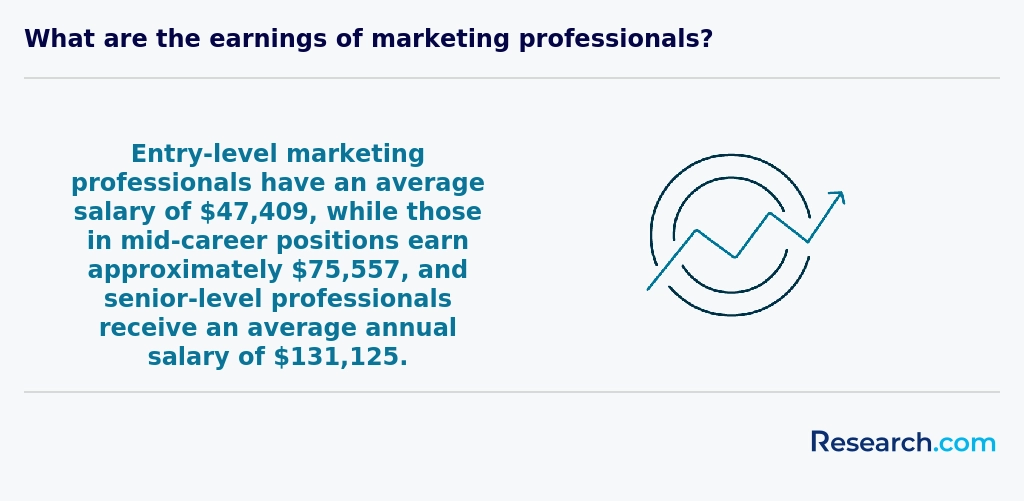
Online marketing degree programs in Virginia typically include a well-rounded selection of courses designed to build both theoretical understanding and practical skills essential for the modern marketer. Graduates from reputable institutions such as George Mason University or Virginia Commonwealth University often highlight courses like Principles of Marketing, which lay the groundwork for understanding market dynamics and strategy development.
Students also engage deeply with Digital Marketing, learning hands-on techniques in social media management, search engine optimization (SEO), and online advertising. This practical focus is complemented by Marketing Research courses, where learners develop the ability to gather and interpret consumer data to make informed decisions-skills crucial for thriving in Virginia's competitive job market.
Courses in Consumer Behavior allow students to explore why people buy products, often relating lessons to real campaigns they observe in local Virginia businesses. Marketing Analytics is another key course that equips students with tools to measure campaign impact, fostering confidence in data-driven decision-making.
Additionally, Business Communication and Sales Management courses prepare students for leadership roles by refining their professional messaging and team coordination abilities, all through the lens of Virginia's vibrant economy.
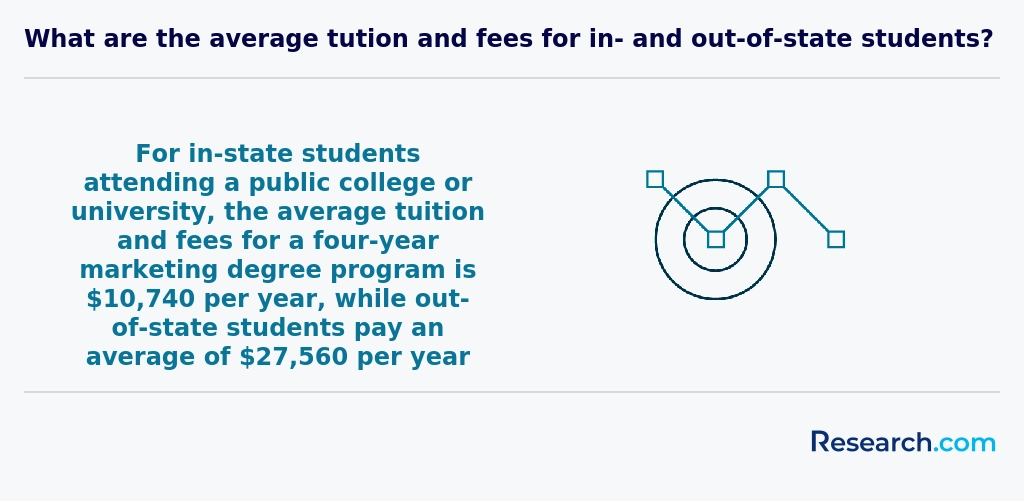
Online marketing degree specializations Virginia students pursue typically include Digital Marketing, Marketing Analytics, and Brand Management, each reflecting the state's dynamic economic landscape. Graduates from popular Virginia colleges often describe Digital Marketing as an exciting path that immerses them in SEO, social media strategies, and email campaigns, perfectly suited to Northern Virginia's vibrant tech corridor. Marketing Analytics specialization appeals to those intrigued by consumer data and statistical models, mirroring Virginia's growing investment in data-driven business approaches.
Brand Management prepares students to uphold and enhance corporate reputations, a vital skill in industries ranging from government contracting to tourism. Content Marketing also emerges as a compelling choice, particularly at institutions with strong ties to Virginia's media sectors, where students thrive creating targeted materials that resonate with diverse audiences. Other specializations reported by graduates include Social Media Marketing, Advertising, Sales Management, Consumer Behavior, and Public Relations.
Choosing from Virginia affordable marketing degree options, many students appreciate programs that blend theoretical knowledge with practical experience and technological tools. For those seeking career growth, exploring the top-paying bachelor's degrees for students can further illuminate promising pathways.
When selecting the best online marketing degree programs Virginia offers, accreditation is paramount; graduates from accredited institutions report confidence in their degree's recognition by employers statewide. Many Virginia schools tailor curricula to current industry needs, offering courses ranging from digital marketing to data analytics, which former students praise for providing practical skills applicable immediately in local business settings.
Cost considerations are equally critical. Affordable online marketing colleges in Virginia often provide quality education without excessive tuition, helping students manage expenses while advancing their careers. Flexibility in scheduling, such as asynchronous classes, is another key factor that graduates appreciate, allowing them to balance work and study efficiently.
Additionally, programs that emphasize internships or partnerships with Virginia companies empower students to gain hands-on experience and build valuable networks. For those interested in diverse fields, schools known for specialized degrees can complement marketing studies-for example, exploring logistics through top online supply chain management schools enhances career versatility.
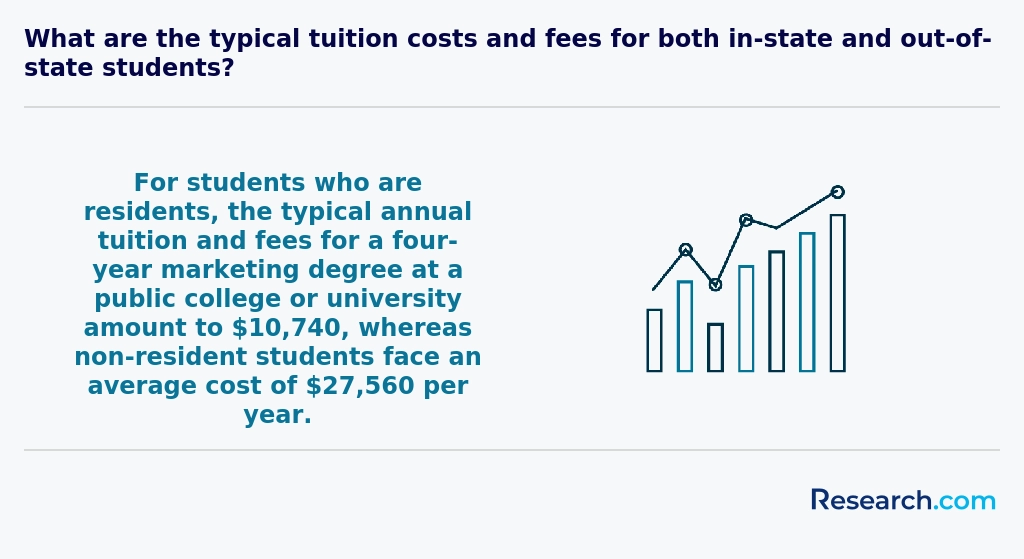
Graduates holding an online marketing degree in Virginia find themselves well-positioned for diverse and rewarding career opportunities in dynamic sectors. Common career paths include digital marketing specialist, social media manager, advertising coordinator, content strategist, and sales manager roles. Many graduates from Virginia's respected institutions report success entering digital marketing, a field growing due to expanded online ad spending and evolving technologies. These roles often involve real-life challenges like managing regional campaigns for tech companies in Northern Virginia's bustling hubs or developing content strategies for nonprofit organizations.
Additionally, marketing graduates benefit from strong job prospects reflected in Virginia's employment market. Entry-level opportunities such as market research analyst are frequently available, providing a foundation for data-driven decision-making careers. Graduates frequently share how programs at Virginia's universities equipped them with skills that helped secure meaningful positions that align with their ambitions. Students exploring marketing job opportunities in Virginia for graduates also consider how gaining analytical and leadership skills can lead to managerial roles.
For those exploring related professional certifications to enhance their credentials, the best CPA certification programs offer complementary career development, especially when combined with marketing expertise.

Graduates holding an online marketing degree in Virginia find a steadily growing job market supported by the state's diverse economy and proximity to the Washington D.C. metropolitan area. Universities in Virginia, known for strong marketing programs, prepare students for roles such as digital marketing specialist, social media analyst, and brand strategist. Many graduates land internships or positions with government contractors and private firms, benefiting from Virginia's rise in demand for digital marketing skills. This positive trend reflects the increasing need for professionals adept in marketing analytics and social media management.
Many who pursue online marketing jobs in Virginia cite competitive entry-level salaries around $45,000, with experienced professionals earning $80,000 or more, making the financial outlook promising given reasonable tuition costs at local institutions. Graduates describe feeling confident entering this market, especially with the possibility of remote work expanding available opportunities. Additionally, students often explore the fastest online Ph.D. programs to deepen expertise and career prospects.
2027 Most Affordable Online Marketing Degree Programs Ranking in Virginia
Investing in your education is a significant decision that can shape your future, and the Research.com team understands the importance of making informed choices. To assist prospective students in Virginia, we have meticulously crafted the "2027 Most Affordable Online Marketing Degree Programs Ranking in Virginia." Our commitment to quality, credibility, and accuracy is reflected in the extensive research and analysis conducted to compile this ranking.
We utilized the following reputable data sources to ensure a comprehensive evaluation of online marketing degree programs:
By exploring this ranking, readers will gain valuable insights into the most affordable and high-quality online marketing degree programs available in Virginia, empowering them to make well-informed decisions about their education and career paths. For more details on our methodology, please visit our Research.com methodology page.

Frequently Asked Questions About marketing
Online marketing degree students in Virginia can enhance their learning by actively engaging with their virtual courses and utilizing available state resources. Virginia offers access to platforms like the Virginia Economic Development Partnership, which provides current marketing trends and data relevant to local industries. Students should also join professional organizations such as the American Marketing Association's Richmond chapter to network and gain real-world insights.
Consistent communication with instructors and participation in online discussions can deepen understanding and critical thinking. Additionally, leveraging internships with Virginia-based companies boosts practical skills and employability. According to the Virginia Employment Commission, marketing roles in the state are expected to grow by 7% through 2030, highlighting strong career prospects.
The marketing field is evolving rapidly, with several emerging niches gaining prominence, especially for students pursuing online marketing degrees in Virginia. One key area is digital analytics, where professionals use data to optimize campaigns and predict consumer behavior. According to the U.S. Bureau of Labor Statistics, roles involving data-driven marketing are expected to grow significantly over the next decade.
Another growing niche is social media marketing, vital for brands looking to engage audiences on platforms like Instagram and TikTok. Virginia's increasing tech industry presence supports this trend, creating local demand for experts in this space. Additionally, sustainability marketing is becoming important as consumers prioritize eco-friendly brands, which marketers must communicate effectively.
After completing an online marketing degree in Virginia, graduates should focus on building practical experience to improve their job prospects. Internships and volunteer opportunities in local businesses help develop skills and expand professional networks. According to the Virginia Employment Commission, marketing roles in the state are projected to grow by 7% through 2030, emphasizing the need for relevant experience.
Networking through platforms like LinkedIn and attending Virginia-based industry events can connect graduates with employers. Additionally, acquiring certifications such as Google Analytics or HubSpot Inbound Marketing can add value to a resume.
Understanding current digital marketing trends and staying updated with regional market data strengthens competitiveness.
Employers in Virginia highly value marketing graduates who possess strong digital marketing skills, including proficiency in SEO, social media campaigns, and data analytics. According to the Virginia Economic Development Partnership, businesses in the state increasingly focus on digital engagement, making these skills essential. Communication and creativity are also crucial, as marketing roles often require developing compelling content and effective brand messaging.
Analytical thinking is another top skill, enabling graduates to interpret market research and consumer data to inform strategies. Familiarity with marketing software like Google Analytics and HubSpot boosts employability. Additionally, adaptability and teamwork are frequently sought to navigate the rapidly evolving marketing landscape in Virginia's competitive job market.
Finding internships in Virginia relevant to a marketing degree involves targeted research and networking. Many Virginia universities, including James Madison University and Virginia Commonwealth University, offer career services that connect students to internship opportunities in marketing. The Virginia Employment Commission reports growth in marketing and advertising roles, making internships in this field increasingly available.
Students should explore Virginia-based companies such as Capital One and CarMax, known for marketing internships. Online platforms like Handshake also feature local internship listings. Additionally, joining local chapters of professional groups like the American Marketing Association increases networking chances and access to valuable leads.
Obtaining an online marketing degree in Virginia can significantly enhance career mobility and advancement opportunities. The state's diverse economy, including strong sectors like technology, healthcare, and finance, demands skilled marketing professionals who understand digital strategies.
According to the Virginia Employment Commission, marketing specialist positions are expected to grow by 7% from 2022 to 2032, slightly above the national average. This growth signals increasing opportunities in mid-level and managerial roles for those with formal marketing education.
Online degrees offer flexibility, allowing students to gain relevant skills such as data analytics, SEO, and content marketing, which are highly valued by Virginia employers.
Graduates often find that credentials from accredited institutions improve access to higher salaries and leadership positions within marketing departments, facilitating career progression across the state's competitive job market.
Studying for a marketing degree in Virginia equips students with skills that extend beyond traditional marketing. Virginia's programs often integrate courses in data analytics, communication, and business strategy, preparing graduates to work in interdisciplinary roles. The state's growing digital economy, especially in regions like Northern Virginia, requires professionals who understand technology, finance, and consumer behavior combined.
Many Virginia institutions align their marketing curricula with industry demands, emphasizing teamwork, project management, and critical thinking. According to the U.S. Bureau of Labor Statistics, marketing manager roles in Virginia are projected to grow by 8% through 2030, reflecting a need for versatile professionals capable of collaborating across departments.
This cross-functional preparation helps graduates pursue careers in product development, digital marketing, and corporate communications, where collaboration with IT, finance, and creative teams is essential.
When choosing between thesis and non-thesis marketing degree programs in Virginia, consider your career goals carefully. Thesis options emphasize original research, ideal for students aiming at doctoral studies or research-oriented roles.
Non-thesis programs focus more on practical skills and coursework, preparing graduates for immediate entry into Virginia's competitive marketing job market, which is growing at about 6% annually according to the Virginia Employment Commission.
Cost and time commitment also differ; thesis tracks often require more time and resources. Additionally, some Virginia universities require a thesis for certain accredited online marketing master's programs, so check specific school requirements.
Understanding these factors helps align your education path with Virginia's professional marketing landscape.
Students in Virginia interested in studying marketing abroad have several options through partnerships between Virginia universities and international institutions. Many schools offer exchange programs or joint degrees that allow students to spend one or two semesters overseas while earning credits toward their online marketing degree. These programs often include locations in Europe, Asia, and Latin America, enhancing global marketing perspectives.
Virginia Tech and the University of Virginia provide study abroad opportunities focusing on business and marketing, often supported by the U.S. Department of Education's Open Doors report, which notes increasing demand for global business skills. Students can also explore virtual exchange programs that combine online coursework with international collaboration, appealing to those prioritizing flexibility.
Part-time jobs in Virginia that complement an online marketing degree often involve roles in social media management, content creation, and digital advertising. Many local businesses seek marketing interns or assistants to help enhance their online presence. According to the Virginia Employment Commission, digital marketing positions in the state are expected to grow by 10% through 2030. This trend creates numerous part-time opportunities for students to build practical skills while studying.
Additionally, freelance opportunities in search engine optimization (SEO) and email marketing allow students flexibility and a chance to apply classroom knowledge directly. Universities like George Mason offer resources connecting students with internships in Northern Virginia's expanding tech and marketing sectors.
Online marketing students in Virginia have several valuable networking opportunities despite studying remotely. Many Virginia universities offering online marketing degrees provide virtual career fairs and alumni events, which connect students with local and regional marketing professionals. For example, the Virginia Economic Development Partnership highlights that Northern Virginia has over 200 marketing firms, creating a rich local market for internships and mentorships.
Additionally, students can join professional organizations such as the American Marketing Association's Richmond and Northern Virginia chapters. These groups often host workshops and networking mixers that welcome students and recent graduates. Participation in these organizations helps build connections critical for job placement after graduation.
Virginia's proximity to Washington, D.C., one of the nation's largest marketing hubs, further enhances opportunities. Students can attend live and online events hosted by D.C.-based marketing associations, expanding their reach beyond state lines while still gaining credits for their local programs.
Alumni networks offer valuable support for online marketing degree students in Virginia by connecting them with professionals across the state's diverse industries. These networks provide access to mentorship opportunities, which help students navigate the job market and develop career strategies tailored to Virginia's marketing sector. According to the Virginia Economic Development Partnership, marketing roles have grown steadily, increasing demand for well-connected graduates.
Through alumni events and online platforms, students gain exposure to regional companies such as Capital One and Dominion Energy. These connections often lead to internships and job placements. Additionally, alumni can share insights on emerging marketing trends and best practices relevant to Virginia's business environment, enhancing students' practical knowledge.
To customize an online marketing degree program in Virginia, students can select electives or concentrations aligned with their career goals. Many Virginia institutions offer options in digital marketing, analytics, or brand management. This flexibility helps students focus on areas like social media strategy or consumer behavior, sharpening skills that employers in Virginia's growing tech and business sectors seek.
Students may also engage in internships or project-based courses through local companies, which strengthens practical experience. According to the Virginia Economic Development Partnership, marketing roles are expanding in Richmond and Northern Virginia, offering diverse opportunities for graduates.
Advisors often assist learners in tailoring course loads to match specific professional paths within marketing fields.
Online marketing students in Virginia often face challenges related to balancing coursework with professional and personal commitments. Many learners juggle jobs and family responsibilities, which can affect their study time and focus. Access to hands-on marketing experiences also poses a difficulty since practical internships or networking opportunities may be limited in virtual settings.
Another common issue involves staying current with rapidly evolving digital marketing trends and technologies. Students must continuously update skills in areas like SEO, analytics, and content marketing, which requires significant self-motivation.
Technical difficulties and varying quality of online platforms sometimes disrupt learning, impacting engagement and retention.
According to the Virginia Community College System, about 65% of online students report time management as their biggest struggle.
With an online marketing degree in Virginia, you can pursue several professional certifications to enhance your career prospects. Popular options include the Google Ads Certification and HubSpot Content Marketing Certification, both valued for digital marketing expertise. The American Marketing Association (AMA) Professional Certified Marketer (PCM) credential is widely recognized in the US, including Virginia's growing marketing sector.
Other certifications like the Facebook Blueprint and Hootsuite Social Marketing Certification focus on social media marketing, which is in demand locally as Virginia businesses increase digital engagement.
These certifications complement your degree, often leading to higher salaries and better job opportunities, supported by data from the Bureau of Labor Statistics indicating a steady marketing job growth of 6% in Virginia through 2031.
Writing a winning application for an online marketing program in Virginia requires clear focus and preparation. Start by researching the specific schools and programs you're interested in, as Virginia hosts many accredited institutions offering online marketing degrees that emphasize digital marketing strategies and analytics.
Highlight your relevant experience, such as internships or jobs related to marketing, using specific examples. Virginia's growing tech and marketing sector benefits graduates, so demonstrating knowledge of local market trends, supported by data from sources like the Virginia Employment Commission, can strengthen your application.
Be sure to write a compelling personal statement. Emphasize your goals in online marketing, how the program fits your career aspirations, and your readiness for virtual learning environments. Many Virginia programs value applicants showing strong communication skills and self-motivation.
Finally, request recommendation letters from professionals or professors familiar with your potential in marketing, and ensure your academic transcripts reflect steady performance in relevant subjects such as business or communications.
Marketing careers are increasingly viewed through a global lens, especially as digital technologies connect markets worldwide. Professionals with online marketing degrees from Virginia schools often engage with strategies that consider international audiences and cross-cultural communication.
According to the U.S. Bureau of Labor Statistics, employment for marketing managers is projected to grow 10% from 2022 to 2032, reflecting rising demand that includes global business environments. Virginia's strong economy and diverse industries provide students with opportunities to work on marketing campaigns tailored for both domestic and global markets.
Many marketing programs in Virginia emphasize skills like data analytics and social media management, crucial for campaigns spanning multiple countries. Understanding global consumer behavior and international digital trends is becoming essential for success, benefiting those who pursue online degrees with a modern curriculum. These trends highlight marketing as a dynamic career with expanding international relevance.
Students pursuing an online marketing degree in Virginia can gain practical experience through internships and cooperative education programs offered by many universities. These opportunities allow students to work with local businesses in areas such as Richmond and Northern Virginia, which are growing hubs for digital marketing and tech industries.
In addition, virtual internships provide flexibility for online students to collaborate with companies across the state without commuting. According to the Virginia Economic Development Partnership, the state saw a 17% growth in marketing job openings from 2021 to 2023, highlighting strong demand for skilled professionals.
Participating in capstone projects or consulting assignments tailored to real marketing challenges is another common method for developing hands-on skills. Many programs also encourage joining professional organizations like the American Marketing Association's Virginia chapter for networking and skill-building events.
Choosing the right concentration within an online marketing degree in Virginia depends on your career goals and interests. Popular concentrations include digital marketing, social media, analytics, and content strategy. Each area focuses on different skills; for example, digital marketing emphasizes online advertising, while analytics covers data interpretation. Virginia's growing tech and business sectors increase demand for specialists in these fields, making certain concentrations more valuable.
Review each program's curriculum carefully to see which courses match your goals. The Virginia Economic Development Partnership reports that digital marketing roles are expanding rapidly, particularly in Northern Virginia's tech hubs. Selecting a concentration aligned with local job trends can improve employment opportunities.
- 2027 Most Affordable Online Marketing Degree Programs Ranking in Pennsylvania
- 2027 Most Affordable Online Marketing Degree Programs Ranking in Ohio
- 2027 Most Affordable Online Marketing Degree Programs Ranking in New Jersey
- 2027 Most Affordable Online Marketing Degree Programs Ranking in Florida
- 2027 Most Affordable Online Marketing Degree Programs Ranking in Massachusetts
- 2027 Most Affordable Online Marketing Degree Programs Ranking in Missouri
- 2027 Most Affordable Online Marketing Degree Programs Ranking in Illinois
- 2027 Most Affordable Online Marketing Degree Programs Ranking in Michigan
- 2027 Most Affordable Online Marketing Degree Programs Ranking in Wisconsin
- 2027 Most Affordable Online Marketing Degree Programs Ranking in New Hampshire
See What Experts Have To Say About Studying Marketing
Read our interview with Marketing experts

John R. Meindl
Marketing Expert
Adjunct Assistant Professor of Marketing
Hofstra University

Aidin Namin, Ph.D.
Marketing Expert
Associate Professor of Marketing Analytics
Loyola Marymount University

- Best Marketing Certifications for Your Marketing Career https://www.business.com/articles/guide-to-marketing-certifications/
- Who Can Be an International Marketer? https://www.spencerstuart.com/research-and-insight/who-can-be-an-international-marketer
- The Importance of Networking for Students Entering the Marketing Industry https://moviamedia.com/moving-billboard-blog/the-importance-of-networking-for-students-entering-the-marketing-industry/
- Digital Marketing Major https://www.kozminski.edu.pl/en/digital-marketing-major
- Career Goals: 17 Inspirational Examples for you in 2026 https://www.imd.org/blog/learning-and-development/career-goals/
- Choosing a Thesis vs. Non-Thesis Program: What Every Graduate Student Needs to Know https://presenti.ai/blog/choosing-a-thesis-vs-non-thesis-program/
- 15 Marketing Certifications to Build Must-Have 2025 Skills https://www.cmswire.com/digital-marketing/10-marketing-certifications-that-can-help-you-earn-a-better-salary/
- Women in marketing: Career growth through education | Esade https://www.esade.edu/beyond/en/women-marketing/
- Outstanding Job Application Letter for Marketing Manager | Cover Letter Copilot https://coverlettercopilot.ai/blog/job-application-letter-marketing-manager
- Online Bachelor's Degree Marketing https://www.umgc.edu/online-degrees/bachelors/marketing