2027 Marketing Degree Industry Demand Report: Which Sectors Are Expanding Hiring the Fastest

Co-Founder and Chief Data Scientist
Marketing students face a real choice: aim for broad brand roles or specialize for faster-growing sectors. The U. S. Bureau of Labor Statistics projects 8% growth for both market research analysts and advertising, promotions, and marketing managers from 2023 to 2033, faster than average. That demand is not evenly spread.
This report explains where hiring is strongest, what entry-level roles pay, how AI and analytics are changing employer expectations, and how to choose a sector that fits your skills, income goals, and preferred work style.
Key Things You Should Know
- BLS projections show 8% growth from 2023 to 2033 for market research analysts and for advertising, promotions, and marketing managers, making data-driven marketing roles stronger targets than generic assistant roles.
- May 2024 BLS wage data places the median annual pay at $76,950 for market research analysts and $159,660 for advertising, promotions, and marketing managers, but new graduates usually start below manager-level pay.
- The fastest-expanding opportunities are concentrated in tech and software, healthcare, finance, e-commerce and retail media, consulting, and analytics-heavy agency environments rather than only traditional advertising.
- Will pursuing a Marketing degree lead directly to a job?
- What is the projected job growth rate for Marketing roles over the next decade?
Will pursuing a Marketing degree lead directly to a job?
A marketing degree can lead directly to a job, but not automatically. Employers usually hire graduates who can show practical evidence of skill: campaign samples, analytics projects, internship experience, CRM familiarity, writing samples, or paid media results. The degree opens doors, while the portfolio and technical skill set often determine how quickly a graduate gets interviews.
Marketing degree industry demand is shaped by how organizations acquire customers, analyze behavior, manage brands, and communicate value. A graduate may enter through sales enablement, social media, content marketing, market research, account coordination, email marketing, public relations, or business development. The strongest early-career candidates usually combine classroom knowledge with one or two job-ready specialties.
The direct-entry route makes the most sense when you want to start working quickly, can accept an assistant or coordinator title, and have internship or project experience. Additional education makes more sense when you want management, consulting, entrepreneurship, or strategy roles; some working professionals compare an easiest online MBA program when they need a flexible business credential for advancement rather than a first marketing job.
Use this decision framework before assuming a degree alone is enough:
- If you want fast employment, target coordinator, sales development, marketing operations assistant, or junior analyst roles and build a portfolio before graduation.
- If you want higher-paying analytical roles, add coursework or certificates in statistics, Excel, SQL, GA4, paid media, and dashboard reporting.
- If you want brand strategy or management, expect a longer path that usually starts with execution-heavy roles before promotion.
- If you dislike performance metrics, testing, customer data, or frequent deadlines, consider adjacent communication, education, sales, or public-sector paths.
A common mistake is applying only to "marketing associate" postings without reading the actual responsibilities. Some entry-level listings are mostly sales, while others are content, analytics, event coordination, or CRM work. The best approach is to search by function, not just by the word "marketing."
What is the projected job growth rate for Marketing roles over the next decade?
The clearest national job-growth signal comes from BLS occupational projections. For 2023 to 2033, BLS projects 8% growth for market research analysts and 8% growth for advertising, promotions, and marketing managers. That does not mean every marketing graduate will experience the same market; it means demand is strongest where companies need customer insight, digital acquisition, pricing intelligence, campaign measurement, and brand growth.
The table below compares major marketing-related roles by growth outlook and what the data means for students choosing a career direction.
| Role category | Current U.S. growth signal | What it means for marketing graduates |
| Market research analyst | BLS projects 8% growth from 2023 to 2033 | Strong option for students who like consumer behavior, surveys, dashboards, segmentation, and data interpretation. |
| Advertising, promotions, and marketing manager | BLS projects 8% growth from 2023 to 2033 | Attractive long-term path, but most graduates need several years of experience before qualifying for manager roles. |
| Public relations specialist | BLS projects faster-than-average growth compared with many occupations | Good fit for strong writers who can manage media, reputation, events, and stakeholder communication. |
| Sales and business development roles | Demand varies by industry and economic cycle | Often easier to enter immediately after graduation, but compensation may depend on commission structure and performance. |
| Marketing analytics and operations | Demand is rising as employers adopt CRM, automation, and attribution tools | Best for students who combine marketing judgment with spreadsheet, database, and platform skills. |
For decision-making, treat the 8% projection as a directional signal rather than a personal outcome forecast. Graduates who specialize in measurable business functions-analytics, customer acquisition, lifecycle marketing, search, paid social, and marketing operations-are usually better positioned than those who rely only on general brand coursework.
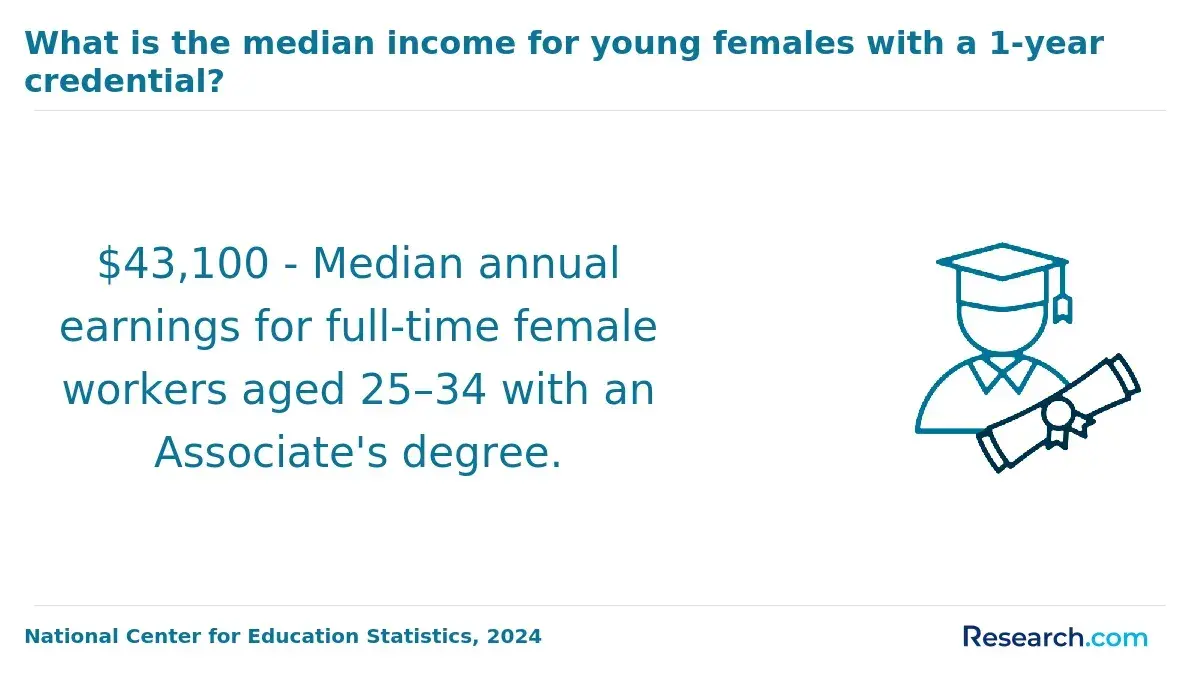
There is no single official U.S. "marketing industry retention rate" that applies across agencies, corporate marketing teams, nonprofits, technology firms, and healthcare systems. A better benchmark is employee tenure. The BLS Employee Tenure Summary released in 2024 reported median wage and salary worker tenure of 3.9 years, which is useful because marketing careers often include movement between employers as professionals pursue higher responsibility, stronger portfolios, or better sector fit.
Retention varies sharply by work environment. Agencies can offer faster learning and client variety but may involve heavier deadlines and account churn. Corporate marketing departments can offer more stability, clearer promotion ladders, and deeper product knowledge. Startups can accelerate responsibility but may carry funding and role-clarity risks.
Students should evaluate retention risk before choosing a sector. Watch for these red flags during interviews:
- Vague explanations of why the previous person left the role.
- One person expected to manage strategy, design, analytics, copywriting, events, and paid media with little support.
- No defined performance metrics or unclear reporting structure.
- High-pressure commission language in a role advertised as marketing rather than sales.
- No access to tools needed to do the job, such as analytics platforms, CRM systems, design software, or campaign budgets.
If you are drawn more to long-term therapeutic relationships than campaign cycles, client acquisition, or brand performance metrics, a different people-focused path may fit better; for example, marriage and family therapy online programs accredited lead toward a separate licensed profession with very different training and state requirements.
The most in-demand marketing roles are shifting toward measurable growth, audience insight, and technology-enabled execution. Creative thinking still matters, but employers increasingly expect graduates to connect campaigns to leads, revenue, retention, engagement, or brand trust.
The table below links common marketing roles to day-to-day responsibilities and the entry-level skills that make applicants more competitive.
| Role | Typical responsibilities | Entry-level skills to show |
| Marketing coordinator | Support campaigns, calendars, vendor communication, reports, events, and cross-functional requests. | Organization, writing, spreadsheet tracking, basic analytics, project coordination. |
| Market research analyst | Study customers, competitors, pricing, demand, surveys, and campaign performance. | Research methods, Excel, survey tools, statistics basics, dashboard interpretation. |
| Digital marketing specialist | Assist with search, paid social, display, landing pages, tracking, and campaign optimization. | GA4, SEO basics, paid media terminology, A/B testing, conversion metrics. |
| Content marketing associate | Create articles, email copy, case studies, social posts, product pages, and campaign assets. | Writing, editing, audience research, SEO fundamentals, brand voice. |
| CRM or email marketing assistant | Support segmentation, newsletters, automation, customer journeys, and retention campaigns. | Email platform experience, list hygiene, basic HTML awareness, reporting. |
| Product marketing coordinator | Support launches, positioning, competitive research, sales enablement, and customer messaging. | Market research, presentation skills, product understanding, messaging frameworks. |
| Social media coordinator | Plan posts, monitor engagement, coordinate creative assets, track performance, and respond to trends. | Platform knowledge, copywriting, analytics, community management, judgment. |
Students who want broad flexibility can begin as marketing coordinators and then specialize after one or two years. Students who already know they prefer numbers, writing, media buying, or product strategy should build a targeted portfolio before graduation rather than waiting for a first employer to train them from scratch.
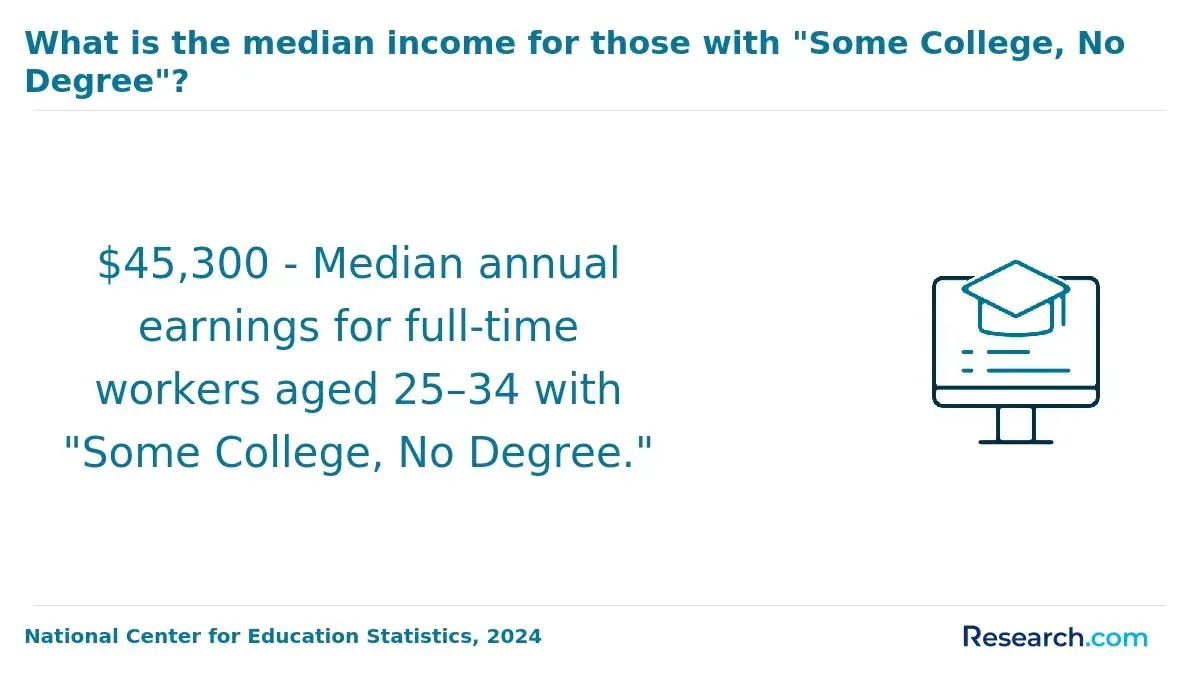
Yes, there are remote and hybrid opportunities for marketing degree holders, especially in digital marketing, content, SEO, paid media, email marketing, CRM, marketing analytics, and product marketing. BLS time-use data released in 2024 shows that working from home remains a normal part of the U.S. labor market for many professional roles, which supports continued flexibility in marketing functions that can be performed through digital tools.
Remote access is not equal across all marketing jobs. Event marketing, field marketing, healthcare outreach, retail marketing, and community relations often require in-person work. Agency and corporate roles may be hybrid because brainstorming, client meetings, product launches, and cross-functional planning still benefit from face-to-face collaboration.
To improve your odds of qualifying for remote or hybrid marketing roles, focus on proof that you can execute without close supervision:
- Build a portfolio with campaign briefs, writing samples, dashboards, mock email flows, SEO audits, or social calendars.
- Learn collaboration tools such as project management boards, shared documents, CRM systems, analytics dashboards, and meeting software.
- Show results in context, such as improved engagement, clearer reporting, better segmentation, or stronger content quality.
- Prepare interview examples that prove you can meet deadlines, communicate asynchronously, and manage feedback.
- Apply beyond your local area, but check whether the employer restricts hiring to specific states for payroll, tax, or compliance reasons.
The biggest mistake is treating "remote marketing job" as a single category. A remote content role, remote paid media role, and remote marketing analyst role require different evidence, tools, and interview preparation.
A marketing graduate does not usually need a license, but credentials and technical skills can make a major difference in a crowded entry-level market. Employers increasingly use skills-based screening, so a bachelor's degree is strongest when paired with platform knowledge and evidence of applied work.
The most useful credentials depend on your target role. Use the list below to choose credentials that match a specific job path rather than collecting random certificates.
- For digital marketing roles, prioritize Google Analytics 4, Google Ads, Meta Blueprint, SEO training, and landing-page optimization projects.
- For marketing analytics, build Excel, SQL, Tableau or Power BI, statistics, survey design, and data storytelling skills.
- For content and communication roles, develop SEO writing, editing, brand voice, content strategy, and media relations samples.
- For CRM and lifecycle marketing, learn email platforms, segmentation, automation workflows, A/B testing, and customer journey mapping.
- For product marketing, practice competitive analysis, positioning statements, sales enablement materials, launch plans, and customer interview summaries.
Some graduates strengthen their communication strategy profile through a masters in communication, especially if they want leadership roles in corporate communication, public relations, higher education, nonprofit communication, or brand messaging. However, a master's degree is usually not required for entry-level marketing roles; practical experience and portfolio evidence often matter more at the start.
The most common credential mistake is choosing certificates because they sound impressive rather than because they map to target job descriptions. Before paying for training, collect 20 postings for your preferred role and count which tools and skills appear most often.
Entry-level marketing pay varies by role, sector, location, and whether compensation includes commission. Instead of assuming one universal starting salary, graduates should compare offers against the role's function. A marketing analytics assistant in software may have a very different pay path from an event marketing coordinator at a local nonprofit.
BLS May 2024 data gives useful anchors: the median annual wage for market research analysts was $76,950, while the median annual wage for advertising, promotions, and marketing managers was $159,660. New graduates should not treat those figures as guaranteed starting pay; the analyst median includes experienced workers, and the manager figure reflects roles that usually require years of experience.
The table below provides a practical salary-context comparison for early-career marketing paths without treating any figure as a guaranteed offer.
| Entry-level path | Salary context | What can raise earning potential |
| Marketing coordinator | Often below specialist and analyst roles because it is broad and support-oriented. | Project ownership, reporting ability, campaign execution, and industry specialization. |
| Market research or marketing analyst | Best compared with the BLS market research analyst median of $76,950. | Excel, SQL, survey methods, dashboard tools, and business interpretation. |
| Digital marketing specialist | Pay improves when the role owns measurable channels such as search, paid social, or conversion optimization. | Platform certifications, budget exposure, testing experience, and performance reporting. |
| Content or social media associate | Can vary widely because some roles are strategic while others are mostly production-focused. | SEO results, strong writing samples, editorial planning, and audience analytics. |
| Sales development or business development | May include base pay plus commission, making total compensation less predictable. | Strong pipeline metrics, product knowledge, CRM discipline, and communication skills. |
For ROI planning, compare salary potential with tuition, debt, local cost of living, and the time required to build experience. A lower starting salary can still be reasonable if the role provides strong tools, mentorship, portfolio work, and a clear path into analytics, product marketing, or management.
The highest compensation for marketing professionals is usually found in sectors where marketing is closely tied to revenue, customer acquisition cost, product growth, or investor expectations. These sectors often pay more because mistakes are expensive and successful campaigns can produce measurable business value.
The table below compares industries that commonly offer stronger compensation potential for experienced marketing professionals and explains the trade-offs for graduates.
| Industry | Why compensation can be higher | Trade-off for new graduates |
| Technology and SaaS | Marketing supports recurring revenue, product adoption, lead generation, and customer retention. | Fast pace, technical products, and pressure to understand metrics such as conversion, churn, and pipeline. |
| Finance, insurance, and fintech | Customer value can be high, and firms invest in trust, compliance, acquisition, and retention. | Regulated messaging and complex products require careful writing and strong attention to detail. |
| Pharmaceuticals, biotech, and healthcare technology | Specialized products and regulated markets require skilled communication and audience segmentation. | Compliance, scientific vocabulary, and longer approval cycles can limit creative freedom. |
| Professional services and consulting | Marketing supports high-value client relationships, proposals, thought leadership, and reputation. | Work may require industry research, executive communication, and proposal deadlines. |
| E-commerce and retail media | Campaigns are closely linked to sales, conversion rates, paid media efficiency, and loyalty. | Performance expectations can be intense, and results are measured quickly. |
Higher-compensation sectors are not automatically better for every graduate. Choose them if you like measurable outcomes, complex products, and continuous learning. Consider public-sector, nonprofit, education, or community-focused marketing if mission alignment, stability, or local impact matters more than maximizing compensation.
Recruitment in the marketing industry is becoming more skills-based, portfolio-driven, and technology-aware. AI tools are changing how teams create drafts, analyze audiences, summarize research, personalize campaigns, and test creative. That does not eliminate marketing jobs, but it raises expectations: graduates must show judgment, strategy, data literacy, and ethical use of tools rather than only basic content production.
Graduates should understand these recruitment trends before applying:
- Employers increasingly ask for portfolios even for entry-level roles, especially in content, social media, digital marketing, and analytics.
- Applicant tracking systems often screen for specific tools, so resumes should mirror relevant job-description language honestly.
- Internships, freelance projects, campus campaigns, and student organization work can matter as much as class titles.
- AI familiarity is becoming useful, but employers still value original thinking, brand judgment, compliance awareness, and fact-checking.
- Hybrid hiring remains common, so candidates should be prepared for both remote collaboration and in-office interview expectations.
- Sector-specific knowledge can separate candidates, especially in healthcare, finance, software, and regulated industries.
Use a focused job-search process instead of sending the same resume everywhere:
- Choose two target functions, such as marketing analytics and CRM, or content marketing and SEO.
- Collect job postings from target sectors and identify repeated tools, responsibilities, and keywords.
- Build two or three portfolio pieces that match those responsibilities.
- Customize your resume summary, skills section, and project descriptions for each role type.
- Apply through company career pages, alumni networks, internships, professional associations, and recruiter outreach instead of relying only on broad job boards.
Advanced research or teaching careers may require graduate study beyond a master's degree; professionals considering academic marketing research, consumer behavior scholarship, or senior applied research leadership sometimes compare an online doctorate, although this is not necessary for most corporate marketing jobs.
A major red flag is an "entry-level marketing" posting that avoids explaining the product, pay structure, training, or daily tasks. If the interview focuses only on enthusiasm and not on marketing responsibilities, ask whether the job is actually door-to-door sales, commission-only promotion, or lead generation.
The highest hiring volume for marketing degree holders is usually found in sectors that constantly need customer acquisition, competitive positioning, audience research, and communication. In practice, this means marketing graduates should not limit their search to ad agencies. Many of the strongest openings are inside companies whose core business is software, healthcare, finance, retail, insurance, education, or professional services.
The table below summarizes sectors where hiring volume tends to be strongest and explains why each sector hires marketing talent.
| Sector | Why hiring demand is strong | Common entry points | Best fit for |
| Technology and software | Companies need product positioning, lead generation, user acquisition, and lifecycle campaigns. | Growth marketing assistant, product marketing coordinator, sales development, content marketing associate. | Graduates comfortable with analytics, fast product changes, and business-to-business messaging. |
| Healthcare and health services | Hospitals, clinics, insurers, and health-tech firms compete for patients, members, talent, and community trust. | Marketing coordinator, community outreach associate, patient engagement specialist, communications assistant. | Students who want mission-driven work with careful compliance and stakeholder communication. |
| Finance, insurance, and fintech | Firms need trust-building, customer education, lead nurturing, retention campaigns, and regulated communication. | Digital marketing associate, CRM coordinator, content assistant, client acquisition analyst. | Graduates who like data, compliance, financial products, and segmented audiences. |
| E-commerce and retail media | Retailers and brands invest in search, paid social, marketplace optimization, email, loyalty, and conversion testing. | E-commerce marketing assistant, merchandising marketing coordinator, paid media assistant, email marketing specialist. | Students who enjoy measurable campaign work and fast feedback loops. |
| Professional services and consulting | Firms need thought leadership, proposals, client development, research, and industry-specific campaigns. | Marketing coordinator, proposal coordinator, research assistant, business development associate. | Strong writers and researchers who can translate expertise into client-facing value. |
| Advertising, PR, and digital agencies | Agencies staff teams to serve multiple client accounts across strategy, creative, media, and analytics. | Account coordinator, junior media planner, social media coordinator, PR assistant. | Graduates who want rapid learning, client variety, and portfolio-building experience. |
High-volume sectors are useful for students who want more openings and faster entry. Specialized niche sectors can produce stronger long-term compensation, but they may require technical vocabulary, regulatory awareness, or industry-specific experience before employers view a graduate as competitive.
Other Things You Should Know About Marketing
It can be worth it if you build skills that AI cannot replace easily: strategy, customer insight, ethical judgment, analytics interpretation, brand positioning, and cross-functional communication. Avoid relying only on basic content creation.
The best first job depends on your target path. Marketing coordinator roles are good for broad exposure, while analyst, CRM, paid media, SEO, and product marketing assistant roles can be stronger if you want faster specialization.
Certifications are not always required, but they can help when they match the role. GA4, Google Ads, SEO, CRM, email marketing, and analytics credentials are most useful when paired with portfolio projects.
Avoid sectors or employers that cannot explain the role, compensation, tools, training, or performance expectations. A lower-paid role with mentorship and real campaign work is usually better than a vague role with inflated income claims.
See What Experts Have To Say About Studying Marketing
Read our interview with Marketing experts

Sonya A. Grier, Ph.D.
Marketing Expert
Professor, Department of Marketing
American University

John R. Meindl
Marketing Expert
Adjunct Assistant Professor of Marketing
Hofstra University

- How Job Openings Across Different Regions Can Be Economic Indicators https://www.jobspikr.com/insights/job-openings-across-different-regions/
- What are the most in demand professions for working in digital marketing? https://www.eaebarcelona.com/en/blog/working-in-digital-marketing
- Digital Marketing: The Career of the Future, Here’s Why https://wrapeplus.eu/blog/erasmusnews/digital-marketing-the-career-of-the-future-here-s-why
- 2026 Marketing Career Outlook: AI’s Surprising Impact [Research] https://contentmarketinginstitute.com/career-salary-outlook/content-marketing-salary-outlook
- Job Growth Across the Four U.S. Regions https://www.realpage.com/analytics/regional-job-growth-performance/
- Are Marketing Jobs Growing Faster Than the Rest of the U.S. Labor Market? - The Kaplan Group https://www.kaplancollectionagency.com/blog/marketing-job-growth-trends/
- Top 5 marketing skills employers are looking for in 2025 https://www.konkergroup.com/top-5-marketing-skills-employers-are-looking-for-in-2025/
- What Qualities Do Employers Seek In Prospective Marketing New Hires? https://britishschoolofmarketing.com/what-qualities-do-employers-seek-in-prospective-marketing-new-hires/
- Neither bleak nor static future of jobs in marketing https://msijournal.com/neither-bleak-nor-static-future-jobs-in-marketing/
- The marketing job market: Here’s what the numbers say https://www.marketingdive.com/news/marketing-job-market-heres-what-the-numbers-say/730809/