2027 Most Popular Marketing Degree Programs Ranking in Seattle

Co-Founder and Chief Data Scientist
Choosing the right marketing degree program in Seattle can shape your future career and open doors to exciting opportunities. This article introduces the 2027 Most Popular Marketing Degree Programs Ranking in Seattle, carefully crafted by the Research.com team of data scientists.
By exploring this ranking, you'll gain valuable insights to make a well-informed decision on which programs match your goals and interests. Earning a marketing degree not only builds essential skills but also boosts your confidence to thrive in a competitive world.
Start your journey to success with the right program choice today.
Key benefits of getting marketing degree in Seattle
- Marketing degree graduates in Seattle can expect competitive salaries, such as a Public Relations Specialist earning about $159,420 annually and a Marketing Assistant making around $83,190 per year, ensuring strong financial potential.
- A marketing graduate from a popular Seattle university might explore diverse roles like Digital Marketing Specialist, Media Planner, or Sales Associate, offering exciting and varied career opportunities.
- Online marketing degrees provide flexibility and convenience, allowing students to balance work and study while still gaining a valuable education comparable to traditional degrees from Seattle area institutions.
- 2027 Most Popular Marketing Degree Programs Ranking in Seattle
- What can I expect from marketing degree in Seattle?
- Where can I work with marketing degree in Seattle?
What can I expect from marketing degree in Seattle?
When considering the cost of pursuing a marketing degree in Seattle, it's important to recognize the variety of options that impact tuition expenses. Public universities here, like the University of Washington, typically offer more affordable tuition rates for in-state students, making a quality marketing education financially accessible. Graduates often recall balancing evening classes and part-time work to manage expenses, especially when enrolling in flexible programs designed for working adults.
Private colleges and specialized marketing programs may have higher tuition, but many students find these investments worthwhile due to the hands-on experience and direct connections to Seattle's thriving business community. Scholarships, financial aid, and employer tuition assistance programs are frequently utilized, helping to ease the financial burden.
The average cost for a bachelor's degree in marketing at a public institution in Seattle can range from moderate to competitive when compared nationally, often reflecting the city's vibrant job market and the opportunities for internships and networking integrated into the curriculum.
Where can I work with marketing degree in Seattle?
With a marketing degree from Seattle's well-regarded universities, graduates dive into a city bursting with opportunity. Many find themselves shaping campaigns for tech giants like Amazon and Microsoft, where creativity meets cutting-edge data analytics. Imagine working alongside startups that are redefining e-commerce-these roles sharpen skills in digital marketing and brand strategy while engaging with global audiences.
Others land positions in retail powerhouses such as Nordstrom or Costco, crafting strategies that keep customers coming back and driving sales in a competitive market. Healthcare and biotech firms here also value marketers who can translate complex innovations into relatable stories that connect deeply with patients and the community.
Graduates often share how rewarding it feels to support non-profits or government initiatives too, using social media savvy to boost public engagement. Starting as marketing coordinators or social media specialists, they grow with Seattle's vibrant economy, moving confidently into leadership roles fueled by hands-on experience and collaboration.
Graduates holding marketing degrees from universities in Seattle often find themselves stepping into roles with encouraging salary prospects. For example, recent grads have reported starting positions as Marketing Assistants earning a mean annual wage of $83,190, which is notably higher than many other cities thanks to Seattle's thriving economy.
Some graduates begin their careers as Sales Associates, earning around $53,280 per year, but with experience and skill-building-especially while studying at institutions well-connected to the local industry-they can quickly move into specialized positions.
Many alumni from Seattle's prominent colleges find opportunities as Digital Marketing Specialists or Media Planners, with mean wages of $83,190 annually. These roles often include hands-on work in digital campaigns and analytics, sharpening skills that Seattle's tech-driven market values highly.
The real boost comes from positions like Public Relations Specialists, where salaries can reach about $159,420 yearly. Graduates equipped with strong communication and strategic skills, often honed through internships in the city, are best positioned for these roles.
Seattle's dynamic business environment means marketing graduates are rewarded not just financially but also with exciting career trajectories. Staying active in networking and gaining real-world experience during your studies will open doors to these thriving opportunities.
- Annual tuition for marketing degrees in Seattle ranges from about $12,000 at public schools to over $40,000 at private universities.
- Entry-level marketing salaries in Seattle typically range from $52,000 to $58,000 per year, which is slightly above the national average.
- After five to seven years of experience, median marketing salaries in Seattle can rise to approximately $80,000 annually.
- Key skills in demand include digital marketing, data analytics, and social media expertise due to Seattle's tech-driven market.
- Marketing specialists' employment is projected to grow by about 9% through 2030, supporting steady job demand in the area.
Completing a marketing degree in Seattle generally takes about four years for a traditional Bachelor's degree, like those offered at the University of Washington or Seattle University. Many graduates recall balancing core courses with exciting marketing classes that prepared them for the city's dynamic business environment.
For those juggling work or family, part-time or evening programs stretch the timeline to five or six years, a path many find rewarding as it allows earning income while studying. Some peers at local institutions loved the challenge of accelerated programs finishing in as little as three years, embracing focused, intensive coursework to jumpstart their careers.
Graduate students pursuing an MBA or Master of Science in marketing in Seattle often dedicate two full years to their studies. Yet, programs tailored for professionals testing evening or weekend classes sometimes take three years or more, perfectly fitting busy lifestyles without sacrificing learning.
Remember, internships and real-world projects at Seattle's tech and commerce hubs vividly enrich your learning experience, often adding valuable time but providing a competitive edge upon graduation.
Choosing between online and on-campus marketing degrees in Seattle often comes down to lifestyle and learning style. On-campus students at institutions like the University of Washington enjoy face-to-face discussions, instant feedback from professors, and direct access to Seattle's rich network of local businesses for internships. Graduates often recall the energy of collaborating in study groups on campus, attending career fairs, and forging connections during workshops in the city's bustling marketing scene.
Meanwhile, online students from Seattle colleges embrace flexibility, juggling work or family commitments while progressing through their courses. Many find video lectures and virtual forums effective for learning at their own pace, though they must cultivate strong self-discipline. These students appreciate avoiding commute times and saving on costs, using their newfound time to explore digital marketing projects or connect remotely with employers beyond Seattle.
Ultimately, both paths cover essential marketing skills like consumer behavior and digital strategies, but your choice shapes how you engage with Seattle's dynamic marketing world and your own growth journey.
The average cost of obtaining a marketing degree in Seattle typically centers around $67,864 total, with in-state students paying closer to $34,847. These numbers reflect tuition, fees, and other academic expenses, painting a clear picture of the financial commitment involved. Many graduates from respected schools like the University of Washington or Seattle Pacific University often share how the investment transformed their careers, highlighting affordable in-state tuition as a crucial advantage for local students determined to control expenses while pursuing quality education.
Navigating the total tuition and fees for marketing programs Seattle offers means considering not only the sticker price but also living costs. Seattle's vibrant urban environment is attractive but can affect affordability, with higher expenses for housing and daily needs compared to other cities. Still, many students find the dynamic marketing industry opportunities here well worth the cost, especially when combined with scholarships and financial aid designed to ease the burden.
Those balancing work or aiming to speed their studies often look towards options like a fast track associate's degree online, which can reduce time and cost significantly. This approach has proven effective for some marketing students in Seattle, enabling them to graduate sooner while gaining valuable professional experience.
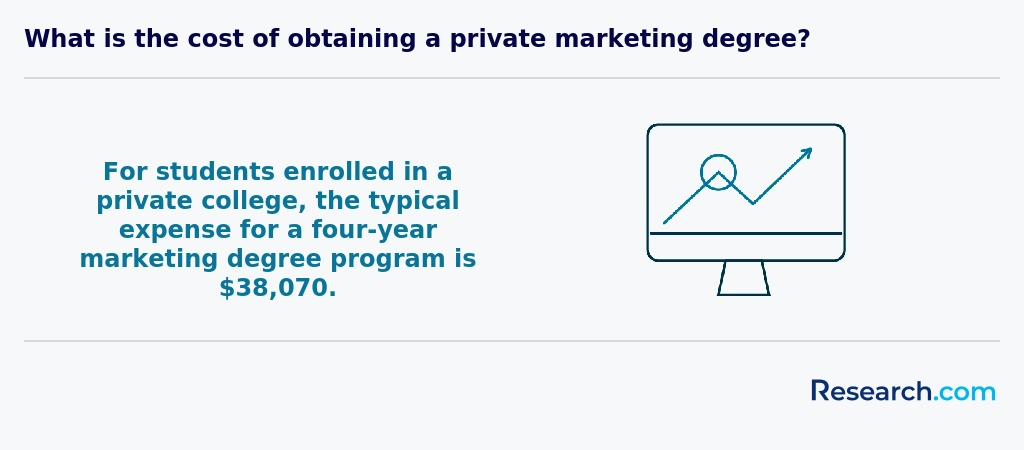
When pursuing a marketing degree in Seattle, financial aid can make all the difference in turning your ambitions into reality. Many students attending popular schools like the University of Washington find federal aid, such as Pell Grants and low-interest student loans, invaluable. These options ease the pressure of upfront tuition, allowing you to focus on building your skills without drowning in debt.
Washington State residents are fortunate to have access to the Washington College Grant, a powerful resource that significantly reduces tuition costs at public Seattle colleges. Graduates often recall how this support lifted a huge financial weight, enabling them to fully engage in internships and networking opportunities essential for marketing success.
Merit-based scholarships are another vital aid form, rewarding your hard work and leadership. Local colleges often offer these to marketing students showing promise. Plus, work-study roles and internships provide practical experience while helping cover expenses, giving you firsthand insights into Seattle's dynamic business scene.
Don't overlook private scholarships from Seattle-based organizations focused on marketing and business fields. Tapping into these resources can create a safety net that supports your educational journey every step of the way.
To enroll in a marketing degree program in Seattle, you'll typically need a high school diploma or GED, especially for undergraduate tracks at schools like the University of Washington or Seattle University. Many graduates recall how showing strong skills in English, math, and social studies helped pave their way through admissions. While marketing-specific classes in high school aren't usually required, having a sharp mind for communication and critical thinking truly sets you apart.
For graduate programs, the expectation is a completed bachelor's degree, often with coursework in business or communications. Successful applicants often share how submitting thoughtful letters of recommendation and clear statements of purpose truly conveyed their passion to admissions committees. Some programs might ask for GMAT or GRE scores, but Seattle's focus on professional experience means your real-world internships or marketing roles can tip the scales.
Many students who thrive in Seattle's dynamic market find that demonstrating proficiency in digital tools and a grasp of business basics gives them a real advantage-something alumni frequently emphasize when reflecting on their journeys.

Marketing degrees in Seattle typically include courses that build a powerful toolkit for navigating today's dynamic business world. Students at renowned institutions like the University of Washington dive deep into Marketing Management, learning how to segment markets and position products effectively. Graduates often recall projects where they crafted real-world marketing plans for local startups, sharpening their strategic thinking.
Consumer Behavior is another key course, helping students understand the psychological triggers behind purchasing decisions-knowledge that graduates find invaluable when launching actual ad campaigns. Marketing Research courses teach hands-on skills in analyzing data, equipping students to make smart, evidence-based decisions-a must-have in Seattle's tech-driven economy.
Digital marketing shines here, too; from social media to SEO and email marketing, Seattle students get to apply trending tools and platforms, often collaborating with companies in the area like Amazon, offering priceless internship experiences. Courses in advertising, sales, and even business fundamentals round out the curriculum, ensuring graduates feel confident stepping into any marketing role.
Marketing degree specializations in Seattle often reflect the city's unique blend of technology and commerce. Graduates from local universities frequently highlight digital marketing as a standout path, where students dive into SEO, social media strategies, and content creation, gaining experience through internships in Seattle's thriving startup ecosystem.
Seattle marketing concentration options also commonly include market research and analytics. Here, students learn to harness consumer data to drive smarter marketing campaigns-skills highly prized by companies like Amazon and Microsoft. Graduates often share how these specializations positioned them to make meaningful impacts in data-driven roles after graduation.
Brand management is another popular focus, helping students develop techniques to craft compelling brand stories in a competitive marketplace. Combined with other options like sales management and integrated marketing communications, these specializations prepare students for diverse leadership roles.
If you're curious about what is an easy master's degree to get that fits your interests, consider exploring related programs offered in Seattle's colleges to complement your marketing expertise. Specialized paths here empower you to thrive in the city's dynamic business environment.
When choosing the best marketing degree in Seattle, start by focusing on what fits your career goals and lifestyle. Graduates from popular Seattle colleges often highlight how programs with concentrations in digital marketing or brand management prepare them to thrive in the city's tech-driven economy. Consider whether a Bachelor's or Master's degree makes sense for your current stage, and aim for schools that offer hands-on internships connected to major local companies like Amazon or Microsoft.
Cost is another key factor-many students seek affordable marketing degrees Seattle offers, balancing tuition with scholarships or financial aid. Look closely at programs accredited by respected bodies to ensure you gain skills recognized by employers. Some graduates find that online or hybrid courses provide the flexibility needed to juggle work and studies effectively.
Finally, remember that strong networking opportunities in Seattle can open doors after graduation. It's wise to explore programs where alumni steadily land roles with competitive salaries. For inspiration, check out majors in college that pay well to understand the potential benefits of your investment.
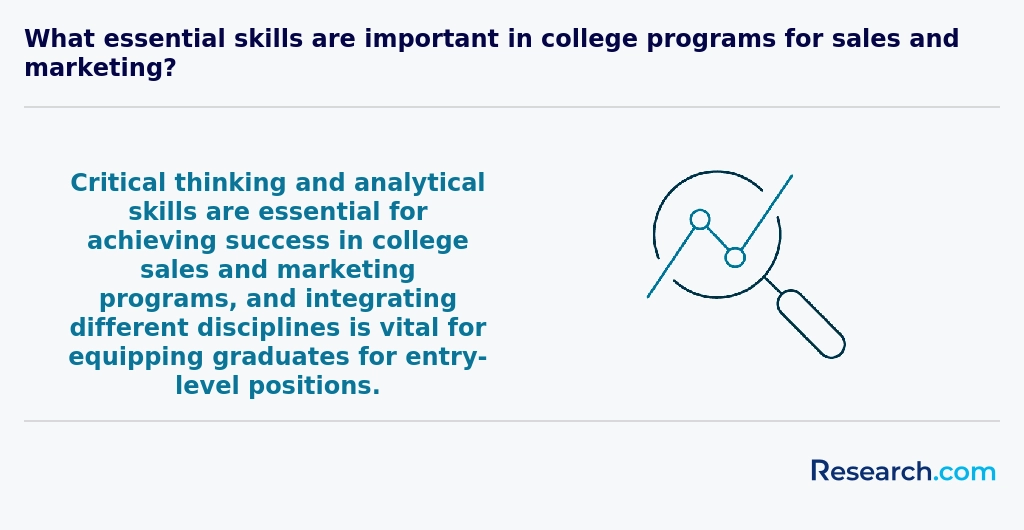
Graduates with a marketing degree in Seattle find exciting opportunities in a city bustling with innovation and diverse industries. Many start in digital marketing, mastering social media campaigns or SEO, an area highly valued in Seattle's tech-driven market. Others thrive in brand management or market research, where analytical skills meet creativity. Seattle colleges regularly share stories of graduates stepping into roles at companies like Amazon or Microsoft, blending technical savvy with strategic marketing insight-perfect for those eager to make an impact.
For those passionate about storytelling, careers in content creation and public relations are also abundant. Sales management and market analysis roles offer graduates the chance to apply strategic thinking and communication skills gained during their studies. Seattle's vibrant startup scene provides dynamic environments for hands-on experience, bridging classroom knowledge with real-world challenges.
Considering the costs of education, students often explore options like low cost accredited online colleges to balance quality and affordability. This practical approach supports long-term career growth in marketing career opportunities in Seattle.
In summary, Seattle marketing degree job prospects are diverse and promising, ready for graduates who want to thrive in a fast-evolving business landscape.
The marketing degree job outlook Seattle offers is vibrant and promising, driven by the city's booming tech industry and innovative business environment. Graduates from prominent Seattle universities often find themselves stepping into roles like digital marketing specialists and brand managers, thanks to strong ties these schools maintain with local companies such as Amazon and Microsoft. These connections open doors to internships and jobs that allow new professionals to apply skills in SEO and social media marketing directly within dynamic, real-world projects.
Employment opportunities for marketing graduates Seattle extend across various industries, including e-commerce, digital advertising, and international trade, all thriving in this region. The consistent growth of these sectors means fresh graduates are welcomed with competitive salaries and opportunities to expand their expertise through networking with groups like the American Marketing Association. If you're exploring educational options, consider checking out the most popular vocational schools online that align well with Seattle's needs and provide valuable practical experience.
2027 Most Popular Marketing Degree Programs Ranking in Seattle
Investing in your education is a significant decision that can shape your future, and the Research.com team understands the importance of making informed choices. To assist prospective students in Seattle, we have carefully developed the "2027 Most Popular Marketing Degree Programs Ranking in Seattle." Our dedication to quality, credibility, and accuracy is demonstrated through thorough research and detailed analysis conducted to assemble this ranking.
We utilized the following reputable data sources to ensure a comprehensive evaluation of marketing degree programs:
By exploring this ranking, readers will gain valuable insights into the most popular marketing degree programs in Seattle, empowering them to make well-informed decisions about their educational journey. For a deeper understanding of how the ranking was created, please visit our Research.com methodology page.


Frequently Asked Questions About marketing
Marketing degree students in Seattle can maximize their learning by combining classroom knowledge with practical experience. Seattle hosts a vibrant business environment, including headquarters of global companies like Amazon and Microsoft, offering numerous internship opportunities. According to the Greater Seattle Partners report (2023), internships increase job placement success by up to 40% for marketing graduates. Students should engage in local networking events and join professional groups such as the American Marketing Association Seattle chapter. Additionally, utilizing university career services and attending workshops on digital marketing skills are essential to stay competitive. Experiential learning leads to stronger portfolios and better job prospects in Seattle's dynamic market.
The marketing field is evolving rapidly, with several emerging niches gaining traction, especially in dynamic cities like Seattle. One notable area is digital analytics, where marketers use data to tailor campaigns and improve customer engagement. According to the U.S. Bureau of Labor Statistics, roles in data-driven marketing are expected to grow over 20% through 2030.
Another growing niche is sustainable marketing, reflecting the Pacific Northwest's strong environmental focus. Seattle companies increasingly seek professionals who can promote eco-friendly products responsibly.
Content marketing and influencer marketing also continue to expand, leveraging social media platforms popular in the region. Seattle's tech-savvy environment supports innovative approaches to audience targeting and brand storytelling.
After completing a marketing degree in Seattle, preparing for the job market involves several key steps. Start by gaining practical experience through internships, which many Seattle businesses offer, particularly in tech and retail sectors. Networking is essential; attend local marketing events and connect with professionals via platforms like the Seattle American Marketing Association. Seattle's competitive job market values digital skills, so developing expertise in data analytics, social media, and SEO can set candidates apart.
According to the U.S. Bureau of Labor Statistics, marketing jobs in the Seattle-Tacoma-Bellevue area are projected to grow by 10% through 2031, which is faster than the national average.
Consider also joining local job fairs and utilizing university career services tailored to Seattle's market. Continuous learning and staying updated on regional market trends will enhance employability and career growth.
Employers in Seattle value marketing graduates who possess strong digital marketing skills, including expertise in social media management, search engine optimization (SEO), and data analytics. According to the Seattle Metropolitan Chamber of Commerce, over 70% of local marketing roles require proficiency in digital tools and platforms.
Communication skills remain vital, as graduates must craft clear and compelling messages tailored to diverse audiences. Creativity and problem-solving abilities also rank highly, enabling marketers to design innovative campaigns in competitive markets like Seattle's tech-driven economy.
Additionally, familiarity with marketing automation software and basic coding skills increasingly differentiate candidates. Seattle employers appreciate graduates who combine analytical thinking with practical technical knowledge, preparing them to meet evolving industry demands.
Finding internships in Seattle relevant to a marketing degree involves leveraging local resources and networks. Seattle hosts a variety of companies, from tech giants like Amazon and Microsoft to emerging startups, providing diverse marketing internship opportunities. According to the Seattle Metropolitan Chamber of Commerce, internships in marketing roles have grown by 8% annually.
Students should utilize university career centers, which often partner with local businesses for internship placements. Additionally, professional organizations such as the American Marketing Association's Seattle chapter offer networking events and job boards tailored for marketers.
Online platforms specific to the Seattle region, including local job boards and LinkedIn, are valuable for finding internships. Applying early and tailoring resumes to emphasize digital marketing skills can increase chances amid competitive markets.
A marketing degree significantly enhances career mobility and advancement opportunities in Seattle's competitive job market. According to the U.S. Bureau of Labor Statistics, marketing managers in the Seattle metropolitan area earn a median annual wage of approximately $130,000, higher than the national median. This reflects the region's demand for skilled marketing professionals, especially in technology and retail sectors.
Graduates with a marketing degree often qualify for roles such as market research analysts, digital marketing specialists, and brand managers. Local employers, including Amazon and Microsoft, frequently seek candidates with formal marketing education combined with practical experience.
Additionally, professional networks formed through Seattle's numerous marketing associations contribute to career growth by offering access to job openings and mentorship. Educational credentials thus serve not only as proof of expertise but also as a gateway to expanding career paths within the city.
Studying for a marketing degree in Seattle equips students with skills that cross traditional discipline boundaries. Programs in the region emphasize integrating marketing with technology, data analytics, and business strategy, reflecting Seattle's robust tech and startup ecosystem.
Many universities incorporate courses in digital media, consumer psychology, and business communication, preparing students for roles that require collaboration across departments. According to the Seattle Metropolitan Chamber of Commerce, over 70% of marketing roles in the city demand interdisciplinary expertise involving data analysis and creative thinking.
Additionally, internships and cooperative education opportunities with companies like Amazon and Microsoft provide practical experience in multidisciplinary environments, enhancing students' versatility in marketing careers.
When choosing between a thesis and a non-thesis marketing degree program in Seattle, consider your career goals and learning style. Thesis programs typically require conducting original research and writing a detailed paper, which benefits those interested in academic careers or doctoral studies.
Non-thesis options focus more on practical skills and coursework, appealing to students aiming to enter the workforce quickly. According to the National Center for Education Statistics, 60% of marketing master's graduates in the U.S. prefer non-thesis tracks for their direct applicability.
Seattle's growing marketing sector-with companies like Amazon and Microsoft-is competitive and often values practical experience over research. Choose a non-thesis path if you want to build managerial skills through internships and projects.
Programs at Seattle universities like the University of Washington offer both options, so review their curriculum and career support carefully.
Students in Seattle interested in studying marketing abroad have several options through U.S. universities offering study abroad programs. Many institutions partner with universities in Europe, Asia, and Latin America, allowing marketing majors to earn credits while gaining global business perspectives. According to the Institute of International Education, nearly 10% of U.S. marketing students participate in international study experiences, enhancing their intercultural skills and market knowledge.
Seattle-based universities, such as the University of Washington, facilitate this by offering specialized marketing courses overseas or dual-degree options. These programs typically last a semester or summer term, combining academic study with local internships.
Financial aid and scholarships are often available to support these opportunities, making global marketing education more accessible for Seattle students. This international exposure is highly valued by employers in the competitive Seattle market.
Seattle's dynamic business environment offers diverse part-time job opportunities ideal for students pursuing marketing degrees. Positions such as social media assistant, content creator, and digital marketing intern are prominent, especially within the city's tech and retail sectors. According to the Seattle Jobs Initiative, marketing internships grow by nearly 12% annually, reflecting strong demand for digital skills.
Local startups and established firms frequently seek part-time help for tasks like email campaign management and market research. These roles help students apply theoretical knowledge while gaining valuable experience. Additionally, jobs in event promotion and brand representation are common, connecting students directly with Seattle's vibrant community and advertising networks.
Seattle offers numerous networking opportunities for marketing students thanks to its vibrant business community. Students can connect through local chapters of professional organizations like the American Marketing Association (AMA) Seattle, which hosts workshops and events tailored for marketing professionals and students.
Internships are highly accessible in Seattle's strong tech and retail sectors, with companies like Amazon and Microsoft often seeking marketing interns. According to the Seattle Metro Chamber of Commerce, nearly 15% of Seattle's workforce is in professional services, creating fertile ground for networking.
Additionally, universities in Seattle frequently organize career fairs and industry panels featuring local marketing leaders. These platforms provide students direct access to recruiters and experts, enhancing their professional connections early in their careers.
Alumni networks offer significant benefits to marketing degree students in Seattle by providing valuable professional connections. According to the Seattle Metropolitan Chamber of Commerce, nearly 70% of job placements in local marketing roles are facilitated through networking, highlighting how alumni can open doors for internships and full-time positions.
These networks also provide mentorship opportunities, allowing current students to receive guidance from experienced professionals who understand the Seattle market's unique demands. Many alumni work in thriving industries like technology and retail, which are prominent sectors in the region.
Additionally, active alumni groups often organize events and workshops, giving students direct access to current trends and skill-building sessions specific to marketing careers in Seattle.
Customizing a marketing degree in Seattle allows students to align their education with specific career goals. Many Seattle institutions offer elective courses in digital marketing, analytics, brand management, or social media strategy, enabling focused skill development. Internships with local companies, especially within Seattle's robust tech and retail sectors, provide practical experience tailored to individual interests. According to the U.S. Bureau of Labor Statistics, Seattle's marketing job market is growing faster than the national average, increasing demand for specialized skills. Additionally, students can choose certificate programs or workshops to deepen expertise in emerging areas like AI in marketing. Academic advisors often assist in creating personalized study plans.
Marketing students in Seattle face several common challenges. One significant hurdle is balancing practical experience with academic requirements. Seattle's competitive market demands internships and hands-on projects, which can be difficult to secure. According to the Washington Student Achievement Council, only about 60% of students manage to complete internships before graduating.
Another issue involves keeping pace with rapidly changing digital marketing tools. The rise of AI and data analytics means students must continually update their skills to stay relevant. Many programs in Seattle strive to incorporate these technologies but students often find the learning curve steep.
Additionally, the high cost of living in Seattle puts financial pressure on students. Even with scholarships and financial aid, managing expenses while dedicating time to studies and internships is demanding. These factors combined create a challenging environment for marketing students pursuing their degrees in Seattle.
With a marketing degree in Seattle, you can pursue several professional certifications that enhance your career prospects. Popular options include the American Marketing Association's Professional Certified Marketer (PCM) credential, which verifies expertise in content marketing, digital marketing, or marketing management.
Seattle's growing tech and retail sectors increase demand for certifications such as Google Analytics Certification and HubSpot Content Marketing Certification, both widely recognized within local companies. According to the Seattle Metro Chamber, digital marketing roles requiring certifications have grown by over 20% since 2020.
Other valuable certifications include the Certified Digital Marketing Professional (CDMP) from the Digital Marketing Institute and Facebook Blueprint for social media marketing. These credentials help graduates demonstrate practical skills directly sought by employers nationwide.
Applying to marketing programs in Seattle requires a clear, focused application that emphasizes both academic achievement and relevant experience. Applicants should highlight coursework or projects related to marketing, business, or communications, as Seattle universities like the University of Washington value strong foundational knowledge. Including internships or work experience with local companies in Seattle's thriving tech and retail sectors can make an application stand out.
Craft a compelling personal statement that explains your passion for marketing, referencing Seattle's role as a hub for innovation. Admissions committees appreciate evidence of familiarity with digital marketing trends, especially given Seattle's concentration of companies like Amazon and Microsoft. Ensure your resume is well-organized and free of errors. According to the National Center for Education Statistics, competitive programs typically seek applicants with a GPA above 3.0.
Marketing careers today have a broad global reach, with professionals frequently collaborating across borders. According to the U.S. Bureau of Labor Statistics, marketing management roles in the United States are expected to grow by 10% from 2022 to 2032, reflecting strong demand. Seattle's vibrant tech and international business environment enhances opportunities for graduates to engage with global markets, particularly in digital marketing and consumer analytics.
Many marketing degree programs in Seattle emphasize cross-cultural communication and global branding strategies to prepare students for worldwide careers. The city's diverse economy supports roles that require understanding international consumer trends and global supply chains.
Students seeking marketing degrees in Seattle benefit from exposure to multinational companies headquartered nearby, fostering career paths with global perspectives.
Gaining practical experience while studying for a marketing degree in Seattle involves multiple opportunities. Local universities often offer internships with well-known companies such as Amazon and Starbucks, which have corporate offices in the area. These internships provide hands-on marketing experience in digital advertising, brand management, and market research.
Students can also participate in cooperative education programs, integrating paid work terms with academic study. According to the National Association of Colleges and Employers, 60% of marketing students who complete internships receive job offers before graduating. Additionally, Seattle hosts numerous marketing-focused networking events and workshops where students can connect with professionals and gain real-world insights.
Volunteering for local nonprofits or startups is another practical way to apply marketing skills. Platforms like Seattle Jobs Initiative highlight community projects seeking marketing support, enhancing local engagement and resume strength.
Choosing the right concentration within a marketing degree program in Seattle involves considering both personal interests and local industry demand. Seattle's marketing job market, influenced by major tech companies like Amazon and Microsoft, shows strong growth in digital marketing, data analytics, and brand management roles, according to the U.S. Bureau of Labor Statistics (2023).
Prospective students should evaluate concentrations by reviewing course offerings, faculty expertise, and internship opportunities tied to Seattle's business landscape. Areas such as social media marketing and marketing analytics may provide an edge given the city's tech-driven economy.
Additionally, speaking with academic advisors and industry professionals can clarify which focus area aligns with future career goals in Seattle's competitive marketing sector.
- 2027 Most Popular Marketing Degree Programs Ranking in Salt Lake City
- 2027 Most Popular Marketing Degree Programs Ranking in Los Angeles
- 2027 Most Popular Marketing Degree Programs Ranking in Denver
- 2027 Most Popular Marketing Degree Programs Ranking in San Diego
- 2027 Most Popular Marketing Degree Programs Ranking in Minneapolis
- 2027 Most Popular Marketing Degree Programs Ranking in Saint Paul
- 2027 Most Popular Marketing Degree Programs Ranking in Edmond
- 2027 Most Popular Marketing Degree Programs Ranking in Springfield
- 2027 Most Popular Marketing Degree Programs Ranking in Dallas
- 2027 Most Popular Marketing Degree Programs Ranking in Milwaukee
See What Experts Have To Say About Studying Marketing
Read our interview with Marketing experts

John R. Meindl
Marketing Expert
Adjunct Assistant Professor of Marketing
Hofstra University

Sonya A. Grier, Ph.D.
Marketing Expert
Professor, Department of Marketing
American University

- 15 Marketing Certifications to Build Must-Have 2025 Skills https://www.cmswire.com/digital-marketing/10-marketing-certifications-that-can-help-you-earn-a-better-salary/
- The guide to marketing and marketing jobs: Everything I wish I had known when I started | The Marketing Meetup https://themarketingmeetup.com/blog/the-guide-to-marketing/
- Academic Challenges of Marketing Students - Blog – Expert Tips & Insights for Students https://affordableassignments.co.uk/blog/academic-challenges-of-marketing-students/
- How to Become an International Marketing Executive https://online.maryville.edu/online-bachelors-degrees/marketing/careers/international-marketing-executive/
- Guide to Marketing Internships | Higherin https://higherin.com/career-guides/marketing/marketing-internships
- Learning Outcomes for Marketing - Champlain College https://www.champlain.edu/learning-outcomes-for-marketing/
- Why study marketing? Discover 7 compelling reasons https://isc.strath.ac.uk/blog/why-study-marketing
- What Jobs Can You Get with a Marketing Degree? https://www.global-business-school.org/content-type/blog/what-jobs-can-get-marketing-degree/
- Career Goals: 17 Inspirational Examples for you in 2026 https://www.imd.org/blog/learning-and-development/career-goals/
- The skills that will get you a graduate job in marketing https://targetjobs.co.uk/careers-advice/marketing-advertising-and-pr/skills-will-get-you-graduate-job-marketing