2027 Marketing Degree Value by Institution Type: Public, Private, Nonprofit, and Online Models Compared

Co-Founder and Chief Data Scientist
Choosing where to earn a Marketing degree can change its real value as much as the major itself. College Board reported 2024-25 published tuition and fees of $11,610 for in-state public four-year colleges versus $43,350 at private nonprofit colleges, before aid. That gap makes institution type central to cost, credibility, flexibility, and ROI.
This guide is for students, parents, transfer students, and working adults comparing public, private, nonprofit, for-profit, and online options so they can judge total cost, employer recognition, support, and career payoff more clearly.
Key Things You Should Know
- For many Marketing students, the best-value option is not the school with the lowest sticker price but the accredited program with the strongest mix of net price, transfer credit, completion support, internship access, and manageable borrowing.
- College Board's 2024-25 figures show a major sticker-price spread: $11,610 for in-state public tuition and fees, $30,780 for public out-of-state, and $43,350 for private nonprofit institutions, before grants and scholarships.
- BLS data for May 2024 places median pay at $76,950 for market research analysts and $159,660 for advertising, promotions, and marketing managers, showing why career alignment and experience matter when evaluating degree ROI.
- Is a Public University Marketing Degree More Cost-Effective Than a Private One?
- How Do Employers View the Credibility of an Online Marketing Degree?
Is a Public University Marketing Degree More Cost-Effective Than a Private One?
A public university Marketing degree is often more cost-effective, especially for in-state students, but "public" does not automatically mean "best value." The real comparison should include net price after aid, transfer acceptance, required credits, housing, fees, time to completion, and whether the program connects students to internships, analytics tools, and employer networks.
The table below compares common institution models. Use it to separate institutional type from delivery format: an online Marketing degree can be offered by a public, private nonprofit, or private for-profit school.
| Model | Typical value advantage | Main trade-off | Best fit |
| Public university | Lower in-state tuition and broad employer recognition | Large classes and less individualized advising at some campuses | Students who can qualify for in-state rates or transfer from community college |
| Private nonprofit university | Smaller classes, donor-funded scholarships, and established alumni networks | Higher sticker price unless institutional aid is strong | Students receiving substantial grants or seeking a specific brand, location, or network |
| Private for-profit institution | Flexible schedules and career-focused formats | Higher scrutiny around cost, completion, and employer perception | Working adults who verify accreditation, outcomes, and total debt before enrolling |
| Online delivery | Flexibility, reduced commuting, and easier access for working students | Requires self-discipline and careful review of fees and support services | Adult learners, transfer students, military students, and students balancing work or caregiving |
For cost-effectiveness, start with the school's net price calculator rather than published tuition. A private nonprofit program with a large institutional grant can sometimes cost less than an out-of-state public program, while a public online completion program may be the lowest-cost route for students who already hold transferable credits.
Students comparing Marketing with broader business pathways may also want to look at graduate flexibility later. For example, someone planning to move into management might compare Marketing bachelor's options now while keeping an easiest online MBA program on the radar as a future credential, rather than overpaying for undergraduate prestige alone.
How Do Employers View the Credibility of an Online Marketing Degree?
Employers generally care less about whether a Marketing degree was completed online and more about whether the institution is accredited, reputable, and able to show that students built practical skills. In Marketing, portfolios, campaign projects, internships, analytics experience, CRM exposure, and communication skills often carry significant weight alongside the degree name.
Online credibility depends on three factors: the institution, the format, and the evidence of learning. A degree from a regionally accredited public or private nonprofit university that also offers campus programs usually faces fewer credibility concerns than a little-known online-only provider with weak completion or employment data.
For working adults, online delivery can actually strengthen ROI because it may allow continued earnings while studying. However, the flexibility only pays off if the program includes career services, instructor access, group projects, marketing analytics practice, and opportunities to produce portfolio-ready work.
Students should also compare related online fields if their career goal is broader than brand management or digital advertising. A master's in communication, for instance, may be a better long-term fit for students aiming at corporate communications, public relations leadership, or content strategy rather than marketing analytics or product marketing.
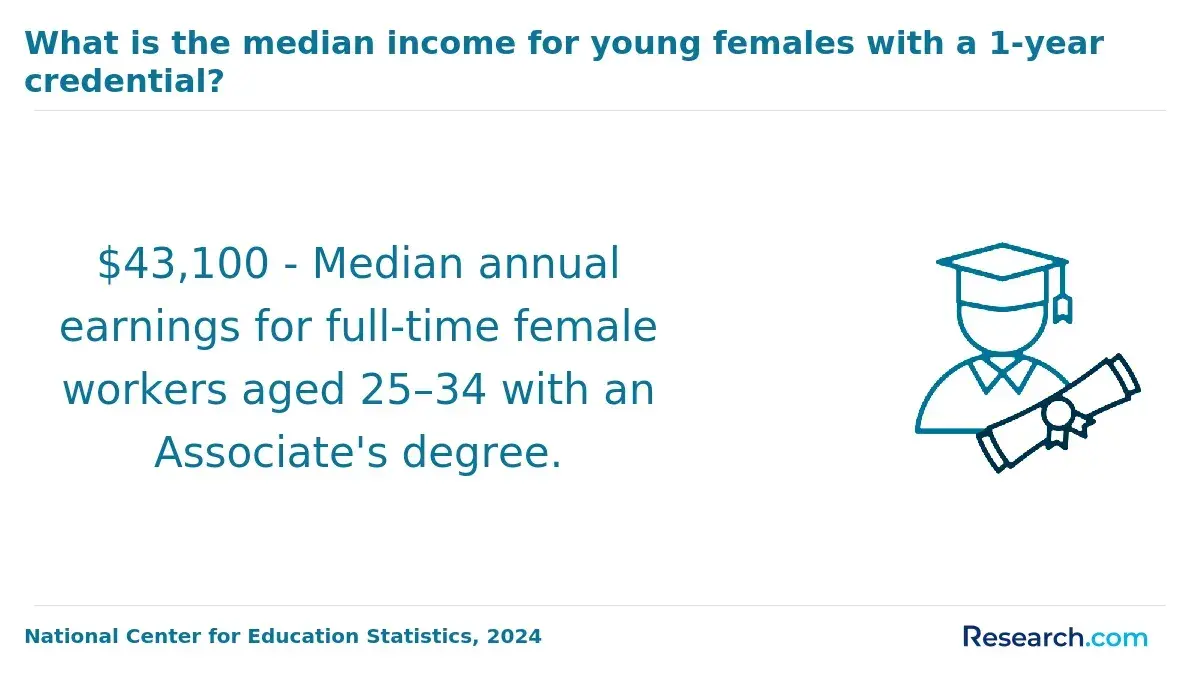
Private nonprofit universities can offer strong career networking, but the advantage is not automatic. The value usually comes from active alumni engagement, smaller cohorts, employer-connected faculty, regional reputation, and well-funded career offices. A public university in a major metro area may outperform a private nonprofit with a weak employer pipeline.
Marketing is a relationship-driven field, so networking can influence access to internships, agency roles, sales-development positions, brand-assistant jobs, and early career referrals. The question is whether the school's network is relevant to the industry and location where the student wants to work.
Before paying a premium for a private nonprofit program, ask admissions and career services for concrete evidence. These questions help reveal whether the network is real or mostly promotional:
- Which companies recruited Marketing students on campus or virtually during the last academic year?
- How many Marketing majors completed internships, client projects, or agency-style capstones?
- Are alumni mentors assigned by career interest, such as digital marketing, analytics, sales, or brand management?
- Does the program publish graduate outcome data by major rather than only institution-wide employment figures?
- Are networking events accessible to online and transfer students, or mainly to full-time campus students?
A private nonprofit program is more likely to justify higher cost when it provides sustained access to alumni, employers, and faculty-led projects. If the networking is vague, a lower-cost public or online program plus proactive internship searching may produce a stronger return.
Yes, online Marketing degrees can include hidden or easy-to-miss fees, even when tuition looks straightforward. These charges do not always make an online program a poor value, but they can change the total cost comparison between online, public campus, private nonprofit, and private for-profit options.
The table below highlights fees that students should verify before enrolling. These costs matter because a low per-credit tuition rate can become less competitive once required technology, course, proctoring, and graduation charges are included.
| Possible fee | Why it matters for Marketing students | What to ask |
| Technology fee | May be charged per term or per credit for online platforms and support | Is this included in tuition or billed separately? |
| Course materials or digital access | Marketing courses may require simulations, analytics tools, case platforms, or e-texts | Are required subscriptions listed before registration? |
| Proctoring fee | Online exams may require third-party identity verification or live proctoring | How many proctored assessments are required? |
| Residency or immersion fee | Some online programs require campus visits, travel, or weekend intensives | Are any in-person components mandatory? |
| Graduation and transcript fees | Small charges can still affect students comparing very low-cost programs | What fees appear in the final term? |
Online students should request a full cost-of-attendance estimate, not just tuition per credit. Also confirm whether financial aid covers summer courses, accelerated terms, repeated classes, and part-time enrollment, because pacing can affect both completion time and borrowing.
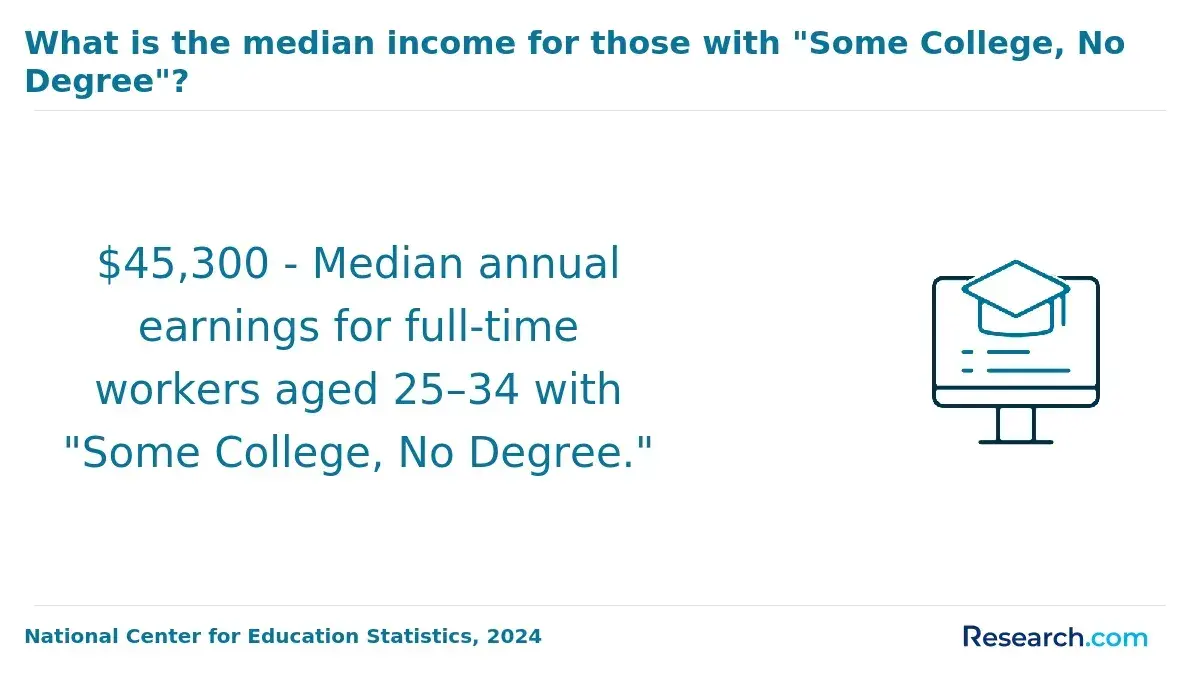
Some recruiters do favor graduates from prestigious private nonprofit universities, especially for competitive internships, brand-management pipelines, consulting-adjacent roles, and companies with long-standing campus recruiting relationships. However, prestige is only one signal. In many Marketing roles, employers also weigh internships, campaign results, writing samples, analytics ability, sales experience, and comfort with AI-enabled marketing tools.
BLS May 2024 data places median pay for advertising, promotions, and marketing managers at $159,660, but those management roles usually require experience, not just a degree from a selective institution. That means a prestigious school may help open doors early, while long-term advancement depends heavily on performance, measurable results, and leadership ability.
Prestige is most likely to matter when the employer recruits from a limited set of campuses or when alumni actively refer students. It matters less for local businesses, digital agencies, startups, sales organizations, and performance marketing roles where portfolios and metrics can be evaluated directly.
A practical rule: do not pay a large premium for prestige unless the school can show strong placement into the exact employers or career paths you want. A less expensive accredited program plus internships, certifications, and a strong portfolio can be more rational for students targeting broad Marketing roles.
Graduation rates affect degree value because students receive the labor-market benefit of a bachelor's degree only if they complete it. A lower-cost program can become expensive if weak advising, limited course availability, poor transfer policies, or schedule conflicts delay graduation or lead to stopping out.
NCES reporting released in 2024 shows that six-year completion outcomes at four-year institutions differ meaningfully by sector, with public and private nonprofit institutions generally reporting much stronger completion than private for-profit institutions. For a Marketing student, this means completion probability should be part of ROI, not an afterthought.
When comparing schools, look beyond institution-wide graduation rates if possible. Marketing-specific retention, business-school progression rules, internship requirements, and course sequencing can all affect whether a student finishes on time.
Common mistakes that weaken degree value include focusing only on admission, assuming all transfer credits will apply to the major, ignoring part-time course rotation, and choosing the cheapest option without checking academic support. A slightly higher-cost program that accepts more credits and offers predictable online or evening courses may be the better investment.
A private university Marketing degree may support stronger long-term salary growth when it provides access to selective internships, influential alumni, leadership programs, and employers with structured advancement tracks. But the degree's private status alone does not create higher earnings. Long-term salary growth depends on role, industry, location, performance, graduate education, and the student's ability to turn coursework into measurable business results.
Marketing has a wide earnings range because roles vary significantly. Market research analysts, social media specialists, sales representatives, product marketers, and marketing managers face different pay structures and promotion timelines. Students interested in analytics-heavy or managerial paths should prioritize programs with statistics, consumer behavior, marketing research, data visualization, and hands-on campaign measurement.
To evaluate salary-growth potential, compare the curriculum against the skills employers request now. AI-assisted content production, marketing automation, search strategy, customer segmentation, privacy-aware data use, and performance reporting are increasingly important. A lower-cost program that teaches these skills well may outperform a higher-priced program with a dated curriculum.
Private universities are most worth considering when financial aid reduces the net price, the school has clear employer pipelines, and the student plans to use the network aggressively. If those conditions are absent, public or online nonprofit options often provide a more balanced path to ROI.
Nonprofit universities often have more established alumni networks than newer online-only providers, but online programs have improved significantly when they are attached to reputable public or private nonprofit institutions. The real issue is whether online students receive the same alumni access, career coaching, job boards, mentoring, and employer events as campus students.
Long-term support matters because Marketing careers evolve quickly. Graduates may move from coordinator roles to analytics, account management, product marketing, sales leadership, or communications strategy. Alumni networks can help with referrals, informational interviews, freelance opportunities, graduate school advice, and transitions into management.
Students comparing nonprofit and online options should distinguish between institutional model and delivery mode. An online program from a nonprofit university may offer both flexibility and a durable alumni base, while a campus program with weak alumni engagement may offer less practical support than expected.
Some students also compare Marketing with adjacent helping or communication fields when evaluating online education quality. For example, the importance of accreditation is clear in fields such as marriage and family therapy online programs accredited; Marketing is less licensure-driven, but institutional accreditation and employer trust still matter for transferability and graduate-school options.
The right Marketing degree pathway is the one that fits your budget, schedule, learning style, and career target without creating debt that limits your options after graduation. Institution type matters, but it should be evaluated alongside accreditation, net price, completion likelihood, transfer credit, support, and career outcomes.
Use the following steps to compare programs in a practical order. This sequence helps prevent the most common mistake: choosing a school based on brand or tuition before calculating the full path to graduation.
- Confirm institutional accreditation and make sure credits are likely to transfer to reputable graduate programs or other colleges if your plans change.
- Calculate net price after grants, scholarships, employer tuition assistance, military benefits, and transfer credits, not just published tuition.
- Ask how many of your credits apply to the Marketing major, business core, electives, and general education requirements.
- Compare completion timelines for full-time, part-time, summer, online, evening, and accelerated study.
- Review career support for Marketing specifically, including internships, employer events, portfolio development, alumni mentors, and job-search coaching.
- Check curriculum relevance in analytics, consumer research, digital marketing, AI-supported workflows, branding, sales, and marketing strategy.
- Estimate borrowing conservatively and compare expected monthly loan payments with entry-level roles you are realistically targeting.
- Speak with current students or recent alumni, especially transfer or online students, to verify advising quality and course availability.
In general, public universities are strong value choices for in-state and transfer students; private nonprofit colleges can be worth it with strong aid and networks; private for-profit programs require extra scrutiny of cost and outcomes; and online programs are best for students who need flexibility but can stay organized and self-directed.
If the total cost feels too high, consider lower-risk alternatives before committing: start at a community college, choose an accredited online completion program, pursue employer-paid coursework, or build a Marketing portfolio while working in sales, customer success, or content roles. The best decision is not the most prestigious school on paper; it is the pathway that you can finish, afford, and use.
Private colleges often market personalized faculty mentorship, and many do provide smaller classes and easier access to professors. For Marketing students, that can matter because mentorship may lead to stronger portfolio feedback, research assistantships, campaign competitions, recommendation letters, and introductions to employers.
The trade-off is price. Personalized attention is valuable only if it improves completion, skill development, or career access enough to justify the added cost. A public honors college, small regional public university, or well-designed online program may also provide close advising at a lower net price.
Students should evaluate mentorship as a service, not a slogan. Look for faculty office-hour availability, advising ratios, capstone quality, internship supervision, and whether instructors have current experience in analytics platforms, consumer research, social media strategy, advertising, or sales technology.
Mentorship can be especially important for students considering graduate study or a career pivot. If a student is comparing future advanced credentials, such as an online doctorate in a business-adjacent field, undergraduate faculty guidance may help them choose research experiences, quantitative coursework, and recommendation-building opportunities early.
Other Things You Should Know About Marketing
Yes, if it comes from an accredited institution with a credible academic reputation. Employers usually focus on skills, experience, portfolio quality, internships, and results rather than the delivery format alone.
It can be worth it when scholarships reduce the net price and the school offers strong employer connections, alumni support, internships, and mentoring. Without those advantages, a public or online option may provide better value.
For many students, the lowest-cost path is community college transfer followed by an in-state public university or accredited online completion program. The cheapest option depends on transfer credits, aid, fees, housing, and time to graduation.
Not automatically, but you should review them carefully. Confirm accreditation, total cost, credit transferability, graduation outcomes, student debt, and employer recognition before enrolling.
See What Experts Have To Say About Studying Marketing
Read our interview with Marketing experts

Sonya A. Grier, Ph.D.
Marketing Expert
Professor, Department of Marketing
American University

Aidin Namin, Ph.D.
Marketing Expert
Associate Professor of Marketing Analytics
Loyola Marymount University

- Content Marketing in Online Learning Programs https://dergipark.org.tr/en/download/article-file/1903023
- How Higher Education Marketing Is Different From Traditional Marketing - Noetic Marketer | Education Marketing Agency https://www.noeticmarketer.com/blog/higher-education-marketing-vs-traditional-marketing
- Marketing Job Growth: Advancing Your Career Path https://online.maryville.edu/online-bachelors-degrees/marketing/careers/marketing-job-growth/
- Understanding the Differences and Similarities Between Marketing Business and Marketing Education https://www.qahe.org/article/understanding-the-differences-and-similarities-between-marketing-business-and-marketing-education/
- Average Cost of College [2025]: Yearly Tuition + Expenses https://educationdata.org/average-cost-of-college
- 7 Trends to Inform Online Program Expansion in 2025 https://www.ruffalonl.com/blog/enrollment/7-trends-to-inform-online-program-expansion-in-2025/
- A Better Deal? Comparing Alumni’s Experiences with Online Degrees at For-Profit and Nonprofit Colleges - Public Agenda https://publicagenda.org/resource/a-better-deal-comparing-alumnis-experiences-with-online-degrees-at-for-profit-and-nonprofit-colleges/
- Marketing Salary - This is what you earn after graduation | CBS https://www.cbs.de/en/blog/marketing-salary
- Cost of a Marketing Degree: Tuition, Fees & Is it Worth it? | SoFi https://www.sofi.com/cost-of-marketing-degree/
- Costs of Online and Campus Colleges | University of Phoenix https://www.phoenix.edu/blog/comparing-the-costs-of-online-and-campus-colleges.html