2027 Information Technology Degree Wage Advantage by Region: Where Graduates Gain the Biggest Earnings Edge

Co-Founder and Chief Data Scientist
Choosing where to work after an information technology degree can change the value of that degree as much as the major itself. The U.S. Bureau of Labor Statistics reported a median annual wage of $105,990 for computer and information technology occupations in May 2024, far above the $49,500 median for all occupations.
This guide is for students, recent graduates, career changers, and working IT professionals comparing regions. You will learn where IT wages stretch furthest, which industries pay premiums, and when relocating is financially worth it.
Key Things You Should Know
- The national IT wage advantage is substantial: BLS May 2024 data shows computer and information technology occupations at a $105,990 median annual wage, compared with $49,500 for all occupations.
- The biggest nominal salaries are usually concentrated in West Coast, Northeast, and Washington, DC-area technology, finance, government contracting, and cybersecurity markets, but high housing costs can reduce real take-home value.
- The strongest degree ROI often comes from matching region, specialization, and industry: cloud, cybersecurity, data engineering, software development, and AI-adjacent roles tend to create larger wage premiums than general IT support roles.
- What Is the Regional Wage Advantage for Information Technology Graduates?
- Which U.S. Regions Offer the Highest Salaries for Information Technology Graduates?
What Is the Regional Wage Advantage for Information Technology Graduates?
The regional wage advantage for information technology graduates is the extra earning power an IT graduate may gain by working in one region instead of another, after considering local salaries, job concentration, cost of living, and career growth. It is not simply the highest posted salary. A $120,000 role in a very expensive metro may provide less financial flexibility than a $95,000 role in a lower-cost market with strong promotion paths.
For IT graduates, the wage advantage usually comes from three forces: employer demand, industry mix, and specialization. Regions with many software firms, banks, defense contractors, hospitals, research institutions, or cloud infrastructure employers often pay more because they compete for scarce technical talent. Regions with lower concentration may still offer good careers, but the premium for advanced IT skills can be narrower.
The term "information technology graduate" can include associate, bachelor's, master's, certificate, and bootcamp-trained candidates, although a degree remains especially useful for roles requiring systems analysis, cybersecurity governance, data architecture, software engineering, IT management, or federal contracting. Program quality also matters. Students should look for institutional accreditation, hands-on labs, internship access, employer partnerships, and coursework in cloud platforms, networking, databases, secure systems, scripting, and project management.
The practical question is not "Which region pays the most?" It is "Which region pays the most for the kind of IT work I want, at a cost of living I can manage, with employers that will help me advance?"
Which U.S. Regions Offer the Highest Salaries for Information Technology Graduates?
Regional salary comparisons are most useful when they separate nominal pay from career opportunity. The following table summarizes how major U.S. regions commonly differ for IT graduates, using BLS May 2024 national wage context and observable employer concentration patterns across technology, finance, healthcare, defense, and corporate services markets.
| Region or market type | Typical IT salary advantage | Why wages tend to be higher | Best fit for graduates |
| West Coast technology hubs | Very high nominal salaries | Large concentration of software, cloud, AI, platform, semiconductor, and venture-backed employers | Software developers, cloud engineers, machine learning support roles, cybersecurity specialists, data engineers |
| Northeast finance and enterprise markets | High salaries with strong industry premiums | Finance, insurance, healthcare systems, universities, media firms, and enterprise headquarters compete for secure and scalable systems talent | Data analysts, security analysts, systems analysts, enterprise application specialists, IT auditors |
| Washington, DC and Mid-Atlantic corridor | High premium for cleared, compliant, and security-focused roles | Federal agencies, defense contractors, cybersecurity firms, policy organizations, and cloud modernization projects | Cybersecurity, cloud security, network engineering, IT compliance, systems administration |
| Texas and Southeast corporate hubs | Moderate to high salary advantage with often better cost balance | Corporate relocations, fintech, healthcare IT, logistics, energy, data centers, and business services growth | New graduates seeking job volume, analysts, cloud administrators, software engineers, support-to-engineering career movers |
| Mountain West and Southwest growth metros | Rising advantage in selected metros | Population growth, data centers, remote-work migration, cybersecurity employers, and expanding regional tech ecosystems | Graduates who want growth markets without the highest coastal housing costs |
| Midwest manufacturing, insurance, healthcare, and education markets | Often lower nominal salaries but sometimes strong real value | Lower housing costs, stable enterprise IT demand, manufacturing automation, health systems, and regional headquarters | IT generalists, business analysts, security administrators, ERP specialists, infrastructure professionals |
The highest-paying region is not automatically the best region. Coastal and federal technology markets can offer the strongest wage premium, but graduates who are early in their careers may build wealth faster in regions where rent, commuting, taxes, and competition are more manageable.
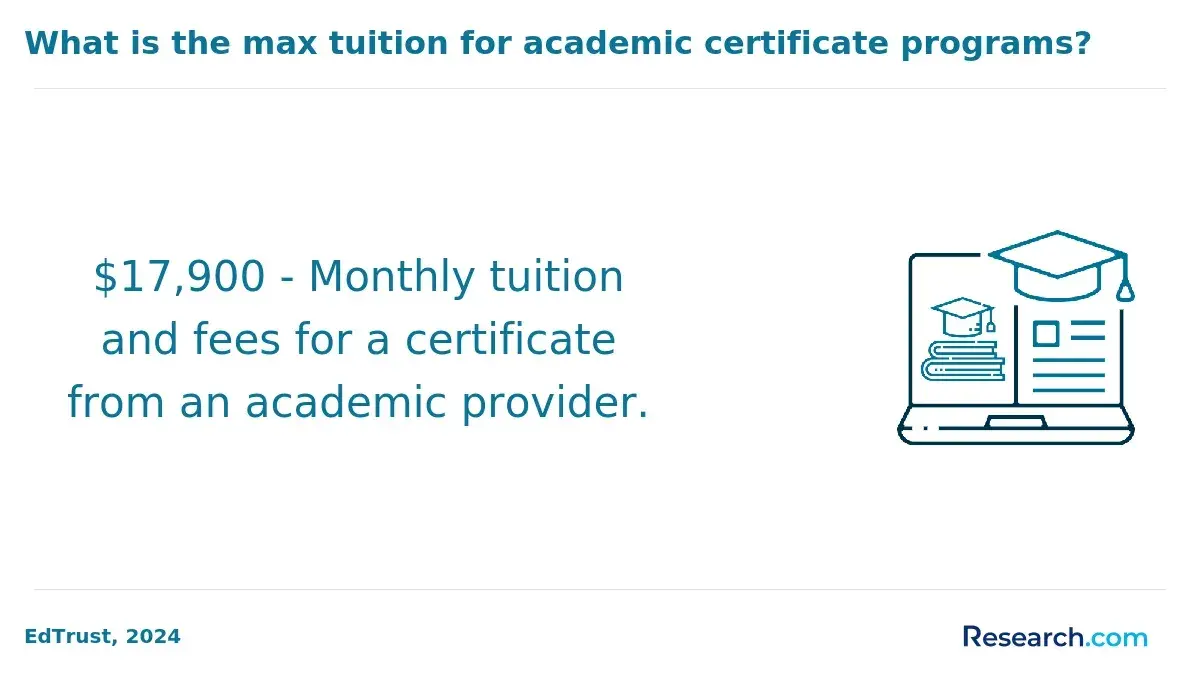
Cost of living changes the value of an IT salary because housing, transportation, taxes, insurance, and childcare vary sharply by region. A useful comparison starts with "real salary," or the amount of purchasing power left after adjusting for local expenses.
The table below shows how to think about salary value by region type. It does not replace a personal budget, but it helps students avoid the common mistake of ranking regions only by advertised pay.
| Regional cost pattern | What it means for IT graduates | Decision signal |
| High salary and high cost | Strong career upside, but rent and home prices may absorb much of the wage premium | Best when the role provides rapid advancement, equity, rare skills exposure, or a clear path to senior pay |
| Moderate salary and moderate cost | Often the most balanced choice for new graduates who need savings, stability, and experience | Best when job openings are diverse and the region has multiple industries hiring IT talent |
| Lower salary and low cost | Can produce strong quality of life, but advancement may depend on remote work or niche local employers | Best when the graduate has specialized skills or can access hybrid and remote roles |
| Rapidly growing but still affordable | Potential for salary growth before housing costs fully catch up | Best for graduates willing to enter emerging tech markets early and build local networks |
A practical way to compare regions is to estimate monthly take-home pay, subtract realistic local expenses, then compare the remaining savings potential. Graduates should include rent, transportation, state and local taxes, student loan payments, retirement contributions, health insurance premiums, and relocation costs. The best region is often the one that improves both current cash flow and future promotion potential.
Regional wage gaps are usually smaller at entry level and wider for experienced professionals. New graduates often compete for junior analyst, help desk, QA, systems support, and associate developer roles, where employers may use narrower salary bands. Experienced professionals with cloud, cybersecurity, architecture, data, or leadership skills are more likely to receive large regional premiums.
BLS May 2024 data helps explain the spread: the national median for computer and information technology occupations was $105,990, but individual occupations vary widely. For example, software developers and information security analysts generally sit well above broad entry-level support roles, which means the largest wage advantage tends to appear after graduates specialize.
| Career stage | How region affects pay | Best regional strategy | Common mistake to avoid |
| Entry-level graduate | Regional pay differences matter, but job access, internships, and first-manager quality may matter more | Choose a region with many junior openings and multiple industries hiring IT talent | Moving to a high-cost tech hub without enough savings or a realistic entry-level offer |
| Early-career specialist | Premiums grow as skills become less common, especially in cloud, security, data, and automation | Target regions where your specialization is tied to major local industries | Staying in a low-growth role too long because the starting salary was acceptable |
| Experienced professional | Regional premiums can become substantial when employers need architecture, leadership, compliance, or niche platform expertise | Compare senior roles across regions and include remote or hybrid options in the search | Accepting a high salary without checking workload, promotion path, and long-term market depth |
| Manager or technical leader | Pay depends heavily on employer size, budget ownership, industry risk, and team scope | Prioritize regions with headquarters, major offices, or regulated industries that value technology leadership | Assuming management pay is portable across all regions and industries |
For students, this means the first job should be evaluated as a platform. A slightly lower entry-level salary can be worthwhile if the region offers mentorship, certifications, employer-paid training, and a clear move from support work into higher-paying technical functions.
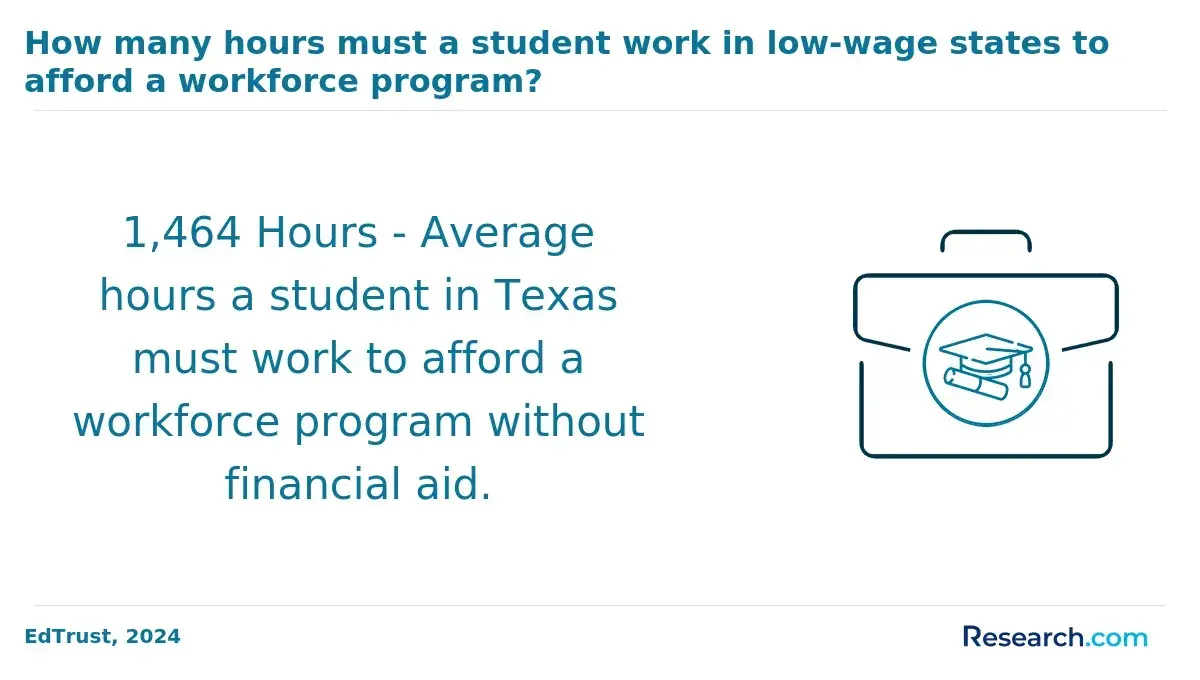
The best return on investment for an information technology degree usually appears where education costs, living costs, job availability, and salary growth work together. College Board's 2024 pricing data reported published tuition and fees of $11,610 for in-state public four-year colleges and $43,350 for private nonprofit four-year colleges for the 2024-25 academic year. That gap matters because the same regional salary can produce very different ROI depending on how much debt the graduate carries.
Use the following framework to compare regional ROI before choosing a school, internship market, or first job location.
- Estimate total education cost, including tuition, fees, books, technology, housing, transportation, and interest on any borrowed amount.
- Compare likely starting salaries in your target region for specific roles, not just broad IT averages.
- Adjust expected salary for local cost of living, especially rent and transportation.
- Check whether the region has employers in your preferred specialization, such as cybersecurity, cloud, software development, data analytics, or healthcare IT.
- Look for advancement signals, including internships, employer tuition assistance, certification reimbursement, headquarters locations, and senior technical roles.
ROI also depends on credential level. An associate degree can be cost-effective for support, networking, and systems administration pathways, while a bachelor's degree is often more flexible for software, analytics, cybersecurity, and management-track roles. A master's degree may pay off when it supports advancement into architecture, security leadership, data science, or IT management, but it is less compelling if it only duplicates skills the student already has.
Students comparing accelerated or advanced online pathways should use the same ROI logic they would use for IT. For example, people researching 1-year PhD programs online should still compare total cost, accreditation, career relevance, and whether the credential changes their earning power in the region where they plan to work.
Relocating for a higher-paying IT job can be worth it, but only when the wage increase survives a full financial and career review. The offer should improve more than the headline salary. It should improve net savings, skill development, employer quality, professional network, and future mobility.
Before accepting an out-of-region offer, compare the following factors. This checklist helps prevent the common mistake of moving for a salary that looks higher but feels smaller after expenses.
- Net monthly income after federal, state, and local taxes, not just gross salary.
- Housing costs within a realistic commuting distance, including deposits, parking, utilities, and renter's insurance.
- Relocation expenses, temporary housing, lease break fees, moving costs, and travel back to your current region.
- Career upside, including promotion paths, technical training, certifications, and whether the employer uses modern tools.
- Job-market depth, meaning whether other employers in the region hire for your specialization if the first job does not work out.
- Remote-work flexibility, because hybrid arrangements can change commuting costs and make a high-cost region more manageable.
Relocation makes the most sense when the new region gives you access to specialized roles you cannot easily get locally, such as cloud security, AI infrastructure, fintech engineering, defense cybersecurity, or large-scale enterprise systems. Staying put may make more sense when your current region has lower costs, a strong employer pipeline, or remote jobs that pay national salary bands.
Some students also decide not to relocate because their career goal is tied to local licensure or community-based practice rather than national IT markets. For instance, someone comparing affordable online MFT programs would need to weigh state licensure rules differently than an IT graduate weighing employer demand and technical specialization.
Skills increase the regional wage advantage because they make a graduate more valuable in high-demand local industries. A general IT degree can open the door, but the wage premium usually grows when graduates can solve problems tied to security, scale, automation, compliance, or data.
The skills below are especially useful when comparing regions because they travel well across employers and can create stronger offers in competitive markets.
- Cloud platforms and infrastructure, including AWS, Microsoft Azure, Google Cloud, virtualization, containers, and infrastructure as code.
- Cybersecurity, including identity and access management, threat detection, incident response, vulnerability management, secure networking, and governance.
- Programming and scripting, especially Python, JavaScript, Java, SQL, PowerShell, Bash, and automation frameworks.
- Data skills, including database design, data pipelines, analytics tools, data governance, and business intelligence.
- Networking and systems administration, including routing, switching, Linux, Windows Server, endpoint management, and monitoring tools.
- Communication and business analysis, because higher-paying IT roles often require translating technical issues into business risk, cost, and operational impact.
Certifications can help, but they should match the regional market. Security+, Network+, CCNA, AWS, Azure, CISSP, and project management credentials can be valuable depending on experience level and employer expectations. Students should read job postings in their target region and count repeated requirements before paying for an exam.
IT skills also support adjacent careers in digital media, product operations, and technical content systems. A student pursuing an online digital photography degree, for example, may improve regional employability by adding database, web, cloud storage, digital asset management, and workflow automation skills.
The fastest salary growth for IT careers is likely to appear in regions where employer demand is expanding faster than the local supply of specialized workers. BLS employment projections published in 2024 continue to show computer and information technology occupations growing much faster than the average for all occupations, which means regional competition for qualified talent should remain important.
Salary growth is most likely in regions with several overlapping demand drivers rather than a single large employer. Graduates should look for markets where cloud migration, cybersecurity regulation, healthcare digitization, fintech growth, data-center expansion, manufacturing automation, or federal modernization projects are all active at the same time.
| Growth market pattern | Why salaries may rise faster | Roles likely to benefit | Risk to consider |
| Cybersecurity and defense corridors | Security requirements, compliance pressure, and clearance needs can limit talent supply | Security analyst, cloud security engineer, network security administrator, compliance analyst | Some roles require citizenship, clearance eligibility, or on-site work |
| Cloud and data-center expansion regions | Infrastructure growth increases demand for networking, systems, cloud, and reliability skills | Cloud administrator, network engineer, systems engineer, site reliability support | Some jobs may be operations-heavy and require shifts or on-call schedules |
| Fintech and enterprise automation hubs | Companies pay for secure, scalable, and data-rich platforms that reduce risk and improve productivity | Software developer, data engineer, business systems analyst, IT auditor | Competition can be intense, especially for employers with national reputations |
| Healthcare and life sciences regions | Privacy, interoperability, analytics, and clinical technology needs create steady IT demand | Health IT analyst, integration specialist, database administrator, security analyst | Hiring may favor candidates who understand regulated environments |
| Advanced manufacturing and logistics markets | Automation, industrial networks, supply chain platforms, and operational technology security are growing priorities | ERP analyst, OT security specialist, systems administrator, data analyst | Some roles require hybrid knowledge of business operations and technical systems |
A fast-growing region is not always better than a mature high-wage region. Growth markets can offer earlier responsibility and lower living costs, while mature hubs may offer deeper specialization and higher senior-level ceilings. The better choice depends on whether the graduate needs entry-level access, rapid promotion, niche expertise, or long-term salary scale.
Students should choose a region by starting with career goals, then testing whether the region supports those goals financially and professionally. The best location for a cybersecurity student may differ from the best location for a software developer, data analyst, IT support specialist, or future technology manager.
A practical selection process can reduce guesswork. Use these steps before choosing a college, internship city, first job, or relocation target.
- Choose a target role first, such as software developer, cybersecurity analyst, cloud engineer, data analyst, systems administrator, or IT project coordinator.
- Review job postings in at least three regions and identify repeated degree, skill, certification, and experience requirements.
- Compare realistic entry-level salaries with local rent and transportation costs, not only median wages for experienced workers.
- Check whether local colleges have internships, employer partnerships, career fairs, labs, and alumni networks connected to the region's major industries.
- Estimate debt-to-income fit by comparing expected monthly loan payments with conservative starting salary assumptions.
- Evaluate long-term mobility by asking whether the region has multiple employers, senior roles, and industries that hire the same skill set.
Students should also avoid three red flags. First, do not assume a famous tech market is the best entry point if competition and housing costs are overwhelming. Second, do not choose the cheapest region if it lacks internships or employers in your specialization. Third, do not treat remote work as guaranteed; many employers have changed hybrid policies, and early-career workers may still benefit from in-person mentorship.
Finally, compare IT with other career paths if your main goal is stable earnings rather than a specific technology role. Someone considering business operations, recruiting analytics, or workforce technology may also look at the cheapest online master's in human resources and compare its cost, timeline, and regional employer demand against an IT degree pathway.
Industry often matters as much as geography. Two IT graduates in the same metro can see very different salaries if one works in a high-margin software, finance, or cybersecurity employer and the other works in a small organization with a limited technology budget.
The following table summarizes industries that frequently create regional wage premiums for IT graduates and the regions where those premiums are often most visible.
| Industry | Regions where the premium is often strongest | Why it can raise IT wages | Common IT roles |
| Software, cloud, and platform technology | West Coast hubs, selected Mountain West metros, Texas technology corridors | High revenue per technical employee and strong competition for engineering talent | Software developer, cloud engineer, site reliability engineer, DevOps engineer |
| Finance, insurance, and fintech | Northeast, Mid-Atlantic, selected Midwest and Southeast metros | Security, uptime, data quality, and automation directly affect revenue and risk | Data engineer, cybersecurity analyst, systems analyst, IT auditor, application developer |
| Federal contracting and defense | Washington, DC area, Mid-Atlantic, selected Southwest and Southeast markets | Clearance requirements and compliance needs limit the qualified labor pool | Cybersecurity specialist, network engineer, systems administrator, cloud security analyst |
| Healthcare and life sciences | Northeast, Midwest, West Coast, large Southeast metros | Digital records, privacy, analytics, and clinical systems require reliable IT operations | Health IT analyst, database administrator, security analyst, integration specialist |
| Energy, logistics, and manufacturing | Texas, Midwest, Gulf Coast, Southeast, Mountain West | Automation, industrial systems, supply chain platforms, and cybersecurity needs are expanding | ERP analyst, OT cybersecurity specialist, infrastructure engineer, business systems analyst |
The key takeaway is that graduates should research employers, not just cities. A region with many "tech-enabled" employers can be better than a region with only a few famous technology companies, especially for candidates seeking stability and multiple job options.
Other Things You Should Know About Information Technology
West Coast technology hubs, Northeast finance markets, and the Washington, DC-area cybersecurity and federal contracting corridor often provide the highest nominal wage advantage. However, the best real advantage depends on cost of living, taxes, job depth, and specialization.
It can be worth it if the region has low living costs, stable employers, and a path into higher-paying specializations such as cybersecurity, cloud administration, software development, or data analytics. ROI depends on degree cost, debt, and advancement opportunities.
Not always. A major hub can be valuable for specialized roles and rapid networking, but new graduates may do better in balanced markets with lower costs, more accessible junior roles, and employers willing to train early-career talent.
The biggest mistake is comparing gross salary only. Graduates should adjust for housing, taxes, commuting, relocation costs, student loan payments, job security, and promotion potential before deciding whether a region truly offers a better wage advantage.
- How does a college degree improve graduates’ employment and earnings potential? - APLU https://www.aplu.org/our-work/4-policy-and-advocacy/publicuvalues/employment-earnings/
- Your college degree pays off more if you live in a city https://cityobservatory.org/cities_reward_talent/
- Is College Worth It? - Public Policy Institute of California https://www.ppic.org/publication/is-college-worth-it/
- Highest Paying College Majors in 2026: Salary Data & Rankings | Extern https://www.extern.com/post/highest-earning-majors
- How does earnings advantage from tertiary education vary ... https://www.gipuzkoa.eus/documents/7861841/8950784/OCDE_education_indicators/30fc1c1b-c74f-d53d-7296-0dd4012c052c
- The Graduation Issue https://iei.asiacareersgroup.com/blogs/monthly-article/the-graduation-issue