2027 Information Technology Degree Persistence Report: Retention, Stop-Out Risk, and Re-Enrollment Patterns

Co-Founder and Chief Data Scientist
Choosing an Information Technology degree is also a persistence decision: can the program help you stay enrolled when coursework, work hours, money, or life pressures get difficult? The National Student Clearinghouse Research Center reported a 76.5% first-year persistence rate for beginning college students in its 2024 persistence and retention findings, meaning many students still pause, transfer, or leave before finishing.
This guide is for prospective and current IT students who want to compare programs, reduce stop-out risk, understand re-enrollment options, and choose a path that supports graduation and career momentum.
Key Things You Should Know
- Retention and persistence are different, retention tracks students who return to the same school, while persistence includes students who continue at any institution, which matters for IT students who may transfer for cost, schedule, or specialization reasons.
- Current labor-market upside is strong but not automatic, the U.S. Bureau of Labor Statistics lists a May 2023 median annual wage of $104,420 for computer and information technology occupations, but students usually need consistent progress, portfolio evidence, internships, or certifications to compete well.
- The strongest IT persistence outcomes usually come from programs that combine flexible scheduling, proactive advising, tutoring for programming and math-heavy courses, transparent transfer policies, and clear re-entry rules for students who need to stop out temporarily.
- What Do Retention Rates Reveal About Student Success in Information Technology Degree Programs?
- Which Students Are Most at Risk of Stopping Out of a Information Technology Degree Program?
What Do Retention Rates Reveal About Student Success in Information Technology Degree Programs?
Retention rates show how many students return to the same institution after their first year. For Information Technology students, this metric is useful because the first year often includes gateway courses such as programming fundamentals, networking, cybersecurity basics, databases, discrete math, or systems analysis. If many students leave after the first year, the issue may be academic fit, weak advising, limited tutoring, financial pressure, or a program structure that does not match working adults' lives.
Persistence is broader than retention. A student who leaves one college but enrolls at another may not count as retained by the original institution, but they are still persisting toward a credential. This is especially important in IT, where students may start at a community college, transfer to a four-year university, switch from campus to online learning, or move from a general IT major into cybersecurity, software development, cloud computing, data analytics, or information systems.
The table below explains the main persistence metrics you will see when comparing Information Technology programs. These numbers should be read together rather than treated as a single "best school" score.
| Metric | What it measures | Why it matters for IT students | How to interpret it |
| First-year retention rate | Students who return to the same school for a second year | Shows whether new students are supported through early IT gateway courses | Higher is generally better, but ask whether the rate applies to your major, campus, and learning format |
| Persistence rate | Students who continue at the same or another institution | Captures transfer behavior, which is common among cost-conscious IT students | A gap between retention and persistence may mean students are transferring rather than leaving higher education |
| Graduation rate | Students who finish within a defined time window | Connects enrollment continuity to credential completion | Use this with retention data because a school can retain students but still have slow completion |
| Stop-out rate | Students who pause enrollment without completing | Highlights risk points for working adults, caregivers, and students with financial strain | Ask whether students return and what policies help them re-enroll |
| Transfer-out rate | Students who leave for another institution | May indicate planned transfer pathways or dissatisfaction | Not always negative if credits transfer cleanly and students continue toward a bachelor's degree |
A high retention rate can signal effective support, but it does not guarantee graduation. IT students should look for evidence that the program helps students pass difficult sequence-based courses, stay on track after failed or withdrawn classes, and complete applied requirements such as capstones, labs, internships, or certification-aligned coursework.
Which Students Are Most at Risk of Stopping Out of a Information Technology Degree Program?
Stop-out risk rises when a student's academic plan depends on perfect conditions. IT degrees can be especially demanding because many courses build on each other: falling behind in programming, networking, math, or database concepts can delay later courses and disrupt financial aid eligibility or graduation timelines.
The students most at risk are not necessarily the least capable. Often, they are students whose programs do not match their work schedules, prior preparation, caregiving obligations, finances, or learning preferences. The risk is highest when several pressures occur at the same time.
The following risk factors are especially important to recognize early because they can be addressed before a temporary problem becomes a full stop-out.
- Heavy work hours: Students working long or unpredictable shifts may struggle with labs, group projects, exams, and weekly coding assignments that require uninterrupted time.
- Weak preparation in math or computing basics: Students entering without prior exposure to programming logic, algebra, or technical troubleshooting may need tutoring or a lighter first-term schedule.
- Part-time enrollment without a completion map: Part-time study can be realistic, but students may lose momentum if prerequisites are offered infrequently or if course sequencing is unclear.
- Financial instability: Tuition gaps, unpaid balances, technology costs, and reduced work hours during demanding terms can interrupt enrollment.
- Low sense of belonging: Students who feel isolated in online courses, large lectures, or male-dominated technical spaces may be less likely to seek help when they need it.
- Unclear career goal: Students who choose IT only because it seems employable may stop out when the coursework becomes difficult unless they connect the degree to a specific goal such as cybersecurity, help desk leadership, cloud administration, software support, or systems analysis.
Red flags include repeatedly withdrawing from prerequisites, failing a course that blocks the next term, missing advising appointments, delaying financial aid paperwork, or taking courses in a random order. The best response is not to "try harder" in isolation; it is to adjust the plan, use support services, and confirm whether the current school is still the right fit.
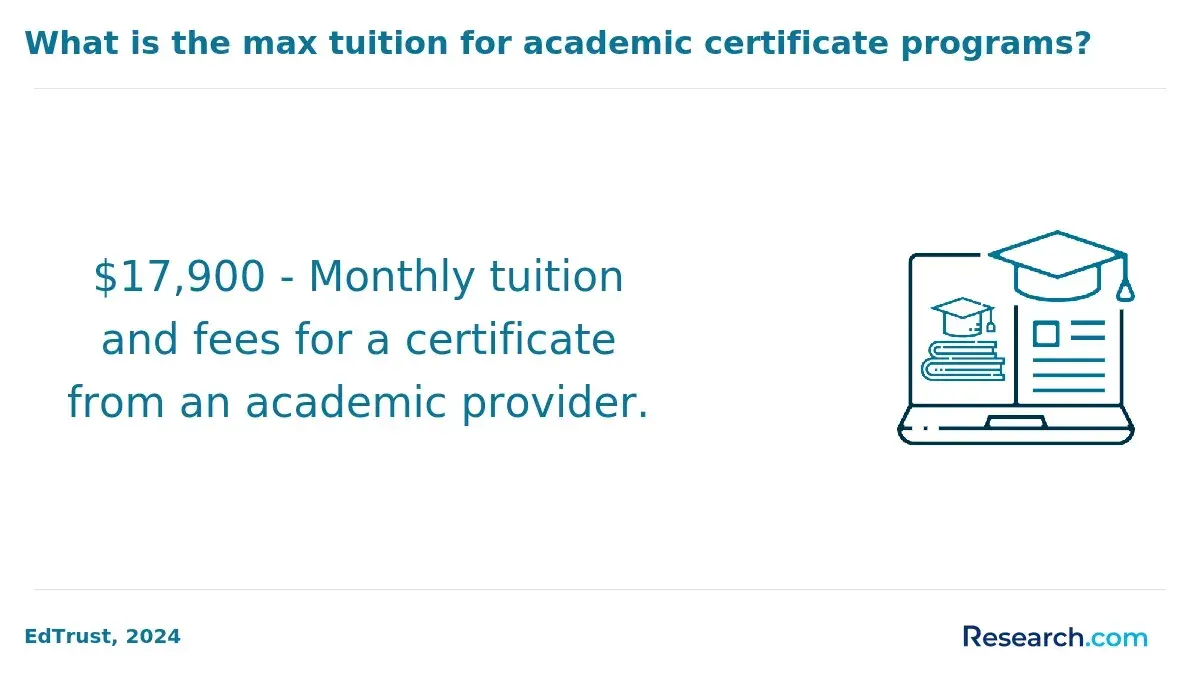
Academic and financial challenges often reinforce each other. A student who cannot afford a reliable laptop, broadband access, certification exam fees, or reduced work hours may perform worse academically; poor academic performance can then threaten aid eligibility and make the next term harder to finance.
IT students should look beyond posted tuition and estimate the full cost of staying enrolled. The 2024-25 maximum Federal Pell Grant is $7,395, which can be significant for eligible students but may not cover the full cost of attendance at many institutions. That means persistence planning should include tuition, fees, books, software, hardware, transportation, childcare, and time away from paid work.
The table below connects common challenges with the way they can affect persistence. Use it to identify what you should ask a school before enrolling or before deciding whether to continue.
| Challenge | How it can affect persistence | Program feature that can reduce the risk |
| Programming or scripting difficulty | Can block later courses and lead to repeated withdrawals | Embedded tutoring, lab assistants, coding bootcamp-style refreshers, and early diagnostic assessments |
| Math or logic gaps | Can make databases, cybersecurity, algorithms, or analytics courses harder | Placement advising, co-requisite support, and degree maps that avoid overload in the first term |
| Technology access costs | Can limit ability to complete labs, virtual machines, or cloud assignments | Laptop loan programs, virtual labs, remote desktops, and transparent hardware requirements |
| Unpaid balances | Can block registration, transcripts, or re-enrollment | Emergency grants, payment plans, financial counseling, and early balance alerts |
| Course sequencing problems | Can delay graduation when a prerequisite is missed or failed | Multi-term degree planning and guaranteed rotation of required courses |
| Internship conflicts | Can force students to choose between earning income and gaining experience | Flexible capstones, employer-connected projects, and credit for approved professional experience |
One common mistake is comparing IT programs only by tuition. A lower-cost program can be a strong choice when it offers clear course pathways and support, but it can become expensive if poor advising, limited course availability, or nontransferable credits add extra terms. Conversely, a higher-cost program may be worth considering if it offers strong transfer credit evaluation, proactive advising, employer partnerships, and flexible scheduling that reduce the chance of stopping out.
Stopping out means leaving school temporarily without completing the credential. It is not the same as dropping out permanently, but it can become permanent if the student does not understand re-enrollment deadlines, academic standing rules, financial aid status, and credit applicability.
IT students return in several ways: they re-enter the same program, transfer to a more flexible institution, change concentration, finish an associate degree before returning for a bachelor's, or shift to a certificate that stacks into a later degree. The right option depends on how many credits the student has completed, whether the credits still apply, and what caused the stop-out.
The table below summarizes common re-enrollment patterns and the questions students should ask before returning. These questions help prevent a second stop-out caused by the same unresolved barrier.
| Return pattern | When it may make sense | Main risk to check | Question to ask before re-enrolling |
| Return to the same program | The original program still fits the student's goals and schedule | Prior academic or financial issue may still exist | What has changed in my plan that makes persistence more likely this time? |
| Transfer to another institution | The student needs lower cost, online access, better scheduling, or a different specialization | Credits may not transfer cleanly | Which credits apply directly to the new IT major, not just as electives? |
| Change IT concentration | The student likes technology but not the original track | New prerequisites can add time | Will changing from software, cybersecurity, networking, or systems affect graduation date? |
| Complete a shorter credential first | The student needs a near-term employment boost or confidence reset | Certificate credits may not stack into a degree | Is this credential embedded in the degree map? |
| Return part-time | The student needs to balance work, caregiving, or finances | Slow progress can reduce motivation | What is the exact term-by-term path to completion? |
Before taking a break, students should complete a formal leave process if available, meet with financial aid, confirm whether scholarships or grants will be affected, save syllabi for transfer evaluation, and ask how long completed IT courses remain valid. Technology curricula change quickly, so older credits in networking, cybersecurity, cloud platforms, or programming may not always apply exactly as expected.
Transferring can be a smart persistence strategy when the new program is clearly better aligned with cost, schedule, or career goals. It can delay graduation when credits transfer only as electives, when the new school requires a different programming sequence, or when the student changes from an applied IT program into a more theory-heavy computer science curriculum without planning for prerequisite gaps.
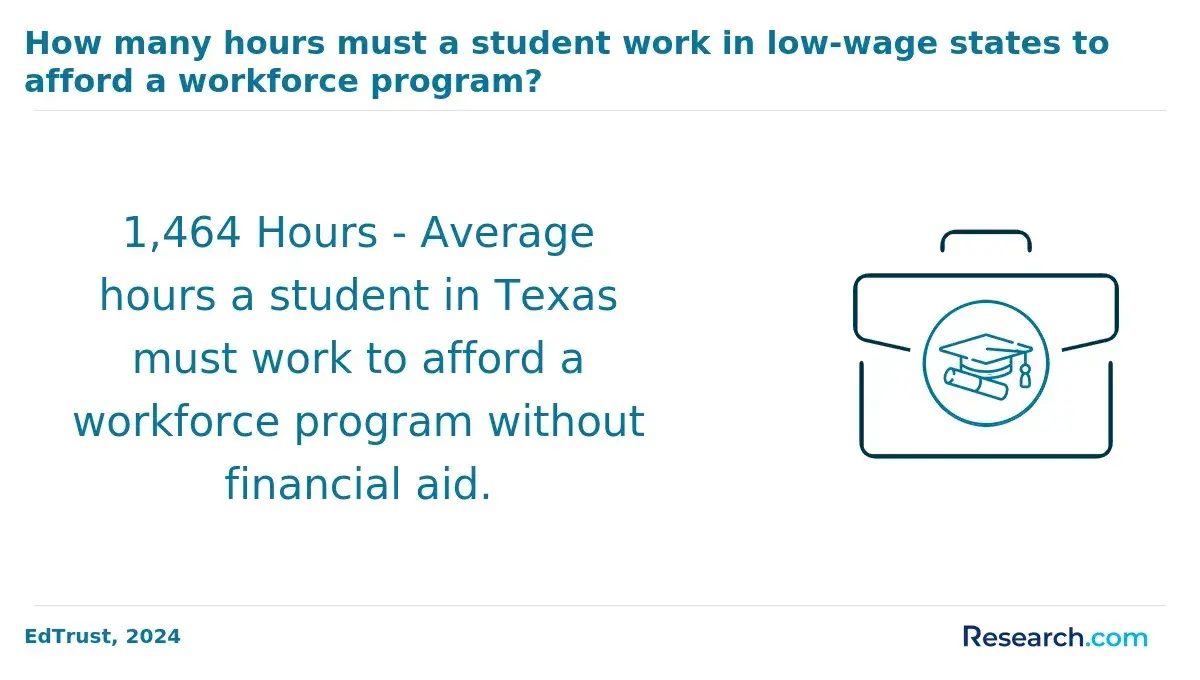
The strongest IT programs do not wait for students to fail before offering help. They use early alerts, proactive advising, tutoring, career guidance, and financial support to keep students moving through difficult points in the degree.
Support quality matters more than whether a school simply lists services on its website. A tutoring center that is open only during a working adult's shift may not help. A career office with no IT employer relationships may not build momentum. A program with strong support should be able to explain exactly how it identifies at-risk students and what happens next.
Look for support services that are specific to technical learning, scheduling complexity, and career preparation. The following features are especially useful for persistence in Information Technology degrees.
- Proactive academic advising: Advisors should help students map prerequisites, avoid overload, understand course rotations, and recover after a failed or withdrawn course.
- Technical tutoring: Support should cover programming, networking labs, databases, cybersecurity tools, cloud environments, statistics, and troubleshooting-not just general writing or study skills.
- Early alert systems: Faculty should flag missing assignments, low quiz scores, or poor lab performance early enough for the student to recover before withdrawal deadlines.
- Financial aid counseling: Students should understand satisfactory academic progress, unpaid balances, emergency grants, and the aid consequences of reducing course load.
- Career-integrated learning: Internships, capstones, employer projects, and certification preparation can help students see why difficult coursework matters.
- Belonging and mentoring: Peer mentors, student technology clubs, veterans' services, first-generation support, and women-in-tech groups can reduce isolation.
Students often compare IT programs with other flexible professional degrees when deciding whether online study can work for them. The same persistence lens used for technical programs can also apply to fields with heavy advising needs, such as affordable online MFT programs, where support quality and placement requirements can strongly affect completion.
A common mistake is waiting until midterm or finals week to ask for help. IT courses move quickly, and one missed concept can affect several assignments. Students should contact the instructor, tutor, and advisor after the first failed quiz, missed lab, or confusing project requirement-not after the course becomes mathematically impossible to pass.
Persistence affects both time-to-degree and career timing. In IT, skills compound: the sooner students complete foundational courses, the sooner they can pursue internships, portfolio projects, certifications, help desk roles, junior systems roles, cybersecurity labs, or cloud projects. A stop-out can delay this sequence even when the student eventually returns.
The career upside can justify careful persistence planning. The U.S. Bureau of Labor Statistics reported a May 2023 median annual wage of $104,420 for computer and information technology occupations, and its 2024 occupational outlook materials project about 356,700 openings each year across these occupations over the 2023-33 period. This does not mean every IT graduate earns that amount; wages vary by role, region, experience, credentials, and employer. It does show why finishing the credential and building experience can matter.
The table below shows how enrollment patterns can affect graduation timing. These are planning scenarios, not guarantees, because transfer credits, course availability, withdrawals, and program requirements vary by school.
| Enrollment pattern | Typical effect on time-to-degree | Career impact to consider |
| Consistent full-time enrollment | Usually the fastest route through prerequisites and upper-level courses | Earlier access to internships, capstones, and degree-qualified roles |
| Consistent part-time enrollment | Can work well with a structured long-term plan | May allow continued income and experience while studying |
| Repeated withdrawals | Can extend the degree and affect aid eligibility | May delay portfolio development and employer-facing projects |
| Temporary stop-out with planned return | May add one or more terms depending on course rotation | Can be manageable if the student preserves credits and returns with a stronger plan |
| Unplanned stop-out | Can create transcript holds, outdated credits, and re-entry barriers | May delay career transition and reduce momentum |
Persistence also affects confidence. Students who complete sequence-based IT coursework are more likely to have artifacts they can show employers, such as code repositories, network diagrams, security labs, database projects, documentation samples, or cloud deployments. Employers often value evidence of applied skill alongside the credential.
Students should treat every term as part of their career plan. A practical approach is to pair coursework with one visible skill outcome: a portfolio project, certification preparation milestone, internship application, faculty reference, or employer conversation. This makes persistence feel connected to a real career target rather than just another semester of requirements.
The strongest persistence outcomes are usually found in programs that combine academic structure with flexibility. A high-retention IT program is not necessarily the most selective or most expensive one; it is the program that helps students enter at the right level, complete prerequisites in order, recover from setbacks, and connect coursework to career goals.
Because retention and completion data are often reported at the institution level rather than the major level, students should ask for program-specific context. If a school cannot provide IT-specific graduation, course success, internship, or advising information, ask how the institution-level numbers apply to the computing department.
The table below shows what to look for when judging whether an IT program is likely to support persistence. Use these signals together rather than relying on one ranking or headline statistic.
| Program signal | Why it supports persistence | What to ask the school |
| Clear degree map | Reduces accidental delays from missed prerequisites | Can I see a term-by-term plan for full-time and part-time students? |
| Frequent course offerings | Helps students recover after a withdrawal or schedule conflict | Are required IT courses offered every term, once a year, or only when enrollment is high? |
| Transfer-friendly policies | Protects credits for students moving from community colleges or other schools | Which credits apply to the major, and will I receive a written evaluation before enrolling? |
| Strong gateway-course support | Helps students pass early programming, networking, and math courses | What tutoring, labs, or supplemental instruction is available for first-year IT courses? |
| Flexible pacing | Supports working adults without forcing them into unsustainable loads | Can I switch between full-time and part-time without disrupting the course sequence? |
| Career-connected curriculum | Builds motivation and employment readiness | What employers, certifications, internships, or capstone partners are connected to the program? |
Retention should matter when choosing a school, but graduation rate and academic fit should matter just as much. A program with moderate retention but excellent transfer pathways may be better for a cost-conscious student starting at a community college. A program with high retention but rigid scheduling may be a poor fit for a working adult who needs evening, asynchronous, or accelerated options.
The best programs are transparent. They can explain how many students complete, where students struggle, how often courses run, what happens after a failed prerequisite, and how returning students are handled. If admissions staff focus only on enrollment and cannot answer persistence questions, that is a red flag.
Student persistence in IT is changing because students are changing. More learners are balancing school with work, family, military responsibilities, or career changes. At the same time, employers increasingly expect applied skills in cloud computing, cybersecurity, data systems, AI tools, automation, and technical communication, which can make students more selective about programs that feel relevant and career-connected.
AI and automation are also reshaping how students learn. Some programs now teach students how to use AI coding assistants, automation tools, and cloud-based labs responsibly. These tools can support persistence when they help students practice, debug, and understand concepts. They can hurt persistence if students rely on them without learning fundamentals and then struggle in exams, interviews, or advanced courses.
Several current trends are especially important for students comparing IT programs. These trends affect whether a program will remain supportive and relevant throughout the student's degree timeline.
- More demand for flexible formats: Students increasingly expect online, hybrid, evening, and part-time options, but flexibility must include advising and tutoring access-not just recorded lectures.
- Greater focus on stackable credentials: Certificates that build into associate or bachelor's degrees can help students maintain momentum and show progress before graduation.
- Employer interest in skills evidence: Portfolios, labs, projects, internships, and certifications can strengthen the value of the degree and motivate persistence.
- Rising attention to stop-out recovery: Institutions are paying more attention to re-enrollment campaigns, transcript barriers, emergency aid, and degree-completion pathways for returning adults.
- Faster curriculum change: IT programs must update content as cloud platforms, cybersecurity threats, data tools, and AI workflows evolve.
Students looking at flexible graduate or accelerated options in other fields may notice similar persistence questions. For example, people comparing 1 year PhD programs online still need to evaluate advising access, workload realism, completion support, and whether the format fits their life; speed alone is not the same as persistence.
The main takeaway is that convenience is no longer enough. A modern IT program should offer flexibility, but it should also provide structure, human support, technical practice, and clear pathways back for students who pause enrollment.
Students should evaluate IT programs the way they would evaluate a long-term project: What are the requirements, risks, supports, costs, deadlines, and fallback plans? Retention data is one part of the decision, but the best choice is the program you can realistically complete while building skills employers recognize.
Use a structured comparison process before enrolling, transferring, or returning after a stop-out. This helps you avoid choosing a program based only on brand name, tuition, location, or marketing language.
- Ask for first-year retention, graduation, and transfer-out data, then ask whether any program-level IT data is available.
- Request a written degree plan showing prerequisites, course rotations, full-time options, part-time options, and the effect of withdrawing from a required course.
- Confirm whether the program is institutionally accredited and whether any specialized accreditation, certification alignment, or employer partnership is relevant to your goal.
- Review the full cost of attendance, including technology requirements, fees, books, certification exams, transportation, childcare, and time away from work.
- Test the support system before enrolling by asking how tutoring, advising, faculty office hours, disability services, and career support work for online, evening, and part-time students.
- Ask about re-enrollment rules, leave-of-absence policies, transcript holds, credit expiration, and whether returning students receive academic recovery plans.
- Compare career fit by reviewing internships, capstones, alumni outcomes, employer partnerships, certification preparation, and portfolio expectations.
When comparing costs, do not assume the cheapest option is automatically best or that the most expensive program is automatically stronger. Students considering other online professional degrees, such as the cheapest online master's in human resources, face the same trade-off: affordability matters most when the program also has the advising, flexibility, and completion structure to help students finish.
Common mistakes include ignoring retention data, assuming online courses are easier, enrolling full-time without enough weekly study time, failing to verify transfer credit, and waiting too long to ask for financial or academic help. A better approach is to choose a program with a realistic schedule, a clear support plan, and a documented path to graduation.
If you are already enrolled and at risk of stopping out, meet with an advisor before withdrawing. Ask whether you can reduce your course load, switch sections, use an incomplete, access emergency aid, take a formal leave, or complete a shorter credential first. A planned adjustment is usually less damaging than disappearing from the program without a re-entry plan.
Learning format affects persistence because IT coursework requires practice, feedback, and problem-solving support. Online programs can be excellent for working adults, military students, caregivers, and students who live far from campus, but they require strong self-management. Campus programs can offer easier access to labs, peers, and instructors, but they may be harder for students with transportation or scheduling constraints.
Full-time enrollment usually supports faster completion because students keep momentum and finish prerequisite chains sooner. Part-time enrollment may be more sustainable for students with work or family obligations, but it requires careful planning so that required courses do not stretch the degree far beyond the student's motivation, aid eligibility, or career timeline.
The table below compares format and enrollment choices from a persistence perspective. The best choice is the one that matches your real weekly schedule, not your ideal schedule.
| Option | Persistence strengths | Persistence risks | Best fit |
| Fully online | Flexible location, easier for working adults, often asynchronous | Isolation, procrastination, limited live troubleshooting if support is weak | Self-directed students with reliable technology and predictable study blocks |
| Campus-based | In-person labs, easier peer connection, direct access to faculty and tutoring | Commute burden, fixed schedules, less flexibility for work shifts | Students who learn best through live interaction and structured routines |
| Hybrid | Balances flexibility with in-person support | Can still create scheduling conflicts if campus days are rigid | Students who need flexibility but benefit from periodic face-to-face learning |
| Full-time | Faster momentum, clearer cohort experience, quicker access to upper-level courses | Higher weekly workload and possible income reduction | Students with stable finances and enough study time for technical assignments |
| Part-time | More manageable with work and family responsibilities | Longer time to degree and greater risk of losing momentum | Working adults who have a written multi-term plan and regular advising check-ins |
Students comparing online IT programs should ask the same persistence questions they would ask in any online field: How quickly do instructors respond? Are tutoring and advising available outside business hours? Are labs virtualized? Are courses offered every term? Similar questions matter when evaluating other online paths, from an online digital photography degree to technical computing programs, because flexibility only helps when student support is designed for remote learners.
Before choosing a format, build a realistic weekly schedule. Include class time, lab work, reading, assignments, commuting, work, sleep, family responsibilities, and recovery time. If the plan only works when nothing goes wrong, reduce the course load or choose a more flexible format.
Other Things You Should Know About Information Technology
No. Retention rate shows whether students return after the first year, while graduation rate shows whether students finish. For IT programs, use both metrics along with transfer policies, course availability, support services, and program fit.
No. Many students return after a temporary break, but re-enrollment is easier when the stop-out is planned. Before leaving, confirm financial aid rules, credit applicability, re-entry deadlines, and whether required IT courses will still count when you return.
Not always. Online programs can support persistence for students who need flexibility, but they require strong time management and reliable remote support. Ask about online tutoring, virtual labs, instructor response times, advising hours, and course sequencing.
A major red flag is vague support. If a school cannot explain how it helps students who fail a prerequisite, lose financial aid eligibility, need tutoring, or return after stopping out, the program may not have a strong persistence system.
- 6 Common Reasons for Student Drop Outs & 1 Simple Solution https://www.qooper.io/blog/6-common-reasons-for-student-drop-outs-1-simple-solution
- Boosting Student Retention: Proven Strategies for Higher Ed Success https://moderncampus.com/blog/strategies-for-improving-retention-in-higher-education.html
- Understanding and Supporting Stopout Students https://www.onegoal.org/about/blog/understanding-and-supporting-stop-out-students/
- Promising data on persistence, retention https://www.ccdaily.com/2024/06/promising-data-on-persistence-retention/
- Top 5 College Dropout Reasons & Prevention Strategies | Campus Mind - Campus Mind https://www.campusmind.org/college-dropout-reasons/
- Adults can return to college, finish, and thrive-with a little support https://www.luminafoundation.org/news-and-views/adults-can-return-to-college-finish-and-thrive-with-a-little-support/
- Breaking the Cycle: The Truth About College Dropouts in America https://estherfundsfoundation.org/press-%26-media/f/breaking-the-cycle-the-truth-about-college-dropouts-in-america
- College Dropout Rate [2025]: by Year + Demographics https://educationdata.org/college-dropout-rates
- Progression https://datagps.ihep.org/chapters/chapter-2/
- 5 Student Retention Strategies and the Tech Features That Make Them Work https://www.stellic.com/resources/student-retention-strategies