2027 Fastest Online Bachelor's in Information Technology Degree Programs Ranking in the USA

Co-Founder and Chief Data Scientist
Choosing the right online bachelor's degree in Information Technology can be overwhelming. That's why this article presents the 2027 Fastest Online Bachelor's in Information Technology Degree Programs Ranking in the USA, created by the Research.com team of data scientists. It offers clear insights to help you find programs that combine speed and quality.
Whether you're starting your IT career or looking to upgrade your skills, this ranking can guide you toward making informed decisions. Earning a degree in information technology opens doors to exciting opportunities and growth in a vibrant industry.
Key benefits of getting online information technology degree in America
- Salary: Information technology graduates can expect competitive salaries, with many earning between $60,000 and $100,000 annually depending on their specialty and experience, reflecting strong financial rewards in the field.
- Career Paths: Graduates from popular universities often find diverse career options such as cybersecurity, software development, or IT management, offering exciting opportunities to grow and specialize.
- Online Degree Benefits: An online IT degree from well-regarded schools provides flexibility to balance work and study, enabling students to advance their education without sacrificing current job opportunities or personal commitments.
- 2027 Fastest Online Bachelor's in Information Technology Degree Programs Ranking in the USA
- What can I expect from online information technology degree in America?
- Where can I work with online information technology degree in America?
What can I expect from online information technology degree in America?
The average cost of an online information technology degree in America typically ranges between $8,000 and $30,000 per year, depending on the institution and residency status. Many graduates from renowned universities find this investment worthwhile, noting the value gained through flexible scheduling that fits alongside full-time work or family commitments. For example, students at prominent state universities often benefit from lower tuition rates due to in-state residency, while private colleges might have higher fees but deliver specialized resources and industry connections.
Financial aid and scholarships designed for online learners further ease the financial burden, allowing many to graduate with manageable student debt. Alumni often express satisfaction with their ability to access virtual labs and real-world projects remotely, enhancing hands-on experience despite the distance learning format. Overall, these costs reflect a balance between affordability and the comprehensive training needed to enter a competitive job market in cybersecurity, cloud computing, and data management.
Where can I work with online information technology degree in America?
Graduates with an online information technology degree in America commonly secure roles in major technology companies such as Amazon, Microsoft, Google, and Apple. These graduates often thrive as systems analysts, network administrators, or cybersecurity specialists, gaining firsthand experience in cutting-edge product development and cybersecurity. Alumni from well-known institutions like Arizona State University and the University of Florida share how these opportunities provide both competitive salaries and clear advancement paths.
Beyond tech giants, many degree holders find rewarding careers in finance, managing secure online banking systems, or in healthcare, where they contribute to the maintenance of electronic health records and telemedicine platforms. These roles offer graduates a strong sense of purpose and an environment that values their digital expertise.
Federal agencies such as the Department of Defense and the FBI also actively recruit IT experts, offering job stability and comprehensive benefits. Additionally, startups and smaller organizations enable graduates to wear multiple hats, developing software and supporting various IT functions, which fuels their professional growth and adaptability.
Graduates holding an online information technology degree in America can anticipate starting salaries between $55,000 and $65,000 per year, especially in entry-level roles like IT support specialist or help desk analyst. These figures align with the experiences of recent graduates from institutions such as Arizona State University and Penn State World Campus, where students report securing positions that provide a solid income foundation shortly after graduation.
With additional certifications and practical experience, many alumni have advanced into specialized roles such as network administrators or cybersecurity analysts, commanding salaries that often exceed $80,000 annually. For instance, network administrators earn a median wage of approximately $88,700, while information security analysts typically see median salaries near $103,590, according to the U.S. Bureau of Labor Statistics.
Graduates from well-regarded colleges like the University of Florida's online IT program frequently highlight the potential for growth into managerial positions. IT managers and computer and information systems managers in America earn median wages around $159,010 per year, reflecting the substantial return on investment for those who develop leadership abilities alongside their technical skills.
- Online IT bachelor's degrees in the US usually take about four years to complete and cover core topics like networking, cybersecurity, and software development.
- Tuition varies widely, with public universities charging $10,000-$20,000 per year for in-state students and private or out-of-state universities often exceeding $30,000 annually.
- Employment in computer and IT jobs is projected to grow 15% from 2021 to 2031, which is much faster than the average for all careers.
- Entry-level IT graduates typically earn around $60,000 annually, with experienced professionals making over $90,000 within five to ten years.
- Many programs include hands-on labs, internships, and capstone projects, and accreditation from bodies like ABET ensures degree quality and recognition.
Completing an online information technology (IT) degree in America typically takes around four years for full-time students, aligning with the standard credit requirements seen at well-known institutions such as Arizona State University or the University of Florida. Many graduates appreciate the flexibility of these programs, which allow them to accelerate their studies by taking extra courses or enrolling throughout the year, reducing completion time to two or three years.
For example, working professionals pursuing their IT degrees part-time at colleges like Penn State World Campus often extend their studies to five or six years, striking a balance between career and academics. Graduates frequently share how being able to manage their schedules brings a strong sense of accomplishment and motivation.
Associate degrees, offered by community colleges such as Northern Virginia Community College, usually require about two years and provide a quicker entry into the IT workforce or a foundation to later transfer credits toward a bachelor's degree. Overall, transfer credits, program design, and part-time options significantly influence how long students take to finish their degree.
Online and on-campus information technology degree programs in America differ primarily in delivery, flexibility, and student experience. Online programs, such as those offered by well-known public universities, allow students to learn remotely through asynchronous lectures and digital resources. This model suits working professionals or parents who require flexible schedules, enabling them to balance study with other responsibilities. Graduates often appreciate the ability to engage with coursework anytime, without commuting or relocating.
Conversely, traditional on-campus IT programs demand physical presence, fostering real-time interaction with professors and peers. Students at prominent institutions benefit from hands-on access to campus labs and collaborative projects, which enhance networking and practical skill development. Many graduates recall how these face-to-face experiences created lasting professional connections.
Cost differences also influence choice. While annual tuition for in-state on-campus IT degrees typically ranges from $9,000 to $12,000, online tuition might be comparable but often eliminates expenses like housing and transportation. Both pathways maintain rigorous accreditation and curriculum standards, ensuring graduates possess recognized qualifications in the U.S. tech job market.
The average cost of an online information technology degree in America typically ranges around $48,240 in total, depending on various factors including residency status and the institution. In-state students usually benefit from more affordable tuition fees, paying approximately $37,010 for the full program, while out-of-state students see higher costs near $50,331. Many popular universities offering online IT degrees reflect this trend, with graduates often expressing satisfaction over the balance between quality education and reasonable pricing.
Tuition and fees for it bachelor's degree online in the USA also vary depending on whether the institution is public or private. Public state universities frequently provide more cost-effective options for in-state learners. Graduates from these programs describe their experience as financially manageable when aided by scholarships and employer support, emphasizing that most bachelor programs require about 120 credit hours for completion. Private universities, by contrast, demand higher tuition but offer more specialized tracks and flexible pacing, making them an appealing choice for students seeking a tailored education.
Beyond tuition, additional costs such as technology fees, course materials, and necessary software licenses may add several hundred dollars annually. Many students appreciate institutions that provide transparent breakdowns of these expenses. Financial aid and scholarships dramatically alleviate the financial burden, with some reporting a net cost closer to $7,000 per year after aid. Prospective students interested in career outcomes might also explore the mba technology management salary to understand the return on investment gained through IT degree programs.

Students pursuing online information technology degrees in America commonly access federal student aid through the Free Application for Federal Student Aid (FAFSA), qualifying them for grants, loans, and work-study programs. For instance, graduates from institutions like Arizona State University have benefited from Pell Grants, which can offer up to $7,395 annually without the obligation to repay. Federal student loans provide affordable borrowing options with competitive interest rates and manageable repayment plans, crucial for students at schools such as the University of Florida.
State-specific aid programs further reduce expenses; California residents attending community colleges might use the California College Promise Grant to waive fees effectively. Additionally, IT-focused scholarships from organizations like the Computing Research Association and CyberCorps Scholarship for Service offer substantial support, occasionally covering living costs while participants commit to public service roles.
Employer tuition assistance is increasingly valuable for working professionals upgrading their tech skills, often fully covering online program fees. Veterans also leverage benefits like the Post-9/11 GI Bill, which has enabled many graduates from institutions such as Penn State World Campus to complete their IT degrees with comprehensive financial support.
To enroll in an online information technology degree program in America, students generally must present a high school diploma or its equivalent, such as a GED. Graduates from well-known institutions often recall that this foundational requirement was straightforward but essential to demonstrate readiness for college-level work. Many universities, including those with strong IT reputations like the University of Florida or Penn State, may request standardized test scores such as the SAT or ACT, although test-optional policies have become more prevalent recently.
Applicants typically benefit from having completed courses in mathematics, computer science, or related subjects during high school. For example, students sharing their experiences at public colleges emphasize how prior exposure to programming or network fundamentals accelerated their understanding of advanced coursework. Additionally, recommendations often include basic computer proficiency or even professional certifications like CompTIA, which some programs acknowledge as a strength during admissions.
Transfer students frequently mention the importance of submitting official transcripts and how previous college credits or certifications shortened their path to graduation, enhancing motivation. The practical aspects of time management and self-discipline are also highlighted in orientation sessions, preparing candidates to thrive in rigorous online environments.
Online information technology degree programs in America typically feature a curriculum designed to build a strong foundation along with advanced specialized skills. Graduates from prominent universities such as Arizona State University or University of Florida often recall beginning their studies with core courses like Introduction to Information Technology, Programming Fundamentals using languages such as Python or Java, and Computer Networking, which clarify how systems communicate in real-world environments.
Practical courses like Database Management teach students how to design and secure data repositories, reflecting the demands found in many IT roles. Systems Analysis and Design classes provide essential problem-solving techniques relevant to improving business IT solutions.
As students progress, they engage with focused subjects such as Cybersecurity, protecting organizations from escalating threats, and Cloud Computing, which explains how companies harness remote servers for scalable operations. IT Project Management and Web Development prepare learners to lead teams and create user-focused applications respectively, while Data Analytics equips students to interpret large datasets critical for decision-making in sectors ranging from finance to healthcare.
Online information technology degree specializations USA commonly include fields that align with current industry demands and student career goals. Programs from leading colleges, renowned for IT studies, offer specializations such as Cybersecurity, Network Administration, and Cloud Computing. Graduates describe their learning journey as empowering, gaining hands-on experience configuring secure networks or managing cloud infrastructure, which prepares them to tackle real-world challenges confidently.
Other popular concentrations include Software Development and Database Management, where students often engage in projects building applications or optimizing database performance. These specializations reflect the best IT degree concentrations in America, appealing to students eager to enter fast-growing and lucrative tech roles. For example, graduates find that focusing on Information Systems Management equips them with leadership skills applicable in managing tech teams effectively.
Prospective students exploring options can benefit from reviewing easy information technology online degrees, which highlight programs designed to balance rigorous content and accessibility, further helping in choosing the right path.
When choosing the best online information technology degree in America, accreditation plays a critical role. Graduates from programs accredited by ABET or regional bodies such as the Higher Learning Commission often report smoother credit transfers and greater employer recognition, enhancing their career trajectories. Cost considerations are equally important; students pursuing affordable accredited IT bachelor's degrees America-wide emphasize balancing tuition expenses with available financial aid and scholarships to avoid unnecessary debt.
Curriculum flexibility is another decisive factor. Programs that offer specializations in cybersecurity, networking, and programming, along with hands-on labs or capstone projects, better prepare students for real-world challenges. Graduates from well-known colleges describe feeling confident in applying practical skills immediately after completion. Students also advise exploring part-time or accelerated formats to fit studies around work or family commitments.
An additional aspect to consider is how a program supports career outcomes. Investigate graduation rates, job placement statistics, and alumni success stories from reputable schools. Understanding the subtle but important differences between IT and related fields can clarify choices; for example, many consult detailed resources on it vs cs. This approach fosters informed decisions about the best online information technology degree programs USA has to offer.
Graduates of online information technology degree programs in America have access to diverse career paths that reflect the dynamic landscape of the IT industry. Popular universities and colleges, known for their rigorous IT curricula, prepare students to excel as network and systems administrators who ensure the seamless operation of organizational infrastructure. Many graduates find fulfilling roles as cybersecurity analysts, defending critical data against evolving threats, often inspired by hands-on experiences gained during their studies.
Others pursue careers as software developers, crafting applications that drive innovation across sectors from healthcare to finance. Database administrators who manage and secure complex data storage systems are also in high demand. For students balancing work and study, IT support specialist positions offer valuable opportunities to apply technical troubleshooting skills in real-time environments. These practical outcomes contribute to the appeal of most affordable online it degree programs and reinforce strong online information technology careers USA.
Information technology graduates benefit from programs that emphasize industry-recognized certifications alongside degree completion, enhancing job prospects and providing a competitive edge in the US market focused on IT degree job opportunities in America.
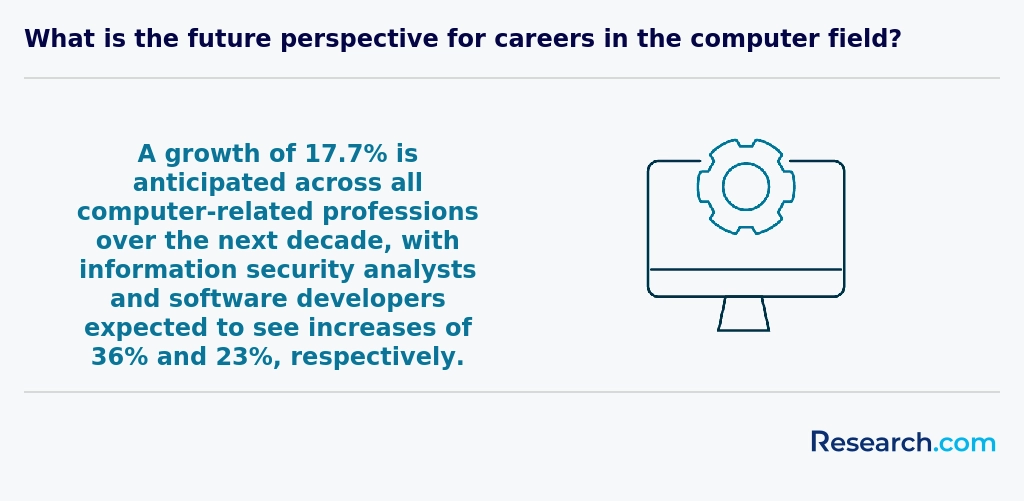
The job market for graduates with online information technology degrees in America remains highly promising and continues to expand rapidly. Graduates from reputed universities and colleges frequently report smooth transitions into roles such as cybersecurity analysts, network administrators, and software developers, reflecting strong employer demand. This positive trajectory is supported by a projected 13% growth in computer and IT occupations through 2031, signaling abundant opportunities for online information technology careers USA.
Many students appreciate the flexibility and accessibility of online programs, which allow them to gain crucial skills while balancing work or other commitments. Graduates from popular institutions often highlight how practical experience combined with accredited online coursework has helped them stand out in the competitive job market. Salary prospects are equally encouraging, with median wages near $88,000 and experienced professionals, like information security analysts, earning substantially more.
Cost-conscious students benefit from competitive tuition rates and savings on commuting and housing. For those seeking affordable options, exploring cheapest mba information systems programs can be a strategic step toward advancing their IT careers in America's evolving technology landscape.
2027 Fastest Online Bachelor's in Information Technology Degree Programs Ranking in the USA
Investing in your education is a significant decision that can shape your future, and the Research.com team understands the importance of making informed choices. To assist prospective students, we have meticulously crafted the "2027 Fastest Online Bachelor's in Information Technology Degree Programs Ranking in the USA." Our commitment to quality, credibility, and accuracy is reflected in the extensive research and analysis conducted to compile this ranking.
We utilized the following reputable data sources to ensure a comprehensive evaluation of programs:
By exploring this ranking, readers will gain valuable insights into the fastest accredited online IT programs in the USA, helping them make informed decisions about accelerating their educational journey. For more details on our methodology, please visit our Research.com methodology page.





# 14 position
Florida State College at Jacksonville
Bachelor of Information Systems Technology

# 15 position
Midland College
Bachelor of Health Services Management

# 16 position
East Carolina University
Bachelor of Industrial Technology, Information and Computer Technology


# 20 position
Amridge University
Bachelor of Information Systems Management

Frequently Asked Questions About information technology
To maximize their learning experience, online information technology degree students in America should create a dedicated study schedule that mirrors a traditional campus routine. Time management is critical, as the U.S. Department of Education reports that students who plan their time effectively tend to complete online courses at higher rates.
Engaging actively in virtual discussions and group projects enhances understanding by exposing students to diverse perspectives. According to EDUCAUSE, 70% of IT students find peer collaboration key to mastering complex concepts.
Students should also leverage university resources, such as online tutoring and career services, which can improve retention and professional readiness. Staying updated with industry tools and certifications recommended by organizations like CompTIA adds practical value to academic knowledge in America's competitive IT job market.
The information technology (IT) field in the United States is evolving rapidly, with several emerging niches gaining significant attention. Cybersecurity remains a top priority as cyberattacks continue to rise, driving demand for professionals skilled in threat detection and data protection. Cloud computing is another expanding area, with businesses migrating to cloud platforms like AWS and Azure. Additionally, data science and analytics have become crucial, as organizations seek to turn vast amounts of data into actionable insights. Artificial intelligence (AI) and machine learning are also key growth sectors, influencing various IT applications. According to the U.S. Bureau of Labor Statistics, employment in these specialties is expected to grow 15% or more through 2031.
Preparing for the job market after earning an online information technology degree in America requires strategic planning. First, gaining practical experience is crucial. Many programs encourage internships or cooperative education, which can boost employability. According to the U.S. Bureau of Labor Statistics, IT occupations are projected to grow 15% from 2021 to 2031, adding about 682,800 new jobs nationwide.
Certifications such as CompTIA, Cisco, or Microsoft are highly valued by employers and complement a degree. Networking through professional organizations like the Association for Computing Machinery can provide job leads and mentorship.
Additionally, building a strong portfolio showcasing projects and technical skills helps graduates stand out. Staying current with technology trends is equally important in this rapidly changing field.
Employers in America prioritize both technical and soft skills when hiring information technology graduates. According to the U.S. Bureau of Labor Statistics, proficiency in programming languages such as Python, Java, and SQL is highly sought after. Additionally, knowledge of cybersecurity principles and cloud computing platforms like AWS and Azure is increasingly important due to the growing demand for secure and scalable IT infrastructure.
Beyond technical abilities, strong problem-solving skills and effective communication are essential. A 2023 survey by CompTIA found that 78% of IT employers value teamwork and interpersonal skills as much as technical expertise. Critical thinking and adaptability also help graduates excel in dynamic technology environments.
Familiarity with data analysis tools and project management methodologies further enhances a candidate's appeal, reflecting employers' focus on delivering actionable insights and managing complex projects efficiently. Continuous learning remains vital as technology trends evolve rapidly.
Finding internships in America relevant to an information technology (IT) degree involves leveraging multiple resources. Many universities offer dedicated career centers that connect students with local and national IT companies. According to the National Association of Colleges and Employers (NACE), over 65% of internships are found through personal connections or university programs.
Online job platforms like Handshake and LinkedIn also provide access to IT-specific internships nationwide. The U.S. Bureau of Labor Statistics highlights that technology companies, especially in states like California and Texas, offer numerous opportunities in software development, cybersecurity, and data analysis.
Participating in campus or virtual job fairs focused on technology can further increase chances of securing a position.
An online information technology degree in America significantly enhances career mobility and advancement opportunities. According to the U.S. Bureau of Labor Statistics, IT jobs are projected to grow 15% from 2021 to 2031, much faster than the average for all occupations. This growth creates a strong demand for qualified professionals with up-to-date technical skills.
Graduates with online IT degrees often benefit from flexible learning schedules while acquiring skills in areas like cybersecurity, data management, and cloud computing. Employers increasingly recognize accredited online degrees, making it easier for graduates to switch industries or move into management roles.
Additionally, many online programs integrate current certifications that boost employability and earning potential in the competitive U.S. technology sector.
Studying for an information technology (IT) degree in America offers students strong preparation for interdisciplinary roles by integrating technical knowledge with skills from other fields. U.S. IT programs commonly include courses in business, communication, and project management alongside core IT subjects. This combination develops graduates' ability to work across departments and industries.
According to the National Center for Education Statistics, over 60% of IT programs offer interdisciplinary courses or concentrations, reflecting the demand for versatile skills in the workforce. Employers increasingly seek IT professionals who understand both technology and business processes to facilitate innovation.
Online IT degrees also emphasize real-world problem solving, collaboration, and adaptability, essential traits for interdisciplinary teamwork. These programs often use case studies and projects that require applying IT skills in health care, finance, or education sectors, preparing students for diverse career paths.
When choosing between a thesis and a non-thesis online information technology degree program in America, students should consider their career goals and learning preferences. Thesis programs usually focus on research and require a significant project, which suits those aiming for advanced studies or research roles.
Non-thesis programs emphasize practical skills and coursework, appealing to students seeking faster completion and direct entry into the IT workforce. According to the National Center for Education Statistics, about 60% of IT graduates pursue technical roles where hands-on skills are essential.
Additionally, thesis programs may take longer to complete, often 1-2 semesters more, while non-thesis tracks offer more flexibility for working professionals.
American students seeking to study information technology abroad have several options, primarily through partnerships between U.S. institutions and foreign universities. Many accredited U.S. schools offer online IT degrees with opportunities to take some courses or short programs overseas. According to the National Center for Education Statistics, over 7% of U.S. college students participate in study abroad programs, though IT fields are less common than humanities.
Programs often include exchange agreements, dual degrees, or virtual international internships. Countries like the UK, Canada, and Australia are popular due to their strong IT education systems and English-language instruction. These arrangements allow students to gain global experience while earning a U.S.-recognized degree, maintaining eligibility for federal financial aid.
Part-time jobs can significantly enhance the education of online information technology (IT) students in America. Roles such as IT support technician, help desk analyst, and junior web developer are common opportunities. According to the U.S. Bureau of Labor Statistics, IT support roles are projected to grow 8% through 2032, faster than average for all occupations, highlighting strong demand.
These positions allow students to apply classroom skills like troubleshooting, coding, and network management in real-world settings. Additionally, many companies offer remote internships suited for online learners, providing practical experience alongside academic progress.
Gaining part-time work within IT not only bolsters a resume but also helps students build professional networks crucial in America's competitive tech job market.
Online information technology students in America benefit from a variety of networking opportunities designed to connect them with peers, faculty, and industry professionals.
Many accredited universities offer virtual career fairs and online student organizations related to IT fields, enabling students to engage with experts remotely. Platforms like LinkedIn provide important professional networking tools, widely used by IT professionals in the US, where over 90% of recruiters search for candidates (source: Jobvite 2023). Moreover, national organizations such as the Association for Computing Machinery (ACM) host virtual events and local chapters, facilitating access even for online learners.
Certain programs also partner with tech companies to provide mentorship and internship opportunities, critical for building industry connections. Access to alumni networks of established universities further enhances these connections, leading to job placements and collaborative projects. These resources collectively support online IT students in expanding their professional networks across the United States.
Alumni networks play a significant role in supporting online information technology degree students in America. They provide access to a wide range of professional connections across various IT sectors. According to the National Association of Colleges and Employers, networking remains one of the top ways graduates find employment. For online students, these networks can bridge the gap created by remote learning, offering mentorship, job referrals, and industry insights.
Many universities host virtual events and online forums where alumni share knowledge about evolving technologies like cybersecurity and cloud computing. These connections often lead to internships or job opportunities in America's growing IT market, which is projected to grow 15% from 2021 to 2031, per the Bureau of Labor Statistics.
Customizing an online information technology degree in America allows students to align their education with specific career objectives. Many universities offer various concentrations such as cybersecurity, data analytics, software development, or network administration. Selecting relevant electives helps build expertise in desired areas. Additionally, some programs provide options for hands-on projects or internships, which enhance practical skills and job readiness.
Advisors often assist in tailoring course schedules to balance foundational knowledge with specialized topics. According to the National Center for Education Statistics, about 60% of IT bachelor's students choose focused tracks to meet employer demands. Flexible pacing and transfer credits further support customization efforts.
Online information technology students in America often face several challenges despite the flexibility of virtual learning. One common issue is staying motivated and managing time effectively, especially for those balancing work and family responsibilities. According to the National Center for Education Statistics, nearly 65% of online learners reported struggles with self-discipline. Additionally, technical difficulties such as unreliable internet connections or outdated hardware can interrupt study progress. Many students also express concerns about limited access to hands-on experiences and networking opportunities compared to traditional programs. These challenges require careful planning and utilization of available online support services to succeed in IT degrees remotely.
An online information technology degree in the United States prepares students for a variety of professional certifications that are highly valued by employers. Common certifications include CompTIA A+, Network+, and Security+, which validate foundational IT skills in hardware, networking, and cybersecurity. For advanced credentials, certifications such as Certified Information Systems Security Professional (CISSP) and Cisco Certified Network Associate (CCNA) are popular choices. According to the U.S. Bureau of Labor Statistics, IT jobs are projected to grow 15% from 2021 to 2031, creating demand for certified professionals. Earning these certifications can enhance job prospects and earning potential in the IT industry.
To write a winning application for an online information technology program in America, start by showcasing your relevant experience and skills clearly. Highlight any certifications like CompTIA or Cisco, as these demonstrate practical knowledge employers value. Tailor your personal statement to explain why you chose IT and how this program fits your career goals.
Include academic achievements, especially in STEM subjects, as these strengthen your application. According to the National Center for Education Statistics, IT degrees are in high demand, so emphasize your commitment to this growing field. Also, prepare a strong resume that lists relevant work, internships, or technical projects.
Finally, request letters of recommendation from professionals who can attest to your technical abilities and work ethic. Evidence of motivation and clear long-term goals often increases acceptance chances at competitive programs.
Information technology (IT) careers in the United States are increasingly shaped by global trends. The U.S. Bureau of Labor Statistics projects a 13% growth in IT jobs from 2021 to 2031, reflecting strong demand aligned with worldwide digital transformation.
Globally, IT professionals face opportunities to work in diverse environments, thanks to remote work and international projects. U.S. online IT degrees emphasize skills like cybersecurity, cloud computing, and data analytics, which are highly valued internationally.
American IT graduates often benefit from certifications recognized worldwide, enhancing mobility and job prospects. Institutions like CompTIA and Cisco provide certifications integrated into many U.S. programs.
The global nature of IT careers means cultural adaptability and continuous learning are essential. Understanding international standards and regulations is part of current U.S. curricula preparing students for a worldwide marketplace.
Gaining practical experience while pursuing an online information technology degree in America is essential for career readiness. Many institutions partner with local businesses to offer virtual internships, allowing students to apply their skills in real-world settings. According to the National Association of Colleges and Employers (NACE), 60% of IT employers value internship experience when hiring graduates.
Students can also join coding competitions, hackathons, and open-source projects to build portfolios. Additionally, many online programs include capstone projects simulating real IT problems. Another option is freelancing on platforms that connect clients with IT professionals, providing hands-on work experience and networking opportunities.
Choosing the right concentration within an online information technology degree program in America begins with identifying your career goals. The U.S. Bureau of Labor Statistics projects a 15% growth in information technology jobs from 2021 to 2031, highlighting areas like cybersecurity, network administration, and software development as high-demand fields.
Many programs offer specialized tracks such as cybersecurity, data management, or cloud computing. Research job market trends through sources like CompTIA's IT Industry Outlook report to align your interests with emerging opportunities.
Consider your background and skills when selecting a concentration; for instance, cybersecurity may require detail orientation and problem-solving abilities.
Additionally, investigate each program's curriculum and faculty expertise to ensure it meets industry standards and certifications common in the U.S. IT sector.
- 4 Ways Technology Improves Student Learning and Higher… https://nttdata-solutions.com/fr/blog/4-ways-technology-improves-student-learning-and-higher-education/
- The 4 Best Online Colleges that Accept FAFSA - Juno https://joinjuno.com/financial-literacy/financial-aid/online-colleges-accept-fafsa
- Using Technology to Transform Higher Education https://upcea.edu/using-technology-to-transform-higher-education/
- Online Bachelor's Degree in Information Technology (IT) https://csuglobal.edu/academic-programs/undergraduate-degrees/bachelors-degree-information-technology
- 7 Ways Technology Improves Learning Outcomes https://www.explorance.com/blog/7-ways-technology-in-the-classroom-enhances-student-success/
- 4 Ways to Leverage Technology to Enhance the Learning ... https://blog.definedlearning.com/leveraging-technology-in-the-classroom/
- How to Pay for a Degree in Computer Science https://www.computerscience.org/resources/how-to-pay-for-a-degree/
- Best Online Bachelor's Degrees in Information Technology ... https://www.cyberdegrees.org/listings/best-online-bachelors-in-information-technology-programs/
- Computer and information technology careers to consider https://www.phoenix.edu/articles/it/computer-and-information-technology-careers.html
- IT Careers: Top-Paying Fields for Grad Students https://www.onlinemastersdegrees.org/careers/information-technology-it/