2027 Most Affordable Online Information Technology Degree Programs Ranking in the South

Co-Founder and Chief Data Scientist
Choosing the right online information technology degree program can feel overwhelming, especially with so many options available in the South. This article presents the 2027 Most Affordable Online Information Technology Degree Programs Ranking in the South, carefully crafted by the Research.com team of data scientists.
By exploring this ranking, you'll discover affordable, high-quality programs that fit your goals and budget. Earning an IT degree opens doors to exciting career paths and lasting opportunities.
Let this guide inspire and support your journey toward a rewarding future in technology.
Key benefits of getting online information technology degree in the South
- Information technology graduates in the South often enjoy strong starting salaries, with many entry-level IT roles in the US typically earning between $60,000 and $80,000 annually, offering financial stability and growth potential.
- Career paths include roles such as network administrators, cybersecurity specialists, and software developers, similar to graduates from popular Southern universities who quickly find rewarding positions in diverse industries.
- Online IT degrees provide flexibility and allow students to balance work and family while gaining up-to-date skills, as experienced by graduates from prominent Southern institutions who valued the convenience without sacrificing quality.
- 2027 Most Affordable Online Information Technology Degree Programs Ranking in the South
- What can I expect from online information technology degree in the South?
- Where can I work with online information technology degree in the South?
What can I expect from online information technology degree in the South?
Students pursuing online information technology degrees in the South often enjoy affordable tuition costs that make higher education accessible without compromising quality. Graduates from respected institutions like the University of Florida or Texas A&M share how paying under $10,000 per year for in-state tuition allowed them to focus on mastering cybersecurity and software development rather than worrying about financial strain. This balance of cost and quality creates a positive learning environment tailored to busy adults balancing work and family commitments.
Affordability doesn't mean sacrificing opportunities. Many Southern programs provide real-world experience through virtual labs and internships with local tech companies, empowering students to build skills alongside their studies. Such practical learning, coupled with tuition rates competitive against other regions, sparks confidence and excitement about future career prospects in a booming tech industry across states like Georgia and Florida.
Where can I work with online information technology degree in the South?
Graduates with an online information technology degree in the South find themselves stepping into a vibrant job market full of exciting career paths. Cities like Austin, Raleigh, Atlanta, and Dallas are booming tech hubs where alumni from universities such as Georgia Tech and the University of Texas unlock roles in software development, cybersecurity, and IT management. Many graduates share how landing a cybersecurity position in Atlanta's expanding tech sector boosted their confidence and quickly accelerated their careers.
Beyond traditional tech companies, IT graduates thrive in healthcare, finance, and government sectors across the South. For example, graduates working in Texas healthcare systems play a crucial role supporting telemedicine innovation, while those near Charlotte integrate fintech solutions for major banks. Local governments also eagerly hire online IT graduates to enhance digital services, creating a strong community impact and rewarding job satisfaction.
These success stories highlight the versatility and promise of an online IT degree in the South, encouraging new students to envision themselves in roles that are both challenging and deeply fulfilling.
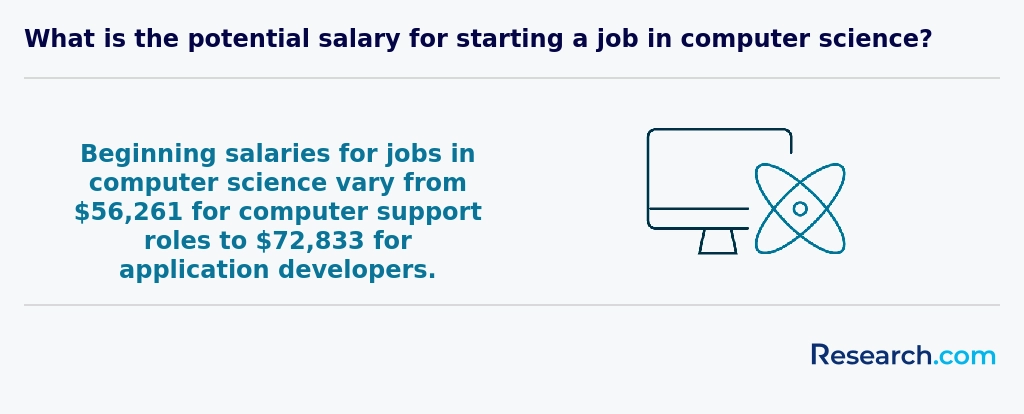
Graduates with an online information technology degree in the South often find themselves stepping into rewarding roles with starting salaries around $50,000 to $60,000. Many alumni from Southern universities report beginning their careers as IT support specialists or help desk technicians, where they quickly build practical skills and confidence.
As these graduates grow into positions like network administrators or cybersecurity analysts, salaries frequently climb to $75,000 or more. For instance, those studying at institutions known for strong IT programs in Texas or North Carolina share stories of gaining certifications while working remotely, leading to promotions and salaries nearing $90,000. These success stories illuminate the opportunities that abound in the region's thriving tech hubs.
The competitive wages in Southern states, combined with a lower cost of living, empower graduates to enjoy a comfortable lifestyle while advancing in their careers. With tech companies expanding and valuing digital expertise, online IT degree holders in the South are uniquely positioned to achieve both professional fulfillment and financial growth.
- Online IT degree programs in the Southern US offer flexibility and accessibility, especially for working adults and non-traditional students.
- Total tuition for an online IT bachelor's degree in the South typically ranges from $15,000 to $40,000, with public state schools often being more affordable for in-state students.
- Entry-level salaries for IT graduates in the South usually start between $55,000 and $65,000 annually, rising to $90,000 to $100,000 with experience and certifications.
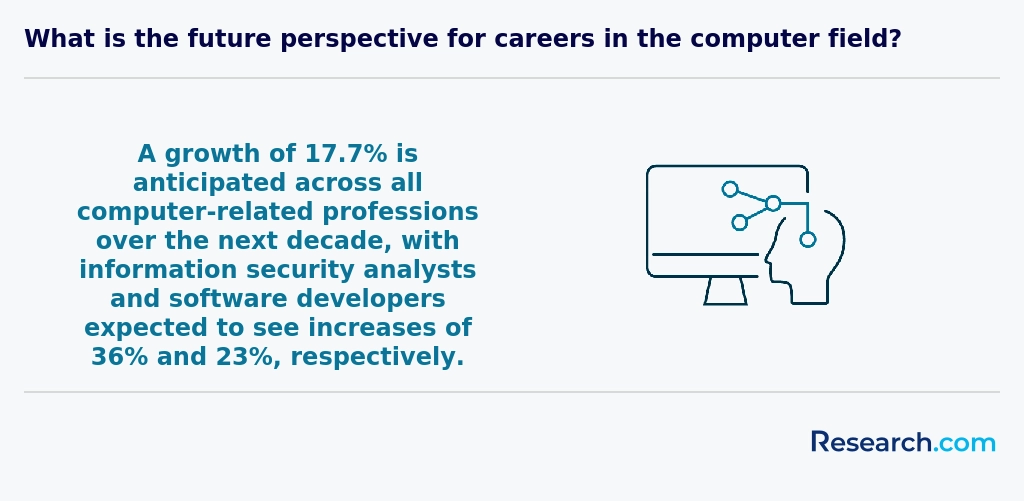
- States like Texas, Florida, Georgia, and North Carolina have growing tech hubs with IT job growth projected at about 10% or higher through 2030.
- Many Southern online IT programs are accredited by bodies such as ABET, ensuring quality education and better employment prospects.
- Programs often include hands-on learning and industry partnerships to better prepare students for the workforce.
Imagine balancing work and family while progressing through flexible online courses tailored for busy professionals. Many Southern students embrace these opportunities, leveraging prior credits or certifications to reduce their time to completion even further. Graduate programs, such as master's degrees, generally span 1.5 to 2 years with part-time options that fit diverse lifestyles, making advanced education an attainable goal.
These dynamic program structures at respected Southern institutions reflect a supportive learning environment that values your ambitions and adapts to your life. Graduates often share inspiring stories of transforming challenges into achievements through these programs, proving that completing your IT degree online in the South is not just possible-it's a rewarding step toward your future.
Choosing between an online or on-campus IT degree in the South opens exciting paths tailored to your lifestyle and ambitions. Imagine a graduate from a well-regarded Southern university balancing family and work while thriving in a flexible online program. They access lectures and labs anytime, turning their home into a personalized classroom without sacrificing quality or connection.
On the other hand, a recent on-campus IT graduate from a popular Southern college recalls the energizing face-to-face discussions and hands-on lab sessions that sparked creativity and built lifelong networks. Their structured campus life provided daily motivation and immediate support, fueling confidence and skill development in a vibrant community setting.
Both pathways offer accredited, respected education with comparable tuition, but online students save substantially on commuting and housing. Southern institutions like those in Georgia and Texas embrace virtual labs and interactive tools, ensuring online students engage deeply and receive personal attention, just as their on-campus peers do.
This dual approach empowers you to design a fulfilling IT education that fits your unique journey-embracing flexibility or campus camaraderie while stepping confidently toward a successful technology career.
The average cost of an online information technology degree in the South is encouragingly accessible, with median total tuition around $32,940. For in-state students attending popular universities known for strong tech programs, such as those in Georgia or Florida, costs can be as low as $15,000, making quality education attainable without overwhelming debt. Many graduates share exciting stories about balancing work, family, and studies while taking advantage of affordable tuition rates that allow them to focus on building their careers.
Out-of-state students experience a slightly higher median cost of about $32,205, yet even this investment remains competitive compared to other regions. Affordable online information technology degrees southern US provide an inspiring opportunity to join a dynamic field without prohibitive expenses. Students from regional universities often praise not only the financial advantages but also the practical, tech-focused curricula that prepare them for success in the evolving job market.
Beyond cost, many programs offer scholarships and financial aid, easing the journey even more. Reflecting on the average cost of online IT degree programs in the South, one can see how prospective students are empowered to pursue their ambitions confidently. Those curious about career prospects often explore resources related to mis degree jobs, discovering the vast pathways an IT degree opens.
Students pursuing online information technology degrees in the South have access to many financial aid options that truly open doors to their dreams. Graduates from universities like the University of Texas at Austin or North Carolina State University often share how federal aid made their goals achievable. Completing the FAFSA is a crucial first step, unlocking Pell Grants that offer substantial, no-repay financial support based on need-helping cover significant portions of tuition.
Many Southern colleges also provide scholarships tailored for IT students, including merit-based awards and support for underrepresented groups in tech. For example, scholarships for women in technology have empowered countless learners to thrive in their fields. Georgia residents benefit greatly from the HOPE Scholarship, sometimes covering full tuition at top public institutions.
Working professionals have the added advantage of employer tuition reimbursement programs common in tech hubs like Austin and Raleigh. These programs reduce costs dramatically, turning ambition into reality. With a combination of these aids, pursuing an IT degree online in the South becomes not just possible, but exciting and inspiring.
To embark on an online information technology degree in the South, most students start by securing a high school diploma or equivalent, such as a GED. This simple yet powerful step opens doors at well-known Southern universities and colleges that champion your growth. Graduates often recall submitting their official transcripts and embracing foundational math skills like algebra, which proved essential as they advanced through their coursework.
Many find that basic computer literacy and an eagerness to learn programming unlock new possibilities, especially when diving into specialized IT tracks. Some schools encourage applicants to showcase their English proficiency through tests like TOEFL, creating a welcoming environment for international students eager to thrive. Personal statements and recommendation letters further highlight each student's unique story and motivation, offering a chance to connect with admissions teams.
Graduate-level programs build on this foundation, welcoming those with bachelor's degrees and real-world IT experience, fueling their passion for expertise and leadership.
Online information technology degree programs in the South offer a well-rounded selection of courses designed to launch your career with confidence. Graduates from universities like Georgia Tech and University of Texas often share how foundational classes such as Introduction to Programming-with hands-on coding in Python or Java-helped them quickly build practical skills.
Courses like Database Management Systems teach students how to organize and access data efficiently, a skill essential for any IT role. Networking Fundamentals bring to life the concepts of securing and maintaining complex computer networks, something graduates working in Houston's booming tech scene praise for its real-world relevance.
In addition, Systems Analysis and Design empower students to break down and improve IT processes, while Operating Systems courses reveal the inner workings of the technology we use every day. Many Southern programs also integrate cybersecurity classes, reflecting the region's increased focus on data protection in both public and private sectors.
Online information technology degree specializations in the South offer exciting pathways designed to match the dynamic tech landscape. Graduates from universities in states like Texas and Florida find themselves empowered by focused tracks such as Cybersecurity, where protecting vital networks is both a challenge and a rewarding career. Another popular focus is Network Administration and Management, which prepares students to handle the growing tech infrastructure in bustling cities like Atlanta and Charlotte. Software Development remains a beacon for creative minds, with alumni often celebrating the ability to transform ideas into impactful applications.
Data Analytics and Business Intelligence attract students eager to unlock powerful insights for Southern financial and healthcare sectors. Cloud Computing specialization opens doors to innovative roles as businesses migrate online, embraced by many Southern schools offering flexible formats to suit busy lives. Many students share uplifting stories of how these specializations have helped them thrive in the South's evolving tech market. For those looking to accelerate their career, options like the fastest masters in mis online also complement these diverse focus areas.
South regional IT degree focus areas online combine practical skills with real-world relevance, inspiring students to pursue rewarding futures in technology.
Choosing the best online information technology degree in the South means focusing on programs that combine strong accreditation with a curriculum tailored to regional industry needs. Graduates from schools like the University of Florida and Georgia Tech often share how their comprehensive education and specializations in cybersecurity or data management empowered them to excel in Southern job markets. The advantages of online learning paired with flexible student support services create an uplifting path for busy professionals seeking growth.
Cost plays a pivotal role; many appreciate the affordability found in well-ranked Southern programs that align with the best affordable online IT degrees South, maximizing both savings and quality. By selecting institutions with an emphasis on real-world projects and internships tied to local industries, students build confidence and career-ready skills that open doors in cities such as Atlanta and Charlotte.
Exploring options through resources like online degree management information systems can further illuminate pathways blending IT expertise with management, expanding opportunities in this thriving region.
Graduates holding an online IT degree in the South discover a wealth of exciting career paths aligned with the dynamic tech industry thriving in this region. Many find rewarding roles as network and computer systems administrators, skillfully managing infrastructure in bustling Southern metro areas. Information security analysts are increasingly in demand, protecting vital data against cyber threats - a challenge embraced enthusiastically by graduates from popular colleges offering such hands-on online courses. Software developers create impactful applications across industries like healthcare and finance, turning ideas into innovations that improve daily life.
Others excel as database administrators or IT support specialists, roles that foster constant learning and collaboration within growing companies. Real stories from graduates of Southern institutions emphasize how affordable and flexible programs empowered them to earn their degree while advancing their careers. Exploring certifications alongside their studies boosted their confidence and employment potential. For those motivated to explore opportunities further, choosing the right curriculum, like an online course in it, opens doors to thrilling growth and a fulfilling future in information technology jobs with Southern online degrees.
The job market for online information technology jobs in the South is thriving, offering graduates dynamic opportunities in growing urban centers such as Atlanta, Austin, and Charlotte. Graduates from well-known Southern universities report feeling confident navigating this competitive landscape thanks to the region's expanding tech hubs and steady 13% job growth projected through 2032. Many find rewarding roles in specialties like cybersecurity, cloud computing, and data science, fields that are rapidly evolving and highly valued by employers.
For students balancing work and study, attending institutions like the University of North Carolina or Georgia Tech online programs provides the flexibility needed to earn a respected degree without sacrificing their current responsibilities. These graduates consistently highlight the value of their online degrees in positioning themselves for competitive salaries ranging from $65,000 to $90,000 annually, combined with a lower cost of living in the South.
Beyond education, success in the South regional IT job market outlook is often boosted by internships, certifications, and networking. Students who embrace these elements report feeling well-prepared to advance in their careers, with some even exploring leadership paths such as how to be a cto, demonstrating the diverse possibilities an online IT degree brings in this flourishing region.
2027 Most Affordable Online Information Technology Degree Programs Ranking in the South
Investing in your education is a significant decision that can shape your future, and the Research.com team understands the importance of making informed choices. To assist prospective students in the South, we have meticulously crafted the "2027 Most Affordable Online Information Technology Degree Programs Ranking in the South." Our commitment to quality, credibility, and accuracy is reflected in the extensive research and analysis conducted to compile this ranking.
We utilized the following reputable data sources to ensure a comprehensive evaluation of information technology programs:
By exploring this ranking, readers will gain valuable insights into affordable and high-quality online IT degree programs, empowering them to make well-informed decisions about their educational investments. For more details on our methodology, please visit our Research.com methodology page.


# 5 position
East Carolina University
Bachelor of Industrial Technology, Information and Computer Technology


# 12 position
Amridge University
Bachelor of Information Systems Management


# 18 position
Seminole State College of Florida
Bachelor of Information Systems Technology


# 20 position
Florida State College at Jacksonville
Bachelor of Information Systems Technology

Frequently Asked Questions About information technology
Students pursuing online information technology degrees in the South can enhance their learning by actively engaging with virtual labs and simulation tools offered by many accredited programs. According to the National Center for Education Statistics, Southern states enroll a significant portion of IT students, making peer networking through discussion boards valuable for collaboration and problem-solving.
Additionally, leveraging local tech meetups and internships helps apply theoretical knowledge to real-world challenges. Certifications like CompTIA or Cisco, often integrated into coursework, strengthen resumes. Staying updated on regional IT job trends, especially in growing hubs like Austin and Atlanta, can guide elective choices and career planning effectively.
Emerging niches within the information technology field reflect the rapid evolution of technology and market needs, particularly in the Southern United States. Cybersecurity remains a high-growth area, fueled by increasing cyber threats and compliance demands. According to the U.S. Bureau of Labor Statistics, cybersecurity jobs are projected to grow 35% nationally by 2031, with Southern states like Texas and Georgia showing strong demand.
Another rising niche is data science and analytics, crucial for businesses aiming to leverage big data. Universities in the South are expanding online IT programs specializing in machine learning and artificial intelligence to meet this demand.
Cloud computing and DevOps are also rapidly growing fields. Many Southern tech employers seek graduates skilled in cloud infrastructure management, a direct response to increased adoption of cloud services.
Preparing for the job market after completing an online information technology degree in the South requires strategic steps. Graduates should focus on building a strong professional network by joining regional tech groups such as the Southern IT Alliance. According to the U.S. Bureau of Labor Statistics, IT jobs in Southern states like Texas, Georgia, and Florida are growing faster than the national average, making networking vital.
Gaining relevant certifications, such as CompTIA or Cisco, enhances employability. Hands-on experience through internships or freelance projects is equally important, especially for online graduates who may lack on-campus opportunities.
Staying updated on industry trends and tailoring resumes to highlight Southern market demands can improve job prospects significantly.
Employers in the Southern United States highly value technical skills such as cybersecurity, cloud computing, and data analytics for information technology graduates. According to a 2023 report by CompTIA, 68% of IT job openings in the South require proficiency in cybersecurity tools and protocols. Additionally, skills in programming languages like Python and Java are often emphasized.
Strong problem-solving and communication abilities remain essential, as IT professionals must collaborate across departments. The Southern Regional Education Board highlights that soft skills combined with technical expertise improve job placement rates by up to 20% in Southern states.
Familiarity with emerging technologies, such as artificial intelligence and blockchain, is increasingly preferred by employers seeking graduates with online IT degrees.
Finding internships in the South for information technology students involves leveraging regional resources and university partnerships. Southern states like Texas, Georgia, and North Carolina host many tech companies seeking interns. According to the Bureau of Labor Statistics (2023), the South accounted for 30% of IT job growth nationally, increasing internship chances.
Students should connect with university career centers which often have exclusive listings and employer relationships. Online platforms such as Handshake and Indeed also feature local internship opportunities. Networking through IT professional groups in the South, including chapters of the Association for Computing Machinery (ACM), can lead to valuable contacts.
Lastly, applying early and tailoring resumes to reflect IT skills relevant to Southern tech markets improves success.
Obtaining an online information technology degree in the South can significantly enhance career mobility and advancement. The Southern region has seen steady growth in IT job opportunities, with states like Texas and Georgia ranking among the top in tech employment nationwide, according to the U.S. Bureau of Labor Statistics.
Online degrees offer flexible scheduling, allowing professionals to upskill while continuing to work. This flexibility is crucial, as many employers in the South prioritize candidates with current, relevant IT skills demonstrated through formal education.
Furthermore, accredited online programs equip graduates with industry-recognized credentials, improving their chances of promotion and salary increases.
Studying for an information technology (IT) degree online in the South equips students to enter interdisciplinary roles by blending technical skills with knowledge in business, healthcare, and cybersecurity. Southern universities increasingly offer curricula combining IT fundamentals with courses in data analytics, project management, and communication. According to the Southern Regional Education Board, institutions in the South have expanded IT programs by 15% in recent years to meet industry demand.
These programs prepare graduates for collaboration across departments and sectors, addressing complex challenges like healthcare informatics and digital finance. Online formats also develop self-discipline and remote teamwork, skills vital for cross-functional roles. This approach aligns with labor market trends reported by the U.S. Bureau of Labor Statistics showing growth in IT jobs requiring interdisciplinary expertise.
When choosing between a thesis and a non-thesis information technology degree program in the South, consider your career goals and learning preferences. Thesis programs often require original research and a formal written project, fitting students aiming for research roles or doctoral studies. Non-thesis options focus on practical skills and coursework, suitable for those pursuing immediate employment or technical roles.
The Southern Regional Education Board notes that about 65% of information technology students in Southern states prefer non-thesis tracks due to flexible online formats and faster completion times. Consider how much time you can dedicate and whether you prefer deep research or applied learning.
Also, universities like University of Florida and Georgia Tech offer both formats online with varying tuition rates, so budgeting matters too. Review program requirements carefully before deciding.
Students based in the South interested in studying information technology abroad often explore partnerships between Southern universities and international institutions. Many Southern schools offer study-abroad or exchange programs specifically tailored to IT students, enabling them to gain global experience without interrupting their online studies.
Programs affiliated with institutions in Europe or Asia provide opportunities to deepen knowledge in emerging IT fields. According to the Institute of International Education's 2023 report, nearly 22% of U.S. IT students engage in some form of study abroad during their degree.
Additionally, some online programs from the South integrate international case studies and collaboration, giving students a virtual global perspective while residing domestically.
Part-time job opportunities in the South that complement information technology degree education include roles such as IT support specialist, web developer, and network technician. These jobs provide practical experience with systems, coding, and troubleshooting while students pursue online degrees. According to the U.S. Bureau of Labor Statistics, the South has seen a steady 8% growth in IT employment from 2020 to 2023, reflecting expanding industry demand.
Local businesses, healthcare facilities, and educational institutions often seek part-time IT workers, offering flexible hours suited to student schedules. Additionally, internships with technology companies in tech hubs like Atlanta and Raleigh can enhance skills. Gaining real-world experience alongside studies improves job prospects after graduation.
Online information technology students in the South benefit from various networking opportunities through regional professional organizations and virtual events. Groups like the Southern IT Alliance and chapters of national bodies such as CompTIA in states like Georgia and Texas offer online meetups and webinars. These virtual gatherings help students connect with industry professionals and peers, crucial for career growth.
Many Southern universities also host online career fairs and alumni networking platforms tailored to IT students. According to the Southern Regional Education Board, over 40% of IT programs emphasize industry partnerships, enhancing internship and mentorship access. This support strengthens students' connections within the local tech community despite studying remotely.
Alumni networks offer significant advantages to online information technology degree students in the South. These networks provide valuable connections, enabling students to access mentorship and job opportunities within the competitive Southern tech market. According to the Southern Regional Education Board, many institutions in this region have established strong alumni ties that promote career growth and professional development.
Online students can benefit from virtual events, job boards, and peer support, which help bridge the distance often felt in remote learning. Alumni often share industry insights that reflect the South's growing IT hubs, such as Atlanta and Raleigh.
Engaging with alumni networks increases students' chances of employment and career advancement after graduation.
Many online information technology degree programs in the South offer customizable options to align with students' career goals. You can often choose from concentrations such as cybersecurity, data management, software development, or network administration. This allows you to specialize based on industry demand or personal interest.
Additionally, some Southern universities provide flexible electives and capstone projects focused on practical skills tailored to regional tech industries. According to the Southern Regional Education Board, tech-related jobs in southern states are expected to grow by over 12% by 2030, influencing schools to adapt programs accordingly.
Advising services also help students map courses to certifications like CompTIA or Cisco when offered online.
Online information technology students in the South often face several challenges that can impact their success. Limited high-speed internet access remains a significant barrier, especially in rural areas, affecting approximately 22% of Southern households, according to the Federal Communications Commission (FCC). This complicates participation in live lectures and access to digital resources.
Additionally, students may struggle with balancing studies alongside work and family responsibilities, common in the region where many adults return to school while working full-time. Technical support availability can also vary, with some institutions lacking robust IT help desks.
Lastly, networking opportunities are sometimes limited in virtual formats, which can affect career development compared to traditional campus-based experiences.
Graduates with an online information technology degree from Southern U.S. institutions can pursue various professional certifications to enhance their career prospects. Popular certifications include CompTIA A+, Network+, and Security+, which validate fundamental IT skills and cybersecurity knowledge.
Additionally, certifications like Cisco's CCNA focus on networking expertise, while AWS Certified Solutions Architect supports cloud computing roles, reflecting industry demands in the South's growing tech hubs.
According to the U.S. Bureau of Labor Statistics, IT jobs in Southern states are expected to grow by 11% through 2031, increasing demand for certified professionals. Certifications often lead to higher salaries and better job security.
Applying to an online information technology program in the South requires a clear, focused approach. Start by tailoring your personal statement to highlight your technical experience and career goals, emphasizing how the program matches your ambitions. Southern universities often value applicants who demonstrate practical skills alongside academic achievements.
Include relevant certifications, such as CompTIA or Cisco credentials, to strengthen your application. According to the Southern Regional Education Board, IT job growth in the South is expected to rise by 15% through 2030, so showcasing regional career plans can be beneficial.
Lastly, ensure your recommendation letters come from professionals familiar with your IT abilities. Meeting all application deadlines and providing complete, error-free documents is essential for success.
Information technology (IT) careers have a growing global demand, driven by rapid digital transformation and innovation. In the United States, including the South, IT jobs are expected to grow 15% from 2021 to 2031, according to the U.S. Bureau of Labor Statistics. This growth is faster than average for all occupations.
The Southern region benefits from expanding industries like cybersecurity, cloud computing, and data analysis, supported by strong university programs. Global companies often seek IT professionals skilled in diverse technologies, making online degrees from Southern institutions competitive worldwide.
Many IT roles emphasize collaboration across borders, increasing the importance of understanding global digital trends. Southern online degree programs frequently integrate international perspectives to prepare students for this interconnected market, as noted in recent reports from EDUCAUSE and the Southern Regional Education Board.
Gaining practical experience while studying for an online information technology degree in the South is essential for career readiness. Many Southern universities collaborate with local tech companies, offering virtual internships that allow students to apply classroom knowledge in real-world settings. According to the Southern Regional Education Board, over 40% of IT students engage in internships during their studies.
Additionally, students can participate in virtual labs and simulation projects provided by their programs, which build hands-on skills. Joining regional tech groups or online hackathons can also expand practical experience, especially with the growing IT hubs in states like Texas and Georgia.
Choosing the right concentration within an online information technology degree program in the South requires careful consideration of career goals and local industry demands. Popular concentrations include cybersecurity, data analytics, network administration, and software development. According to the U.S. Bureau of Labor Statistics, the Southern states are experiencing strong growth in IT job sectors, especially in cybersecurity and cloud computing.
Researching regional job markets can help pinpoint which skills are most in demand. For example, Texas and Florida report high demand for network security professionals, while Georgia shows growth in data analysis roles. Accreditation and curriculum relevance are also key factors for ensuring quality education and practical skills.
- Information Technology Assistant Cover Letter Sample https://www.kickresume.com/en/help-center/information-technology-assistant-1-cover-letter-sample/
- 4 Ways to Leverage Technology to Enhance the Learning Experience https://blog.definedlearning.com/leveraging-technology-in-the-classroom/
- Paying for a Computer Science Degree | Scholarships, Grants, Loans https://www.computerscience.org/resources/how-to-pay-for-a-degree/
- How to Network with Alumni | Student Guide to Alumni Networking 2026 https://digitalrecordboard.com/blog/how-to-network-with-alumni/
- How to Maximize the Impact of Alumni Networks https://www.careeros.com/resources/how-to-maximize-the-impact-of-alumni-networks
- IT Cover Letter Examples (Information Technology Jobs) https://zety.com/blog/it-cover-letter-example
- Information Technology Degree Jobs: 5 In-Demand Careers to Consider https://www.umassglobal.edu/blog-news/information-technology-degree-jobs-5-demand-careers-consider
- The Top Information Technology Skills Employers Want | AIU https://www.aiuniv.edu/degrees/information-technology/articles/top-information-technology-skills-employers-want
- IT Schools Online | Information Technology Careers | OEDb https://www.oedb.org/rankings/online-it-programs/
- 4 Ways Technology Improves Student Learning and Higher Education https://nttdata-solutions.com/fr/blog/4-ways-technology-improves-student-learning-and-higher-education/