2027 Best Online Bachelor's in Information Technology Degree Programs Ranking in California

Co-Founder and Chief Data Scientist
Choosing the right online bachelor's in Information Technology degree program can feel overwhelming, especially with so many options available in California. This article presents the 2027 Best Online Bachelor's in Information Technology Degree Programs Ranking in California, developed by the Research.com team of data scientists to help you navigate those choices confidently.
By exploring this ranking, you'll discover programs that combine quality education with flexibility, setting you up for a rewarding career in a growing field. Earning an IT degree opens doors to exciting opportunities and lifelong skills.
Key benefits of getting online information technology degree in California
- Graduates with information technology degrees typically enjoy strong earning potential nationwide, with average IT-related jobs offering salaries around $80,000 to $100,000 annually, reflecting rewarding financial opportunities.
- Career paths include roles like software developer, network administrator, and cybersecurity analyst, which provide exciting and diverse options; for example, a California graduate from UCLA may pursue these dynamic IT careers.
- Online IT degrees from schools such as San Diego State University offer flexibility to balance work and study, enabling students to gain valuable skills without disrupting their lives, making education more accessible and convenient.
- 2027 Best Online Bachelor's in Information Technology Degree Programs Ranking in California
- What can I expect from online information technology degree in California?
- Where can I work with online information technology degree in California?
What can I expect from online information technology degree in California?
The average cost of an online information technology degree in California typically ranges between $30,000 and $60,000 for a full bachelor's program, depending on the institution. Graduates from well-known California universities and colleges report that while some public schools offer more affordable tuition, private institutions may charge higher fees but provide extensive resources, such as personalized advising and industry partnerships.
Many students appreciate the flexibility and value they receive, especially when balancing work and family commitments. For instance, those enrolled at institutions in the Bay Area often highlight how internships and virtual labs included in their programs contributed significantly to their hands-on experience without adding to costs.
Additionally, transfer credits and professional certifications frequently lower overall tuition expenses, allowing graduates to complete their degree faster and more affordably. This practical approach resonates strongly with students aiming to enter California's booming tech workforce swiftly and with confidence.
Where can I work with online information technology degree in California?
Graduates with an online information technology degree in California encounter a broad spectrum of career opportunities across sectors such as technology, healthcare, finance, and government. Schools like California State University, Fullerton and San Diego State University have alumni who quickly secure roles as systems analysts, IT project managers, and cybersecurity specialists in companies headquartered in Silicon Valley and beyond.
The California Employment Development Department projects an 11% growth in IT occupations through 2030, driven by demand in areas like cloud computing and network security. Graduates often join large tech firms including Apple and Tesla, where projects range from software development to data protection, offering dynamic work environments that align with their specialized skills.
Others find rewarding positions in healthcare organizations, utilizing their training to enhance health information systems and safeguard patient data, reflecting California's robust medical sector. Government agencies also recruit IT graduates for public infrastructure and cybersecurity roles, providing avenues to impact community safety and technology policy. These varied pathways ensure graduates experience both professional fulfillment and upward mobility within California's thriving IT ecosystem.
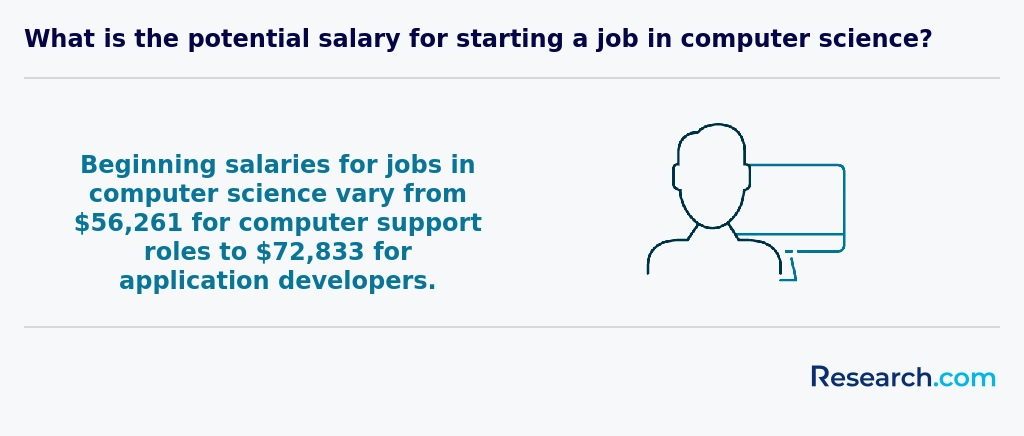
Graduates with an online information technology degree in California typically start with salaries ranging from $60,000 to $75,000 in entry-level roles such as help desk analysts or junior systems administrators. These figures align with feedback from alumni of popular California institutions known for their IT programs, where students find that the combination of a degree and local tech demand creates immediate opportunities.
More specialized roles demonstrate significant salary growth. For instance, network and computer systems administrators earn a median of $97,000 annually, while software developers in the state can make around $120,000. Graduates from California State University or University of California campuses often report securing such positions within well-known tech hubs like Silicon Valley and the San Francisco Bay Area.
In these regions, salaries can be 20-30% higher than the state averages, reflecting the high concentration of tech companies. Practical experience and certifications further enhance earning potential, often translating into offers that exceed $90,000, especially for roles like cybersecurity analysts and IT project managers. This makes the investment in an online IT degree from California institutions a rewarding choice for many.
- Annual tuition for online IT bachelor's degrees at public California universities ranges from $7,000 to $12,000 for in-state students.
- Private institutions charge between $20,000 and $50,000 annually depending on program prestige and resources.
- Early career IT salaries for graduates average $65,000 to $75,000 per year, with experienced professionals earning $90,000 to $120,000 annually.
- California's IT job market is growing 10-15% over the next decade, driven by demand in tech hubs like Silicon Valley and Southern California.
- Many online IT programs offer flexible schedules and support services such as career counseling and internships for students.
Completing an online information technology degree in California typically ranges from two and a half to six years, depending on individual circumstances and program choices. For instance, full-time students at institutions like Sonoma State University or California State University, East Bay often take about four years to finish approximately 120 to 130 credits, mirroring traditional timelines.
Part-time students balancing work or family commitments-common among many online enrollees-may extend their studies to five or six years. These flexible pacing options allow students to progress steadily without sacrificing other responsibilities, a reality for nearly 39% of online learners statewide according to recent data.
Graduates who pursued accelerated programs through schools like University of California, Irvine have shared that completing the degree in around three years is achievable but requires a heavy course load and dedication. Transfer credits from California community colleges frequently shorten completion time, with about 60% of students benefiting from these credits to advance faster toward graduation.
These flexible timelines help California's online IT students customize their education pace, fitting studies naturally into dynamic lifestyles while maintaining strong preparation for competitive tech careers.
Online and on-campus information technology degrees in California differ mainly in delivery, flexibility, and student experience. Online programs, offered by institutions like CSU and UC campuses, enable students to study anytime from anywhere, which suits working professionals balancing careers or family commitments. Approximately 46% of California college students have taken at least one online course, reflecting the appeal of flexible schedules and self-paced learning.
Graduates from on-campus programs often highlight the value of face-to-face interactions and hands-on opportunities, such as labs and group projects. For example, students at UC San Diego appreciate immediate mentorship and access to campus resources like tutoring centers and career services, fostering a stronger campus community and networking possibilities.
Cost differences are generally minimal between both formats at public universities, with annual tuition ranging from $7,000 to $15,000 depending on residency and campus, though online students save on commuting and housing expenses. Success in online programs demands greater self-discipline, but many find the combination of digital tools and recorded lectures empowering for mastering complex IT skills.
The median total cost for an online information technology degree in California stands around $74,580, with in-state students typically facing an average of $82,560. These figures reflect the diverse pricing landscape, where graduates recall how institutions such as California State University provide affordable pathways, often totaling between $7,000 and $9,000 for in-state online IT programs. Such affordability allows many students to pursue their education without overwhelming debt burdens, positively impacting their career trajectories.
Conversely, private universities offering online IT degrees in California tend to be significantly more expensive, with some graduates sharing experiences of tuition costs exceeding $30,000 and even reaching upwards of $60,000. These prices often include mandatory fees but exclude additional expenses like books and technology. Community colleges also offer a valuable alternative; their online associate degrees or transfer options cost under $2,000 annually for in-state students, representing a cost-effective starting point and a practical strategy for those seeking affordable information technology degree programs California-wide.
Many students find that exploring financial aid opportunities, scholarships in tech fields, and employer tuition assistance helps mitigate these costs. Flexible tuition structures for online programs can further ease budget planning. Anyone curious about career paths can also explore practical advice on how to become an it manager, adding real-world relevance to their academic investment while managing educational expenses smartly.
California students pursuing online information technology degrees often rely on federal financial aid as a primary funding source. Completing the FAFSA unlocks access to Pell Grants, which average around $4,000 annually and do not require repayment, easing tuition burdens at institutions like California State University or University of California campuses offering online IT programs. Federal student loans provide additional low-interest options with flexible repayments, enabling many to invest confidently in their education.
State aid, such as the California College Promise Grant, benefits community college students beginning their IT studies by waiving enrollment fees, a strategy praised by recent graduates who started at local community colleges before transferring. The California Student Aid Commission offers programs supporting low- and middle-income students enrolled in online IT courses at CSU or UC, amplifying financial accessibility.
Many students also secure scholarships from organizations like the CompTIA Foundation and institutional funds, highlighting a common pathway for motivated learners. Employed professionals find employer tuition assistance invaluable, particularly in California's tech hubs, where companies encourage degree completion through educational benefits. Payment plans further reduce financial stress, making online IT degrees increasingly feasible for diverse learners.
Enrollment in online information technology (IT) degree programs in California generally requires a high school diploma or equivalent, such as a GED. Graduates from institutions like San Jose State University and California State University, Fullerton often highlight how foundational math skills-covering algebra and geometry, with many programs recommending calculus or statistics-were critical to their academic success. Proficiency in English, demonstrated through composition or language courses, is another common prerequisite to prepare students for technical communication challenges.
Applicants may also need to submit standardized test scores like the SAT or ACT, though many California universities have embraced test-optional policies, easing this burden for prospective students.
For transfer students from community colleges, completing lower-division courses in programming or computer science fundamentals is often necessary. The California Community Colleges system offers many transferable courses, making transitions smoother and building confidence among students beginning at schools such as De Anza College.
Technical readiness is also emphasized; students must have reliable computer access and internet capable of supporting virtual labs and programming software. This practical requirement resonates with many graduates who recall overcoming initial technical hurdles early in their studies.

Online information technology degree programs in California consistently include a set of foundational courses designed to build strong technical skills aligned with industry needs. Core classes cover topics such as Introduction to Information Technology, which familiarizes students with computer systems and networking basics, and Programming and Software Development, teaching languages like Python and Java frequently used in Silicon Valley projects.
Graduates from notable California institutions often highlight courses in Database Management Systems and Network Security as particularly impactful, citing real-world applications like managing cloud data securely for startups or preventing cyberattacks on business networks. Systems Analysis and Design courses are essential too, enabling students to create practical IT solutions for companies, reflecting the hands-on experience emphasized by many programs.
Web Development classes, addressing both front-end and back-end skills, prepare learners for versatile roles in tech firms across the state. Electives such as artificial intelligence and data analytics further enable students to stay current with emerging trends, echoing the adaptive learning environment reported by alumni from schools like UCLA and San Diego State University.
Online information technology specializations in California typically include cybersecurity, network administration, data analytics, software development, and cloud computing. These concentrations reflect the state's innovation environment, especially around Silicon Valley. Graduates of popular California colleges often highlight how cybersecurity prepared them to address rising cyber threats while network administration skills proved essential in tech companies. Data analytics, a fast-growing field in California's finance and technology sectors, equips students with abilities to interpret large datasets vital for strategic decisions.
California IT degree concentration options online also emphasize software development, aligning with the state's expansive software industry, and cloud computing, which trains students on platforms such as AWS and Google Cloud utilized extensively in local businesses. Students commonly report a strong sense of preparedness and optimism about career prospects. Many find that online programs balance flexibility and rigorous curriculum that matches industry demands. Those exploring jobs with a degree in information technology recognize the tangible benefits of these targeted specializations in the California job market.
Choosing the best online information technology degree in California involves evaluating accreditation and program quality. Graduates from well-regarded universities report higher confidence in their credentials when programs hold regional accreditation, such as from WSCUC, ensuring industry recognition. Cost is also a critical factor; public California universities typically charge between $7,000 and $15,000 annually for in-state online students, making them a practical option compared to pricier private schools. Many students have benefitted from financial aid and employer tuition reimbursement to manage expenses.
Curriculum relevance and program flexibility matter greatly. Leading California institutions offer courses covering cybersecurity, network administration, and database management-skills frequently highlighted by graduates as pivotal in securing tech roles. Programs with asynchronous classes help working professionals balance study and job demands. Career services and internship access connect students with Silicon Valley firms, enhancing employment prospects post-graduation.
For those seeking affordable online IT bachelor's degrees California programs provide strong value, and exploring options like affordable online mba in it can broaden your educational pathway.
Graduates with an online information technology degree in California have access to diverse career paths reflecting the state's dynamic tech landscape. Popular fields include network and systems administration, critical for large organizations managing complex infrastructures, and cybersecurity, where protecting data is paramount amid rising cyber threats. California-based graduates often draw from real-world experience gained through internships at universities or tech hubs to transition into software development roles, designing applications that power industries statewide. Others find opportunities in data analysis or database management, supporting decision-making with robust data insights.
Many graduates from prominent California colleges report that IT project management and cloud computing roles offer both high demand and competitive salaries, contributing to a positive career outlook. Given California's robust IT degree job opportunities in California, professionals often leverage transferable skills to work remotely or as tech consultants. Students exploring accelerated career options can consider accelerated technology online degrees to enter the workforce faster and capitalize on emerging opportunities.
The job market for online information technology jobs California remains strong, reflecting the state's dominance in tech innovation and demand. Graduates from reputed online programs at universities such as California State University or University of California campuses find themselves sought after for roles like cybersecurity analysts, software developers, and IT project managers. These graduates benefit from California's thriving industries including healthcare and finance, which increasingly depend on tech solutions, broadening career opportunities.
Salary expectations for IT degree holders in California surpass the national average, with an average wage near $98,000 annually due to the state's dense technology hubs like Silicon Valley. Online learners often appreciate the flexibility to balance work and study while accessing internships or job connections locally, enhancing employability after graduation. Many choose accredited programs to complement certifications such as CompTIA or Cisco, further strengthening their profiles.
Students looking to elevate their career prospects often explore a master of information technology online to deepen their expertise. Graduates report feeling optimistic and motivated by the dynamic tech environment and the variety of available pathways in California's IT sector.
2027 Best Online Bachelor's in Information Technology Degree Programs Ranking in California
Investing in your education is a significant decision that can profoundly impact your future, and the Research.com team recognizes the importance of making well-informed choices. To guide prospective students in California, we have carefully developed the "2027 Best Online Bachelor's in Information Technology Degree Programs Ranking." Our dedication to quality, credibility, and accuracy is demonstrated through thorough research and analysis underlying this ranking.
We utilized the following reputable data sources to ensure a comprehensive evaluation of IT degree programs:
By reviewing this ranking, readers will gain valuable insights into California's top online IT programs, empowering them to choose educational paths that best align with their career goals. For more information about how this ranking was created, please visit our Research.com methodology page.


# 3 position
University of Massachusetts Global
Bachelor of Information Technology

Frequently Asked Questions About information technology
Students pursuing online information technology degrees in California can enhance their learning by actively engaging with course materials and participating in virtual discussions. Research shows that interaction with instructors and peers significantly improves understanding in IT courses (EDUCAUSE Review, 2023).
Utilizing California's extensive tech resources, such as online workshops offered by the California Community Colleges system and Microsoft's Azure for students, provides practical experience complementary to theoretical studies. Additionally, joining local tech groups or online forums helps students build professional networks and stay updated on industry trends.
California's information technology sector employs over 800,000 workers, presenting excellent internship and job opportunities for students who seek hands-on experience alongside their studies (California Employment Development Department, 2024). Time management and setting aside dedicated study times further maximize retention and success in these accelerated online programs.
The information technology field is rapidly evolving, with several emerging niches gaining prominence. In California, areas such as cybersecurity, cloud computing, and artificial intelligence (AI) are experiencing significant growth. According to CyberSeek, the demand for cybersecurity professionals in California grew by over 31% between 2019 and 2023.
Similarly, cloud computing roles are expanding as businesses increasingly adopt remote and hybrid work models. The California Employment Development Department projects a 22% growth in cloud-related IT jobs by 2028. AI and machine learning are also key areas, with applications ranging from automation to data analysis.
Other niches include data science, blockchain technology, and Internet of Things (IoT), which are all integrated into various industries, boosting demand for specialized skills, particularly in tech hubs like Silicon Valley.
Graduates with an online information technology degree in California should focus on building practical skills to enter the competitive job market. California's tech sector employs over 1.7 million IT professionals, offering diverse opportunities from Silicon Valley to emerging hubs like San Diego and Sacramento (Emsi 2023 data).
Engaging in internships or virtual projects during studies helps develop real-world experience favored by employers. Additionally, earning industry certifications such as CompTIA, Cisco, or AWS can significantly increase employability.
Networking is critical. Joining California-focused tech groups or LinkedIn communities connects graduates with local recruiters and professionals.
Finally, staying updated on evolving technologies and trends is essential. Utilizing California-specific job boards and resources can guide targeted job searches effectively.
Employers in California highly value information technology graduates who possess strong cybersecurity skills. With California being home to Silicon Valley, demand for IT professionals capable of protecting data systems is strong. According to the California Workforce Development Board, skills in network security and ethical hacking rank among the fastest-growing job requirements.
Additionally, proficiency in cloud computing platforms such as AWS and Microsoft Azure is essential. Many companies in California are shifting toward cloud-based solutions, so graduates with these skills have a competitive edge.
Problem-solving and effective communication remain critical soft skills, helping IT professionals collaborate across diverse teams and projects.
Finding internships in California for students pursuing online information technology degrees involves a strategic approach centered on leveraging local resources and industry connections. California leads the nation in technology innovation, employing over 1.4 million IT workers as of 2023, according to the Bureau of Labor Statistics.
Start by exploring university career centers, even for online students, as many offer virtual internship listings with Silicon Valley firms or startups. Additionally, major job platforms like Handshake and LinkedIn feature California-specific IT internships that align with academic programs.
Networking is crucial; joining IT-focused groups such as the California Technology Council or local meetups enhances internship opportunities. Moreover, companies often advertise internships on their careers pages, so regularly checking those of tech giants like Google, Apple, and smaller firms can be beneficial.
An online information technology (IT) degree can significantly enhance career mobility and advancement for professionals in California. The state's tech industry is among the largest in the U.S., with over 1.4 million workers employed in tech roles as of 2023, according to the California Employment Development Department.
Holding a bachelor's degree in IT-from an accredited online program-can open doors to higher-paying positions and leadership roles. Many employers in Silicon Valley and beyond prioritize candidates with formal IT education to fill roles such as network administrators, cybersecurity analysts, and software developers.
Moreover, online degrees offer flexibility, allowing working professionals to upskill without pausing their careers. This ability to learn while working is crucial in California's rapidly evolving tech sector, fostering both lateral moves and promotions.
Studying for an information technology degree in California offers a strong foundation for interdisciplinary roles by combining technical skills with business, communication, and management knowledge. California's colleges often integrate coursework from diverse fields, reflecting the state's dynamic tech industry demands. For example, graduates typically gain experience in cybersecurity, data analytics, and project management, enabling them to collaborate across departments effectively.
According to the California Employment Development Department, IT jobs are projected to grow 15% from 2022 to 2032, emphasizing the need for professionals who understand both technology and its real-world applications. This holistic education prepares students to adapt in roles spanning healthcare, finance, and manufacturing.
Choosing between a thesis and a non-thesis online information technology degree in California depends on your career goals and learning preferences. Thesis programs emphasize research, ideal for students interested in advanced studies or roles in tech research and development. Non-thesis tracks focus more on practical skills and coursework, suited for professionals aiming to enter the workforce quickly.
California hosts numerous technology hubs, including Silicon Valley, where practical experience often weighs heavily in hiring decisions. Programs approved by the WASC Senior College and University Commission follow rigorous standards, with many offering both options. According to the National Center for Education Statistics, California awards thousands of IT degrees annually, reflecting strong local demand.
Consider your long-term goals and consult academic advisors to determine which path aligns best with your aspirations.
Students in California seeking to study information technology abroad have several options through partnerships and exchange programs offered by U.S. universities. Many California institutions collaborate with international universities that provide online or hybrid IT courses, allowing students to gain global experience without relocating. Programs accredited by organizations like ABET ensure international rigor matches U.S. standards. California's status as a tech hub means students often find support to pursue globally recognized certifications alongside degrees.
According to the California Community Colleges Chancellor's Office, transfer agreements sometimes include study abroad components for IT students. Additionally, some U.S.-based online IT degrees offer courses developed with input from international experts, blending domestic education with global perspectives.
Part-time job opportunities in California that complement an information technology (IT) degree are abundant due to the state's strong tech industry. Positions such as IT support specialist, help desk technician, and junior network administrator allow students to apply coursework in real-world settings. According to the U.S. Bureau of Labor Statistics, California employed over 330,000 computer and IT workers in 2022, reflecting diverse opportunities.
Many companies in Silicon Valley and other tech hubs offer internships and entry-level roles that align with online IT education schedules. Jobs like web developer assistant or cybersecurity analyst intern provide valuable experience, enhancing technical and problem-solving skills.
Additionally, freelance roles in coding, tech support, or content management can fit flexible hours while building a professional portfolio relevant to an IT degree.
Online information technology students in California benefit from diverse networking opportunities facilitated by universities, professional organizations, and the state's robust tech industry. Many California colleges offer virtual events, webinars, and alumni networks specifically for online learners, enabling connections with peers and faculty.
Additionally, California hosts major IT hubs like Silicon Valley and San Diego, where students can engage in local meetups and conferences, often accessible remotely. Organizations such as the California Technology Council provide platforms for online students to interact with IT professionals, mentors, and potential employers.
According to the California Employment Development Department, the state's IT sector is projected to grow by 15% from 2022 to 2027, indicating expanding opportunities for networking and employment.
Alumni networks provide significant benefits to students pursuing online information technology degrees in California. These networks offer valuable connections to experienced professionals working in a state known for its booming tech industry, including Silicon Valley. According to the California Workforce Development Board, IT jobs in the state are projected to grow by over 15% through 2028.
Students gain access to mentorship opportunities, internships, and job leads through alumni events and online platforms. This support is crucial for career advancement, especially in competitive fields like cybersecurity and software development. Additionally, alumni can provide guidance on industry trends, certifications, and continuing education pathways.
Overall, a strong alumni network helps bridge the gap between academic learning and professional success within California's vibrant IT community.
Customizing an online information technology degree program in California allows students to tailor their education to specific career goals. Many universities offer concentration areas such as cybersecurity, software development, or network administration. These focus areas provide targeted skills relevant to California's growing tech industry, which employed over 1.5 million IT professionals in 2023, according to the California Employment Development Department.
Students can also select electives aligned with their interests or industry demands, enhancing their expertise. Some programs feature capstone projects or internships with local tech companies, offering practical experience and networking opportunities crucial for career advancement in the competitive Californian job market.
Online information technology students in California face several common challenges that can impact their academic success. Time management is a significant hurdle, as balancing coursework with work or family responsibilities can be demanding. A 2022 report from the California Community Colleges Chancellor's Office highlights that nearly 60% of online learners juggle employment alongside their studies.
Technical difficulties also pose a barrier, especially for students lacking reliable internet access. Although California ranks high in internet connectivity, disparities remain in rural and low-income areas, affecting student participation in real-time lectures.
Additionally, some students experience limited interaction with faculty and peers, diminishing networking opportunities that are crucial in the IT field. According to the Public Policy Institute of California, this lack of engagement can affect motivation and knowledge retention, emphasizing the importance of support services tailored for online learners.
With an online information technology degree in California, students can pursue various respected professional certifications to enhance their career prospects. Popular certifications include the CompTIA A+, Network+, and Security+, which validate foundational IT skills widely recognized by employers.
Many graduates also aim for vendor-specific credentials such as Microsoft Certified: Azure Fundamentals or AWS Certified Solutions Architect. These certifications are in high demand given California's strong tech industry, especially in areas like Silicon Valley.
Additionally, certifications from organizations like (ISC)² with the Certified Information Systems Security Professional (CISSP) are valuable for IT security roles. According to the California Employment Development Department, IT jobs requiring such certifications grew by 12% from 2018 to 2023.
These certifications can typically be pursued independently of the degree program, allowing graduates flexibility in aligning credentialing with career goals.
To write a winning application for an online information technology program in California, start by clearly showcasing your technical skills and experience. Highlight any relevant certifications such as CompTIA or Cisco, which are valued by California employers. Include your academic background with strong emphasis on STEM performance, as California schools often seek candidates with a solid foundation in math and science.
Personalize your statement of purpose to explain why you want to pursue IT in California, referencing the state's robust tech industry, home to Silicon Valley and many startups. Cite relevant labor market data, such as California's projected 12% growth in IT jobs by 2030 according to the California Employment Development Department.
Be concise and proofread diligently to avoid errors, demonstrating your communication skills. Finally, provide strong recommendation letters that speak to your problem-solving abilities and commitment to technology careers.
The global perspective on an information technology (IT) career recognizes it as a field characterized by rapid growth and increasing demand. In the United States, and particularly in California, IT professionals are critical to innovation, with roles ranging from cybersecurity to cloud computing. According to the California Employment Development Department, IT occupations are projected to grow by 15% between 2020 and 2030, faster than the average for all jobs.
Internationally, IT skills are highly transferable, allowing professionals to collaborate across borders. This global demand highlights the importance of acquiring a strong technical foundation combined with cross-cultural communication abilities. Furthermore, California's tech hubs, such as Silicon Valley, provide significant opportunities aligned with worldwide tech trends.
Gaining practical experience while studying for an online information technology degree in California is essential for career readiness. Many programs encourage internships with local tech companies or startups, which are abundant in California's Silicon Valley and major cities. According to the California Employment Development Department, internships can improve job placement rates by 20% for IT graduates. Students can also participate in virtual labs and capstone projects, allowing hands-on work with current technologies. Additionally, joining professional organizations such as the California Technology Council offers networking and mentorship opportunities. These experiences complement academic knowledge and enhance employability in California's competitive IT job market.
Choosing the right concentration within an online information technology degree in California begins with assessing your career goals. Common specializations include cybersecurity, software development, network administration, and data analytics. Each field offers distinct job opportunities; for example, California's tech industry reports continued growth in cybersecurity roles, with a 15% projected increase by 2030, according to the U.S. Bureau of Labor Statistics.
Next, consider the specific curriculum offered by programs. Look for concentrations that balance theory with practical skills. California employers often prefer graduates familiar with cloud computing, AI, and emerging technologies.
Finally, evaluate faculty expertise and industry connections within your chosen concentration to ensure strong professional support and internship opportunities.
- 2027 Best Online Bachelor's in Information Technology Degree Programs Ranking in Texas
- 2027 Best Online Bachelor's in Information Technology Degree Programs Ranking in Kansas
- 2027 Best Online Bachelor's in Information Technology Degree Programs Ranking in Missouri
- 2027 Best Online Bachelor's in Information Technology Degree Programs Ranking in Wisconsin
- 2027 Best Online Bachelor's in Information Technology Degree Programs Ranking in Illinois
- 2027 Best Online Bachelor's in Information Technology Degree Programs Ranking in Michigan
- 2027 Best Online Bachelor's in Information Technology Degree Programs Ranking in Alabama
- 2027 Best Online Bachelor's in Information Technology Degree Programs Ranking in Kentucky
- 2027 Best Online Bachelor's in Information Technology Degree Programs Ranking in Tennessee
- 2027 Best Online Bachelor's in Information Technology Degree Programs Ranking in Florida
- The Top IT Challenges Facing Universities (And How to Tackle Them) | Full Fabric https://www.fullfabric.com/articles/it-challenges-universities-face
- 3 Strategies for Improving the Student EdTech Experience https://www.wgulabs.org/posts/3-strategies-for-improving-the-student-edtech-experience
- 4 Ways Technology Improves Student Learning and Higher Education https://nttdata-solutions.com/fr/blog/4-ways-technology-improves-student-learning-and-higher-education/
- 7 Proven Ways Classroom Technology Improves Student Learning Outcomes | Explorance https://www.explorance.com/blog/7-ways-technology-in-the-classroom-enhances-student-success/
- How to Maximize the Impact of Alumni Networks https://www.careeros.com/resources/how-to-maximize-the-impact-of-alumni-networks
- Why You Should Start Networking as a Student – and How to Do It https://amplifyme.com/blog/why-you-should-start-networking-as-a-student
- How a Strong Alumni Network Can Benefit Students https://www.pacificu.edu/blog/how-strong-alumni-network-can-benefit-students
- Information Technology Degree and Career Guide - California Degrees https://californiadegrees.org/information-technology/
- Top 25 Low-Cost Online Colleges in California https://www.greatvaluecolleges.net/california/cheapest-online-colleges/
- Study Information Technology Abroad | Go Overseas https://www.gooverseas.com/study-abroad/information-technology