2027 Fastest Online Bachelor's in Information Technology Degree Programs Ranking in California

Co-Founder and Chief Data Scientist
If you're in California and aiming to advance your career in technology, pursuing an online bachelor's degree in Information Technology can be a great step. This article introduces the 2027 Fastest Online Bachelor's in Information Technology Degree Programs Ranking in California, developed by the Research.com team of data scientists.
Our ranking helps you identify programs that combine quality and speed, so you can make an informed choice. Earning a degree in IT opens doors to growing job opportunities, skill development, and personal growth.
Explore your options and move confidently toward a rewarding future in technology.
Key benefits of getting online information technology degree in California
- Information technology graduates in California can expect competitive salaries, often earning between $70,000 and $120,000 annually, depending on the specific role and experience.
- Career paths include software development, cybersecurity, and IT management, as illustrated by graduates from popular universities like the University of California, Berkeley, who find rewarding opportunities across tech industries.
- Online IT degrees offer flexibility and convenience, allowing students like those from California State University's online programs to balance work and study while gaining the same valuable skills as traditional programs.
- 2027 Fastest Online Bachelor's in Information Technology Degree Programs Ranking in California
- What can I expect from online information technology degree in California?
- Where can I work with online information technology degree in California?
What can I expect from online information technology degree in California?
The average cost of an online information technology degree in California is a dance between opportunity and investment, often landing somewhere between affordable public tuition and pricier private institution fees. Public universities like those in the California State University system offer programs that feel like a breath of fresh air for budget-conscious students, typically charging a few thousand dollars per year for in-state residents. Graduates fondly recall how this made juggling work and study less stressful, letting them focus on mastering network security or coding projects without financial anxiety weighing them down.
Meanwhile, students exploring private colleges often describe their experience as a premium workshop filled with cutting-edge tech scenarios and personalized mentorship, reflecting a higher tuition price tag that can be twice or thrice the public rates. Yet, many find the direct access to industry professionals and internship pipelines worth every penny.
From mastering database management while sipping coffee at a cozy San Francisco café to late-night coding sessions inspired by Silicon Valley's electric pulse, the price you pay aligns with the immersive, flexible learning journey tailored to fuel innovation and career growth across California's tech landscape.
Where can I work with online information technology degree in California?
Graduates with an online information technology degree from institutions like UC Berkeley Extension or San Diego State University often discover their skills are passports to vibrant career landscapes. Imagine collaborating with a startup in bustling San Francisco, crafting innovative software that reshapes how people interact with technology.
Many carve paths not just in Silicon Valley giants like Apple or Google but also in unexpected arenas-such as safeguarding patient data in California's sprawling healthcare networks or streamlining agricultural supply chains in the Central Valley. One graduate recalls deploying cybersecurity protocols for financial institutions, transforming anxiety into confidence as data breaches were thwarted with precision.
State and local governments eagerly seek graduates to modernize public services, turning digital dreams into daily realities for millions. Through these online programs, students from Riverside to Sacramento can harness cutting-edge tech know-how, merging flexibility with deep-rooted expertise to thrive in roles ranging from network administration to data analytics.
Ultimately, an IT degree here is a key that unlocks doors across industries, inviting graduates into a world where innovation and impact dance hand in hand.
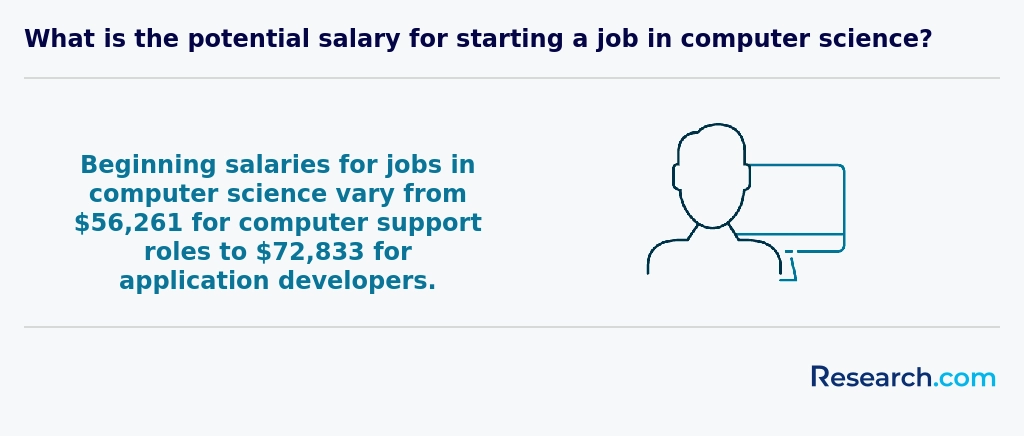
Graduates from well-known California institutions who complete an online information technology degree often find themselves stepping into roles with starting salaries around $60,000 to $75,000 annually-figures that feel like a solid launchpad into the thriving tech cosmos of the Golden State.
Picture a newly minted graduate from a Silicon Valley-area program, landing a junior developer role. They're basking in the buzz of innovation while earning enough to enjoy the vibrant local culture. Climbing the experience ladder to roles such as network administrators or cybersecurity analysts, they swiftly move into a sweet spot of $90,000 to $130,000 per year, enabled by the combination of tech skills and California's premium job market.
In hubs like San Francisco and San Diego, seasoned professionals feel the glow of earnings stretching between $130,000 and $160,000 or more. It's not just about the paycheck-bonuses, stock options, and health benefits add layers to their compensation, painting a rewarding picture for those who invest in continuous learning and certifications.
This journey from the classroom to a bustling tech career reflects the dynamic opportunities California offers, where an online IT degree truly transforms potential into a promising paycheck.
- California offers numerous accredited online IT degree programs through both public and private institutions.
- Online tuition at public universities ranges from $6,000 to $12,000 per year for in-state students, while private schools can cost between $20,000 and $40,000 annually.
- Entry-level IT salaries in California average around $65,000 per year, higher than the national average due to major tech hubs like Silicon Valley.
- Mid-career IT professionals can earn $100,000 or more, especially in cybersecurity, software development, and network architecture roles.
- IT job growth in California is projected at 12% to 15% over the next decade, outpacing average job growth across all fields.
- Many online programs offer flexible schedules and virtual labs, with career support and internship opportunities to help with employment after graduation.
Picture yourself diving into an online information technology degree at a California university like California State University or the University of California system. For full-time students, the journey typically spans four years, unfolding over about 120 to 130 credit hours-the academic equivalent of mastering a complex digital puzzle one piece at a time.
Yet, the beauty of California's online IT programs lies in their elasticity. Many graduates share stories of how flexible pacing allowed them to stretch or sprint through their studies-some savoring a steady five to six years as part-time learners juggling work and family, others accelerating to finish in just two or three years by stacking prior credits and summer sessions like power-ups in a game.
Accelerated tracks with condensed 7- to 8-week courses invite you to immerse deeply and swiftly, harnessing focused curriculum that cuts through electives to core IT essentials. Imagine navigating year-round classes that keep your momentum blazing, turning what feels like a marathon into an energizing relay sprint tailored to your life's rhythm.
Imagine a graduate from a well-known California state university juggling family life while earning their IT degree entirely online. Their days flex around work calls and school deadlines, accessing lectures from a cozy home nook without battling LA traffic. This contrasts sharply with their on-campus counterpart at a prestigious tech school in Silicon Valley, who thrives on spontaneous hallway chats, hands-on lab sessions, and face-to-face coding marathons.
California's online IT programs bring the gift of flexibility, letting students tap into high-quality curriculum statewide without uprooting their lives or budgets. Technology fees and the need for reliable internet sometimes pepper the experience, but transportation and housing costs vanish. Meanwhile, on-campus learners immerse themselves in buzzing campuses like those at UC San Diego, whose structured timetables foster tight-knit networks and real-time collaboration-a boon for those craving direct mentorship.
Both paths carry weight in the job market, though online graduates must often master self-discipline to match their peers' hands-on skills. The choice unfolds as a personal dance between convenience and community, cost-saving and connection, forging distinct yet equally vibrant journeys in California's tech landscape.
Imagine navigating the digital corridors of California's top online IT programs where tuition paints the first stroke of your educational canvas. The average cost of online information technology degree California students face typically sits around $74,580 for the entire journey. This isn't just a number; it's the investment in a future where graduates from institutions like California State University or University of California campuses relish the flexibility and knowledge gained without leaving their homes. Such graduates often recall balancing weekend coding marathons and virtual team projects, proud that their total expense for IT bachelor's degree online California felt aligned with quality and opportunity.
In-state students often breathe easier with median costs near $82,560, reflecting both the value of California's public university system and its competitive pricing. Private online IT degrees might lead to higher tuition, but many find these choices rewarding with access to specialized tools and faculty expertise that fuel innovation. Beyond tuition, students juggle additional fees: a few hundred dollars per semester for tech essentials, digital textbooks, and software - all vital for mastering IT's complex terrain.
Financial aid and scholarships lighten the path, making these ambitious goals more accessible. Those curious about career trajectories post-degree often wonder what jobs can you get with an mba in information technology, connecting their cost-conscious decisions to a broader vision of career growth and personal achievement.
Imagine juggling work and studies while diving into coding concepts from your living room. Many online IT students in California rely on federal financial aid like Pell Grants, offering up to $7,395 yearly without the burden of repayment. A graduate from a popular CSU campus recalls how this grant turned the impossible into affordable as they balanced family and deadlines.
State-level heroes like the California Cal Grant can cover up to $12,570 annually at public universities, making enrollment in tech programs feel less like a gamble. Another online learner from a Bay Area university found institutional scholarships tailored for tech majors-recognizing their hustle and passion-which lightened their financial load and fueled their tech dreams.
And it's not just about aid from the schools. Employers in California's buzzing tech scene often offer tuition reimbursement, making upskilling while employed a practical reality. Plus, work-study gigs can blend income with experience, embedding students deeper into the IT ecosystem while easing bills.
Each dollar from grants, scholarships, or employer support transforms the daunting cost of online IT degrees in California into a tangible stepping stone toward a vibrant career.
To step into an online IT degree program in California, imagine unlocking a door that starts with a high school diploma or its equivalent-a universal key that opens doors from San Diego State to Cal State Fullerton. Graduates often recall how their steady foundation in algebra or a splash of calculus turned abstract numbers into the logic puzzles that power coding languages. It's like assembling the toolkit before diving into a digital adventure.
Picture a community college student weaving their way through transfer courses, connecting credits like puzzle pieces that fit perfectly into a UC Irvine or CSU East Bay degree map. These pathways are well-lit by transfer agreements, smoothing the transition from one academic world to another.
Beyond transcripts, some programs invite students to share stories through recommendation letters or personal statements, showcasing the spark that fuels their passion for technology. Many find the test-optional policy a breath of fresh air, easing anxiety and focusing on potential.
And of course, success in these programs depends on reliable gear: a laptop capable of handling coding marathons and virtual labs, the digital companion enabling students across California's diverse landscapes to conquer pixels and algorithms alike.

Imagine diving into a virtual world where coding languages become your second tongue-California graduates recount transforming nights of wrestling with Python and Java into days crafting seamless apps from their favorite coffee spots. Online IT programs at universities like San Jose State or California State University sprinkle the curriculum with essentials like Programming Fundamentals and Web Development, turning abstract code into practical, user-friendly websites that wow real users.
Networking Concepts and Cybersecurity Principles are more than textbook chapters; students find themselves simulating defenses against cyber threats, preparing for digital battles that protect Silicon Valley's innovations. Courses in Database Management echo through stories of organizing massive tech start-up data efficiently, while Cloud Computing lessons unlock access to powerful remote servers widely used across California's tech hubs.
Systems Analysis and IT Project Management teach time-tested skills in juggling complex projects, just like graduates navigating real-world deadlines in bustling online environments. Each course is infused with region-specific insights, shaping tech professionals ready to lead in California's vibrant and competitive digital landscape.
Imagine diving into online information technology specializations California-style, where every course feels like a power-up tailored to the Golden State's tech pulse. Graduates from renowned schools like California State University or University of California campuses rave about mastering cybersecurity, a thrilling arena where protecting sprawling Silicon Valley networks becomes second nature. Others find their groove in Data Analytics and Big Data, transforming raw data from Hollywood studios or Bay Area startups into insightful gold mines.
For those dreaming in code, software development courses crafted near bustling tech hubs unlock creativity and innovation-skills that online learners cherish as they juggle life's chaos and ambition. Even Network Administration and Cloud Computing come alive with real-world California cases, making education feel both urgent and achievable. If you're hunting for an easy information technology program online, these concentration options let you customize your journey amidst a dynamic, forward-moving economy, proving that California IT degree concentration options can shape your future in vivid, tangible ways.
Ready to explore your path? Check out this easy information technology program online to get started.
When choosing the best online information technology degree California offers, think beyond pixels and code-imagine yourself navigating the bustling tech corridors of Silicon Valley with a degree that feels like a perfect fit. Graduates from state universities have praised how affordable IT bachelor's programs California provide not only ease financial pressure but fuel confidence to dive deep into cutting-edge subjects like cloud computing and cybersecurity. Picture a program designed with your hectic life in mind: asynchronous classes, multiple start dates, and career services connecting you with local tech giants.
Consider how accreditation acts as your compass, guiding you through the maze of options. Those who've walked the path at California community colleges often highlight how recognized accreditation opens doors to smooth credit transfers and respected credentials. Many find it helpful to sift through the curriculum, ensuring it syncs with current industry buzz and technologies. For clarity on choosing the right focus, one graduate recommended reading about what's the difference between computer science and it, which sharpened their direction and energized their study approach.

Graduates with an online information technology degree in California unlock a treasure trove of career paths, weaving through the state's tech tapestry from Silicon Valley to the bustling campuses of California State University. Picture a software developer crafting sleek apps that millions tap daily, fueled by the innovative spirit ignited during their studies. These graduates join the ranks of California's top employers, where salaries soar beyond $120,000, inspiring confidence and ambition.
IT degree job opportunities in California also include network and systems administration-a crucial backstage role ensuring the digital pulse never skips a beat. Imagine graduates securing the integrity of networks at startups or healthcare giants, riding a projected job growth wave. Others dive into cybersecurity, safeguarding finance firms from invisible threats, starting with $80,000 and climbing with every certification earned.
Data management calls to analytical minds, transforming raw numbers from companies like those around Los Angeles into strategic gold. For students wondering which online information technology programs are most affordable?, California's state universities offer competitive tuition, making these vibrant, well-paid career dreams accessible and real.
California's job market for graduates with an online information technology degree pulses with opportunity and innovation. Imagine a graduate from a well-known college in Los Angeles, diving into cybersecurity roles amidst Silicon Valley's tech giants or cloud computing startups in San Diego. The demand for tech skills here is electrifying, fueled by digital transformation sweeping across industries. Graduates report landing positions faster than expected, often assisted by the hybrid advantage of accredited online degrees paired with hands-on certifications.
Flexible study schedules at universities like those in Northern California empower students to balance real-life challenges while gaining sought-after skills. Those pursuing online information technology jobs California-wide find themselves part of a booming market, where salaries often soar past $100,000 annually. Such pathways can turn a degree into a catalyst for career growth, making the investment worthwhile despite tuition variations.
For students hungry to explore costs and options, programs like the cheapest online mba information systems reveal smart, budget-conscious strategies to launch tech careers effectively.
2027 Fastest Online Bachelor's in Information Technology Degree Programs Ranking in California
Investing in your education is a significant decision that can shape your future, and the Research.com team understands the importance of making informed choices. To assist prospective students in California, we have meticulously crafted the "2027 Fastest Online Bachelor's in Information Technology Degree Programs Ranking in California." Our commitment to quality, credibility, and accuracy is reflected in the extensive research and analysis conducted to compile this ranking.
We utilized the following reputable data sources to ensure a comprehensive evaluation of these programs:
By exploring this ranking, readers will gain valuable insights into the fastest online bachelor's in information technology programs available in California, helping them make informed decisions about their educational paths. For more details on our methodology, please visit our Research.com methodology page.


# 3 position
University of Massachusetts Global
Bachelor of Information Technology

Frequently Asked Questions About information technology
Online information technology degree students in California can maximize their learning experience by actively engaging with digital resources and institutional support. Utilizing virtual labs and cloud-based platforms allows hands-on practice, vital in California's tech-driven job market. According to the California Workforce Development Board, IT jobs are projected to grow 11% by 2030, making practical skills critical.
Students should take advantage of campus career services and networking events, even remotely, to connect with local tech companies concentrated in Silicon Valley and Los Angeles. Time management and setting a structured study schedule also enhance retention when balancing online coursework with work or family commitments.
The information technology field is rapidly evolving, with several emerging niches gaining prominence. Cybersecurity remains a critical area due to increasing digital threats, especially in California's thriving tech hubs like Silicon Valley. Cloud computing is another growing focus, driven by businesses shifting to remote and hybrid work models. Additionally, data science and artificial intelligence offer vast opportunities, with California companies investing heavily in AI research and big data analytics.
Blockchain technology is also gaining ground, particularly in sectors such as finance and supply chain management. These niches offer promising career paths for students pursuing online IT degrees, aligning with California's dynamic tech landscape.
Graduates with online information technology degrees in California should focus on building practical skills alongside theoretical knowledge. Certifications such as CompTIA Security+, Cisco CCNA, or AWS Certified Solutions Architect can significantly boost employability in the competitive IT job market.
Networking plays a critical role; students should engage with California-based tech communities and attend local industry events. The California Employment Development Department reports that IT jobs are growing 9% annually, making internships and entry-level roles vital for gaining hands-on experience.
Additionally, preparing a strong digital portfolio showcasing projects and problem-solving abilities is highly recommended by employers in Silicon Valley and beyond.
Employers in California highly value information technology graduates who demonstrate strong technical and problem-solving skills. Proficiency in programming languages such as Python, Java, and SQL is often requested, alongside knowledge of cloud computing platforms like AWS and Microsoft Azure. According to the California Workforce Development Board, about 65% of IT job postings in the state require cloud expertise.
Additionally, communication skills and teamwork are essential. Many IT roles involve collaborating with diverse teams or explaining complex concepts to non-technical stakeholders. Cybersecurity knowledge is increasingly important due to California's leadership in tech innovation and stringent data privacy laws.
Employers also look for adaptability and experience with emerging technologies such as artificial intelligence and machine learning, reflecting California's vibrant tech landscape.
Finding internships in California relevant to an information technology degree involves strategic research and networking. California hosts a large tech industry, especially in Silicon Valley and the Bay Area, where many companies seek IT interns. Websites like Handshake, LinkedIn, and Glassdoor list thousands of tech internships annually. Additionally, California colleges often partner with local businesses to provide students with hands-on opportunities.
Students should engage with their online program's career services, which can offer exclusive internship listings and guidance. According to the National Association of Colleges and Employers, 62% of IT internships in California lead to job offers, emphasizing their importance for career-building.
Attending local tech meetups or virtual events can also increase internship prospects by expanding professional contacts. The California Employment Development Department reports continued growth in the tech sector, suggesting increasing internship availability throughout the state.
An online information technology degree in California can significantly enhance career mobility and advancement opportunities. California's tech industry, home to Silicon Valley, offers a growing demand for skilled IT professionals with flexible education options. According to the California Employment Development Department, employment in computer and information technology occupations is projected to grow 15% from 2022 to 2032, higher than the average for all occupations.
Online degrees allow professionals to balance work and education, making skill upgrades accessible without geographic constraints. Employers increasingly recognize accredited online credentials, especially when paired with relevant certifications.
Graduates can expect better access to roles in software development, cybersecurity, and cloud computing-fields where California salaries often surpass national averages, supporting career progression.
Studying for an information technology (IT) degree online in California equips students with skills that extend beyond traditional tech roles. California's IT programs often emphasize interdisciplinary learning, integrating courses in business, cybersecurity, data analytics, and communications. This approach prepares graduates to effectively collaborate across departments and industries.
For example, the California Labor Market Information highlights that many IT jobs in the state require teamwork with sectors like healthcare, finance, and manufacturing. Online programs commonly include projects and case studies reflecting real-world interdisciplinary challenges. This broad skillset enhances adaptability in a rapidly evolving job market.
Moreover, California's diverse economy fosters demand for IT professionals who understand multiple fields, increasing employment opportunities after graduation.
Choosing between a thesis and a non-thesis information technology degree program in California depends on your academic and career goals. Thesis programs typically require original research and a detailed dissertation, which suits students aiming for advanced study or research roles. Non-thesis tracks emphasize coursework and practical skills, appealing to those targeting immediate industry employment.
In California, home to numerous tech hubs like Silicon Valley, many employers prioritize hands-on experience and certifications, which non-thesis programs often provide. According to the California Employment Development Department, IT occupations are expected to grow by 15% through 2028, highlighting strong job prospects for graduates.
Consider your learning style and time commitment, as thesis tracks usually take longer to complete. Also, check specific program requirements at your chosen university to ensure alignment with your goals.
Students based in California interested in studying information technology abroad have several options through U.S. institutions offering international partnerships and exchange programs. Many California universities collaborate with foreign universities to provide joint online IT degree courses or study-abroad opportunities integrated within the curriculum. These options allow students to earn credits transferable to their California degree while gaining global experience.
Additionally, some online IT degree programs accredited in California provide virtual international internships or projects with global companies. According to the California Workforce Development Board, the state's IT sector is projected to grow by 15% through 2030, increasing demand for globally skilled professionals. This trend encourages more programs to include international study components.
Part-time job opportunities in California that complement an online information technology degree are diverse and plentiful. Many students find roles such as help desk technician, IT support specialist, or junior web developer beneficial. These positions provide practical experience while pursuing an academic degree. California's technology sector is one of the largest in the US, employing over 1.5 million IT workers according to the California Employment Development Department (EDD).
Internships and freelance projects in cybersecurity, software development, or network administration also help students sharpen skills. Working in tech startups or with local government IT departments is common, offering exposure to real-world challenges. These roles often allow flexible hours aligning with coursework.
Online information technology students in California benefit from numerous networking opportunities linked to the state's robust tech industry. Many universities offer virtual career fairs, webinars, and industry panels connecting students with professionals from Silicon Valley and beyond. The California State University and University of California systems have active online alumni networks, which facilitate mentoring and job referrals.
Students can also join IT-focused professional organizations like the California chapter of the Association for Computing Machinery (ACM) or the Information Systems Security Association (ISSA). According to TechBeacon, California accounts for over 20% of U.S. IT jobs, making networking essential for career growth.
These resources allow online students to build meaningful contacts despite geographic limitations.
Alumni networks offer significant advantages for students pursuing online information technology degrees in California. These networks provide access to experienced professionals working in Silicon Valley and other major tech hubs across the state. According to the California Employment Development Department, the IT sector in California is projected to grow by 12% through 2028, increasing job opportunities for graduates.
Through alumni connections, students gain mentorship, job referrals, and insight into industry trends. Events and online forums allow for real-time networking, helping students build valuable relationships even while studying remotely.
Moreover, alumni often share internships and project opportunities that enhance practical skills, which are crucial for success in IT roles. This collaborative support boosts employment prospects and career advancement for graduates across California's competitive technology landscape.
Customizing an online information technology degree program in California allows students to align their studies with specific career ambitions. Many California universities offer elective courses and specializations, such as cybersecurity, data analytics, or software development, enabling learners to tailor their education.
Advisors often assist in selecting classes that match industry demand; for example, cybersecurity roles in California are expected to grow by 31% through 2030, according to the U.S. Bureau of Labor Statistics. Internships and capstone projects provide practical experience relevant to targeted jobs.
Additionally, some programs include certifications or partnerships with tech companies, enhancing career readiness within California's robust IT sector.
Online information technology students in California often face challenges balancing rigorous coursework with personal and professional responsibilities. Many learners juggle full-time jobs alongside studies, which can lead to time management difficulties. According to the California Postsecondary Education Commission, about 60% of online students in the state are working adults.
Another common issue is limited access to hands-on technical resources. Practical IT skills require laboratories or simulation tools, which some programs may not fully replicate online. Students may feel less prepared for real-world scenarios without this experience.
Connectivity and technology access can also pose problems, especially in rural areas. Despite California's overall high internet penetration, up to 10% of residents in some regions face unreliable broadband, impacting their online learning consistency (Pew Research Center, 2023).
Finally, students sometimes report less interaction with peers and instructors, which can affect motivation and networking opportunities essential in the IT field.
With an online information technology degree in California, graduates can pursue various professional certifications to enhance their credentials and job prospects. Popular options include the CompTIA A+, which validates foundational IT skills, and the Certified Information Systems Security Professional (CISSP), highly valued for cybersecurity roles. The Project Management Professional (PMP) certification is also common among IT professionals managing teams and projects.
California's tech industry demands certifications like Cisco Certified Network Associate (CCNA) due to the state's large network administration market. According to the California Employment Development Department, roles requiring these certifications have a median salary well above the state's average IT wage.
To write a winning application for an online information technology program in California, start by clearly demonstrating your passion for technology and relevant experience. Highlight any technical skills, certifications, or projects that align with IT fields such as cybersecurity, software development, or data management. California employers value practical knowledge due to the state's thriving tech industry, which accounted for over 2.8 million tech jobs in 2023, according to CompTIA.
Be sure to tailor your personal statement to the specific program's curriculum and values. Emphasize your ability to manage online learning effectively, citing any prior success in virtual courses if applicable. Also, include strong letters of recommendation from supervisors or professors familiar with your technical abilities. Finally, ensure your application is clear, concise, and error-free to create a professional impression.
The global demand for information technology (IT) professionals continues to rise, reflecting the essential role IT plays across all industries. In California, the tech sector is a major driver of the economy, contributing nearly 15% of the state's GDP according to the California Economic Development Department. This growth highlights the increasing opportunities for those with IT degrees, especially online programs that offer flexibility for working adults.
From a global perspective, IT careers are highly valued for their adaptability and innovation focus. U.S. Bureau of Labor Statistics projects a 15% growth in IT-related jobs nationwide by 2030, faster than average for all occupations. California, home to Silicon Valley, regularly leads in tech job creation, setting trends followed internationally.
Moreover, international collaboration and cybersecurity needs emphasize the importance of global perspectives in IT careers. Understanding diverse markets and compliance with global data standards enhances competitiveness for California-trained IT professionals.
Gaining practical experience while studying for an online information technology degree in California is important for success in the competitive tech job market. Many California institutions encourage students to participate in internships or cooperative education programs with local companies. These opportunities allow you to apply classroom knowledge in real-world settings. According to the California Employment Development Department, the IT sector in California is expected to grow 15% from 2022 to 2032, increasing demand for skilled workers with hands-on experience.
Online students should also explore virtual labs and project-based courses offered by their schools. They can develop skills in areas like cybersecurity, programming, or network administration.
Additionally, joining California-based professional organizations or technology meetups can expand your network and open doors for mentorship and job placements.
Choosing the right concentration within an online information technology degree in California depends on your career goals and interests. Popular concentrations include cybersecurity, data analytics, software development, and network administration. California's tech industry-home to Silicon Valley-has high demand for cybersecurity experts and software engineers, with the California Employment Development Department predicting a 12% growth in these fields through 2028.
Consider programs accredited by recognized bodies like ABET to ensure quality education. Research local job market trends using resources such as the California Labor Market Information Division. Align your concentration with skills employers seek to boost job prospects after graduation.
- 2027 Fastest Online Bachelor's in Information Technology Degree Programs Ranking in Texas
- 2027 Fastest Online Bachelor's in Information Technology Degree Programs Ranking in Kansas
- 2027 Fastest Online Bachelor's in Information Technology Degree Programs Ranking in Missouri
- 2027 Fastest Online Bachelor's in Information Technology Degree Programs Ranking in Wisconsin
- 2027 Fastest Online Bachelor's in Information Technology Degree Programs Ranking in Illinois
- 2027 Fastest Online Bachelor's in Information Technology Degree Programs Ranking in Michigan
- 2027 Fastest Online Bachelor's in Information Technology Degree Programs Ranking in Alabama
- 2027 Fastest Online Bachelor's in Information Technology Degree Programs Ranking in Kentucky
- 2027 Fastest Online Bachelor's in Information Technology Degree Programs Ranking in Tennessee
- 2027 Fastest Online Bachelor's in Information Technology Degree Programs Ranking in Florida
- Bachelor of Science in Information Technology https://www.wsu.university/academic-programs/bachelor-of-science-in-information-technology
- How to Maximize the Impact of Alumni Networks https://www.careeros.com/resources/how-to-maximize-the-impact-of-alumni-networks
- Online Technology Degree Programs | University of Phoenix https://www.phoenix.edu/online-information-technology-degrees.html
- How Technology Enhances Career Development Strategies | Manpower Ireland https://www.manpower.ie/blog/2024/02/how-technology-can-enhance-your-career-development-strategy
- IT Degrees with Certifications | Benefits & Career Mapping https://www.itcareerfinder.com/brain-food/blog/entry/it-degree-with-certifications.html
- 4 Ways to Leverage Technology to Enhance the Learning Experience https://blog.definedlearning.com/leveraging-technology-in-the-classroom/
- Computer Science in California: Curriculum and Requirements https://www.computerscience.org/online-degrees/california/
- The Top Information Technology Skills Employers Want | AIU https://www.aiuniv.edu/degrees/information-technology/articles/top-information-technology-skills-employers-want
- Online Degree vs. Traditional: Choosing the Right Path https://beal.edu/online-degree-vs-traditional/
- Information Technology Master's Program (without Thesis) | Eastern Mediterranean University Cyprus https://www.emu.edu.tr/en/programs/information-technology-masters-program-without-thesis/1070