2027 Most Affordable Human Resources Degree Programs Ranking in San Francisco

Co-Founder and Chief Data Scientist
If you're considering a career in human resources, finding an affordable and quality degree program is key. This article introduces the 2027 Most Affordable Human Resources Degree Programs Ranking in San Francisco, created by the Research.com team of data scientists. It's designed to help you confidently choose a program that fits your goals and budget.
Whether you're starting fresh or advancing your career, earning a human resources degree opens doors to rewarding opportunities. Explore this ranking to discover programs that offer both value and quality education right here in San Francisco.
Key benefits of getting human resources degree in San Francisco
- Graduates with a human resources degree in San Francisco can expect strong earning potential, with roles like Human Resources Generalist and Recruitment Coordinator offering mean annual wages around $76,060, reflecting rewarding salary opportunities.
- Career paths often include positions such as Employee Relations Specialist or Training and Development Coordinator, highlighting diverse opportunities for growth and specialization based on a graduate from a well-known local university.
- Online human resources degrees provide flexible learning schedules and reduced commuting stress, making it easier for working students in San Francisco to balance studies and commitments while still accessing quality education.
- 2027 Most Affordable Human Resources Degree Programs Ranking in San Francisco
- What can I expect from human resources degree in San Francisco?
- Where can I work with human resources degree in San Francisco?
What can I expect from human resources degree in San Francisco?
The average cost of earning a human resources degree in San Francisco varies depending on the institution and degree level, but students often find it a worthwhile investment in their future. For example, community colleges in the area typically charge between $4,000 and $7,000 per year for associate degrees, offering affordable pathways with strong local industry connections. Meanwhile, universities like San Francisco State University or the University of San Francisco usually have tuition costs ranging from $7,000 to $15,000 per year for bachelor's programs. Graduates from these programs often reflect on how the blend of classroom learning and real-world internships in San Francisco's vibrant job market made every dollar spent feel valuable and empowering.
Many students appreciate that these costs come with access to expert faculty, modern facilities, and practical training that prepares them for managing diverse workplaces. Investing in a degree here means acquiring skills aligned with California's leading labor laws and benefiting from the city's unmatched employment opportunities in technology, healthcare, and finance sectors.
Where can I work with human resources degree in San Francisco?
Graduates holding a human resources degree in San Francisco step into a city brimming with exciting career opportunities. Many find themselves welcomed by leading tech giants like Salesforce, Uber, and Twitter, where they apply their skills in strategic planning and diversity efforts-roles that inspire growth and innovation. Graduates from local institutions such as San Francisco State University often share how their internships helped them thrive in these cutting-edge environments, managing talent acquisition and employee development with confidence.
The healthcare sector also offers a vibrant landscape for HR specialists, with places like UCSF Medical Center and Kaiser Permanente valuing professionals who handle staffing and compliance in meaningful ways. Alumni from community colleges appreciate the stable career paths they build here, enjoying the chance to make a tangible difference in employee welfare and training.
Government agencies and nonprofits in the city provide further avenues, where HR graduates engage in public-sector workforce development and champion equal employment opportunities. Many find these roles deeply rewarding, fueled by a passion for community impact that began during their studies in San Francisco's rich academic environment.
From startups to SMEs across finance, retail, and hospitality, human resources careers in San Francisco let graduates thrive in dynamic, supportive workplaces. Networking through groups like the local SHRM chapter often becomes a key to unlocking these opportunities, connecting students and recent graduates to supportive mentors and inspiring career milestones.
Graduates with a human resources degree in San Francisco can look forward to exciting career opportunities with rewarding salaries. Positions such as Recruitment Coordinator, Employee Relations Specialist, and Human Resources Assistant typically offer mean annual wages around $76,060, reflecting the strong demand for HR talent in the Bay Area. Many graduates from institutions like San Francisco State University and the University of San Francisco share stories of starting their HR careers within leading tech firms, where their skills are valued and well compensated.
Training and Development Coordinators earn slightly less but still enjoy a solid salary near $71,980 annually, showcasing diverse pathways for HR graduates eager to impact employee growth and learning. With dedication, these early career roles often serve as the foundation for higher-paying opportunities, especially when paired with hands-on experience and certifications. Graduates express pride in contributing to dynamic workplaces where their work enhances company culture while earning competitive compensation.
San Francisco's vibrant economy and specialized HR demands create an environment where human resources degree holders can thrive both professionally and financially, making their educational investment truly worthwhile.
- The cost of earning a bachelor's degree in human resources in San Francisco ranges from $40,000 to $75,000 depending on the institution.
- The average starting salary for HR graduates in the city is about $60,000 per year, with experienced professionals earning between $90,000 and $110,000 annually.
- The job growth rate for human resources specialists is projected at around 7% nationwide through 2030, benefiting local HR employment.
- Key industries hiring HR professionals in San Francisco include technology, healthcare, finance, and retail.
- Many programs offer internships and networking opportunities to improve job prospects after graduation.
Students pursuing a human resources degree in San Francisco often find the journey both manageable and rewarding. Typically, completing a bachelor's degree takes about four years of full-time study at popular institutions like San Francisco State University or the University of San Francisco. Many graduates share how accelerated programs helped them finish in just three years by balancing summer courses and heavier workloads, turning ambition into achievement.
For those aiming higher with a master's degree in HR or human resource management, the path generally spans two years full-time. Yet, many working professionals in San Francisco embrace part-time or online formats, extending their studies to around three years-allowing them to gain valuable hands-on experience while progressing steadily toward their goals.
Graduates often recount the excitement of applying their learning through internships and capstone projects offered by local colleges, making the process engaging and practical. The flexible options available empower students to tailor their education around life's demands, creating a fulfilling and uplifting route to success in HR.
Choosing between online and on-campus human resources degrees in San Francisco means embracing two exciting paths tailored to your lifestyle and goals. Online programs, popular among busy professionals balancing careers in tech or business, offer freedom to study anytime from anywhere. Imagine completing challenging HR coursework after hours without missing a beat-perfect for those who value flexibility and independence. Graduates from well-regarded institutions like San Francisco State University praise how this mode empowered them to advance their careers while managing personal commitments.
On-campus programs, such as those at the University of San Francisco, create vibrant learning communities where face-to-face interactions spark dynamic discussions and deepen understanding. Students appreciate collaborative projects and networking events that open doors locally, fueling motivation daily. Many find the campus energy and hands-on internships invaluable for developing interpersonal skills essential to HR success.
Both approaches offer accredited, comprehensive curricula covering labor law, recruitment, and organizational behavior, reassuring you'll gain the expertise needed to thrive. Whether you choose the flexibility of online or the immersive campus experience, San Francisco's diverse opportunities make your human resources education both rewarding and inspiring.
As technology reshapes the business landscape, Human Resources education is also evolving to meet emerging industry demands. In today’s fast-paced environment, students and professionals alike are increasingly prioritizing programs that emphasize digital HR tools, data analytics, and remote work management. These trends not only prepare graduates for the technologically advanced workplace but also foster innovative thinking that drives organizational growth. Moreover, with an eye toward cost efficiency and quality education, many prospective students are researching affordable pathways. For instance, exploring options like the cheapest human resources school in california can reveal programs that balance rigorous academic standards with budget-friendly tuition. This forward-looking approach ensures that today's students are well-equipped for tomorrow’s challenges, positioning them as leaders in the evolving field of Human Resources.
The average cost of a human resources degree in San Francisco reflects the city's vibrant educational environment and unique opportunities. Typically, students can expect to invest around $34,221 for in-state total costs and approximately $60,986 for out-of-state students. Graduates from popular institutions such as San Francisco State University share how these programs combine quality education with invaluable local business connections, making the investment worthwhile despite higher tuition rates.
Many find that affordable human resources degree programs San Francisco offers, especially within the California State University system, provide strong foundations at around $7,000 to $10,000 annually for residents. Others choose private universities that, while pricier, offer specialized training and networking within the Bay Area's dynamic job market. Students often feel energized by opportunities to engage with Silicon Valley companies, turning tuition expenses into an investment in their future careers.
Considering the total cost, including living expenses, the journey demands financial planning, yet numerous scholarships and financial aid options help ease the path. Aspiring professionals are encouraged to explore rankings and program details at https://research.com/rankings/human-resources/best-human-resources-san-francisco-ca to find programs aligning with their goals. With commitment and passion, the cost is a stepping stone toward exciting and rewarding careers in human resources.

Earning a Human Resources degree in San Francisco is an excellent foundation, but supplementing your academic credentials with industry-recognized certifications can significantly enhance your employability and earning potential. Popular certifications such as the SHRM Certified Professional (SHRM-CP) and the HR Certification Institute’s Professional in Human Resources (PHR) are highly regarded by Bay Area employers. These credentials demonstrate specialized expertise in areas like talent acquisition, employee relations, and strategic HR management, helping graduates stand out in a competitive job market. Most certification programs require a combination of professional experience and successful completion of a rigorous exam. Many graduates choose to pursue certification within two years of completing their degree, leveraging practical knowledge gained through internships and entry-level roles. Preparing for these exams often involves targeted study materials, review courses offered by local training providers, and participation in study groups through organizations like the San Francisco chapter of SHRM. Earning a credential typically opens doors to roles such as HR Business Partner or Compensation and Benefits Analyst and can lead to salary increases of 10–20% within a few years. Continuing education is equally vital for HR professionals striving to keep pace with evolving labor laws, diversity and inclusion best practices, and emerging HR technologies. Consider enrolling in workshops on HR analytics, compliance updates, or leadership development seminars hosted by institutions like Golden Gate University or through online platforms. Many online degree programs integrate certification exam prep into their curricula, allowing you to earn academic credits while preparing for your professional exams. For students seeking flexible online pathways that balance cost and quality, our Low Cost Online Human Resources Degree Programs Ranking in Kansas provides a comprehensive overview of affordable options. Finally, maintain your certifications through recertification credits and continuous learning. SHRM and HRCI both require certified professionals to earn recertification credits every three years, ensuring your skills remain current. By strategically combining your San Francisco-based degree with nationally recognized certifications and ongoing professional development, you’ll position yourself as a trusted HR leader ready to navigate the complexities of today’s workforce.
Students pursuing a human resources degree in San Francisco find encouragement in numerous financial aid options that make their educational dreams achievable. By completing the FAFSA, many unlock federal grants like the Pell Grant, which can provide up to $7,000 annually without repayment, easing financial worries as they focus on becoming future HR leaders. Graduates from San Francisco State University often celebrate how Cal Grant support significantly lightened their tuition burden, especially at public institutions, allowing them to concentrate on building their management skills with confidence.
Local scholarships from community foundations and institutions like the University of San Francisco empower students by rewarding merit and real-world experience. Imagine receiving support from the Society for Human Resource Management scholarship, which many grantees say bolstered their journey through graduate studies. Additionally, employer tuition assistance opens doors for those working in San Francisco's vibrant corporate world, making higher education not just a possibility but a sustainable investment in their bright futures.
To enroll in a human resources degree program in San Francisco, many students find that having a solid foundation through a high school diploma or equivalent opens the door to exciting opportunities. Graduates from local colleges often share how submitting official transcripts and demonstrating strong academic performance helped them gain admission. Some also recall the empowering moment they embraced test-optional policies, removing barriers and letting their passion for HR shine through.
English proficiency is another key stepping stone, especially for international students, where exams like TOEFL or IELTS demonstrate readiness to excel in a vibrant San Francisco classroom. Community colleges and universities, such as those well-known in the city, encourage applicants to share personal statements or letters of recommendation, offering a chance to express unique motivations and communication skills that make their applications stand out.
For those aiming at graduate degrees, having a bachelor's degree plus work experience creates a powerful combination, often highlighted by transcripts and sometimes GRE or GMAT scores. These requirements are gateways to joining a thriving HR community in this bustling city, inspiring students to engage fully with their studies and future careers.
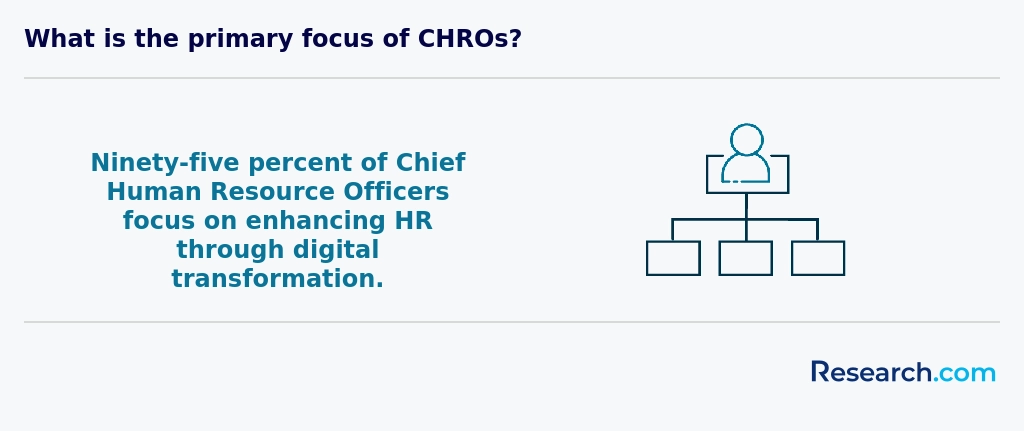
Human resources degree programs in San Francisco offer courses that equip students with valuable, practical skills tailored to the city's vibrant and diverse workforce. Graduates from well-known institutions find themselves confidently navigating topics like employee recruitment, training, and performance management, directly applying what they learn to fast-paced local industries.
Many students describe how classes on employment law help them understand California's unique labor regulations, preparing them to advocate for fair and inclusive workplaces. Courses in diversity and inclusion resonate deeply with those studying here, reflecting the truly multicultural environment of San Francisco's companies and nonprofits.
In addition to foundational subjects, students engage with courses such as organizational behavior, compensation and benefits management, and workforce analytics-tools praised by graduates for giving them a competitive edge in decision-making roles. Internships facilitated by colleges connect students with leading tech and service firms, turning classroom theory into real-world impact.
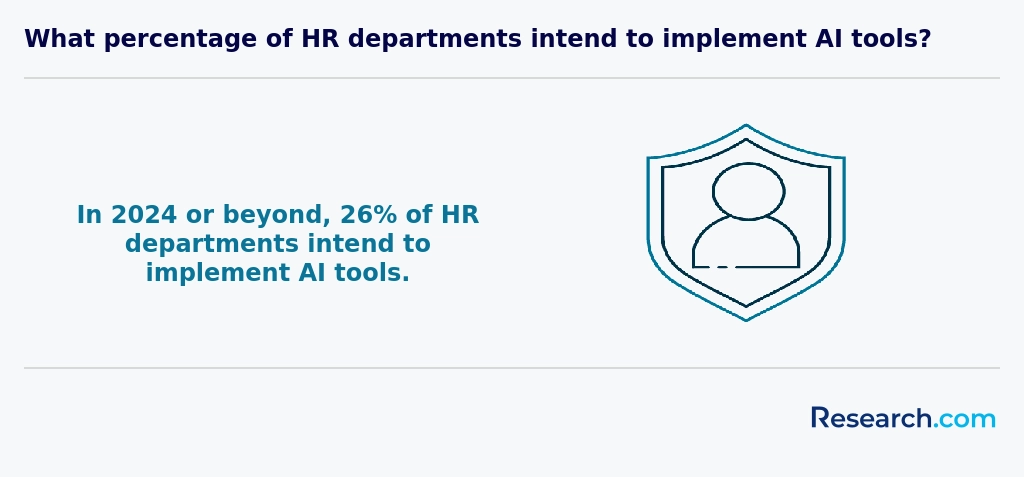
Students pursuing a human resources degree in San Francisco can choose among inspiring specializations that align perfectly with the city's vibrant workforce. Graduates from popular universities here often highlight how focusing on Talent Acquisition and Recruitment opens doors to dynamic roles in local tech startups, where sourcing top talent is both an art and a science. This resonates deeply with many who thrive in the city's fast-paced environment.
Others find passion in Employee Relations and Labor Relations, engaging with San Francisco's progressive labor landscape to foster respectful, productive workplaces. These graduates appreciate how real-world union negotiations shape their practical skills.
Specializing in Compensation and Benefits empowers students to navigate California's unique labor market challenges, enhancing employee satisfaction in competitive industries. The focus on Organizational Development and Training encourages continuous growth, reflecting the city's commitment to innovation.
For those drawn to inclusivity, the Diversity, Equity, and Inclusion (DEI) track offers the chance to cultivate welcoming workplace cultures that mirror San Francisco's rich diversity. Exploring these HR management concentrations in San Francisco programs reveals exciting career pathways with meaningful impact. Many graduates attest to how these specializations boost their confidence and MBA graduate job salary potential.
Choosing the best human resources degree in San Francisco means focusing on programs that blend strong accreditation with practical opportunities. Graduates from well-known universities in the city often praise how programs aligned with SHRM standards helped prepare them for respected certifications and boosted their confidence in local job markets. The most affordable human resources degree programs San Francisco offers can be found at community colleges, where many students appreciate gaining foundational skills without the heavy price tag, enabling a smart financial start in an exciting career.
Many successful alumni highlight the importance of flexible schedules, especially those balancing work and study through evening or hybrid classes. Being in San Francisco means access to internships at top companies like Salesforce and Uber, turning classroom knowledge into real-world connections. For those dreaming bigger, exploring options beyond San Francisco, such as the top MBA programs in Colorado, can open doors to leadership pathways. Combining curriculum quality, affordability, and local industry ties is key to finding the best human resources degree options in San Francisco.
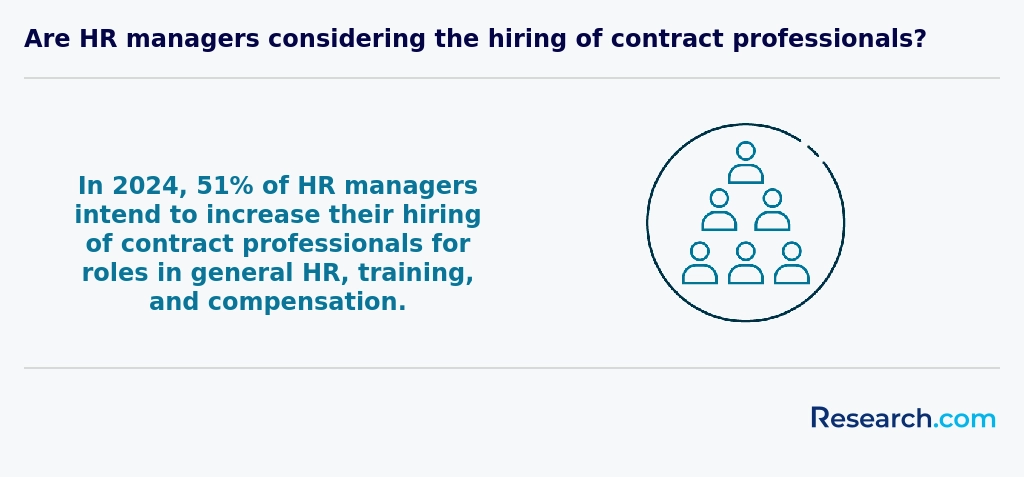
Graduates with a human resources degree in San Francisco find themselves stepping into vibrant career paths filled with opportunities. Many begin as HR Generalists, handling everything from hiring to employee relations in dynamic workplaces like startups and tech giants rooted in the city. Others thrive as Recruitment Specialists, helping top companies compete for the best talent in this competitive market. Compensation and Benefits Analysts and Training Managers also shape organizations by designing rewarding benefit packages and empowering employees through growth programs.
Students from popular San Francisco colleges often share how their hands-on internships and connections within local firms spark confidence and open doors. Exploring human resources career opportunities San Francisco offers enables graduates to align their passion with a meaningful, impactful profession in an economy buzzing with innovation.
Beyond tech, HR experts in finance, biotech, and nonprofits enjoy expanding roles, each demanding skilled professionals who can lead with empathy and strategy. For additional guidance on building your career foundation, consider the top business colleges in Virginia.
With so many job prospects with HR degree San Francisco students can pursue, the city promises an exciting, fulfilling future in human resources.

The human resources job outlook San Francisco paints an encouraging picture for graduates ready to launch their careers. Those earning their HR degrees from institutions like San Francisco State University find themselves in a thriving market fueled by the city's diverse industries-from booming tech startups to established healthcare providers. Graduates often share how their education, combined with local internships, opens doors to roles in talent acquisition, employee relations, and benefits coordination.
San Francisco's competitive salaries, with HR specialists earning well above the national median, add to the appeal and motivate new professionals aiming to grow in their field. Many graduates describe the city's vibrant professional networks and organizations like SHRM as vital to their early success, offering mentorship and real-world experience. For students weighing options, looking into top programs, including those recognized among the best business schools in New Jersey, can provide valuable regional insights. This combination of strong career opportunities and support makes studying HR in San Francisco an inspiring choice for future leaders.
2027 Most Affordable Human Resources Degree Programs Ranking in San Francisco
Investing in your education is a significant decision that can shape your career, and the Research.com team recognizes the importance of making well-informed choices. To support those seeking affordable human resources degrees in San Francisco, we have carefully developed the "2027 Most Affordable Human Resources Degree Programs Ranking in San Francisco." Our dedication to quality, credibility, and accuracy is demonstrated through thorough research and a rigorous analytical process.
We utilized the following reputable data sources to create a comprehensive and reliable ranking:
By consulting this ranking, readers will gain valuable insights into affordable, high-quality human resources degree programs in San Francisco, empowering them to make confident educational decisions. For a full explanation of our methodology, please visit our Research.com methodology page.


# 3 position
Golden Gate University
Master of Human Resource

Frequently Asked Questions About human resources
Human resources degree students in San Francisco can maximize their learning by engaging with the city's vibrant business ecosystem. San Francisco hosts a large number of tech firms and startups, making internships and cooperative education opportunities particularly valuable. According to the U.S. Bureau of Labor Statistics, the Bay Area has a higher concentration of HR-related jobs than many other regions, which means students can gain relevant work experience locally.
Students should also join professional organizations such as the Bay Area Human Resources Association to network and attend workshops. Utilizing university career services to connect with local recruiters enhances job prospects post-graduation. Additionally, blending coursework with practical projects focused on diversity, equity, and inclusion reflects current HR trends prominent in San Francisco's workforce.
The human resources (HR) field is evolving rapidly, especially in dynamic job markets like San Francisco. Emerging niches include HR analytics, which uses data to improve hiring and retention. According to a 2023 report by the Society for Human Resource Management, 60% of HR professionals in the Bay Area now integrate analytics into their roles. Another growing area is diversity, equity, and inclusion (DEI) management, crucial in San Francisco's diverse economy. Additionally, HR roles focused on employee wellness and mental health support are expanding, reflecting increasing awareness of workplace well-being. Specialized skills in remote workforce management are also in high demand due to ongoing hybrid work trends.
After earning a human resources degree in San Francisco, graduates should focus on gaining practical experience to boost employability. Internships and entry-level positions in local tech companies or nonprofits offer valuable insights into workforce management. The San Francisco Bay Area hosts over 8,000 HR-related jobs, with an average salary of approximately $75,000, according to the U.S. Bureau of Labor Statistics (2023). Networking through local chapters of SHRM (Society for Human Resource Management) and attending HR conferences can connect candidates with industry professionals. Additionally, obtaining certifications such as SHRM-CP or PHR enhances credibility and job prospects in this competitive market.
Employers in San Francisco prioritize several key skills in human resources degree graduates. Strong communication abilities are essential, as HR professionals regularly mediate between management and employees. According to the Society for Human Resource Management (SHRM), over 70% of employers value interpersonal skills highly. Knowledge of labor laws and compliance is critical, especially given California's complex regulations. Analytical skills also rank prominently, with many organizations expecting graduates to interpret workforce data effectively to improve productivity. Additionally, employers look for adaptability and tech proficiency, including familiarity with HR information systems like Workday or ADP, which are widely used in the Bay Area job market.
Finding internships in San Francisco relevant to a human resources (HR) degree involves several practical steps. Begin by exploring local universities' career centers, such as San Francisco State University, which often partner with Bay Area companies for internship placements.
Networking plays a key role; attending HR-focused events and professional groups like the San Francisco chapter of SHRM (Society for Human Resource Management) can connect students with internship opportunities. According to the U.S. Bureau of Labor Statistics, HR internships in urban hubs like San Francisco offer higher exposure to tech companies and startups, which dominate the local economy.
Additionally, online platforms like Handshake and LinkedIn list internships tailored for HR majors in the Bay Area, often updated weekly. These resources combined increase the chance of securing a relevant internship that enhances practical skills and local industry knowledge.
A human resources (HR) degree significantly enhances career mobility and advancement opportunities in San Francisco's competitive job market. According to the U.S. Bureau of Labor Statistics, HR specialists in the Bay Area earn a median salary approximately 15% higher than the national average, reflecting local demand for skilled professionals.
San Francisco's diverse industries, including tech, healthcare, and finance, prioritize candidates with formal HR education for roles ranging from recruitment to employee relations. A degree provides foundational knowledge of labor laws, talent management, and organizational behavior crucial for leadership roles.
Furthermore, many local employers prefer candidates with a bachelor's or master's degree in human resources, which often leads to faster promotion tracks and opportunities in strategic HR management.
Regional resources like the San Francisco chapter of the Society for Human Resource Management (SHRM) offer ongoing education and networking that complement academic credentials, further supporting career growth.
Studying for a human resources (HR) degree in San Francisco offers unique preparation for interdisciplinary roles by combining traditional HR principles with exposure to diverse industries prevalent in the region. San Francisco's strong presence in technology, healthcare, and finance encourages programs to include coursework in organizational psychology, labor law, and data analytics.
The city's universities often incorporate practical experience with local businesses, enabling students to engage in real-world challenges that require collaboration across departments such as marketing, IT, and operations. According to the National Center for Education Statistics, nearly 60% of HR graduates in California find work in interdisciplinary teams within two years.
This dynamic environment equips students with skills in communication, problem solving, and adaptability, which are essential for modern HR professionals working beyond traditional roles.
Choosing between a thesis and a non-thesis human resources degree program in San Francisco depends on your career goals and learning preferences. Thesis programs typically emphasize research and are ideal if you plan to pursue a PhD or work in academic or policy roles.
Non-thesis programs often focus on practical skills and applied knowledge, which may suit professionals aiming for immediate HR management or specialist positions in local tech companies or startups. According to the U.S. Bureau of Labor Statistics, San Francisco's HR sector has a 7% growth rate, highlighting demand for practical expertise.
Cost and time commitment also differ: thesis options can take longer and require strong research skills; non-thesis paths may be faster and more flexible. Evaluate faculty expertise, available resources, and alumni outcomes to make an informed choice.
Students in San Francisco aiming to study human resources abroad have several pathways through U.S.-based institutions with global partnerships. Many California universities, including those in the Bay Area, offer exchange programs with schools in Europe and Asia. These programs allow students to complete parts of their degree overseas while remaining enrolled domestically. According to the California State University system, nearly 60% of students participating in study abroad choose business-related fields, including HR.
Additionally, some universities provide dual-degree options combining U.S. accreditation with international credentials. This is beneficial for students seeking global HR careers, especially in multinational companies prominent in the San Francisco tech and finance sectors. Popular destinations include the United Kingdom, Germany, and Australia, well-known for strong human resources curricula recognized by U.S. standards.
Part-time job opportunities in San Francisco that complement a human resources (HR) degree include roles such as HR assistant, recruitment coordinator, and payroll clerk. These positions provide hands-on experience with employee relations, hiring processes, and administrative HR tasks, reinforcing theoretical knowledge gained in coursework.
The San Francisco Bay Area hosts many startups and tech companies, increasing demand for HR support roles. According to the Bureau of Labor Statistics, the region's employment of HR specialists is projected to grow faster than the national average from 2022 to 2032.
Working in campus career centers or nonprofit organizations also offers valuable exposure to HR functions and enhances communication and organizational skills.
San Francisco offers numerous networking opportunities for human resources students, connecting them with industry professionals in one of the nation's top employment hubs. Local universities frequently host career fairs and HR-specific networking events, enabling students to meet recruiters from tech giants and startups alike. The San Francisco chapter of the Society for Human Resource Management (SHRM) regularly organizes workshops and mixers, providing practical learning and relationship-building occasions.
Additionally, many organizations in the Bay Area seek interns and entry-level HR staff, facilitating hands-on experience critical for career growth. According to the San Francisco Chamber of Commerce, HR roles have grown by 12% over the last five years, increasing demand for skilled graduates.
Alumni networks offer valuable support to human resources degree students in San Francisco by creating opportunities for mentorship and career connections. Graduates often stay involved with their alma maters, providing guidance to current students on local job markets and industry trends. According to the National Association of Colleges and Employers, 70% of jobs are found through networking, which underscores the importance of strong alumni ties.
In San Francisco, where the HR field intersects with tech and startups, alumni can connect students with companies like Salesforce and Twitter, aiding internships and employment. Schools often organize events featuring alumni professionals, enhancing practical knowledge and regional insights.
Such networks also facilitate access to specialized HR certifications and workshops through referrals. For students navigating the competitive Bay Area market, alumni associations serve as a vital resource for career advancement and professional growth.
Customizing your human resources degree program in San Francisco allows you to align your education with specific career goals. Many local universities and colleges offer elective courses in areas like labor relations, organizational psychology, or diversity management. Choosing electives based on your interests can enhance your expertise.
Additionally, internships and cooperative education placements with prominent Bay Area companies give practical experience, which is crucial in a competitive job market. According to the California Labor Market Information Division, San Francisco's HR job market is projected to grow by 8% through 2028, emphasizing the importance of relevant skills.
Some programs also offer certificate options or dual degrees that combine HR with business or technology, further broadening your qualifications.
Human resources students in San Francisco face several distinctive challenges while pursuing their degrees. One major issue is the high cost of living, which often leads to financial stress and the need to balance work and study. According to the U.S. Bureau of Labor Statistics, the Bay Area has one of the highest living expenses in the country.
Additionally, students must navigate a competitive job market shaped by the city's tech-driven economy. Gaining practical experience through internships can be difficult due to limited positions specific to human resources in startups and tech firms.
Moreover, staying updated with evolving labor laws and diversity requirements in California adds complexity to the curriculum, demanding extra focus from students.
Graduates with a human resources degree in San Francisco can pursue several recognized professional certifications to enhance their career prospects. The most popular certification is the Professional in Human Resources (PHR), offered by the HR Certification Institute, which demonstrates mastery of technical and operational HR management.
Another valuable credential is the SHRM Certified Professional (SHRM-CP), which focuses on strategic HR competencies. These certifications are well-regarded in the Bay Area's competitive job market, where HR professionals earn a median salary of around $85,000 annually, according to the U.S. Bureau of Labor Statistics.
Additional certifications include the Senior Professional in Human Resources (SPHR) for advanced HR roles and Certified Employee Benefits Specialist (CEBS) for benefits-focused careers. Earning one of these credentials can significantly improve employment opportunities and salary potential in San Francisco's diverse HR sector.
When applying to a human resources degree program in San Francisco, a clear and focused application is essential. Start by highlighting your relevant work or volunteer experience, especially within diverse workplaces common in the Bay Area. Admissions committees value candidates demonstrating skills in communication, conflict resolution, and cultural competency, all vital for HR roles.
San Francisco's competitive job market demands applicants show knowledge of current HR trends, including diversity and inclusion initiatives. According to the San Francisco Office of Economic and Workforce Development, HR jobs are expected to grow by 8% through 2030, emphasizing a need for qualified professionals. Including any related certifications, like SHRM-CP, can strengthen your profile.
Tailor your personal statement to address your motivation for pursuing HR in San Francisco's unique economic and social context. Confirm all academic transcripts and letters of recommendation are complete and submitted early due to the local demand for these programs.
Human resources (HR) careers are increasingly viewed through a global lens, emphasizing cross-cultural understanding and international labor standards. In San Francisco, a hub for diverse industries and multinational companies, HR professionals often engage with global workforce management and compliance. According to the U.S. Bureau of Labor Statistics, HR specialists are projected to grow 7% between 2022 and 2032 nationwide, reflecting steady demand. San Francisco's strong tech sector fuels this growth, requiring HR expertise in global talent acquisition and regulatory policies.
Educational programs in San Francisco prepare students to handle global challenges by integrating international labor laws and cultural competence into their curricula. This global perspective enhances employability in firms operating across borders, making HR degrees highly relevant in today's interconnected market.
Gaining practical experience while studying for a human resources degree in San Francisco is crucial for career success. Many local universities offer internships through partnerships with prominent Bay Area companies. Internships provide hands-on experience in recruitment, employee relations, and benefits administration.
San Francisco's strong tech and startup ecosystem creates diverse opportunities for HR internships and cooperative education programs. According to the National Association of Colleges and Employers (NACE), students completing HR internships have a 60% higher chance of full-time employment after graduation.
Additionally, involvement in student HR organizations or volunteering with community human services can build practical skills. Federal work-study programs often support on-campus HR assistant roles, accessible to eligible students, blending academic and practical learning.
When choosing a concentration within a human resources degree program in San Francisco, consider your career goals and the region's job market. San Francisco's tech-driven economy creates demand for HR professionals skilled in talent acquisition, diversity and inclusion, and employee relations. According to the U.S. Bureau of Labor Statistics, HR specialists in California earn a median annual wage of over $70,000, reflecting competitive opportunities.
Look for concentrations that emphasize practical skills like labor law, workforce analytics, or organizational development. Programs affiliated with local businesses or offering internships can provide valuable industry connections. Research the curriculum carefully to ensure it aligns with your interests and the particular needs of San Francisco employers.
- 2027 Most Affordable Human Resources Degree Programs Ranking in Claremont
- 2027 Most Affordable Human Resources Degree Programs Ranking in San Diego
- 2027 Most Affordable Human Resources Degree Programs Ranking in Phoenix
- 2027 Most Affordable Human Resources Degree Programs Ranking in Denver
- 2027 Most Affordable Human Resources Degree Programs Ranking in Wichita
- 2027 Most Affordable Human Resources Degree Programs Ranking in Bellevue
- 2027 Most Affordable Human Resources Degree Programs Ranking in Tyler
- 2027 Most Affordable Human Resources Degree Programs Ranking in Minneapolis
- 2027 Most Affordable Human Resources Degree Programs Ranking in Saint Paul
- 2027 Most Affordable Human Resources Degree Programs Ranking in Houston
See What Experts Have To Say About Studying Human Resources
Read our interview with Human Resources experts

Rick Hackett
Human Resources Expert
Professor, Human Resources & Management
McMaster University

Chester S. Spell
Human Resources Expert
Professor of Management
Rutgers University

Thomas Kochan
Human Resources Expert
Professor of Management
Massachusetts Institute of Technology

- 2025 Most Affordable Online Human Resources Degrees https://www.onlineu.com/most-affordable-colleges/human-resources-degrees
- How a Human Resources Management Degree Can Boost Your Career | BSBI https://www.berlinsbi.com/blog/how-a-degree-in-human-resources-can-boost-your-career-a-guide-for-aspiring-professionals
- HR Training Courses San Francisco - CHRMP https://www.chrmp.com/hr-training-courses-in-san-francisco/
- 17+ California Masters in Human Resources Programs https://californiadegrees.org/business/masters-in-human-resources/
- How to Maximize the Impact of Alumni Networks https://www.careeros.com/resources/how-to-maximize-the-impact-of-alumni-networks
- The Great Reinvention of Human Resources Has Begun JOSH BERSIN https://joshbersin.com/2026/01/the-great-reinvention-of-human-resources-has-begun/
- Redefining career development: Skills, mobility and retention https://hrexecutive.com/redefining-career-development-skills-mobility-and-retention/
- HR's Guide to Effective Career Development https://orangehrm.com/resources/learn-in-depth/hr-guide-to-effective-career-development
- 7 emerging HR jobs shaping the future of work https://shyfter.com/en/resources/blog/emerging-hr-jobs-future-work
- The Future of HR Careers: What Students Should Know https://hrcertification.com/blog/future-hr-careers-students-biid1000163