2027 Human Resources Degree Wage Advantage by Region: Where Graduates Gain the Biggest Earnings Edge

Co-Founder and Chief Data Scientist
Choosing where to launch a human resources career can change the value of the same degree. The U.S. Bureau of Labor Statistics reported a May 2024 median annual wage of $72,910 for human resources specialists and $140,030 for human resources managers, but local pay, living costs, and industry mix can shift real earnings sharply.
This guide is for students, recent graduates, and HR professionals comparing regions. You will learn where HR salaries tend to stretch furthest, when relocation makes sense, and how to choose a region based on ROI, not salary alone.
Key Things You Should Know
- The strongest nominal wage advantage for human resources graduates is usually found in high-cost Northeast, West Coast, and Washington, D.C.-adjacent labor markets, especially for HR analytics, compensation, labor relations, and HR manager roles.
- The best real earnings edge often comes from comparing salary with cost of living; BEA Regional Price Parities use 100 as the U.S. average, so a region above 100 must pay more just to preserve purchasing power.
- BLS May 2024 wage data places human resources specialists at a $72,910 national median and human resources managers at $140,030, making experience level and specialization central to regional ROI.
- Key Things You Should Know
- What Is the Regional Wage Advantage for Human Resources Graduates?
- Which U.S. Regions Offer the Highest Salaries for Human Resources Graduates?
- How Does Cost of Living Affect the Value of Human Resources Salaries by Region?
- How Do Entry-Level and Experienced Human Resources Salaries Compare by Region?
- Which Regions Deliver the Best Return on Investment for a Human Resources Degree?
- Should Human Resources Graduates Relocate for Higher-Paying Career Opportunities?
- Which Skills Increase the Regional Wage Advantage for Human Resources Graduates?
- Which Regions Are Expected to See the Fastest Salary Growth for Human Resources Careers?
- How Should Students Choose the Best Region for Their Human Resources Career Goals?
- Top Trending Human Resources Rankings
- See What Experts Have To Say About Studying Human Resources
What Is the Regional Wage Advantage for Human Resources Graduates?
The regional wage advantage for human resources graduates is the extra value a worker receives from choosing one labor market over another. It is not just the advertised salary. A region has a stronger wage advantage when HR pay is high relative to national benchmarks, local living costs, taxes, commuting costs, and career advancement opportunities.
For most graduates, the first relevant benchmark is the HR specialist role. BLS May 2024 data places the national median annual wage for human resources specialists at $72,910. That number is useful because many HR bachelor's degree graduates begin in roles such as HR coordinator, talent acquisition associate, payroll specialist, benefits assistant, training coordinator, or HR generalist before moving into management.
This table shows how to think about the wage advantage before comparing regions. The goal is to separate a high paycheck from a high-value paycheck.
| Measure | What It Means | Why It Matters |
| Nominal salary | The annual pay listed by an employer before adjusting for location | Useful for comparing offers, but incomplete by itself |
| Cost-adjusted salary | Salary compared with rent, food, transportation, taxes, and other local expenses | Shows how much income may actually support savings and lifestyle |
| Career ladder depth | The number of employers and senior HR roles in the region | Improves promotion potential and reduces risk if one job does not work out |
| Industry premium | Extra pay tied to sectors such as technology, finance, healthcare, or professional services | Can create a larger wage edge than geography alone |
| Credential fit | How well a degree, certification, or graduate program matches local employer needs | Helps graduates compete for specialized HR roles |
A practical way to evaluate the advantage is to compare each offer against the national HR specialist median, then adjust for local prices. A $78,000 role in a lower-cost metro can be financially stronger than a $92,000 role in a high-rent market if advancement prospects are similar.
Which U.S. Regions Offer the Highest Salaries for Human Resources Graduates?
The highest salaries for human resources graduates are generally concentrated in regions with large headquarters, government contractors, technology companies, financial institutions, healthcare systems, and professional services firms. The Northeast and West often lead on nominal pay, while the South and Midwest can compete strongly after cost-of-living adjustments.
The table below summarizes the major U.S. regional patterns graduates should compare. It focuses on salary advantage, employer mix, and the type of HR graduate most likely to benefit.
| U.S. Region | Typical Salary Pattern | Major HR Salary Drivers | Best Fit |
| Northeast | Often high nominal pay in major metros | Finance, healthcare, universities, consulting, corporate headquarters | Graduates targeting compensation, benefits, employee relations, or HR business partner tracks |
| West | Often high nominal pay, especially in large coastal markets | Technology, biotech, entertainment, logistics, high-growth employers | Graduates with HR analytics, recruiting operations, people technology, or workforce planning skills |
| South | Competitive pay in major metros with many lower-cost areas nearby | Healthcare, logistics, manufacturing, energy, corporate relocations | Graduates seeking a balance of job growth, affordability, and promotion opportunities |
| Midwest | Moderate to strong pay with many affordable metros | Manufacturing, insurance, healthcare, agriculture-related business, education | Graduates prioritizing stable employment, lower housing costs, and long-term savings |
The main mistake is assuming one entire region is "best." New York City and upstate New York, or coastal California and inland California, can have very different pay and cost profiles. Compare metro-level labor markets whenever possible, not just states or regions.
How Does Cost of Living Affect the Value of Human Resources Salaries by Region?
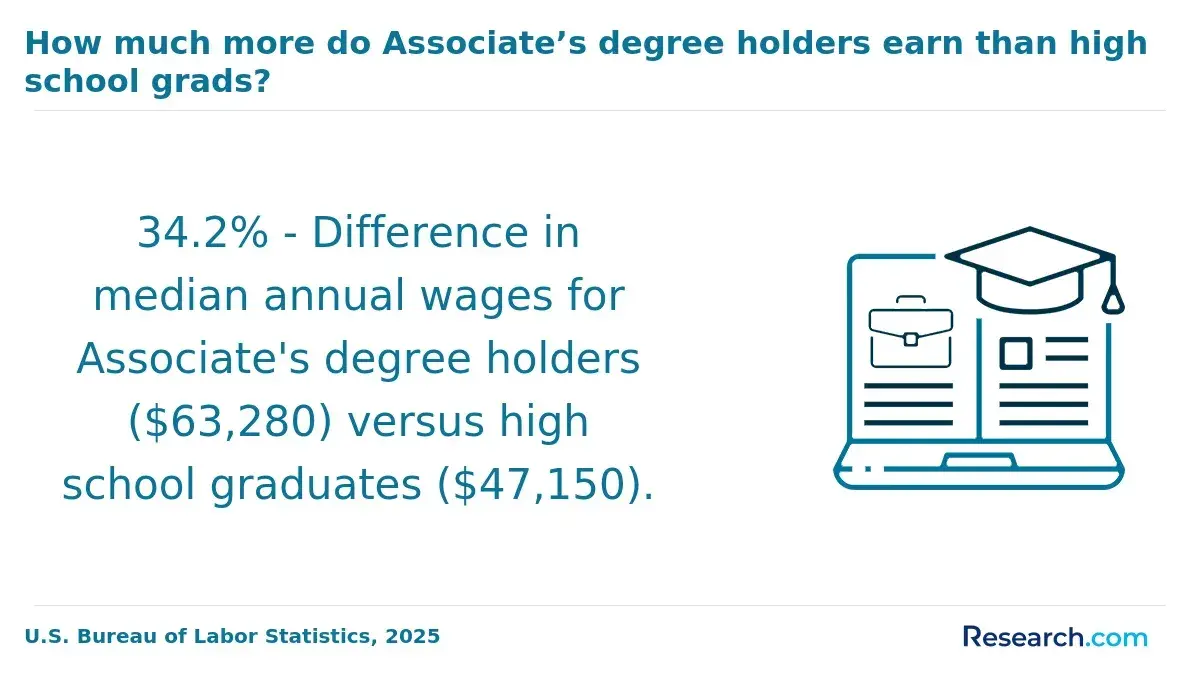
Cost of living can completely change the value of a human resources salary. The Bureau of Economic Analysis Regional Price Parities, released with recent state and metro price-level data, use the U.S. average as 100. A region above 100 is more expensive than the national average, while a region below 100 is less expensive.
This table shows how cost levels affect the real value of HR salaries. Use it to avoid overvaluing high advertised wages in expensive markets.
| Cost-of-Living Situation | What It Means for HR Graduates | Decision Signal |
| High salary, high cost | Common in major Northeast and West Coast metros | Worth considering if the role offers fast promotion, strong benefits, equity, or specialized experience |
| Moderate salary, moderate cost | Common in many Midwest, South, and interior West metros | Often attractive for new graduates because income may stretch further |
| Lower salary, low cost | Common in smaller metros and rural-adjacent labor markets | Can work well if jobs are stable, but advancement options may be fewer |
| High salary, rising cost | Common in fast-growing Sun Belt and Mountain metros | Requires careful housing and commute analysis before relocating |
Before accepting an offer, estimate real value in a consistent way. Compare rent, healthcare premiums, commuting expenses, state and local taxes, retirement match, bonus eligibility, and paid time off. A common red flag is relocating for a higher salary while ignoring lease deposits, moving costs, vehicle expenses, or the loss of family support.
Which Industries Drive the Highest Human Resources Salaries Across Different Regions?
Industry can matter as much as region. Human resources graduates working in sectors with complex compliance needs, high competition for talent, or large workforces often see better compensation paths than those in smaller organizations with limited HR departments.
The following table outlines industries that commonly drive higher HR pay in different regions. It is especially useful for graduates deciding whether to target a location or a sector first.
| Industry | Regions Where It Often Strengthens HR Pay | Why It Creates a Wage Premium |
| Technology and software | West, select Northeast and South metros | High competition for skilled labor increases demand for recruiting, compensation, and people analytics |
| Finance and insurance | Northeast, Midwest, select South metros | Complex compliance, risk management, and compensation structures support specialized HR roles |
| Healthcare systems | All regions, especially large metro areas | Large workforces, credential tracking, scheduling, retention, and labor relations needs create steady demand |
| Manufacturing and logistics | Midwest, South, inland West | Workforce planning, safety training, labor relations, and staffing needs can support advancement |
| Professional services and consulting | Northeast, West, major South metros | Client-facing HR advisory work can reward communication, analytics, and business strategy skills |
Graduates who want to move from HR generalist work into leadership may eventually compare HR master's programs, MBAs, or an online EMBA if they are already working and need a management-focused format. The right choice depends on whether the target role is HR-specific, operations-focused, or executive-level.
How Do Entry-Level and Experienced Human Resources Salaries Compare by Region?
Entry-level and experienced HR salaries vary by region because employers pay for different levels of responsibility. New graduates are usually paid for execution: onboarding, records, recruiting coordination, payroll support, benefits administration, or employee communications. Experienced professionals are paid for judgment: compliance decisions, workforce strategy, compensation design, labor relations, and leadership.
BLS May 2024 data shows the scale of this progression: the median annual wage for human resources managers was $140,030, far above the $72,910 median for human resources specialists. That gap does not mean every HR graduate will become a manager, but it shows why career ladder depth should be part of any regional comparison.
This table explains how region tends to affect pay at different career stages. It can help students decide whether to prioritize entry access or long-term advancement.
| Career Stage | Regional Pay Pattern | Best Regional Strategy |
| New graduate | Pay may be relatively compressed because employers are evaluating experience, internships, and HRIS exposure | Choose regions with many HR coordinator, recruiter, payroll, and benefits roles rather than chasing only the highest salary |
| Early career specialist | Pay improves when the worker gains responsibility for compliance, employee relations, recruiting metrics, or benefits | Target metros with multiple employers in the same industry so job changes can raise earnings |
| Mid-career HR business partner or analyst | Regional premiums become more visible in technology, finance, healthcare, and consulting markets | Compare industry concentration and promotion paths, not just current openings |
| HR manager or director | Large organizations and headquarters markets can create major compensation differences | Consider relocation if the role includes strategic leadership, bonus potential, and a wider executive path |
A common mistake is moving too early for a small pay increase. If a new graduate can gain two years of strong HR experience in an affordable region, that experience may create more mobility than an expensive relocation for a modest entry-level raise.
Which Regions Deliver the Best Return on Investment for a Human Resources Degree?
The best return on investment for a human resources degree usually comes from regions where salaries, living costs, job availability, and advancement align. A region with the highest pay is not automatically the best ROI region if housing costs absorb the wage premium or if competition limits advancement.
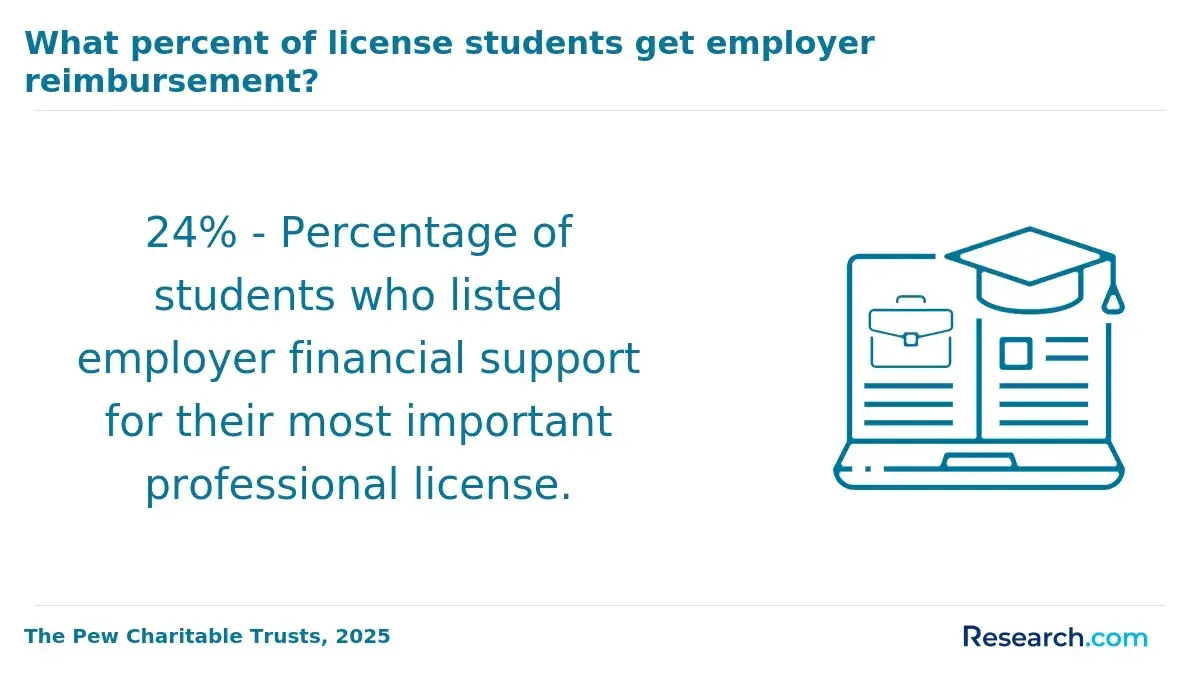
For education ROI, students should also consider program cost. HR careers often begin with a bachelor's degree in human resources, business administration, psychology, labor relations, organizational leadership, or a related field. Graduate credentials can help for leadership tracks, but applicants should compare tuition, employer reimbursement, program accreditation, and whether a specialized HR master's or MBA better fits the target role. Students considering business graduate routes may also compare the easiest MBA programs to get into, but admissions flexibility should never be the only factor.
This table summarizes regional ROI patterns for HR graduates. It is designed to help readers compare value, not just pay.
| Region Type | ROI Strength | Why It Can Work | Main Risk |
| High-pay headquarters markets | Strong for experienced professionals | More senior HR, compensation, analytics, and business partner roles | High housing and commuting costs can reduce real gains |
| Affordable large metros | Strong for new and mid-career workers | Good mix of employers, manageable costs, and job mobility | Salary ceilings may be lower than in top corporate markets |
| Fast-growing Sun Belt metros | Potentially strong | Employer expansion can create HR hiring needs and promotion opportunities | Housing costs can rise quickly as population grows |
| Smaller regional markets | Moderate but stable | Lower costs and less competition can support steady employment | Fewer specialized HR roles may slow wage growth |
To estimate ROI, compare total education cost against realistic first roles, not only senior HR salaries. Include tuition, fees, books, loan interest, unpaid internship time, certification costs, and relocation expenses. Avoid assuming a graduate degree will pay off immediately if the local market mostly hires HR generalists.
Should Human Resources Graduates Relocate for Higher-Paying Career Opportunities?
Human resources graduates should relocate only when the move improves total career value. A higher salary can be worthwhile if the new region offers better industry exposure, faster promotions, stronger benefits, or access to specialized roles. It may not be worthwhile if the increase disappears into rent, transportation, taxes, or a weaker support network.
Use this sequence before accepting an out-of-region HR offer. It keeps the decision practical and reduces the chance of overreacting to salary alone.
- Compare the offered salary with the BLS national median for the closest role, such as HR specialist or HR manager.
- Adjust the offer using local price levels, rent estimates, commuting costs, and state and local tax differences.
- Check whether the region has multiple employers in your target industry, not just one attractive job.
- Review the role's promotion path, HRIS tools, compliance responsibilities, and exposure to senior leadership.
- Calculate one-time moving costs, lease deposits, travel expenses, and the risk of needing to change jobs again.
- Decide whether the move improves your three-year career position, not just your first-year paycheck.
Unlike licensure-bound fields such as speech-language pathology, where students may research online SLP master's programs and state clinical requirements, HR roles usually do not require a state license. However, employers may strongly prefer SHRM-CP, SHRM-SCP, PHR, SPHR, HRIS, payroll, or analytics credentials depending on the region and industry.
Which Skills Increase the Regional Wage Advantage for Human Resources Graduates?
The skills that increase regional wage advantage are the ones employers struggle to find locally. Basic HR administration is valuable, but wage premiums often appear when a graduate can connect people operations to compliance, data, business goals, and employee experience.
These skill areas are especially useful because they travel well across regions and industries. They can help graduates compete in higher-paying markets without relying only on location.
- HR analytics: using workforce data, dashboards, turnover metrics, compensation analysis, and recruiting funnel data to support decisions.
- Employment law and compliance: understanding wage and hour rules, leave policies, anti-discrimination practices, documentation, and risk-sensitive employee relations.
- Compensation and benefits: benchmarking pay, supporting salary structures, evaluating benefits participation, and explaining total rewards.
- HR technology: working with HRIS, applicant tracking systems, payroll platforms, learning management systems, and automation tools.
- Talent acquisition strategy: improving sourcing, interviewing, candidate experience, and workforce planning in competitive labor markets.
- Communication and change management: explaining policies, supporting managers, handling sensitive employee issues, and leading organizational updates.
AI is changing the HR skill mix. Screening tools, chatbots, scheduling automation, and analytics platforms can reduce repetitive work, but they also increase demand for HR professionals who can audit bias, interpret data responsibly, and communicate decisions clearly. Graduates who need stronger workplace messaging, stakeholder communication, or organizational communication training may compare an online masters in communication with HR-specific graduate options.
Which Regions Are Expected to See the Fastest Salary Growth for Human Resources Careers?
Regions expected to see faster salary growth for HR careers are usually those with expanding employers, population growth, new corporate offices, healthcare expansion, logistics growth, or technology investment. Salary growth is not the same as job availability, but both improve when employers compete for skilled HR talent.
BLS employment projections released in 2024 show human resources specialist employment is projected to grow 6% from 2023 to 2033, which is faster than the average for all occupations. For readers, this means HR remains a viable career path, but the strongest outcomes will likely go to graduates who combine HR knowledge with analytics, compliance, technology, or industry specialization.
This table highlights where salary growth potential may be strongest and what to verify before making a move. It avoids treating growth markets as automatic wins.
| Growth Market Type | Why HR Salaries May Rise | What to Verify |
| Fast-growing Sun Belt metros | Employer relocations and population growth can increase HR hiring needs | Whether wage growth is keeping pace with housing costs |
| Technology and innovation hubs | Competition for skilled workers can raise demand for recruiting, compensation, and people analytics | Whether entry-level roles are accessible or concentrated at senior levels |
| Healthcare-heavy regions | Large workforces and retention challenges create steady HR demand | Whether roles require healthcare HR experience or union knowledge |
| Manufacturing and logistics corridors | Workforce scheduling, safety, labor relations, and staffing needs support HR hiring | Whether advancement paths exist beyond plant-level HR generalist roles |
The best growth region is not always the newest hotspot. A stable region with many mid-sized employers can provide better long-term wage growth than a trendy market where housing costs and applicant competition rise faster than salaries.
How Should Students Choose the Best Region for Their Human Resources Career Goals?
Students should choose a region by matching career goal, degree level, affordability, and employer concentration. A human resources degree fits students who enjoy problem-solving, workplace communication, policy interpretation, recruiting, employee development, and organizational strategy. It may be a poor fit for students who want a career with minimal interpersonal conflict, little documentation, or no exposure to sensitive workplace issues.
Most HR degree paths include associate, bachelor's, master's, MBA, and certificate options. Admissions requirements vary, but bachelor's programs typically require a high school diploma or equivalent, transcripts, and general education coursework, while graduate programs may ask for a bachelor's degree, resume, essays, recommendations, and sometimes work experience. Students should check institutional accreditation and, for business schools, optional programmatic accreditation such as AACSB, ACBSP, or IACBE when relevant.
Use the following steps to narrow your regional choice. They are designed to help you compare real outcomes instead of relying on reputation or salary headlines.
- Define your target role: HR coordinator, recruiter, benefits specialist, HR analyst, HR generalist, HR business partner, or HR manager.
- Choose the industries that fit your interests, such as healthcare, technology, finance, manufacturing, education, logistics, or consulting.
- Compare regional salary benchmarks with local living costs using the same role title and experience level.
- Review job postings for required software, certifications, degree preferences, and years of experience.
- Estimate education ROI by including tuition, fees, loan interest, certification costs, and lost work time.
- Look for internship access, alumni networks, employer partnerships, and online or hybrid flexibility if you plan to work while studying.
- Choose the region that offers the best combination of affordability, job mobility, and advancement for your specific HR path.
If you are comparing HR with adjacent fields, do not assume every graduate degree has the same purpose. HR degrees are usually tied to workforce management and business operations, while programs such as an MBA, organizational leadership degree, industrial-organizational psychology program, or communication degree may support different outcomes. The best region is the one where your chosen credential has visible employer demand.
Other Things You Should Know About Human Resources
The Northeast and West often offer the highest nominal HR salaries, especially in large metros. After cost of living, many South, Midwest, and affordable large-metro markets can deliver stronger real value.
It can be worth it if the degree leads to roles with advancement, such as HR specialist, HR analyst, HR business partner, or HR manager. ROI depends on tuition, experience, certifications, local demand, and industry choice.
Not automatically. New graduates should prioritize job access, training, affordability, and career ladder depth. A lower-cost region with strong entry-level hiring may be better than a high-cost market with intense competition.
HR analytics, compensation, benefits, compliance, employee relations, HRIS, recruiting strategy, and change communication are among the most portable wage-boosting skills.
Top Trending Human Resources Rankings
See What Experts Have To Say About Studying Human Resources
Read our interview with Human Resources experts

Rick Hackett
Human Resources Expert
Professor, Human Resources & Management
McMaster University


Thomas Kochan
Human Resources Expert
Professor of Management
Massachusetts Institute of Technology

References
- How does a college degree improve graduates’ employment and earnings potential? - APLU https://www.aplu.org/our-work/4-policy-and-advocacy/publicuvalues/employment-earnings/
- Where Does HR Receive the Highest Salary? - Namely https://namely.com/blog/where-does-hr-receive-the-highest-salary/
- 23 Highest-Paying HR Jobs in 2026 https://www.aihr.com/blog/highest-paying-hr-jobs/
- 7 Factors That Affect HR Compensation https://hrcertification.com/blog/factors-that-affect-hr-compensation-2026-2027-biid1000382
- Creating a Quality Workforce Spanning All Industries https://www.qualityinfo.org/-/human-resources-specialists-creating-a-quality-workforce-spanning-all-industries
- How Much More High School Graduates Earn Than Non-Graduates in Every State | U.S. Career Institute https://www.uscareerinstitute.edu/blog/how-much-more-high-school-graduates-earn-than-non-graduates
- Salary Guide for Future HR Managers https://www.allbusinessschools.com/human-resources/salary/
- The Impact of Cost of Living Adjustments on Employee Satisfaction: Are They Enough?" https://blogs.psico-smart.com/blog-the-impact-of-cost-of-living-adjustments-on-employee-satisfaction-are-they-enough-182616
- What happened to the college wage premium? | Federal Reserve Bank of Minneapolis https://www.minneapolisfed.org/article/2025/what-happened-to-the-college-wage-premium
- Falling College Wage Premiums by Race and Ethnicity - San Francisco Fed https://www.frbsf.org/research-and-insights/publications/economic-letter/2023/08/falling-college-wage-premiums-by-race-and-ethnicity/