2027 Human Resources Degree Job Posting Analysis: Skills, Credentials, and Experience Employers Request Most Often

Co-Founder and Chief Data Scientist
Human Resources students face a practical question: which qualifications actually matter when employers screen applicants? The U. S. Bureau of Labor Statistics reports a median annual wage of $72,910 for human resources specialists in May 2024, making HR a strong professional track for graduates who combine people skills with business, compliance, and technology knowledge. This guide is for students, career changers, and recent graduates comparing HR roles. It breaks down the skills, credentials, certifications, industries, and experience levels employers request so readers can choose coursework, internships, and résumé priorities more strategically.
Key Things You Should Know
- Human resources specialist roles are projected to grow 8% from 2023 to 2033, according to BLS projections, so candidates who can show recruiting, employee relations, compliance, HRIS, and data skills are better positioned for openings.
- A bachelor's degree is the most common baseline credential in degree-level HR postings, while certifications such as SHRM-CP, PHR, SHRM-SCP, and SPHR usually function as competitiveness boosters rather than universal entry-level requirements.
- Experience expectations vary sharply by role: coordinator and assistant jobs often accept internship or 0-2 years of experience, while HR generalist, manager, compensation, benefits, and employee relations roles commonly expect applied HR experience.
- Which Industries Have the Highest Demand for Human Resources Graduates?
- Which Job Titles Appear Most Frequently in Human Resources Degree Job Postings?
Which Industries Have the Highest Demand for Human Resources Graduates?
Human resources graduates are needed wherever employers hire, train, pay, evaluate, and retain workers. Demand is especially visible in industries with large workforces, high turnover, regulated employment practices, complex benefits, or ongoing recruiting needs.
The table below summarizes where HR degree job postings commonly appear and what those employers usually emphasize. Use it to decide which electives, internships, or projects best match the industries you want to enter.
| Industry | Why HR demand is strong | Skills employers often emphasize | Good fit for students who want |
| Professional, scientific, and technical services | Firms hire for specialized roles and often manage distributed or project-based teams. | Recruiting, HR analytics, onboarding, HRIS, employee engagement, workforce planning | A corporate HR, talent acquisition, or people operations path |
| Health care and social assistance | Employers must staff essential roles, manage credentialing, and comply with workplace regulations. | Compliance, scheduling, employee relations, benefits, retention, labor policy awareness | Mission-driven HR work in a regulated environment |
| Manufacturing and logistics | Large hourly workforces require staffing, safety coordination, employee relations, and shift-based workforce planning. | Labor relations, payroll coordination, safety documentation, conflict resolution, attendance policy administration | Hands-on HR work close to operations |
| Finance and insurance | Employers often need HR professionals who can support compliance, compensation, risk management, and professional hiring. | Compensation analysis, confidentiality, compliance, HR reporting, performance management | Structured HR roles with policy and analytics components |
| Education and government | Hiring processes, benefits, classification systems, and policy administration can be complex and formal. | Policy interpretation, employee records, benefits, labor relations, public-sector HR procedures | Stable HR environments with formal rules and documentation |
| Retail, hospitality, and customer service operations | High-volume hiring and turnover create ongoing demand for recruiting, onboarding, training, and employee support. | High-volume recruiting, onboarding, scheduling support, conflict resolution, training coordination | Fast-paced entry-level HR experience |
One important decision is whether to target high-volume industries first or specialize early. Retail, hospitality, staffing, and logistics may offer faster entry into recruiting or coordinator roles, while finance, health care, and government may reward stronger compliance, documentation, and benefits knowledge.
Which Job Titles Appear Most Frequently in Human Resources Degree Job Postings?
Human resources degree job postings often use different titles for similar work. The title matters because it signals the expected level of independence, specialization, and experience.
The table below groups common HR job titles by career stage and explains what employers usually expect from each. This can help students avoid applying only to jobs that are too senior or too narrow for their background.
| Common job title | Typical level | Primary responsibilities | Common posting signals |
| Human Resources Assistant | Entry-level | Maintains records, schedules interviews, supports onboarding, answers employee questions, and processes HR documents. | Administrative accuracy, confidentiality, Microsoft Office, HRIS exposure, communication skills |
| Human Resources Coordinator | Entry-level to early career | Coordinates recruiting, onboarding, benefits paperwork, training logistics, and employee documentation. | Organization, applicant tracking systems, onboarding, employee records, customer service |
| Recruiter or Talent Acquisition Specialist | Entry-level to mid-level | Sources candidates, screens applicants, schedules interviews, manages pipelines, and partners with hiring managers. | ATS experience, sourcing, interviewing, candidate communication, job posting management |
| Human Resources Generalist | Early to mid-career | Handles a broad mix of employee relations, benefits, compliance, recruiting, onboarding, and performance processes. | Employment law basics, employee relations, HRIS, benefits, conflict resolution, policy administration |
| Benefits or Compensation Analyst | Specialized early to mid-career | Supports pay structures, benefits programs, market research, reporting, and plan administration. | Excel, data analysis, compensation surveys, benefits compliance, attention to detail |
| Employee Relations Specialist | Mid-level | Investigates workplace concerns, advises managers, documents cases, and supports policy enforcement. | Investigation skills, documentation, conflict resolution, labor law awareness, discretion |
| Human Resources Business Partner | Mid-level to senior | Advises business leaders on workforce planning, performance, engagement, organizational change, and talent strategy. | Consulting skills, analytics, business acumen, manager coaching, change management |
| Human Resources Manager | Management | Leads HR teams or programs, oversees compliance, supervises staff, and aligns HR practices with organizational goals. | Leadership, HR strategy, compliance oversight, budgeting, employee relations, prior HR experience |
For most new graduates, assistant, coordinator, recruiter, and HR operations titles are the most realistic starting points. Generalist roles can be attainable after internships or one to three years of applied HR work, but many postings use "generalist" to mean someone who can operate independently across multiple HR functions.
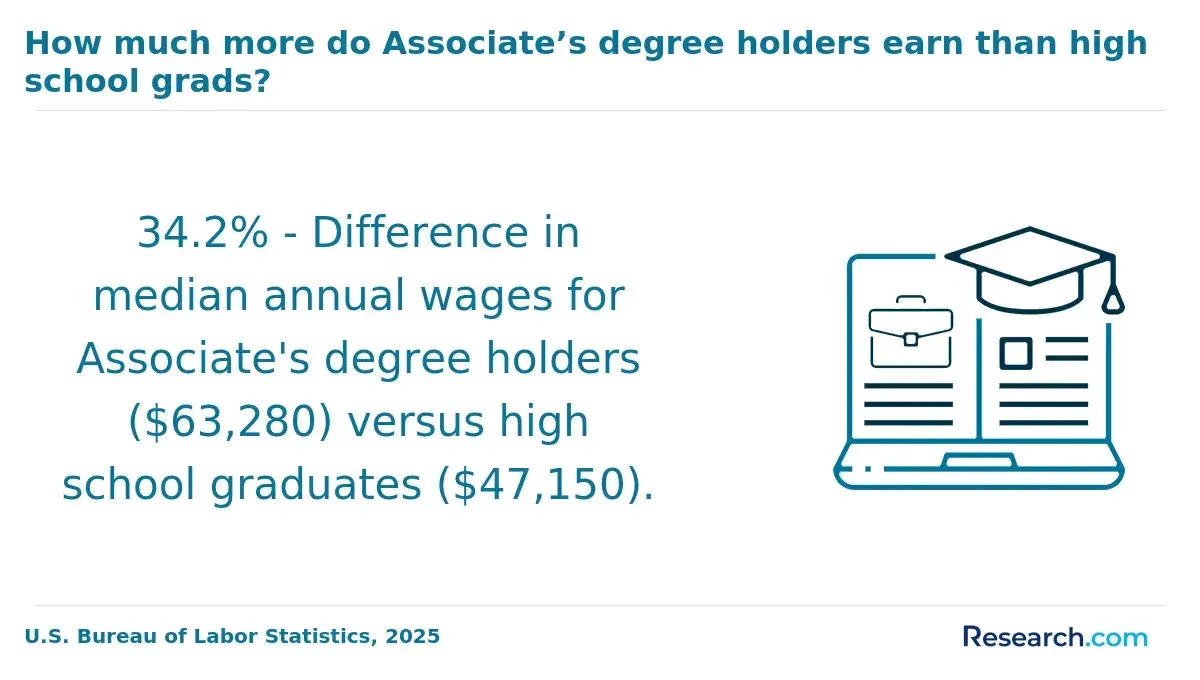
Employers usually look for a mix of technical HR knowledge and workplace judgment. A strong candidate can use HR systems, understand employment policies, communicate clearly, handle confidential information, and support managers and employees without escalating every routine issue.
| Skill category | Examples employers request | Why it matters in HR work | How students can demonstrate it |
| Recruiting and talent acquisition | Sourcing, screening, interviewing, candidate communication, job posting management | Recruiting is one of the most common entry points into HR and directly affects workforce needs. | Campus recruiting projects, internship experience, mock interviews, ATS practice, measurable hiring support |
| HRIS and applicant tracking systems | Workday, UKG, ADP, BambooHR, Oracle HCM, Greenhouse, iCIMS, Lever | Employers rely on HR software for records, hiring, payroll workflows, benefits, and reporting. | Software labs, HR technology coursework, vendor training, internship systems exposure |
| Employee relations | Conflict resolution, investigations, policy interpretation, documentation, manager support | Employee relations affects trust, retention, legal risk, and workplace culture. | Case studies, role-play exercises, internship documentation tasks, supervisor feedback examples |
| Employment law and compliance | FLSA, FMLA, ADA, EEO, wage and hour rules, recordkeeping, workplace policies | HR teams help employers apply rules consistently and reduce preventable risk. | HR law coursework, compliance projects, policy audits, certification exam preparation |
| Payroll and benefits administration | Payroll coordination, benefits enrollment, leave administration, deductions, employee records | Payroll and benefits errors affect employee trust and can create compliance problems. | Accounting or benefits coursework, payroll simulations, internship support tasks |
| Data analysis and reporting | Excel, dashboards, turnover reporting, recruiting metrics, headcount tracking, engagement data | HR is increasingly expected to support decisions with workforce evidence, not only intuition. | Excel projects, people analytics assignments, data visualization samples, metrics-based internship achievements |
| Communication and confidentiality | Employee communication, professionalism, discretion, writing, presentation skills | HR professionals handle sensitive information and must communicate policies clearly. | Writing samples, presentations, customer-facing work, leadership roles, supervisor references |
| Problem-solving and business judgment | Prioritization, decision-making, escalation judgment, stakeholder management | HR teams balance employee needs, organizational goals, legal requirements, and manager expectations. | Case competitions, leadership roles, work experience, scenario-based interview answers |
A common mistake is treating HR as only a "people person" career. Interpersonal ability is essential, but postings increasingly reward candidates who can combine empathy with documentation, data, technology, and compliance awareness.
Students should prioritize skill development in a sequence that matches hiring reality. The most useful order is often foundational HR knowledge first, then software and data skills, then specialized expertise.
- Build a base in recruiting, onboarding, employee relations, employment law, and HR administration.
- Add practical tools such as Excel, HRIS concepts, applicant tracking systems, and reporting dashboards.
- Choose a specialization only after testing interests through internships, projects, or part-time HR work.
Experience is one of the biggest separators in HR hiring. A degree may help a candidate pass an initial screen, but postings often ask for proof that the applicant has handled real workplace processes, confidential information, employee questions, recruiting workflows, or HR systems.
The table below summarizes common experience expectations by job level. These ranges are not universal requirements, but they reflect how employers often distinguish entry-level, early-career, and advanced HR candidates.
| Job level | Common experience expectation | Typical roles | What employers want to see |
| Entry-level | Internship, student employment, customer service, office experience, or 0-2 years of related work | HR assistant, HR coordinator, recruiting coordinator, staffing assistant | Reliability, organization, communication, confidentiality, basic HR exposure |
| Early career | 1-3 years of HR, recruiting, payroll, benefits, or administrative experience | Recruiter, HR specialist, HR generalist, onboarding specialist | Ability to manage processes independently and work with managers or candidates |
| Mid-level specialist | 3-5 years in a focused HR function | Benefits analyst, compensation analyst, employee relations specialist, HRIS analyst | Specialized knowledge, reporting ability, documentation, compliance awareness |
| Management track | 5+ years of HR experience, often including supervision or program ownership | HR manager, talent acquisition manager, HR business partner | Leadership, judgment, policy ownership, change management, business partnership |
| Senior leadership | Significant HR leadership experience across multiple functions | Director of HR, vice president of people, chief human resources officer | Strategic planning, executive communication, workforce strategy, risk management |
BLS reported a median annual wage of $140,030 for human resources managers in May 2024. That figure does not mean a new graduate can expect manager-level pay; rather, it shows why experience, leadership responsibility, and broader business judgment can materially change the long-term value of an HR career path.
Students who lack formal HR experience should not wait until graduation to build it. Relevant experience can come from internships, campus HR offices, student organization hiring committees, payroll or scheduling jobs, recruiting assistant roles, customer service supervision, or administrative work involving confidential records.
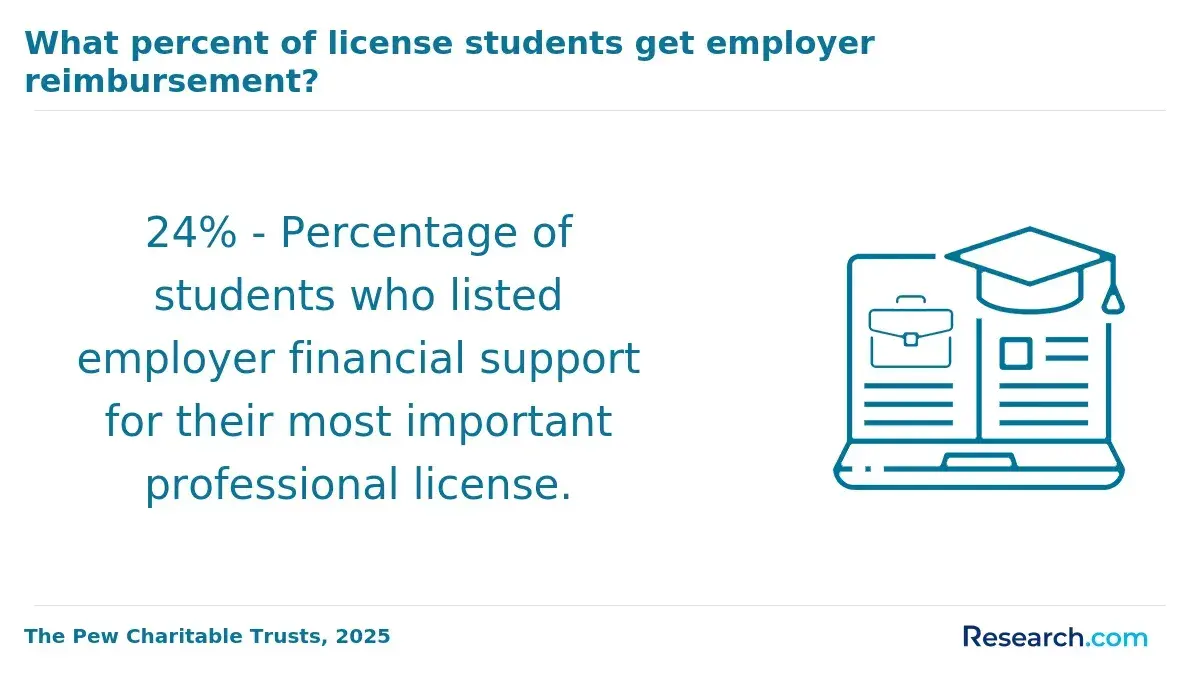
Certifications can strengthen an HR résumé, but they are not all equally useful for every candidate. In postings, certifications are often listed as preferred qualifications, especially for generalist, manager, business partner, compensation, benefits, or employee relations roles.
The table below compares certifications that commonly appear in HR job postings. Students should choose based on career stage, eligibility, and the functions they want to pursue.
| Certification | Commonly associated roles | Best fit | How employers may view it |
| SHRM-CP | HR coordinator, HR specialist, HR generalist, early-career HR professional | Students or early-career professionals seeking broad HR credibility | Often viewed as evidence of applied HR knowledge and professional commitment |
| PHR | HR generalist, HR specialist, benefits, employee relations | Professionals who want a broad HR certification with emphasis on technical HR knowledge | Frequently recognized in postings as a preferred HR credential |
| SHRM-SCP | HR manager, HR business partner, senior HR specialist | Experienced HR professionals with strategic or leadership responsibilities | Useful for advancement, but usually not necessary for entry-level candidates |
| SPHR | HR manager, director, senior HR business partner | Experienced professionals focused on strategy, policy, and leadership | Can differentiate candidates for senior roles when paired with management experience |
| aPHR | HR assistant, coordinator, entry-level HR candidate | Students and career changers with limited HR experience | May help demonstrate commitment when a candidate lacks direct HR work history |
| Certified Payroll Professional | Payroll specialist, payroll manager, HR operations roles | Candidates targeting payroll-heavy HR careers | Valuable in payroll-focused postings but less relevant for recruiting or employee relations roles |
| Compensation or benefits credentials | Compensation analyst, benefits analyst, total rewards specialist | Candidates pursuing total rewards specialization | Helpful for specialized advancement rather than general entry-level HR work |
The best certification strategy depends on timing. Entry-level candidates should first build evidence of HR knowledge and applied experience; certifications that pay well are most valuable when it supports a clear job target rather than serving as a substitute for all practical exposure.
Before paying for an exam, compare at least 15-20 job postings in your target role and region. If a certification appears repeatedly as preferred or required, it may be worth prioritizing; if it rarely appears, an internship, HRIS skill, or Excel portfolio may produce better near-term value.
Employer expectations differ because HR work changes with workforce size, regulation, industry risk, geography, and organizational structure. A small business may want one flexible HR generalist, while a large corporation may hire separate recruiters, benefits analysts, HRIS specialists, and employee relations professionals.
The table below shows how requirements can shift across common employer contexts. This comparison is useful when tailoring applications because the same HR degree may need to be framed differently for each employer type.
| Employer context | What postings often emphasize | How candidates should tailor their profile | Potential red flag to avoid |
| Small and midsize businesses | Broad HR administration, payroll support, benefits coordination, employee questions, recruiting | Show versatility, organization, confidentiality, and willingness to handle multiple HR functions | Presenting yourself as too narrowly specialized too early |
| Large corporations | Specialized HR functions, HRIS, process consistency, reporting, compliance, stakeholder coordination | Highlight systems experience, metrics, process improvement, and cross-functional teamwork | Submitting a generic résumé that does not match the specific HR function |
| Unionized or labor-intensive employers | Employee relations, labor relations, investigations, documentation, scheduling, policy enforcement | Emphasize fairness, documentation, conflict resolution, and labor policy coursework | Underestimating the importance of policy accuracy and consistent treatment |
| Startups and technology companies | People operations, onboarding, employee experience, recruiting, HR tools, change management | Show adaptability, HR technology comfort, problem-solving, and comfort with ambiguity | Assuming informal culture means HR compliance matters less |
| Public-sector and education employers | Formal processes, classification systems, benefits, compliance, records, labor agreements | Demonstrate patience with procedures, policy interpretation, and documentation | Ignoring application instructions or failing to provide complete documentation |
| Remote or hybrid employers | Digital onboarding, virtual communication, distributed team support, HR systems | Highlight written communication, collaboration tools, self-management, and remote onboarding experience | Failing to show how you build trust and responsiveness without in-person contact |
The strongest candidates read job postings like evidence, not wish lists. If several postings in one industry ask for benefits administration and compliance, prioritize those keywords and examples; if another cluster emphasizes sourcing and ATS use, position yourself as a recruiting-ready candidate.
Human resources is becoming more technology-driven, but the shift does not eliminate the need for judgment. Employers increasingly expect HR candidates to understand data, digital workflows, remote work practices, and responsible use of automation in hiring and employee management.
The table below identifies emerging skills that are becoming more visible in HR postings and related employer expectations. These skills are especially useful for students who want to stand out beyond basic administrative readiness.
| Emerging skill | Where it appears in HR work | Why it matters | Best way for students to build it |
| People analytics | Turnover reporting, recruiting metrics, engagement data, headcount planning | Employers want HR teams to support decisions with workforce evidence. | Take analytics coursework, build Excel dashboards, and create sample HR metric reports |
| Responsible AI awareness | Resume screening, chatbot support, job description drafting, workforce analytics | AI can improve efficiency but may create bias, privacy, and compliance risks if used carelessly. | Study AI governance basics, audit AI outputs, and learn how employment law applies to selection tools |
| HR automation and workflow design | Onboarding, benefits enrollment, approvals, employee records, self-service tools | Automation reduces manual tasks but requires clear processes and data accuracy. | Practice process mapping and learn how HRIS workflows connect departments |
| Employee experience | Onboarding, engagement, retention, internal communication, manager support | Employers are paying closer attention to retention and workplace trust. | Build projects around onboarding plans, engagement surveys, or retention recommendations |
| Skills-based hiring | Job descriptions, candidate screening, internal mobility, workforce planning | Some employers are rethinking degree-only filters and focusing more on verified competencies. | Create a skills inventory, map coursework to competencies, and document project outcomes |
| Change management | Reorganizations, technology rollouts, policy changes, mergers, remote work transitions | HR often helps employees and managers adapt to organizational change. | Use class projects or internships to show communication planning and stakeholder support |
Students should avoid overclaiming AI expertise after casual tool use. A stronger approach is to say exactly how they use technology, like how they teach responsible AI usage in AI degree programs: drafting first-pass job descriptions, checking for biased language, summarizing survey comments, creating dashboards, or improving onboarding workflows while protecting confidentiality.
Matching qualifications to employer expectations starts with reading postings systematically. Instead of applying broadly with one résumé, students should compare requirements across target roles and build evidence for the skills that appear repeatedly.
The steps below turn job postings into a practical preparation plan. This approach helps students prioritize what to learn, what to document, and what to show employers first.
- Collect 20 postings for the same target role, such as HR coordinator, recruiter, HR generalist, or benefits analyst.
- Separate requirements into three groups: required credentials, frequently preferred qualifications, and nice-to-have differentiators.
- Highlight repeated skills such as HRIS, ATS, Excel, onboarding, employee relations, benefits, compliance, or recruiting.
- Compare your résumé against the repeated requirements and mark each item as proven, partially proven, or missing.
- Use coursework, internships, volunteer leadership, part-time jobs, and projects to fill the most important gaps first.
- Rewrite résumé bullets to show outcomes, tools, and context instead of listing duties only.
- Prepare interview stories that show judgment, confidentiality, communication, and problem-solving.
Good HR résumé bullets are specific without revealing confidential information. For example, a student might write that they supported onboarding documentation for new hires, coordinated interview schedules across departments, maintained employee records with attention to confidentiality, or analyzed turnover trends in a class project.
Common mistakes include assuming a degree alone will carry the application, applying to senior HR business partner roles without HR experience, listing certifications without relevant examples, ignoring HR software, and using the same résumé for recruiting, benefits, and employee relations jobs. Each HR path values a different mix of evidence.
Human resources job posting trends can help students choose a career path before they overinvest in the wrong coursework, certification, or graduate program. The key is to match personal strengths with the qualifications employers actually request for each specialization.
The table below compares common HR career paths and the qualifications students should prioritize. Use it as a planning tool for electives, internships, projects, and early job applications.
| Career path | Best fit for students who enjoy | Qualifications to prioritize | When it may not fit |
| Recruiting and talent acquisition | Communication, persuasion, candidate evaluation, fast-paced work | ATS tools, sourcing, interviewing, candidate communication, labor market awareness | If you dislike sales-like outreach or frequent hiring deadlines |
| HR generalist | Variety, employee support, policy questions, multitasking | Employment law, benefits basics, employee relations, HRIS, onboarding, documentation | If you prefer one highly specialized function |
| Benefits and compensation | Detail, data, compliance, financial reasoning | Excel, benefits administration, compensation analysis, payroll concepts, reporting | If you strongly prefer relational work over technical analysis |
| Employee relations | Conflict resolution, fairness, investigations, manager coaching | Employment law, documentation, interviewing, policy interpretation, discretion | If workplace conflict feels draining or uncomfortable |
| HRIS and people analytics | Systems, data, reporting, process improvement | HRIS concepts, Excel, dashboards, data quality, workflow design | If you want minimal technology or analytics work |
| Learning and development | Training, presentations, coaching, instructional design | Adult learning, facilitation, training evaluation, communication, LMS tools | If you do not enjoy teaching or creating learning materials |
| HR leadership | Strategy, management, organizational change, executive communication | Broad HR experience, business acumen, analytics, leadership, change management | If you want a predictable individual-contributor role with limited stakeholder pressure |
A human resources degree is usually a better investment for students who want business-facing work, people operations, recruiting, compliance, workforce planning, or organizational leadership. It may be a weaker fit for students who want minimal interpersonal conflict, little documentation, or a career path with no need to keep up with law, technology, and workplace policy changes.
Before choosing a path, students should ask employers, faculty, alumni, or recruiters targeted questions that reveal real hiring expectations. These questions are more useful than relying only on program brochures or broad career descriptions.
- Which HR entry-level roles does your organization hire for most often?
- Which skills separate strong new graduates from average applicants?
- Do you treat certifications or online masters in human resource management as required, preferred, or optional for this role?
- Which HR software or reporting tools should candidates know before applying?
- What internship, project, or work experience would make a student more competitive?
- How does this role balance administrative work, employee interaction, compliance, and analytics?
The best path is rarely the one with the longest list of credentials. It is the path where your degree, experience, tools, certifications, and interests line up with a clear employer need.
Most degree-level HR postings prefer or require a bachelor's degree, often in human resources, business administration, management, psychology, organizational leadership, or a related field. The degree signals that a candidate has studied business operations, organizational behavior, employment practices, and professional communication.
Education is also a financial decision. College Board's 2024 pricing data reported average published tuition and fees of $11,610 for in-state students at public four-year institutions and $43,350 at private nonprofit four-year institutions for the 2024-25 academic year, before grants, scholarships, living costs, and net-price differences. That gap matters because HR hiring often rewards practical experience and credentials alongside the degree, not school price alone.
The table below explains how employers tend to treat different education credentials in HR postings. Use it to decide whether you need a degree, a masters in human resources, or targeted upskilling.
| Credential | How it appears in job postings | Best use case | Limitations |
| Associate degree or HR certificate | Accepted for some HR assistant, payroll clerk, staffing, and administrative roles, especially with experience. | Lower-cost entry, career exploration, transfer pathway to a bachelor's program | May not meet bachelor's requirements for coordinator, generalist, or corporate HR roles |
| Bachelor's degree | Common baseline for HR coordinator, recruiter, HR specialist, benefits, compensation, and generalist postings. | Best broad credential for entry into degree-level HR careers | Usually strongest when paired with internship experience, HR software, and applied projects |
| Master's degree in HR, MBA, or organizational leadership | Often preferred for HR business partner, manager, organizational development, and leadership-track roles. | Career advancement, leadership preparation, specialization, transition from another business field | Often unnecessary for many entry-level roles and may not replace hands-on HR experience |
| Institutionally accredited online degree | Generally evaluated by the credential and institution rather than delivery format. | Working adults, transfer students, military learners, and career changers needing flexibility | Students still need internships, projects, or work experience to prove applied readiness |
| Business program accreditation | Rarely listed as a direct job requirement, but may signal program quality. | Students comparing business schools or graduate programs | Employer postings usually focus more on degree level, experience, skills, and certifications |
Admissions requirements vary by school, but bachelor's programs commonly ask for a high school diploma or equivalent, transcripts, and sometimes test scores or placement information. Transfer-friendly and online programs may be especially useful for working adults, but students should check institutional accreditation, total cost, credit transfer rules, internship support, and whether HR coursework includes employment law, HR analytics, compensation, benefits, and talent acquisition.
Other Things You Should Know About Human Resources
Not always, but a bachelor's degree in HR, business, management, psychology, or a related field is commonly requested for degree-level HR coordinator, recruiter, specialist, and generalist roles. Some assistant or staffing roles may accept related experience, an associate degree, or a certificate.
Start with core HR administration, recruiting, onboarding, employee relations basics, and employment law concepts. After that, add Excel, HRIS, applicant tracking systems, and reporting skills because employers increasingly expect HR candidates to work with data and technology.
They can be worth it if postings for your target role repeatedly list them as preferred. For many students, an internship, HRIS experience, Excel skills, or a strong applied project may be more valuable before paying for a certification exam.
HR coordinator, HR assistant, recruiting coordinator, staffing specialist, and onboarding coordinator roles are common starting points. The best choice depends on whether you want a broad HR foundation, a recruiting track, or a more operations-focused path.
See What Experts Have To Say About Studying Human Resources
Read our interview with Human Resources experts

Thomas Kochan
Human Resources Expert
Professor of Management
Massachusetts Institute of Technology

Rick Hackett
Human Resources Expert
Professor, Human Resources & Management
McMaster University

Chester S. Spell
Human Resources Expert
Professor of Management
Rutgers University

- HR Skills Every HR Professional Needs https://us.pritula.academy/blog/oh30ao7j11-hr-skills-every-hr-professional-needs
- 12 Essential HR Skills Every Professional Needs https://hrcertification.com/blog/essential-hr-skills-every-professional-needs-2026-2027-biid1000379
- Resume Skills and Keywords for Human Resources (HR) (Updated for 2026) https://resumeworded.com/skills-and-keywords/human-resources-skills-group
- 5 HR Certifications (Plus Descriptions and Benefits) https://learnera.co.uk/blog/hr-and-leadership/hr-certifications-descriptions-benefits/
- The new HR series: HR new skills, new roles, employee experience, people analytics & more - 365Talents https://365talents.com/en/resources/the-new-hr-new-skills-roles-employee-experience-people-analytics/
- Experience Requirements Have Tightened Amid the Tech Hiring Freeze - Indeed Hiring Lab https://www.hiringlab.org/2025/07/30/experience-requirements-have-tightened-amid-the-tech-hiring-freeze/
- Should Companies Prioritize Skills Over Credentials? https://wearetrueline.com/should-companies-prioritize-skills-over-credentials/
- 18 HR Skills Every HR Professional Needs [2025 Guide] - AIHR https://www.aihr.com/blog/hr-skills/
- CourseCareers https://coursecareers.com/blog-posts/human-resources-credentials-compared
- 5 HR Skills I Rely on Every Day (And How to Build Them) - HR University https://hr.university/career/hr-skills/