2027 Human Resources Degree Bachelor's-Level ROI Report: Best Career Returns Without Graduate School

Co-Founder and Chief Data Scientist
A bachelor's degree in human resources can pay off without graduate school, but the return depends heavily on the role you target, the industry you enter, and how quickly you build technical HR skills. BLS May 2024 wage data shows human resources specialists had a median annual wage of about $73,000, while HR managers were near $140,000.
This guide is for students and career changers who want to compare bachelor's-level HR paths, avoid unnecessary graduate debt, and choose roles with stronger salary growth and advancement potential.
Key Things You Should Know
- The strongest bachelor's-level HR ROI usually comes from compensation, HR analytics, labor relations, HRIS, talent acquisition, and management-track roles rather than generalist roles alone.
- BLS May 2024 wage data places HR specialists at about $73,000 and HR managers at about $140,000, showing that advancement and specialization matter more than the degree title by itself.
- Graduate school is not automatically required for strong HR earnings; certifications, analytics skills, compliance knowledge, and employer-paid education can often improve ROI with less upfront cost.
- Key Things You Should Know
- Which Human Resources Bachelor's Degree Careers Deliver the Highest ROI Without Graduate School?
- Which Industries Reward Human Resources Bachelor's Graduates the Most?
- Which Entry-Level Human Resources Careers Provide the Fastest Financial Return?
- How Do Location and Cost of Living Affect the ROI of a Human Resources Bachelor's Degree?
- Which Skills Increase the ROI of a Human Resources Bachelor's Degree?
- Which Certifications Increase Earnings Without Graduate School for Human Resources Graduates?
- How Do Employer Type and Company Size Affect ROI for Human Resources Graduates?
- Which Emerging Career Paths Increase the Future ROI of a Human Resources Bachelor's Degree?
- How Should Students Evaluate the ROI of a Human Resources Bachelor's Degree Without Graduate School?
- Top Trending Human Resources Rankings
- See What Experts Have To Say About Studying Human Resources
Which Human Resources Bachelor's Degree Careers Deliver the Highest ROI Without Graduate School?
The highest-ROI careers for human resources bachelor's graduates are usually roles where HR knowledge directly affects hiring costs, workforce productivity, legal compliance, pay strategy, or executive decision-making.
A bachelor's degree is commonly enough to enter these tracks, but the best returns usually require early specialization rather than staying in broad administrative support work for too long.
The table below compares common HR career paths by bachelor's-level accessibility, salary context, and ROI logic. Median wages are rounded from BLS May 2024 occupational wage data, so students should use them as planning benchmarks rather than promises of individual earnings.
| Career path | Typical bachelor's-level entry point | Rounded median annual wage context | Why ROI can be strong without graduate school |
| Human resources manager | HR specialist, generalist, recruiter, or HR business partner experience | About $140,000 | High pay ceiling, broad leadership demand, and no universal graduate-degree requirement |
| Compensation and benefits manager | Compensation analyst, benefits analyst, or HR analyst role | About $140,000 | Specialized pay, benefits, and job architecture skills are valuable in larger employers |
| Training and development manager | Training specialist, learning coordinator, or talent development associate | About $125,000 | Strong fit for graduates who can connect employee learning to performance and retention |
| Labor relations specialist | Employee relations, HR compliance, or union-environment HR role | About $90,000 | Requires legal, negotiation, and policy expertise that can be built through experience and credentials |
| Compensation, benefits, and job analysis specialist | Compensation analyst, benefits coordinator, or HR data analyst | About $80,000 | Technical specialization can raise pay faster than broad HR assistant work |
| Human resources specialist | Recruiter, HR coordinator, HR representative, or talent acquisition associate | About $73,000 | Good entry platform, especially when paired with HRIS, analytics, or compliance skills |
| Training and development specialist | Learning coordinator, onboarding specialist, or instructional support role | About $66,000 | Can lead to management, learning technology, or organizational development roles |
A high-ROI path does not always mean the highest starting salary. For example, recruiting roles may start faster and provide commission opportunities in some firms, while compensation and HR analytics roles may take longer to enter but can create stronger mid-career earnings. The best choice depends on whether you want faster entry, steadier advancement, or a specialized technical lane.
For most students, the practical takeaway is clear: use the bachelor's degree as the entry ticket, then build a marketable specialty within the first two to three years. Common mistakes include assuming "HR generalist" is the only path, ignoring analytics-heavy roles, or choosing graduate school before testing which HR function actually fits your strengths.
Which Industries Reward Human Resources Bachelor's Graduates the Most?
Industry choice can change the ROI of a human resources bachelor's degree because HR teams are paid partly according to business complexity. Employers with large workforces, regulated labor environments, national recruiting needs, or sophisticated compensation structures often reward HR talent more than small organizations with mostly administrative HR needs.
The comparison below shows how industries tend to differ for bachelor's-level HR graduates. It focuses on practical ROI factors rather than claiming that every employer in an industry pays the same.
| Industry or employer setting | HR roles often available | ROI advantage | Trade-off to consider |
| Technology and software | Recruiting, people analytics, HR business partner, compensation | Higher value placed on talent strategy, analytics, and competitive pay design | Hiring cycles can be volatile and performance expectations are high |
| Finance and insurance | Compensation, compliance, benefits, HR operations | Strong need for regulated workforce management and structured pay systems | Roles may require comfort with data, documentation, and risk controls |
| Healthcare systems | Talent acquisition, employee relations, benefits, workforce planning | Large staffing needs and complex scheduling make HR central to operations | High-pressure environments and compliance-heavy work |
| Manufacturing and logistics | Labor relations, safety-linked HR, recruiting, HR operations | Strong demand for employee relations and workforce stability skills | May involve shift work issues, union settings, or multi-site operations |
| Government and education | HR generalist, benefits, classification, employee relations | Stability, defined benefits, and transparent advancement ladders | Salary growth may be slower than in private-sector corporate HR |
| Professional services and consulting | Recruiting, talent management, HR consulting support | Exposure to multiple clients and faster skill development | Workload and travel demands can be higher |
For ROI, students should not ask only, "Which industry pays most?" A better question is, "Which industry gives me access to specialized HR problems?" Compensation design, workforce planning, labor relations, and HR data reporting are the kinds of problems that can move a bachelor's graduate beyond entry-level administrative work.
A common red flag is accepting the first HR job available without asking what the role teaches. A lower-paying first job can still be worthwhile if it provides HRIS access, employee relations exposure, or recruiting ownership. A higher-paying role may have weaker long-term ROI if it is mostly scheduling interviews, filing paperwork, or processing routine transactions with limited skill growth.
Which Entry-Level Human Resources Careers Provide the Fastest Financial Return?
The fastest financial return usually comes from roles that have low barriers to entry, clear performance metrics, and a short learning curve. These jobs help graduates start earning quickly, reduce the opportunity cost of staying in school, and build experience that employers often value more than an immediate master's degree.
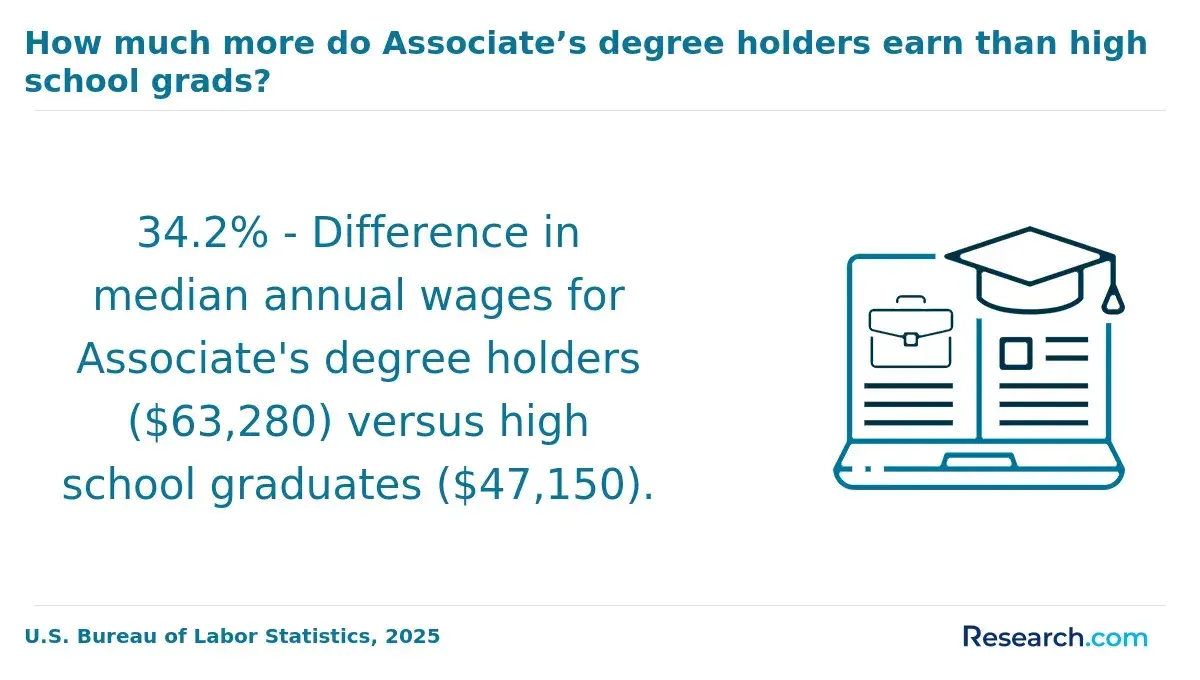
For context, College Board's 2024 pricing data reported average published in-state tuition and fees at public four-year colleges at about $11,600 for one academic year, before grants and living costs. That makes early employment important: every year spent delaying full-time work can add both direct education costs and lost wages.
The roles below are often the quickest bachelor's-level entry points into HR. They are not always the highest-paying long-term options, but they can create the fastest route to paid experience.
- Recruiter or talent acquisition coordinator: Often offers fast entry because employers constantly need help sourcing, screening, and scheduling candidates; ROI improves when the role includes full-cycle recruiting or data reporting.
- HR coordinator: Provides broad exposure to onboarding, benefits, employee records, and HR systems; the risk is staying too long in purely administrative tasks without moving toward specialist work.
- Benefits coordinator: Builds practical knowledge of health plans, leave policies, vendor communication, and employee questions; it can lead toward benefits analyst or compensation roles.
- Training coordinator: Helps with onboarding, learning platforms, compliance training, and employee development; ROI improves when paired with instructional design or learning analytics skills.
- Payroll or HR operations associate: Can be a strong entry point for detail-oriented students because it develops compliance, systems, and employee data accuracy skills.
Students who want the fastest return should prioritize jobs that include measurable responsibilities. For example, a recruiting role that tracks time-to-fill, offer acceptance, source quality, and hiring manager satisfaction can become a stronger career platform than a vague HR assistant role with no ownership.
The main mistake is treating the first HR job as the final destination. A smart ROI plan is to use the first role to gain systems experience, document measurable wins, and move into a better-paid specialty within 18 to 36 months.
Which Human Resources Bachelor's Careers Offer the Best Salary Growth Over Time?
Salary growth in HR tends to accelerate when a graduate moves from task execution to advisory, analytical, or managerial work. A bachelor's degree can support that climb, but the degree alone rarely creates the growth. Employers usually pay more when HR professionals solve business problems: reducing turnover, improving hiring quality, managing compliance risk, or designing competitive rewards.
The table below outlines common advancement paths that can produce strong earnings growth without graduate school. It is especially useful for students deciding whether to accept a generalist job, specialize early, or pursue leadership roles.
| Early role | Mid-career direction | Higher-ROI destination | What usually drives salary growth |
| HR coordinator | HR generalist or HR operations analyst | HR business partner or HR operations manager | Broader employee relations, policy, systems, and manager-support responsibilities |
| Recruiter | Senior recruiter or talent acquisition specialist | Talent acquisition manager or workforce planning lead | Hard-to-fill hiring expertise, employer branding, and recruiting analytics |
| Benefits coordinator | Benefits analyst | Benefits manager or total rewards manager | Vendor management, plan design, compliance, and cost analysis |
| Compensation analyst | Senior compensation analyst | Compensation manager or total rewards leader | Market pricing, pay equity analysis, job architecture, and executive reporting |
| Training coordinator | Learning and development specialist | Training and development manager | Learning strategy, performance measurement, and leadership development programs |
| Employee relations associate | Employee relations specialist | Labor relations or employee relations manager | Investigation skills, documentation, conflict resolution, and employment law knowledge |
A bachelor's graduate should evaluate each role by asking whether it builds evidence of impact. Strong career records include numbers such as reduced time-to-fill, improved completion rates for training, lower turnover in a business unit, cleaner HRIS data, or successful benefits enrollment support. These examples make advancement more likely because they translate HR work into business value.
Graduate school can make sense later for people targeting senior leadership, consulting, organizational psychology, law-adjacent work, or executive roles. However, going immediately into a master's program can reduce ROI if the student has no HR experience, no clear specialization, or no employer contribution toward tuition.
How Do Location and Cost of Living Affect the ROI of a Human Resources Bachelor's Degree?
Location affects HR degree ROI in two ways: wages vary by labor market, and living costs change how far those wages go. A higher salary in a major metro may not produce higher real financial return if rent, transportation, and taxes absorb the difference. Conversely, a moderate salary in a lower-cost region can create a stronger savings rate.
Human resources also has a location-specific dimension because employment laws, labor markets, unions, industry clusters, and remote-work policies differ by state and city. For example, HR roles in large coastal metros may offer more corporate compensation and people analytics opportunities, while manufacturing regions may offer stronger labor relations or HR operations experience.
Use the following process before deciding where to study, intern, or work after graduation. It helps translate salary data into practical ROI rather than relying on nominal pay alone.
- Compare local HR job postings by role title, not just by degree requirement, because "HR assistant," "HR coordinator," and "people operations associate" can have very different responsibilities.
- Check whether the region has industries that match your target specialization, such as healthcare, technology, logistics, finance, education, or manufacturing.
- Estimate monthly take-home pay against rent, commuting, student loan payments, and required relocation costs.
- Look for employers with structured HR departments, because larger teams often provide clearer promotion ladders and specialized assignments.
- Consider hybrid and remote HR roles carefully, since entry-level HR work may still require in-person onboarding, employee relations, or site support.
A common mistake is moving to the highest-paying metro without calculating cost of living or promotion probability. Another mistake is staying in a low-wage market when the local economy has few HR specialist roles. The best location is not always the most famous city; it is the place where your target HR function, salary trajectory, and living costs align.
Which Skills Increase the ROI of a Human Resources Bachelor's Degree?
The skills that increase HR bachelor's ROI are the ones that make a graduate useful beyond routine administration. Employers still value communication and judgment, but current HR work increasingly depends on data, systems, compliance, and the ability to advise managers.
The most valuable skill combinations tend to blend people skills with technical fluency. Students should build evidence of the following skills through internships, projects, campus jobs, case competitions, or part-time HR support roles:
- HR analytics: Ability to interpret turnover, hiring, compensation, engagement, and workforce planning data using spreadsheets, dashboards, or HR reporting tools.
- HRIS proficiency: Experience with employee records, applicant tracking systems, payroll interfaces, onboarding workflows, and data accuracy controls.
- Employment law and compliance awareness: Practical understanding of documentation, leave policies, equal employment opportunity concepts, wage and hour issues, and confidentiality.
- Compensation and benefits analysis: Ability to compare market pay, job levels, benefit costs, and pay equity considerations.
- Recruiting and sourcing strategy: Skill in identifying talent pools, evaluating candidates fairly, improving candidate experience, and tracking recruiting metrics.
- Employee relations communication: Ability to handle sensitive conversations, document concerns, support investigations, and guide managers without overstepping legal boundaries.
- Change management and training design: Ability to help employees adopt new systems, policies, or workflows through clear communication and measurable learning support.
AI is changing the skill mix in HR, especially in recruiting, workforce analytics, employee self-service, and learning platforms. The highest-ROI graduates will not simply "use AI"; they will understand where automated screening, chatbot support, and predictive analytics create compliance, bias, privacy, and transparency risks.
Students should avoid the red flag of listing soft skills only. "Good with people" is helpful, but it is not enough in a competitive HR market. A stronger resume says, for example, that the student cleaned HRIS records, built a turnover dashboard, coordinated onboarding for a specific employee group, or supported a benefits communication campaign.
Which Certifications Increase Earnings Without Graduate School for Human Resources Graduates?
Certifications can improve ROI because they signal job readiness without the cost or time commitment of graduate school. They are most useful when they match the student's career stage and target function; collecting credentials without relevant experience is less effective.
The certifications below are common options for HR graduates. Requirements can change, so students should verify eligibility directly with the certifying organization before paying exam fees.
- aPHR: Often fits students or early-career professionals who want a foundational HR credential before qualifying for more experience-based certifications.
- PHR: Useful for HR professionals building credibility in operational HR, compliance, employee relations, and policy implementation.
- SHRM-CP: Commonly used by early- and mid-career HR professionals who want to demonstrate applied HR knowledge and behavioral competency.
- CCP: Stronger fit for compensation-focused graduates who want to move into pay analysis, salary structures, and total rewards work.
- CEBS: Relevant for benefits-focused professionals working with retirement, health benefits, and plan administration.
- CPTD or related learning credentials: More useful for training and development professionals who design learning programs, assess performance, and manage talent development initiatives.
The best certification strategy is sequential. A student might start with an entry-level HR credential, gain one to two years of experience, then pursue a more specialized credential tied to compensation, benefits, learning, or employee relations. This approach protects ROI because each credential supports a specific promotion or job move.
One caution: HR certifications are not the same as state licensure in clinical or regulated professional fields. If your career interests shift toward healthcare workforce roles or employee support services, compare the HR path with licensed-career education requirements. For example, online SLP master's programs involve a very different graduate and licensure pathway than HR credentials.
How Do Employer Type and Company Size Affect ROI for Human Resources Graduates?
Employer type and company size can have a major effect on HR ROI because they determine how specialized the HR function is, how promotions work, and how much budget exists for compensation, benefits, systems, and training. A bachelor's degree may lead to very different outcomes in a 50-person nonprofit, a 3,000-employee hospital system, or a multinational corporation.
The table below compares common employer settings. It can help students decide whether they want fast responsibility, specialization, stability, or executive-track growth.
| Employer type or size | Likely HR experience | ROI strength | Best fit |
| Small businesses | Broad HR tasks, recruiting, payroll coordination, employee questions | Fast responsibility but sometimes limited salary ladder | Students who want broad exposure and hands-on ownership |
| Mid-size companies | Mix of generalist work and emerging specialties | Good balance of visibility, growth, and role variety | Graduates deciding which HR specialty to pursue |
| Large corporations | Specialized HR teams, HRIS, analytics, compensation, talent management | Strong long-term ROI if the graduate enters a high-value function | Students seeking structured advancement and technical specialization |
| Government agencies | Classification, benefits, labor rules, compliance, hiring processes | Stable ROI with benefits and transparent pay structures | Students who value predictability and public-sector service |
| Healthcare systems and universities | Large workforce support, benefits, employee relations, compliance | Strong experience base, especially for regulated HR work | Graduates who can handle complexity and documentation |
| Consulting or professional services firms | Client-facing HR projects, recruiting, change management, workforce strategy | High learning velocity but often higher pressure | Students seeking rapid skill growth and project variety |
Company size does not automatically determine ROI. A smaller employer can be excellent if it gives a new graduate real ownership, while a large employer can be limiting if the role is narrowly administrative. Students should ask about promotion paths, HR systems access, training budgets, and whether the role reports to experienced HR leaders.
For HR professionals who later want to move from HR leadership into broader business leadership, an online EMBA may be worth evaluating after substantial experience, especially if an employer helps pay for it. It is usually less compelling immediately after a bachelor's degree because executive MBA programs are designed for experienced professionals.
Which Emerging Career Paths Increase the Future ROI of a Human Resources Bachelor's Degree?
Emerging HR career paths can increase future ROI because employers are changing how they hire, measure work, manage hybrid teams, and communicate with employees. These paths still value a human resources bachelor's degree, but they also reward technology, data, communication, and business strategy skills.
The following areas are especially important for students who want a bachelor's-level career with room to grow. They are not separate from HR; they are specialized ways HR is evolving.
- People analytics: Uses workforce data to understand turnover, hiring quality, engagement, absenteeism, pay patterns, and workforce planning needs.
- HRIS and people operations: Focuses on HR technology, workflow automation, employee data, system implementation, and process improvement.
- AI governance in HR: Helps employers use automated recruiting, employee service tools, and analytics responsibly while monitoring bias, privacy, and compliance risk.
- Employee experience: Improves onboarding, internal mobility, manager support, feedback systems, and employee communication across hybrid or distributed teams.
- Total rewards strategy: Combines compensation, benefits, well-being, leave programs, and pay transparency work.
- Workforce planning: Connects hiring, skills, retention, and business forecasts so employers can prepare for talent shortages or restructurings.
Communication-heavy HR roles are also becoming more valuable because policy changes, benefits updates, organizational restructuring, and culture initiatives fail when employees do not understand them. Graduates interested in internal communication, employer branding, or change communication may eventually compare HR experience with an online masters in communication, especially if they want leadership roles in employee communications or organizational messaging.
The red flag in emerging HR is chasing buzzwords without evidence. A student should not simply claim interest in AI or analytics. A stronger path is to complete projects: build a recruiting dashboard, audit job descriptions for consistency, map an onboarding workflow, analyze turnover by department, or help create a manager communication toolkit.
How Should Students Evaluate the ROI of a Human Resources Bachelor's Degree Without Graduate School?
Evaluating ROI means comparing total education cost, time out of the workforce, likely entry roles, realistic salary growth, and the extra value of any graduate degree. For many HR careers, the bachelor's degree is enough to start; the bigger decision is how quickly the student can convert that degree into specialized experience.
Use this step-by-step approach before committing to a program, job path, certification, or graduate degree. It helps separate a financially sound plan from a vague hope that more education will automatically lead to higher pay.
- Estimate your full bachelor's cost, including tuition, fees, living expenses, books, transportation, and likely debt after grants or employer aid.
- Identify three target HR roles before enrolling or changing majors, such as recruiter, HR analyst, benefits coordinator, or employee relations specialist.
- Compare entry-level job postings in your target region and note which systems, certifications, internships, and skills appear repeatedly.
- Choose electives, internships, and projects that support a specific HR specialty instead of taking only broad management courses.
- Calculate the opportunity cost of graduate school by comparing tuition plus lost work time against the salary increase required to justify it.
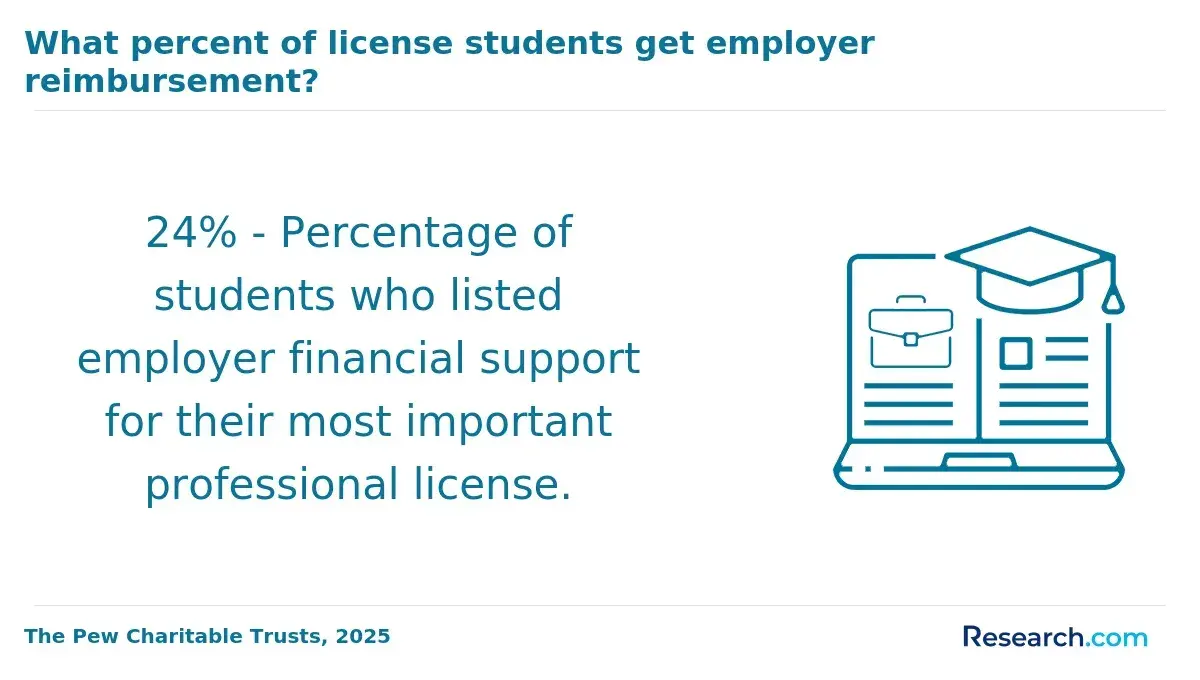
- Ask whether an employer may pay for later graduate education, because tuition assistance can change the ROI calculation significantly.
- Revisit the plan after one to two years of HR work, when you know whether leadership, analytics, compensation, employee relations, or training is your strongest lane.
Graduate school makes the most financial sense when it is tied to a clear outcome: senior HR leadership, organizational development, labor relations strategy, consulting, analytics leadership, or a pivot into broader business management. It is weaker when chosen mainly to delay a job search, compensate for lack of internships, or follow the assumption that "more school is always better."
If an MBA becomes part of the long-term plan, compare admissions flexibility, cost, employer recognition, and work-experience expectations carefully. Some students exploring business graduate options begin by reviewing the easiest MBA programs to get into, but accessibility should never be the only criterion; the program still needs to support a measurable HR or management goal.
Other Things You Should Know About Human Resources Bachelor's Degree ROI
Yes, a bachelor's degree is enough for many HR roles, including HR specialist, recruiter, HR coordinator, benefits coordinator, training specialist, and some analyst roles. Advancement depends on experience, measurable results, systems knowledge, certifications, and specialization.
Not always. Many HR managers advance with a bachelor's degree plus several years of experience. A master's degree may help for senior leadership, consulting, organizational development, or competitive corporate roles, but it is not a universal requirement.
Compensation, benefits, HR analytics, HRIS, labor relations, and HR business partner tracks often have stronger ROI than purely administrative HR roles. These paths connect HR work to pay strategy, compliance, workforce planning, and business decisions.
The biggest mistake is assuming the degree alone will create strong earnings. Students improve ROI by gaining internships, learning HR systems, building analytics skills, choosing a specialization, and avoiding graduate school unless it supports a clear career goal.
Top Trending Human Resources Rankings
See What Experts Have To Say About Studying Human Resources
Read our interview with Human Resources experts

Rick Hackett
Human Resources Expert
Professor, Human Resources & Management
McMaster University

Thomas Kochan
Human Resources Expert
Professor of Management
Massachusetts Institute of Technology


References
- How To Calculate The ROI Of Your College Degree | Bankrate https://www.bankrate.com/loans/student-loans/roi-college-degree/
- Student Loan Debt by Major [2026]: Highest + Lowest Average Debt https://educationdata.org/student-loan-debt-by-major
- Does College Pay Off? A Comprehensive Return On Investment Analysis - FREOPP https://freopp.org/whitepapers/does-college-pay-off-a-comprehensive-return-on-investment-analysis/
- How Student Loan Debt Impacts Your College ROI https://www.lendkey.com/blog/student-loans/how-student-loan-debt-impacts-your-college-roi/
- HR Certification Salary Impact (Real Data) https://hrcertification.com/blog/hr-certification-salary-impact-biid1000213
- Choosing a bachelor's in human resource management | edX https://www.edx.org/resources/how-to-choose-a-bachelors-in-human-resource-management
- Human Resources Career Path: Roles, Skills & Growth https://hcm.sage.com/blog/human-resources-career-path
- PHR vs. SHRM-CP: Which HR Certification Should You Get? https://www.phrexamprep.com/phr-vs-shrm-cp-which-hr-certification-should-you-get/
- Key Figures on Cost, Student Debt, & ROI at Public Universities - APLU https://www.aplu.org/our-work/4-policy-and-advocacy/publicuvalues/key-figures-on-cost-student-debt-amp-roi-of-public-universities/