2027 Most Valuable Online Bachelor's in Healthcare Degree Programs Ranking in West Virginia

Co-Founder and Chief Data Scientist
Choosing the right healthcare degree program can feel overwhelming, especially with so many options available online. This article presents the 2027 Most Valuable Online Bachelor's in Healthcare Degree Programs Ranking in West Virginia, carefully created by the Research.com team of data scientists. It's designed to help you make an informed choice by highlighting programs that offer strong value and career potential.
Whether you're starting your education journey or advancing your skills, this ranking offers clear insights to guide your decision.
Getting a healthcare degree opens doors to meaningful work and rewarding opportunities that impact lives for the better.
Key benefits of getting online healthcare degree in West Virginia
- Salary for healthcare degree graduates: Graduates can expect competitive salaries, such as Medical Assistants earning around $43,350 annually and Quality Improvement Coordinators making up to $103,150 per year.
- Career paths: A healthcare graduate from West Virginia University may pursue varied roles like Patient Care Technician or Health Information Technician, offering flexible and rewarding job opportunities.
- Benefits of online degrees: Completing a healthcare degree online from an institution like Marshall University provides flexibility to balance work and study, often accelerating career progress without sacrificing quality education.
- 2027 Most Valuable Online Bachelor's in Healthcare Degree Programs Ranking in West Virginia
- What can I expect from online healthcare degree in West Virginia?
- Where can I work with online healthcare degree in West Virginia?
What can I expect from online healthcare degree in West Virginia?
When it comes to the average cost of an online healthcare degree in West Virginia, you can usually expect a friendlier price tag compared to other states. Many in-state programs at popular schools like West Virginia University or Marshall University offer tuition rates that won't break the bank-often ranging somewhere between $300 to $400 per credit hour for in-state students. Graduates often mention how affordable these rates helped them avoid crushing debt while still getting quality education.
Plus, if you're juggling work or family commitments, these programs are designed to fit your busy life, making the financial investment feel even more worthwhile. Students share how taking classes online while staying local means they can save on living expenses and still access resources like academic advising and career services tailored to healthcare fields right here in West Virginia.
Out-of-state tuition is higher, but many find it's still competitive compared to other states' online options, especially when factoring in scholarships and financial aid specifically aimed at West Virginia residents.
Where can I work with online healthcare degree in West Virginia?
With an online healthcare degree in West Virginia, you've got a bunch of cool options waiting for you. Graduates from schools like West Virginia University or Marshall University often find jobs in big hospitals, such as Charleston Area Medical Center, where they can work as nurses, healthcare administrators, or allied health pros. It's a rewarding gig, especially knowing you're helping people in your own community.
Many grads also land roles in outpatient care centers and clinics. These places need folks who enjoy hands-on patient care and organizing health info-a perfect fit if you're someone who likes being involved in day-to-day patient support. Plus, nursing homes and long-term care facilities are in need of caring nurses and admins, especially since West Virginia has a growing aging population.
If working behind the scenes sounds better, health management and info tech jobs in the state's hospitals and clinics might be just your speed. Public health agencies also hire grads to help with health programs and education, so you can really make a difference on a bigger scale. Lots of grads say the flexibility of their online degree made switching into these roles easier than they expected!
If you're earning an online healthcare degree in West Virginia, your paycheck can vary quite a bit depending on the role you land. For example, graduates working as medical assistants typically make around $43,350 a year, which is a solid starting point. Patient care technicians do even better, bringing in about $60,790 annually. That's a nice boost if you're offering hands-on support to patients.
Graduates specializing in health information technology-maybe from popular programs at West Virginia University or Marshall University-can expect to earn roughly $43,380 a year. These roles involve managing hospital data and healthcare records, perfect if you're more into the tech and admin side of healthcare.
For those aiming higher, like working as a quality improvement coordinator, the salary jumps up significantly-up to around $103,150 annually. Imagine applying fresh skills from your online degree to improve patient care and hospital efficiency and being rewarded with that kind of pay!
Many grads from West Virginia's healthcare programs find that these salaries line up well with the local cost of living, making it easier to build a comfortable life while making a real impact on their communities.
- Tuition for online healthcare degrees in West Virginia ranges from $7,000 to $15,000 per year for in-state students, with public universities generally being more affordable than private ones.
- Additional expenses may include textbooks, technology fees, and clinical placement costs, but online programs often lower housing and commuting expenses.
- Healthcare jobs in West Virginia are projected to grow steadily through 2030, with entry-level salaries typically between $40,000 and $50,000 annually.
- Experienced healthcare professionals in the state can earn $70,000 or more per year.
- Popular in-demand roles include registered nurses, licensed practical nurses, medical and health services managers, and allied health professionals.
- Accredited programs that include state-specific clinical practice requirements are essential for licensure and certification in West Virginia healthcare careers.
If you're thinking about getting your online healthcare degree in West Virginia, expect to spend around four years if you're going full-time. That's pretty standard at schools like West Virginia University or Marshall University, where many students find the pace just right to balance studying with their busy lives.
Some grads share how starting with transfer credits-maybe from a community college or previous healthcare courses-shaved off a year or two, letting them finish in as little as two or three years. It's a real boost if you've already done some groundwork! On the other hand, if you're juggling work or family and opt for part-time, it might take longer, but the programs are designed to be flexible enough to fit your schedule.
One thing most students mention is the hands-on clinical hours. Even if the coursework is online, you'll need to complete these in person at approved sites across West Virginia, like local hospitals or clinics, which keeps things real and helps you build confidence on the job.
Choosing an accredited online healthcare degree in West Virginia ensures that your education meets rigorous academic and professional standards. Regionally accredited institutions-recognized by the U.S. Department of Education-provide transferable credits, eligibility for federal aid, and greater employer recognition. Many top online bachelor’s programs in West Virginia also hold programmatic accreditation from bodies like the Commission on Accreditation of Healthcare Management Education (CAHME) or the Commission on Collegiate Nursing Education (CCNE), which verify that curricula align with industry best practices. Program quality is further assured through state authorization and regular external reviews. West Virginia online healthcare programs must comply with the West Virginia Higher Education Policy Commission’s requirements, including minimum faculty qualifications, student support services, and technology infrastructure. Prospective students should review published retention and graduation rates, as well as licensure exam pass rates for specialized tracks such as nursing or health information management. High pass rates often indicate strong preparation and faculty expertise. Beyond accreditation, robust online learning platforms play a critical role in student success. Look for programs offering 24/7 technical support, virtual labs, and digital libraries to facilitate research and hands-on learning. Dedicated career services and networking events-often delivered via webinars and discussion forums-help graduates transition smoothly into the workforce. For those comparing costs, accreditation, and outcomes across regions, our sister ranking on affordable graduate options can be a helpful benchmark. See our Inexpensive Online Master's in Healthcare Degree Programs Ranking in Columbia, SC to understand how accredited master’s programs maintain quality while keeping tuition low. By prioritizing accredited, high-quality programs, students in West Virginia can maximize career opportunities and long-term professional growth.
If you're thinking about a healthcare degree in West Virginia, you might wonder how online and on-campus options actually stack up. Online programs, like those offered by West Virginia University, let you learn at your own pace-which is a lifesaver if you're juggling work or family. Imagine logging in late at night to watch a lecture or finish assignments without worrying about rushing to class.
On the flip side, going to a place like Marshall University means you get face-to-face time with professors and classmates, plus hands-on labs that really help with clinical skills. Some graduates say being on campus helped them build connections and boosted their confidence during practical training.
Both paths require clinical hours, so if you're online, you'll typically find local healthcare facilities to complete your internships. Plus, online students in West Virginia often save money since they don't have to pay for housing or commute, making it easier on the budget without sacrificing the quality of education.
Ensuring that an online healthcare degree program holds proper accreditation is critical for both academic quality and professional licensure. In West Virginia, students should verify that their chosen institution is regionally accredited by bodies such as the Higher Learning Commission (HLC) and that specialized programs meet standards set by agencies like the Commission on Collegiate Nursing Education (CCNE) or the Commission on Accreditation of Healthcare Management Education (CAHME). Accreditation affects eligibility for federal financial aid, transfer of credits, and qualifications for certifications such as Registered Health Information Administrator (RHIA) or Certified Healthcare Financial Professional (CHFP). Before enrolling, prospective students can:
- Confirm regional accreditation on the U.S. Department of Education’s database.
- Review state board approvals for programs leading to licensure (e.g., nursing or allied health specialties).
- Investigate whether coursework aligns with national certification exam requirements.
- Evaluate partnerships with clinical sites or practicum locations to ensure quality hands-on training. For graduates aiming to advance their credentials, our Inexpensive Online Master's in Healthcare Degree Programs Ranking in Columbia, SC highlights affordable pathways to master’slevel accreditation, supporting seamless progression from bachelor’s studies to advanced practice roles. By prioritizing accredited programs and understanding licensure prerequisites, students can confidently pursue careers that meet both industry standards and regulatory mandates in West Virginia’s dynamic healthcare environment.
When it comes to the average cost of online healthcare degrees in West Virginia, students typically see a range that reflects both in-state and out-of-state enrollment. Most West Virginia online bachelor's degree healthcare tuition fees fall around $52,320 for in-state students, which makes it a pretty affordable option compared to many other states. On the other hand, out-of-state learners usually pay more, with median total costs climbing up to about $124,800. So, if you live in West Virginia, you're definitely getting a better deal.
Many graduates from well-known schools like West Virginia University or Marshall University have shared how this cost setup really helped them focus on their studies without stressing too much about huge debt. These programs often include essential practicum work, which can add some fees, but the core tuition remains manageable. Plus, the availability of financial aid means that the real price you pay can be even friendlier to your wallet.
For those scouting around, the average cost of online healthcare degree West Virginia programs is a solid balance of quality and affordability. Students often find it encouraging knowing that their investment leads directly to meaningful healthcare careers. If you're curious about options, checking out the online nursing programs rankings California gives a good comparison point for how other states structure costs too.

If you're studying an online healthcare degree in West Virginia, there's a good chance you'll find help paying for it. Many grads from schools like West Virginia University and Marshall University share how federal aid through FAFSA made a huge difference-they grabbed Pell Grants that took thousands off their tuition without worrying about paying it back. It's like a financial lifesaver, especially when balancing work and study.
State grants also play a big role. For example, the West Virginia Higher Education Grant and the Promise Scholarship often come up in conversations among students aiming to cut costs. Those opportunities can make attending your favorite institutions more affordable than you might expect.
Healthcare-specific scholarships are pretty common too, especially for nursing or allied health programs, with local providers and policy commissions stepping up. Many grads recall getting extra support through scholarships targeting shortage areas in West Virginia, easing those money worries.
Plus, if you're already working in healthcare, employers often chip in with tuition help, which feels like a sweet bonus after long shifts. And for those committed to serving rural communities, loan forgiveness programs bring real peace of mind once you graduate, making all the effort totally worth it.
Graduates pursuing an online Healthcare degree in West Virginia should be aware that earning a degree is only one step toward building a successful career, as many healthcare professions require additional licensure or certification for clinical practice and career advancement. Whether you aim to work in healthcare administration, diagnostic services, or patient care, understanding the specific state and professional requirements is crucial. For instance, if you are considering a career in pharmacy, be sure to research detailed pathways including pharmacist required education, which can vary by state and involve rigorous examinations and continuing education credits. Furthermore, many healthcare roles, such as nursing, radiology, and even emerging fields like health informatics, often require both initial certification and periodic renewals to keep up with industry standards and technological advancements. By proactively exploring these licensure and certification processes during your studies, you can better align your educational goals with industry demands, ensuring that you not only graduate with a solid degree but also with the credentials necessary to thrive in today's competitive healthcare market.
If you're thinking about jumping into an online healthcare degree in West Virginia, the first thing you'll need is a high school diploma or something equivalent like a GED. A lot of folks who've successfully enrolled at schools like West Virginia University or Marshall University say having a grasp on basic science courses-think biology or chemistry-really gave them a leg up when they started diving into their program.
Some programs will test your English and math skills, but don't stress too much. Many universities have adapted and made these less intense than before. Plus, they often accept transfer credits if you've already knocked out some college courses at a community college nearby-it's a total budget-friendly win.
Graduates often mention how useful it was to have some healthcare work or volunteer experience to lean on when applying, especially for specialized tracks like nursing. And hey, make sure your tech game is strong! Reliable internet and a good computer are musts since a lot of your learning will happen online. Schools here often offer onboarding sessions to get you comfortable with the setup, which really helped others feel ready from day one.
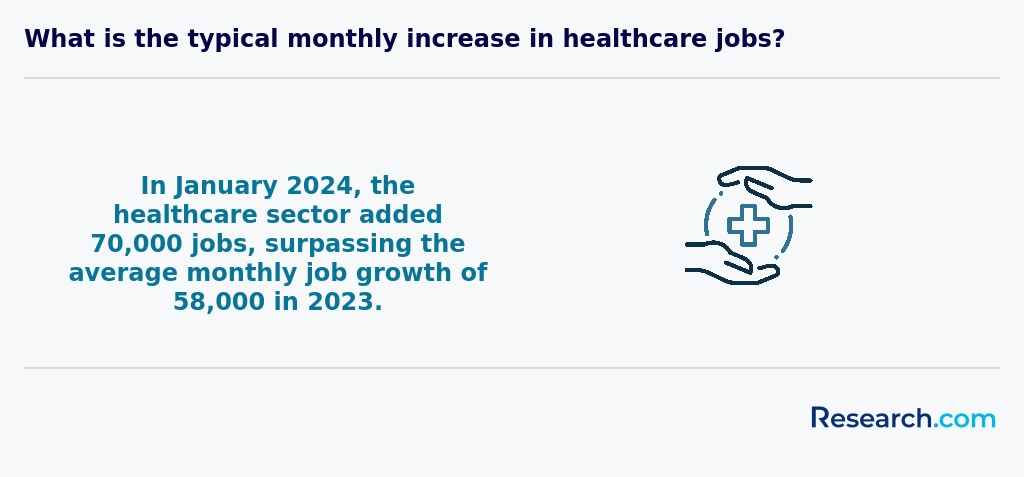
Online healthcare degree programs in West Virginia not only provide industry-relevant curricula but also offer robust student support services designed to enhance academic achievement and career readiness. Many institutions have dedicated career centers that offer personalized mentoring, internship placement assistance, resume reviews, and networking opportunities with healthcare professionals. These services ensure that students receive the guidance they need throughout their academic journey and are well-equipped to transition from the virtual classroom to the professional healthcare field. In addition, comprehensive support extends beyond academics. Students benefit from dedicated academic advising, online tutoring, and access to mental health resources, which are critical for balancing studies with personal responsibilities. Furthermore, partnerships with local healthcare organizations offer practical experiences that help graduates build competitive resumes and develop crucial industry connections. For prospective students seeking high-quality programs without compromising affordability, our detailed ranking also highlights the cheapest healthcare schools in west virginia, ensuring that financial considerations are balanced with academic and professional support. With these extensive resources, students are empowered to achieve both academic excellence and career success in the evolving healthcare landscape.
If you're diving into an online healthcare degree in West Virginia, expect courses that really prepare you for the real world. Graduates from popular state universities often mention how classes like Introduction to Healthcare Systems gave them a clear picture of local challenges, like rural healthcare access. It's more than just theory - you get to understand what healthcare means right here in WV.
Medical Terminology and Health Informatics were favorites for many because they helped turn confusing jargon and tech-heavy stuff into practical skills. Imagine managing patient records or navigating hospital systems confidently after these classes! Meanwhile, courses like Healthcare Ethics and Law keep things grounded, teaching you to protect patient rights and handle sensitive info the right way.
Hands-on topics like Leadership and Organizational Behavior come up a lot too, with grads saying these classes helped them lead teams during internships or clinical rotations near home. You'll even find Public Health courses tackling issues you see every day around WV, like opioid addiction, which makes what you learn feel real and important.

If you're looking into online healthcare degree specializations West Virginia has some solid options that really fit the state's needs. Nursing is a big one, especially RN to BSN programs, since many graduates mention how rewarding it is to help address the local nursing shortage with experienced mentors from popular colleges. You'll also find healthcare administration programs that prep you for managing hospitals and clinics around the state, which is great if you like organizing and leading teams.
Another area getting lots of buzz is public health; students often talk about how they can make a difference tackling real issues like opioid addiction and chronic diseases right here in West Virginia. For tech-savvy folks, health informatics is an up-and-coming track focusing on patient data and healthcare tech, blending information technology with medical care.
Plus, there are hands-on paths like medical assisting, occupational therapy assistance, and respiratory therapy. Many grads recommend checking out universities offering sonography programs online, as those are also quite sought-after for their practical skills and steady job prospects.
It's easy to see why these are considered some of the best healthcare majors West Virginia online; they're designed to fit the workforce and lifestyle of the area perfectly.
Picking the best online healthcare degree in West Virginia means focusing on a few important things. Accreditation is a big one - you want a program recognized by reputable bodies like the Higher Learning Commission or specialized accreditors to ensure your degree truly counts with employers. Graduates from popular schools in WV often mention how accredited programs gave them confidence going into the workforce.
Costs can be tricky, but many students find affordable healthcare bachelor's degrees WV options at places like West Virginia University, where tuition stays reasonable without cutting corners. Plus, think about extra fees like tech or clinical costs that can sneak up on you.
A huge upside to studying online here: flexibility. Lots of programs offer asynchronous classes, so you can juggle work or family easily, especially if you're in rural parts of West Virginia with reliable internet. Students often say this flexibility helped them stay motivated and balanced.
Check out the curriculum closely to match your career goals-whether that's nursing, administration, or something else-and peek at real-life success stories from grads. If you're curious about hands-on roles, exploring a surgical technologist career might spark ideas too.
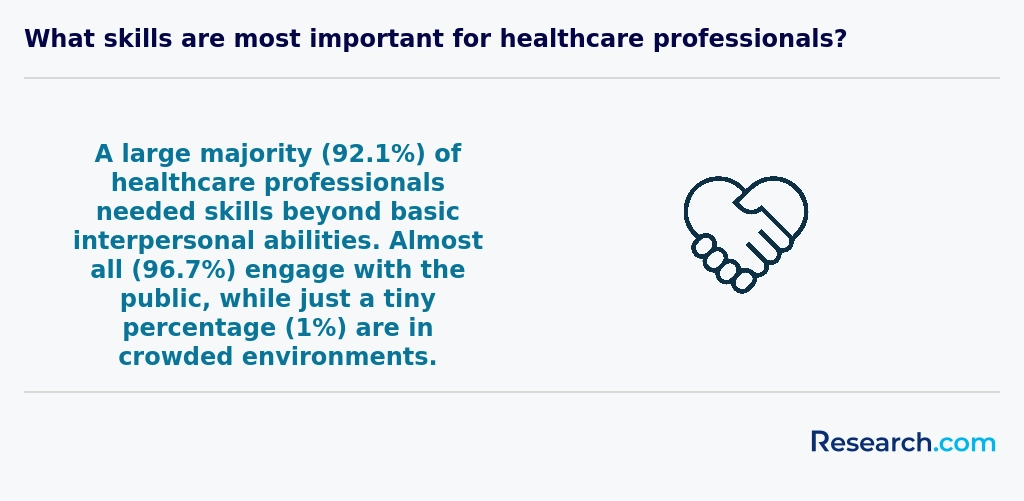
If you're checking out online healthcare careers West Virginia offers, you'll find plenty of options that grads from local schools rave about. Many who earn their healthcare degrees from well-known West Virginia universities find themselves stepping into roles as registered nurses, especially after completing an online BSN. They appreciate how their degree prepared them to work in hospitals or clinics across the state, earning around $60,000 a year on average. For those who want to lead, healthcare administration is a popular path. Graduates often share stories about using their degrees to land jobs managing hospitals or insurance firms, making a real impact on rural healthcare quality.
Others dive into health informatics or public health, fields that tie in with West Virginia's push for better data-driven care and community health education. It's inspiring to hear from grads who blend tech and healthcare, helping improve patient outcomes across the state. Some even go on to become physician assistants or dental hygienists, but that usually means extra training.
If you want to explore skilled healthcare workers roles in-depth, many students check out skilled healthcare workers programs to boost their career options.
Overall, West Virginia's online healthcare degree job opportunities are wide, giving you real chances to work where you live and make a difference.

The job market for online healthcare degree holders in West Virginia is looking pretty solid right now. Graduates from popular colleges around the state often find that demand for healthcare professionals keeps rising, especially in rural areas where hospitals and clinics really need folks with nursing, healthcare administration, or public health backgrounds. Many who pursued their degrees online were able to snag internships and real-world experience through local partnerships, which made landing their first job easier. In fact, West Virginia's emphasis on practical experience and pursuing specialization really helps set you apart in the job hunt.
For those wondering about pay, registered nurses in the state earn around $59,000 yearly, which compares well with the steady job security and growing telehealth roles now emerging post-pandemic. If you're aiming for online healthcare jobs in West Virginia, this is a great time to jump in and build a rewarding career that fits both your lifestyle and ambitions.
Many healthcare degree graduates notice that the state encourages continuing education and certifications, too, which makes it easier to grow your career after earning your online degree. The supportive financial options at West Virginia universities also help keep tuition manageable, so you can focus on your studies without stressing too much about debt.
2027 Most Valuable Online Bachelor's in Healthcare Degree Programs Ranking in West Virginia
Investing in your education is a significant decision that can shape your future, and the Research.com team understands the importance of making informed choices. To assist prospective students in West Virginia, we have meticulously crafted the "2027 Most Valuable Online Bachelor's in Healthcare Degree Programs Ranking in West Virginia." Our commitment to quality, credibility, and accuracy is reflected in the extensive research and analysis conducted to compile this ranking.
We utilized the following reputable data sources to ensure a comprehensive evaluation of healthcare degree programs:
By exploring this ranking, readers will gain valuable insights into the most valuable online healthcare bachelor's programs in West Virginia, empowering them to make well-informed decisions about their educational and career goals. For more details on our methodology, please visit our Research.com methodology page.


Frequently Asked Questions About healthcare
Students pursuing online healthcare degrees in West Virginia can enhance their learning by actively engaging with course materials and faculty. West Virginia's healthcare industry is growing, with a 12% increase in healthcare jobs projected through 2030, according to the U.S. Bureau of Labor Statistics. This demand highlights the value of practical knowledge alongside theory.
Utilizing local healthcare facilities for clinical practice or internships helps bridge online learning with hands-on experience. Additionally, joining state healthcare associations and online study groups can foster networking and support. Taking advantage of West Virginia's digital library resources and academic advising services also improves outcomes, ensuring students adapt well to online education demands.
The healthcare field in West Virginia is rapidly evolving, with several emerging niches offering promising career paths. One key area is telehealth, which has expanded significantly due to the state's rural population and growing internet access. Telehealth services help address healthcare shortages by connecting patients with remote providers.
Another emerging niche is healthcare informatics, which combines IT and healthcare to improve patient care and data management. West Virginia healthcare facilities increasingly adopt electronic health records, driving demand for professionals skilled in data analysis.
Additionally, gerontology is expanding as West Virginia has one of the highest percentages of elderly residents nationwide, creating opportunities in elder care and chronic disease management programs.
After completing an online healthcare degree in West Virginia, preparing for the job market involves building practical skills and understanding local employment trends. The state's healthcare sector, employing over 80,000 people according to the West Virginia Bureau of Labor Statistics (2023), offers career opportunities in hospitals, clinics, and public health organizations. Graduates should pursue relevant certifications, such as CPR or Certified Medical Assistant credentials, to improve employability.
Networking is crucial; joining professional groups like the West Virginia Health Care Association provides valuable connections. Additionally, gaining hands-on experience through internships or volunteering helps students stand out. Tracking job listings on West Virginia's Workforce West Virginia site can reveal in-demand roles and salary ranges to guide applications.
Employers in West Virginia increasingly seek healthcare graduates who combine strong clinical knowledge with practical skills. Communication is a top priority, as workers must effectively interact with patients and interdisciplinary teams. Critical thinking and problem-solving are essential due to the complex health challenges faced locally, including a significant population with chronic diseases, according to the West Virginia Department of Health and Human Resources.
Familiarity with electronic health records (EHR) and telehealth technologies is also highly valued, reflecting the state's investment in digital healthcare. Adaptability and cultural competence are crucial for addressing West Virginia's diverse and often underserved communities. Overall, these skills help graduates contribute meaningfully to improving healthcare outcomes in the region.
Finding internships in West Virginia related to healthcare degrees requires targeted research and networking. Start by exploring partnerships between online degree programs and local healthcare facilities such as Charleston Area Medical Center and WVU Medicine. These organizations often offer internships for students in nursing, health administration, and allied health fields.
The West Virginia Department of Health and Human Resources lists internship opportunities across various county health departments, providing practical experience in public health settings. Additionally, the West Virginia Health Careers Internship Program supports students entering healthcare roles, offering valuable hands-on exposure.
Students should also connect with university career centers, even when studying online, as many maintain local internship databases. Finally, professional associations like the West Virginia Healthcare Association provide resources and networking events that can help secure internships.
Obtaining an online healthcare degree in West Virginia can significantly enhance career mobility and advancement for healthcare professionals. With the state's growing demand for healthcare workers, accelerated by population aging, employers often prefer candidates with bachelor's degrees for leadership or specialized roles. According to the West Virginia Department of Health and Human Resources, healthcare occupations are projected to grow faster than average through 2030, increasing by nearly 15%.
Online programs offer flexibility for working adults to upgrade skills without relocation. Graduates commonly pursue roles such as healthcare administrators, clinical managers, or public health coordinators.
Additionally, many West Virginia employers recognize accredited online degrees, helping graduates meet licensure or certification requirements, which are essential for career growth in clinical and non-clinical healthcare fields.
Studying for an online healthcare degree in West Virginia equips students with skills tailored for interdisciplinary roles, reflecting the state's growing healthcare needs. Curricula often integrate courses in public health, administration, and clinical practice, promoting collaboration among professionals from various fields.
West Virginia faces healthcare challenges including high chronic disease rates and provider shortages, according to the West Virginia Department of Health and Human Resources. Online programs prepare students to work across disciplines to address such complex issues effectively.
Many programs emphasize teamwork, communication, and systems thinking, crucial for coordinating care. This approach aligns with national trends encouraging healthcare professionals to work in integrated teams.
Choosing between a thesis and a non-thesis healthcare degree program in West Virginia depends largely on your career goals. A thesis program emphasizes research, ideal for students planning to enter graduate school or pursue clinical research roles. West Virginia University, for example, offers healthcare programs where thesis students engage in original research, preparing them for advanced study.
Non-thesis programs focus on practical skills and coursework, appealing to those aiming for immediate employment in healthcare settings. According to the Bureau of Labor Statistics, West Virginia has a growing demand for healthcare professionals, especially in nursing and health administration, where hands-on knowledge is critical.
Consider your time commitment and resources as thesis options usually require more extensive dedication. Consulting academic advisors and reviewing program details helps ensure alignment with your ambitions.
Students in West Virginia interested in studying healthcare abroad have limited direct online degree options offered by foreign institutions recognized in the US. Most healthcare programs pursued online are provided by accredited US universities, ensuring licensure and certification align with West Virginia state requirements.
However, some students opt for study abroad experiences or exchange programs through their West Virginia institutions, combining online coursework with international clinical placements. The state's emphasis on addressing regional healthcare shortages-especially in rural areas-means overseas degrees must meet stringent accreditation standards to be valid for local practice.
According to the West Virginia Higher Education Policy Commission, around 14% of healthcare students engage in global learning components, but full foreign online degrees remain less common.
West Virginia offers various part-time job opportunities that align well with online healthcare degree education. Roles such as medical assistants, pharmacy aides, and home health aides provide practical experience while supporting degree coursework. These positions offer valuable patient interaction and administrative skills essential for healthcare professionals.
According to the West Virginia Department of Commerce, healthcare support occupations are projected to grow by 19% through 2030, reflecting strong demand. Part-time employment in hospitals, nursing homes, and outpatient clinics in cities like Charleston and Morgantown can help students build clinical experience.
Additionally, jobs in medical billing and coding allow students to develop critical knowledge in healthcare documentation and insurance procedures, complementing their studies effectively.
Online healthcare students in West Virginia have various networking opportunities that help bridge the gap between virtual learning and professional connections. Many institutions offer access to healthcare-focused student organizations and honor societies where students can engage with peers and professionals.
The West Virginia Rural Health Association provides events and conferences promoting networking among healthcare workers statewide. Additionally, students can leverage virtual career fairs and workshops hosted by universities and state agencies.
Healthcare remains a critical field in West Virginia, with growing demand due to an aging population, making these networking channels vital for employment and mentorship.
Alumni networks offer significant benefits to students pursuing online healthcare degrees in West Virginia. These networks connect current students with graduates who have experience in the state's unique healthcare environment, including rural and Appalachian communities. Such connections can provide mentorship, career advice, and job referrals, which are vital given West Virginia's healthcare workforce challenges documented by the Health Resources & Services Administration.
Moreover, alumni often share insights about local employers and licensing requirements, helping students navigate licensure by the West Virginia Board of Examiners for Registered Professional Nurses or other regulatory bodies. Networking through alumni groups can increase employment opportunities, especially in underserved areas. This peer support enhances professional development and helps address West Virginia's shortage of healthcare professionals.
Customizing an online healthcare degree program in West Virginia allows students to align their education with specific career goals. Many universities in the state offer flexible electives and concentration options, such as public health, healthcare administration, or nursing. This helps students gain expertise relevant to local healthcare demands.
West Virginia faces a growing need for healthcare professionals, especially in rural areas, with the Bureau of Labor Statistics projecting a 15% job growth in healthcare occupations through 2031. Choosing internships or capstone projects focused on these communities can provide targeted experience.
Students should also explore programs that offer partnerships with West Virginia healthcare providers for practical experience. Customization often involves tailoring coursework and clinical hours to meet licensure or certification requirements pertinent to West Virginia.
Online healthcare students in West Virginia face several challenges that can affect their success. One major issue is limited clinical placement opportunities within the state. West Virginia's rural nature and healthcare professional shortages create competition for hands-on training required by many healthcare programs, according to the West Virginia Center for Nursing.
Connectivity problems also pose difficulties. Rural areas often have less reliable internet access, hindering real-time participation in online classes and accessing digital resources. This limits students' ability to fully engage in coursework or group activities.
Additionally, balancing work, family, and studies remains a common struggle. Many healthcare students are working adults, and managing demanding schedules alongside rigorous programs can increase stress.
An online healthcare degree from a West Virginia institution can open pathways to several professional certifications. Graduates often pursue credentials such as Certified Healthcare Administrator (CHA), Certified Medical Assistant (CMA), and Registered Health Information Technician (RHIT). These certifications validate specialized skills highly valued in West Virginia's growing healthcare sector.
The West Virginia Department of Health & Human Resources highlights increasing demand for healthcare administrators and medical assistants, reflecting statewide employment projections. Holding an accredited certification enhances job prospects and earning potential in roles tied to hospitals and outpatient facilities.
Additionally, certifications like the Certified Professional in Healthcare Quality (CPHQ) can complement a healthcare degree, focusing on quality management. Many online programs in the state align their curricula with the requirements of these certification exams, ensuring graduates are well-prepared.
To write a winning application for an online healthcare program in West Virginia, start by emphasizing your commitment to serving the state's unique healthcare needs. West Virginia faces significant health challenges, including a high prevalence of chronic diseases, making dedicated healthcare professionals essential (CDC, 2023).
Highlight relevant experience, such as volunteering or working in local clinics. Clearly demonstrate your understanding of online learning by showcasing strong time-management and technical skills. Include a well-crafted personal statement that reflects your passion for healthcare and your career goals.
Lastly, ensure all academic records, test scores, and letters of recommendation are complete and tailored to the specific program's criteria to improve your chances of acceptance.
Healthcare careers are recognized globally for their importance and stability. In the U.S., healthcare is one of the fastest-growing sectors, with a 13% employment growth rate projected from 2021 to 2031 according to the Bureau of Labor Statistics. West Virginia reflects this trend, with a strong demand for healthcare professionals driven by an aging population and chronic health issues.
Globally, healthcare roles emphasize adaptability, cultural competence, and ongoing education. For students in West Virginia, earning an online healthcare degree offers flexibility and access to quality programs aligned with U.S. standards.
These degrees prepare graduates to meet both local and international healthcare challenges, enhancing career mobility and impact.
Gaining practical experience while studying for an online healthcare degree in West Virginia is essential for career readiness. Many programs include clinical placements or internships coordinated with local hospitals, clinics, and healthcare facilities. Students often collaborate with organizations like the West Virginia University Healthcare system or Charleston Area Medical Center to fulfill hands-on requirements.
West Virginia's healthcare sector faces workforce shortages, so opportunities for internships may be more accessible and impactful. According to the West Virginia Health Care Authority, the demand for healthcare professionals is expected to grow by 20% through 2030, increasing practical training options.
Additionally, some online programs offer virtual simulations, telehealth practicums, and community health projects that build critical skills remotely.
Choosing the right concentration within an online healthcare degree program in West Virginia begins with understanding local workforce demands. The West Virginia Department of Health and Human Resources reports a strong need for registered nurses, healthcare administrators, and public health professionals. Considering your career goals alongside state healthcare trends helps narrow your options.
Look at programs offering concentrations that align with these in-demand roles. For example, nursing, health informatics, or healthcare management can prepare you for specific opportunities.
Research program accreditation to ensure quality education and licensure eligibility.
Lastly, evaluate flexible scheduling and online resources, since many students balance studies with work or family commitments.
- 2027 Most Valuable Online Bachelor's in Healthcare Degree Programs Ranking in Virginia
- 2027 Most Valuable Online Bachelor's in Healthcare Degree Programs Ranking in Ohio
- 2027 Most Valuable Online Bachelor's in Healthcare Degree Programs Ranking in Kentucky
- 2027 Most Valuable Online Bachelor's in Healthcare Degree Programs Ranking in Pennsylvania
- 2027 Most Valuable Online Bachelor's in Healthcare Degree Programs Ranking in North Carolina
- 2027 Most Valuable Online Bachelor's in Healthcare Degree Programs Ranking in South Carolina
- 2027 Most Valuable Online Bachelor's in Healthcare Degree Programs Ranking in Georgia
- 2027 Most Valuable Online Bachelor's in Healthcare Degree Programs Ranking in Michigan
- 2027 Most Valuable Online Bachelor's in Healthcare Degree Programs Ranking in Illinois
- 2027 Most Valuable Online Bachelor's in Healthcare Degree Programs Ranking in Alabama
See What Experts Have To Say About Studying Healthcare
Read our interview with Healthcare experts

- Nursing Program https://easternwv.edu/academics/nursing-program/
- Health Information Technology, A.A.S. https://www.wvncc.edu/career-pathways-and-programs/health-information-technology-a.a.s./501
- Nursing Associate Degree https://www.wvup.edu/academics/programs/nursing-associate-degree/
- Masters in Health Administration in West Virginia https://www.healthcareadministrationedu.org/west-virginia/
- Online 18 Month Associate Degree Programs | WVJC https://www.wvjc.edu/online-programs/
- Health Sciences Service Program https://www.cfwv.com/financial-aid/health-sciences-service-program/
- Best Online Colleges In West Virginia https://www.affordablecollegesonline.org/online-colleges/west-virginia/
- West Virginia Health Administration Degree Programs https://www.healthadministrationdegrees.com/states/west-virginia/
- MPH Programs in West Virginia | 2026 - Public Health Online https://www.publichealthonline.org/west-virginia/
- West Virginia's Top Medical Assistant Programs: Online & ... https://www.edumed.org/online-schools/medical-assistant-programs/west-virginia-wv/