
2027 Most Affordable Healthcare Degree Programs Ranking in Kalamazoo

Co-Founder and Chief Data Scientist
Choosing the right healthcare degree program in Kalamazoo can be challenging. To support your decision, this article introduces the 2027 Most Affordable Healthcare Degree Programs Ranking in Kalamazoo, created by the Research.com team of data scientists.
This ranking highlights the best value options, helping you find programs that fit your budget without sacrificing quality. Exploring these affordable healthcare degrees can open doors to rewarding careers in a growing field. Whether you're starting fresh or advancing your education, this guide aims to empower you with trustworthy information for a confident choice.
Key benefits of getting healthcare degree in Kalamazoo
- Healthcare degree graduates in Kalamazoo can earn competitive salaries, such as $43,350 annually for Medical Assistants and Clinical Research Coordinators, or up to $103,150 for Quality Improvement Coordinators, making it a financially rewarding choice.
- Graduates from local institutions like Western Michigan University often find diverse career paths in roles including Patient Care Technicians and Health Information Technicians, offering flexibility and job stability.
- Online healthcare degrees provide convenient learning options for busy students, enabling graduates to balance work and study while earning comparable salaries and advancing their careers smoothly.
- Key benefits of getting healthcare degree in Kalamazoo
- What can I expect from healthcare degree in Kalamazoo?
- Where can I work with healthcare degree in Kalamazoo?
- How much can I make with healthcare degree in Kalamazoo?
- 2027 Most Affordable Healthcare Degree Programs Ranking in Kalamazoo
- Key Findings
- How long does it take to complete healthcare degree in Kalamazoo?
- Return on Investment: Evaluating the Long-Term Value of Affordable Healthcare Degrees
- What's the difference between online and on-campus healthcare degree?
- Licensure, Certification, and Career Advancement
- What is the average cost of healthcare degree in Kalamazoo?
- How to Apply to Healthcare Degree Programs in Kalamazoo, MI
- What financial aid is available to healthcare degree students in Kalamazoo?
- Living in Kalamazoo: Embracing Campus & Community Life
- What are the prerequisites for enrolling in healthcare degree program in Kalamazoo?
- Return on Investment for Healthcare Degrees in Kalamazoo, MI
- What courses are typically in healthcare degree programs in Kalamazoo?
- What types of specializations are available in healthcare degree programs in Kalamazoo?
- How do you choose the best healthcare degree in Kalamazoo?
- What career paths are available for healthcare degree students in Kalamazoo?
- What is the job market for healthcare degree in Kalamazoo?
- Top Trending Healthcare Rankings
- See What Experts Have To Say About Studying Healthcare
What can I expect from healthcare degree in Kalamazoo?
The average cost of pursuing a healthcare degree in Kalamazoo varies depending on the institution and program level. For example, students beginning at Kalamazoo Valley Community College often pay significantly lower tuition for certificates or associate degrees compared to those enrolling directly in four-year programs at Western Michigan University. Many graduates report that starting at a community college helped them manage costs effectively while earning essential certifications.
Community college tuition is typically affordable, allowing students to complete foundational courses before transferring. Western Michigan University's healthcare programs, offering bachelor's degrees in nursing or public health, have higher tuition but include access to clinical training integration, which many graduates find invaluable for their careers. Practical experience at local hospitals like Ascension Borgess Health supplements their learning, often providing a sense of confidence and readiness upon graduation.
By planning to start at a community college and then transferring, students balance cost and quality education, making healthcare degrees in Kalamazoo both attainable and rewarding.
Where can I work with healthcare degree in Kalamazoo?
Graduates with healthcare degrees from institutions like Kalamazoo Valley Community College or Western Michigan University often find diverse job opportunities within the local healthcare sector. Many quickly secure roles at major employers such as Bronson Healthcare or Ascension Borgess Health, working in nursing, medical technology, or healthcare administration. These organizations actively recruit new graduates, making entry into the workforce more accessible.
Others choose career paths in specialized settings like outpatient care centers or rehabilitation facilities, where skills gained during clinical internships in Kalamazoo prove invaluable. Graduates often describe the joy of helping patients in community clinics or mental health centers, reflecting the city's focus on behavioral and community wellness.
Working for Kalamazoo County Health & Community Services Department is another practical option, especially for those interested in public health, disease prevention, and health education roles. Additionally, the growing demand for home health care and assisted living professionals creates steady openings for graduates skilled in nursing and therapy coordination.
How much can I make with healthcare degree in Kalamazoo?
Graduates from healthcare programs in Kalamazoo can expect competitive earnings that reflect both local industry demand and their chosen specialty. For example, medical assistants typically earn about $43,350 annually, while patient care technicians enjoy salaries close to $60,790. Health information technicians, another common career outcome, make almost the same as medical assistants, with an average yearly wage near $43,380.
Those completing degrees with a focus on coordination roles find even stronger income potential. Clinical research coordinators earn around $43,350 a year, but quality improvement coordinators stand out with a significantly higher mean annual wage of $103,150. This jump in salary illustrates the value of advancing into specialized or managerial healthcare positions.
Graduates from institutions like Western Michigan University often share that hands-on training and local clinical partnerships in Kalamazoo helped them secure well-paying jobs quickly. The city's healthcare ecosystem allows new professionals to gain experience and increase their earnings steadily, making a healthcare degree a practical investment for students ready to build a stable and fulfilling career.
2027 Most Affordable Healthcare Degree Programs Ranking in Kalamazoo
How do we rank schools?
Investing in your education is a significant decision that can shape your future, and the Research.com team understands the importance of making informed choices. To assist prospective students in Kalamazoo, we have meticulously crafted the "2027 Most Affordable Healthcare Degree Programs Ranking in Kalamazoo." Our commitment to quality, credibility, and accuracy is reflected in the extensive research and analysis conducted to compile this ranking. We utilized the following reputable data sources to ensure a comprehensive evaluation of healthcare programs:
By exploring this ranking, readers will gain valuable insights into affordable healthcare degree options in Kalamazoo, empowering them to make informed and confident decisions about their education. For more details on our methodology, please visit our Research.com methodology page.

Key Findings
- Western Michigan University offers various healthcare programs such as nursing, public health, and health sciences in Kalamazoo.
- Annual tuition for in-state students at public universities averages around $11,500, while private or specialized programs may exceed $20,000.
- Entry-level salaries for healthcare graduates in Kalamazoo average $50,000, with registered nurses starting near $56,000 and healthcare administrators around $48,000.
- Experienced healthcare professionals can earn median salaries between $70,000 and $90,000 depending on their specialization and work setting.
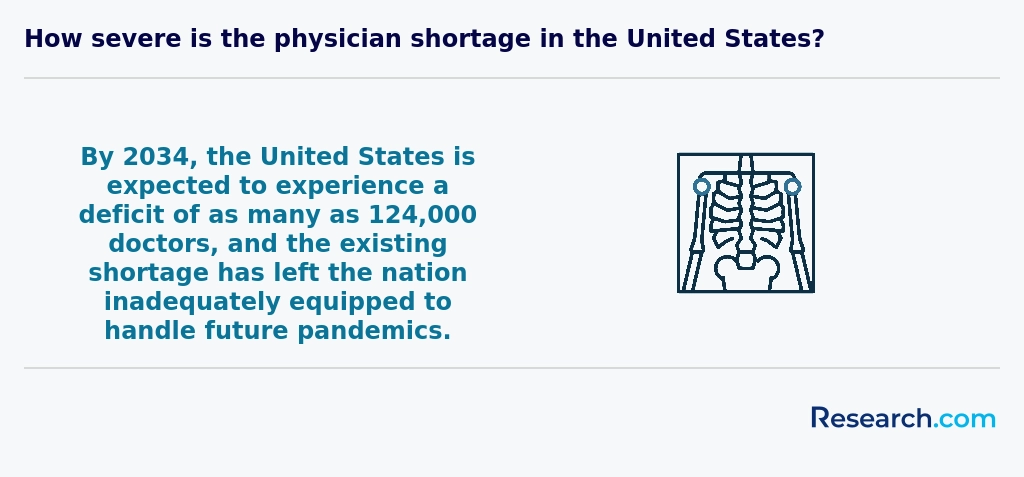
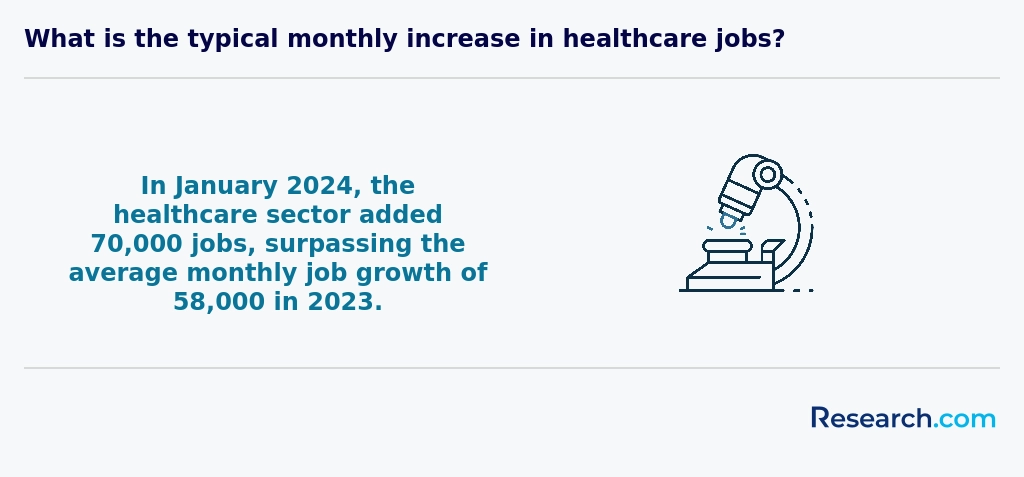
- Job growth in healthcare fields is steady, with strong demand in nursing, allied health professions, and healthcare administration supported by local healthcare employers.
How long does it take to complete healthcare degree in Kalamazoo?
Completing a healthcare degree in Kalamazoo depends on your chosen path and commitment level. For example, an associate degree at Kalamazoo Valley Community College typically takes about two years of full-time study. Many graduates share how this program's focused, hands-on approach helped them start healthcare jobs quickly, making it a practical choice for those eager to enter the field fast.
Opting for a bachelor's degree at Western Michigan University usually requires four years. Graduates often mention feeling well-prepared for registered nursing licensure or public health roles after completing their BSN or health sciences degree, appreciating the balance of theory and clinical practice offered.
If aiming higher, pursuing a master's degree to become a nurse practitioner or physician assistant involves two to three additional years beyond a bachelor's. Many students value the in-depth clinical experience and expertise gained at WMU's Graduate College, which builds confidence for advanced roles.
Doctoral programs, such as physical therapy, can take three to six years post-bachelor's, demanding dedication but leading to rewarding careers. Part-time or online options extend timelines but offer flexibility, a common route for working professionals in Kalamazoo balancing studies and life.
Return on Investment: Evaluating the Long-Term Value of Affordable Healthcare Degrees
Investing in a healthcare degree goes beyond low tuition-it’s about long-term career satisfaction and financial security. Graduates from affordable programs in Kalamazoo not only enjoy reduced upfront costs but also benefit from strong job placement rates, competitive salaries, and accelerated career advancement. Evaluating the return on investment (ROI) involves considering factors such as alumni success stories, employment statistics, scholarship availability, and long-term earning potential. For example, many students have leveraged their cost-effective education to secure positions that lead to rapid professional growth, making these programs highly attractive to those seeking both academic and financial rewards. Moreover, prospective applicants can compare various options, such as the cheapest healthcare schools in michigan, to identify institutions that uniquely balance affordability with robust career opportunities. This comprehensive approach ensures that students make informed decisions, aligning their educational investment with future success. By weighing factors like starting salaries, job market trends, and the quality of hands-on training, applicants can confidently choose programs that guarantee exceptional ROI in a competitive healthcare landscape.
What's the difference between online and on-campus healthcare degree?
In Kalamazoo, choosing between online and on-campus healthcare degrees often hinges on your daily routine and learning preferences. Graduates from Western Michigan University recall the value of in-person clinical rotations, which provided hands-on experience and stronger connections with local healthcare professionals. These face-to-face sessions help solidify practical skills essential for immediate application in real-world settings.
Meanwhile, students opting for online programs appreciate the flexibility to study around work or family commitments. They engage with video lectures and virtual simulations but still complete required clinical hours at approved Kalamazoo medical facilities. This hybrid model combines convenience without sacrificing essential hands-on training.
Cost factors also play a role; while tuition may be similar, online study reduces expenses like commuting and housing. Accreditation from bodies like CCNE ensures both formats meet professional standards. Understanding these differences helps you align your education path with your lifestyle and career goals in Kalamazoo's healthcare field.
Licensure, Certification, and Career Advancement
Graduates in healthcare must navigate the essential steps of acquiring proper licensure and certifications to successfully transition into the workforce. It is crucial for students to understand that in addition to earning a degree, many healthcare roles require passing state or national exams and meeting continuing education standards. For instance, nursing graduates in Kalamazoo, MI, often prepare for the NCLEX-RN, while allied health professionals may need certification through bodies such as the National Board of Medical Examiners. This section provides an overview of the common licensing processes, continuing education requirements, and strategies for advancing your career after graduation. Key elements to consider include: • Certification Requirements: Understand the specific exams and credentials needed for your chosen career path. Verify which certifications are recognized in Michigan and check for any renewal or continuing education mandates. • State Licensing: Each healthcare discipline has its own licensing board. Familiarize yourself with the application processes, deadlines, and fees imposed by local and state regulatory authorities. • Continuing Education: Staying current with evolving medical technologies and best practices is essential. Many institutions offer flexible online programs, such as a list of affordable masters degrees in biotechnology online, to help professionals build on their foundation while meeting professional standards. • Career Advancement: Beyond initial certification, pursuing advanced certifications or specialized training can open doors to leadership positions and specialized clinical roles. Networking with professionals and participating in industry conferences further enhances career prospects. By taking these steps, graduates not only solidify their professional standing but also contribute to the overall integrity and innovation of the healthcare field in Kalamazoo, ensuring long-term career satisfaction and community impact.
What is the average cost of healthcare degree in Kalamazoo?
The average cost of a healthcare degree in Kalamazoo typically aligns with local data showing a median in-state total cost of about $15,252, while out-of-state students may face costs near $32,336. For instance, graduates from Western Michigan University, the area's foremost public institution, often report managing tuition near this range. They highlight the value of the education and hands-on clinical experiences in nursing, public health, or allied health sciences as well worth the investment, especially when balanced against moderate living expenses in Kalamazoo.
Understanding the affordable healthcare degree programs Kalamazoo offers involves accounting for more than just tuition. Many students budget an additional $1,000 to $2,000 annually for textbooks and specialized supplies, plus variable clinical fees that can add several hundred dollars, depending on the program. For graduate students, costs typically increase but remain competitive, with some programs including important practical training components essential to career readiness.
Graduates emphasize the necessity of exploring all available financial support options to reduce costs. Federal aid, state scholarships, and employer tuition assistance can significantly ease the financial burden. Those interested in nursing especially benefit from consulting local data and national nursing profession statistics to identify scholarships and support. Staying informed about these resources helps make a healthcare education in Kalamazoo attainable and rewarding.

How to Apply to Healthcare Degree Programs in Kalamazoo, MI
Embarking on your journey toward a healthcare degree in Kalamazoo, MI, begins with a clear understanding of the application process and key deadlines. To maximize your chances of acceptance, follow these actionable steps: 1. Research Program Requirements • Confirm minimum GPA, prerequisite courses, and standardized test scores (ACT/SAT or TEAS for nursing). • Review specific documentation requests-transcripts, résumé, and personal statement topics-to tailor your application. 2. Prepare Application Materials • Personal Statement: Highlight your passion for patient care, community service experiences, and career goals. • Letters of Recommendation: Secure 2–3 references from instructors, healthcare supervisors, or mentors who can attest to your academic aptitude and interpersonal skills. • Résumé: Showcase relevant volunteer work, internships, or part-time roles in healthcare settings. 3. Manage Deadlines and Submission Formats • Fall Intake: Applications typically open in October and close between January and March. • Spring Intake: Deadlines often fall between August and September. • Submit online through each institution’s portal; track confirmations to ensure materials are received. 4. Prepare for Interviews and Campus Visits • Some programs (e.g., competitive nursing tracks) require on-campus interviews or group assessments. • Schedule campus tours or virtual open houses to meet faculty, explore labs, and ask current students about their experiences. 5. Explore Financial Aid and Scholarships Early • File the FAFSA by December 1 to be eligible for federal loans and state grants. • Seek program-specific scholarships-many applications close in January. • For graduate applicants seeking cost-effective options, consider our Inexpensive Online Master's in Healthcare Degree Programs Ranking in South Carolina to compare tuition and support services. 6. Follow Up and Confirm Enrollment • After acceptance, pay any required deposit by the deadline (usually April 1 for fall start). • Attend admitted-student events to connect with advisors and finalize course schedules. By systematically gathering materials, adhering to deadlines, and leveraging campus resources, you’ll position yourself for a seamless application experience and a successful start to your healthcare education in Kalamazoo, MI.
What financial aid is available to healthcare degree students in Kalamazoo?
If you're pursuing a healthcare degree in Kalamazoo, start by completing the FAFSA to unlock federal aid options like the Pell Grant, which can cover up to $7,395 annually without repayment. Many graduates from Kalamazoo Valley Community College relied on this to ease tuition costs while focusing on nursing courses.
Federal loans are also available, offering lower interest rates and flexible repayment plans-ideal for students balancing studies and part-time healthcare jobs. One recent graduate shared how subsidized loans helped bridge cost gaps between semesters without overwhelming debt.
Michigan residents can tap into state aid like the Michigan Competitive Scholarship to supplement federal help, especially if you demonstrate financial need and strong academic performance. Kalamazoo students frequently combine this with local scholarships provided by colleges or healthcare employers, reducing out-of-pocket expenses.
For those currently employed in healthcare, employer tuition reimbursement programs offer practical support but usually require a commitment to continue working post-graduation, a trade-off many find rewarding.
Finally, explore scholarships from professional healthcare organizations like the American Nurses Association to add funding sources that recognized graduates often credit for their smooth academic journey.
Living in Kalamazoo: Embracing Campus & Community Life
Kalamazoo, MI offers much more than excellent healthcare programs-it provides a vibrant, supportive community that enriches the overall student experience. Beyond top-tier academics and hands-on training, students find that the city’s friendly atmosphere, affordable living, and active local culture play a significant role in shaping a well-rounded college journey. From neighborhood cafes and local events to community service projects and internships, the blend of academic rigor with everyday opportunities enables healthcare students to forge meaningful connections and build lasting networks. Many local institutions actively collaborate with community organizations, paving the way for valuable real-world experience and streamlined job placements after graduation. Additionally, while researching cost-effective educational options, students can discover the benefits of enrolling in one of the cheapest healthcare schools in michigan, where affordability meets quality education. This immersive community environment not only enhances academic success but also instills an enduring sense of belonging and commitment to local healthcare improvements.
What are the prerequisites for enrolling in healthcare degree program in Kalamazoo?
To enroll in a healthcare degree program in Kalamazoo, you first need a high school diploma or equivalent, with completed courses in biology, chemistry, math, and English. Graduates from Kalamazoo Valley Community College often recall how mastering these subjects was key to thriving in nursing and allied health programs. If you're aiming for Western Michigan University, be prepared for their possible SAT or ACT requirements, unlike many community colleges where these tests are less common.
Maintaining a GPA between 2.5 and 3.0 is generally expected; this ensures you're ready for the academic challenges ahead. Some programs ask for letters of recommendation or personal statements-graduates mention these reveal your passion for healthcare, which interviewers appreciate. Expect interviews, background checks, and immunization proofs since hands-on clinical work demands safety and trust.
Additionally, gaining healthcare experience, like volunteering, can boost your application. While not always mandatory, many students find it gave them confidence and a practical edge once classes started.
Return on Investment for Healthcare Degrees in Kalamazoo, MI
Investing in a healthcare degree in Kalamazoo is more than an upfront cost-it’s a strategic decision with measurable returns over time. On average, graduates report a total educational investment of $80,000 for a bachelor’s degree, including tuition, fees, and living expenses. With entry-level salaries ranging from $41,260 for Health Information Technicians to $55,860 for Patient Care Technicians, many students recoup their initial outlay within 2–3 years of full-time employment. Leveraging financial aid and strategically choosing programs with lower net prices can accelerate payback. For example, pairing an associate degree pathway with targeted certifications can reduce debt while boosting early earnings. Prospective students interested in quick ROI often explore most affordable online medical assistant programs, which offer flexible schedules, minimal living expenses, and certificate-to-career pipelines. When comparing program costs and projected salaries, consider: • Average debt per graduate vs. median starting salary • Employment rates within six months of graduation • Availability of loan forgiveness or employer-sponsored repayment plans By analyzing these metrics, students can prioritize programs that deliver the highest long-term value, ensuring that their investment yields both a rewarding career and a sustainable financial future.
What courses are typically in healthcare degree programs in Kalamazoo?
Healthcare degrees in Kalamazoo include core courses like anatomy and physiology, essential for understanding the human body in detail. Graduates often recall how mastering these subjects early on built their confidence when facing clinical scenarios, especially at local institutions like Western Michigan University. Microbiology and medical terminology classes also feature prominently, allowing students to communicate effectively with healthcare teams during externships at facilities such as Bronson Healthcare.
Pharmacology courses teach medication principles, which students find invaluable when collaborating with pharmacists during hands-on training. Ethics and healthcare law classes prepare students to handle real-life moral dilemmas thoughtfully, a frequent topic during clinical rotations. Many programs incorporate healthcare statistics and research methods, equipping learners to interpret data critically and contribute to evidence-based care.
Courses in healthcare management and informatics reflect the growing need for staff skilled in technology and systems management. Kalamazoo students appreciate how these classes link academic theory with practical skills needed to excel in today's healthcare landscape.
What types of specializations are available in healthcare degree programs in Kalamazoo?
In Kalamazoo, healthcare degree specializations offer practical training aligned with local healthcare systems like Bronson Healthcare. Students often choose from nursing programs that range from Licensed Practical Nurse (LPN) to Registered Nurse (RN) and advance to Nurse Practitioner (NP) levels. Graduates from these programs consistently highlight their confidence in clinical skills, developed through hands-on experiences at well-regarded local colleges.
Other popular paths include Health Information Management, which equips students to handle electronic patient records and IT systems-skills in growing demand as Kalamazoo healthcare career options expand. Many graduates find this blend of healthcare and technology rewarding and future-proof.
Programs like Medical Laboratory Technology appeal to students interested in lab-based diagnostics, a field essential to patient care and research. Public Health degrees focus on community wellness and preventive care strategies, preparing students to impact regional health outcomes directly. Physical Therapy Assistant tracks train students to support rehabilitation therapists addressing the area's increasing needs.
For those exploring nursing, a nursing financial assessment can clarify costs and options to fit personal budgets in Kalamazoo's public colleges.
How do you choose the best healthcare degree in Kalamazoo?
Focus first on the type of healthcare role you want in Kalamazoo-clinical or non-clinical. Many graduates from Western Michigan University and Kalamazoo Valley Community College have found success by choosing nursing or allied health programs that match their career goals. For example, nursing students appreciate programs that offer flexible pathways from associate to bachelor degrees, allowing steady career growth. Those pursuing affordable healthcare degree programs Kalamazoo often find community colleges appealing due to their lower tuition, sometimes under $5,000 annually, making it easier to manage finances while gaining essential skills.
Next, verify the program's accreditation. Graduates recommend selecting programs accredited by bodies like the Commission on Collegiate Nursing Education, as this impacts licensure and local hiring by employers such as Bronson Methodist Hospital. Hands-on clinical experience is critical; many Kalamazoo programs secure internships at local hospitals, boosting confidence and employability. Additionally, checking graduation and job placement rates provides insight into a program's effectiveness.
Consider also exploring specialized options, like the direct entry msn program curriculum, which some successful graduates have utilized to quickly advance their healthcare careers.
What career paths are available for healthcare degree students in Kalamazoo?
Graduates with healthcare degrees in Kalamazoo find a broad range of healthcare career opportunities in Kalamazoo thanks to strong local employers like Bronson Healthcare and Ascension Borgess. For example, many nursing graduates from Western Michigan University secure positions as Registered Nurses, a profession known for solid wages and rapid job growth. Others enter roles as Medical Laboratory Technicians, supporting vital diagnostics in expanding hospital labs.
Those interested in administrative work often pursue healthcare administration careers, managing hospital operations or compliance. This pathway suits graduates who enjoy leadership roles and prefer a blend of healthcare and business. Additionally, programs at local institutions prepare students for roles such as Physical Therapist Assistants, responding to Michigan's aging population with rewarding rehabilitation careers.
Public Health Specialists represent another practical option, working closely with community programs and organizations like Kalamazoo County Health & Community Services. Graduates often feel fulfilled by making a real impact on regional health outcomes. For students focused on quicker workforce entry, exploring nursing degrees fort worth programs or certificates can also be a pragmatic approach to jumpstart their careers.

What is the job market for healthcare degree in Kalamazoo?
The healthcare job opportunities in Kalamazoo are promising for graduates from local institutions like Western Michigan University, where many find hands-on clinical placements with employers such as Bronson Healthcare. Graduates often describe their internship experiences as pivotal, leading directly to full-time positions in nursing, allied health, and healthcare administration. Registered nurses and licensed practical nurses are especially in demand, earning competitive salaries of approximately $65,000 to $70,000 annually, making the local job market both stable and rewarding.
Kalamazoo healthcare degree employment outlook also benefits from the city's investment in healthcare education and research. Many allied health students secure roles in expanding hospital services, while healthcare administration graduates find meaningful positions managing health programs. The tuition costs at Michigan public universities are reasonable, improving the return on investment for many students. For those interested in mental health careers, exploring pathways like West Virginia mental health programs can offer additional perspectives and opportunities.
Frequently Asked Questions About healthcare
Healthcare degree students in Kalamazoo can maximize their learning by engaging deeply with local clinical opportunities. Kalamazoo's healthcare sector, including the nationally recognized Bronson Healthcare and Ascension Borgess, offers numerous internship and practicum placements, providing real-world experience critical to student success. Research shows hands-on learning significantly improves graduate employability in healthcare fields.
Students should also take advantage of partnerships between Western Michigan University and local healthcare providers, which facilitate access to advanced simulation labs and interdisciplinary collaboration. Networking with local professionals through workshops and community events enhances understanding of current healthcare challenges in the region.
Finally, staying informed about state licensure requirements and certifications ensures students align their education with career goals in Michigan's healthcare market.
The healthcare field in Kalamazoo is rapidly evolving with several emerging niches attracting new professionals. One significant area is telehealth, which expanded by over 50% nationally since 2020, driven by technological advances and increased patient demand. This growth is mirrored locally, as Kalamazoo healthcare providers invest in virtual care services.
Another promising niche is healthcare data analytics. With Kalamazoo's growing network of hospitals and clinics, professionals skilled in interpreting complex health data are essential for improving patient outcomes. According to the Michigan Department of Labor, jobs in health informatics are expected to grow by 20% through 2028.
Additionally, specialized roles in geriatric care are increasing, reflecting Kalamazoo's aging population trends noted by the U.S. Census Bureau. This creates new opportunities for those pursuing degrees focused on elderly care and chronic disease management.
After completing a healthcare degree in Kalamazoo, preparing for the job market involves targeted steps to enhance employability. First, gaining hands-on experience through local internships or clinical rotations is critical. Kalamazoo offers several healthcare facilities such as Bronson Healthcare and Ascension Borgess, which are known to provide practical training opportunities.
Networking is also essential: attending job fairs and joining professional organizations like the Michigan Health & Hospital Association connects graduates with employers. According to the Bureau of Labor Statistics, healthcare occupations in Michigan are projected to grow by 10% through 2030, reflecting strong demand.
Additionally, obtaining necessary certifications and licenses for specific healthcare roles will improve job prospects. Many local employers value candidates with both educational credentials and relevant certifications.
Employers in Kalamazoo seek healthcare degree graduates with a blend of technical and interpersonal skills. Strong clinical knowledge and proficiency in patient care remain essential, aligning with standards set by institutions like Kalamazoo Valley Community College. Additionally, communication skills are highly valued, as effective interaction with patients and medical teams improves healthcare outcomes.
Data from the Michigan Department of Labor highlights a growing demand for adaptability and problem-solving abilities due to evolving healthcare technologies. Familiarity with electronic health records (EHR) systems is increasingly important in local healthcare settings such as Bronson Healthcare.
Empathy and ethical decision-making also rank highly, reflecting Kalamazoo's emphasis on patient-centered care.
Finding internships relevant to a healthcare degree in Kalamazoo involves strategic use of local resources and networking. Kalamazoo is home to major healthcare employers such as Bronson Healthcare and Borgess Health, which frequently offer internship opportunities for students seeking practical experience. According to the Kalamazoo Regional Educational Service Agency, these internships often align with fields like nursing, medical technology, and healthcare administration.
Students should also consult with career services at local institutions like Western Michigan University, which maintains partnerships with area hospitals and clinics. Utilizing online job boards specific to Kalamazoo healthcare, such as the Michigan Healthcare Careers portal, can help identify current openings.
Additionally, professional organizations like the Kalamazoo Healthcare Council provide networking events and internship listings valuable for students. Early application and proactive outreach increase chances of securing competitive positions in the region's healthcare sector.
Obtaining a healthcare degree in Kalamazoo significantly enhances career mobility and opportunities for advancement. The city hosts a robust healthcare sector, including major employers such as Bronson Healthcare and Borgess Health, which actively seek qualified professionals. According to the U.S. Bureau of Labor Statistics, healthcare jobs in Michigan are projected to grow by 14% through 2030, supporting increased demand locally.
Graduates with healthcare degrees often qualify for higher-paying roles with better benefits. Certifications and advanced degrees further allow professionals to move into leadership or specialized positions. Local educational institutions collaborate with healthcare providers, offering clinical experiences that improve employability.
Overall, a healthcare degree in Kalamazoo provides a stable foundation for upward career movement within a thriving regional industry.
Studying for a healthcare degree in Kalamazoo provides a strong foundation for interdisciplinary roles due to the region's integrated educational and clinical environment. Local institutions, such as Western Michigan University, emphasize collaborative learning that combines nursing, public health, and allied health sciences. This approach reflects Kalamazoo's healthcare ecosystem, which includes major hospitals like Bronson Healthcare and Ascension Borgess, fostering real-world teamwork experiences.
Students benefit from community-based projects and clinical rotations that encourage cooperation among different health disciplines. These experiences prepare graduates for roles requiring effective communication, coordination, and understanding of diverse healthcare perspectives. According to the Kalamazoo County Public Health Department, interdisciplinary skills are increasingly vital in addressing complex patient needs and improving outcomes locally.
Choosing between a thesis and a non-thesis healthcare degree program in Kalamazoo depends on your career goals and time commitment. Thesis programs typically involve conducting research and writing a substantial paper, ideal for students aiming for academic or research careers. Non-thesis options usually focus on practical skills and coursework, suited for those pursuing immediate professional roles.
In Kalamazoo, healthcare employment is projected to grow by 15% through 2030, according to the Michigan Bureau of Labor Market Information. This demand favors skills-based training, which non-thesis programs emphasize. However, local institutions like Western Michigan University often offer thesis tracks for those interested in research.
Consider your workload, professional objectives, and interest in research before deciding.
Students in Kalamazoo seeking healthcare degrees have increasing opportunities to study abroad through partnerships facilitated by local institutions like Western Michigan University. WMU offers exchange programs and study abroad options in healthcare-related fields, allowing students to gain international clinical experience. Typically, these programs last from a few weeks to a full academic semester and may include countries with advanced healthcare systems, such as the United Kingdom or Canada. According to the Institute of International Education, participation in study abroad for healthcare students has grown by 10% annually, reflecting rising interest in global health perspectives. Credits earned often transfer back for degree completion.
Affordability remains a key consideration. Kalamazoo students can access scholarships and financial aid to support study abroad, often through university grants earmarked for health sciences majors. Additionally, program costs vary widely, so students should consult advisors to assess expenses including travel, housing, and insurance. With Kalamazoo's strong healthcare sector employing over 15,000 professionals, international experience is valued for advancing careers and expanding cultural competence in medical practice.
Students pursuing healthcare degrees in Kalamazoo can benefit from various part-time job opportunities that enhance both skills and résumés. Local hospitals, such as Bronson Healthcare and Ascension Borgess, often hire patient transporters, medical assistants, or unit clerks, positions offering practical exposure to clinical environments. According to the Michigan Department of Labor, healthcare support roles in Kalamazoo have grown by 8% over recent years, reflecting increasing demand. Additionally, administrative roles within healthcare facilities provide knowledge of healthcare systems and improve organizational skills. Volunteering or internships at community health centers can further complement formal education by fostering patient communication and care experience in real-world settings.
Healthcare students in Kalamazoo benefit from strong local networking opportunities due to the city's well-established medical community. Western Michigan University's Bronson School of Nursing and Kalamazoo Valley Community College both offer connections through clinical placements and internships at prominent healthcare providers like Bronson Healthcare and Ascension Borgess.
Students can engage with professional organizations such as the Kalamazoo Medical Society and local chapters of national groups like the American Nurses Association. These groups frequently host events, seminars, and workshops that facilitate direct interaction with healthcare professionals and potential employers.
Additionally, Kalamazoo's healthcare sector employs over 25,000 workers, making it one of the largest employment sectors locally, according to the Kalamazoo Regional Chamber of Commerce. This vibrant job market supports strong networking prospects for students planning their careers in healthcare fields.
Alumni networks play a vital role for healthcare degree students in Kalamazoo, providing strong professional connections. Graduates often access local healthcare employers through these networks, increasing job opportunities in a competitive market. For example, Kalamazoo's healthcare sector includes major providers like Bronson Healthcare and Ascension Borgess, which frequently engage with alumni for recruitment.
Networking events and mentorship programs facilitated by alumni help students gain practical insights and career advice. According to the National Association of Colleges and Employers, 85% of jobs are filled through networking, highlighting the importance of active alumni communities.
In Kalamazoo, connected graduates also share information about internships and specialized certifications relevant to the region's healthcare needs, enhancing students' practical skills and employability.
Customizing a healthcare degree in Kalamazoo involves selecting programs and specializations aligned with your career goals. Many local institutions offer flexible curriculum options, including electives in fields such as public health, nursing, or healthcare administration. For example, Kalamazoo Valley Community College allows students to tailor coursework to match industry demands.
Internships and practicums with local healthcare providers, like Bronson Healthcare, provide hands-on experience crucial for career readiness. Kalamazoo's healthcare sector shows steady job growth, with the Bureau of Labor Statistics projecting a 16% increase in healthcare occupations nationally through 2030.
Advisors often help students choose certifications or dual-degree options to enhance employability in competitive fields.
Healthcare students in Kalamazoo often face several notable challenges during their studies. One common issue is balancing rigorous coursework with clinical practice hours, which are required to gain practical experience. According to the Michigan Department of Health and Human Services, clinical placements can be limited locally, leading to competition among students for available slots.
Financial strain is another frequent challenge. Students frequently manage tuition costs, which average around $10,000 per year at local institutions, alongside living expenses. Limited affordable housing options in Kalamazoo compound this burden.
Additionally, keeping up with rapid advancements in healthcare technology and evolving regulations demands continuous learning outside the classroom, requiring strong time management skills.
With a healthcare degree in Kalamazoo, students can pursue various professional certifications that enhance their career opportunities. Common certifications include Certified Nursing Assistant (CNA), Registered Nurse (RN), and Certified Medical Assistant (CMA), which are widely recognized across Michigan.
Other certifications such as Pharmacy Technician Certification and Emergency Medical Technician (EMT) credentials are also attainable with relevant healthcare education. These certifications require passing standardized exams and meeting state-specific requirements.
According to the Michigan Department of Health and Human Services, Kalamazoo County shows steady growth in healthcare employment, making certifications valuable for local job placement and salary advancement.
To write a winning application for a healthcare program in Kalamazoo, start with a clear, well-organized personal statement that highlights your passion for healthcare and your commitment to serving diverse communities. Programs in Kalamazoo often value applicants with hands-on experience, so include any relevant volunteer work or internships.
Pay attention to academic requirements; many local schools require a minimum GPA around 3.0. Also, request strong letters of recommendation from professionals familiar with your skills in healthcare or academics.
Finally, tailor your application to reflect knowledge of Kalamazoo's healthcare environment, such as referencing local institutions like Bronson Healthcare or Ascension Borgess.
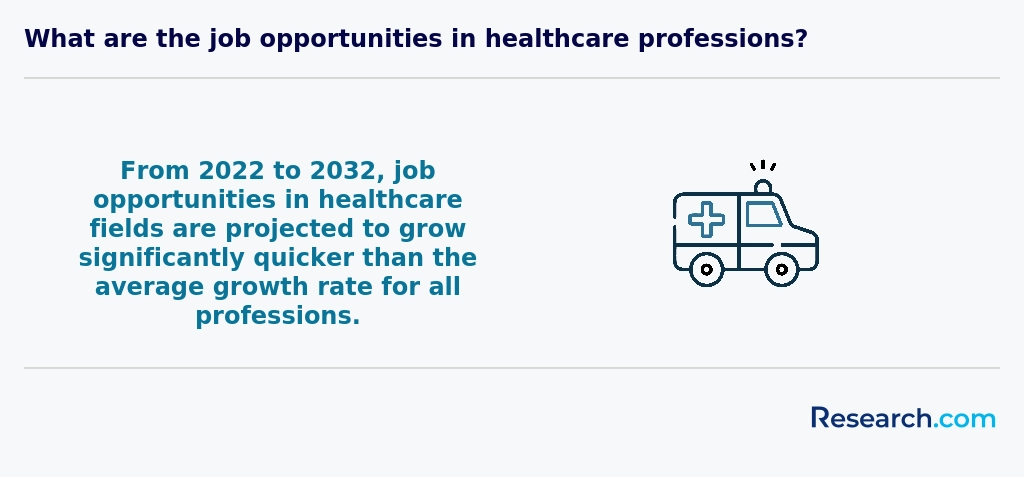
The global outlook on healthcare careers highlights steady growth and vital demand driven by aging populations and advancing medical technologies. In the United States, healthcare occupations are projected to grow 13% from 2021 to 2031, adding about 2 million new jobs, according to the Bureau of Labor Statistics.
For students in Kalamazoo considering healthcare degrees, this trend is encouraging. The local healthcare sector, anchored by major employers like Bronson Healthcare and Ascension Borgess, contributes significantly to the regional economy, offering diverse career opportunities.
Globally, healthcare roles emphasize cultural competence and adaptability, skills increasingly integrated into U.S. programs to prepare graduates for international challenges and collaborations.
Gaining practical experience while studying for a healthcare degree in Kalamazoo is essential to build skills and improve employability. Many Kalamazoo colleges and universities, including Western Michigan University, partner with local hospitals such as Bronson Methodist Hospital and Ascension Borgess Hospital to offer clinical internships and practicum placements. These opportunities enable students to work directly with patients under professional supervision.
Additionally, Kalamazoo's diverse healthcare facilities provide settings for hands-on experiences in nursing, medical assisting, and allied health fields. Students can participate in simulation labs, volunteer programs, or part-time roles to develop critical competencies.
According to the Kalamazoo Regional Educational Service Agency, over 70% of healthcare students secure internships locally, improving their practical skills and job readiness.
Choosing the right concentration within a healthcare degree program in Kalamazoo requires careful consideration of your career goals and local employment trends. The healthcare sector in Kalamazoo is growing, with demand for nurses, medical technologists, and health administrators rising steadily, according to the Kalamazoo Area Chamber of Commerce. Understanding the various specialties, such as nursing, public health, or healthcare management, can help align your studies with job opportunities in the region.
Research local clinical partnerships and internship possibilities offered by colleges in Kalamazoo, as hands-on experience is key. Additionally, review program accreditation and licensure exam pass rates to ensure quality education and professional outcomes.
Related Healthcare Rankings for Nearby Cities
- 2027 Most Affordable Healthcare Degree Programs Ranking in Berrien Springs
- 2027 Most Affordable Healthcare Degree Programs Ranking in Grand Rapids
- 2027 Most Affordable Healthcare Degree Programs Ranking in Notre Dame
- 2027 Most Affordable Healthcare Degree Programs Ranking in South Bend
- 2027 Most Affordable Healthcare Degree Programs Ranking in East Lansing
- 2027 Most Affordable Healthcare Degree Programs Ranking in Adrian
- 2027 Most Affordable Healthcare Degree Programs Ranking in Fort Wayne
- 2027 Most Affordable Healthcare Degree Programs Ranking in Ann Arbor
- 2027 Most Affordable Healthcare Degree Programs Ranking in Mount Pleasant
- 2027 Most Affordable Healthcare Degree Programs Ranking in Chicago
Top Trending Healthcare Rankings
See What Experts Have To Say About Studying Healthcare
Read our interview with Healthcare experts

References
- Employment Opportunities | Kalamazoo County, MI https://www.kalcounty.gov/995/Employment-Opportunities
- The Value of Healthcare Organization Alumni Associations https://consultqd.clevelandclinic.org/the-value-of-healthcare-organization-alumni-associations
- Career Opportunities in Healthcare Without a Medical Degree https://www.just-medical.ch/en/blog/medical-careers-without-formal-education
- Niche Market Opportunities Research Among Healthcare Professionals (A Decision Analyst Case History https://www.decisionanalyst.com/casestudies/nichemarketopportunities/
- Financial Aid https://www.kzooymca.org/membership/financial-aid
- Jobs in Public Health https://www.publichealthcareers.org/jobs/us-mi-kalamazoo/
- 5 Concentrations for a Bachelor’s of Healthcare Administration - Healthcare Administration Degree Programs https://www.healthcare-administration-degree.net/lists/5-concentrations-for-a-bachelors-of-healthcare-administration/
- How to Set and Achieve Career Goals in Health and Social Care | Royal Open College https://royalopencollege.org/blog/health-and-social-care/how-to-set-and-achieve-career-goals/
- Healthcare Assistant Cover Letter Templates | myPerfectCV https://www.myperfectcv.co.uk/cover-letter/examples/healthcare-assistant-cover-letter
- Thesis vs. Non-Thesis Master's Programs: Which is Right for You? https://potomac.edu/thesis-vs-non-thesis-masters/


