2027 Easiest Online Bachelor's in Healthcare Degree Programs Ranking in Pittsburgh, PA

Co-Founder and Chief Data Scientist
Looking to advance your career in healthcare without leaving Pittsburgh? This article introduces the 2027 Easiest Online Bachelor's in Healthcare Degree Programs Ranking in Pittsburgh, PA, crafted by the Research.com team of data scientists. It's designed to help you find programs that fit your lifestyle and goals.
Choosing the right degree program can feel overwhelming, but this ranking simplifies your search by focusing on accessible and quality options. Earning a healthcare degree opens doors to meaningful work and personal growth, making it a smart and rewarding investment.
Key benefits of getting online healthcare degree in Pittsburgh
- Healthcare degree graduates in Pittsburgh can enjoy competitive salaries, such as Medical Assistants earning a mean annual wage of $43,350 and Quality Improvement Coordinators making up to $103,150, offering excellent financial stability.
- Graduates from local schools like the University of Pittsburgh have diverse career paths, including roles as Patient Care Technicians or Health Information Technicians, allowing flexibility and growth in the healthcare field.
- Online healthcare degrees offer convenience and flexibility, letting busy students balance work and studies while still earning respected qualifications from institutions such as Carnegie Mellon University's online programs.
- 2027 Easiest Online Bachelor's in Healthcare Degree Programs Ranking in Pittsburgh, PA
- What can I expect from online healthcare degree in Pittsburgh?
- Where can I work with online healthcare degree in Pittsburgh?
What can I expect from online healthcare degree in Pittsburgh?
The average cost of an online healthcare degree in Pittsburgh typically ranges from $15,000 to $30,000 per year. Graduates from institutions like the University of Pittsburgh often mention how this investment felt manageable when balanced with federal grants and employer tuition assistance. Such financial aid options can significantly reduce the sticker price and ease the burden.
Students pursuing healthcare degrees online in Pittsburgh appreciate that many programs, including those at Carnegie Mellon University, offer asynchronous classes that fit into busy work and family schedules. This flexibility is a game-changer, letting them study theoretical topics like healthcare management and medical ethics at their own pace while gaining practical skills through local clinical placements.
For example, a graduate recalled how virtual labs combined with in-person clinical work at nearby healthcare facilities made learning feel tangible and directly applicable. Being part of a strong healthcare community supported by UPMC adds real-world career prospects that justify the cost and effort involved.
Where can I work with online healthcare degree in Pittsburgh?
Graduates with an online healthcare degree in Pittsburgh often find roles within the city's extensive UPMC system, which offers positions in hospitals, outpatient centers, and research facilities. Many online students from local institutions like the University of Pittsburgh leverage this network for jobs in healthcare administration, patient coordination, or medical coding, gaining practical experience alongside their studies.
Healthcare graduates also secure roles in public health organizations and nonprofits across Allegheny County, managing community health programs that address issues like the opioid crisis. For example, graduates from Carnegie Mellon's healthcare technology initiatives often transition smoothly into research support roles, applying their skills in real-world projects that improve patient outcomes.
Additionally, insurance firms and government agencies focused on health policy frequently hire healthcare degree holders, providing stable career paths outside traditional clinical settings. Familiarity with Pittsburgh's growing healthcare sector, combined with an online degree, empowers graduates to pursue fulfilling, locally based careers with diverse responsibilities and room for advancement.
Graduates with an online healthcare degree in Pittsburgh commonly find entry-level roles like Medical Assistant or Clinical Research Coordinator, earning mean annual wages around $43,350. Those starting as Patient Care Technicians can expect about $60,790 per year, offering a solid foundation in healthcare employment.
For graduates focusing on health information management, roles such as Health Information Technician provide an average annual wage near $43,380. Meanwhile, those aiming for leadership positions should consider Quality Improvement Coordinator roles, which offer salaries averaging $103,150, reflecting the value of experience and specialized skills.
Many students from Pittsburgh-area institutions report that their online degrees paved the way toward these positions swiftly. For example, graduates from local programs appreciate how their education aligns with employers like UPMC or Allegheny Health Network, which recognize online credentials and reward relevant certification with competitive pay.
Stepping into these roles with an understanding of salary expectations helps graduates plan strategically. Pursuing additional certifications or gaining experience increases income potential, offering a clear path to financial growth while contributing meaningfully to Pittsburgh's evolving healthcare community.
- Tuition for online healthcare bachelor's degrees in Pittsburgh ranges from $15,000 to $35,000, offering savings compared to on-campus options.
- Starting salaries for graduates typically range from $50,000 to $60,000 annually, with median earnings rising to $75,000 to $90,000 after 5 to 10 years.
- Healthcare jobs in Pittsburgh are expected to grow by about 12% over the next decade, outpacing the national average.
- Online programs often prepare students for licensure and certification exams and are usually accredited by bodies like the CCNE or ACEHSA.
- Fields available include nursing, health informatics, public health, and healthcare management, often with internship or clinical placement opportunities.
Completing an online healthcare degree in Pittsburgh typically ranges from 2 to 6 years, depending on your program level and enrollment pace. For example, graduates from local schools like the University of Pittsburgh often mention finishing an associate degree in about 2 years or a bachelor's in 4 years when studying full-time.
If you're balancing work or family, many students opt for part-time study, extending the timeline but maintaining flexibility. Some have shared success completing bachelor's degrees in 3 years through accelerated tracks offered by schools such as Duquesne University, which tailor programs to working adults.
Remember, clinical requirements especially in nursing and allied health will add hands-on local hours, affecting total completion time. Students appreciate that these practical components can be arranged nearby, avoiding relocation and easing the process.
Ultimately, your own schedule, program choice, and clinical placements will shape how quickly you graduate-planning ahead with your desired Pittsburgh institution's advisors helps you realistically map out your timeline.
Graduates with an online Bachelor’s in Healthcare degree in Pittsburgh, PA, have a wide range of dynamic career paths to explore. This section outlines the common professional routes, emphasizing both technical skills and soft skills that local employers highly value: • Patient Care Technician – In this role, you'll work directly with patients, applying your clinical skills in hospital settings like UPMC or Allegheny Health Network. Graduates report hands-on experience during simulations and internships that boost confidence in real-world care delivery. • Health Information Technician – Focus on managing patient data and tech-driven healthcare solutions. With rigorous training in data security and electronic health record systems, this path offers growth in health informatics and administrative support. • Healthcare Administration – For those interested in leadership, a role in healthcare management allows you to oversee operations, manage budgets, and coordinate quality control efforts. Many graduates find that the combination of flexible online coursework and real-time mentorship prepares them for these complex responsibilities. • Health Informatics and Technology – As healthcare increasingly integrates advanced technology, specializing in informatics helps bridge the gap between clinical care and IT. Graduates are well-equipped to design digital solutions that improve patient care and streamline information management. • Public Health and Policy – This path focuses on community health initiatives, disease prevention, and shaping health policy. If you’re passionate about driving systemic change and promoting wellness on a broader scale, this career path provides ample opportunities for advocacy and leadership. Each career path benefits from Pittsburgh’s strong network of healthcare institutions and a supportive local community. By choosing a specialization that aligns with your strengths and career aspirations, you can leverage the comprehensive, data-driven approach of your online degree while positioning yourself at the forefront of the evolving healthcare landscape.
Choosing between online and on-campus healthcare degrees in Pittsburgh depends largely on your lifestyle and learning preferences. Online programs offer the freedom to study anytime, which works well if you juggle a job or family commitments. Graduates from online healthcare courses appreciate being able to complete coursework around their schedules, especially when attending schools that allow remote learning options. For example, those enrolled in online nursing courses from Pittsburgh-based colleges enjoyed the ability to continue working while advancing their education.
In contrast, on-campus programs at institutions like the University of Pittsburgh provide hands-on experience through local hospital partnerships and clinical rotations. Graduates often highlight the value of in-person labs and direct faculty support, which help build confidence in practical skills. However, attending classes in person means balancing commute times and higher overall expenses.
Many online students in Pittsburgh coordinate clinical hours independently, requiring more self-direction but offering geographic flexibility. Weigh the benefits of personal interaction against the convenience of learning from home to align your education path with your career goals and daily realities.
After completing your online healthcare degree in Pittsburgh, obtaining professional certification and, where applicable, state licensure is crucial to validate your expertise and enhance your career prospects. Many graduates in health information and administration pursue credentials such as Certified Professional Coder (CPC), Certified Medical Billing Specialist (CMBS), or Registered Health Information Technician (RHIT). To gain specialized skills in revenue cycle management and coding accuracy, consider exploring accredited medical billing and coding online certificate programs, which are designed to align with industry standards and exam prerequisites. In Pennsylvania, certain roles-like health information managers-must also meet state licensure requirements; candidates should consult the Pennsylvania Department of State for the latest guidelines. Key certification pathways include: • Certified Professional Coder (CPC) – AAPC’s flagship credential, ideal for positions in hospitals, physician offices, and outpatient facilities. • Registered Health Information Technician (RHIT) – AHIMA’s credential for expertise in data integrity, electronic health records, and compliance. • Certified Healthcare Business Management (CHBM) – Focused on leadership skills, financial management, and healthcare regulations for administrative roles. For licensure, Registered Nurses (RNs) must pass the NCLEX-RN and apply through the Pennsylvania State Board of Nursing, while allied health professionals follow similar national exam and state application processes. Healthcare administrators may also pursue the Certified Healthcare Administrator (CHA) designation to demonstrate proficiency in ethics, regulatory compliance, and operational leadership. Integrating these certifications and licenses into your career plan not only meets employer expectations but also unlocks higher salary brackets and leadership opportunities within Pittsburgh’s dynamic healthcare landscape.
The average cost of an online healthcare degree in Pittsburgh typically centers around $68,000 for the entire program. Graduates from well-known local institutions often report tuition costs in this range, reflecting the balance between quality education and investment. For a student looking into affordable online healthcare bachelor's programs Pittsburgh PA offers options mainly through public universities, where in-state tuition tends to be significantly lower than out-of-state rates.
Many students appreciate that public universities in Pittsburgh provide competitive tuition rates of roughly $590 to $700 per credit for residents, which helps keep total expenses closer to their budget. Those pursuing private university programs should anticipate higher costs, sometimes exceeding $60,000, but financial aid and scholarships can ease this load.
Consider a graduate's perspective who managed to navigate these costs by tapping into available financial support and choosing programs that fit within their pace and budget, often favoring online courses to juggle work and study. When you're researching options, it's essential to factor in additional fees such as technology and course materials, which can add to the overall price.
For those seeking quicker pathways, exploring healthcare certificate programs could be a practical step. Balancing these financial elements with careful school selection is smart planning for anyone interested in the average cost of online healthcare degree Pittsburgh education.
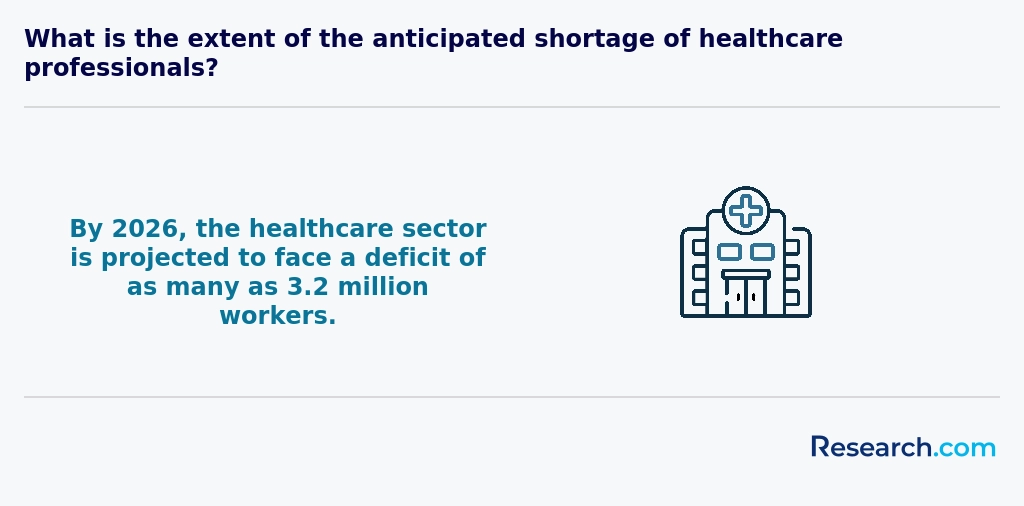
With an online Healthcare degree in Pittsburgh, PA, graduates are poised to explore a range of career trajectories beyond entry-level positions. In addition to roles such as Patient Care Technician and Health Information Technician, a robust digital education opens doors to opportunities in healthcare management, telehealth administration, clinical research coordination, and health informatics. Employers highly value candidates who blend technical expertise with empathetic communication and strategic thinking, enabling many graduates to advance into roles like Healthcare Administrator, Medical Office Manager, or Health Data Analyst. These diverse career paths are supported by dedicated career services provided by leading Pittsburgh institutions, which include personalized counseling, mentorship programs, and networking events with industry professionals. As graduates gain experience and pursue specialized certifications, their professional growth often transitions from hands-on clinical roles to managerial and strategic positions. This dynamic career progression not only enhances job stability but also positions graduates at the forefront of innovative healthcare solutions, meeting the demand for a workforce equipped to navigate both technological advancements and patient-centered care. Embracing an online Healthcare degree means investing in a future where continuous learning and career advancement are integral to professional success. Whether your passion lies in direct patient interaction, administrative leadership, or integrating cutting-edge health technologies, the supportive ecosystem in Pittsburgh’s healthcare landscape helps you build a fulfilling career with long-term growth potential.
Students pursuing online healthcare degrees in Pittsburgh can tap into various financial aid sources to ease tuition costs. The first essential step is completing the Free Application for Federal Student Aid (FAFSA), unlocking eligibility for federal Pell Grants-offering up to $7,395 annually without repayment-and Federal Direct Loans with low-interest rates. Many graduates from the University of Pittsburgh's online healthcare programs recall how these grants made their studies financially manageable.
Local institutions like Duquesne University often provide targeted scholarships for healthcare students, which can be merit- or need-based, or designed for veterans and minority groups. Several graduates share how these scholarships, combined with employer tuition assistance programs common in Pittsburgh's medical centers, helped fund their education while they continued working.
Additionally, Pennsylvania's State Grant provides valuable need-based aid to residents attending approved programs, reducing out-of-pocket expenses significantly. Finally, don't overlook tax benefits such as the Lifetime Learning Credit, which can offset education costs on federal taxes, further enhancing affordability for Pittsburgh students balancing work and study.
A robust online healthcare bachelor’s program in Pittsburgh combines foundational theory, specialized skills development, and practical application to prepare you for diverse roles in the healthcare field. Typical coursework is organized into three tiers-general education, core healthcare courses, and elective specializations-ensuring you build a well-rounded academic portfolio while tailoring your studies to your career goals. General Education Requirements • English Composition and Communication – Develop written and verbal skills essential for patient interaction and professional documentation. • Statistics and Research Methods – Gain proficiency in data analysis, critical for evidence-based practice and quality improvement initiatives. • Psychology or Sociology – Understand human behavior and social determinants of health to enhance patient care. Core Healthcare Courses • Anatomy & Physiology – Explore body systems, functions, and common pathologies to establish a clinical knowledge base. • Medical Terminology – Master the language of healthcare to improve accuracy in charting and interdisciplinary collaboration. • Healthcare Ethics & Law – Examine ethical dilemmas, patient rights, and regulatory frameworks governing clinical practice. • Health Information Systems – Learn electronic health record management, data security protocols, and interoperability standards. • Foundations of Public Health – Study population health, epidemiology, and prevention strategies that form the backbone of community health initiatives. Elective Specializations • Health Informatics – Dive deeper into data analytics, informatics project management, and emerging technologies such as telehealth. • Healthcare Administration – Focus on budgeting, staffing, strategic planning, and performance measurement in clinical settings. • Quality Improvement & Patient Safety – Learn Six Sigma methodologies, root cause analysis, and risk management to drive operational excellence. • Community Health Outreach – Design and evaluate health promotion programs targeting vulnerable populations. Capstone Experience or Practicum Most programs culminate in a capstone project or virtual practicum, where you integrate coursework to solve real-world challenges-from designing a patient-safety protocol to implementing a community wellness campaign. This hands-on component not only reinforces learning but also strengthens your résumé. While Pittsburgh’s curriculum emphasizes rigorous core and elective choices, you may also compare program structures and affordability by exploring our Inexpensive Online Healthcare Degree Programs Ranking in Morgantown, WV, which highlights cost-effective course offerings and specialized tracks that mirror those in Pittsburgh. By understanding the curriculum breakdown, you can select a program that aligns with both your professional ambitions and budgetary considerations.
To enroll in an online healthcare degree program in Pittsburgh, you must first have a high school diploma or GED, a basic but crucial step graduates from local universities often highlight as their foundation. Many also needed to submit standardized test scores like the SAT or ACT, though several Pittsburgh colleges now offer test-optional admissions, which eased the path for many students during the pandemic.
Next, completing prerequisite courses in biology, chemistry, and mathematics is essential. For example, students at popular institutions such as the University of Pittsburgh have shared how taking anatomy or medical terminology beforehand boosted their confidence and success in upper-level healthcare classes.
For specialized fields like nursing, expect additional requirements like CPR certification and background checks-practical steps ensuring patient safety and compliance with Pennsylvania's healthcare standards. Many students found that getting these out of the way early allowed them to focus on hands-on clinical hours later without stress.
Finally, submit all required documents such as official transcripts, immunization records, and sometimes letters of recommendation. Graduates recall that thorough preparation of these materials allowed smooth admission and a positive start to their healthcare careers.
While a reputable online bachelor's degree in healthcare lays a strong foundation, many students can take their career development a step further by pursuing specialized certifications and continuing education opportunities. In today's competitive healthcare environment, supplemental credentials not only validate your expertise but also open doors to advanced roles and higher salary potential. For instance, many professionals find that complementing their degree with targeted programs-such as healthcare certificate programs-greatly increases their marketability and practical skill set. These certification courses are designed to keep pace with rapidly evolving technologies and industry best practices. They can cover a range of topics from clinical procedures and patient safety to health informatics and healthcare management. By engaging in continued learning, you're not only staying up-to-date with critical industry trends but also demonstrating a commitment to professional growth that resonates well with potential employers. Moreover, certifications help bridge the gap between academic theory and real-world application. They often involve hands-on training, simulated practice scenarios, and rigorous assessments-all of which provide tangible experience. As you plan your educational journey, consider exploring certification options that align with your interests and career aspirations. This integrated approach to education and ongoing professional development can significantly enhance your ability to thrive in a dynamic healthcare landscape.
Online healthcare degrees in Pittsburgh typically include core courses like anatomy and physiology, which give you a solid understanding of the human body-essential for any healthcare role. Graduates from local universities often mention that mastering medical terminology early on makes clinical communication much easier in real workplace settings.
Healthcare ethics and law courses prepare you to handle complex legal and ethical challenges, a must-have skill for working in Pittsburgh's tightly regulated healthcare environment. Practical administration and management classes teach you how hospitals and clinics operate, covering finance and health information systems, which students frequently apply during internships or virtual simulations.
Public health foundations are common, reflecting Pittsburgh's commitment to urban health and preventive care. Learning epidemiology and disease prevention here feels especially relevant, as many graduates have engaged with community health projects locally. Informatics courses also play a key role, equipping you with digital skills to manage electronic health records, a growing focus in Pittsburgh's healthcare facilities.
Finally, hands-on clinical practice-sometimes through partnerships with nearby hospitals-helps turn theory into real skills. Many graduates recall that these practical experiences made them confident and job-ready in this competitive market.
For students pursuing an online healthcare degree in Pittsburgh, common specializations align with the region's medical strengths. Graduates frequently choose Health Informatics to improve patient care by managing electronic health records and optimizing data use in hospitals like UPMC. Others select Healthcare Management, preparing to lead large hospital systems and coordinate multi-departmental operations across Pittsburgh's healthcare networks. Registered nurses often prefer the Nursing (RN to BSN) option, which supports career advancement without disrupting work schedules. Public Health is another popular focus, addressing community-wide health challenges in a city known for active public health programs. Additionally, a broad Health Sciences specialization offers foundational knowledge suited for further study or varied career paths.
Many students in these healthcare bachelor's programs Pittsburgh PA find that these paths not only meet practical career goals but also enhance employability, especially when paired with certifications. Some even combine their degree with accredited medical billing and coding online certificate programs to broaden their skill set and job opportunities.
Start by verifying the program's accreditation and state authorization in Pennsylvania; graduates from Pittsburgh institutions appreciate how this ensures their degree is respected by local employers and licensure boards. Next, examine the curriculum closely to confirm it matches your career ambitions-whether that's healthcare administration, nursing, or health information technology-as many students find specialized tracks offered by well-known Pittsburgh colleges crucial for standing out.
Next, compare tuition costs carefully, especially if you seek affordable online healthcare degrees Pittsburgh offers, since public universities in the area typically provide in-state discounts. Some graduates recall how balancing expenses with financial aid made the difference in successfully completing their studies. Consider programs with flexible schedules-often asynchronous-to fit work and family needs; this flexibility allowed others to finish clinical requirements locally without excess travel.
Finally, leverage career support services tied to Pittsburgh's healthcare network. Many online learners found internships and job placements through connections with major employers like Allegheny Health Network or UPMC invaluable. For those focused on budgets, it's wise to explore options like the Inexpensive Online Healthcare Degree Programs Ranking in Morgantown, WV as a nearby alternative.
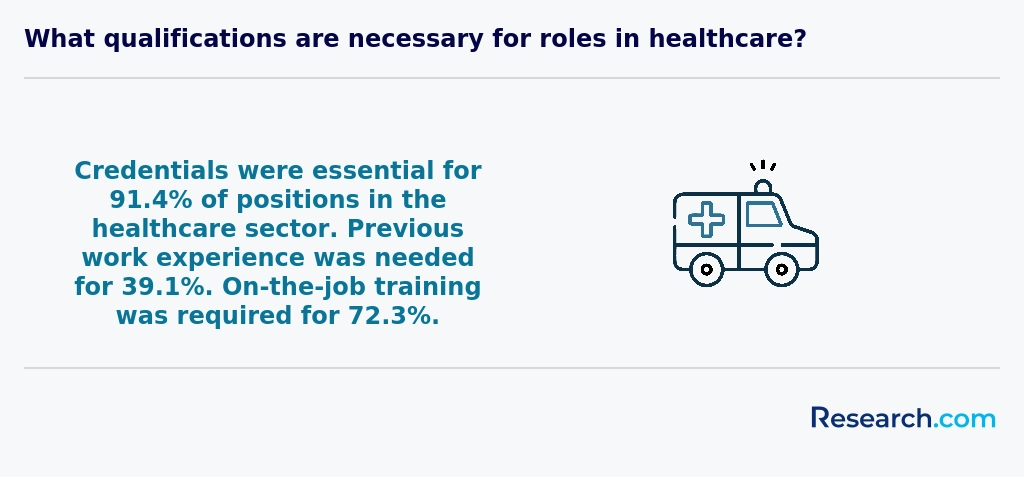
Graduates with an online healthcare degree in Pittsburgh often pursue several practical career paths tailored to the local demand. Many start as Registered Nurses (RN) or Licensed Practical Nurses (LPN), roles highly sought after at major hospitals and outpatient centers in the city. Those interested in technology find opportunities as Health Information Technicians or Medical Records Managers, supporting Pittsburgh's growing health IT infrastructure. Some graduates take on leadership positions as Healthcare Administrators or Managers, overseeing clinics and services linked to institutions like UPMC or Allegheny Health Network.
Community Health Worker or Public Health Educator roles are also popular, enabling graduates to engage directly with Pittsburgh's diverse neighborhoods to promote wellness and disease prevention. Additionally, Physical Therapist Assistants or Occupational Therapy Aides contribute to rehabilitative care, a vital service in the city's active healthcare sector. Many students from local universities balance work and studies by opting for programs known for flexibility and accessible costs.
For those looking to accelerate their entry into the workforce, exploring 6 month certificate programs that lead to high paying careers could be a strategic option. This pragmatic step can enhance job opportunities within the healthcare job opportunities in Pittsburgh PA while gaining valuable credentials quickly.
Online healthcare jobs in Pittsburgh benefit from a strong local healthcare industry anchored by institutions like the University of Pittsburgh Medical Center. Graduates of online programs from popular Pittsburgh colleges often land positions in healthcare administration, nursing, and allied health fields due to the city's consistent demand for skilled workers. Many find entry-level roles accessible, especially in healthcare support occupations where growth is fastest.
Graduates sharing their experiences highlight how flexible online healthcare degree programs allowed them to work while studying, maintaining income and gaining practical skills simultaneously. The median wage sits around $55,000, but specialized roles such as nurse practitioners or healthcare managers can earn over $90,000, reflecting rewarding career potential.
With Pittsburgh's expanding healthcare network, graduates have opportunities in hospitals, outpatient centers, and public health agencies. Fitting your education around work is possible, and some students explore easiest certifications to get that pay well to supplement their qualifications while enhancing job prospects locally.
Understanding the Pittsburgh healthcare degree employment outlook means positioning yourself strategically-select accredited online programs known within the region to improve your chances in this vibrant market.
2027 Easiest Online Bachelor's in Healthcare Degree Programs Ranking in Pittsburgh, PA
Investing in your education is a significant decision that can shape your future, and the Research.com team understands the importance of making informed choices. To assist prospective students in Pittsburgh, PA, we have carefully developed the "2027 Easiest Online Bachelor's in Healthcare Degree Programs Ranking." Our dedication to quality, credibility, and accuracy is evident through the thorough research and analysis we conducted to ensure the reliability of this ranking.
We utilized the following reputable data sources to ensure a comprehensive evaluation of healthcare degree programs:
By exploring this ranking, readers will gain valuable insights into the easiest online healthcare bachelor's programs in Pittsburgh, PA, enabling them to make confident and well-informed decisions about their educational journeys. For more details on our methodology, please visit our Research.com methodology page.


# 4 position
South University
Bachelor of Healthcare Management
Frequently Asked Questions About healthcare
Online healthcare degree students in Pittsburgh can maximize their learning experience by actively engaging with virtual resources and local healthcare networks. Utilizing Pittsburgh's robust medical community, including affiliations with hospitals like UPMC, offers opportunities for internships and practical exposure. Students should leverage online discussion boards and live webinars to connect with peers and professionals, enhancing collaborative learning. Time management is critical, with studies showing that dedicated weekly study blocks improve course completion rates. Accessing Pittsburgh-based healthcare data and case studies adds regional relevance to theoretical knowledge, reinforcing practical skills. Consistent use of academic advising and technical support services further strengthens student success.
The healthcare field is rapidly evolving, creating new career opportunities for graduates of online healthcare degree programs in Pittsburgh. Emerging niches include telehealth, which has grown significantly following the COVID-19 pandemic, offering remote patient care and increasing accessibility. According to the Pennsylvania Department of Health, telemedicine use in the state rose by over 50% between 2019 and 2023.
Another growing area is healthcare data analytics, where professionals analyze patient data to improve treatment outcomes. Pittsburgh's advanced medical research centers, such as the University of Pittsburgh Medical Center, actively recruit experts in health informatics.
Additionally, gerontological care is expanding due to the aging population in the region. Specializing in senior care services is becoming increasingly vital.
After completing an online healthcare degree in Pittsburgh, it is crucial to focus on gaining practical experience to improve job prospects. Internships and clinical placements, often facilitated by your program, provide hands-on skills highly valued by local employers like UPMC and Allegheny Health Network.
Pittsburgh's healthcare industry is among the largest employers in the region, offering diverse opportunities across nursing, health administration, and allied health. According to the Pennsylvania Department of Labor, healthcare occupations in the Pittsburgh metro are projected to grow by 12% through 2030.
Building a professional network is essential. Joining local chapters of national organizations, such as the Pittsburgh chapter of the American Healthcare Association, can help you connect with industry leaders and mentors.
Additionally, obtaining relevant certifications, like the Certified Healthcare Administrator credential, can enhance your resume and meet employer expectations.
Employers in Pittsburgh's healthcare sector prioritize a mix of technical and interpersonal skills when hiring graduates with healthcare degrees. Critical thinking and clinical competence are essential, as these skills ensure graduates can apply medical knowledge effectively. Communication skills rank high, since coordination with patients and interdisciplinary teams is vital in busy Pittsburgh hospitals and clinics.
Data from the Pennsylvania Department of Labor shows a 15% growth in healthcare jobs around Pittsburgh, emphasizing the demand for graduates who are adaptable and technology-literate. Employers also look for strong ethical standards and cultural competence, reflecting Pittsburgh's diverse patient population and commitment to equitable care.
Finding internships in Pittsburgh relevant to healthcare degrees involves starting with local hospitals, clinics, and research centers. Major employers like UPMC Health System and Allegheny Health Network frequently offer internship opportunities for students pursuing healthcare fields. Checking these organizations' career pages or contacting their human resources departments can yield current openings.
Additionally, universities such as the University of Pittsburgh and Duquesne University often facilitate internship placements through their healthcare programs. Utilizing online portals like Handshake or the National Association of Healthcare Quality (NAHQ) can also help discover local internships.
Pittsburgh's strong healthcare sector supports a variety of settings, from patient care to biomedical research, increasing internship availability in areas like nursing, health administration, and public health.
Online healthcare degrees offer significant advantages for career mobility and advancement in Pittsburgh's growing medical sector. The city's robust healthcare industry, with over 75,000 healthcare workers as reported by the Pittsburgh Regional Health Initiative (PRHI), presents diverse opportunities for graduates.
Completing an online degree allows professionals to gain relevant skills while maintaining their current employment. This flexibility supports continuous growth without career interruptions, a key factor in competitive job markets. Online programs accredited by recognized bodies ensure credibility, which Pittsburgh employers highly value.
Graduates with online healthcare degrees often see improved salary prospects and access to leadership roles in major Pittsburgh health systems. According to the U.S. Bureau of Labor Statistics, healthcare occupations in Pennsylvania are projected to grow 14% by 2030, reinforcing steady career advancement potential.
Studying for an online healthcare degree in Pittsburgh equips students with skills designed for diverse, interdisciplinary roles. Programs often emphasize collaboration among medical, social, and technological fields, reflecting the complex nature of modern healthcare.
Pittsburgh's healthcare sector, ranked among the top metropolitan areas for healthcare innovation by the U.S. Bureau of Labor Statistics, offers students access to cutting-edge research and clinical partnerships. This environment fosters cross-disciplinary learning, essential for roles that require coordination between nurses, administrators, and IT specialists.
Additionally, Pittsburgh institutions integrate coursework on healthcare policy, informatics, and ethics, which broadens students' understanding of how different healthcare disciplines intersect in practice and management.
Choosing between a thesis and a non-thesis healthcare degree program in Pittsburgh depends on your career goals and learning preferences. A thesis program emphasizes research, ideal if you plan to pursue advanced degrees or roles in healthcare policy and analysis. According to the National Center for Education Statistics, thesis options often require more time and a significant research project.
Non-thesis programs focus on practical skills and coursework, suited for students aiming for immediate healthcare administration or clinical roles. Pittsburgh's healthcare sector, one of the fastest growing in the region, values both pathways but leans towards non-thesis graduates for many entry-level jobs.
Consider your schedule, desired expertise, and post-degree plans carefully when deciding.
Students based in Pittsburgh seeking to study healthcare abroad through online programs have several practical options. Many US-accredited universities offer fully online healthcare degrees that incorporate international perspectives, allowing learners to gain global healthcare knowledge without leaving Pittsburgh. These programs often include modules on global health systems and policies.
Pittsburgh is home to top medical institutions like the University of Pittsburgh School of Medicine and UPMC, which collaborate internationally and provide exchange opportunities, although those are mostly in-person. For online study abroad, students may explore consortium programs or partnerships between US schools and foreign universities, enabling access to diverse healthcare curricula remotely.
According to the National Center for Education Statistics, about 35% of healthcare-related online degrees focus on global health themes, which can benefit Pittsburgh students aiming to work internationally. Students should verify program accreditation and state licensing requirements to ensure eligibility for licensure in Pennsylvania post-graduation.
In Pittsburgh, part-time job opportunities that align well with healthcare degree studies include roles such as medical assistants, certified nursing assistants (CNAs), and health information technicians. These positions provide hands-on experience and exposure to clinical settings, valuable for students pursuing online healthcare education. According to the U.S. Bureau of Labor Statistics, employment for medical assistants in the Pittsburgh metropolitan area is projected to grow by 16% through 2030, reflecting strong local demand.
Additionally, Pittsburgh's robust healthcare sector, anchored by UPMC and Allegheny Health Network, offers internship and part-time roles in patient support and administrative healthcare functions. These opportunities help students build practical skills, complementing their academic knowledge. Gaining work experience in these roles can improve employability and deepen understanding of healthcare processes in a dynamic city known for medical innovation.
Online healthcare students in Pittsburgh benefit from a variety of networking opportunities despite the virtual nature of their programs. Many local universities collaborate with Pittsburgh's extensive healthcare industry, enabling students to participate in virtual internships, workshops, and conferences. Pittsburgh hosts more than 90 hospitals and healthcare facilities, providing diverse connection points for students.
Organizations like the Allegheny County Medical Society and the Pittsburgh Regional Health Initiative offer events and forums where students can network with healthcare professionals. Additionally, virtual career fairs and online student groups connected to local institutions help maintain strong professional ties.
These connections are crucial for career growth in Pittsburgh's dynamic healthcare sector, which employs over 120,000 people, according to the Pittsburgh Business Times.
Alumni networks offer significant benefits for online healthcare degree students in Pittsburgh by providing essential professional connections. Graduates from Pittsburgh-area institutions often have access to local healthcare employers, such as UPMC Health System, which employs over 90,000 staff, creating opportunities for internships and jobs. These networks facilitate mentorship, career advice, and collaboration, helping students navigate the competitive healthcare job market.
Membership in alumni groups also opens access to exclusive events and continuing education workshops, fostering lifelong learning. According to the Pittsburgh Higher Education Network, strong alumni connections can increase employment rates by up to 25% for healthcare graduates.
Customizing an online healthcare degree program in Pittsburgh allows students to align their education with their specific career goals. Many programs offer flexible concentrations such as health informatics, healthcare administration, or public health, enabling targeted skill development. Choosing electives related to Pittsburgh's growing healthcare sector-home to major hospitals like UPMC and Allegheny Health Network-can increase local job prospects.
Students may also select practicum or internship placements that reflect their interests, often collaborating with Pittsburgh-based healthcare providers. Additionally, some programs provide options for part-time study, helping working professionals balance education and career advancement.
Online healthcare students in Pittsburgh often face unique challenges tied to both the rigor of health programs and their local environment. Many students struggle with securing clinical placement opportunities nearby, as the city's healthcare sector is highly competitive, with hospitals like UPMC and Allegheny Health Network prioritizing in-person trainees. According to the Pennsylvania Department of Education, limited local clinical spots delay hands-on experience completion for up to 30% of online learners annually.
Connectivity and technology access can also be obstacles. While Pittsburgh is advancing as a tech hub, some students still report unreliable internet, affecting participation in live sessions. Additionally, balancing work and family commitments remains a common issue, as many adult learners enroll part-time to accommodate jobs in the region's bustling healthcare industry. This challenge often prolongs program completion times.
Finally, students must adapt to the demanding healthcare curriculum entirely online, which requires strong self-discipline and time management skills.
With an online healthcare degree, you can pursue several professional certifications that enhance your career prospects in Pittsburgh and beyond. Common certifications include Certified Professional in Healthcare Management (CPHM), Certified Medical Manager (CMM), and Registered Health Information Technician (RHIT).
Many of these certifications require passing an exam and meeting specific education or experience criteria. For example, the RHIT focuses on health information management, a key field in Pittsburgh's growing healthcare sector.
Additionally, certifications like Certified Coding Specialist (CCS) are valuable due to the local demand for coding expertise, supported by healthcare analytics hubs in Pittsburgh.
To write a winning application for an online healthcare program in Pittsburgh, begin by clearly demonstrating your passion for healthcare and commitment to patient care. Highlight any relevant experience, such as volunteering or employment in local medical facilities like the University of Pittsburgh Medical Center, which employs over 90,000 people and is central to the region's healthcare.
Include strong letters of recommendation from professionals who can attest to your skills and dedication. Be sure to meet all program requirements, such as a minimum GPA, which often ranges from 2.5 to 3.0 for many Pittsburgh-area schools.
Lastly, tailor your personal statement to emphasize how the program will help you contribute to Pittsburgh's growing healthcare sector, currently a major economic driver for the city, according to the Allegheny Conference on Community Development.
The global perspective on healthcare careers emphasizes the increasing demand for qualified professionals worldwide, especially in regions like the United States. Healthcare roles are highly valued due to aging populations and emerging health challenges. In Pittsburgh, this trend aligns with national patterns where employment in healthcare occupations is projected to grow by 16% from 2020 to 2030 according to the U.S. Bureau of Labor Statistics.
Online healthcare degrees offer flexibility to meet this demand, allowing students in Pittsburgh to access education without relocating. Globally, healthcare careers are seen as stable and essential, often linked with opportunities for international collaboration and diverse career paths.
Pittsburgh's strong medical institutions support this outlook, fostering a healthcare workforce equipped for both local and global challenges.
Gaining practical experience while studying for an online healthcare degree in Pittsburgh is essential for career readiness. Many programs encourage students to complete clinical placements or practicums at local hospitals and healthcare facilities. Pittsburgh is home to leading institutions like UPMC, which offers diverse internship and volunteer opportunities for students.
Additionally, partnerships between online programs and Pittsburgh-based healthcare providers facilitate hands-on training. Students can also seek externships or part-time work in medical offices or community health centers. According to the Pennsylvania Department of Labor, healthcare jobs in Pittsburgh grew by 6% from 2019 to 2023, highlighting strong local demand for skilled professionals.
In some cases, simulation labs or virtual clinical experiences complement in-person work, helping students apply theory to practice effectively. Networking with local healthcare professionals through organizations like the Allegheny County Medical Society may further enhance practical learning opportunities.
Choosing the right concentration within an online healthcare degree program in Pittsburgh begins with understanding your career goals and local job market demands. Healthcare is a broad field, including nursing, health administration, public health, and health informatics. Pittsburgh's healthcare industry is strong, with major employers like UPMC and Allegheny Health Network offering diverse opportunities. According to the Pennsylvania Department of Labor and Industry, healthcare occupations in the Pittsburgh region are expected to grow by 14% through 2028, particularly in nursing and allied health specialties.
Research local job openings and speak with professionals to align your concentration with in-demand skills. Accreditation of the program and its recognition in the Pittsburgh healthcare community also matters for employability. Opt for concentrations that match your strengths and interests while considering Pittsburgh's evolving healthcare needs.
- 2027 Easiest Online Healthcare Degree Programs Ranking in California, PA
- 2027 Easiest Online Healthcare Degree Programs Ranking in Morgantown, WV
- 2027 Easiest Online Healthcare Degree Programs Ranking in Loretto, PA
- 2027 Easiest Online Healthcare Degree Programs Ranking in Akron, OH
- 2027 Easiest Online Healthcare Degree Programs Ranking in Cleveland, OH
- 2027 Easiest Online Healthcare Degree Programs Ranking in Athens, OH
- 2027 Easiest Online Healthcare Degree Programs Ranking in Harrisonburg, VA
- 2027 Easiest Online Healthcare Degree Programs Ranking in Adelphi, MD
- 2027 Easiest Online Master's in Healthcare Degree Programs Ranking in Washington, DC
- 2027 Easiest Online Healthcare Degree Programs Ranking in Baltimore, MD
See What Experts Have To Say About Studying Healthcare
Read our interview with Healthcare experts

- Advancing Your Career in Healthcare: Tips and Strategies https://www.sunshinecarenetwork.com/blog/advancing-your-career-in-healthcare-tips-and-strategies
- #1 Best 100% Online Healthcare Programs in Pittsburgh, PA| AlliedRx Institute of Healthcare https://www.alliedrxtraining.com/locations/pittsburgh-pa-b87d3
- Advance Your Education and Career While Working in Healthcare https://www.hospitalrecruiting.com/blog/4236/advance-your-education-and-career-while-working-in-healthcare/
- The Role of Interdisciplinary Studies in Medical Career Training https://georgia-med.com/the-role-of-interdisciplinary-studies-in-medical-career-training.html
- Employability Skills Matrix for the Health Sector https://www.skillsforhealth.org.uk/resources/employability-skills-matrix/
- Online Healthcare & Medical Certification Training Programs https://medcerts.com/programs/healthcare/
- Niche Market Opportunities Research Among Healthcare Professionals (A Decision Analyst Case History https://www.decisionanalyst.com/casestudies/nichemarketopportunities/
- Best Healthcare Degrees & Programs | Accredited Schools Online https://www.accreditedschoolsonline.org/healthcare/degrees/
- Niche Markets in Healthcare https://ultrariskadvisors.com/niche-markets-in-healthcare/
- Career Opportunities in Healthcare Without a Medical Degree https://www.just-medical.ch/en/blog/medical-careers-without-formal-education