2027 Best Healthcare Degree Programs Ranking in Lancaster

Co-Founder and Chief Data Scientist
Choosing the right healthcare degree program can shape your future career and open doors in a growing industry. Our article presents the 2027 Best Healthcare Degree Programs Ranking in Lancaster, developed by the Research.com team of data scientists. This ranking offers clear, data-driven insights to guide you in selecting programs that truly stand out.
Reading this article will help you make an informed decision with confidence. Pursuing a healthcare degree is rewarding, providing opportunities to make a real difference in people's lives while building a stable, fulfilling career.
Key benefits of getting healthcare degree in Lancaster
- Healthcare degree graduates in Lancaster can earn competitive salaries such as $43,350 annually for Medical Assistants and Clinical Research Coordinators, up to $103,150 for Quality Improvement Coordinators, offering strong financial stability.
- Graduates from local colleges in Lancaster often pursue diverse roles, including Patient Care Technician and Health Information Technician, reflecting the region's broad healthcare career opportunities.
- Completing a healthcare degree online through Lancaster-based programs provides flexible scheduling and the ability to balance work and study, making education more accessible and convenient for busy students.
- Key benefits of getting healthcare degree in Lancaster
- What can I expect from healthcare degree in Lancaster?
- Where can I work with healthcare degree in Lancaster?
- How much can I make with healthcare degree in Lancaster?
- 2027 Best Healthcare Degree Programs Ranking in Lancaster
- Key Findings
- How long does it take to complete healthcare degree in Lancaster?
- Clinical Partnerships and Internship Opportunities
- What's the difference between online and on-campus healthcare degree?
- Licensure and Certification: The Next Step After Graduation
- What is the average cost of healthcare degree in Lancaster?
- Return on Investment (ROI) Analysis for Healthcare Degrees in Lancaster, PA
- What financial aid is available to healthcare degree students in Lancaster?
- Application and Admission Tips for Healthcare Programs in Lancaster, PA
- What are the prerequisites for enrolling in healthcare degree program in Lancaster?
- What courses are typically in healthcare degree programs in Lancaster?
- What types of specializations are available in healthcare degree programs in Lancaster?
- How do you choose the best healthcare degree in Lancaster?
- What career paths are available for healthcare degree students in Lancaster?
- What is the job market for healthcare degree in Lancaster?
- Top Trending Healthcare Rankings
- See What Experts Have To Say About Studying Healthcare
What can I expect from healthcare degree in Lancaster?
The average cost of a healthcare degree in Lancaster varies depending on the program and institution but is generally more affordable for local students due to in-state tuition rates at public colleges. Graduates from popular institutions like Millersville University and Thaddeus Stevens College report that tuition typically ranges between $5,000 and $10,000 per year for associate and bachelor's degrees. These costs exclude additional expenses like textbooks and clinical fees but remain reasonable compared to national averages.
Many Lancaster healthcare students successfully reduce their financial burden by applying for targeted scholarships aimed specifically at healthcare fields, often offered through the colleges or regional healthcare partners such as Lancaster General Health. These partnerships also provide opportunities for paid internships or clinical rotations, which not only enhance practical skills but can offset costs.
Graduates frequently express relief and satisfaction at being able to pursue quality education without incurring excessive debt, appreciating that Lancaster's robust healthcare network supports both learning and job placement, making the investment worthwhile.
Where can I work with healthcare degree in Lancaster?
Graduates from healthcare programs at institutions like Lancaster Bible College and Thaddeus Stevens College often find rewarding job opportunities throughout Lancaster's diverse healthcare landscape. Many secure roles at Lancaster General Health, gaining hands-on experience as registered nurses, physical therapists, or health administrators in both hospitals and outpatient centers. This direct involvement energizes recent graduates, fueling passion as they contribute to a leading health system.
Others thrive in long-term care facilities and nursing homes, where addressing the needs of Lancaster's aging population enhances their practical skills in geriatric care. Graduates frequently describe the fulfillment they feel supporting patients with rehabilitation therapists or certified nursing assistants.
Community health organizations and specialty clinics also provide vibrant career paths for healthcare graduates interested in public health, wellness initiatives, or chronic disease management. Students from local colleges share how internships in these settings sharpen their abilities while building strong professional networks.
Additionally, emerging opportunities in home healthcare and healthcare IT allow graduates to combine clinical expertise with technology, meeting Lancaster's evolving healthcare demands with enthusiasm and innovation.
How much can I make with healthcare degree in Lancaster?
Graduates with healthcare degrees in Lancaster can expect a variety of earning potentials based on their chosen career path. For example, medical assistants and health information technicians typically earn around $43,350 annually, making these roles a solid starting point for recent graduates from local colleges such as Millersville University or Lancaster Bible College.
Those pursuing patient care technician roles can see salaries rise to approximately $60,790 per year, reflecting the added skills and responsibilities. Graduates often highlight how their practical training in Lancaster's healthcare programs prepared them well for these in-demand positions, boosting both confidence and income early on.
For those aiming higher, positions like quality improvement coordinators offer impressive salaries near $103,150 annually. This range showcases how specialized knowledge and experience gained from Lancaster's robust healthcare curriculum can translate into substantial financial rewards.
Students often find that Lancaster's affordable living costs combined with these competitive salaries create a balanced lifestyle that supports both career growth and personal well-being, encouraging many to start and build their healthcare careers right in their hometown.
2027 Best Healthcare Degree Programs Ranking in Lancaster
How do we rank schools?
Investing in your education is a significant decision that can shape your future, and the Research.com team understands the importance of making informed choices. To assist prospective students, we have meticulously crafted the "2027 Best Healthcare Degree Programs Ranking in Lancaster." Our commitment to quality, credibility, and accuracy is reflected in the extensive research and analysis conducted to compile this ranking.
We utilized the following reputable data sources to ensure a comprehensive evaluation of healthcare programs:
By exploring this ranking, readers will gain valuable insights into the best healthcare degree programs available in Lancaster, helping them make well-informed decisions about their educational paths. For more details on our methodology, please visit our Research.com methodology page.



Key Findings
- Healthcare programs in Lancaster include nursing, health sciences, and allied health fields at local colleges and universities.
- Tuition and fees for in-state students typically range between $12,000 and $18,000 per year, excluding additional costs like textbooks and lab fees.
- Entry-level healthcare professionals can expect an average starting salary of around $55,000 annually.
- Experienced healthcare workers in Lancaster may earn between $80,000 and $90,000 per year.
- The job market is growing, with opportunities in hospitals, outpatient clinics, elder care, and public health organizations.
- Many programs include clinical training at local health facilities, which is essential for licensure and employment.
How long does it take to complete healthcare degree in Lancaster?
Completing a healthcare degree in Lancaster varies by program length and level. For example, graduates from community colleges often complete associate degrees in about two years, enabling quick entry into roles like medical assistants. This shorter timeline supports those eager to start working and gaining experience promptly.
Students pursuing a bachelor's degree at local universities such as Millersville University or Penn State Harrisburg typically spend four years full-time, though many finish within five due to part-time study or internships. Graduates often appreciate the blend of classroom learning and real-world practice, which builds confidence as they prepare for licensure and employment.
For advanced careers, master's degrees generally require two additional years after a bachelor's, with some programs offering accelerated options for professionals. Doctoral candidates aiming for DNP or PhD degrees may spend 3-5 years beyond their master's, balancing rigorous clinical work and research.
Practical clinical hours and certifications, particularly for nursing, extend total study time but enrich graduates' readiness for Lancaster's competitive healthcare field.
Clinical Partnerships and Internship Opportunities
Healthcare degree programs in Lancaster, PA, distinguish themselves through robust clinical partnerships that ensure students gain hands-on experience before graduation. Local institutions collaborate with leading healthcare providers-such as Penn Medicine Lancaster General Health, UPMC Pinnacle, and WellSpan Health-to offer structured internships and clinical rotations across diverse settings, including acute care, outpatient clinics, and community health centers. Most bachelor’s programs require a minimum of 400 clinical hours, while associate and certification tracks often mandate 200–300 hours of supervised practice. These experiences are integrated into the curriculum, allowing students to apply classroom concepts directly to patient care. For example, nursing students may rotate through medical-surgical, pediatric, and geriatric units at Lancaster General Hospital, whereas health information technology majors manage real-world patient records under the guidance of certified HIM professionals. Internships not only reinforce technical skills-such as phlebotomy, patient assessment, and EHR documentation-but also foster soft skills like communication, teamwork, and cultural competence. Graduates frequently report that their on-site supervisors became mentors, facilitating networking opportunities and full-time job offers upon program completion. According to recent data, 78% of healthcare graduates in Lancaster secure employment at their internship sites within six months of graduation. To support flexible learning paths, some programs also partner with regional clinics and telehealth providers, enabling online and hybrid students to complete clinical requirements closer to home. For those exploring affordable graduate options beyond Lancaster, check out our Low Cost Online Master's in Healthcare Degree Programs Ranking in Orlando, FL.
What's the difference between online and on-campus healthcare degree?
Online healthcare degrees in Lancaster offer flexibility needed by students juggling work or family, letting them study at their own pace from anywhere. Graduates from online programs appreciate being able to balance life while earning credits remotely, often through accredited institutions nationwide.
Conversely, traditional on-campus healthcare programs at schools like Franklin & Marshall College provide immersive face-to-face learning with direct access to professors and labs. Many students find this hands-on experience valuable for mastering clinical skills and receiving immediate feedback.
Regardless of format, Lancaster students in healthcare studies must complete in-person practicums or internships locally to gain essential clinical experience. This hybrid requirement means even online learners engage with real-world healthcare settings, helping them build confidence and practical expertise.
Cost differences also matter. On-campus students typically manage extra expenses like campus fees and commuting, while online students often save there but might pay for technology or equipment. Local graduates emphasize choosing the route that fits their lifestyle and goals, making healthcare education in Lancaster accessible and rewarding.
Licensure and Certification: The Next Step After Graduation
After completing your healthcare degree in Lancaster, PA, the journey toward a successful career continues with obtaining the necessary licensure and certifications. Many healthcare roles require graduates to pass credentialing exams-such as the NCLEX for nurses or certification tests for allied health professionals-to legally practice and enhance their employability. Institutions often incorporate pre-licensure coursework into their curricula, ensuring that students are well-prepared to face these critical assessments upon graduation. In addition to meeting state-specific licensing requirements, graduates should explore further credentials to specialize in areas like nutritional science, where certifications can set you apart in a competitive job market. For instance, students interested in nutrition may consider exploring the best bachelors degrees in nutritional science online to build a robust academic foundation that complements professional certification needs. Keeping up with certification renewal requirements and continuing education is vital as the healthcare industry constantly evolves. By staying informed about licensure updates and engaging in professional development opportunities, graduates can ensure long-term career growth and maintain the high standards demanded in today’s healthcare environment.
What is the average cost of healthcare degree in Lancaster?
The average cost of a healthcare degree in Lancaster varies depending on the type of institution and residency status, typically ranging up to a median total cost of $50,333. In Lancaster County, students attending public universities for healthcare programs often experience lower tuition fees if they qualify for in-state rates, but out-of-state students face costs closer to the median out-of-state total cost of $50,333. Graduates from these programs frequently highlight a balance between quality education and manageable expenses, especially at schools like Millersville University.
Private colleges in Lancaster tend to have higher tuition fees, often aligning with this median cost, reflecting more extensive resources and smaller class sizes. Students pursuing healthcare degrees here benefit from specialized training and strong clinical placement opportunities, which fosters confidence and professional readiness, despite the heftier price tag. Expenses beyond tuition-such as books, certifications, and clinical supplies-add to the overall financial commitment, so it is crucial to prepare for these while budgeting the average cost of healthcare degree in Lancaster.
Many prospective students successfully manage these costs by exploring financial aid options, including federal aid, state grants, and institutional scholarships. Those seeking affordable options can check out the cheapest healthcare school in pennsylvania, which offers competitive tuition rates without sacrificing educational quality. Graduates often mention the peace of mind their financial planning provided, allowing them to focus on their rigorous healthcare studies and rewarding career paths ahead.

Return on Investment (ROI) Analysis for Healthcare Degrees in Lancaster, PA
Understanding the return on investment (ROI) for a healthcare degree is critical when weighing educational options in Lancaster, PA. By comparing total program costs against expected earnings and career advancement, you can make data-driven decisions that align with both your financial goals and professional aspirations. Most master’s‐level healthcare administration programs in Lancaster carry an average tuition cost of approximately $60,900 (42 credits at $1,450 per credit). Graduates entering health services administration can expect a median annual salary of $74,191, with experienced administrators earning upwards of $133,000. Based on these figures, the break-even point-when cumulative earnings offset tuition and fees-can occur in as little as two to three years post‐graduation, assuming full‐time employment and standard loan repayment schedules. To maximize ROI, consider programs with high job placement rates and flexible delivery options that reduce time‐to‐degree and living expenses. For instance, comparing local offerings with the most cost-effective online mph program may reveal pathways to reduce overall debt without sacrificing program quality. Additionally, leveraging employer tuition reimbursement, competitive scholarships, and accelerated course tracks can further shorten your payback period and bolster long‐term earnings. When evaluating ROI, factor in intangibles such as networking opportunities, alumni mentorship, and in‐house internships that can accelerate career progression. A comprehensive ROI analysis ensures you choose a healthcare degree program in Lancaster, PA that delivers both immediate financial value and sustained professional growth.
What financial aid is available to healthcare degree students in Lancaster?
Healthcare students in Lancaster can access a variety of financial aid options that make pursuing their degrees more affordable and manageable. Graduates from Franklin & Marshall College often mention how federal aid, including Pell Grants-offering up to $7,395 in the 2023-2024 award year-significantly eased their tuition burden. These grants, combined with Direct Subsidized and Unsubsidized Loans, provide flexible borrowing options to cover education costs.
State-based assistance through the Pennsylvania Higher Education Assistance Agency (PHEAA) is another vital resource. Residents can receive grants and scholarships tailored to healthcare students, with the Pennsylvania Targeted Industry Program offering tuition help for those pursuing careers in this high-demand field. Graduates from the Pennsylvania College of Health Sciences attest that these programs made it possible to focus more on studies than finances.
Local healthcare providers often offer scholarships and tuition reimbursement for students who plan to work locally after graduation. Many Lancaster students appreciate how these opportunities reduce debt and deepen their community ties while training for rewarding careers in healthcare.
Merit scholarships awarded by colleges like Franklin & Marshall and Pennsylvania College of Health Sciences reward academic excellence and leadership, empowering students to pursue their healthcare education with confidence and support.
Application and Admission Tips for Healthcare Programs in Lancaster, PA
Prospective students often wonder how to navigate the application process to secure a spot in a healthcare program that meets both academic and financial needs. In addition to meeting prerequisites, here are some expert tips to boost your application: First, ensure that your academic records, recommendation letters, and personal statements clearly reflect your passion for healthcare and your readiness to embrace rigorous coursework. Emphasize any clinical or volunteer experience that demonstrates your practical skills and commitment to improving community health. Research each institution’s specific requirements-many programs in Lancaster, PA, value extracurricular involvement and community service as strong indicators of a well-rounded candidate. Additionally, consider connecting with current students or alumni through virtual open houses or forums; real-life insights can help you tailor your application to align with the unique culture and expectations of each program. Budget-conscious applicants should also research cost-effective options; for instance, information on the cheapest healthcare school in pennsylvania may offer valuable financial insights. Lastly, prepare for any admission interviews by staying informed about current healthcare trends and demonstrating both critical thinking and a genuine interest in patient care. With these strategies, you can present a competitive profile that not only meets but exceeds the expectations of admissions committees.
What are the prerequisites for enrolling in healthcare degree program in Lancaster?
To enroll in a healthcare degree program in Lancaster, you'll need a solid academic foundation, typically a high school diploma or GED emphasizing science and math. Popular local colleges expect you to have completed courses like biology with labs, chemistry (both general and organic), and math such as algebra or statistics. Graduates often share how mastering these subjects early made challenging coursework at Lancaster community colleges or universities more manageable and less stressful.
A minimum GPA around 2.5 to 3.0 is usually required, but aiming higher can strengthen your application, especially for competitive nursing or public health tracks. Students recall feeling confident walking into admissions interviews knowing their strong grades reflected their dedication.
Experience in healthcare settings is another key prereq. Volunteer work or internships at Lancaster hospitals or clinics not only boost your application but also provide a firsthand look at daily healthcare roles, making your studies more meaningful and inspiring. Be sure to check if your chosen program asks for standardized tests, as requirements vary.
Finally, prepare for background checks and immunization records before clinical placements-these ensure safety and compliance. Early planning for these details helps you focus on learning rather than last-minute hurdles, just as many successful Lancaster students have found.
What courses are typically in healthcare degree programs in Lancaster?
Healthcare degree programs in Lancaster typically include core courses like Human Anatomy and Physiology, Medical Terminology, Microbiology, Pharmacology, Health Ethics and Law, Patient Care and Clinical Practice, and Healthcare Administration. Students at popular institutions in Lancaster often share how the hands-on clinical practice courses gave them confidence in real patient settings, making complex concepts come alive beyond textbooks.
For example, graduates from local colleges highlight that mastering Medical Terminology early helped them communicate clearly with healthcare teams during internships. Those focusing on administration appreciate courses covering healthcare systems and finance, which prepare them for leadership roles in hospitals and clinics within Cumberland County's growing healthcare market.
Many students find that the blend of science and practical training fits well with Lancaster's community health needs. The curriculum also adapts to emerging healthcare technologies, ensuring graduates stay current. This well-rounded approach encourages excitement and readiness for diverse healthcare careers right in the heart of Lancaster.
What types of specializations are available in healthcare degree programs in Lancaster?
Healthcare degree specializations in Lancaster cover a broad spectrum tailored to meet local and national healthcare needs. Common options include Nursing (RN, BSN, and advanced practice), Public Health focused on community wellness, Healthcare Administration, Medical Laboratory Science, Respiratory Therapy, Radiologic Technology, and Physical and Occupational Therapy. Graduates from popular Lancaster colleges often share how hands-on clinical experiences and collaborations with nearby hospitals prepared them effectively for the workforce.
Students pursuing Lancaster healthcare degree programs options benefit from curricula designed around regional challenges, such as addressing opioid addiction and managing an aging population. Nursing students, for instance, frequently highlight the strong support systems at local universities that helped them secure internships in Lancaster Regional Health facilities, fueling their confidence and readiness for patient care roles.
For those interested in a broader scope, public health programs integrate prevention strategies and community outreach efforts. Additionally, many healthcare students explore related fields; some even pursue the best bachelors degrees in nutritional science online to complement their healthcare education and expand their career paths.
How do you choose the best healthcare degree in Lancaster?
Start by pinpointing which healthcare field excites you most-whether nursing, public health, or healthcare administration-as Lancaster offers diverse paths tailored to different interests. Graduates from popular institutions here often highlight how choosing programs with recognized accreditation, like those from the Commission on Collegiate Nursing Education or the Council on Education for Public Health, shaped their confidence in the quality of education and job readiness.
Many Lancaster students balance family or jobs while studying, so consider programs offering hybrid or online formats. Several colleges provide evening courses and clinical internships within Lancaster, allowing hands-on experience without sacrificing flexibility. If budget matters, explore affordable healthcare degrees Lancaster 2027 options by comparing tuition and financial aid. For example, some students recommended the most cost-effective online mph program as a smart way to save money while gaining marketable skills.
Think also about future prospects-graduates frequently praise career support services and extensive alumni networks in Lancaster, which boosted their job placements. Research local healthcare salaries and growth trends to find a degree aligned with your long-term goals and lifestyle.
What career paths are available for healthcare degree students in Lancaster?
Graduates holding a healthcare degree in Lancaster find a variety of career paths waiting for them, ranging from clinical roles like registered nurses and medical technologists to positions in healthcare administration and community health. Many students from popular local colleges have successfully entered nursing, drawn by strong demand and median salaries near $75,000 annually. Others pursue jobs as radiologic technologists or public health professionals, benefiting from competitive pay and job security. For those interested in administrative careers, Lancaster's expanding healthcare infrastructure offers opportunities in healthcare management and informatics, where expertise in electronic health records and data management is increasingly valuable. Community health roles also provide rewarding options tied to local public health needs, such as health educators or outreach specialists. Those concerned with cost versus benefit often look to resources like the Low Cost Online Master's in Healthcare Degree Programs Ranking in Orlando, FL for further guidance. Lancaster healthcare degree job prospects continue to improve with the region's strong healthcare growth.
Healthcare career opportunities in Lancaster thrive due to the blend of clinical and non-clinical roles and the region's investment in healthcare facilities. Graduates report enthusiasm about the range of jobs supporting both patient care and healthcare system innovation, making the area ideal for building a lasting and impactful career.
What is the job market for healthcare degree in Lancaster?
The healthcare job opportunities in Lancaster are promising for graduates from local colleges and universities well-regarded for healthcare programs. Graduates often find rewarding roles at Lancaster General Health or Penn Medicine Lancaster Regional Medical Center, where demand for registered nurses, healthcare managers, and medical technologists is strong. Many students share positive experiences about securing entry-level positions that offer both competitive salaries and clear pathways for advancement.
With Lancaster healthcare degree career outlook trending upward, especially in nursing and healthcare administration, graduates can benefit from the city's growing aging population, which increases demand for services like home health and chronic disease management. Healthcare support roles like medical assistants are also expanding rapidly here, creating new options right after graduation.
For those concerned about educational expenses, Lancaster offers various public and private college options, and exploring external resources can ease the financial commitment. Consider reviewing the Low Cost Online Master's in Healthcare Degree Programs Ranking in Orlando, FL for ideas on affordable advanced study choices that complement local opportunities.
Frequently Asked Questions About healthcare
Healthcare degree students in Lancaster can enhance their learning by actively engaging in both classroom and practical experiences. Lancaster hosts reputable institutions offering accredited healthcare programs, ensuring quality education aligned with industry standards. Students should seek internships and clinical placements within Lancaster's diverse healthcare facilities, such as WellSpan Health, which employs over 7,000 staff and provides ample hands-on opportunities. According to the Pennsylvania Department of Health, practical experience is a key factor in graduate employability in this region.
Joining student healthcare organizations and attending local workshops can also broaden knowledge and networking. Utilizing Lancaster's career services for resume building and interview preparation further supports career readiness.
Emerging niches within the healthcare field are reshaping career opportunities for students in Lancaster. One key area is telehealth, which grew significantly during the COVID-19 pandemic and remains a vital part of healthcare delivery. The U.S. Bureau of Labor Statistics projects telehealth-related jobs to increase 23% by 2032. Another expanding field is healthcare informatics, focusing on managing digital health records and data analytics to improve patient care.
Additionally, Lancaster's aging population drives demand for geriatric care specialists skilled in chronic disease management. Precision medicine and genetic counseling are also gaining traction as personalized treatments become more common. These niches offer diverse pathways for healthcare degree graduates in Lancaster.
After completing a healthcare degree in Lancaster, preparing for the job market involves several important steps. First, gaining practical experience through internships or clinical rotations is crucial. Lancaster offers opportunities at local hospitals like Lancaster General Health, where hands-on training enhances employability.
Networking plays a key role; joining professional organizations such as the Pennsylvania Society of Health-System Pharmacists can connect graduates with industry leaders and job openings. Additionally, obtaining relevant certifications, depending on the healthcare field, strengthens resumes.
The U.S. Bureau of Labor Statistics notes healthcare employment in Lancaster County is projected to grow steadily, reflecting strong local demand. Staying informed about regional healthcare trends can help tailor job search strategies effectively.
Employers in Lancaster value healthcare degree graduates who possess strong communication skills, critical thinking, and teamwork ability. According to recent workforce analyses by the Lancaster County Health Bureau, over 75% of healthcare employers emphasize effective patient communication as essential.
Technical proficiency is also crucial. Graduates should be adept with electronic health records (EHR) and familiar with modern medical technologies widely used in Lancaster hospitals like Lancaster General Health.
Additionally, problem-solving skills and adaptability are highly sought after due to the fast-paced, ever-changing healthcare environment. Employers report that graduates who can manage stress and maintain professionalism have a competitive edge.
Finally, understanding ethical practices and demonstrating empathy are key traits employers expect, especially in communities such as Lancaster where patient-centered care is a priority.
Finding internships in Lancaster relevant to a healthcare degree involves several practical steps. Start by exploring partnerships that local colleges have with healthcare facilities such as Lancaster General Health, a part of the Penn Medicine network, which offers valuable internship opportunities. Students should also engage with the Career Services offices at institutions like Franklin & Marshall College, which regularly post healthcare internship openings.
Additionally, Lancaster's growing healthcare industry employs over 10,000 professionals, increasing the availability of clinical and administrative internships. Utilize online platforms like Handshake, commonly used by colleges, and the Lancaster Chamber of Commerce's resources for healthcare job listings. Networking with local professionals through events and volunteering can also lead to internship offers.
Obtaining a healthcare degree in Lancaster significantly enhances career mobility and advancement opportunities. The city's healthcare sector, including major employers like WellSpan Health, is experiencing steady growth. According to the U.S. Bureau of Labor Statistics, healthcare occupations in the Lancaster area are projected to increase by 12% through 2030, outpacing many other industries.
Graduates with healthcare degrees often qualify for higher-paying roles and leadership positions in hospitals, clinics, and community health organizations. Many jobs require at least a bachelor's degree, and specialized fields such as nursing, health administration, and clinical technology offer clear pathways for promotion.
Local employers value degrees from accredited programs for their emphasis on clinical skills and regulatory knowledge. Additionally, Lancaster offers continuing education resources that support ongoing professional development, helping degree holders stay competitive in the evolving healthcare market.
Studying for a healthcare degree in Lancaster offers strong preparation for interdisciplinary roles through curricula that emphasize collaboration across medical, nursing, and allied health fields. Local institutions often integrate team-based learning and real-world clinical experiences in partnership with Lancaster's hospitals and community health centers.
Programs frequently feature case studies involving multiple healthcare professions to enhance communication and problem-solving skills. The U.S. Bureau of Labor Statistics reports that Lancaster County's healthcare sector grew by over 10% from 2018 to 2023, increasing demand for professionals skilled in interdisciplinary teamwork.
Students acquire practical knowledge relevant for roles in integrated healthcare systems, which is critical in today's patient-centered care models.
Choosing between a thesis and a non-thesis healthcare degree program in Lancaster depends largely on your career goals and interests. Thesis programs focus on original research, preparing students for roles in academic, clinical research, or doctoral studies. Non-thesis options emphasize practical skills and coursework, ideal for those seeking immediate employment in healthcare settings.
Many Lancaster institutions offer both tracks, with thesis students typically committing additional months for research and writing. According to the Pennsylvania Department of Education, healthcare fields here have grown by 12% since 2020, increasing demand for both research-oriented and practice-ready professionals.
Consider your learning style, time availability, and whether you aim to publish or enter the workforce quickly when deciding.
Students based in Lancaster interested in studying healthcare abroad have several options within the US higher education system. Many universities offer exchange programs allowing Lancaster learners to study healthcare courses at partner institutions worldwide for a semester or year. These experiences provide exposure to diverse medical practices and global health challenges.
Additionally, some US universities partner with foreign campuses, enabling students to complete part of their healthcare studies overseas while earning a US degree. Popular destinations include institutions in Canada, the UK, and Australia, which are known for strong healthcare education programs.
According to the Institute of International Education, over 40,000 US students study abroad in health-related fields annually. However, ensuring accreditation and clinical placement availability abroad remains essential for Lancaster students to meet professional licensure requirements upon return.
Students pursuing healthcare degrees in Lancaster can enhance their education through various part-time job opportunities that provide practical experience. Hospitals such as Lancaster General Health often hire part-time patient care assistants or medical aides, offering direct exposure to clinical settings. According to the Pennsylvania Department of Labor, healthcare support occupations in Lancaster grew by 8% over the past five years, reflecting strong demand.
Additionally, roles in local nursing homes or outpatient clinics enable students to develop communication and caregiving skills essential for healthcare careers. Jobs in medical administration or health information management also complement studies, helping students understand patient data systems used nationwide.
Healthcare students in Lancaster have access to multiple networking opportunities that can enhance their education and career prospects. Local colleges like Millersville University and Franklin & Marshall College frequently organize healthcare career fairs and alumni meetups that connect students with professionals in nursing, physical therapy, and public health fields.
Moreover, Lancaster is home to several healthcare providers, including Lancaster General Health, which offers internships and volunteer positions. These experiences help students build practical connections. Professional associations such as the Pennsylvania State Nurses Association also host regional events accessible to students, fostering peer and industry networking.
According to data from the Lancaster Chamber of Commerce, nearly 15% of local businesses operate in the healthcare sector, indicating strong community ties beneficial for students seeking mentors or job leads.
Alumni networks play a significant role in supporting healthcare degree students in Lancaster by providing access to professional connections and career opportunities. These networks often include graduates working in local hospitals and clinics, fostering valuable mentorship and internship possibilities. According to a 2023 report by the Lancaster Chamber of Commerce, over 60% of healthcare employers in the region prefer candidates with strong alumni-backed recommendations.
Through events and online platforms, students gain insights into industry trends and licensing requirements specific to Pennsylvania. This connection to experienced professionals helps students navigate their academic and career paths more effectively.
In Lancaster, customizing a healthcare degree program starts with selecting the right institution that offers flexible course options. Many local colleges and universities provide specialized tracks or electives in areas like nursing, health administration, or public health. This allows students to focus on their specific career interests.
Students can also benefit from internship opportunities within Lancaster's growing healthcare sector, which includes several hospitals and clinics. Practical experience helps tailor skills to job demands.
Advisors and faculty mentors play key roles in guiding course selection aligned with industry standards, certifications, and local job market trends reported by the Lancaster Health Department and workforce agencies.
Healthcare students in Lancaster face several common challenges tied to the demanding nature of their programs. One major hurdle is balancing rigorous coursework with clinical hours, as many programs require extensive hands-on training alongside academic study. According to the National Center for Education Statistics, healthcare degree completion rates nationwide highlight the intensity of such commitments.
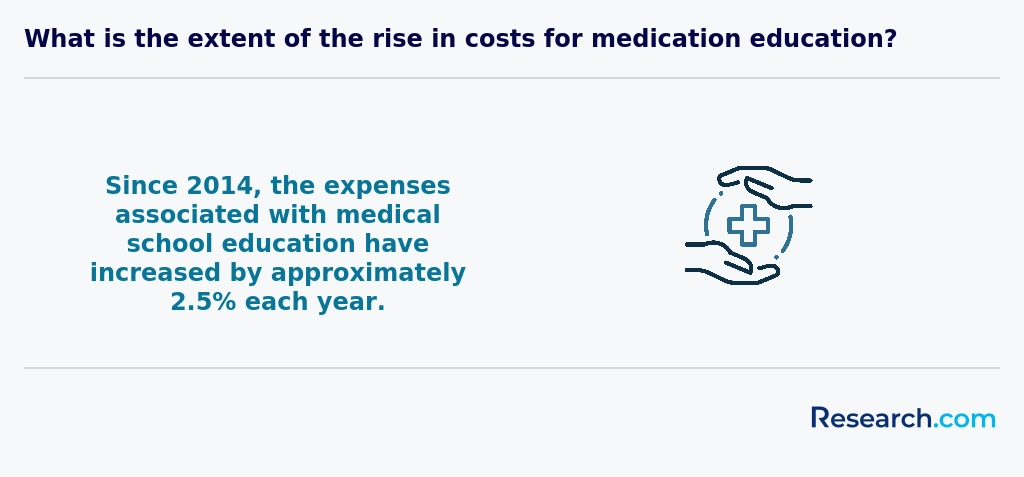
Another challenge is managing financial pressures. Tuition and related costs for healthcare programs in Lancaster have risen steadily, often requiring students to rely on loans or part-time work. This financial strain can affect academic focus and mental health.
Additionally, healthcare students often report high stress due to testing demands and time-sensitive patient care simulations essential for skill development. Local counseling services note an increase in healthcare student visits related to anxiety and burnout symptoms.
With a healthcare degree in Lancaster, graduates can pursue various professional certifications that enhance career opportunities in the region's growing medical field. Common certifications include Certified Nursing Assistant (CNA), Registered Nurse (RN), and Licensed Practical Nurse (LPN), which are vital for clinical practice. For those interested in specialized roles, certifications like Medical Coding Specialist or Health Information Technician are also popular.
Additionally, Lancaster's rising healthcare sector, supported by institutions like Lancaster General Health, offers increasing demand for Certified Medical Assistants (CMA) and Emergency Medical Technicians (EMT). Earning these certifications typically requires passing national exams and meeting state licensing requirements, ensuring quality and competence in patient care.
Writing a winning application for a healthcare program in Lancaster requires careful preparation and clarity. Start by clearly outlining your motivation for pursuing healthcare, focusing on Lancaster's growing healthcare industry. According to the U.S. Bureau of Labor Statistics, healthcare jobs in Lancaster County are projected to grow by 13% through 2030, highlighting local demand.
Highlight relevant experience such as volunteering or internships in clinics or hospitals in Lancaster. Strong letters of recommendation from healthcare professionals familiar with the region can strengthen your application.
Additionally, emphasize academic achievements, particularly in science and math courses, with a competitive GPA. Tailor your personal statement to reflect your commitment to serving Lancaster's diverse patient population, showing awareness of local healthcare needs.
Healthcare careers in the United States, including Lancaster, are increasingly influenced by global trends. Worldwide, there is a growing demand for skilled healthcare professionals due to aging populations and rising chronic diseases. According to the U.S. Bureau of Labor Statistics, healthcare jobs are projected to grow 13% from 2021 to 2031, much faster than average. Lancastrians benefit from this trend as local hospitals and clinics expand services, creating more opportunities for graduates.
Internationally, healthcare education emphasizes cultural competence and technological proficiency. Graduates often work in diverse environments requiring strong communication skills across cultures. Institutions in Lancaster reflect these global competencies in their programs.
Moreover, global health challenges, such as pandemics, have increased collaboration and exchange of healthcare research, impacting curricula and professional practices in Lancaster's academic institutions. This global perspective prepares students to work effectively both locally and internationally.
Gaining practical experience while studying for a healthcare degree in Lancaster is essential for building skills and enhancing employability. Many programs partner with local hospitals and clinics, such as Lancaster General Hospital, offering students clinical placements. These hands-on experiences allow students to apply theoretical knowledge in real-world settings.
Internships and volunteer opportunities are also common, enabling students to work alongside healthcare professionals. Additionally, simulation labs at institutions like Franklin & Marshall College provide safe, controlled environments to practice procedures.
According to the Lancaster Health Department, approximately 70% of healthcare students secure clinical placements within six months of enrollment, reflecting strong community ties. This integration of practical training supports career readiness in the evolving healthcare industry.
Choosing the right concentration within a healthcare degree program in Lancaster begins with understanding local industry demands. Lancaster's healthcare sector employs over 20,000 professionals, with significant growth projected in nursing and allied health fields through 2029, according to the U.S. Bureau of Labor Statistics. Students should assess their interests alongside job market trends. For example, Lancaster has a high demand for registered nurses and medical assistants, offering strong clinical placement opportunities.
Exploring programs that align with Lancaster's key healthcare providers, such as Penn Medicine Lancaster General Health, can enhance practical experience. Additionally, seeking concentrations with specialized certifications may improve employability in this competitive region.
Related Healthcare Rankings for Nearby Cities
- 2027 Best Healthcare Degree Programs Ranking in Philadelphia
- 2027 Best Healthcare Degree Programs Ranking in Wilkes-Barre
- 2027 Best Healthcare Degree Programs Ranking in Washington
- 2027 Best Healthcare Degree Programs Ranking in Scranton
- 2027 Best Healthcare Degree Programs Ranking in Jersey City
- 2027 Best Healthcare Degree Programs Ranking in New York
- 2027 Best Healthcare Degree Programs Ranking in Brooklyn
- 2027 Best Healthcare Degree Programs Ranking in Queens
- 2027 Best Healthcare Degree Programs Ranking in Bronx
- 2027 Best Healthcare Degree Programs Ranking in Harrisonburg
Top Trending Healthcare Rankings
See What Experts Have To Say About Studying Healthcare
Read our interview with Healthcare experts

References
- Healthcare Administration Certifications https://www.publichealthdegrees.org/careers/healthcare-administrator/certification/
- Course Benefits https://www.premedprojects.co.uk/hospital-work-experience-benefits
- Health Careers Programs Offered https://www.hacc.edu/ProgramsandCourses/Programs/HealthCareers/Health-Careers-Programs-Offered.cfm
- Career Opportunities in Healthcare Without a Medical Degree https://www.just-medical.ch/en/blog/medical-careers-without-formal-education
- Challenges for Medical Students - Health Action Research Group https://www.healthactionresearch.org.uk/mental-health/challenges-for-medical-student/
- How to choose a bachelor's in healthcare administration | edX https://www.edx.org/resources/how-to-choose-a-bachelors-in-healthcare-administration
- Global Perspectives – Healthcare Beyond Borders https://www.cedars-sinai.org/international-stories/healthcare-beyond-borders.html
- Health Level 3 T Level https://www.lmc.ac.uk/courses/a-z-courses/health-level-3-t-level
- Healthcare & Social Services - Career Ready Lancaster! https://careerreadylancaster.com/career-pathways/healthcare-and-social-services/
- Health Insurance - Lancaster University Leipzig https://www.lancasterleipzig.de/study/application/health-insurance/