2027 Most Affordable Online Bachelor's in Healthcare Management Degree Programs Ranking in the South

Co-Founder and Chief Data Scientist
Choosing the right online bachelor's program in healthcare management can be overwhelming, especially when prioritizing affordability and quality. This article introduces the 2027 Most Affordable Online Bachelor's in Healthcare Management Degree Programs Ranking in the South, developed by the Research.com team of data scientists.
Designed to help you make informed decisions, the ranking highlights programs that balance cost with strong educational outcomes. Pursuing a healthcare management degree opens doors to meaningful careers that impact communities and promote wellness.
Explore your options confidently and take a step toward a rewarding future in healthcare leadership.
Key benefits of getting online healthcare management degree in the South
- Healthcare management graduates in the South often secure salaries ranging from $60,000 to $120,000, reflecting strong earning potential and job stability in healthcare administration roles.
- Graduates from popular Southern universities frequently pursue careers as hospital administrators, health services managers, or policy analysts, offering diverse paths to impact patient care and healthcare systems.
- Online degree programs provide flexible schedules and access to experienced faculty, allowing working students in the South to balance life while gaining valuable skills without relocating.
- 2027 Most Affordable Online Bachelor's in Healthcare Management Degree Programs Ranking in the South
- What can I expect from online healthcare management degree in the South?
- Where can I work with online healthcare management degree in the South?
What can I expect from online healthcare management degree in the South?
When it comes to the cost of an online healthcare management degree in the South, you'll find quite a range depending on where you enroll. Many public universities in the region offer in-state tuition discounts that make things way more affordable if you're a resident. For example, some graduates from popular Southern schools have shared how paying less thanks to those rates really eased the financial stress while balancing work and family.
Tuition rates can vary-from a few thousand dollars per semester at state schools to a bit higher at private colleges. But there's good news: plenty of programs also offer scholarships and grants specifically for healthcare students, which many learners find super helpful. It's kind of like getting a leg up so you don't have to worry so much about loans while focusing on learning the ropes of healthcare leadership.
Plus, since the programs often include practical stuff like internships or capstone projects, you're getting real, hands-on experience that makes the cost feel like a smart investment in your future.
Where can I work with online healthcare management degree in the South?
If you're wondering where an online healthcare management degree from a Southern school can take you, the answer is pretty exciting. Graduates from universities like the University of Florida or Texas A&M find themselves working in hospitals, managing everything from staffing to patient care. Imagine being the go-to person making sure a busy Georgia hospital runs smoothly-that's a common real-world gig.
Others land jobs with public health departments or government agencies, helping roll out community health projects across Southern states. It's rewarding work, knowing your efforts can improve health outcomes in neighborhoods and cities.
Then there's the insurance side, especially in Florida, where retirees drive demand for healthcare managers handling Medicare and Medicaid programs. Graduates often share how satisfying it feels helping folks navigate these complex services.
Long-term care facilities are booming, too. Many grads jump into roles managing nursing homes and assisted living communities, making a real difference for aging populations.
Plus, healthcare consulting and tech firms often recruit Southern-educated grads to improve hospital efficiency or implement electronic health records. So whether you like hands-on management or tech-savvy problem solving, opportunities are waiting right here in the South.
If you're diving into an online healthcare management degree in the South, you can expect some pretty solid earnings after graduation. Healthcare management grads from popular Southern schools often start making between $60,000 and $75,000 a year, which is a great launchpad, especially if you're fresh out of college.
As you gain experience, especially in states like Texas, Florida, or Georgia, salaries tend to jump up. Graduates working in Texas, for instance, often snag salaries closer to $105,000 annually, while those in Florida or Georgia are earning around $95,000. These figures reflect both the size of local healthcare systems and regional living costs.
Many grads quickly find themselves stepping into supervisory or director roles within a few years, and some even boost their pay further by earning certifications like the Certified Professional in Healthcare Management (CPHM). Imagine starting your career in a bustling hospital or outpatient center, leading teams, and seeing your paycheck grow-healthcare in the South really offers rewarding paths that align with your drive and goals.
- The average total tuition for online bachelor's degrees in healthcare management at Southern public universities ranges from $12,000 to $20,000, while private institutions charge between $25,000 and $40,000.
- Employment for healthcare managers in the South is expected to grow by about 15% over the next decade, faster than the average for all jobs.
- Starting salaries for recent graduates typically range from $50,000 to $60,000 annually, with experienced managers earning $90,000 to $110,000 per year.
- Accreditation from organizations like CAHME or regional agencies is essential to ensure programs are respected and qualify graduates for certifications.
- Southern online healthcare management programs often include courses in healthcare laws, ethics, finance, and information systems to develop administrative skills.
- The region offers diverse job opportunities in hospitals, clinics, insurance companies, and public health organizations due to its many healthcare facilities.
If you're thinking about finishing an online healthcare management degree in the South, expect the journey to take anywhere from two to four years, depending on how you tackle it. Full-time students at popular schools like those in Georgia or Texas usually lock in around four years, but many find ways to speed things up. Graduates from programs in Florida often mention how using prior credits or professional experience helped them finish in just two to three years while juggling work and family.
Part-time study is super common too, especially for those working full-time jobs in healthcare. That might stretch your timeline to five years or more, but it offers a lot of flexibility and keeps stress low. Many Southern universities team up with local community colleges, making credit transfers smoother, so you don't lose time retaking courses.
Also, keep in mind some programs include internships or capstone projects that might add a semester but give you real, hands-on experience - something graduates rave about when stepping into their careers.
When deciding between online and on-campus healthcare management degrees in the South, it mainly comes down to how you want to experience learning. Imagine a graduate from a well-known Southern university juggling a full-time job and family-online classes gave them the freedom to study late at night or on weekends without driving to campus. That flexibility is a lifesaver, especially in busy Southern cities like Atlanta or Dallas.
On the flip side, on-campus students at popular schools in the region often talk about how much they enjoyed face-to-face time with professors and classmates, especially during hands-on projects or career fairs. This gives a real sense of community and direct networking that can open doors.
Cost-wise, online learners usually save big on housing and commuting, which adds up over time. Plus, those savings can be a game-changer if you're juggling expenses in places like Charlotte or Nashville.
Both paths cover key topics you'll need, like healthcare policy and data analytics, so it really depends on what fits your lifestyle and goals best.
The average cost of an online healthcare management degree in the South usually falls around $48,360, but it depends a lot on whether you're paying in-state or out-of-state tuition. For example, if you're lucky enough to qualify for in-state rates at schools like those in Florida or Texas, many students report paying closer to $26,000 total. On the flip side, out-of-state students often face higher bills-sometimes over $57,000. Graduates from popular Southern universities often mention that while the price might seem steep at first, the flexibility of online study combined with the quality of education makes the investment worth it.
Many students pursuing these degrees choose schools known for affordable online healthcare management programs southern states offer, especially public institutions where tuition rates are friendlier on the wallet. Plus, some private universities with specialized healthcare management programs stack on additional perks like strong student support and useful career resources, even if their costs are a bit higher. One common tip from alumni is to look closely at extra fees, like technology or administrative charges, which can add around $500 to $1,000 yearly.
For those balancing work and study, it's also wise to explore financial aid options or scholarships since every little bit can reduce that overall price tag. If you want to see how this degree can fit your goals, many students opt for an online mba with concentration in healthcare administration too, which can often complement or boost a healthcare management career path in the South.

If you're diving into an online healthcare management degree in the South, there's plenty of financial aid out there to help lighten the load. Many graduates from schools like the University of Alabama or Georgia Southern University talk about how federal Pell Grants, which can cover up to $7,395 a year, made a huge difference in keeping their tuition manageable. These grants don't have to be paid back, which feels like free money during tough times.
Beyond that, federal student loans are often a go-to. They come with low interest and flexible repayment plans, making it easier to budget while studying and working. Graduate students at places like the University of Texas often tap into Direct Unsubsidized Loans up to $20,500 to fill any gaps after grants and scholarships.
State programs like Texas's TEXAS Grant or Georgia's HOPE Scholarships are favorites too. Many students share how these made public colleges way more affordable. Then there are scholarships directly from schools-both merit and need-based-that target healthcare management online learners, plus employers in healthcare frequently chip in with tuition help, which some grads say was a game changer.
Professional organizations, like the American College of Healthcare Executives, also offer scholarships that can boost your wallet and your resume, making the whole journey feel more doable and exciting.
If you're thinking about diving into an online healthcare management degree in the South, you'll usually need a high school diploma or GED to get started. Most Southern schools want to see your official transcripts, and a GPA around 2.5 to 3.0 typically keeps you in the game. I've heard from graduates at popular schools like the University of Alabama or Georgia Southern that having some background in subjects like biology or business definitely helped their applications stand out, even if it wasn't a strict requirement.
Standardized tests like the SAT or ACT are becoming less of a big deal, which is great news if those aren't your forte. Many programs in the South either drop these requirements or just suggest submitting scores to boost your chances.
Aside from academics, be ready to fill out an online application and pay a fee-usually between $25 and $75 depending on the school. Letters of recommendation or personal statements are common too, helping schools get a sense of your motivation and communication skills.
For those already working in healthcare or with some college credits under their belt, schools like South University often credit that experience, making the path quicker and smoother. That's a huge plus for busy folks balancing work and study!
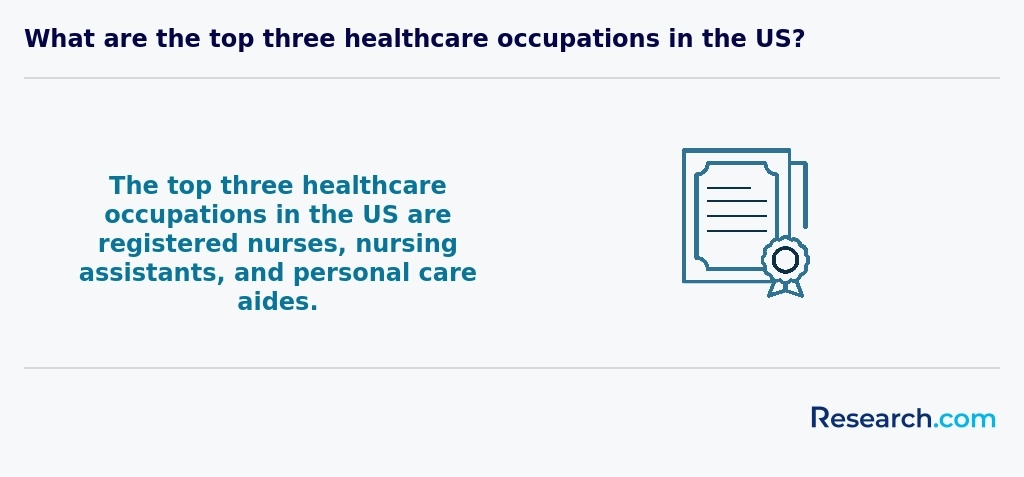
If you're diving into an online healthcare management degree in the South, you'll find a great mix of courses designed to get you really ready for the field. Graduates from popular Southern schools often mention how courses like healthcare systems and policies helped them understand how hospitals and clinics run, especially with the unique regulations here in states like Georgia or Texas.
Many students say that learning about healthcare laws and ethics was a real eye-opener, prepping them to navigate tricky patient rights and privacy issues that come up daily. Then there's healthcare finance and budgeting-super important since healthcare costs in Southern states keep climbing. Knowing how to manage resources efficiently is a skill grads appreciate when they hit the job market.
Other key classes cover healthcare information systems, where you get hands-on with electronic health records, and quality improvement, which focuses on making care safer and better. Leadership and organizational behavior classes round it all out, helping you manage teams with confidence.
If you're exploring online healthcare management specializations in the South, you'll find a range of options that really fit the unique healthcare landscape here. Graduates from popular Southern colleges often praise specializations like Health Informatics, where they learn to use technology and data to improve patient care. Others love Healthcare Policy and Administration, diving into laws and regulations that shape hospitals and clinics in our region.
Many students also choose Clinical Management, focusing on coordinating care and boosting quality in busy hospital departments. And with the South's aging population, Long-Term Care Management is a big draw-graduates appreciate gaining skills to oversee nursing homes and assisted living facilities. Health Services Management is another great pick, teaching how to manage budgets and operations effectively.
These Southern region healthcare management degree focus areas prepare students to jump right into leadership roles. Plus, flexible schedules mean you can balance work and study, making it easier to apply what you learn on the job. If you want ideas on jobs you can get with healthcare management degree, these specializations open plenty of doors.
Picking the best online healthcare management degree in the South starts with making sure the program is properly accredited. Graduates from well-known Southern colleges often mention how crucial it was that their degrees were recognized by regional bodies like SACSCOC, which helped them transfer credits easily and boosted their resumes. Plus, programs accredited by healthcare-specific groups like CAHME tend to offer courses that really prepare you for the field.
Cost is a huge factor too. Many alumni from Texas and Florida universities appreciate how affordable online options can be for local students, scoring that great balance of quality and price. If you're after an affordable online healthcare management degree South, starting your search at public universities in these states makes a lot of sense.
Being able to learn on your own schedule through asynchronous classes is a game-changer for working professionals. Graduates often talk about how virtual internships and hands-on practicums provided by Southern schools made their resumes stand out. If you want to find out more about the best 1 year online masters in healthcare administration programs, check out this best 1 year online masters in healthcare administration programs.
Lastly, think about curriculum that blends healthcare policy, management, and data skills - it's what Southern healthcare employers want. Seeing programs that help students prep for certifications like the Certified Healthcare Administrative Professional (cHAP) certificate gets high praise from recent grads hustling in local hospitals and insurance companies.
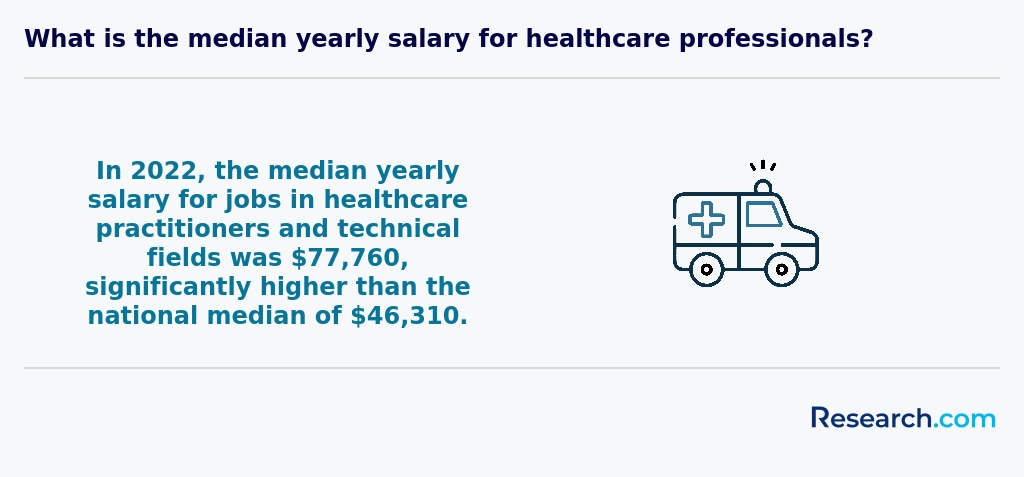
If you're diving into an online healthcare management degree in the South, you're stepping into a field with plenty of great career options. Graduates from popular Southern schools often find themselves thriving as Healthcare Administrators, running operations at busy hospitals or nursing homes. Others take on roles as Health Services Managers, where they handle everything from nursing departments to finance, making sure the healthcare facility runs smoothly and patients get great care.
Some grads become Medical and Health Services Managers, creating policies that actually improve healthcare quality. Others love the fast pace of being a Practice Manager, overseeing doctors' offices or group practices. And for those who geek out on data, becoming a Health Informatics Specialist is an exciting path, combining tech and patient care systems.
With healthcare management careers in the South growing fast, these online degrees from big names in the region open doors without forcing you to relocate. Many students find it's a smart move, especially with the option of a so-called easy mha degree online that fits around their busy lives.
The job market for online healthcare management degree graduates in the South is looking bright and full of opportunities. With the region's growing population and aging communities, places like Texas, Florida, and Georgia are hungry for skilled healthcare managers to step in and keep hospitals, clinics, and health organizations running smoothly. Many graduates from popular schools in the South find themselves quickly hired into roles like hospital administration or healthcare consulting, where leadership and budgeting skills learned online come in handy every day.
Students often share how flexible programs at Southern universities helped them balance work and study, especially since healthcare management careers in Southern US areas are booming and demanding. Thanks to this flexible learning approach, graduates feel confident tackling real-world challenges right away. If you're curious about what you'll actually study, check out this healthcare administration coursework to get a clear idea.
All in all, the steady growth makes the job outlook for online healthcare management degrees in the South feel encouraging-graduates typically land solid roles with salaries ranging from $65,000 to $110,000, often higher in metropolitan cities like Houston or Miami.
2027 Most Affordable Online Bachelor's in Healthcare Management Degree Programs Ranking in the South
Investing in your education is a significant decision that can greatly influence your career and future opportunities. The Research.com team is deeply aware of this responsibility and has dedicated extensive efforts to ensure the quality, credibility, and accuracy of the "2027 Most Affordable Online Bachelor's in Healthcare Management Degree Programs Ranking in the South." To provide a trustworthy and data-driven resource, we carefully analyzed multiple reputable sources.
We utilized the following reputable data sources to create this ranking:
By exploring this ranking, readers will gain valuable insights into affordable and credible online healthcare management degree programs in the South, empowering them to make well-informed educational choices. For more details on our ranking methodology, please visit our Research.com methodology page.


# 7 position
Tyler Junior College
Healthcare Technology and Medical Systems, Bachelor of Applied Technology


# 13 position
South Texas College
Bachelor of Medical and Health Services Management

# 14 position
University of Maryland Global Campus
Bachelor of Health Services Management



# 17 position
Columbia Southern University
Bachelor of Healthcare Administration/Emergency Medical Services


# 20 position
University of Management and Technology
Bachelor of Health Administration

Frequently Asked Questions About healthcare management
Online healthcare management degree students in the South can enhance their learning by actively engaging with virtual class discussions and networking opportunities. Southern states have a growing healthcare sector, with areas like Texas and Florida leading in healthcare administration jobs, according to the Bureau of Labor Statistics. Utilizing local healthcare facilities for internships or practical experience deepens understanding of regional healthcare challenges. Students should also leverage university resources such as online libraries and academic advising. Time management is critical, especially balancing work and study. Finally, joining professional organizations like the American College of Healthcare Executives offers access to industry insights and career support.
The healthcare management field is evolving rapidly, with several emerging niches gaining importance, especially in the South. One key area is telehealth administration, propelled by the accelerated adoption of remote care during the COVID-19 pandemic. According to the National Center for Telehealth & Technology, telehealth services in Southern states grew by over 60% between 2020 and 2023. Another expanding niche is healthcare data analytics, where managers use data to improve patient outcomes and operational efficiency.
Additionally, population health management is gaining momentum, focusing on reducing health disparities common in Southern communities. Experts also highlight roles in healthcare cybersecurity, protecting patient information as digital records rise. These niches align with regional healthcare trends and workforce demands, making them valuable for students pursuing online degrees in healthcare management.
Graduates with an online healthcare management degree in the South can improve job prospects by gaining relevant work experience through internships or part-time roles during their studies. The Southern states show steady job growth in healthcare administration, with the U.S. Bureau of Labor Statistics projecting a 17% increase in job openings in this field through 2032.
Networking is vital; joining regional professional groups such as the American College of Healthcare Executives' Southern chapters offers valuable connections. Additionally, certification programs like the Certified Healthcare Administrative Professional (cHAP) help demonstrate expertise and enhance resumes.
Finally, staying informed about healthcare laws and South-specific regulations ensures graduates are prepared to meet local employer expectations effectively.
Employers in the Southern US seek healthcare management graduates who demonstrate strong leadership and communication skills, essential for managing diverse teams and complex healthcare environments. Analytical abilities are also critical, as professionals must interpret data to improve patient outcomes and operational efficiency.
Understanding healthcare laws and regulations is another priority, given the region's varying state requirements. According to the U.S. Bureau of Labor Statistics, healthcare managers in the South face growing demand, emphasizing skills in financial management and strategic planning to address budget constraints common to local facilities.
Additionally, proficiency in health information technology is increasingly important, reflecting the region's expansion of digital health records and telehealth services.
Finding internships in the South relevant to a healthcare management degree requires targeted research and networking. Many Southern states, including Texas, Florida, and Georgia, have robust healthcare systems offering internship opportunities at hospitals, clinics, and public health organizations.
Start by exploring university career centers attached to online programs, which often have partnerships with local healthcare facilities. The Southern Hospital Association reports that healthcare employment in the region grew by 12% from 2018 to 2023, creating expanding internship openings.
Professional organizations like the American College of Healthcare Executives (ACHE) offer regional chapters that connect students with mentors and internship listings in states across the South.
Leveraging LinkedIn and local job boards focusing on healthcare also boosts your chances of discovering paid or volunteer internships suitable for healthcare management students.
An online healthcare management degree significantly enhances career mobility and advancement opportunities in the Southern United States. The region's growing healthcare industry, which is projected to expand faster than the national average, demands skilled managers to oversee complex healthcare systems. According to the U.S. Bureau of Labor Statistics, healthcare management jobs in the South are expected to grow by approximately 18% through 2030, reflecting increased opportunities for qualified professionals.
Online programs offer the flexibility needed by working adults to gain credentials without relocating, making it easier to enter or move within the field. Graduates often find improved salary prospects and eligibility for leadership roles in hospitals, insurance companies, and public health organizations across Southern states like Texas, Florida, and Georgia.
Studying for a healthcare management degree in the South equips students with skills critical for interdisciplinary collaboration. Many programs emphasize integrating business principles with clinical knowledge, preparing graduates to work effectively with diverse healthcare teams. According to the Southern Regional Education Board, Southern institutions increasingly incorporate courses in health informatics, policy, and leadership.
These degrees reflect the region's growing healthcare industry, where management professionals often coordinate between medical staff, insurers, and regulatory bodies. The South's large rural populations and expanding healthcare facilities demand leaders who understand both patient care and operational challenges. This educational approach fosters adaptability across roles in hospitals, public health departments, and private organizations.
Choosing between a thesis and a non-thesis online healthcare management degree in the South largely depends on your career goals and learning preferences. Thesis programs emphasize research, preparing students for roles in policy development or academic settings. In contrast, non-thesis tracks focus on practical skills, ideal for immediate entry into healthcare administration.
The Southern region hosts many accredited programs offering both options, with tuition often competitive compared nationally. According to the Southern Regional Education Board, about 60% of healthcare management students in the South opt for non-thesis formats due to their faster completion time.
Consider your interest in research and whether you plan to pursue advanced degrees. Also, review program curricula and faculty expertise to match your professional aspirations.
Students based in the South seeking online healthcare management degrees with an international focus have several options. Many Southern universities offer programs with global case studies and partnerships, allowing learners to explore healthcare systems abroad virtually. While direct enrollment in foreign institutions is less common, some U.S. schools provide study abroad components or dual degree options with international universities, primarily in Canada, the UK, and Australia.
The Southern region, including states like Florida and Texas, leads nationally in healthcare management enrollment, reflecting the growing demand for professionals skilled in diverse healthcare environments (Source: Southern Regional Education Board, 2023). Online programs emphasize global healthcare trends, preparing students for leadership roles in both domestic and international settings.
Part-time job opportunities in the South that complement healthcare management education often include roles such as medical office assistants, patient services coordinators, and healthcare administrative aides. These positions provide practical experience with healthcare operations and patient interaction. According to the U.S. Bureau of Labor Statistics, states like Texas and Florida show strong job growth in healthcare support roles, making these positions more accessible.
Additionally, working as a medical billing specialist or a health information technician can reinforce skills in managing healthcare data and compliance. Employers in Southern hospitals and clinics often value candidates with such dual expertise.
These jobs typically offer flexible hours suited for students balancing online coursework.
Online healthcare management students in the South benefit from diverse networking opportunities despite the virtual format. Many Southern universities with online programs partner with regional healthcare organizations, enabling students to connect through internships, virtual job fairs, and alumni events. According to the Southern Regional Education Board, approximately 65% of institutions offer dedicated online student groups focused on healthcare topics, enhancing peer interaction.
Professional associations such as the Southern Healthcare Management Association and national groups like the American College of Healthcare Executives provide online chapters and regional conferences. These platforms support networking, mentorship, and career development specifically tailored to the Southern healthcare landscape.
Additionally, some schools facilitate access to state health department projects and local hospital systems, helping students build practical relationships that can lead to employment after graduation.
Alumni networks offer significant benefits for online healthcare management degree students in the South. They provide valuable connections essential in a competitive job market, especially in states like Texas, Florida, and Georgia where healthcare administration jobs are growing steadily. According to the U.S. Bureau of Labor Statistics, healthcare management roles in the South are projected to increase by over 20% through 2030, highlighting the advantage of strong professional networks.
Through alumni events and online platforms, students gain access to mentorship, job leads, and industry insights that can fast-track career growth. Many Southern institutions foster active alumni groups that help graduates navigate regional healthcare systems effectively.
Customizing an online healthcare management degree in the South allows students to align their education with specific career goals. Many programs offer elective courses in areas like healthcare policy, informatics, or finance. This flexibility enables learners to gain expertise relevant to roles such as hospital administration, health IT, or insurance management.
Southern universities often include capstone projects or internships with regional healthcare providers, helping students build local professional networks. According to the Southern Regional Education Board, healthcare management jobs in Southern states are expected to grow by over 15% through 2030, emphasizing the importance of tailored skills.
Students should research program specializations and seek accredited options to maximize career outcomes.
Online healthcare management students in the South often face unique challenges tied to regional infrastructure and resource availability. Limited high-speed internet access remains a significant barrier, especially in rural areas, affecting nearly 25% of Southern households according to the Federal Communications Commission (FCC). This can hinder participation in live lectures and timely submission of assignments.
Additionally, balancing work, family, and study commitments is a common difficulty, as many students pursue degrees part-time while working in demanding healthcare roles. The Southern healthcare industry's rapid growth-expected to add over 270,000 jobs by 2030 (Bureau of Labor Statistics)-may increase pressure on students to maintain employment alongside their studies.
Access to regional internships and practical experiences can also be limited for online learners, impacting hands-on skill development essential for healthcare management careers. Support services such as advising and tutoring might not be as readily available or flexible compared to traditional programs.
Graduates with an online healthcare management degree can pursue several professional certifications to enhance their careers. One of the most recognized is the Certified Professional in Healthcare Quality (CPHQ), which demonstrates expertise in healthcare quality and safety standards. Another valuable credential is the Certified Healthcare Administrative Professional (cHAP), focusing on healthcare office management skills.
For those interested in broader management roles, the Project Management Professional (PMP) certification is also popular. In the South, where healthcare systems are rapidly evolving, these certifications can improve job prospects and salary potential. According to the Southern Regional Education Board, demand for certified healthcare managers is growing steadily in states like Texas and Georgia.
Additionally, the American College of Healthcare Executives (ACHE) offers the Fellow of the American College of Healthcare Executives (FACHE) credential, recognized nationwide. This is ideal for professionals seeking leadership positions in hospitals and large health organizations. Pursuing these certifications often requires a combination of education, experience, and passing specific exams.
To write a winning application for an online healthcare management program in the South, focus on clearly demonstrating your commitment to healthcare administration. Highlight any relevant work experience, volunteer roles, or internships, as Southern employers and programs value practical knowledge. According to the Bureau of Labor Statistics, healthcare management jobs in the South are expected to grow by 15% through 2030, emphasizing demand for skilled professionals.
Strong academic records are essential; many programs require at least a 3.0 GPA. Craft a compelling personal statement that addresses your career goals and how the Southern healthcare environment influences them. Ensure your letters of recommendation reflect your leadership abilities and dedication to healthcare challenges in the region.
The global view of a healthcare management career highlights its growing importance due to expanding healthcare systems worldwide. In the U.S., especially in the South, demand for skilled managers is rising, driven by an aging population and increased healthcare access. According to the U.S. Bureau of Labor Statistics, healthcare management jobs are projected to grow 28% from 2021 to 2031, a faster rate than average.
Healthcare management professionals are expected to understand international health regulations and diverse patient needs as the field becomes more globalized. Southern universities offering online degrees often emphasize cultural competence and policy management to prepare graduates for these challenges.
Additionally, Southern states like Texas and Florida see significant healthcare sector growth, encouraging the development of relevant academic programs. This regional focus provides graduates with opportunities to serve diverse populations while aligning with global healthcare trends.
Gaining practical experience while studying for an online healthcare management degree in the South is essential for career readiness. Many Southern universities partner with local hospitals, clinics, and healthcare organizations to provide virtual internships or practicum opportunities. These experiences allow students to apply theoretical knowledge in real-world settings, even from a distance.
Additionally, some programs encourage students to work part-time or volunteer in healthcare facilities near their home. According to the Association of American Medical Colleges, internships and practicums improve job prospects by up to 30%.
Students should also explore simulation labs and case study projects integrated into their coursework, which enhance managerial skills virtually.
Choosing the right concentration within an online healthcare management degree in the South involves evaluating your career goals and the region's healthcare needs. Popular concentrations include health informatics, policy, administration, and finance, each addressing different aspects of healthcare operations.
According to the Southern Regional Education Board, healthcare jobs in administration are growing faster than average in Southern states, making administration concentrations valuable. Meanwhile, health informatics is expanding rapidly due to increasing digitization in the South's hospitals and clinics.
Consider your strengths and interests alongside regional demand. Research program curricula and local job market data from sources like the Bureau of Labor Statistics for Southern states to make an informed decision.
- Master of Healthcare Administration (M.H.A.) Major in Healthcare Administration (Non-thesis Option) https://mycatalog.txstate.edu/graduate/health-professions/administration/mha/
- South University Blog | Top Healthcare Degrees and Career Paths Outside of Nursing https://www.southuniversity.edu/news-and-blogs/2020/07/top-healthcare-degrees-and-career-paths-outside-nursing
- The Value of Healthcare Organization Alumni Associations https://consultqd.clevelandclinic.org/the-value-of-healthcare-organization-alumni-associations
- Alumni Reconnect - Poznan University of Medical Sciences https://pums.edu.pl/alumni-friends/alumni-reconnect/
- Top 7 Career Paths with an International Health Management Degree | BSBI https://www.berlinsbi.com/blog/top-7-career-opportunities-after-an-international-health-management-degree
- BS in Healthcare Administration Degree - Boston Location https://www.baypath.edu/academics/undergraduate-programs/healthcare-administration/bs-in-healthcare-administration-boston-location/
- Niche Markets in Healthcare: How to Find & Target https://nechayadvisors.com/blog/niche-markets-in-healthcare
- Advancing Your Career in Healthcare: Tips and Strategies https://www.sunshinecarenetwork.com/blog/advancing-your-career-in-healthcare-tips-and-strategies
- What Should I Look for in a Healthcare Management Internship? - Healthcare Management Degree Guide https://www.healthcare-management-degree.net/faq/what-should-i-look-for-in-a-healthcare-management-internship/
- Networking https://www.whcm.org/networking/