2027 Fastest Online Master's in Healthcare Management Degree Programs Ranking in Wisconsin

Co-Founder and Chief Data Scientist
Are you a Wisconsin student eager to advance your career in healthcare management? Exploring the right online master's program can feel overwhelming. That's why this article introduces the 2027 Fastest Online Master's in Healthcare Management Degree Programs Ranking in Wisconsin, thoughtfully created by the Research.com team of data scientists.
By reading, you'll discover top programs designed to fit your busy life and career goals. Earning a healthcare management degree opens doors to leadership roles, higher earning potential, and the chance to make a difference in healthcare. Let this guide help you take the next step confidently.
Key benefits of getting online healthcare management degree in Wisconsin
- Healthcare management degree graduates in Wisconsin can expect strong earning potential, with general U.S. healthcare managers earning a median annual wage around $101,340, reflecting rewarding financial outcomes.
- Potential career paths include healthcare administration, medical facility management, and health services coordination, as shown by successful graduates from the University of Wisconsin's healthcare management program.
- Online degree programs offer flexibility and convenience, allowing students from busy Wisconsin communities to advance their education without sacrificing work or family time, as experienced by many graduates from online options at UW-Extended Campus.
- 2027 Fastest Online Master's in Healthcare Management Degree Programs Ranking in Wisconsin
- What can I expect from online healthcare management degree in Wisconsin?
- Where can I work with online healthcare management degree in Wisconsin?
What can I expect from online healthcare management degree in Wisconsin?
The average cost of an online healthcare management degree in Wisconsin typically ranges from $15,000 to $40,000 for a full master's program. Graduates from the University of Wisconsin system often share that investing in these programs feels rewarding due to the quality education and flexible scheduling that fit their busy lives. One graduate recalled balancing coursework with a full-time job at a local hospital by leveraging asynchronous classes, which allowed steady progress without sacrificing income.
Many students appreciate that Wisconsin's programs frequently include practical experiences such as virtual simulations or capstone projects, often embedded within tuition costs, providing hands-on learning that prepares them for real healthcare settings. Students from private colleges in Wisconsin highlight how access to experienced faculty and immersive internships built their confidence to lead in clinical and administrative roles.
Financial aid and employer tuition assistance are common options that help ease the financial burden, making a degree more accessible. For those aiming for a solid return on investment, choosing accredited programs within Wisconsin ensures both comprehensive training and strong career prospects in the state's growing healthcare sector.
Where can I work with online healthcare management degree in Wisconsin?
Graduates with an online healthcare management degree in Wisconsin often find rewarding careers in hospital administration at large systems like Aurora Health Care or UW Health. Many enjoy the challenge of managing daily operations, budgets, and compliance, making a tangible impact on patient care. For example, recent graduates from the University of Wisconsin's online programs share how overseeing departments has boosted their confidence and leadership skills.
Others pursue roles in smaller community health centers or rural hospitals, where they experience close-knit teams and direct influence on local health outcomes. Healthcare managers also find fulfilling positions in long-term care facilities, meeting the growing demand driven by Wisconsin's aging population.
Public health departments offer opportunities to manage health initiatives, emergency preparedness, and chronic disease programs, as graduates from popular colleges report meaningful work shaping policy and improving community wellness.
Private companies, including insurers and healthcare tech firms, provide flexible options with remote roles, allowing graduates to leverage both clinical knowledge and business skills in dynamic environments.
Graduates with an online healthcare management degree in Wisconsin typically see salaries starting around $55,000 to $65,000 in entry-level roles such as administrative assistants or junior managers. As they gain experience and move into positions at prominent institutions like the University of Wisconsin or Marquette University health systems, salaries can increase substantially, often exceeding $120,000 annually for senior roles like hospital administrators.
Many graduates appreciate how the degree opens doors to diverse opportunities in Milwaukee or Madison, where healthcare organizations are expanding rapidly. One graduate shared how earning specialized certifications alongside their degree helped them secure a management role with a salary over $130,000, highlighting the clear payoff of investing in further education.
Healthcare management professionals also find rewarding roles outside hospitals, including insurance firms and public health organizations, often enjoying competitive wages paired with valuable benefits. For Wisconsin students, focusing on accredited online programs and practical experience is key to maximizing salary potential in this growing industry.
- Online healthcare management degrees in Wisconsin are available through accredited institutions offering fully online or hybrid formats, ideal for working professionals.
- Tuition costs typically range from $10,000 to $30,000 for a full master's degree, with public universities generally offering lower rates for in-state students.
- The healthcare administration job market in Wisconsin is expected to grow by about 9% over the next decade, which is above the national average.
- Starting salaries for graduates begin around $60,000 per year, increasing to $90,000-$110,000 with experience, especially in cities like Milwaukee and Madison.
- Many programs include practical coursework in healthcare policy, finance, and technology, preparing students for leadership roles without requiring licensing, though certifications like CPHQ or FACHE may improve employment chances.
Completing an online healthcare management degree in Wisconsin typically takes between one and three years, depending on your pace and program choice. For example, graduates from popular schools like the University of Wisconsin and Marquette University report finishing full-time master's degrees in about 18 to 24 months. If you balance work and study part-time, expect closer to three years, a common path for busy professionals managing careers alongside education.
Many programs allow flexibility, so if you're eager to accelerate, schools such as Concordia University Wisconsin offer options to complete the degree in 12 to 18 months by taking heavier course loads. Think of it as tailoring your schedule to your life - one graduate shared how stacking courses over summer and winter terms helped her finish faster without sacrificing quality.
Keep in mind that prerequisites can add time if your background isn't directly in healthcare or business. Transfer credits may reduce this. Also, real-world practicums or capstone projects near the end of your program can extend your timeline by a few months, especially if taken part-time.
Online and on-campus healthcare management degrees in Wisconsin differ primarily in how you engage with the material and manage your time. Graduates from public universities like the University of Wisconsin system often describe on-campus programs as immersive, with face-to-face interactions that foster immediate feedback from professors and teamwork during group projects. This can be reassuring if you thrive in structured environments and want to build in-person professional networks.
Conversely, online learners appreciate the flexibility to study around busy work schedules or family commitments, taking advantage of digital platforms offered by these same universities. One graduate mentioned how balancing a full-time job and parenting became manageable without sacrificing quality education, thanks to the online program's structure.
Cost-wise, while tuition may be similar for both formats in Wisconsin, online students reduce expenses by eliminating commuting and housing fees. Successful online students emphasize the importance of discipline and embracing technology, as independent study is key to staying on track.
The average cost of an online healthcare management degree in Wisconsin typically centers around $31,857. Graduates from popular universities in the state often share how budgeting for tuition and fees was a major consideration but manageable with careful planning. Many found that attending a public university within Wisconsin helped reduce expenses significantly compared to out-of-state or private options.
Wisconsin schools usually charge between $500 and $700 per credit for in-state students. Since healthcare management programs require around 30 to 40 credits, this tuition per credit directly impacts the total cost. Additionally, graduates recall the importance of accounting for extra fees like technology or administrative charges that can add a few hundred dollars to the final bill. Understanding the full breakdown of tuition and fees for healthcare management degree Wisconsin helps students avoid surprises and plan ahead.
For those looking to ease financial pressure, scholarships, employer tuition reimbursement, and state-specific aid like the Wisconsin GI Bill have been invaluable resources. Some graduates recommend exploring multiple schools' online platforms closely since course format and flexibility varied, affecting both costs and convenience.
Lastly, prospective students should consider exploring healthcare administration online programs from Wisconsin institutions. Such programs sometimes offer unique scholarship opportunities and networking advantages that can enhance the overall value and affordability of earning your degree.
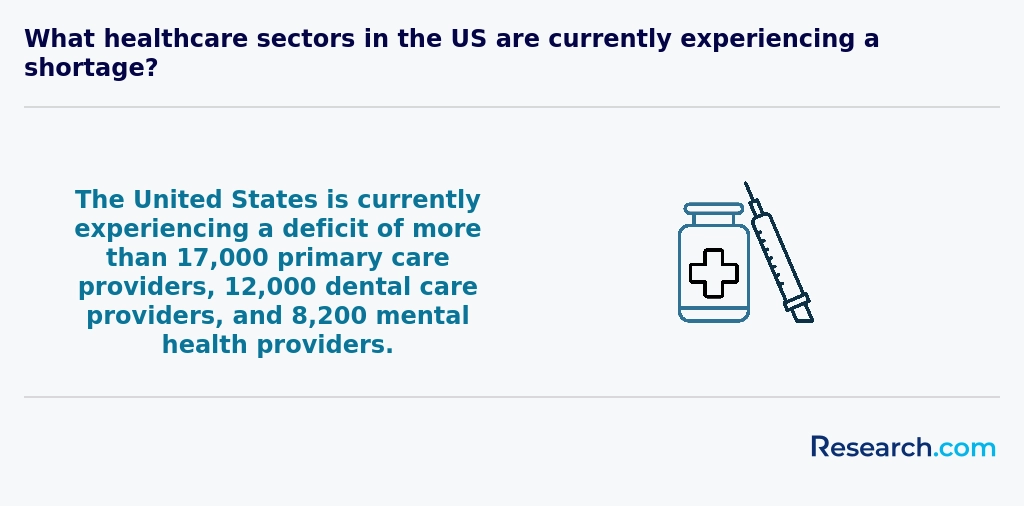
Students pursuing an online healthcare management degree in Wisconsin can access a variety of financial aid options that make earning their degree more affordable. Federal Pell Grants and FSEOG are common starting points, especially for those completing the FAFSA, providing non-repayable funds that ease upfront costs. Graduates from schools like the University of Wisconsin-Milwaukee often share how federal direct unsubsidized loans with favorable interest rates helped bridge the funding gap while studying.
Wisconsin residents benefit particularly from state aid programs. The Wisconsin Grant assists those enrolled at approved institutions such as Marquette University, helping cover tuition expenses based on financial need. Many online students find the HEAB scholarships valuable, especially if they belong to minority groups or face economic hardships, reducing stress and enabling focus on coursework.
Additionally, scholarships and fellowships tied specifically to healthcare management at these universities provide targeted support, especially for students committed to working in-state after graduation. Employer tuition reimbursement programs also offer practical relief, allowing students to gain experience and lessen debt simultaneously. Contacting the financial aid office early can reveal personalized funding strategies.
To enroll in an online healthcare management degree program in Wisconsin, most students start by securing a bachelor's degree from an accredited school, often in healthcare, business, or a related field. Graduates recall how having a background in nursing or business helped them easily grasp core concepts at universities like the University of Wisconsin or Marquette University. Many programs expect a minimum GPA around 2.5 to 3.0, ensuring applicants have a solid academic foundation.
Relevant professional experience is especially valuable. For example, alumni from Wisconsin institutions describe how one to three years working in hospitals, clinics, or insurance companies clarified practical challenges they later tackled in coursework. This experience strengthens your application and prepares you to contribute confidently in class discussions and projects.
- Collect official transcripts from all colleges you've attended
- Provide letters of recommendation-academic or professional-to highlight your skills
- Write a goal statement explaining your passion for healthcare management
- Submit GRE or GMAT scores if required; though many Wisconsin programs are removing this hurdle to welcome more students
By meeting these requirements, prospective students position themselves for success and join a growing field poised for an 18% increase in jobs in Wisconsin over the next decade.
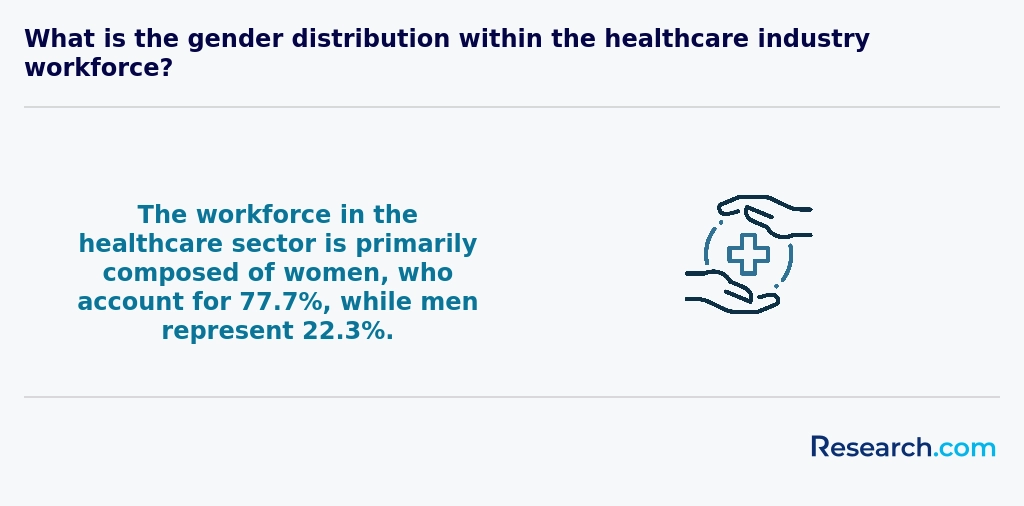
Online healthcare management degrees in Wisconsin typically include courses that equip you with the skills to navigate both healthcare systems and business challenges. Graduates from institutions like the University of Wisconsin and Marquette University emphasize foundational classes such as Healthcare Systems and Policy, which help you understand Wisconsin's unique healthcare landscape and regulatory environment.
Many students find Healthcare Finance and Economics valuable for mastering budgeting and financial decision-making in real-world hospital settings. Health Informatics courses teach use of data analytics, which recent graduates say was crucial when improving patient care quality at local clinics.
Leadership-focused classes like Organizational Behavior and Leadership prepare you to effectively manage teams and resolve conflicts-skills new managers frequently rely on during their first administrative roles.
Courses in Quality Improvement and Patient Safety, along with Legal and Ethical Issues in Healthcare, ground you in standards vital for Wisconsin healthcare providers. These programs blend theory with practical examples, making it easier for you to apply learning immediately in your career.
Online healthcare management specializations Wisconsin programs commonly include healthcare informatics, healthcare policy, finance and budgeting, quality improvement, and leadership in healthcare organizations. Graduates from popular institutions often share how focusing on healthcare informatics helped them master electronic health records and data analysis, skills highly sought after as local providers adopt advanced health information systems.
Those pursuing healthcare policy specialization gain a clear understanding of state and federal regulations impacting Wisconsin's healthcare industry, positioning them for advocacy or administrative roles. Finance and budgeting specializations teach students to manage facility budgets effectively, a crucial skill given healthcare costs and the demand for resource optimization.
Quality improvement focuses on patient safety and operational efficiency, reflecting Wisconsin's active promotion of high-quality healthcare services. Leadership and organizational management trains students in strategic planning and team leadership, helping graduates confidently step into executive roles within the state's large healthcare workforce.
Other niche specializations such as long-term care management or mental health administration address specific local needs. Across these options, students find practical pathways to tailor their careers.
Prospective students should also consider exploring differences in compensation and role expectations, which can be found by reviewing healthcare administration vs management degree salary.
Start by verifying program accreditation, ideally from the Commission on Accreditation of Healthcare Management Education (CAHME), which ensures the curriculum aligns with national standards and Wisconsin's healthcare needs. Graduates from well-accredited programs in Wisconsin often share how this recognition boosted their confidence and job prospects in local healthcare settings.
Cost plays a major role; compare tuition fees between state universities and private colleges since in-state tuition frequently offers a more affordable pathway. Many students pursuing affordable healthcare management degrees Wisconsin-wide found relief balancing quality education with reasonable costs, especially when programs offer flexible payment options.
Choose programs with curricula tailored to regional challenges like rural healthcare access and an aging population; this practical focus stands out in reported graduate success stories from universities known for relevant healthcare management degrees. Flexibility in course delivery, through asynchronous classes, fits the busy schedules of Wisconsin's working professionals.
Additionally, faculty expertise deeply rooted in Wisconsin's healthcare system enriches learning. Students often praise professors who share firsthand knowledge about navigating healthcare policy and organizations locally. To explore options further, consider reviewing health programs online that combine these elements and offer strong support systems for career growth.
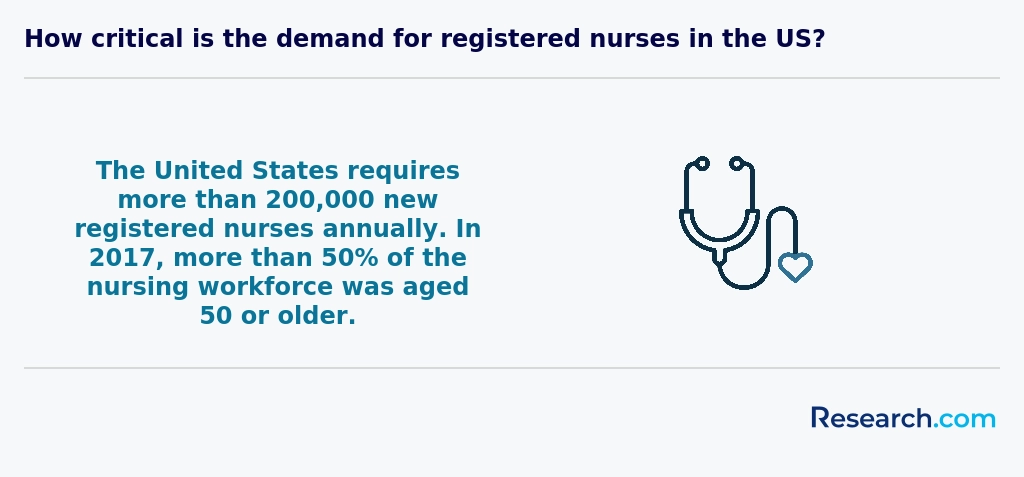
Graduates of online healthcare management degree programs in Wisconsin find diverse career paths that leverage both healthcare expertise and leadership skills. Many secure roles as healthcare administrators or health services managers within local hospitals, clinics, and insurance companies. Others move into specialized areas like health informatics management, where they oversee digital health records and technology integration.
Graduates from popular universities and colleges in Wisconsin often share how their programs equipped them to confidently lead teams or advise on policy in government agencies and nonprofit organizations. This practical experience prepares students for roles such as policy analysts, consultants, or quality assurance managers dedicated to improving patient safety and operational efficiency. Those seeking higher credentials often prepare for certification exams through programs recognized by the American College of Healthcare Executives.
Those exploring online healthcare management careers Wisconsin can benefit from understanding local demand for skilled healthcare leaders. Many graduates report positive outcomes, with some highlighting insights from master's in healthcare administration careers nationwide that resonate with their Wisconsin experience.
The job market for online healthcare management jobs Wisconsin graduates is strong, driven by the state's aging population and expanding healthcare facilities. Graduates from popular programs at institutions like the University of Wisconsin and Marquette University report securing roles in hospitals, insurance firms, and public health agencies. These positions often focus on managing healthcare costs and improving patient outcomes, reflecting the practical demands of the field.
Working professionals appreciate online programs' flexibility, which allows them to enhance skills without pausing their careers. Wisconsin's emphasis on healthcare access and technology implementation opens diverse pathways for graduates. The mean annual wage for medical and health services managers in Wisconsin is about $102,000, helping graduates feel confident about their investment in education.
Graduates suggest regularly monitoring local labor market trends to align career goals with evolving industry needs. For those seeking deeper advancement, exploring a doctorate in healthcare administration online can offer a competitive edge in this growing sector.
2027 Fastest Online Master's in Healthcare Management Degree Programs Ranking in Wisconsin
Investing in your education is a significant decision that can shape your future, and the Research.com team understands the importance of making informed choices. To assist prospective students in Wisconsin, we have meticulously crafted the "2027 Fastest Online Master's in Healthcare Management Degree Programs Ranking in Wisconsin." Our commitment to quality, credibility, and accuracy is reflected in the extensive research and analysis conducted to compile this ranking.
We utilized the following reputable data sources to ensure a comprehensive evaluation of healthcare management programs:
By exploring this ranking, readers will gain valuable insights into the fastest online master's programs in healthcare management offered in Wisconsin, helping them make informed and efficient choices about their educational investments. For more details on our methodology, please visit our Research.com methodology page.

# 2 position
Herzing University Online
Master of Business Administration, Healthcare Management


Frequently Asked Questions About healthcare management
Students pursuing online healthcare management degrees in Wisconsin can maximize their learning by actively engaging with course materials and seeking out virtual networking opportunities. Wisconsin is home to a growing healthcare sector, employing over 330,000 people as of 2023 according to the Wisconsin Department of Workforce Development. This growth highlights the value of connecting with local professionals and alumni through online forums or regional events.
Leveraging internships or practicum experiences within Wisconsin's healthcare organizations can also enhance practical understanding. Additionally, staying informed about state-specific healthcare policies and regulations, available via Wisconsin's Department of Health Services, helps align academic knowledge with real-world practice.
The healthcare management field in Wisconsin is evolving with several emerging niches driven by technological advances and shifting patient needs. One key area is health informatics, focusing on optimizing electronic health records and data analytics to improve care delivery. According to the Wisconsin Department of Workforce Development, demand for informatics specialists is growing faster than traditional healthcare managers.
Another expanding niche is telehealth administration, which gained prominence during the COVID-19 pandemic and continues to grow. Wisconsin hospitals and clinics increasingly require managers skilled in virtual care coordination.
Additionally, population health management is gaining traction, especially as Wisconsin emphasizes preventive care to reduce chronic disease rates. Professionals in this niche design community-focused health strategies.
These emerging areas offer promising career paths within healthcare management programs that target Wisconsin's healthcare system needs.
Graduates with online healthcare management degrees in Wisconsin should actively engage in networking to enhance job prospects. Joining organizations like the Wisconsin Healthcare Business Forum provides valuable connections in the state's healthcare sector. Gaining certifications such as Certified Healthcare Administrative Professional (cHAP) can improve employability and demonstrate expertise.
Internships or practicum experiences, even virtual ones, help build practical skills highly valued by employers. According to the Wisconsin Department of Workforce Development, healthcare management roles in the state are projected to grow by 15% through 2030, reflecting expanding demand.
Staying current with healthcare regulations and technology trends is essential, as Wisconsin healthcare facilities often seek candidates familiar with both compliance and digital health systems.
Employers in Wisconsin seek healthcare management graduates with strong leadership and communication skills, essential for coordinating diverse teams and navigating complex healthcare environments. Analytical abilities are highly valued, as effective managers must interpret data to improve patient outcomes and operational efficiency. Familiarity with healthcare laws and regulations, including state-specific policies, is critical to maintain compliance.
Project management expertise also ranks high, enabling graduates to oversee initiatives and implement changes smoothly. According to the Wisconsin Department of Workforce Development, employers increasingly prioritize digital literacy, given the rise in electronic health records and telehealth services across the state.
Overall, a combination of interpersonal, technical, and regulatory knowledge defines top candidates in Wisconsin's healthcare management job market.
Finding internships in Wisconsin related to healthcare management involves several strategic approaches. Start by exploring partnerships your online program may have with local health systems, such as Aurora Health Care and UW Health, leading employers in the state's healthcare sector. Wisconsin's Department of Health Services website can also provide internship listings and resources for students.
Networking is essential; professional associations like the Wisconsin Healthcare Business Forum offer events and contacts relevant to the field. Additionally, check job boards such as Handshake and Indeed, filtering for healthcare management internships in Wisconsin.
According to the Wisconsin Department of Workforce Development, healthcare management jobs are expected to grow by over 10% through 2030, increasing internship opportunities in the region.
Obtaining an online healthcare management degree in Wisconsin can significantly enhance career mobility and advancement. The state's healthcare sector is robust, with over 380,000 jobs related to health services as reported by the Wisconsin Department of Workforce Development (DWD) in 2023.
Graduates equipped with healthcare management skills are positioned for leadership roles amid growing demand for professionals who understand both healthcare delivery and administration. Online degrees offer flexibility, enabling working professionals to upskill without interrupting their careers.
Furthermore, Wisconsin employers increasingly prefer candidates with formal education in healthcare management, as it aligns with state-wide initiatives to improve healthcare quality and efficiency. According to the U.S. Bureau of Labor Statistics (2023), healthcare management positions in Wisconsin are expected to grow faster than average, providing more opportunities for advancement.
In summary, earning an online healthcare management degree in Wisconsin supports upward career trajectories by meeting local market demands and enhancing competitive edge among healthcare employers.
Studying for a healthcare management degree online in Wisconsin equips students with skills essential for interdisciplinary roles. Programs emphasize collaboration across healthcare disciplines such as nursing, public health, and business administration. This interdisciplinary focus helps graduates manage diverse teams and complex healthcare systems effectively.
Wisconsin's healthcare management curricula often integrate case studies on local healthcare issues, preparing students to address regional challenges. According to the Wisconsin Department of Health Services, the state's healthcare sector employs over 300,000 professionals, highlighting the need for leaders who understand multiple healthcare perspectives.
Moreover, online degrees incorporate practical tools and methods for data analysis and policy evaluation, key for coordinating between clinical and administrative staff.
Choosing between a thesis and a non-thesis healthcare management degree in Wisconsin depends on your career goals and learning preferences. A thesis program typically involves conducting original research, ideal for those interested in pursuing doctoral studies or research roles. It can deepen your understanding of healthcare trends in Wisconsin, where health systems are evolving rapidly.
A non-thesis option usually focuses on practical skills and coursework, suited for professionals seeking leadership roles in hospitals or clinics. Given Wisconsin's growing healthcare job market - with a 15% increase in healthcare administration roles projected by the Wisconsin Department of Workforce Development in 2025 - this path enhances managerial competencies without heavy research demands.
Students in Wisconsin seeking to study healthcare management abroad have several pathways, though options are limited by accreditation and online delivery standards. Most U.S. students pursuing international healthcare management degrees do so through partnerships between Wisconsin schools and foreign universities, ensuring credit transferability and recognized qualifications. Some institutions in Europe and Canada offer online master's programs accessible to Wisconsin residents, focusing on global health systems and leadership.
According to the Wisconsin Department of Health Services, healthcare management careers in the state are growing by 15% annually, motivating students to consider internationally oriented programs for broader perspectives. It is essential that students verify program accreditation by U.S. agencies and ensure eligibility for licensure or employment back home.
Many U.S. online degree programs also include study-abroad or exchange components, providing firsthand experience without full relocation. This hybrid approach suits Wisconsin's working professionals balancing career and education.
Part-time job opportunities in Wisconsin that complement a healthcare management degree often involve roles integrating administrative skills with healthcare knowledge. Positions such as medical office assistants, patient coordinators, and health information technicians offer practical experience relevant to healthcare management. According to the Wisconsin Department of Workforce Development, these roles typically pay between $15 and $22 per hour, with growing demand driven by the state's expanding healthcare sector.
Additionally, internships or part-time roles in hospitals, clinics, or public health organizations can provide valuable insights into healthcare operations and policy implementation, strengthening management competencies. These jobs help students build networks and understand regulatory aspects unique to Wisconsin's healthcare system, improving future career prospects.
Online healthcare management students in Wisconsin can access various networking opportunities despite the virtual format of their studies. Many universities offer virtual career fairs and alumni networking events that connect students with local healthcare organizations and professionals.
Professional associations such as the Wisconsin Healthcare Executives Forum and the American College of Healthcare Executives have active chapters in Wisconsin, providing online webinars, workshops, and regional meetups. These platforms allow students to engage with experienced healthcare managers and industry leaders.
Additionally, Wisconsin's healthcare industry employs over 300,000 people, making it a significant network resource for students seeking internships or job placements post-graduation, as reported by the Wisconsin Department of Workforce Development in 2023.
Collaborations between online programs and local hospitals or healthcare systems often facilitate mentorship opportunities, helping students build valuable connections within the state's healthcare community.
Alumni networks play a significant role for students pursuing online healthcare management degrees in Wisconsin. They provide valuable connections to professionals working in hospitals, clinics, and public health organizations across the state. This linkage helps students gain access to job opportunities and internships that might not be publicly advertised. According to the Wisconsin Hospital Association, nearly 70% of healthcare jobs are filled through networking locally.
Alumni often offer mentorship and career advice, helping graduates navigate the unique challenges of Wisconsin's healthcare system. Additionally, many networks host events and workshops, fostering continual learning and professional growth. These benefits help graduates stay competitive and informed about state-specific healthcare trends.
Customizing an online healthcare management degree in Wisconsin allows students to align their education with personal career objectives. Many universities offer flexible curricula with a variety of elective courses, including health informatics, policy analysis, and finance. This flexibility supports specialization in areas like hospital administration or public health management.
Students can also select capstone projects or internships focused on Wisconsin's healthcare system, gaining practical experience relevant to local employers. Wisconsin's Department of Health Services reports a growing need for healthcare managers, emphasizing skills in management and data analysis. Choosing programs with strong ties to Wisconsin healthcare networks can enhance job placement opportunities.
Online healthcare management students in Wisconsin often face challenges balancing work, family, and study commitments. Many enrolled students are working professionals, making time management a critical concern. According to the Wisconsin Department of Workforce Development, the healthcare sector is one of the state's largest employers, which means students often juggle demanding jobs alongside coursework.
Another challenge is gaining practical experience. Online programs may offer fewer opportunities for hands-on learning compared to traditional settings. Students need to find local healthcare facilities for internships or practicum placements, which can be limited depending on their location.
Finally, navigating complex healthcare regulations specific to Wisconsin can be demanding. Understanding state policies and staying updated on compliance requirements requires extra effort, especially when courses do not focus extensively on regional laws.
With an online healthcare management degree, you can pursue several key professional certifications that enhance your career prospects in Wisconsin's growing healthcare sector. One widely recognized certification is the Certified Healthcare Administrative Professional (cHAP), which validates skills in managing healthcare facilities and operations. The American College of Healthcare Executives (ACHE) offers the Fellow of the American College of Healthcare Executives (FACHE) credential, highly respected nationwide.
The Healthcare Financial Management Association (HFMA) provides the Certified Healthcare Financial Professional (CHFP) designation, ideal for those focusing on healthcare finance. These certifications often require a combination of education, professional experience, and passing a standardized exam.
According to the Wisconsin Department of Workforce Development (DWD), healthcare management roles are expected to grow by 12% through 2030, signaling strong demand for certified professionals.
When applying for an online healthcare management program in Wisconsin, start by carefully reviewing the program's prerequisites and tailoring your application accordingly. Highlight any healthcare or management experience, emphasizing leadership roles or relevant certifications. Strong academic records, especially in courses related to healthcare, business, or administration, improve your chances.
Be sure to craft a clear, concise personal statement explaining your career goals and why you chose healthcare management in Wisconsin. The state's growing healthcare sector, expected to add over 11,000 jobs by 2028 according to the Wisconsin Department of Workforce Development, makes this a compelling field.
Additionally, obtain strong recommendation letters from professionals familiar with your skills or academic potential. Finally, demonstrate familiarity with Wisconsin's healthcare landscape, which may set you apart from other applicants.
Healthcare management careers are increasingly recognized worldwide due to growing demand for efficient healthcare systems. In the United States, including Wisconsin, healthcare management roles are expected to grow by 28% from 2021 to 2031, much faster than average for all occupations, according to the U.S. Bureau of Labor Statistics.
Globally, healthcare managers play a crucial role in coordinating services and managing resources to improve patient outcomes. Many countries emphasize leadership skills combined with knowledge of healthcare regulations and technology.
For Wisconsin students pursuing online degrees, understanding global trends enhances career readiness. The state's expanding healthcare sector benefits from professionals aware of diverse healthcare delivery models and international standards.
Moreover, online programs in Wisconsin often integrate global perspectives, reflecting the interconnected nature of health policy, economics, and management practices across borders.
Gaining practical experience while studying for an online healthcare management degree in Wisconsin is essential for career success. Many programs encourage students to complete internships or practicums in local healthcare facilities, such as hospitals and clinics. These opportunities provide hands-on experience with administration, policy implementation, and healthcare operations.
Students can also engage in virtual simulations offered by some universities, replicating real-world management scenarios. Wisconsin's robust healthcare sector, with over 120,000 healthcare workers as reported by the Wisconsin Department of Workforce Development, offers a strong environment to apply learned skills.
Networking with professionals through local associations like the Wisconsin Healthcare Business Forum can further enhance practical knowledge.
Choosing the right concentration within an online healthcare management degree in Wisconsin depends on your career goals and the local healthcare landscape. Wisconsin's healthcare sector is growing, with projected job growth of 9% for healthcare administrators through 2030, according to the U.S. Bureau of Labor Statistics.
Popular concentrations include health informatics, policy, and financial management. Health informatics is valuable as Wisconsin hospitals increase their use of electronic health records. Policy-focused tracks suit those interested in navigating state healthcare regulations.
Review program curricula carefully and consider which skills match your interests and Wisconsin's healthcare needs for best results.
- 2027 Fastest Online Master's in Healthcare Management Degree Programs Ranking in Minnesota
- 2027 Fastest Online Master's in Healthcare Management Degree Programs Ranking in Illinois
- 2027 Fastest Online Master's in Healthcare Management Degree Programs Ranking in Michigan
- 2027 Fastest Online Master's in Healthcare Management Degree Programs Ranking in Indiana
- 2027 Fastest Online Master's in Healthcare Management Degree Programs Ranking in Missouri
- 2027 Fastest Online Master's in Healthcare Management Degree Programs Ranking in Ohio
- 2027 Fastest Online Master's in Healthcare Management Degree Programs Ranking in Pennsylvania
- 2027 Fastest Online Master's in Healthcare Management Degree Programs Ranking in Virginia
- 2027 Fastest Online Master's in Healthcare Management Degree Programs Ranking in Colorado
- 2027 Fastest Online Master's in Healthcare Management Degree Programs Ranking in Florida
- Five Professional Organizations for Healthcare ... https://www.healthcare-management-degree.net/list-articles/five-professional-organizations-for-healthcare-management-students-and-professionals/
- Find Certificate in Healthcare Administration in Wisconsin https://www.healthadministrationdegrees.com/programs/certificate-in-healthcare-administration/wisconsin/
- Future Students - AUPHA Main https://www.aupha.org/resourcecenter/futurestudents
- MBA in Healthcare Management https://www.wisconsinonlinemba.org/degrees-certificates/mba-healthcare-management/
- Networking https://www.whcm.org/networking/
- Healthcare Administration Salary https://www.healthcare-administration-degree.net/salary/
- Online Healthcare Administration Bachelors Degree https://www.chcp.edu/degrees-certificates/healthcare-administration-bachelors-degree/online/
- Top Healthcare Management Conferences for Students https://www.asiapacific.edu/blog/mba/top-healthcare-management-conferences-students/
- The Value of Healthcare Organization Alumni Associations https://consultqd.clevelandclinic.org/the-value-of-healthcare-organization-alumni-associations
- Alumni Reconnect - Poznan University of Medical Sciences https://pums.edu.pl/alumni-friends/alumni-reconnect/