2027 Fastest Online Healthcare Management Degree Programs Ranking in Massachusetts

Co-Founder and Chief Data Scientist
Choosing the right healthcare management degree program in Massachusetts can be challenging. Our article presents the 2027 Fastest Online Healthcare Management Degree Programs Ranking in Massachusetts created by the Research.com team of data scientists.
This ranking helps you identify programs that combine quality education with flexibility, so you can advance your career without sacrificing your lifestyle. Pursuing a healthcare management degree opens doors to rewarding opportunities in a growing field focused on improving health services.
Explore this guide to make an informed choice and take the next step toward a fulfilling future.
Key benefits of getting online healthcare management degree in Massachusetts
- Healthcare management graduates in Massachusetts can expect rewarding career opportunities, with the average salary for healthcare managers in the US around $104,000 per year, reflecting a strong earning potential.
- Graduates from Massachusetts colleges often find diverse career paths such as hospital administration, health services management, and policy analysis, offering exciting roles that impact patient care and organizational success.
- Completing a healthcare management degree online from a well-known Massachusetts university allows flexible scheduling and the ability to balance work or family life, making education more accessible and convenient.
- 2027 Fastest Online Healthcare Management Degree Programs Ranking in Massachusetts
- What can I expect from online healthcare management degree in Massachusetts?
- Where can I work with online healthcare management degree in Massachusetts?
What can I expect from online healthcare management degree in Massachusetts?
The average cost of an online healthcare management degree in Massachusetts typically ranges from $15,000 to $40,000 for bachelor's programs, depending on the institution and program length. For example, graduates from well-known regional schools appreciate that tuition remains competitive compared to in-person options, making it feasible for working professionals balancing study and career demands. Some programs offer accelerated tracks that, while potentially more costly per credit, reduce overall time and expense.
Graduate degrees like the Master of Health Administration often cost more, sometimes exceeding $30,000 to $50,000. However, many students find value in the flexible scheduling and the opportunity to engage virtually with local healthcare providers and alumni networks, which enriches their learning experience beyond the classroom.
Financial aid and scholarships are commonly available, though navigating eligibility can be complex, and not all students qualify. Those who have completed programs in Massachusetts reflect positively on their investment, emphasizing the practical skills gained and improved job prospects in the state's strong healthcare market.
Where can I work with online healthcare management degree in Massachusetts?
Graduates from online healthcare management programs at institutions like Northeastern University and UMass Amherst often find roles in prominent hospitals such as Massachusetts General Hospital or Boston Medical Center, where they apply their skills managing operations and improving patient care. One graduate described starting as an assistant administrator, gaining confidence while navigating real-world challenges of budgeting and staff coordination.
Others discover opportunities beyond hospitals, working in outpatient care centers or community clinics where efficient service delivery is crucial. These settings resonate with students who value hands-on problem solving in dynamic environments. Graduates also report fulfilling careers within major insurers like Blue Cross Blue Shield of Massachusetts, contributing to claims management and policy oversight.
Public health agencies provide alternative paths, especially for those interested in program management and policy impact at local and state levels. Graduates from Boston University's online program have noted rewarding experiences collaborating with the Massachusetts Department of Public Health to improve community health outcomes.
While the healthcare sector's demand is strong, some caution that competition can be intense. Nonetheless, the degree's versatility in healthcare consulting and leadership roles offers a breadth of meaningful career paths tied closely to Massachusetts' evolving healthcare landscape.
Graduates with online healthcare management degrees in Massachusetts can expect a promising salary range reflecting the state's vibrant healthcare sector. While official salary data specific to healthcare management roles in Massachusetts is not provided by the Bureau of Labor Statistics, broader national data and regional trends offer useful insights. Nationwide, medical and health services managers earned a median annual salary around $101,340 as of May 2023, but Massachusetts professionals often surpass this due to high living costs and prestigious healthcare institutions.
For example, graduates from well-regarded programs at institutions like Northeastern University or UMass Amherst frequently report starting salaries near $70,000 in smaller facilities, with significant growth potential. Experienced managers in Boston's major hospitals or health networks regularly earn over $140,000. These figures depend heavily on factors such as specific roles-like clinical or health information manager-and additional certifications. Many alumni highlight how strong leadership and data skills learned during their studies have opened doors to higher-paying positions, emphasizing the value of tailoring education to Massachusetts' unique healthcare landscape.
- Healthcare management degrees in Massachusetts take two to four years, depending on whether you choose an associate, bachelor's, or master's program.
- Tuition costs vary from about $15,000 to over $40,000 for a bachelor's degree, with public schools charging $300 to $500 per credit hour for in-state students.
- Entry-level salaries average around $60,000 annually, while experienced professionals earn between $85,000 and $110,000, with senior roles exceeding $120,000.
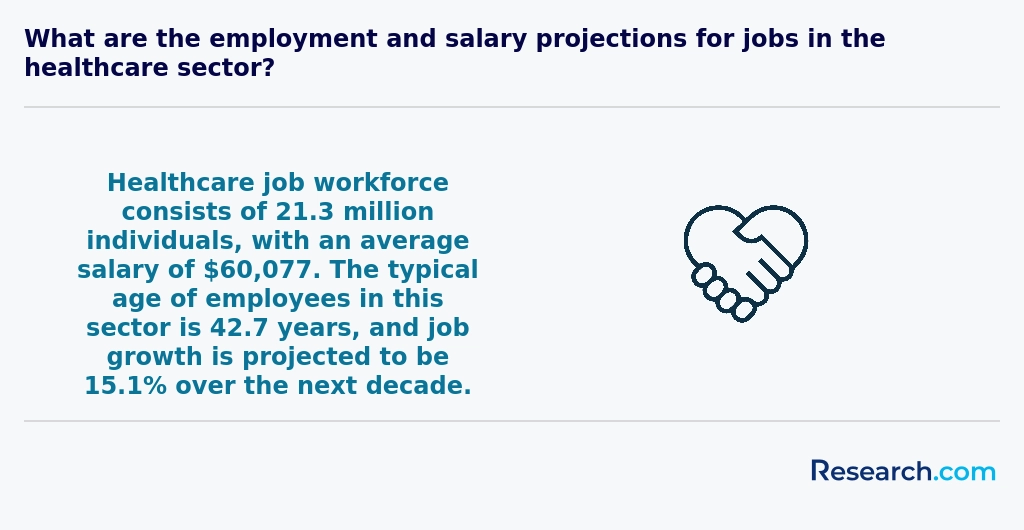
- The job market in Massachusetts is growing about 15% over the next decade, driven by hospitals, outpatient centers, and biotechnology firms.
- Programs often include courses in health policy, finance, law, and organizational behavior, and follow CAHME guidelines for professional certification preparation.
Completing an online healthcare management degree in Massachusetts often takes around four years for full-time bachelor's students, especially at well-known institutions like UMass Amherst or Northeastern University. Graduates recall balancing coursework alongside part-time jobs or family responsibilities, which many found manageable due to the flexible online format. However, some accelerated programs, especially those offered by private colleges in the state, allow motivated students to finish in about three years by taking extra courses or summer classes.
Masters programs tend to be shorter, with full-time students finishing in 18 to 24 months at schools such as Boston University. Part-time learners, often working professionals, usually take three to four years, adjusting schedules around work demands. The pace is influenced by factors like transfer credits and prior healthcare experience, which can reduce time significantly.
Students appreciate this flexibility but also express that progressing too quickly may increase stress. Conversely, moving slower helps them absorb material better, enabling strong job readiness in Massachusetts' rapidly expanding healthcare sector.
Online and on-campus healthcare management degrees in Massachusetts differ mainly in format, flexibility, and cost, each with distinct advantages. Graduates from programs like UMass Amherst highlight the convenience of asynchronous online classes, allowing them to balance work and family-studying late at night after their shifts. Conversely, those who attended Northeastern University's on-campus program often cite the benefits of face-to-face interactions, noting richer networking opportunities and immediate access to campus resources.
Cost is another key factor. On-campus degrees typically range from $35,000 to $55,000, while online options like UMass Amherst's Master of Public Health with a healthcare management concentration can be about 20% cheaper per credit, easing financial pressure.
However, students pursuing online learning must stay self-motivated, sometimes missing the spontaneous peer support found on campus. Both formats maintain strong accreditation standards-such as CEPH and CAHME-ensuring educational quality across delivery methods.
The average cost of an online healthcare management degree in Massachusetts typically hovers around $33,000, a figure that combines tuition, fees, and other associated expenses. While public institutions like the University of Massachusetts offer programs with tuition ranging from $15,000 to $22,000 based on in-state residency and per-credit pricing, private colleges such as Suffolk University often charge more, sometimes exceeding $25,000. Graduates often share how balancing cost concerns with quality education was a key part of their decision-making process, highlighting the real-life challenge of managing budgets while pursuing their goals.
For many students, finding affordable online healthcare management programs in Massachusetts involves carefully weighing these price differences alongside program reputation and flexibility. Online learning provides convenience and access but may include additional fees for technology and course materials, which can impact the total cost. Students appreciate the transparency in costs when universities communicate expected expenses upfront, allowing them to plan realistically. Experienced graduates from these programs often attest that their investment was worthwhile, especially when combined with financial aid, scholarships, or employer tuition assistance to offset expenses.
Understanding the per-credit cost is vital because most healthcare management degrees in Massachusetts require 30 to 36 credits. Public schools charge roughly $500 to $600 per credit hour, while private institutions may exceed $700. When considering the average cost of online healthcare management degree Massachusetts students must also account for additional expenses such as textbooks and licensing exam fees, which are often part of the curriculum.
Many students find that the practical experience gained through internships or practicum components-in programs offered by these Massachusetts universities-adds tangible value beyond the tuition number. Those aiming to advance their careers should explore funding options and recognize that the right program could positively impact their future job prospects. For insights into potential career paths, it helps to explore resources about jobs with mba in healthcare management, which provide a clearer picture of return on investment in this field.
Students pursuing online healthcare management degrees in Massachusetts often find federal financial aid, especially through FAFSA, to be a crucial starting point. Graduates from popular institutions like Northeastern University report relief upon receiving Pell Grants or low-interest federal loans, which help ease tuition burdens early on. Yet, these funds require timely application and can be limited, prompting many to explore additional sources.
State-specific programs such as the Massachusetts State Grant offer meaningful need-based assistance, particularly to full-time undergraduates at public and approved private colleges. For example, students attending UMassOnline have shared how this aid significantly reduced their overall costs, making online study more viable without sacrificing family or work commitments.
Institutional scholarships provided by schools themselves also play a vital role. Many graduates recall how academic and professional background-based scholarships at institutions like Simmons University not only funded part of their education but also boosted their confidence to excel academically.
Employer tuition assistance adds another layer of support. Workers in healthcare fields often find that Massachusetts hospitals or insurers cover substantial tuition portions in exchange for continued employment, providing financial relief and peace of mind amid balancing work and study.
Enrolling in an online healthcare management degree in Massachusetts generally begins with a high school diploma or GED, a baseline requirement across most programs. Graduates recall that providing a high school transcript emphasizing strengths in English and math was essential, especially for bachelor's programs at institutions like Northeastern University or Simmons University. Though some schools still request SAT or ACT scores, many have moved towards test-optional policies, reflecting a flexible approach to applicant evaluation.
For bachelor's degrees, having prior classes in biology or statistics can be beneficial; one graduate noted that familiarity with social sciences helped them connect theory to practice more confidently. Graduate students often share that their bachelor's degree in a relevant field was crucial for acceptance, alongside submission of transcripts, letters of recommendation, and a personal statement outlining their career goals.
Furthermore, many programs value professional experience in healthcare or leadership roles. Graduates of executive-style programs mention how their resumes showcasing practical expertise strengthened their applications, shedding light on the importance of real-world exposure in Massachusetts's competitive healthcare sector.
Online healthcare management degree programs in Massachusetts often include courses tailored to meet the state's complex healthcare environment. Graduates from colleges like Northeastern and University of Massachusetts report that core subjects such as healthcare policy, law, and ethics offer critical insights into navigating strict state regulations and patient confidentiality. These courses help students understand real challenges faced daily in Massachusetts' bustling healthcare system.
Financial management is another key area, focusing on budgeting and cost control within healthcare organizations. Students frequently mention how learning to manage insurance reimbursements and billing systems feels directly applicable when working in Boston's large hospital networks. This practical skillset is especially valued as managing resources efficiently remains a top priority for healthcare administrators.
In addition, students appreciate courses on healthcare information systems, leadership, and quality improvement. For instance, studying electronic health records alongside leadership strategies equips future managers to boost team performance and patient safety-an essential focus in renowned Massachusetts hospitals. Electives often broaden perspectives with public health topics, reflecting the state's commitment to community well-being.
Online healthcare management specializations in Massachusetts commonly include Health Informatics, Healthcare Policy and Management, Hospital Administration, Public Health Administration, and Long-Term Care Management. Graduates from noted institutions often highlight how Health Informatics helped them navigate real-world challenges by improving data management and patient outcomes through technology. Similarly, those focusing on Healthcare Policy and Management appreciate the ability to analyze regulations and lead healthcare organizations, reflecting the state's complex healthcare landscape.
Students in hospital administration programs describe balancing financial and operational responsibilities, often imagining themselves managing large Massachusetts hospitals where patient satisfaction and efficiency are critical. Public Health Administration appeals to those drawn to community health, especially given Massachusetts' emphasis on disease prevention and health promotion. Long-Term Care Management resonates with students mindful of the aging local population, where skills in regulatory compliance and care coordination are essential. This variety in online healthcare management specializations Massachusetts offers supports diverse career goals, as evidenced by many graduates who leverage these programs for advancement.
Those considering further academic advancement might explore related paths, such as a health management phd, to deepen expertise in this evolving field.
Choosing the best online healthcare management degree in Massachusetts involves more than verifying accreditation. Graduates from well-known state institutions often emphasize how programs accredited by agencies like CAHME and NECHE provided them with rigorous training directly applicable to real-world healthcare settings. That said, some students find value in less traditional programs offering greater flexibility or innovative curricula, especially when balancing work and study.
Cost is another consideration; Massachusetts tends to have higher tuition rates, so seeking affordable healthcare management degrees Massachusetts offers can be crucial. Many students report that scholarships and financial aid made a significant difference, making programs at prominent universities more accessible without sacrificing quality.
Curriculum relevance stands out as a priority. Students from Massachusetts colleges appreciate courses aligned with evolving healthcare demands, including healthcare policy, finance, and information systems. This alignment enhances their ability to manage complex organizations locally. Internship opportunities connected to Massachusetts healthcare providers also enrich learning and career prospects.
Lastly, for those aiming to maximize post-graduate employment, exploring programs that facilitate connections to local employers can be decisive. Graduates often mention the advantage of gaining practical experience and networking, which is vital given the state's competitive healthcare job market. For insight into healthcare administration jobs that pay the most, consider researching relevant career data to match your degree choice with market demand.

Graduates of online healthcare management degree programs in Massachusetts often find themselves stepping into diverse roles, each demanding a unique set of skills and offering varied experiences. Many take on healthcare management careers Massachusetts hospitals and clinics provide, managing operations with a hands-on approach that balances patient care quality and organizational efficiency. For instance, graduates from well-regarded local programs at institutions like Northeastern University or UMass Amherst report feeling empowered by early leadership responsibilities, fostering both confidence and professional growth.
Others explore specialized positions such as health information managers, where the challenge lies in balancing compliance with healthcare regulations and embracing technological advancements in patient data systems. The rise of healthcare management job opportunities in Massachusetts reflects the state's emphasis on innovation, appealing to those who enjoy integrating analytics with healthcare delivery.
Some alumni credit their success to entry-level roles in medical office management, which act as stepping stones toward senior leadership, while a few venture into emerging areas like healthcare consulting or project management. Those seeking cost-effective programs often explore affordable online degrees in healthcare administration, merging quality education with practical career advice tailored to Massachusetts's dynamic job market.
The job market for graduates with an online healthcare management degree in Massachusetts remains robust, supported by a fast-growing healthcare sector. Many graduates from well-regarded programs at universities such as Northeastern University and University of Massachusetts find themselves well-positioned for roles in hospital administration, outpatient care management, or healthcare consulting. These professionals often share positive experiences about how their online education equipped them with practical skills in leadership and finance, which are highly valued by employers in local hospital systems like Massachusetts General Hospital.
Online healthcare management jobs Massachusetts offer competitive salaries, with the average healthcare manager earning around $110,000 annually as of 2023. However, the market can be competitive, requiring graduates to actively build networks and stay updated on regulatory changes. Some graduates express that securing roles in specialty clinics or insurance companies requires not only strong academic training but also real-world internships or connections.
For those navigating career decisions, it is helpful to review credible sources such as mba healthcare management jobs salary data to understand potential income and career paths. This insight assists in aligning educational choices in Massachusetts with evolving industry demands and opportunities.
2027 Fastest Online Healthcare Management Degree Programs Ranking in Massachusetts
Investing in your education is a significant decision that can shape your future, and the Research.com team recognizes the importance of making well-informed choices. To support prospective students in Massachusetts, we have carefully developed the "2027 Fastest Online Healthcare Management Degree Programs Ranking in Massachusetts." Our dedication to quality, credibility, and accuracy is demonstrated through rigorous research and thorough analysis behind this ranking.
We utilized the following reputable data sources to ensure a comprehensive evaluation of healthcare management programs:
By exploring this ranking, readers will gain essential insights into the fastest online healthcare management degree programs available in Massachusetts, empowering them to make confident and strategic educational decisions. For more information about how this ranking was created, please visit our Research.com methodology page.

# 2 position
University of Massachusetts Lowell
Master of Health Information Management: Health Service Management Option


# 4 position
University of Massachusetts Dartmouth
Bachelor of Economics-Healthcare Services Administration

Frequently Asked Questions About healthcare management
Students pursuing online healthcare management degrees in Massachusetts can maximize learning by engaging actively with their coursework and faculty. Utilizing virtual office hours and discussion forums helps build connections and deepen understanding. Massachusetts hosts a robust healthcare industry, contributing to practical case studies and internship opportunities, which students should seek aggressively.
Incorporating local healthcare data, such as the Massachusetts Department of Public Health statistics, can contextualize learning and improve analytical skills. According to the Bureau of Labor Statistics, healthcare management jobs in Massachusetts are projected to grow 14% by 2031, emphasizing the value of practical knowledge.
Networking with regional healthcare professionals through online platforms or local events further enriches students' educational experience.
Emerging niches in healthcare management reflect the evolving landscape of Massachusetts' healthcare system. One key area is health informatics, which integrates data analytics to improve patient outcomes and operational efficiency. According to the Massachusetts Technology Collaborative, the demand for informatics specialists is growing by 15% annually statewide. Another expanding field is telehealth management, fueled by the state's extensive rural and urban populations needing remote care solutions, especially after COVID-19 accelerated telemedicine adoption.
Additionally, population health management is gaining traction. This niche focuses on preventive care and managing chronic diseases, aligning with Massachusetts' initiatives to reduce healthcare costs. Experts also highlight roles in compliance and healthcare cybersecurity due to increasing regulatory demands. These emerging fields offer strong career prospects for online healthcare management students in Massachusetts.
Preparing for the job market after earning an online healthcare management degree in Massachusetts involves several practical steps. First, gaining relevant experience through internships or volunteer roles in local hospitals or healthcare facilities is crucial. According to the Massachusetts Executive Office of Labor and Workforce Development, healthcare management jobs are expected to grow by 12% through 2030 in the state, indicating increasing opportunities.
Networking is also vital. Attending industry events and joining professional associations like the Massachusetts Association of Health Plans can open doors. Additionally, pursuing certifications such as Certified Healthcare Manager (CHM) enhances credibility. Tailoring resumes to highlight both management skills and healthcare knowledge can improve interview success.
Employers in Massachusetts highly value healthcare management graduates who combine strong leadership with analytical skills. Effective communication is crucial, as managers often coordinate between clinical staff, administrators, and patients. According to the Massachusetts Medical Society, knowledge of healthcare regulations and compliance standards is essential due to the state's complex healthcare policies.
Data management and proficiency with health information systems rank among top technical skills, reflecting Massachusetts's growing investment in healthcare technology. Financial acumen is also important, as managers frequently oversee budgets and resource allocation.
Problem-solving skills and adaptability to policy changes are regularly highlighted by industry reports such as those from the Massachusetts Health Quality Partners.
Finding internships in Massachusetts relevant to a healthcare management degree involves leveraging local healthcare networks and educational resources. Massachusetts is home to a robust healthcare sector, including renowned hospitals like Massachusetts General and Boston Medical Center, which offer internship programs. Students should explore internship postings through college career centers and statewide platforms such as MassHire.
Many online healthcare management programs provide partnerships or assistance connecting students with internships. Additionally, organizations like the Massachusetts Health & Hospital Association regularly list internship opportunities. According to the U.S. Bureau of Labor Statistics, Massachusetts' healthcare management sector is projected to grow 12% through 2030, increasing internship demand.
Networking through professional groups like the American College of Healthcare Executives (ACHE) Massachusetts chapter can also improve access to relevant internships.
Obtaining an online healthcare management degree in Massachusetts significantly enhances career mobility and advancement opportunities within the state's robust healthcare sector. Massachusetts employs over 300,000 healthcare workers, with many management roles requiring specialized education, including degrees in healthcare administration, according to the Massachusetts Executive Office of Health and Human Services.
Online degrees offer flexibility, allowing professionals to upskill without interrupting their current employment. This flexibility is crucial in Massachusetts, where healthcare organizations prioritize candidates with formal management training and relevant credentials.
Graduates often access leadership positions in hospitals, insurance companies, and public health agencies, where median managerial salaries range from $90,000 to $120,000 annually, reports the U.S. Bureau of Labor Statistics. Furthermore, the state's emphasis on innovative healthcare solutions means that those with updated knowledge from accredited online programs are better positioned for promotion and lateral movement within the field.
Studying for a healthcare management degree in Massachusetts equips students with skills essential for interdisciplinary roles in the healthcare industry. Programs typically emphasize leadership, communication, and strategic decision-making while integrating knowledge from business, public health, and clinical settings. This prepares graduates to collaborate effectively with professionals across different fields.
Massachusetts is a hub for healthcare innovation, hosting numerous hospitals and research institutions. This environment offers students exposure to varied healthcare operations and the complexities of managing multidisciplinary teams. According to the Massachusetts Department of Public Health, the demand for healthcare managers with broad expertise is expected to grow by over 15% through 2030.
Online programs in the state often include case studies and projects involving finance, policy, and patient care coordination. These elements foster problem-solving skills needed to navigate the diverse challenges faced in healthcare organizations today.
Choosing between a thesis and a non-thesis healthcare management degree in Massachusetts depends on your career goals and learning preferences. A thesis program typically requires original research, which suits students aiming for academic or research roles. This track may take more time but develops strong analytical skills.
Non-thesis options focus on coursework and practical experience, ideal for professionals seeking advancement in healthcare administration. Massachusetts schools often highlight connections to local healthcare institutions, supporting hands-on learning.
According to the Massachusetts Department of Higher Education, healthcare management jobs are projected to grow by 15% through 2030, encouraging practical skills development. Consider your future plans and consult program advisors for tailored guidance.
Students based in Massachusetts seeking to study healthcare management abroad often explore online degree programs offered by international institutions. Many global universities provide fully online or hybrid healthcare management degrees, allowing Massachusetts residents to access diverse perspectives without relocating. While these programs offer unique curricula, students should verify accreditation recognized by U.S. bodies such as the Council for Higher Education Accreditation (CHEA) to ensure transferability and employer acceptance.
Massachusetts healthcare management professionals benefit from top U.S. programs, but studying abroad online can broaden cultural understanding, essential for managing diverse healthcare settings.
Students should also consider time zone differences and program flexibility when choosing international options.
Part-time job opportunities in Massachusetts that complement a healthcare management degree often include roles such as medical office assistants, patient service coordinators, and healthcare administrative support. These positions provide practical experience in managing healthcare facilities, billing, and patient relations, helping students apply academic knowledge in real-world settings.
Massachusetts reports a 12% projected growth in healthcare support occupations from 2020 to 2030, according to the U.S. Bureau of Labor Statistics. This growth reflects increasing demand for skilled professionals who understand both healthcare systems and management.
Additionally, many healthcare organizations in Massachusetts, including hospitals and outpatient clinics, offer part-time internships and volunteer roles that enhance leadership and operational skills relevant to healthcare management careers.
Online healthcare management students in Massachusetts have access to diverse networking opportunities that can enhance their career prospects. Many universities offering these programs provide virtual events, such as webinars and career fairs, connecting students with industry professionals. Massachusetts also hosts statewide organizations like the Massachusetts Health & Hospital Association, which offers conferences and member events where students can engage with healthcare leaders.
Additionally, online students can join professional groups on platforms like LinkedIn to build connections. According to the Bureau of Labor Statistics, Massachusetts' healthcare sector employs over 350,000 individuals, making networking vital for job placement and internships in this competitive market.
Alumni networks play a crucial role in supporting online healthcare management degree students in Massachusetts. They provide valuable opportunities for mentorship, allowing current students to connect with experienced graduates working in local hospitals, health systems, and administration.
These networks often share job openings and internship opportunities specifically in the Massachusetts healthcare market, which has a growing demand for skilled managers. According to the Massachusetts Executive Office of Labor and Workforce Development, healthcare management roles are expected to grow by 15% through 2030, underscoring the importance of strong professional connections.
Networking through alumni can help students gain insights into region-specific healthcare policies and practices, improving their readiness for the Massachusetts job market.
Massachusetts offers a range of online healthcare management degree programs that allow students to tailor their studies to match specific career ambitions. Customization typically includes selecting electives in areas such as health informatics, policy, or financial management.
Many programs also provide opportunities for capstone projects or internships that align with students' professional goals. For example, involvement in Massachusetts' healthcare systems, ranked among the nation's best by U.S. News & World Report, can enhance practical experience.
Additionally, students can choose between certificate options or concentrations that complement their degree, helping position them for leadership roles in hospitals, insurance, or public health agencies across the state.
Online healthcare management students in Massachusetts often face challenges balancing rigorous coursework with professional and personal responsibilities. Many learners are working adults in the state's busy healthcare sector, which can make time management difficult. According to the Massachusetts Department of Higher Education, nearly 60% of online learners work full-time while studying.
Another challenge is the need for practical experience. Healthcare management programs require applied learning, yet remote students may struggle to find local internships or practicums in a highly competitive Massachusetts job market.
Additionally, students often report difficulties with digital access and staying engaged in virtual environments, especially given the technical demands of healthcare data systems.
With an online healthcare management degree, graduates in Massachusetts can pursue several professional certifications to advance their careers. Common certifications include the Certified Medical Manager (CMM) and the Fellow of the American College of Healthcare Executives (FACHE).
The Certified Professional in Healthcare Quality (CPHQ) is another valuable credential, recognized nationwide and relevant in Massachusetts's growing healthcare sector. Earning these certifications typically requires passing an exam and meeting experience requirements.
According to the Massachusetts Department of Public Health, professionals with such credentials often have higher employment and salary prospects in regional healthcare administration roles.
To write a winning application for an online healthcare management program in Massachusetts, start by clearly demonstrating your interest in healthcare leadership and management. Highlight relevant work experience or internships in healthcare settings, as Massachusetts values applicants who understand the state's complex healthcare environment.
Strong academic records, especially in courses like biology, statistics, or business, improve your chances. Make sure to tailor your personal statement, referencing Massachusetts' healthcare landscape, which employs over 300,000 healthcare workers according to the Massachusetts Executive Office of Labor and Workforce Development (2023).
Include letters of recommendation from professionals familiar with your role in healthcare or administration. Finally, ensure all materials are error-free and submitted before application deadlines for the best consideration.
Healthcare management careers are increasingly valued worldwide due to rising demands for efficient healthcare services. In the United States, including Massachusetts, professionals with healthcare management degrees play crucial roles in administration, policy, and quality assurance. According to the U.S. Bureau of Labor Statistics, healthcare management jobs are expected to grow 28% from 2021 to 2031, faster than average for all occupations.
Globally, healthcare systems vary, but the need for skilled managers is consistent. Countries focus on improving patient care outcomes, cost control, and digital health integration, areas where healthcare managers are essential. Massachusetts, with its concentration of hospitals and biotech firms, offers a dynamic environment for managers trained in the latest healthcare practices.
Online degrees from Massachusetts institutions often include global health studies, preparing graduates to understand international healthcare challenges. This global outlook enhances career opportunities in multinational organizations, NGOs, and government agencies focused on health policy and administration. The combination of local expertise and global perspective is a valuable asset in this evolving field.
Gaining practical experience while studying for an online healthcare management degree in Massachusetts is essential for career readiness. Many programs encourage internships or practicum placements within local healthcare facilities, such as hospitals or public health organizations. These opportunities let students apply classroom knowledge in real-world settings and build valuable professional networks.
Massachusetts hosts over 150 hospitals, including top-ranked centers like Massachusetts General Hospital, offering diverse internship options. Additionally, students may engage in virtual simulations or case studies provided by accredited institutions, allowing hands-on practice remotely. Partnerships between universities and healthcare providers often facilitate experiential learning tailored to online students' schedules.
The Massachusetts Department of Higher Education and the Bureau of Labor Statistics highlight that combining education with practical experience enhances employment prospects in this competitive sector.
Choosing the right concentration in an online healthcare management degree in Massachusetts begins with understanding your career goals. Popular concentrations include healthcare finance, policy, informatics, and administration. Each offers unique career paths in hospitals, insurance companies, or government agencies.
Consider Massachusetts' healthcare landscape, which employs over 200,000 healthcare managers as of 2023, according to the Massachusetts Executive Office of Labor and Workforce Development. Concentrations aligned with technology and data management are growing rapidly due to digital health trends in the region.
Research programs' curriculum and faculty expertise to ensure the concentration matches your interests and the local job market demands. Accreditation and flexibility of course delivery are also important factors.
Networking opportunities with Massachusetts healthcare institutions can enhance your practical experience and job prospects.
- 2027 Fastest Online Healthcare Management Degree Programs Ranking in New Hampshire
- 2027 Fastest Online Healthcare Management Degree Programs Ranking in New York
- 2027 Fastest Online Healthcare Management Degree Programs Ranking in Pennsylvania
- 2027 Fastest Online Healthcare Management Degree Programs Ranking in Maryland
- 2027 Fastest Online Healthcare Management Degree Programs Ranking in Virginia
- 2027 Fastest Online Healthcare Management Degree Programs Ranking in Ohio
- 2027 Fastest Online Healthcare Management Degree Programs Ranking in Kentucky
- 2027 Fastest Online Healthcare Management Degree Programs Ranking in North Carolina
- 2027 Fastest Online Healthcare Management Degree Programs Ranking in Indiana
- 2027 Fastest Online Healthcare Management Degree Programs Ranking in Michigan
- Healthcare Administration Degrees in Massachusetts https://www.healthadministrationdegrees.com/states/massachusetts/
- Top Challenges Facing Healthcare Management Professionals Today - Asia Pacific https://www.asiapacific.edu/blog/mba/top-challenges-facing-healthcare-management-professionals-today/
- Healthcare Management https://www.elms.edu/academics/business/healthcare-management/
- Healthcare Management Major & Minor https://www.stonehill.edu/programs/healthcare-management/
- 6 Tips On Networking For Medical Professionals https://aaams.net/blog/how-to-network-in-the-medical-field-nurses/
- 5 Concentrations for a Bachelor’s of Healthcare Administration - Healthcare Administration Degree Programs https://www.healthcare-administration-degree.net/lists/5-concentrations-for-a-bachelors-of-healthcare-administration/
- Where to study health management - EHMA https://ehma.org/where-to-study-health-management/
- Online Resources & Scholarships for Healthcare Administration Students https://www.edumed.org/financial-aid/scholarships/healthcare-administration-degrees/
- How to Get a Job in Healthcare Management https://sha.edu.in/how-to-get-a-job-in-healthcare-management/
- Key Challenges Facing Healthcare Administrators https://slchc.edu/healthcare-administrator/healthcare-administration-career/key-challenges-facing-healthcare-administrators/